Blog
Apple Foldable iPhone: Meet iPhone Duo, Not iPhone Fold

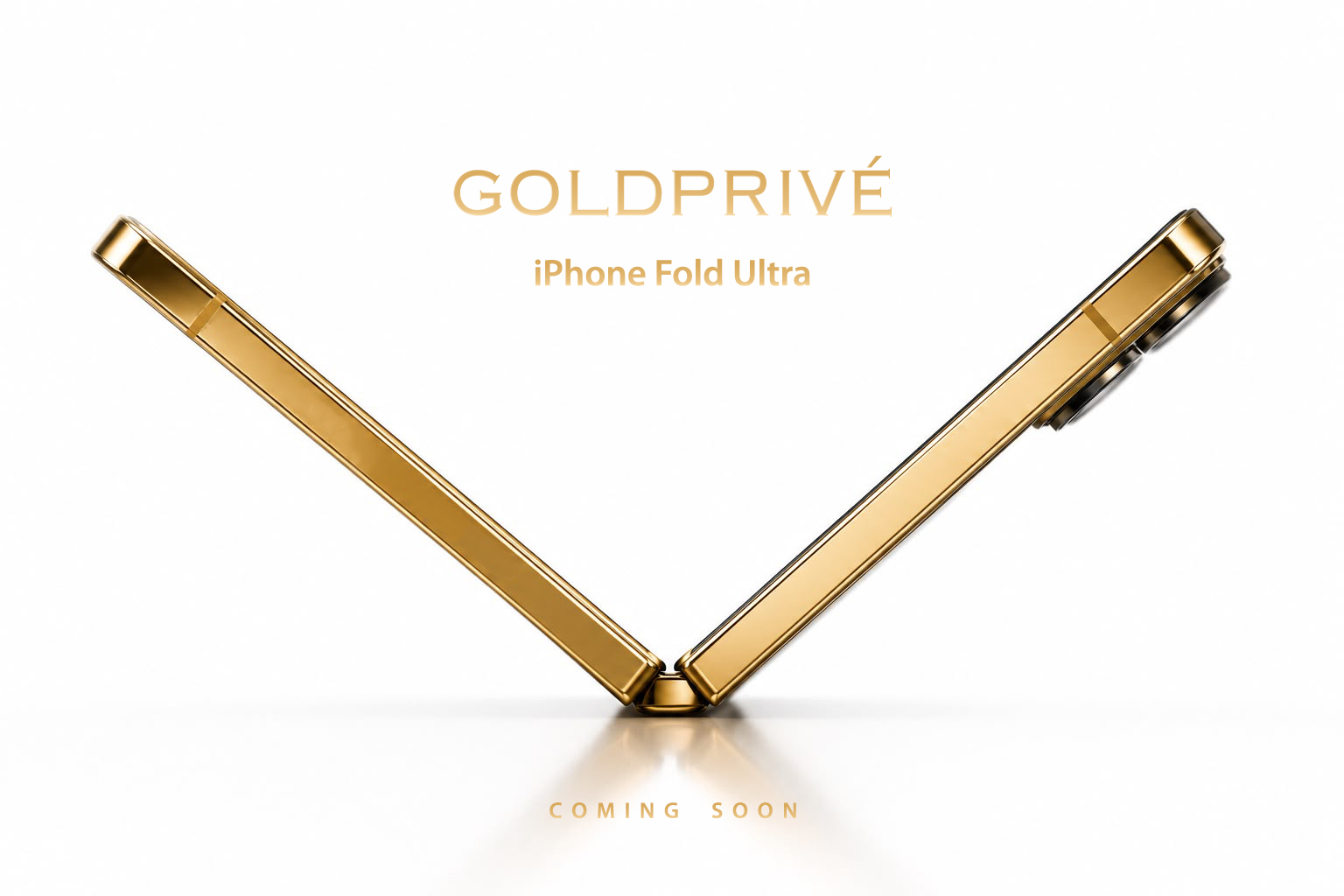
Apple Foldable iPhone: Meet iPhone Duo, Not iPhone Fold
The Apple foldable iPhone is no longer a matter of guesswork. On 9 September 2026 Apple unveiled iPhone Duo, its first iPhone that folds, with a 7.6-inch inner display, a 5.4-inch outer display and a titanium design Apple calls the thinnest iPhone ever when open. Updated on 17 September 2026, this guide settles the iPhone Fold or iPhone Ultra question and covers release date, price, specifications and gold editions.
Key Takeaways
- The name: before launch it was widely referred to as iPhone Fold or iPhone Ultra. Apple’s official name is iPhone Duo.
- The dates: pre-orders open on 16 October 2026 and availability follows on 23 October in more than 70 countries and regions, including the UAE and the UK.
- Price and options: from $1,999 in the US, 256GB to 2TB, in Star White or Night Sky.
- The hardware: A20 Pro chip, two 48MP rear cameras, up to 44 hours of video playback and Touch ID in the side button rather than Face ID.
- In gold: GoldPrivé editions never plate or open the frame, hinge or displays; wireless charging depends on the line.
Table of Contents
Quick Answer
Apple’s foldable iPhone is called iPhone Duo, not iPhone Fold or iPhone Ultra. Apple announced it on 9 September 2026. Pre-orders begin on 16 October, and it goes on sale on 23 October 2026 from $1,999 in the US. It opens to a 7.6-inch screen and closes to a 5.4-inch one.
Is Apple’s Foldable iPhone Called iPhone Fold, iPhone Ultra or iPhone Duo?
Before September 2026, Apple’s folding phone was widely referred to as “iPhone Fold” or “iPhone Ultra”. Apple chose neither. Its press release, “Apple unveils iPhone Duo”, introduced the official name, a fitting one for a phone built around two screens. When an older article or listing mentions iPhone Fold or iPhone Ultra, it means the device Apple now calls iPhone Duo.
Apple Foldable iPhone Release Date and Price
Pre-orders open on Friday 16 October 2026 at 5 a.m. PT, and iPhone Duo becomes available on Friday 23 October 2026, five weeks after the 18 Pro models go on sale on 18 September. That launch covers more than 70 countries and regions, including the UAE and the UK.
In the US, prices start at $1,999, which is $700 above the $1,299 starting price of iPhone 18 Pro Max. Storage comes in 256GB, 512GB, 1TB and 2TB, and Apple offers two colours: Star White and Night Sky. Neither is a precious-metal finish; for gold, see the gold editions section.
Apple Foldable iPhone Specifications
| Feature | iPhone Duo |
|---|---|
| Inner display | 7.6″, 2670 × 1878 pixels at 430 ppi |
| Outer display | 5.4″, 2034 × 1398 pixels at 460 ppi |
| Display technology | ProMotion, 3000 nits peak brightness outdoors |
| Chip | A20 Pro with 6-core CPU and 7-core GPU |
| Rear cameras | 48MP Fusion Main (26 mm, ƒ/1.6) with 2x optical-quality zoom; 48MP Fusion Ultra Wide (13 mm, ƒ/2.2) |
| Front cameras | 12MP Center Stage camera on the outer display; under-display FaceTime camera on the inside |
| Video recording | 4K Dolby Vision at up to 120 fps |
| Battery | Up to 44 hours of video playback on the outer display |
| Thickness | 5.3 mm unfolded; 11.2 mm folded |
| Design | Titanium, with a precision hinge |
| Biometrics | Touch ID built into the side button; no Face ID |
| Connectivity | USB‑C, 5G, Wi‑Fi 7, Bluetooth 6 |
| Wireless charging | MagSafe and Qi2 |
| Storage | 256GB, 512GB, 1TB, 2TB |
| Colours | Star White, Night Sky |
Every figure here comes from Apple’s iPhone Duo press release.
Design and Hinge: The Thinnest iPhone When Open
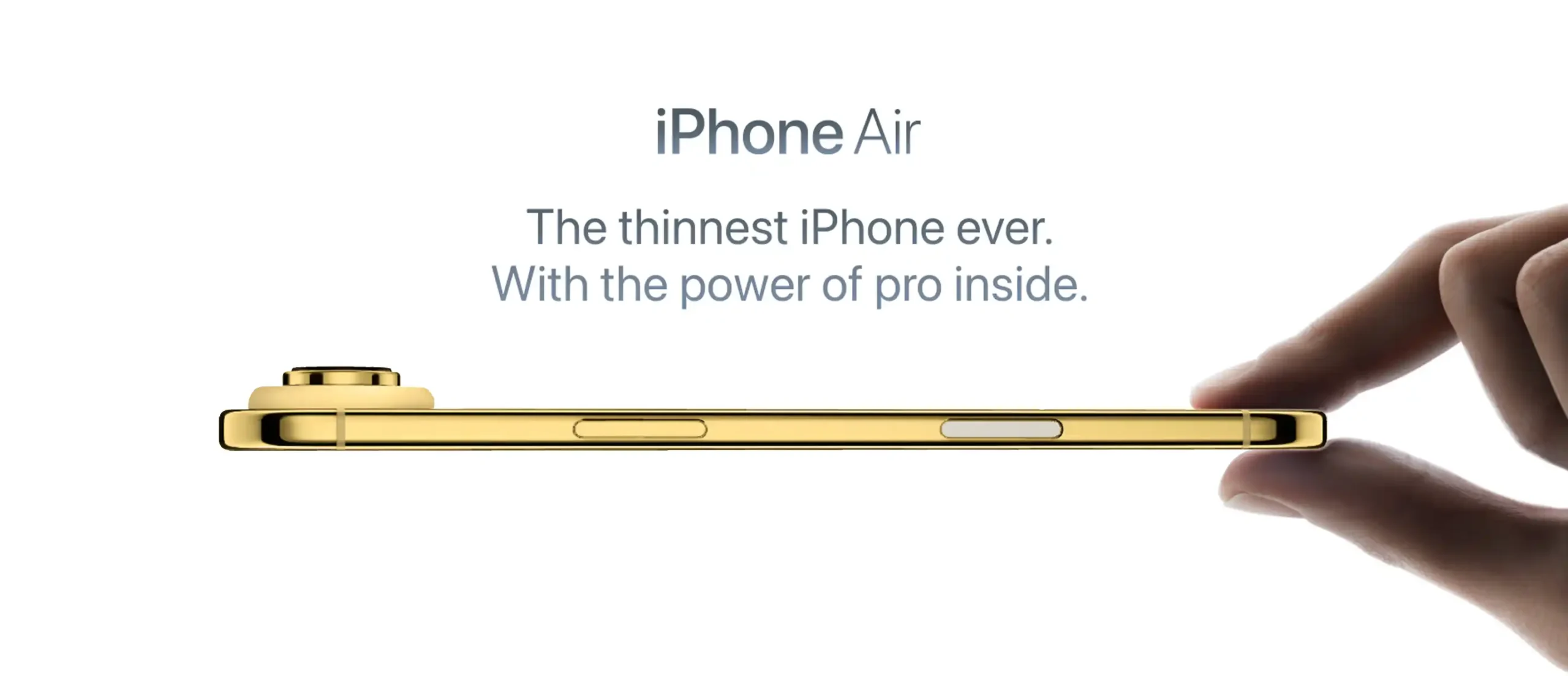
iPhone Duo is built from titanium around a precision hinge, where iPhone 18 Pro and Pro Max use an aluminium unibody. Unfolded, it measures 5.3 mm, which Apple says makes it the thinnest iPhone ever when open; iPhone Air, for reference, is 5.64 mm. Folded, it is 11.2 mm, deeper than the 8.75 mm iPhone 18 Pro Max. Like a gold iPhone 18 Pro Max, it is not water resistant once customised.
Inner and Outer Displays
iPhone Duo has two screens: a 7.6-inch inner display for when it is open, and a 5.4-inch outer display for when it is closed. Apple says the outer screen offers 90 percent of the screen area of iPhone 18 Pro, so plenty can be done without unfolding it.
The inner panel runs at 2670 × 1878 pixels and 430 ppi, and Apple describes it as the largest display ever on iPhone. The outer panel is 2034 × 1398 pixels at a denser 460 ppi. Unfolded, it gives photos, video and documents far more room than a single-screen iPhone.
Cameras, Smart Take and FaceTime
On the back are two 48MP cameras: a Fusion Main (26 mm, ƒ/1.6) with 2x optical-quality zoom, and a Fusion Ultra Wide (13 mm, ƒ/2.2). Video reaches 4K Dolby Vision at up to 120 fps, the same ceiling as iPhone 18 Pro Max. It has two front cameras: a 12MP Center Stage camera in the outer display and an under-display FaceTime camera on the inside. Apple also highlights:
- Smart Take uses on-device AI to capture photos when your subjects pose, rather than relying on you to tap at the right instant.
- Dual Capture comes to FaceTime on iPhone Duo.
Touch ID Instead of Face ID
iPhone Duo does not have Face ID. Apple built Touch ID into its side button instead. You unlock the phone and confirm your identity with a registered fingerprint on that button, not by looking at the screen.
For Face ID users, the adjustment is mostly habit: authentication moves from a glance to a touch. It also shapes gold editions, as GoldPrivé’s accent editions never plate the Touch ID button.
iPhone Duo vs iPhone 18 Pro Max
Both use the A20 Pro chip, so the choice comes down to format, cameras and price.
| Compared | iPhone Duo | iPhone 18 Pro Max |
|---|---|---|
| Screens | 7.6″ inner, 5.4″ outer | 6.9″ single display |
| Thickness | 5.3 mm open, 11.2 mm closed | 8.75 mm |
| Build | Titanium, precision hinge | Aluminium unibody |
| Rear cameras | Two 48MP: Main and Ultra Wide | Three 48MP: variable-aperture Main, Ultra Wide, 4x Telephoto |
| Zoom | 2x optical-quality | 8x optical-quality zoom in, 2x out |
| Video playback | Up to 44 hours (outer display) | Up to 45 hours (eSIM-only models) |
| US starting price | $1,999 | $1,299 |
| On sale | 23 October 2026 | 18 September 2026 |
Choose iPhone Duo for the largest display Apple has put on an iPhone, in a phone that folds to pocket size. Choose iPhone 18 Pro Max for telephoto reach, a lower price and earlier release. Weighing iPhone Air instead? See our iPhone 18 Pro Max vs iPhone Air comparison.
Gold iPhone Duo Editions at GoldPrivé
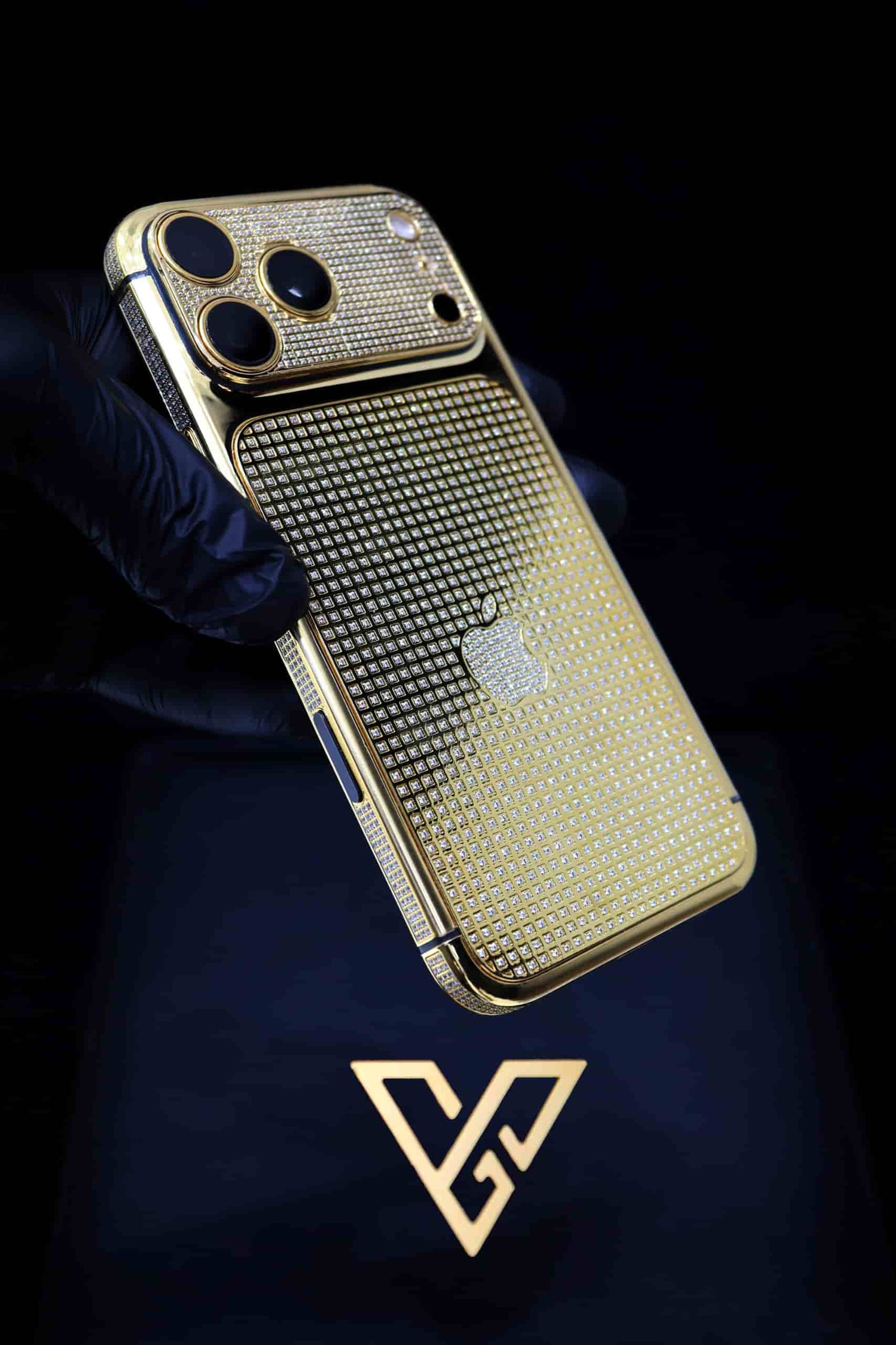
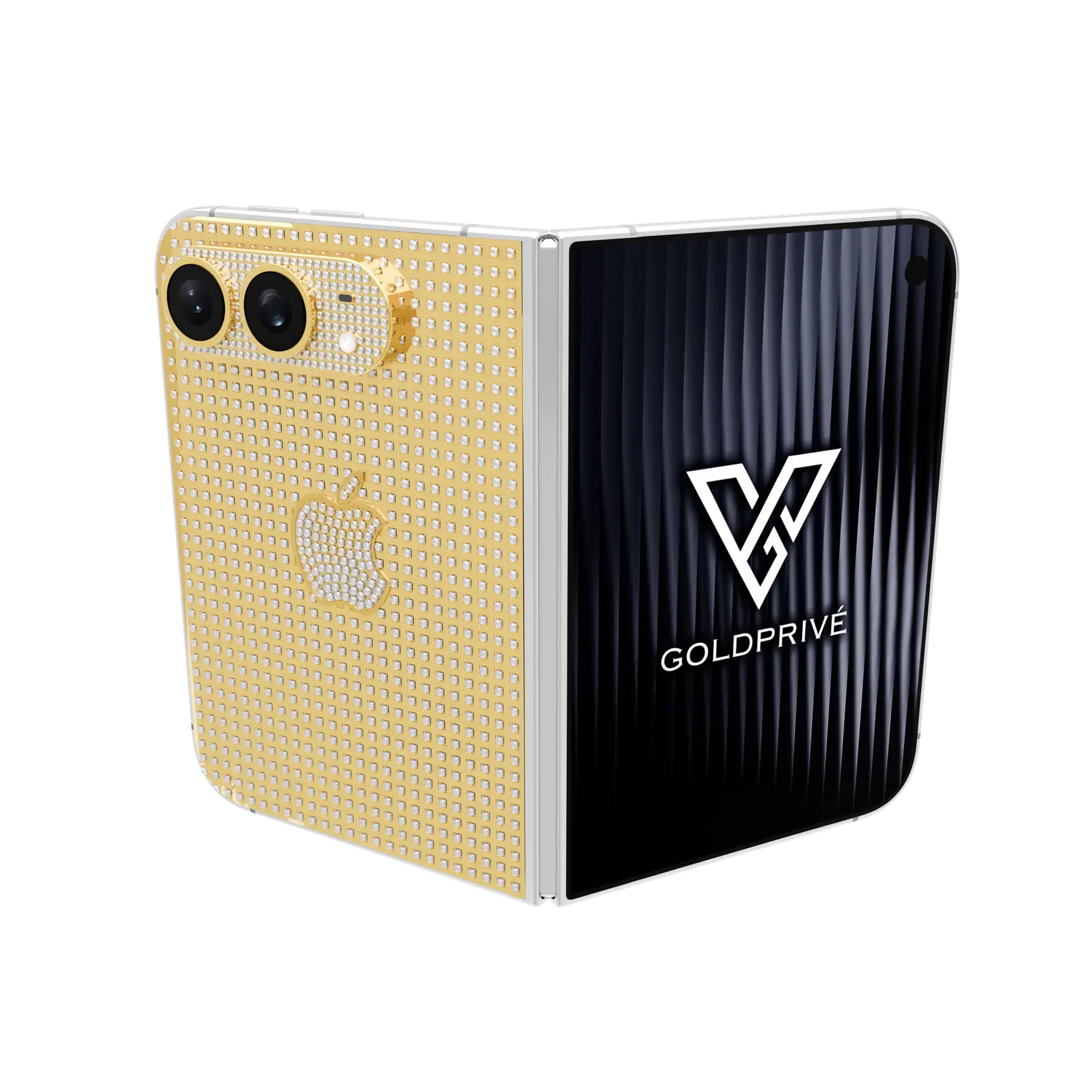
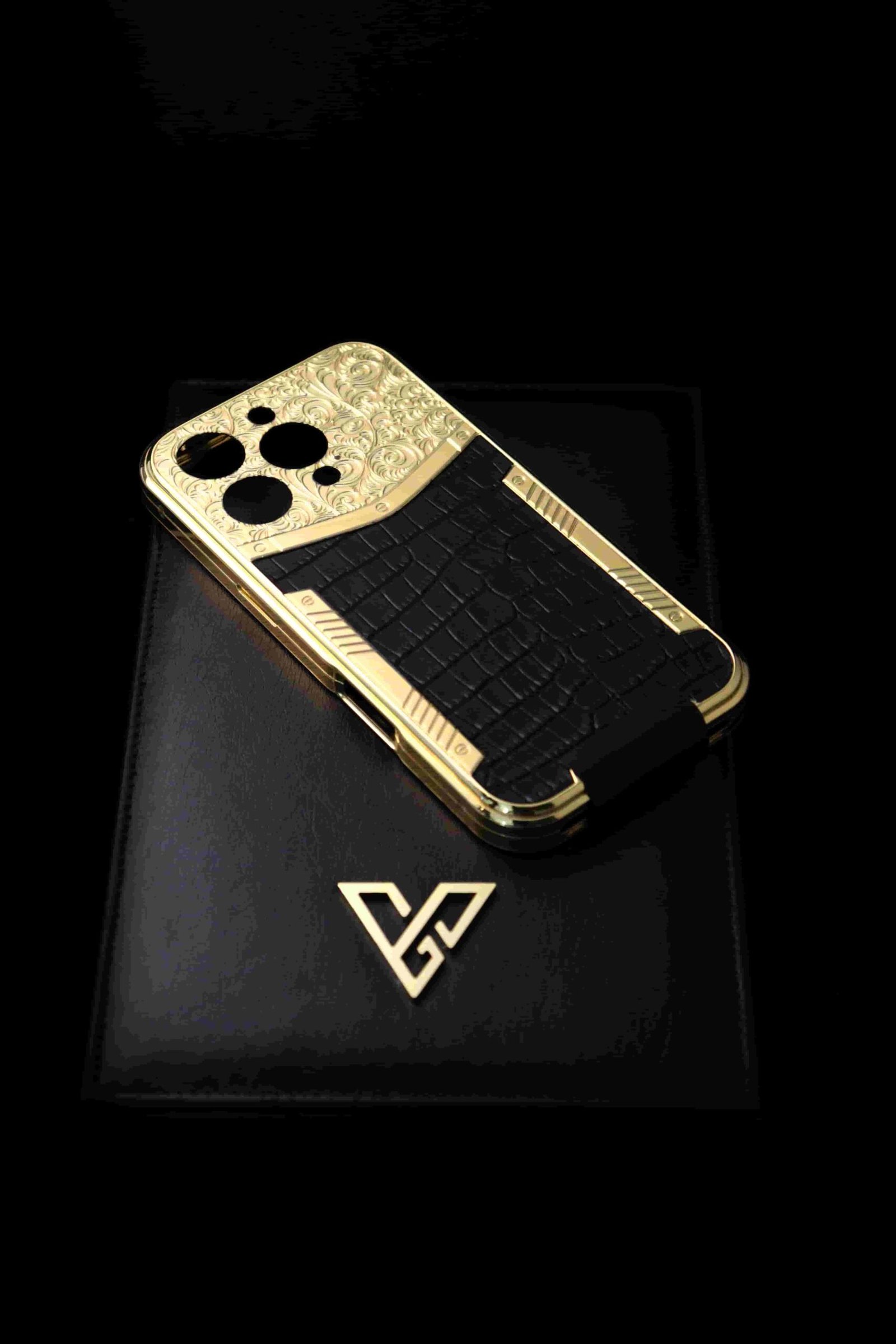
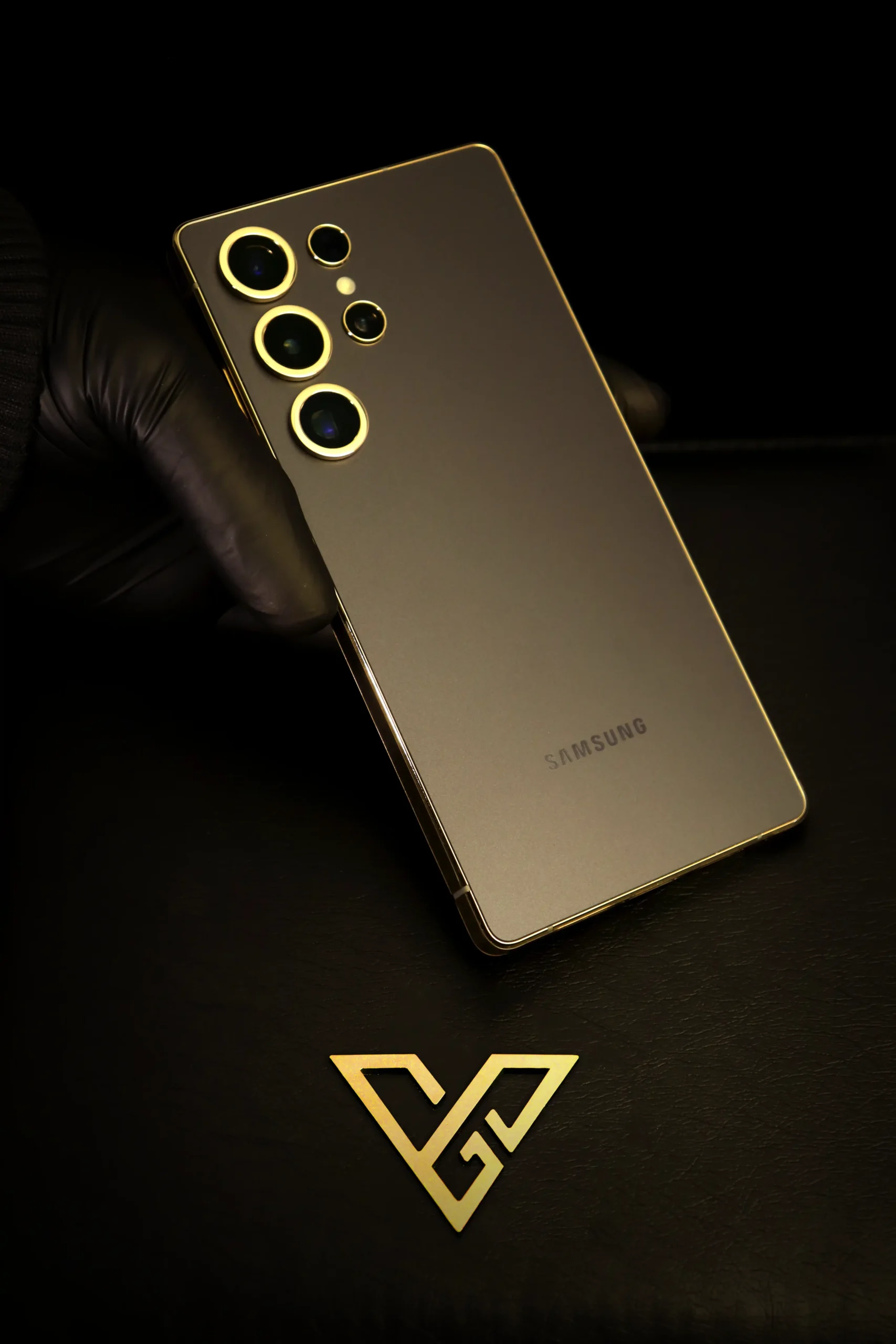
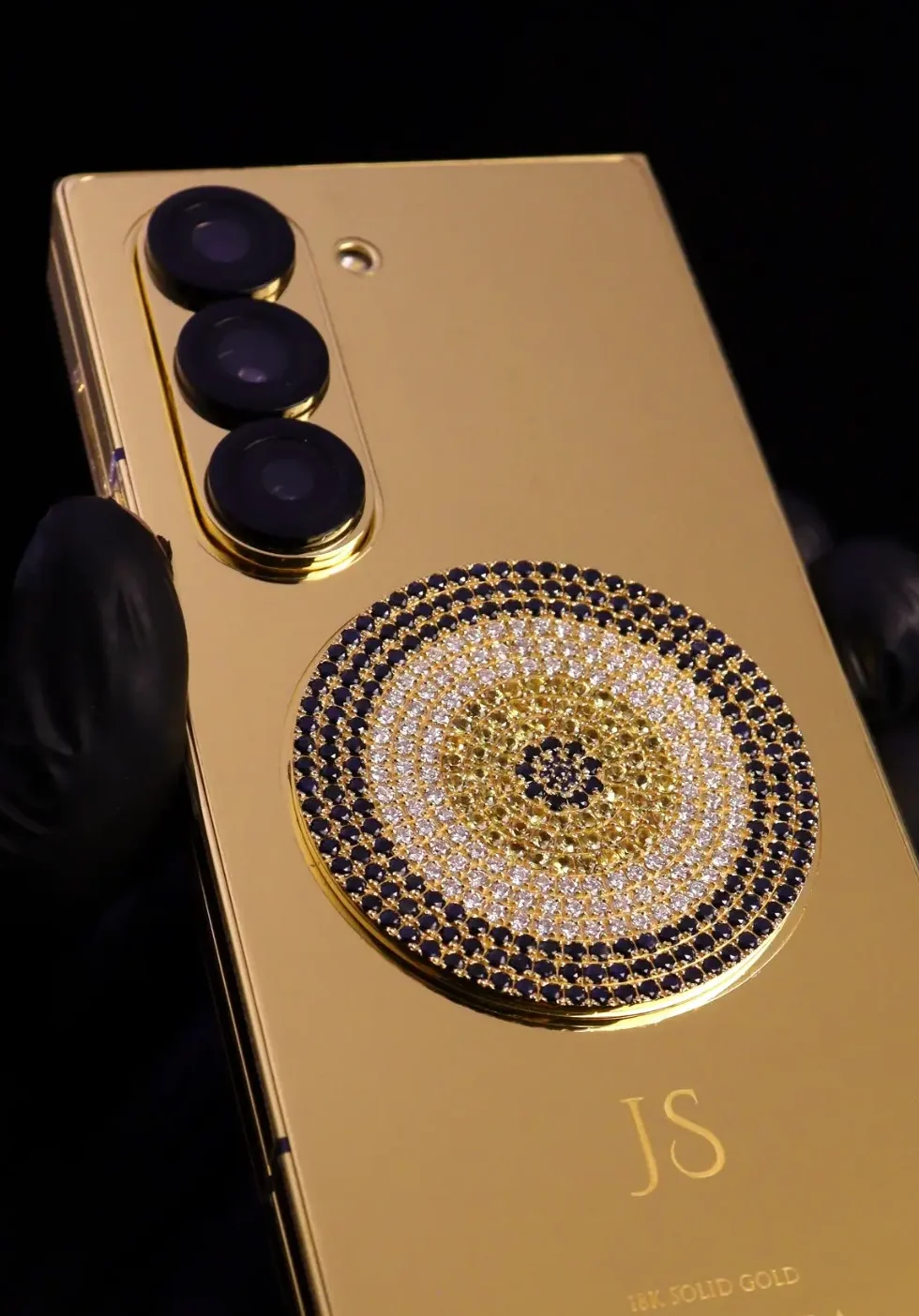
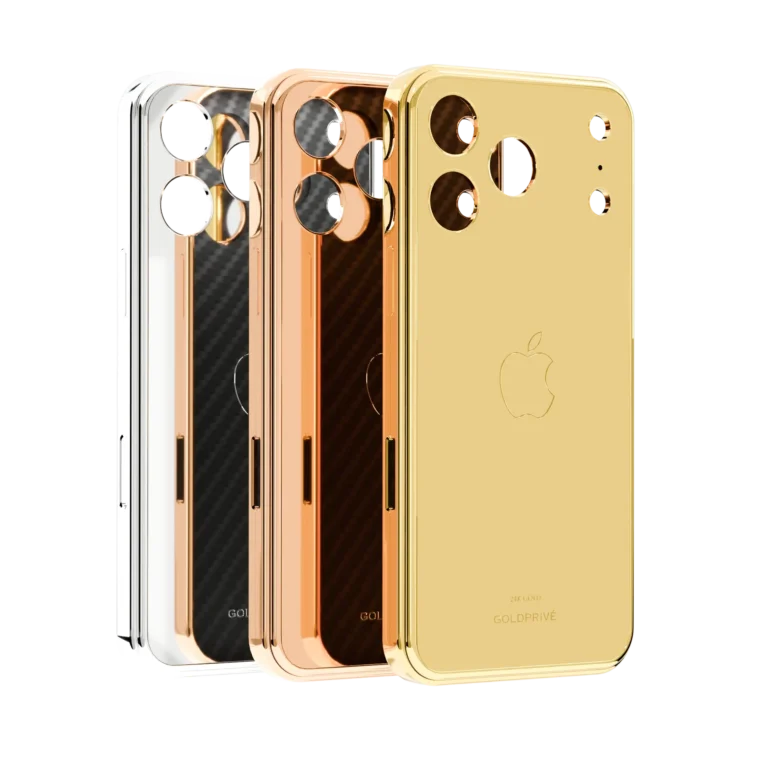
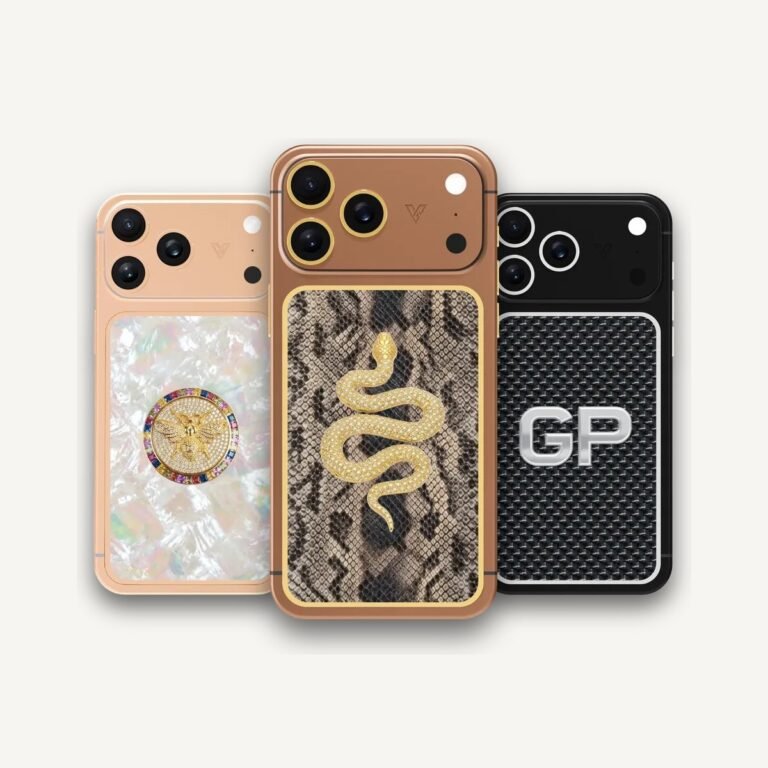
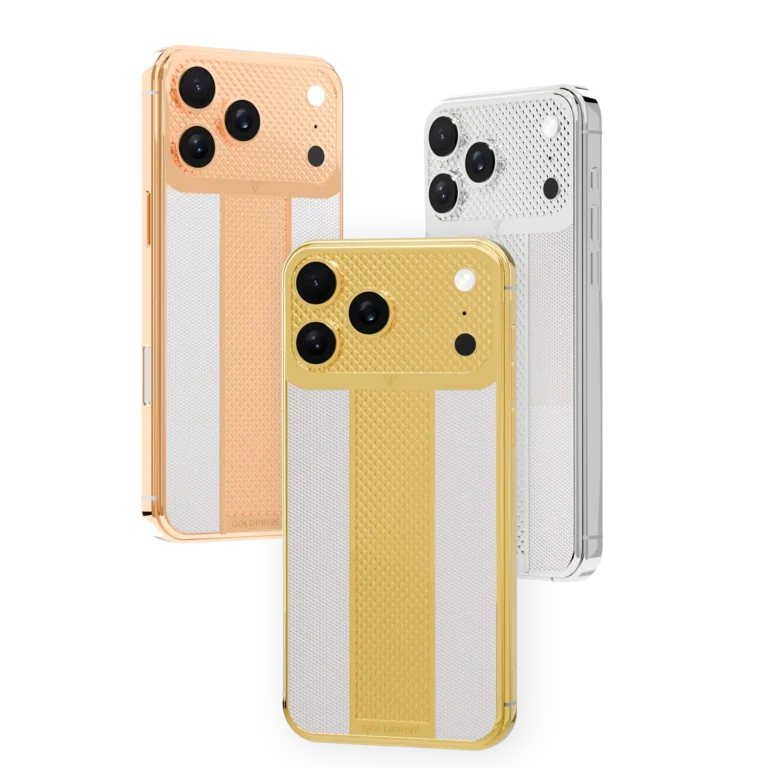
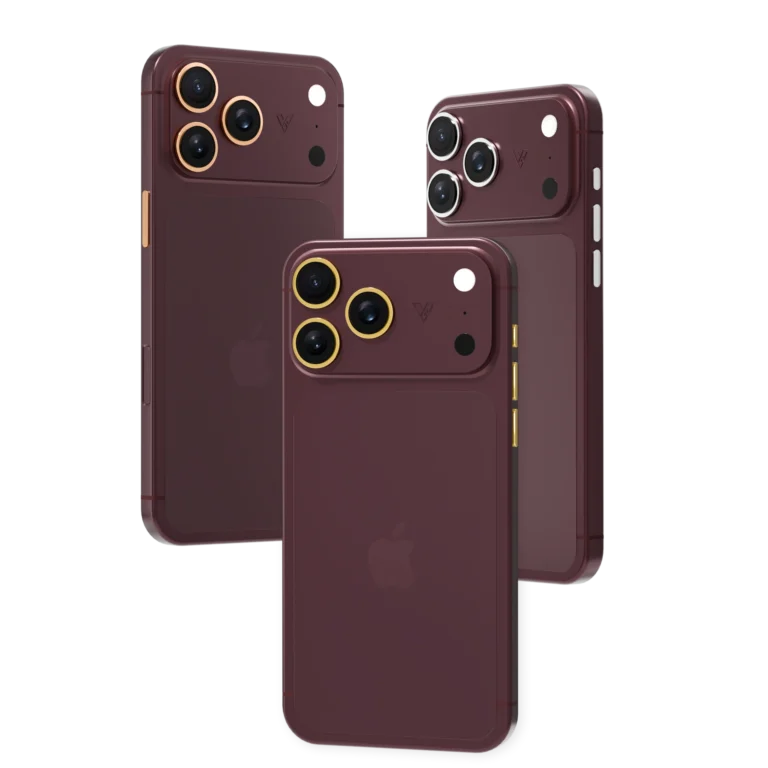
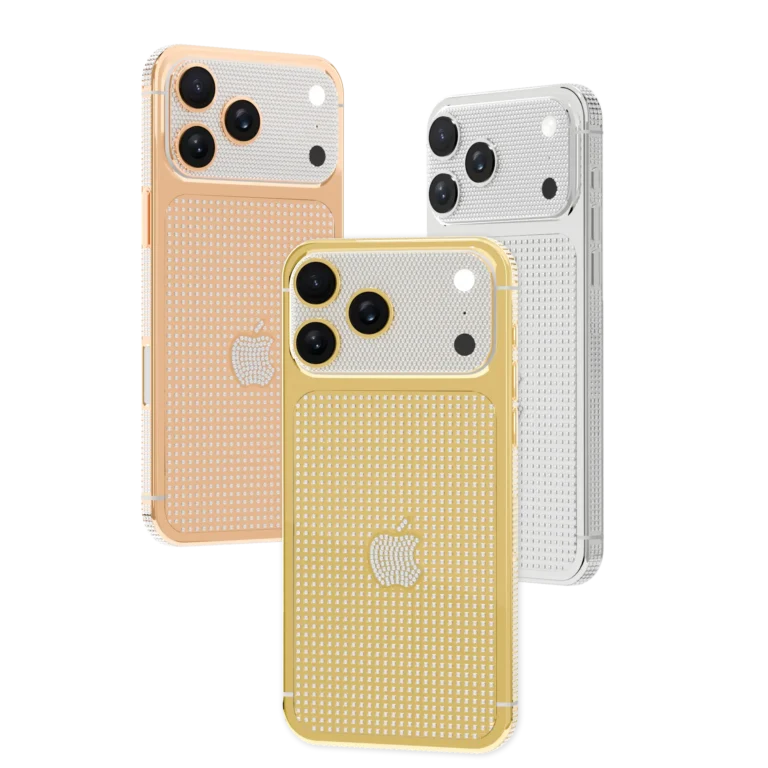
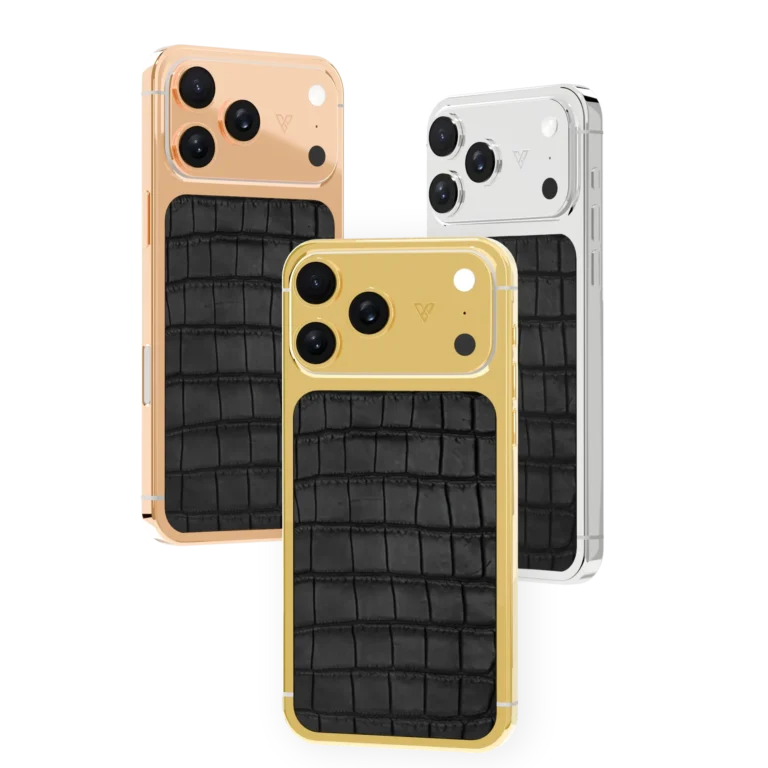
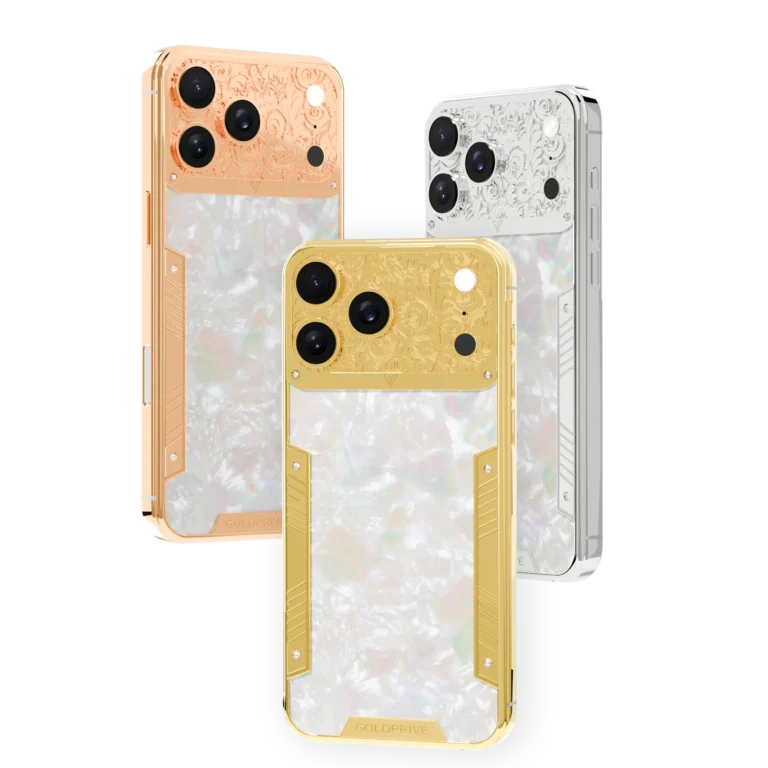
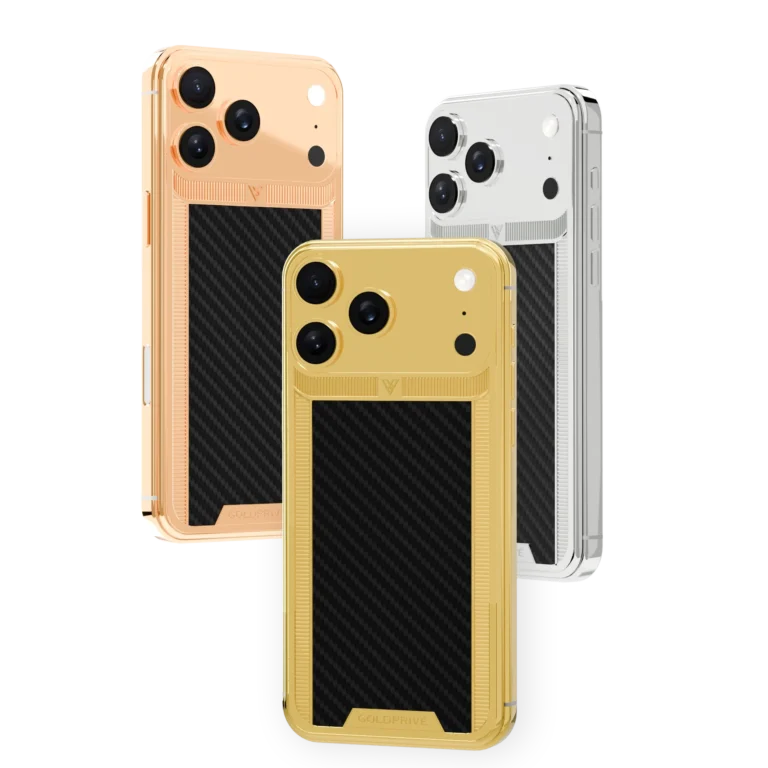
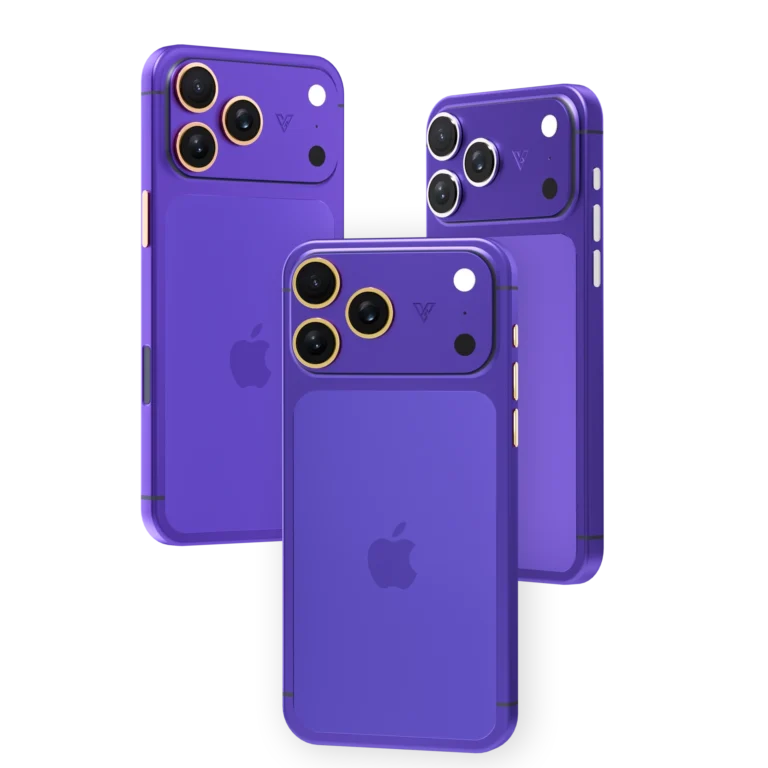
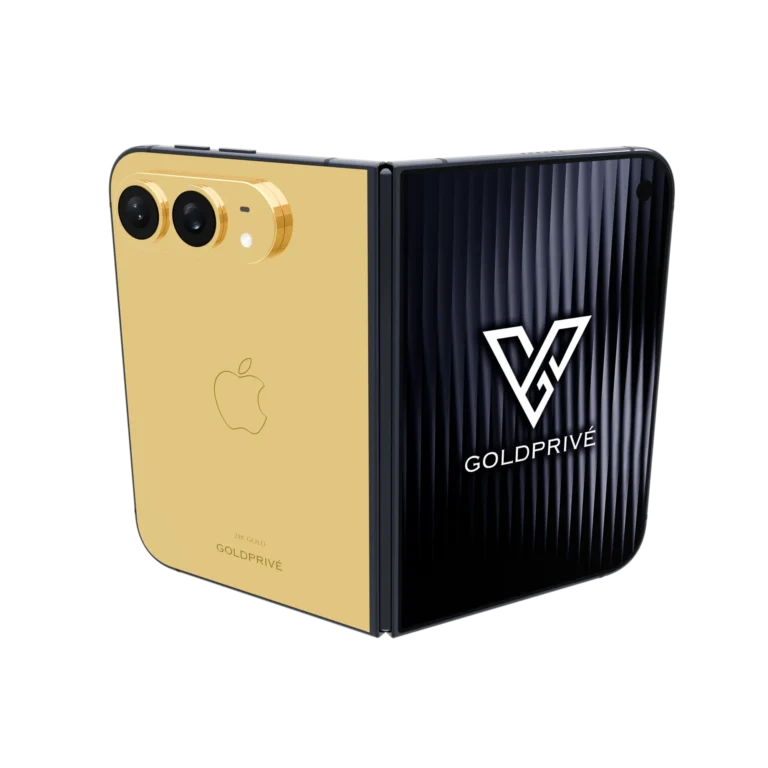
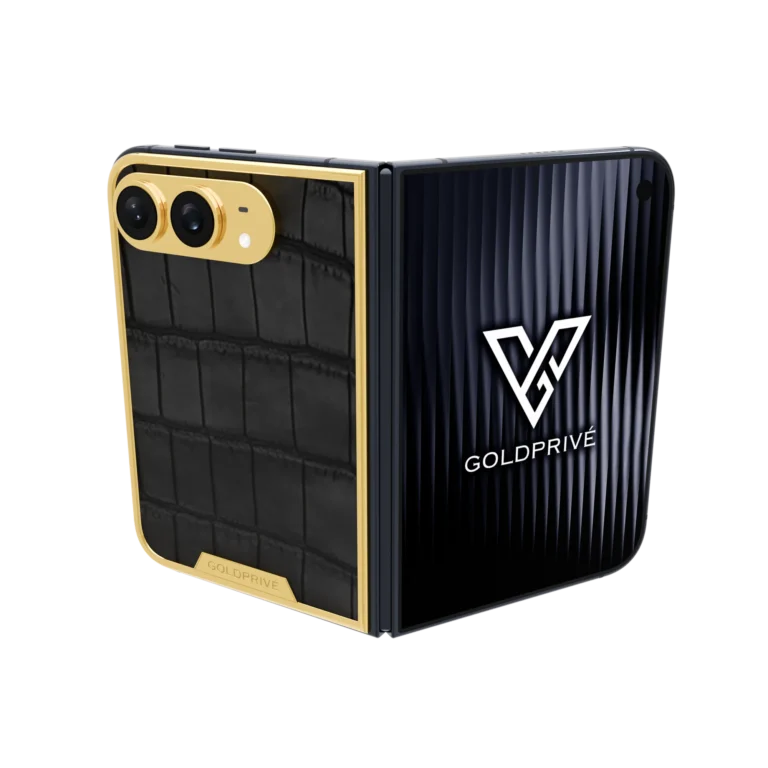
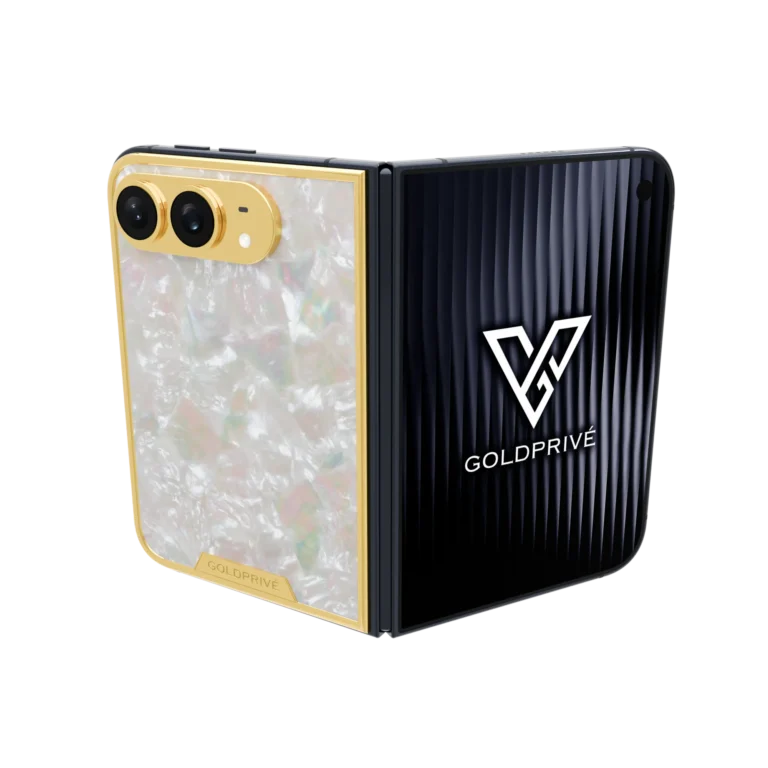
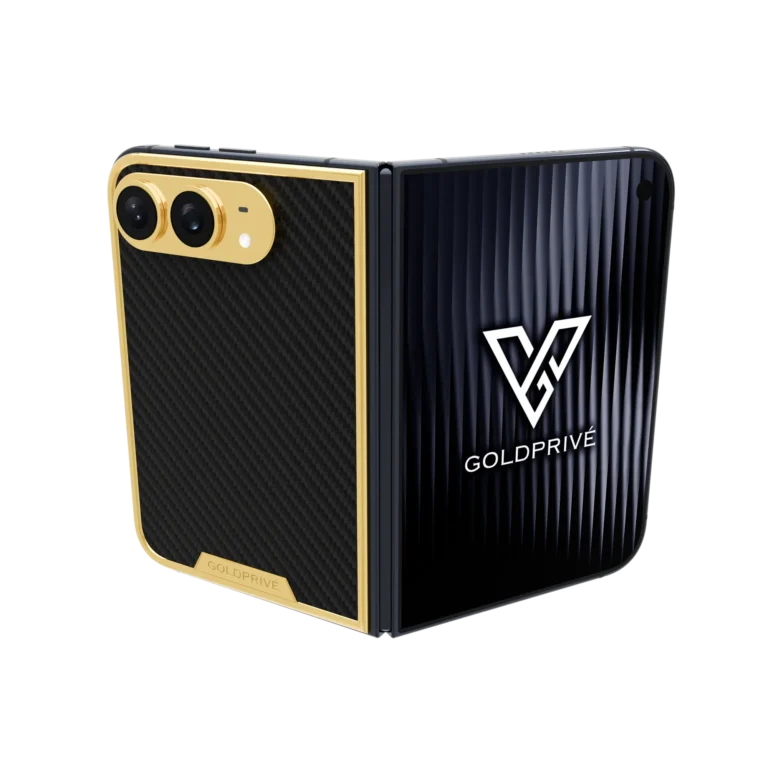
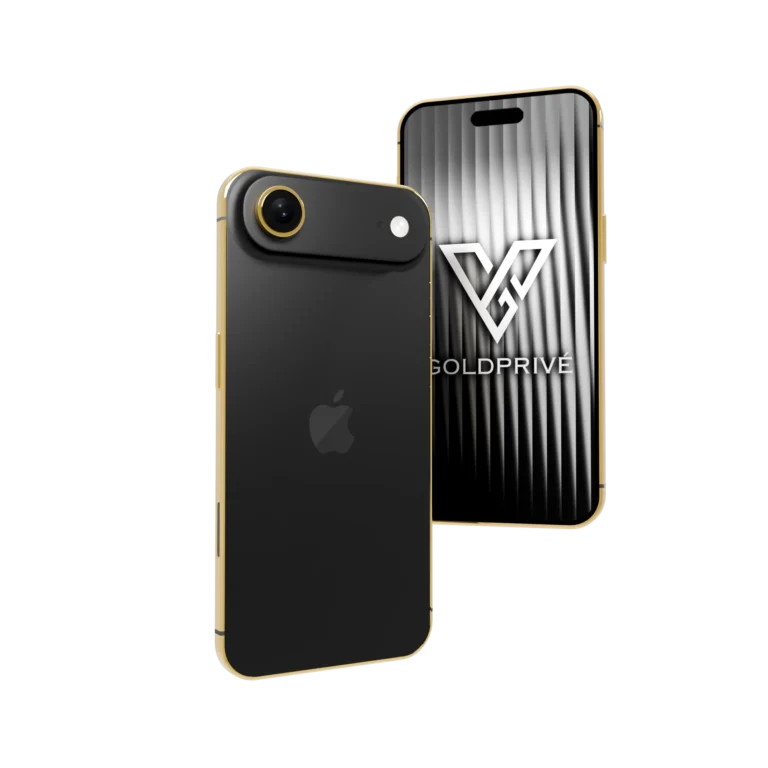
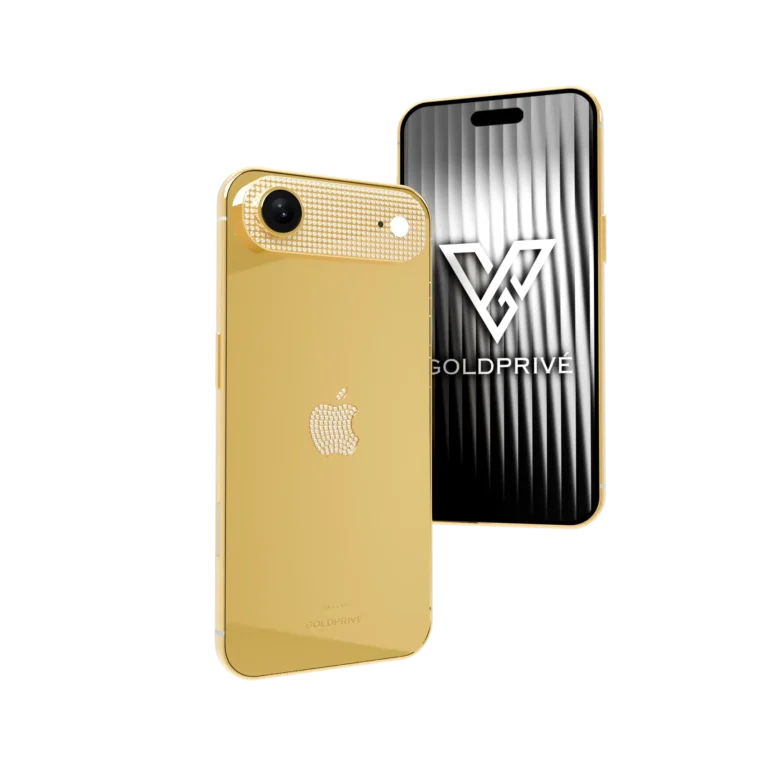
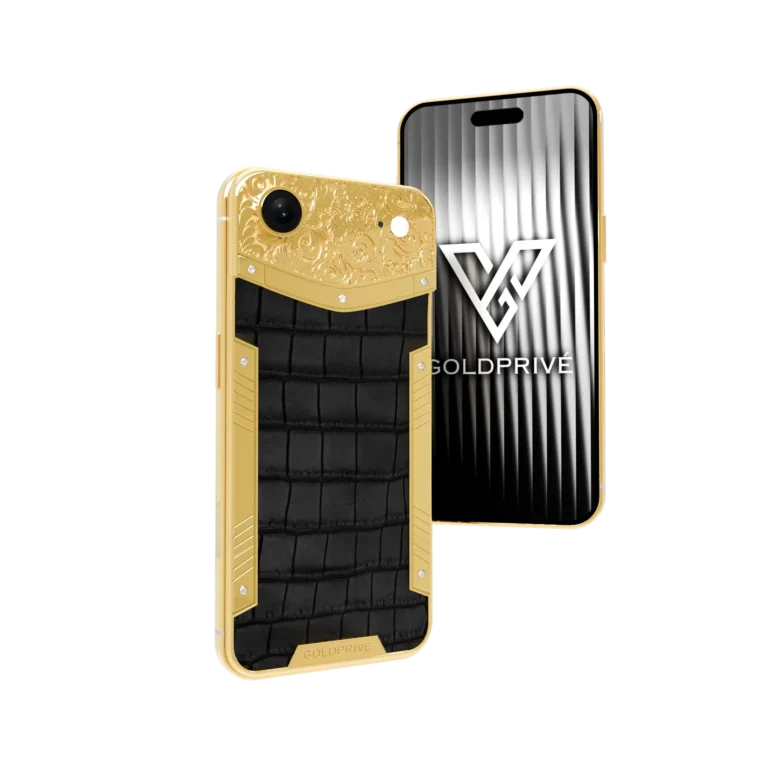
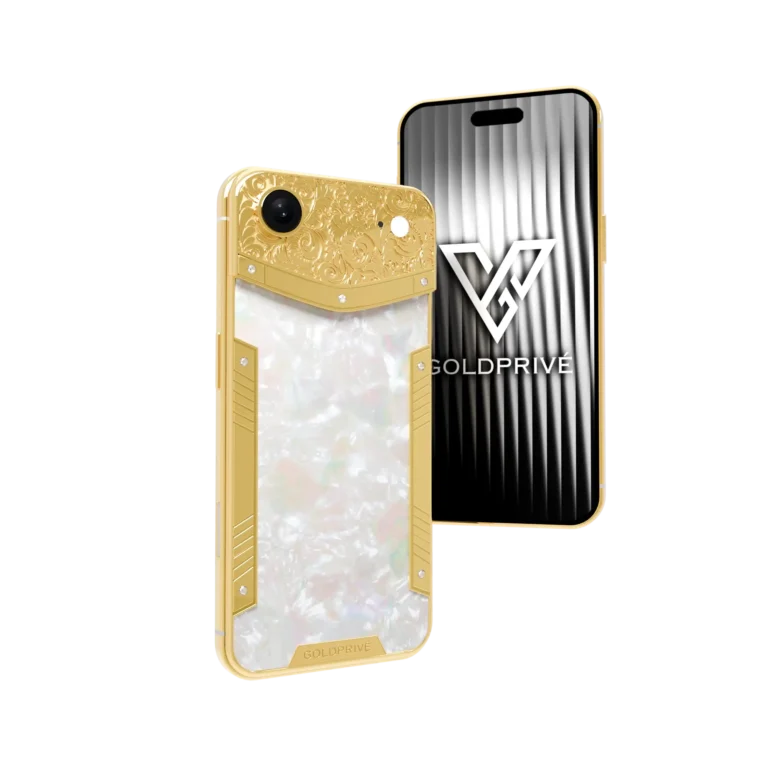
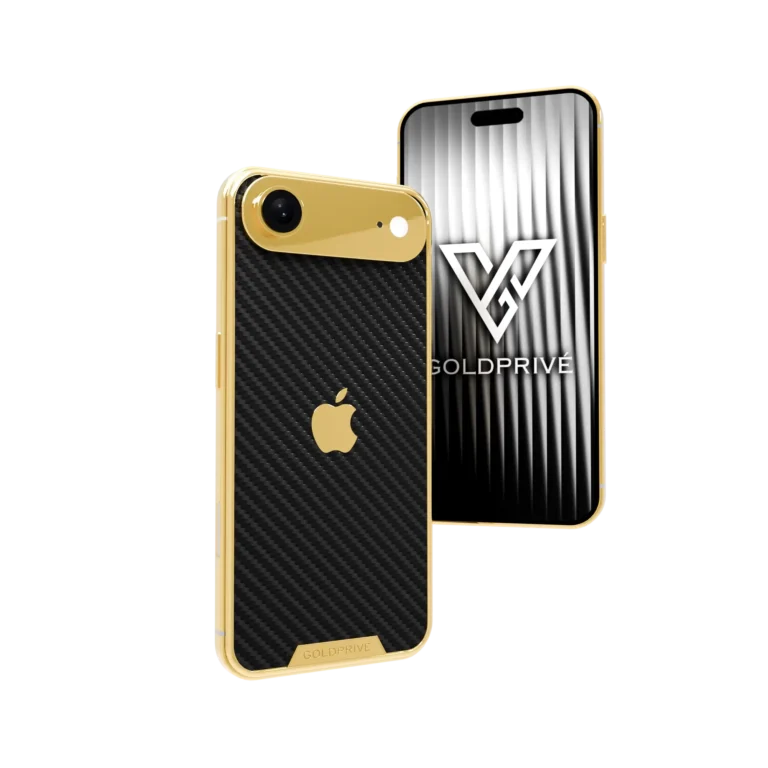
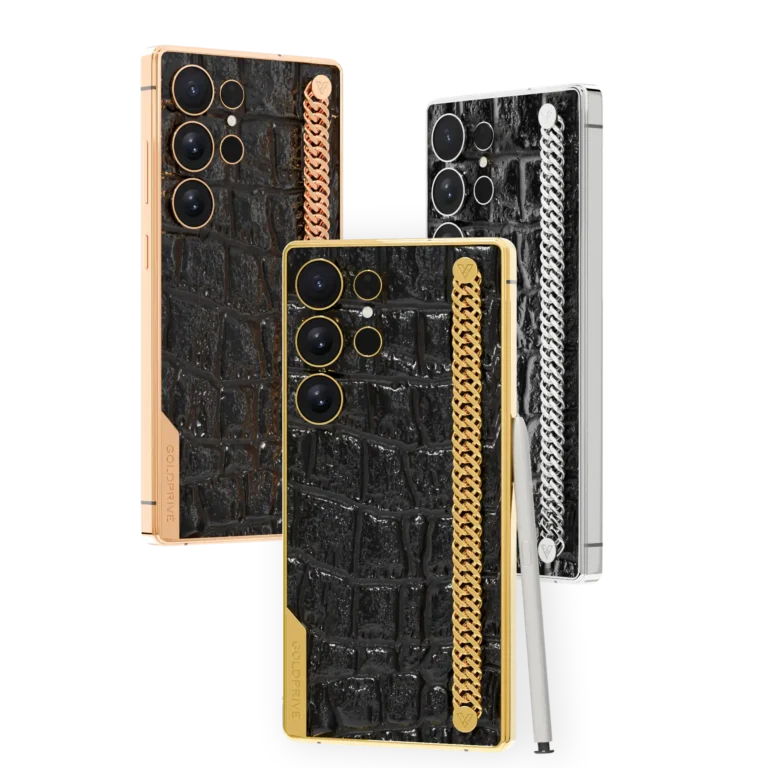
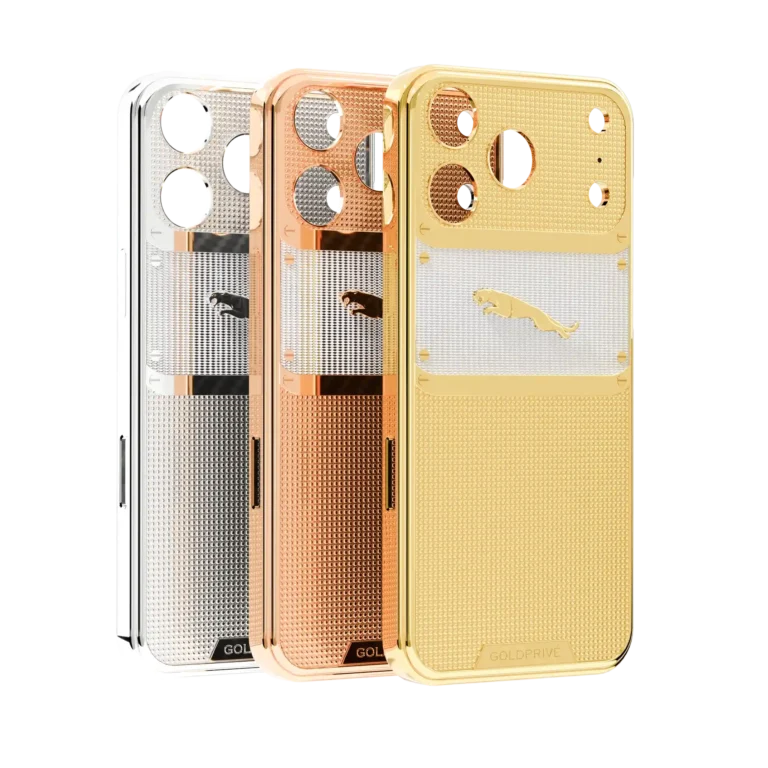
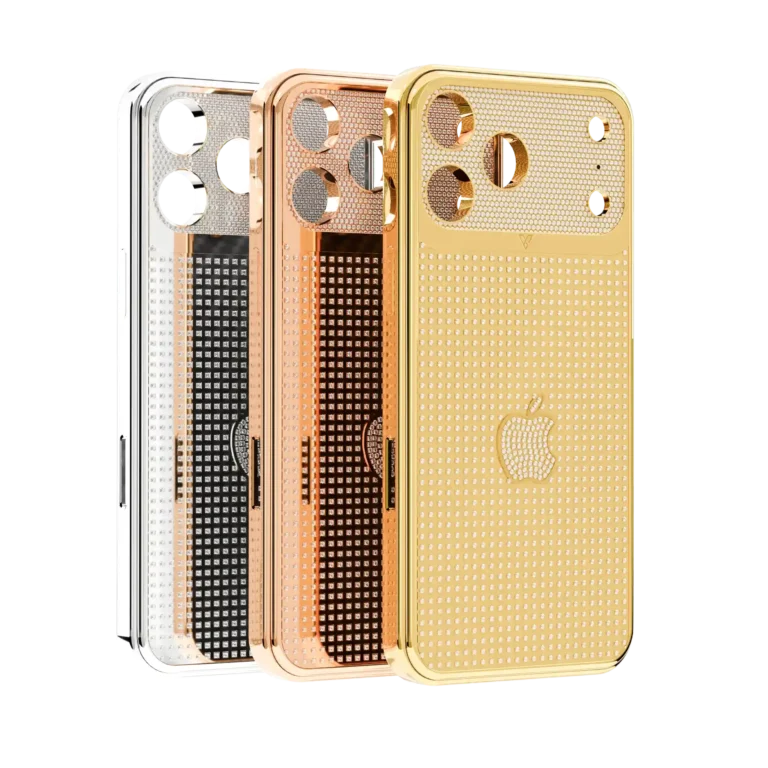
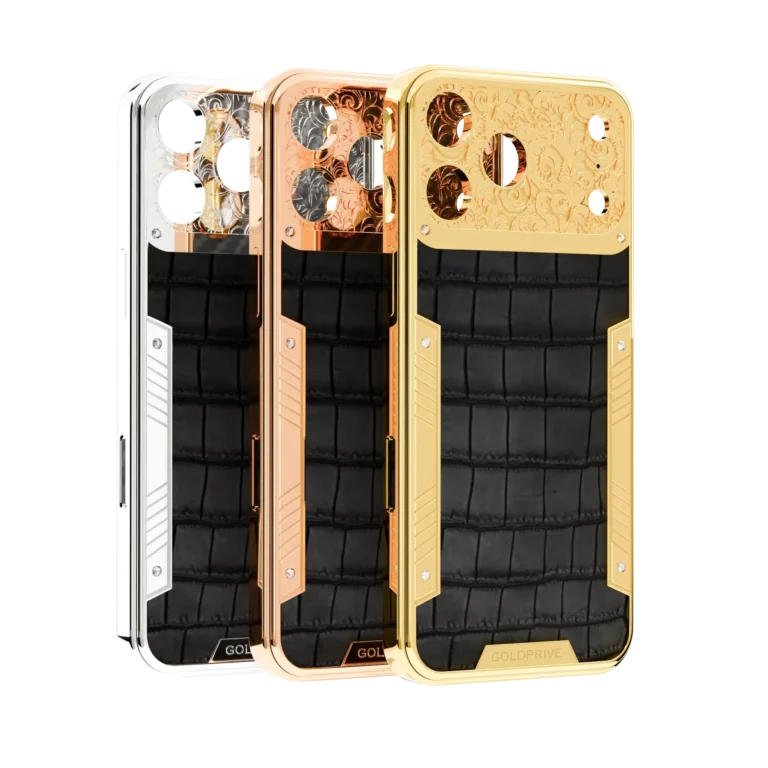
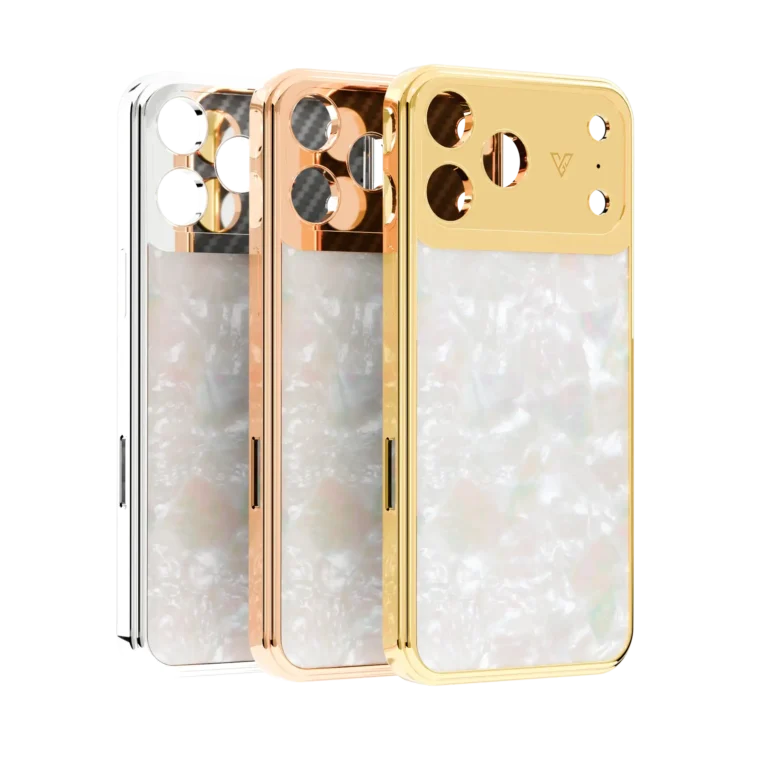
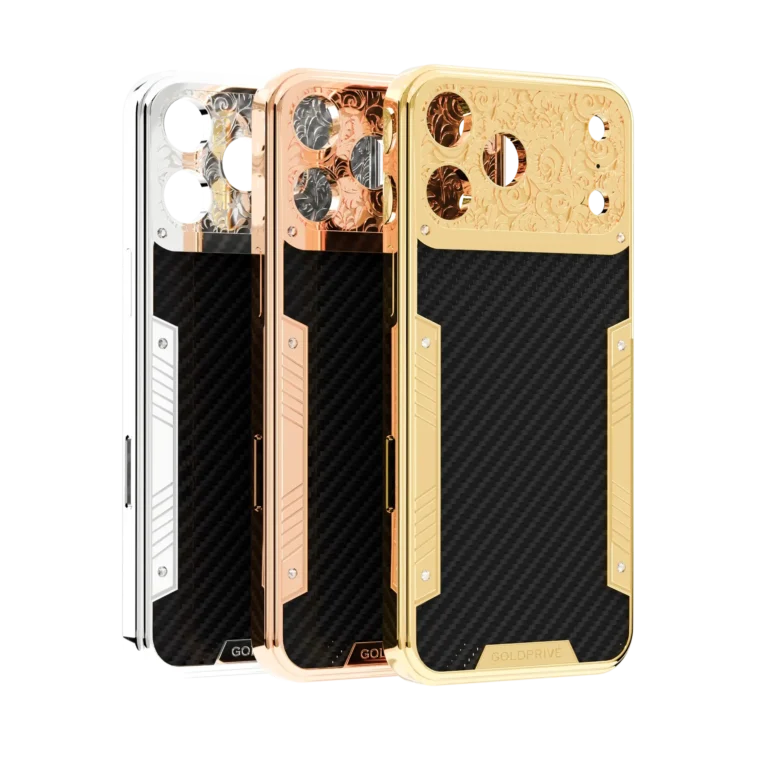
For a foldable finished in gold, the GoldPrivé gold iPhone Duo collection starts from a new, unlocked Apple device, customised by hand in GoldPrivé’s Dubai atelier, with internals, displays and cameras never modified. Editions currently range from $ 3,090 to $ 15,390, and every design is listed in the gold iPhone Duo category.
- Always untouched: the frame, the hinge and both displays are never plated or opened.
- Plated editions: the back plate is replaced and plated, the camera ring is finished in gold and the Apple logo is engraved. These do not support MagSafe and charge by USB‑C.
- Exotic Skin and Pearl editions: wireless charging varies by configuration, so confirm it for your design before ordering.
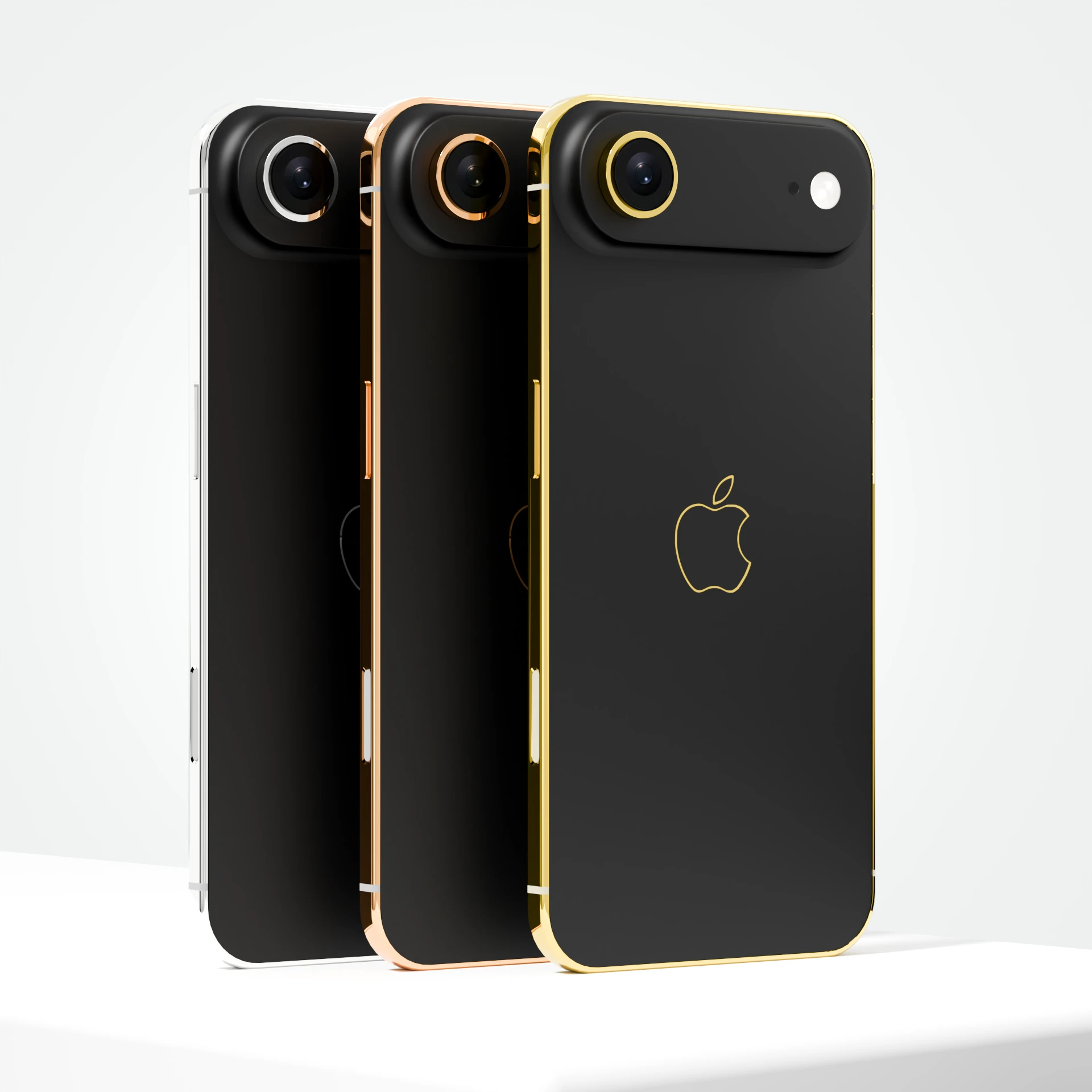
- Accent editions: only the camera rings and logo are plated, and the Touch ID button never is.
Apple may treat a customised iPhone as modified, which can affect its warranty, and it is not water resistant, so keep it away from water; GoldPrivé Care covers the customised parts. You can reserve with a 50% deposit or pay in full, and a consultant confirms engraving, production and fully insured delivery. More detail is in Gold iPhone Duo: everything Apple confirmed at launch.
Discover the Gold iPhone Duo
Explore the gold iPhone Duo collection: Apple’s first foldable, finished by hand in Dubai.
Torn between a plated, accent or Exotic Skin iPhone Duo? Talk to a GoldPrivé consultant about design, engraving and the charging features you rely on.
FAQs
What is Apple’s foldable iPhone called?
iPhone Duo. Before launch it was widely referred to as iPhone Fold or iPhone Ultra, but Apple announced it as iPhone Duo on 9 September 2026.
When is the iPhone Duo release date?
Pre-orders open on Friday 16 October 2026 at 5 a.m. PT, and iPhone Duo is available from Friday 23 October 2026 in more than 70 countries and regions, including the UAE and the UK.
How much does iPhone Duo cost?
Apple’s US pricing starts at $1,999. GoldPrivé lists current prices for its gold iPhone Duo editions on the collection page.
What colours and storage options does iPhone Duo come in?
Two colours, Star White and Night Sky, and four storage capacities: 256GB, 512GB, 1TB and 2TB.
Does iPhone Duo have Face ID or Touch ID?
Touch ID, built into the side button. iPhone Duo does not have Face ID.
How thin is iPhone Duo?
5.3 mm unfolded and 11.2 mm folded. Apple calls it the thinnest iPhone ever when open, slimmer than the 5.64 mm iPhone Air.
Does iPhone Duo support MagSafe?
Apple’s iPhone Duo supports MagSafe and Qi2. On GoldPrivé editions it depends on the line: plated editions charge by USB‑C without MagSafe, while Exotic Skin and Pearl editions vary by configuration.
Is there a gold iPhone Duo?
Not from Apple. GoldPrivé makes gold iPhone Duo editions by hand in Dubai, leaving the frame, hinge and both displays untouched.