Blog
How Long Does Apple Support iPhones? iOS Updates and Luxury Device Longevity

How Long Does Apple Support iPhones? iOS Updates and Luxury Device Longevity
Apple typically supports an iPhone with major iOS updates for around six to seven years, followed by one to two additional years of security-only patches — meaning a new iPhone purchased today can reasonably be expected to remain current well into the 2030s. For buyers investing in a bespoke gold or platinum-finished iPhone, understanding this support window matters: it determines how long the device stays functionally current, not just how long the finish lasts.
Key Takeaways
- Apple currently provides roughly 6–7 years of major iOS updates per device, followed by 1–2 years of security-only patches.
- iOS 26, the current version as of 2026, supports iPhone 11 and newer — meaning the 2019 iPhone 11 is still receiving full major updates seven years after launch.
- Support ends in two stages: major iOS upgrades stop first, while critical security patches can continue for years afterward on some older models.
- Software longevity and hardware/finish longevity are separate questions — a 24K gold-finished iPhone’s plating can outlast the device’s software support window entirely.
- Apple Intelligence and newer AI features often require more recent hardware than baseline iOS compatibility, adding a second, shorter timeline to track.
Table of Contents
- Quick Answer
- Confirmed Support Pattern
- The Two Stages of Support
- Which iPhones Get iOS 26 Today
- Support Timeline by Generation
- Apple Intelligence Has Its Own Timeline
- Battery and Hardware Longevity
- How This Compares to Android
- What This Means for a Customized Gold iPhone
- Pairing Longevity With Craftsmanship
- FAQs
Quick Answer
Apple supports most iPhones with major iOS updates for about 6–7 years from release, plus roughly 1–2 more years of security-only patches. As of 2026, iOS 26 supports iPhone 11 (2019) and newer, meaning current-generation iPhones purchased today should remain fully updated into the early-to-mid 2030s.
Confirmed Support Pattern
CONFIRMED INFORMATION
Apple’s iOS 26 compatibility list, confirmed across multiple current sources including Macworld, includes every iPhone from iPhone 11 (2019) onward — any device built on the A13 Bionic chip or newer. iPhone XS, XR, X, and the iPhone 8 series are not on the iOS 26 compatibility list. Apple has also issued security-only patches for devices as old as 2015’s iPhone 6s in 2026, confirming that security support can extend well past a device’s final major OS upgrade.
The Two Stages of Support
iPhone software support ends in two distinct stages, not one. The first stage ends when a device stops receiving new major iOS versions — no new features, no new Apple Intelligence capabilities, no compatibility with the latest apps designed for current iOS. The second, longer stage is security-only support: Apple continues issuing patches for known vulnerabilities on the device’s last compatible iOS version, sometimes for several additional years, even though the device is frozen at that feature set. A phone that lost major-update eligibility in 2024 can still be receiving critical security patches in 2026 — current, but not up to date.
Which iPhones Get iOS 26 Today
| Still Getting iOS 26 (2026) | No Longer Eligible for Major Updates |
|---|---|
| iPhone 17 series / iPhone Air | iPhone XS / XS Max |
| iPhone 16 series | iPhone XR |
| iPhone 15 series | iPhone X |
| iPhone 14 series | iPhone 8 / 8 Plus |
| iPhone 13 series | iPhone 7 / 7 Plus and older |
| iPhone 12 series | iPhone SE (1st generation) |
| iPhone 11 series | — |
The iPhone 11, now seven years old, remains Apple’s oldest numbered iPhone still receiving full iOS 26 support — though it does not qualify for Apple Intelligence, which requires more recent hardware.
Support Timeline by Generation
Looking at recent generations specifically: the iPhone X launched in 2017 and received major updates through iOS 16 (2022) — five years — with security patches continuing on that branch into 2026. The iPhone XS/XR (2018) followed a similar pattern, losing major-update eligibility around iOS 18 (2024). Devices from iPhone 11 onward remain on active major-update status as of 2026, meaning their eventual cutoff dates aren’t yet determined, but based on Apple’s historical six-to-seven-year pattern, the iPhone 11 would be a reasonable candidate to lose major-update eligibility within the next update cycle or two.
This pattern is useful for setting realistic expectations rather than assuming every device gets an identical window. Apple does not publish a fixed support-length guarantee the way Samsung now does for Galaxy S devices; instead, each model’s cutoff is determined retroactively, once Apple stops including it in a given year’s compatibility list. A buyer choosing between two current models with different launch dates — say, an iPhone 15 versus an iPhone 17 — should expect roughly two additional years of major-update eligibility on the newer device, all else equal.
Apple Intelligence Has Its Own Timeline
Being able to install the latest iOS does not guarantee access to every new feature. Apple Intelligence and advanced Siri capabilities generally require iPhone 15 Pro or newer, and some of the newest AI features are limited to iPhone 17 Pro and later. An iPhone 11 or 12 can install iOS 26 and iOS 27, but will not run Apple’s newest on-device AI features regardless of software version.
This creates two overlapping but separate timelines for any iPhone owner to track: how long the device receives updates at all, and how long it receives the newest capabilities within those updates. For buyers choosing a device specifically for long-term relevance — including customization customers planning to keep a device for many years — the AI-feature cutoff is often the more meaningful practical limit.
Battery and Hardware Longevity Follow a Different Clock
Software support and battery health are also two separate clocks worth distinguishing. Apple rates iPhone batteries to retain 80% of original capacity at 1,000 full charge cycles — typically two to three years of average daily use — well short of the six-to-seven-year software support window. This means a device can remain fully current on iOS while needing a battery replacement, and conversely, a device that has lost major-update eligibility can still have a healthy battery and functional hardware for years of continued use. Screen, camera, and structural components generally outlast both software and battery timelines when the device is well maintained, which is part of why a hardware refresh (like a battery swap) rather than a full device replacement is often the more cost-effective choice mid-cycle.
How This Compares to Android Support Policies
Apple’s roughly six-to-seven-year major-update window is now competitive with, rather than ahead of, the top Android manufacturers. Samsung’s current flagship policy, confirmed in Samsung’s Galaxy S25 launch announcement, commits to seven generations of OS upgrades and seven years of security updates for recent Galaxy S series devices — a shift from Android’s historically shorter support windows. For buyers comparing platforms rather than assuming Apple’s longevity advantage by default, current top-tier support commitments from both ecosystems are now roughly aligned, though the two companies structure their update stages differently.
What This Means for a Customized Gold iPhone
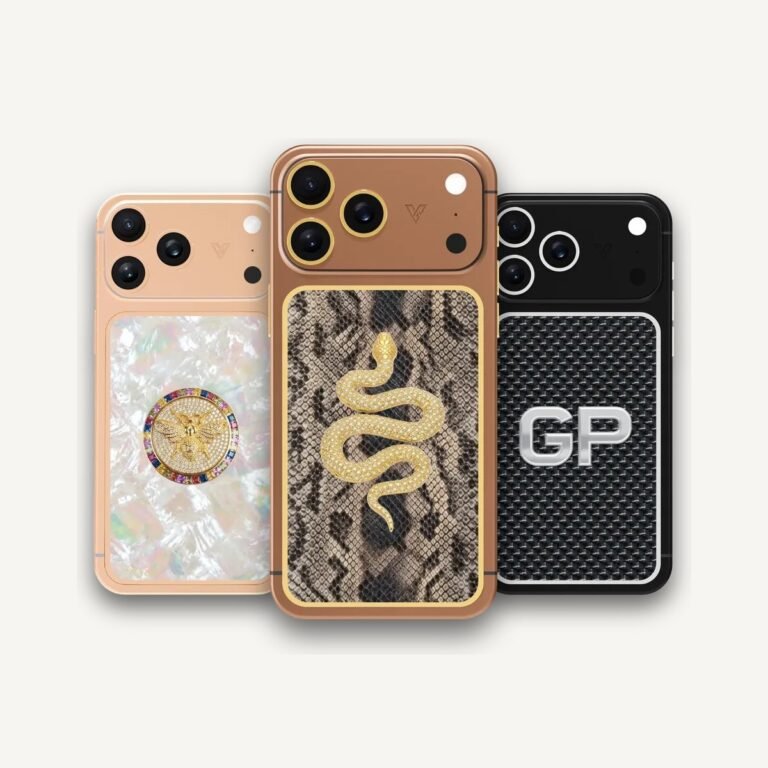
Software support and physical finish longevity are entirely separate considerations, and it’s worth being clear-eyed about the distinction. Apple’s software timeline determines how long a device remains functionally current — six to seven years of major updates, longer for security patches. A properly applied 24K gold or platinum finish, by contrast, is a permanent physical treatment that does not degrade on Apple’s software schedule; our guide to caring for a gold iPhone covers how to maintain the finish across the device’s full ownership life, independent of iOS version. In practice, this means the finish will typically outlast the software support window, and many customization buyers plan their next device purchase around Apple’s release cadence rather than any finish-related timeline.
Pairing Longevity With Craftsmanship
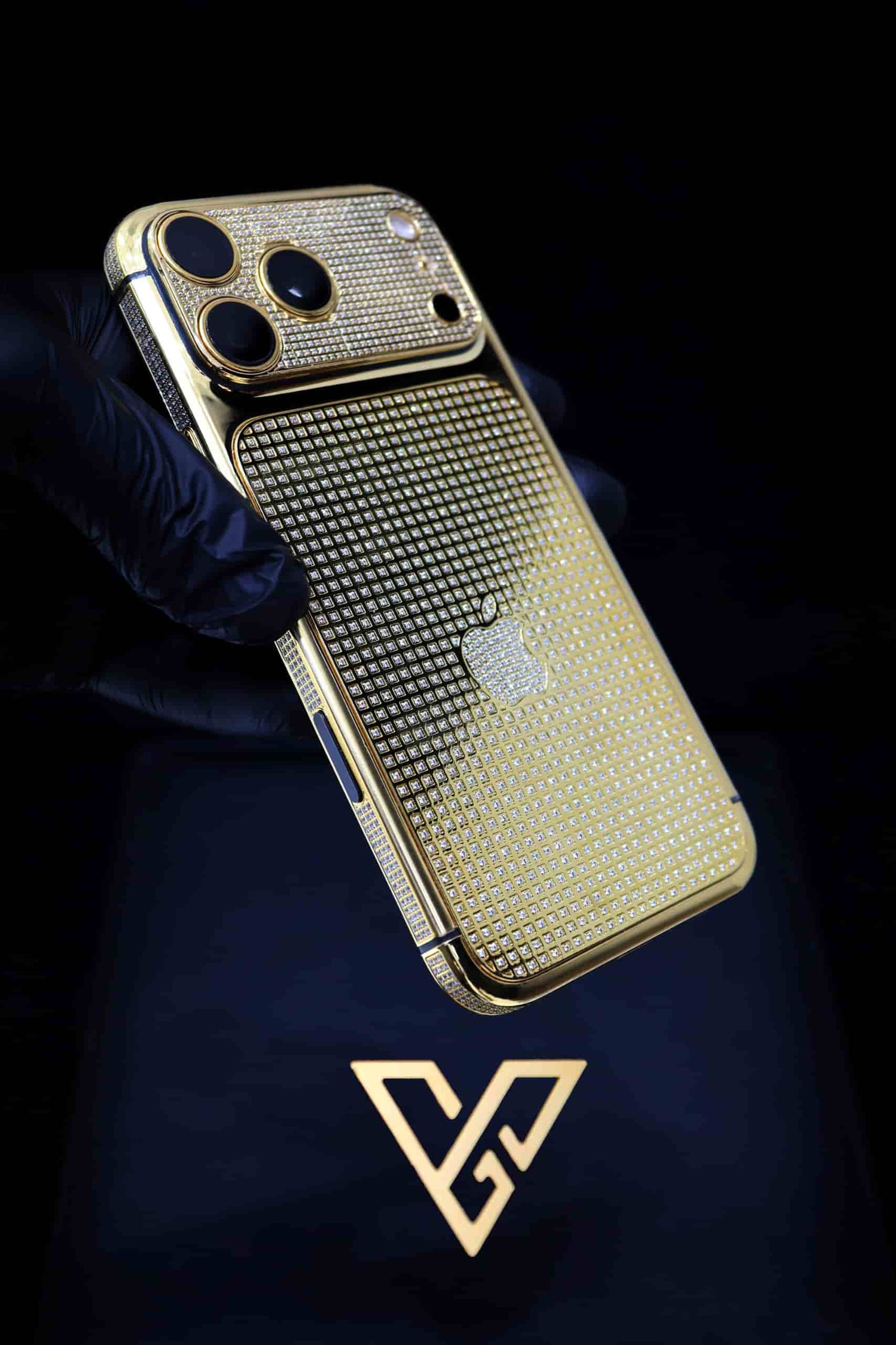
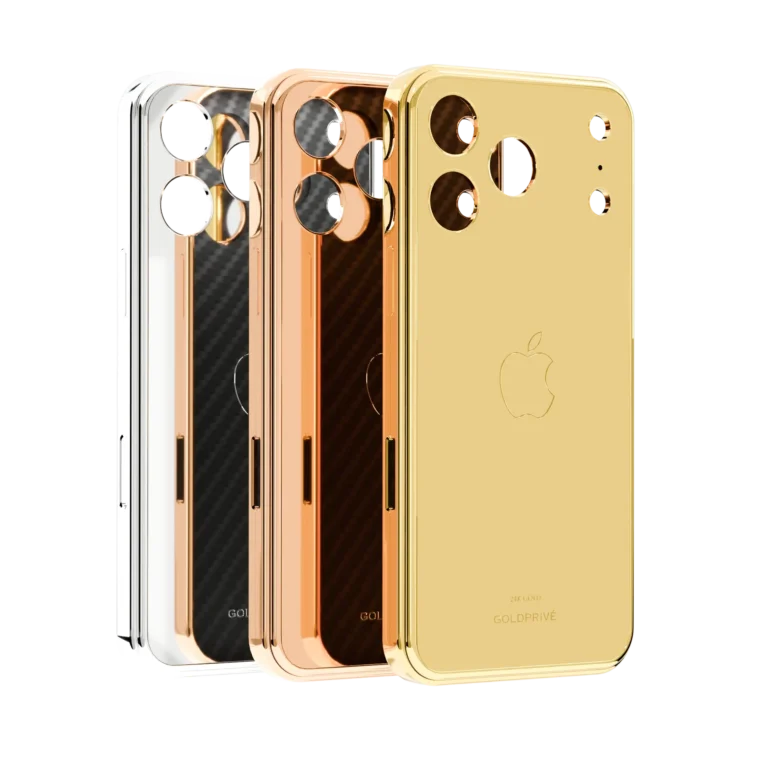
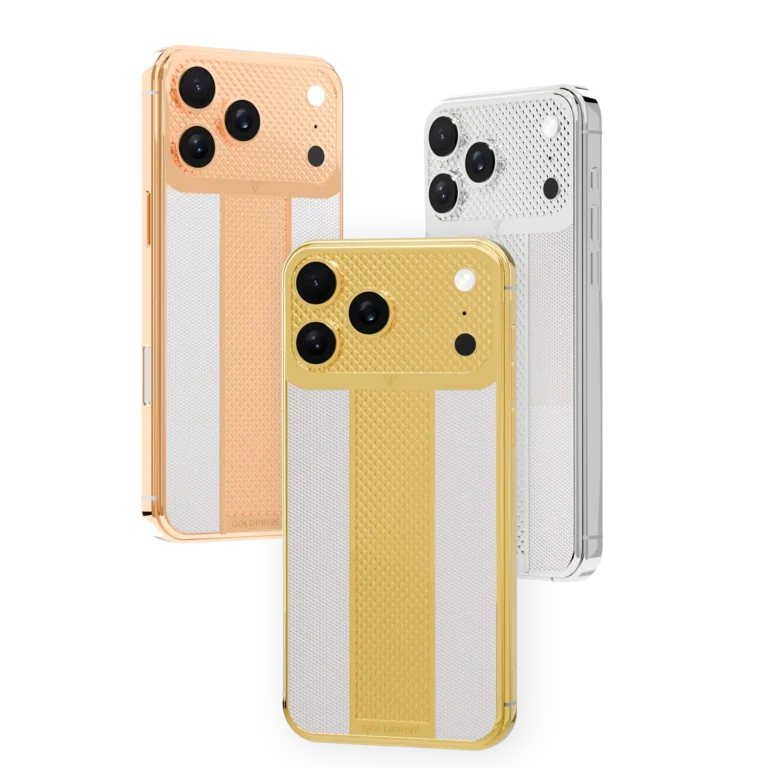
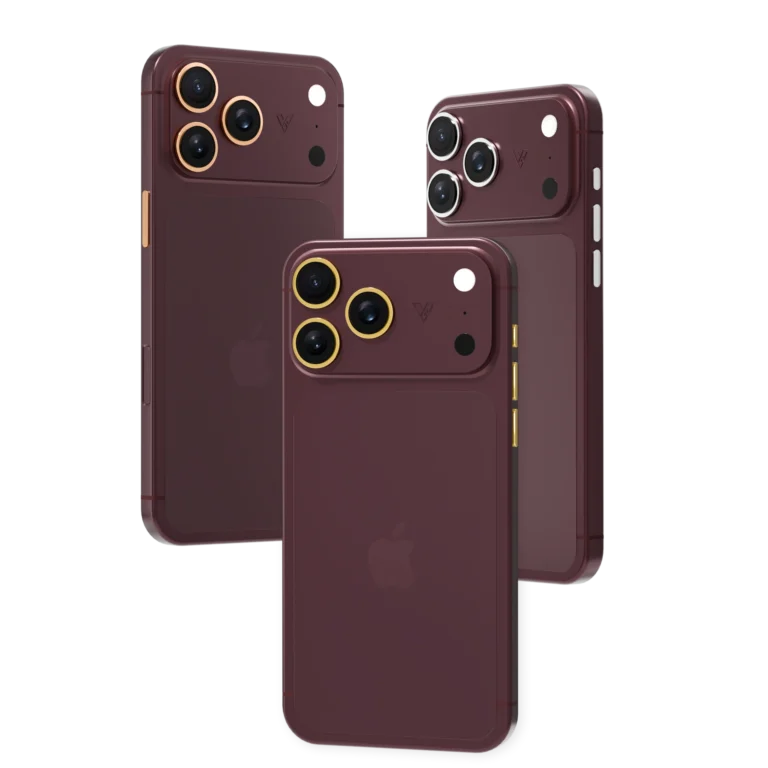
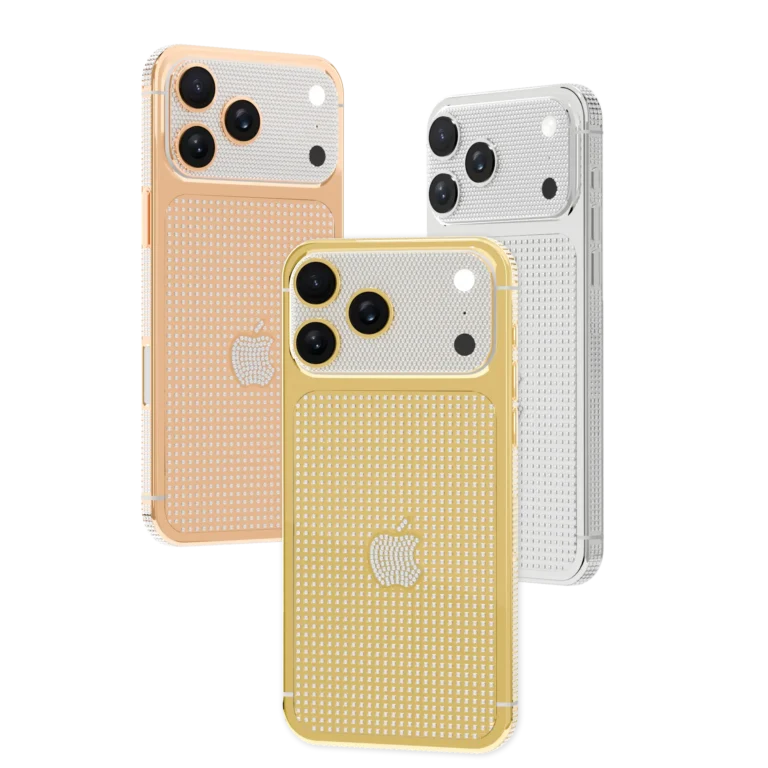
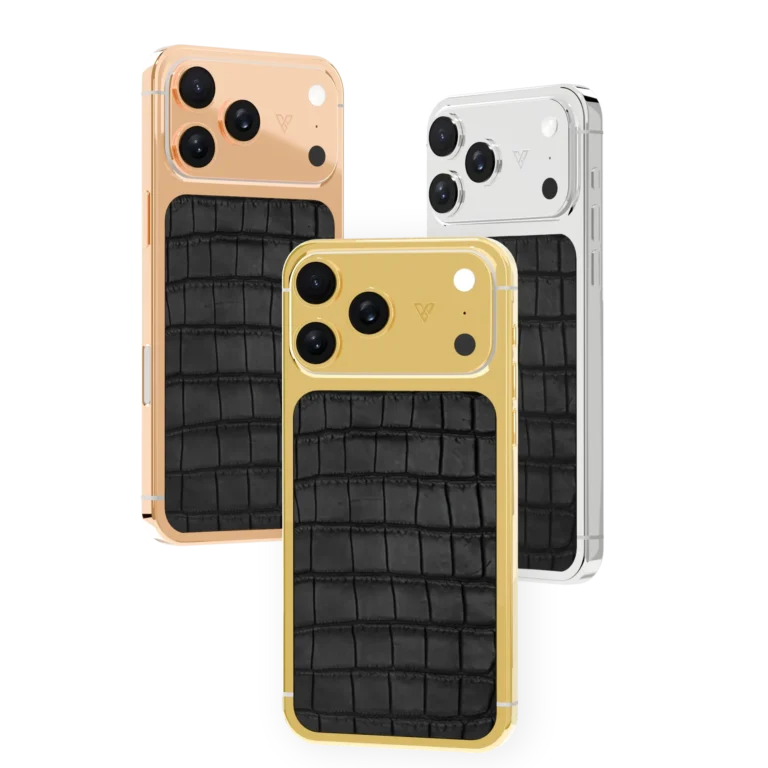
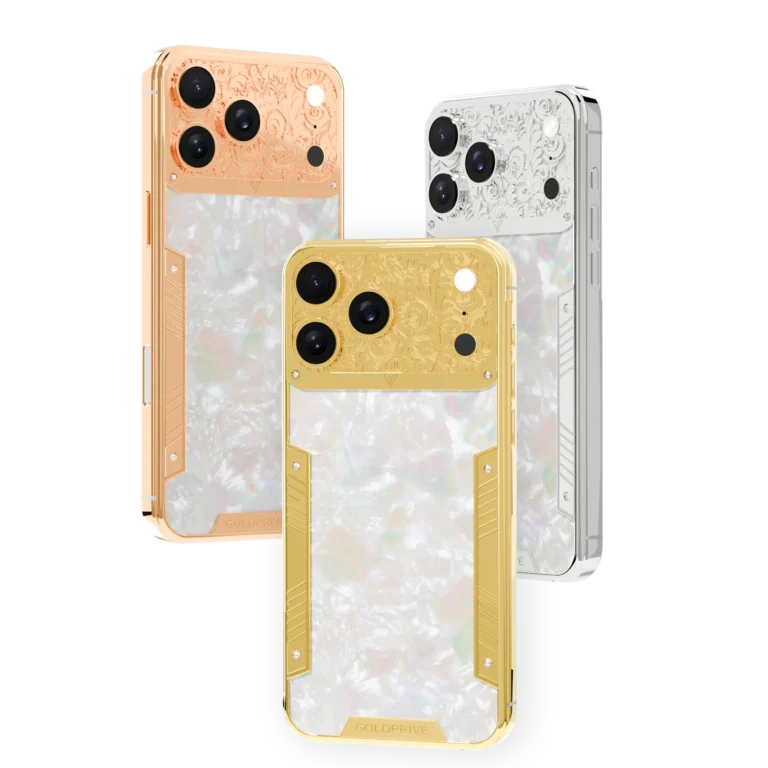
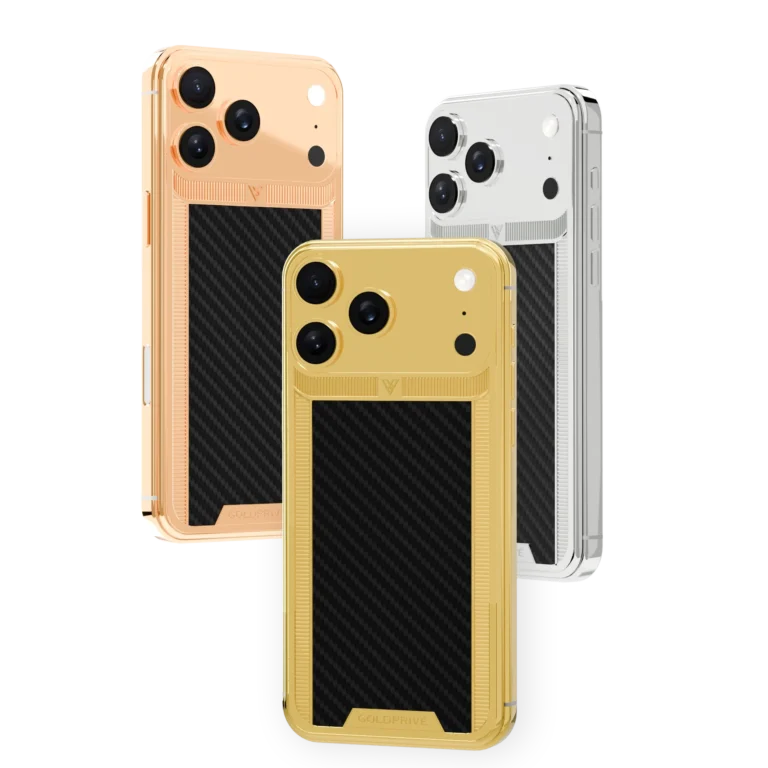
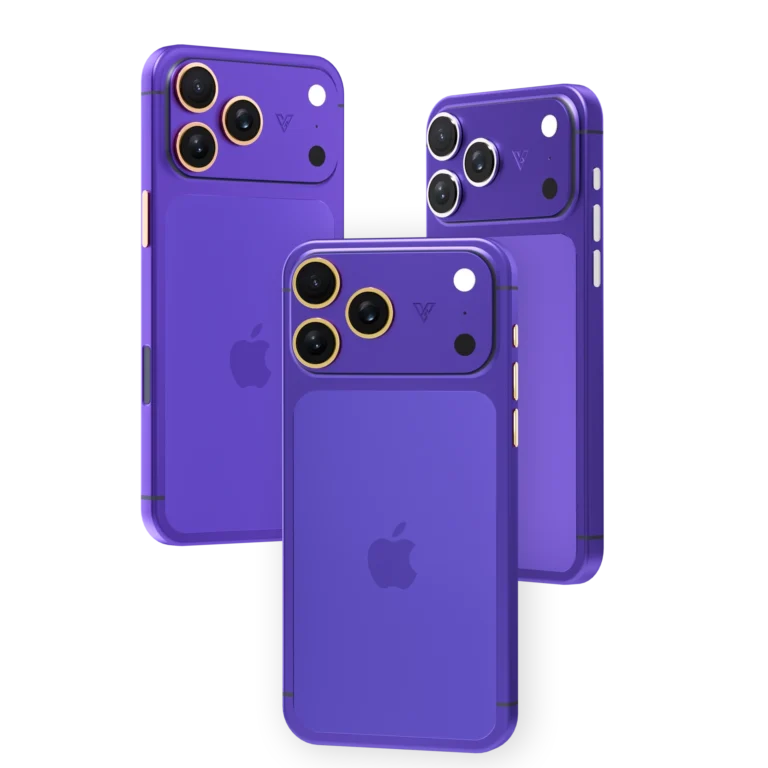
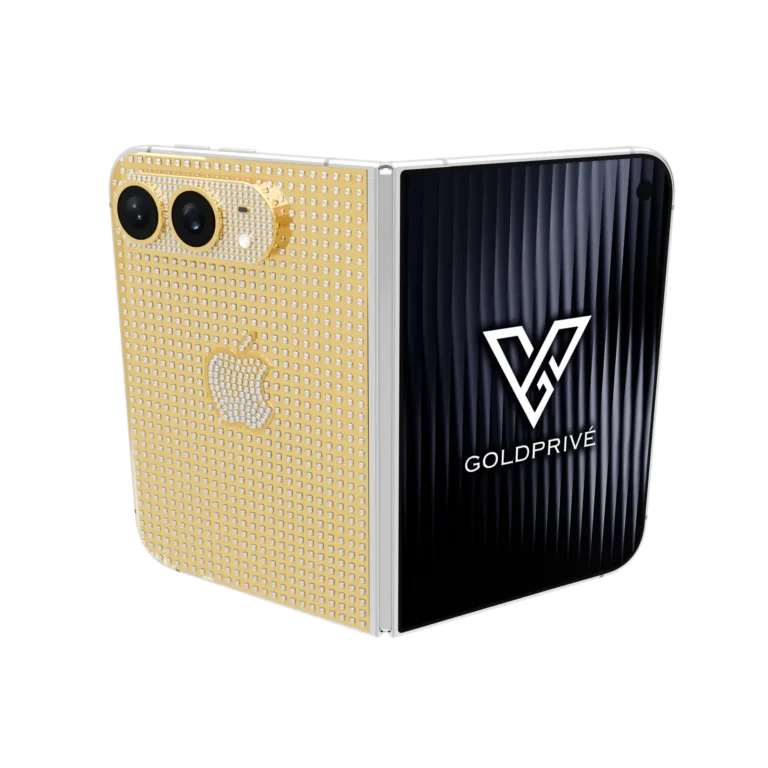
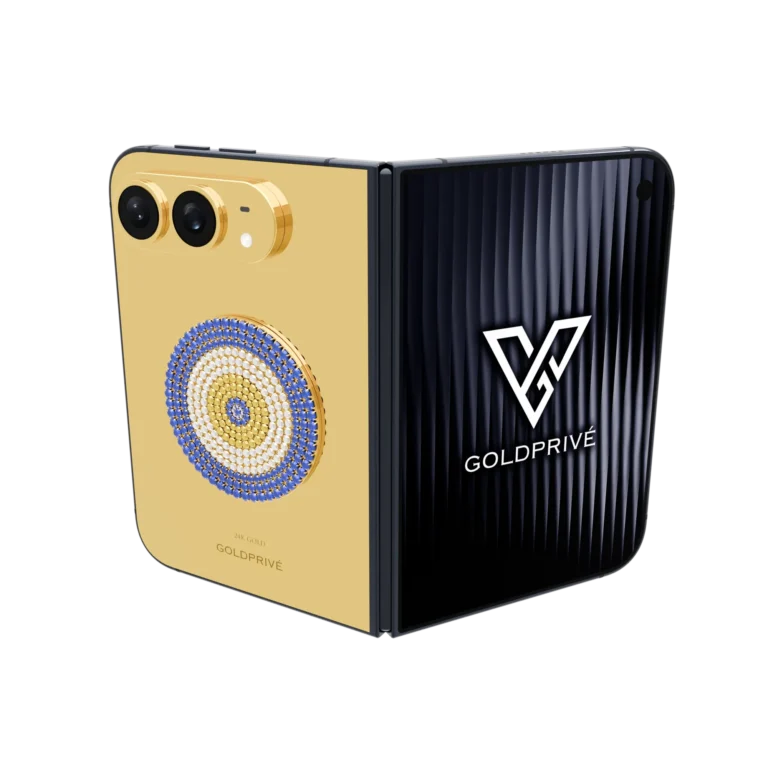
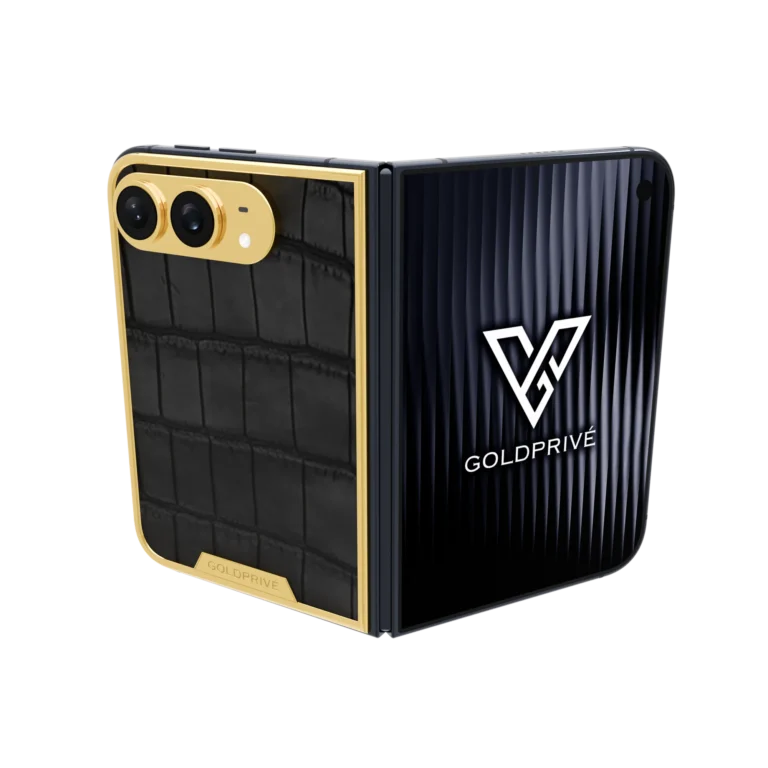
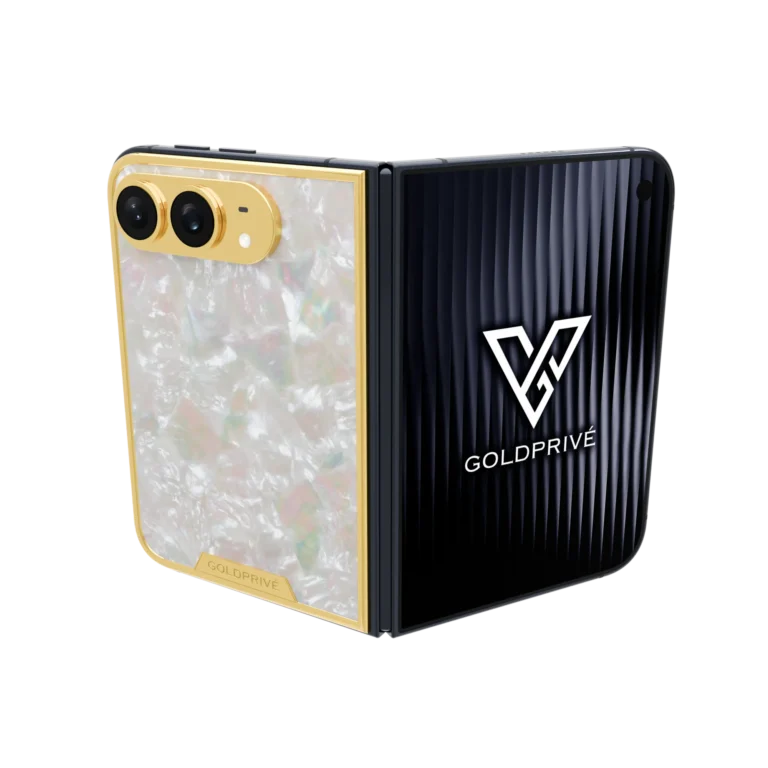
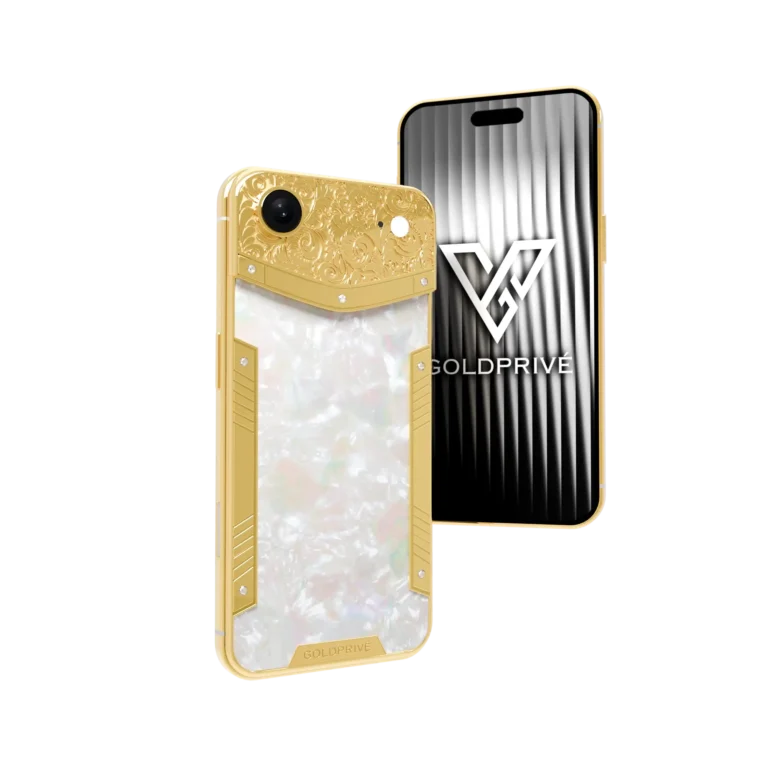
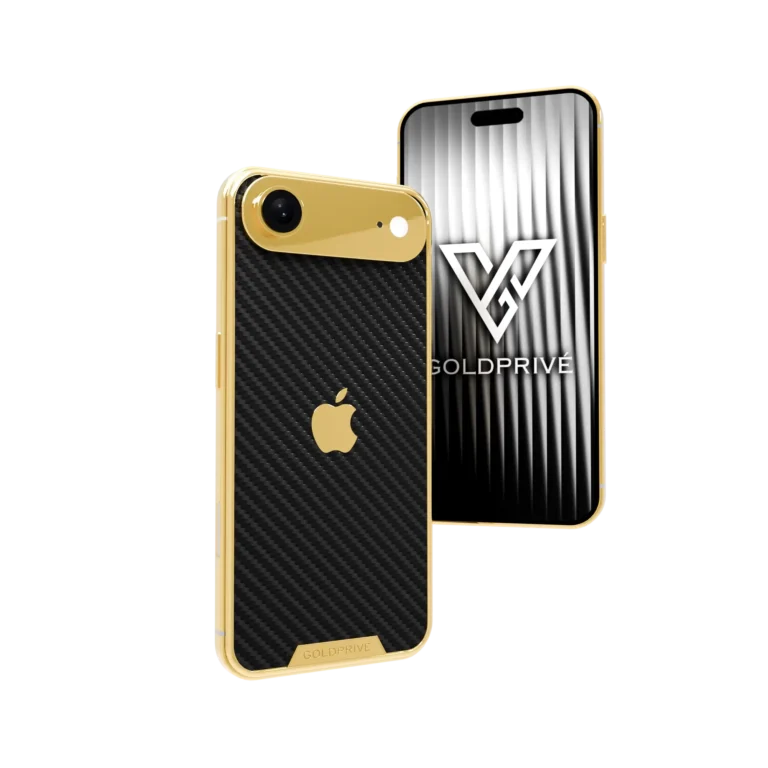
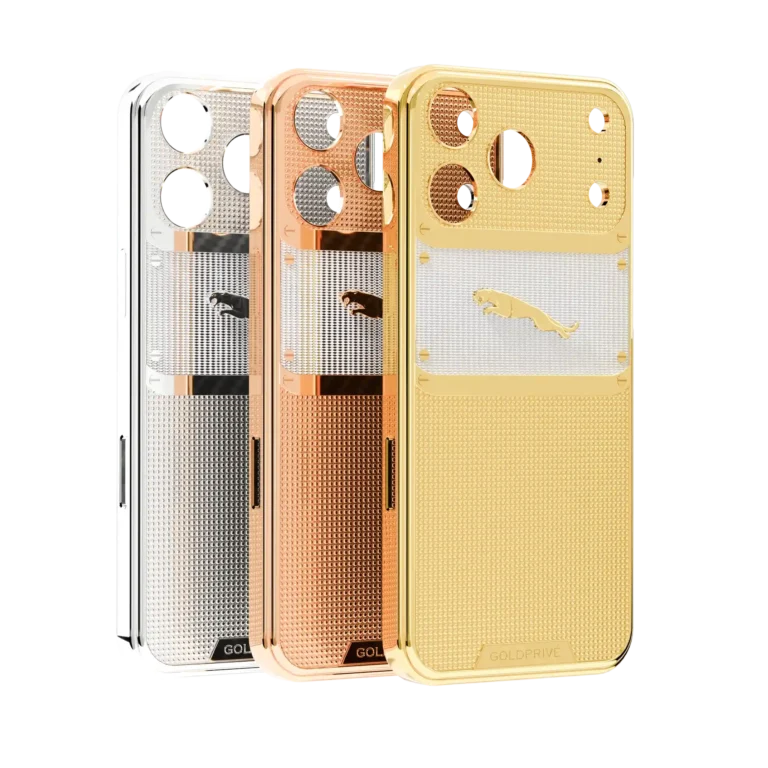
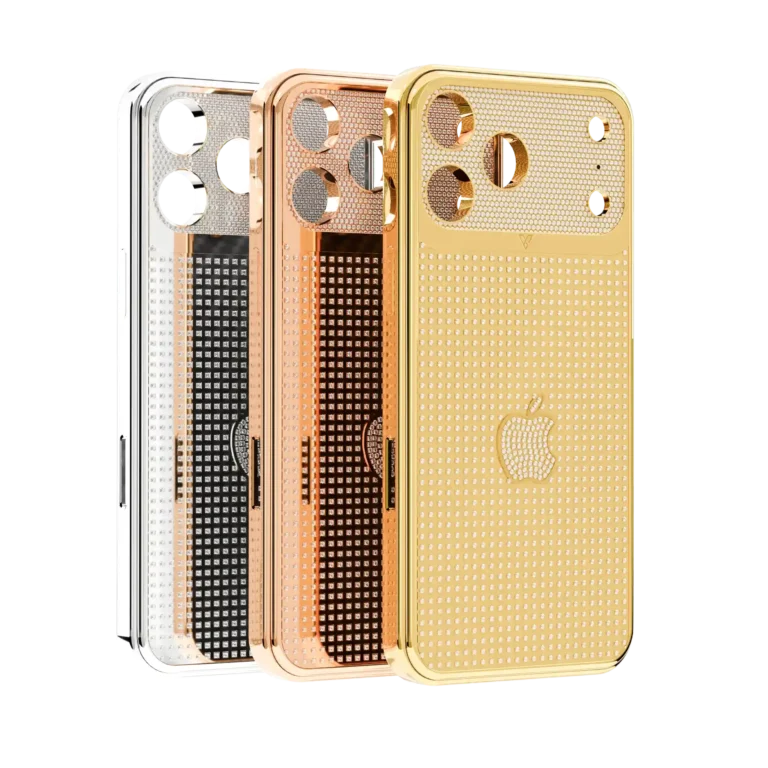
Because current-generation devices carry the longest remaining software runway, GoldPrivé’s gold iPhone 18 Pro Max collection is finished on current hardware rather than older, shorter-runway models. For buyers weighing AppleCare and wireless charging alongside customization, our guide on whether a gold iPhone supports MagSafe, wireless charging and AppleCare addresses the practical ownership questions that come up alongside a device’s software lifespan. Full customization pricing across models is detailed in our 24K gold iPhone cost guide.
Finished on Current-Generation Hardware
Explore GoldPrivé’s Gold iPhone 18 Pro Max collection, built on hardware with the longest remaining software support runway.
Planning a long-term customization purchase? Speak with GoldPrivé’s Dubai atelier about which current model fits your timeline.
FAQs
How many years does Apple support an iPhone?
Roughly six to seven years of major iOS updates, followed by an additional one to two years of security-only patches on the device’s final compatible iOS version.
Which iPhones can run iOS 26?
iPhone 11 and newer — any device with an A13 Bionic chip or later. iPhone XS, XR, X, and iPhone 8 series are not eligible for iOS 26.
What’s the difference between major updates and security updates?
Major updates add new features and are what most people mean by “getting the latest iOS.” Security updates only patch vulnerabilities on a device’s last compatible major version and can continue for years after major-update support ends.
Does my iPhone need the latest iOS to use Apple Intelligence?
No — it needs sufficiently recent hardware. Apple Intelligence generally requires iPhone 15 Pro or newer, and some newer AI features are limited to iPhone 17 Pro and later, regardless of iOS version installed.
Does a gold-finished iPhone lose support faster than a standard one?
No. Apple’s software support timeline is determined entirely by the underlying hardware model, not by any cosmetic or precious-metal finishing applied afterward.
Will a 24K gold finish last longer than the iPhone’s software support?
Yes, typically. A properly applied gold or platinum finish is a permanent physical treatment and does not degrade on Apple’s software update schedule, so the finish generally outlasts the device’s major-update eligibility.
How long will the current iPhone 18 Pro Max be supported?
Not yet determined, since it hasn’t launched. Based on Apple’s historical six-to-seven-year pattern for major updates, a device launching in 2026 would reasonably be expected to receive major updates into the early 2030s.
Should I buy the newest iPhone for the longest support window?
Generally yes — a newer release date means more years remaining before major-update eligibility ends, which is why GoldPrivé’s customization collections are built on current-generation hardware.