Blog
How to Choose a Gold iPhone Case That Will Not Scratch Your Phone

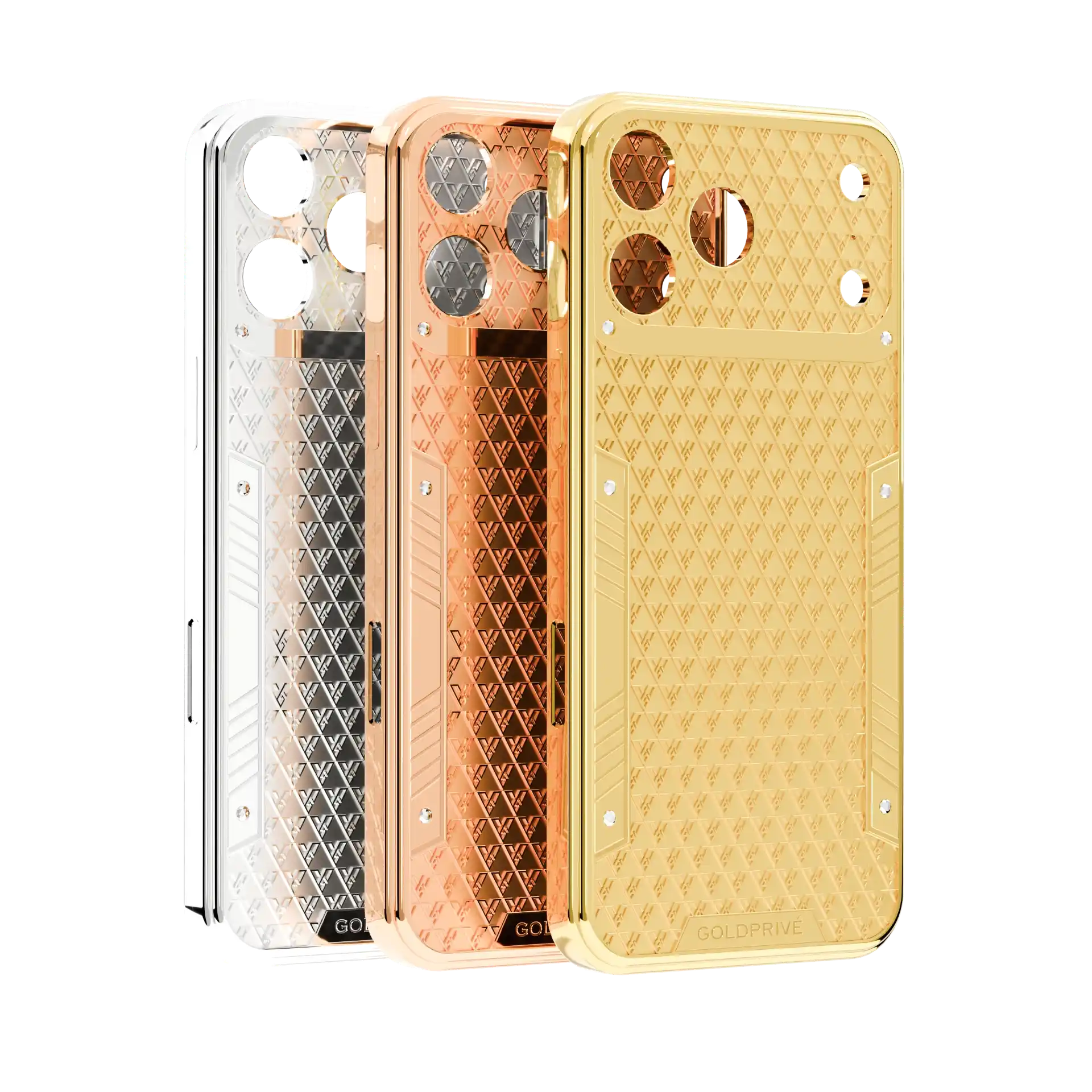
How to Choose a Gold iPhone Case That Will Not Scratch Your Phone
A gold iPhone case is meant to protect your device, but a poorly designed one can do the opposite — trapping grit against the frame, exposing the camera lens to flat surfaces, or shifting slightly with wear until it rubs against the very finish it’s supposed to shield. The difference between a case that protects and one that quietly scratches comes down to a handful of specific construction details, not the material or price tag alone. This guide covers exactly what to check.
Key Takeaways
- A raised bezel around the camera module — not just the screen — is the single most important scratch-prevention feature to check for.
- Soft internal lining, typically microfiber, prevents the case’s own inner surface from rubbing micro-scratches into a metal or glass phone body over time.
- Trapped grit and sand between a loose-fitting case and the phone is a more common cause of scratching than the case material itself.
- A precisely fitted case reduces movement and shifting, which is what causes repeated micro-abrasion in the first place.
- GoldPrivé’s case collection is built with raised camera bezels and lined interiors as standard, not optional upgrades.
Table of Contents
- Quick Answer
- How a Case Can Actually Cause Scratches
- The Raised Bezel: Camera and Screen
- Interior Lining Matters More Than Exterior Material
- Fit Precision and Trapped Debris
- What to Check by Material
- Does Thicker Mean Better Protection?
- Signs Your Case May Already Be Causing Damage
- A Practical Buying Checklist
- Keeping a Case Scratch-Safe Over Time
- GoldPrivé’s Scratch-Safe Case Construction
- FAQs
Quick Answer
A gold iPhone case that won’t scratch your phone needs a raised bezel around the camera module, soft interior lining (typically microfiber), and a precise fit that doesn’t trap grit or shift with wear. These three construction details matter more than the exterior material or finish when it comes to actually protecting the phone underneath.
How a Case Can Actually Cause Scratches
It sounds counterintuitive, but a case is one of the more common sources of fine scratching on a phone’s frame and back panel — not from the case material itself, but from what gets trapped between the case and the phone. Sand, dust, and grit that enter through the charging port opening or button cutouts can become lodged against the phone’s surface, and every time the case flexes or the phone is inserted and removed, that trapped debris acts like sandpaper against the finish. This is a documented phenomenon independent of case brand or price point — it’s a design and fit issue, not a material-quality issue.
The Raised Bezel: Camera and Screen
A raised bezel is a ridge of material that sits slightly higher than the camera lens or screen, so that when the phone is placed face-down or camera-down on a surface, the case’s raised edge makes contact rather than the glass itself. Without this raised lip, the camera lens and screen are the first points of contact with any flat surface, which is where the most consequential scratches typically occur.
This detail is worth checking specifically for the camera module, not just the screen — many buyers focus on screen protection while overlooking that the rear camera housing needs the same raised buffer. A case with a bezel that sits flush with or below the camera glass offers essentially no protection there, regardless of how premium the surrounding material looks.
Interior Lining Matters More Than Exterior Material
The surface facing the phone — not the surface facing outward — is what determines whether a case scratches the device over months of use. A soft microfiber lining prevents the case’s own interior from rubbing against a polished metal frame or glass back panel during the small amount of flex and movement that happens with normal handling and repeated insertion or removal. Cases without this lining, particularly rigid materials fitted directly against the phone with no buffer layer, are more prone to producing fine surface marks over time — an issue that has nothing to do with the exterior finish, gold or otherwise, and everything to do with what’s touching the phone on the inside.
Fit Precision and Trapped Debris
A case that fits precisely leaves minimal gap for debris to enter and minimal room for the case to shift against the phone’s surface during use. A looser or imprecisely molded case, by contrast, allows both more debris entry and more relative movement between case and phone — the exact combination that produces gradual scratching. This is the same precision-fit principle covered in our material comparison guide, though there it’s discussed in terms of camera cutout alignment rather than scratch prevention specifically — the two issues share the same root cause.
What to Check by Material
| Material | Scratch-Relevant Check |
|---|---|
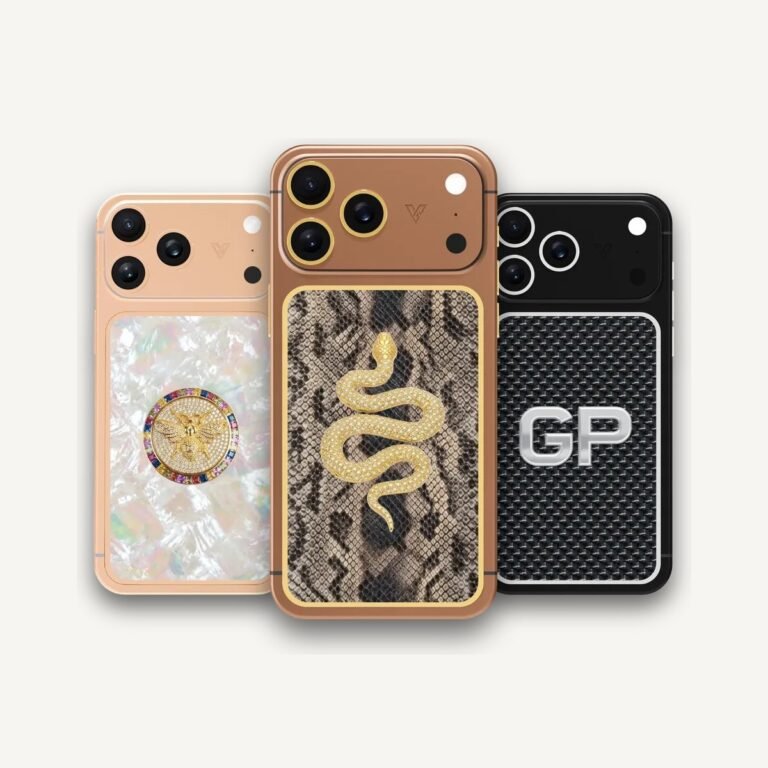
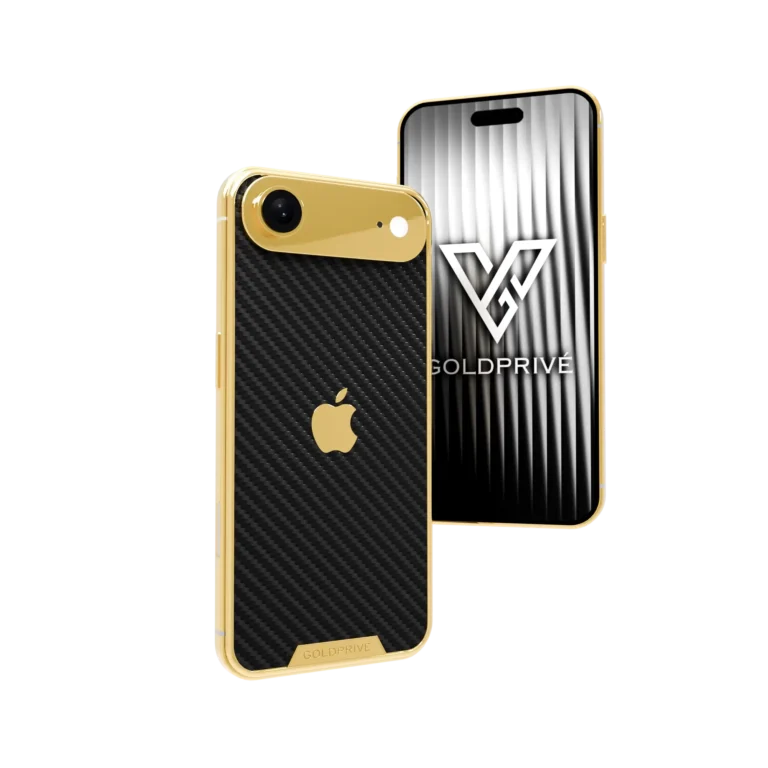
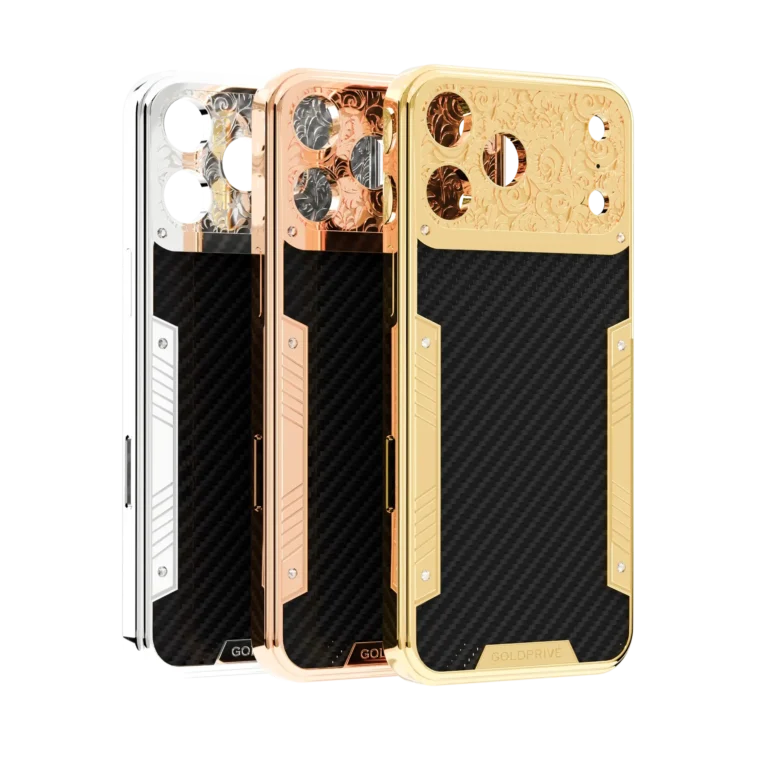
| Carbon fiber | Confirm raised camera bezel — rigid materials transmit impact without a buffer lip |
| Genuine leather | Confirm soft interior backing, since leather itself can hold trapped grit against the metal frame |
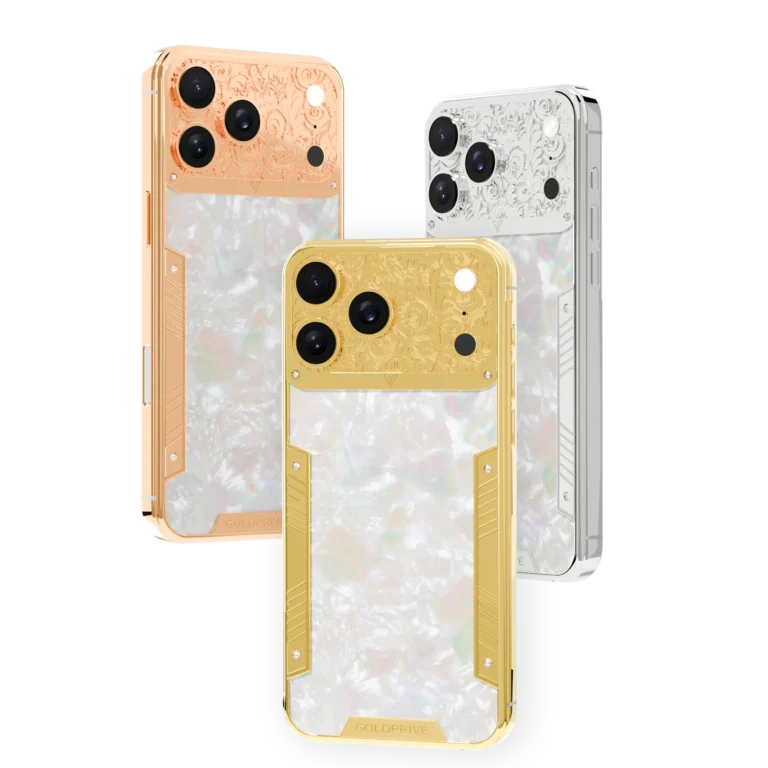
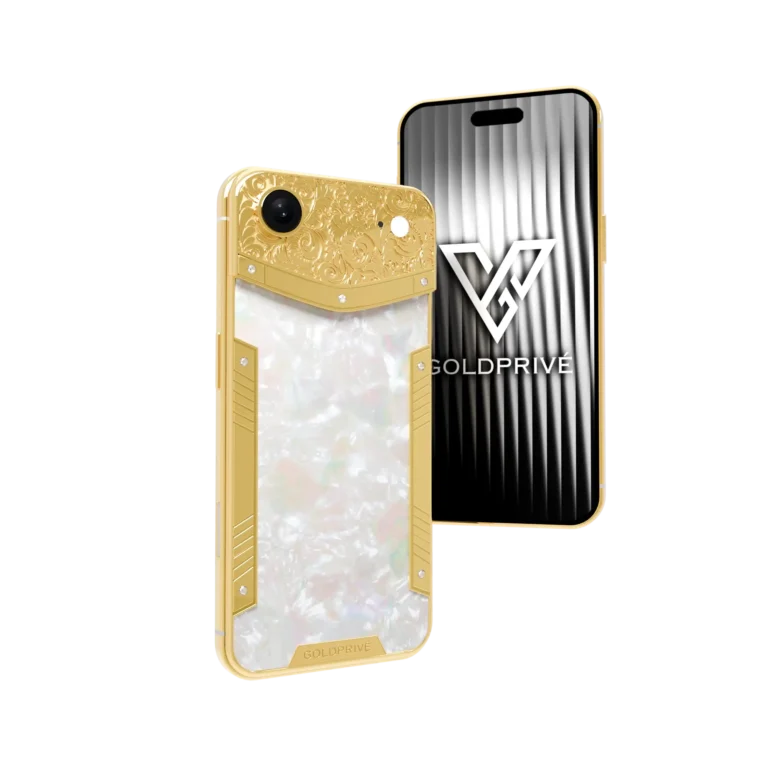
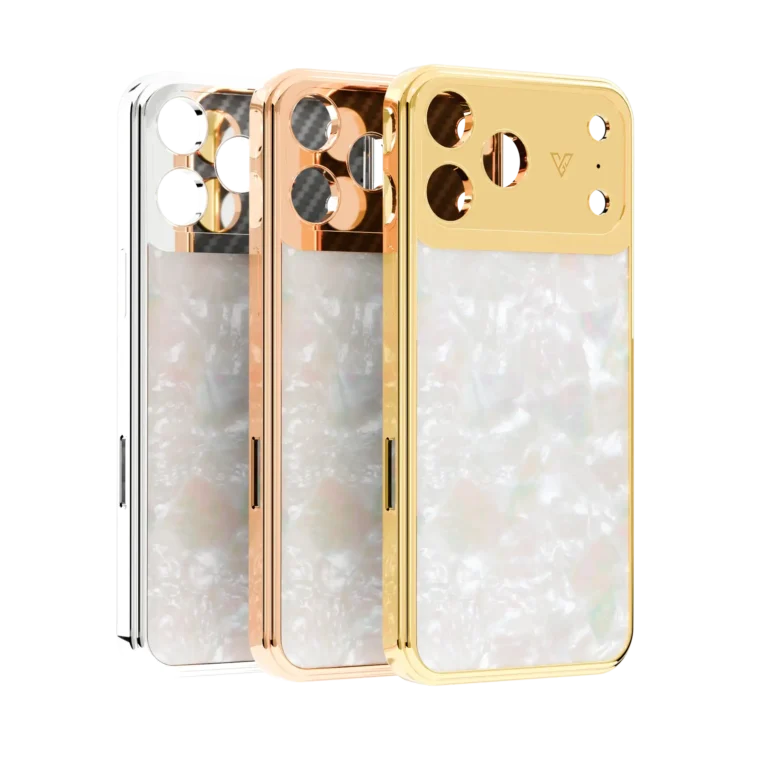
| Full pearl inlay | Verify edge sealing, since inlay seams can otherwise catch and hold debris |
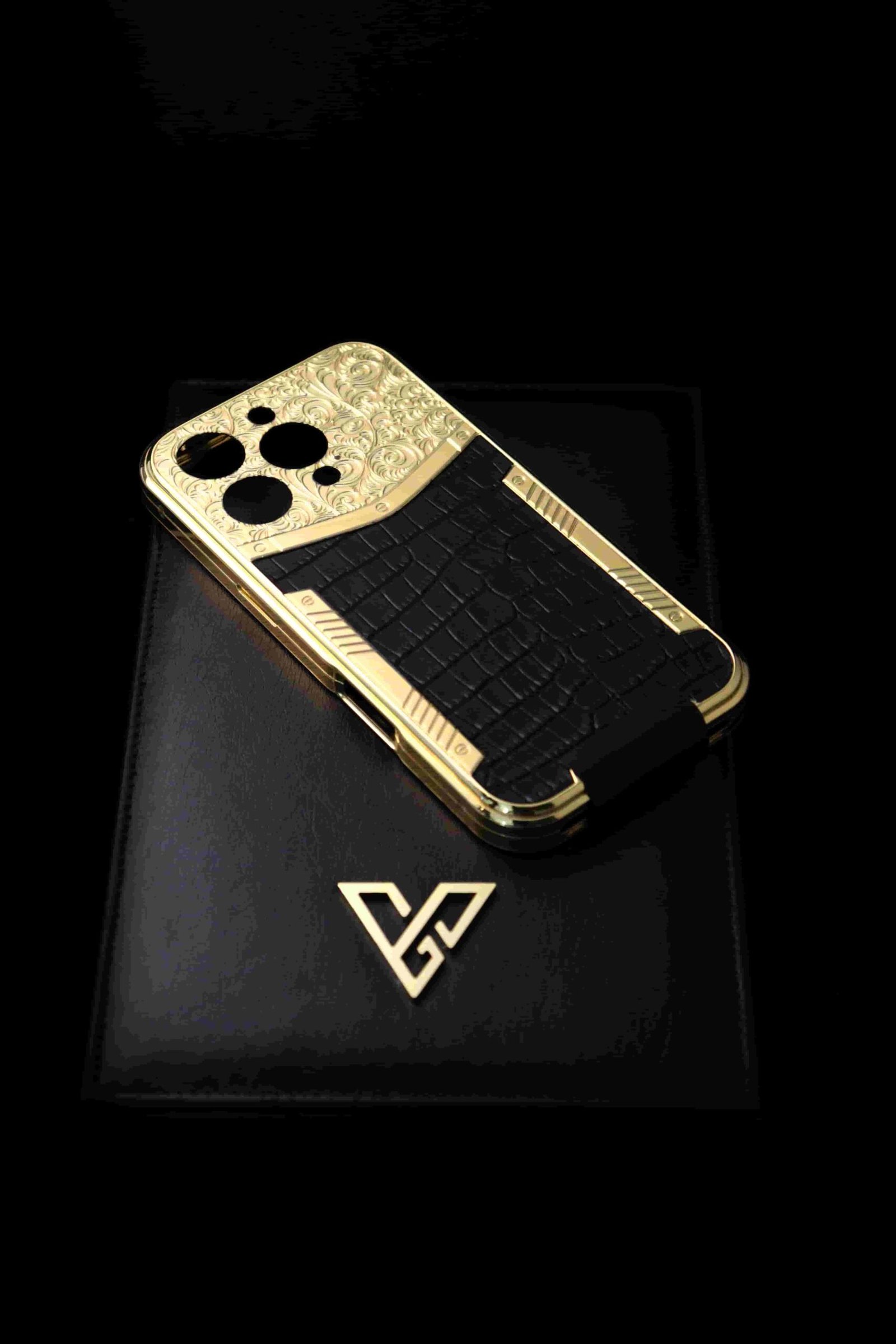
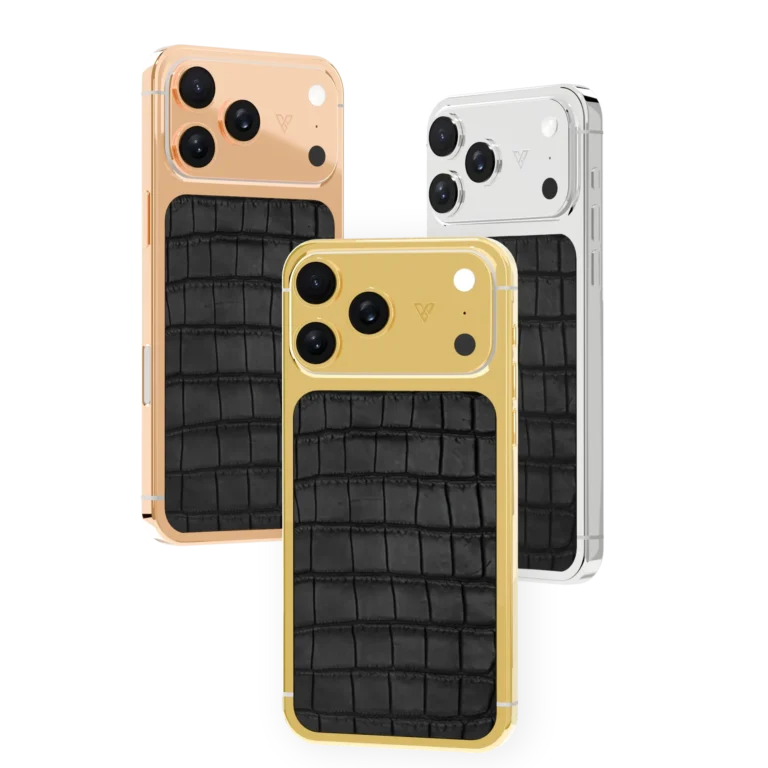
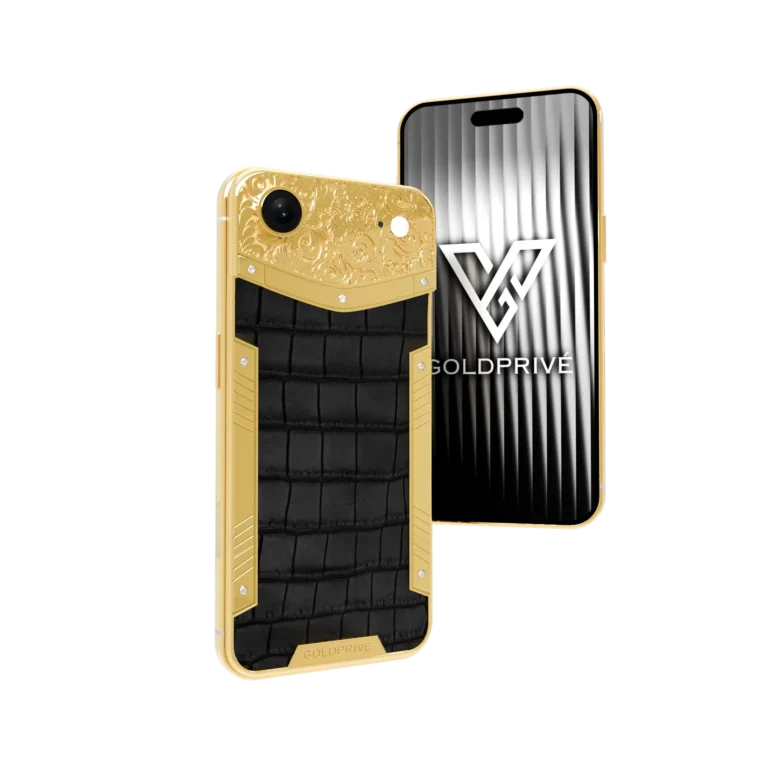
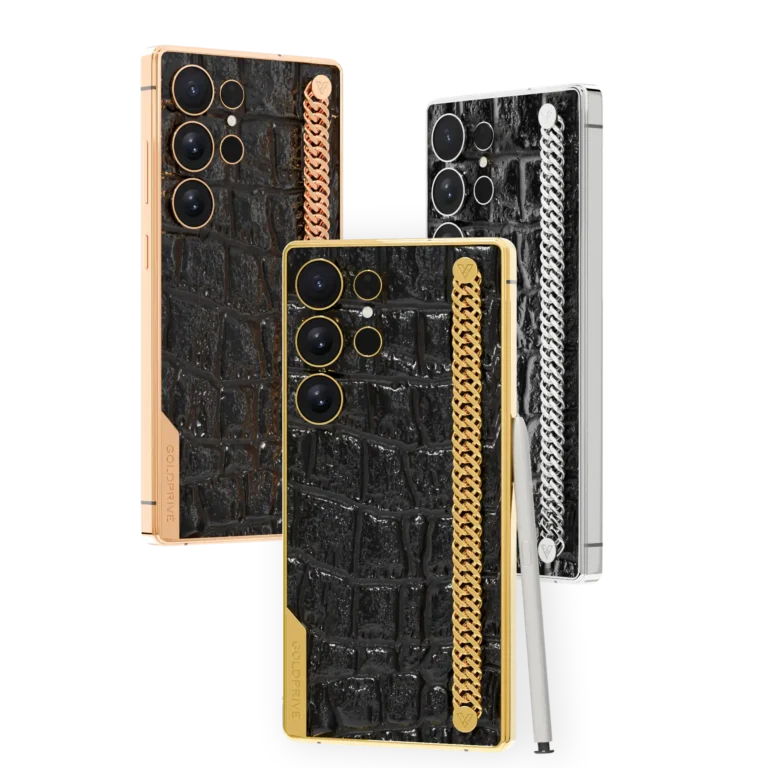
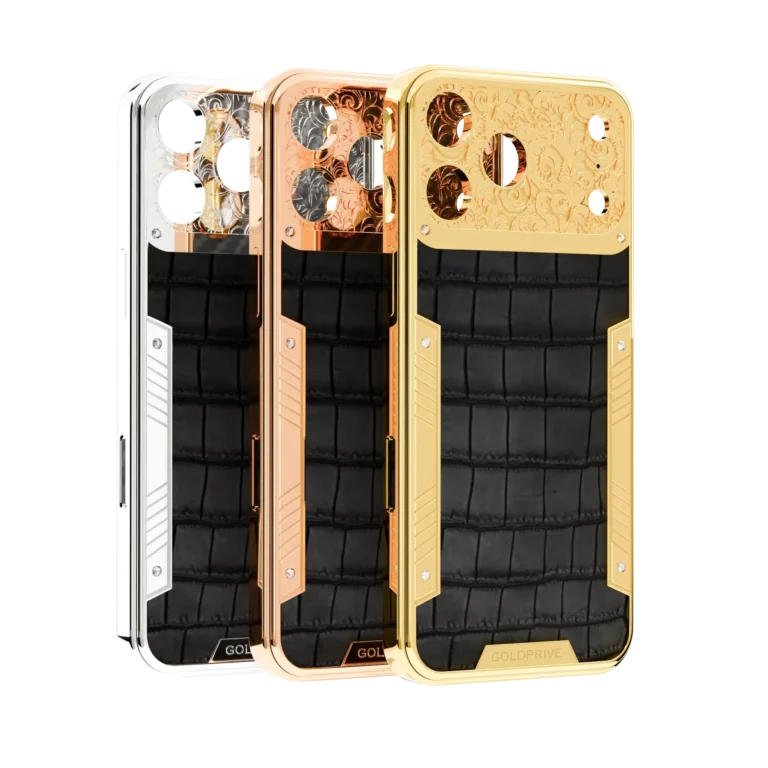
| Exotic leather (crocodile) | Same interior-lining check as genuine leather; textured exterior doesn’t affect interior contact |
Notice that every check in this table is about construction detail, not the finish or gold detailing — a case with gold trim and a well-designed interior protects the phone identically to a plain case with the same interior construction.
Does a Thicker Case Mean Better Protection?
Not necessarily, and conflating the two is a common buying mistake. Case thickness primarily addresses impact protection — absorbing shock from drops — while scratch prevention depends on the specific construction details covered above: bezel height, lining quality, and fit precision. A thick case with no raised camera bezel and a bare rigid interior can still allow scratching, while a slim, precisely fitted case with proper lining can protect effectively against the specific scratch mechanisms most phones actually experience day to day. Buyers should evaluate these as separate criteria rather than assuming one implies the other.
Signs Your Case May Already Be Causing Damage
A few early indicators are worth checking periodically rather than waiting to notice visible scratching. A gritty or sandy feeling when removing the case suggests debris has been trapped against the phone’s surface. Visible dust or particles inside the case when removed is a direct sign of the mechanism described earlier. A case that feels slightly loose or shifts when the phone is held is more likely to be allowing the kind of relative movement that produces gradual micro-abrasion, even if no scratching is visible yet. Catching these signs early and simply cleaning both the case interior and phone surface is far easier than addressing scratches after they’ve already formed.
A Practical Buying Checklist
- Does the case have a raised bezel around the camera module specifically, not just the screen edge?
- Is the interior lined with a soft material like microfiber, rather than bare rigid material against the phone?
- Is the case listed as a precise fit for your exact iPhone model, not a generic multi-model fit?
- Are button and port cutouts snug rather than loose, to limit debris entry points?
- Does the case maker specify care instructions for removing trapped debris periodically?
Keeping a Case Scratch-Safe Over Time
Even a well-constructed case benefits from periodic maintenance: removing the case occasionally to check for and clear any trapped grit or sand prevents the debris-abrasion issue described earlier from compounding over months of daily use. This is a simple habit rather than a demanding one — a quick visual check and a soft brush or cloth wipe every few weeks is generally sufficient. Our guide to caring for a gold iPhone covers broader maintenance practices that apply whether the gold finish is on a case or the device itself.
GoldPrivé’s Scratch-Safe Case Construction
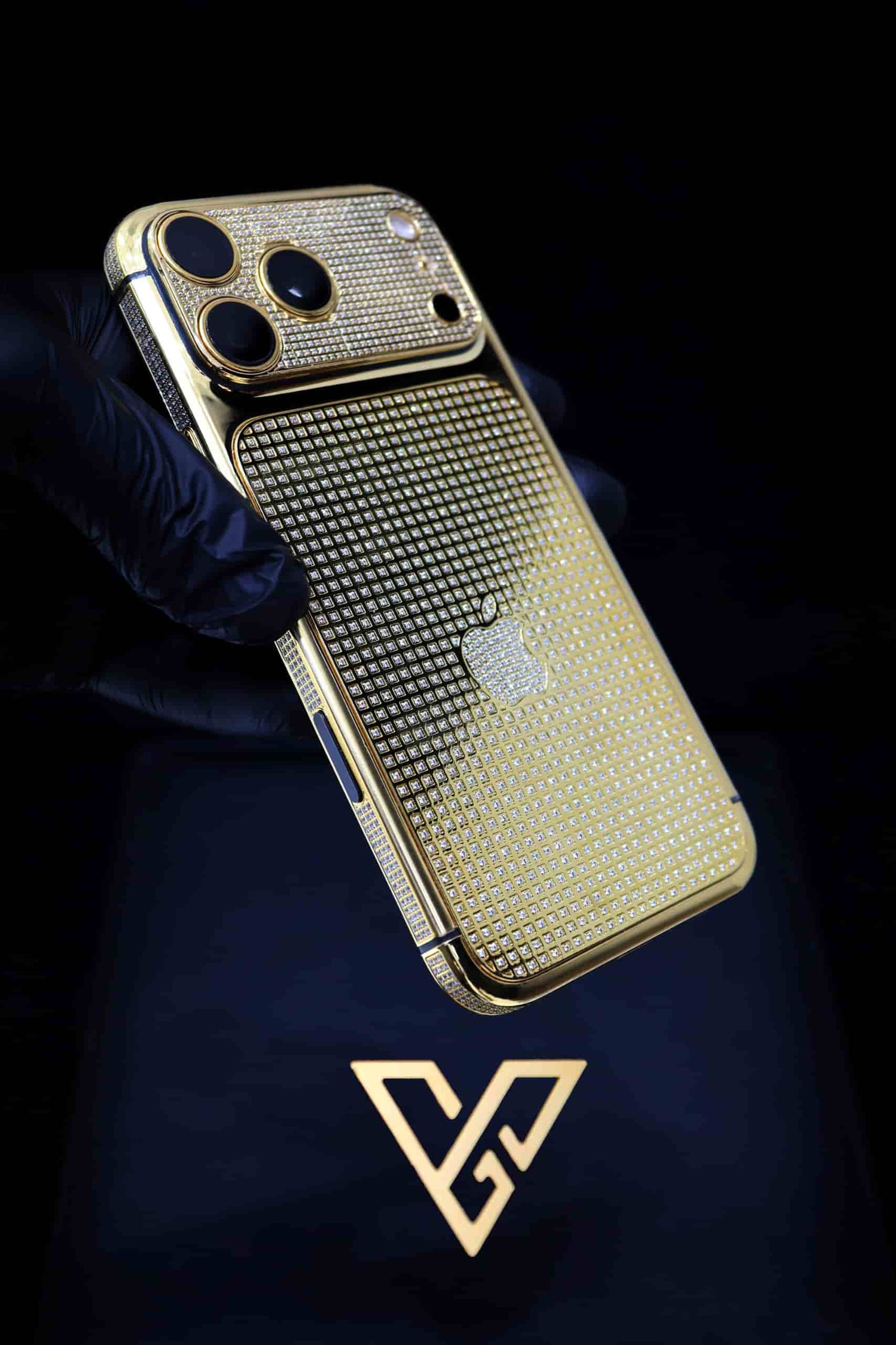
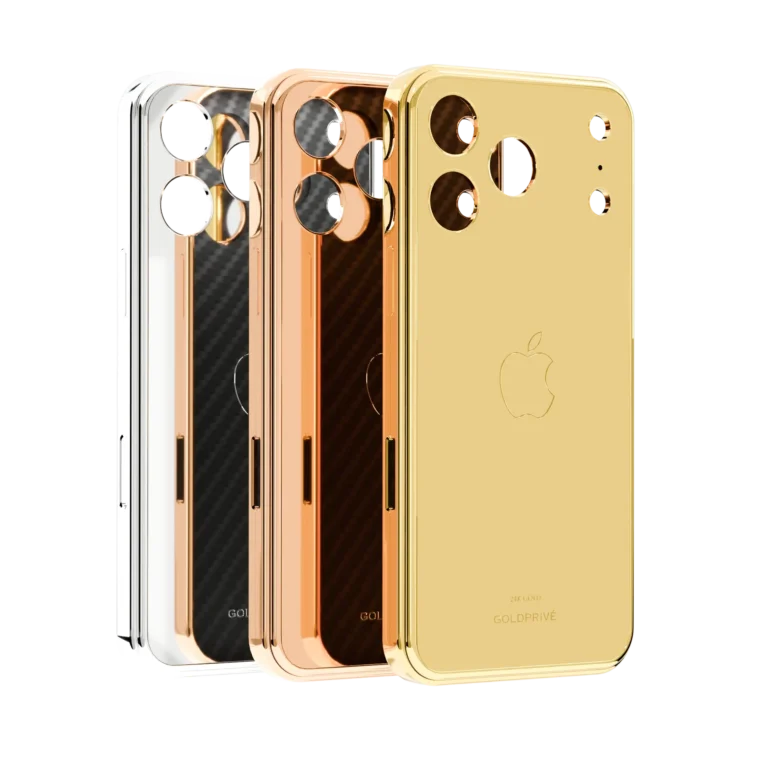
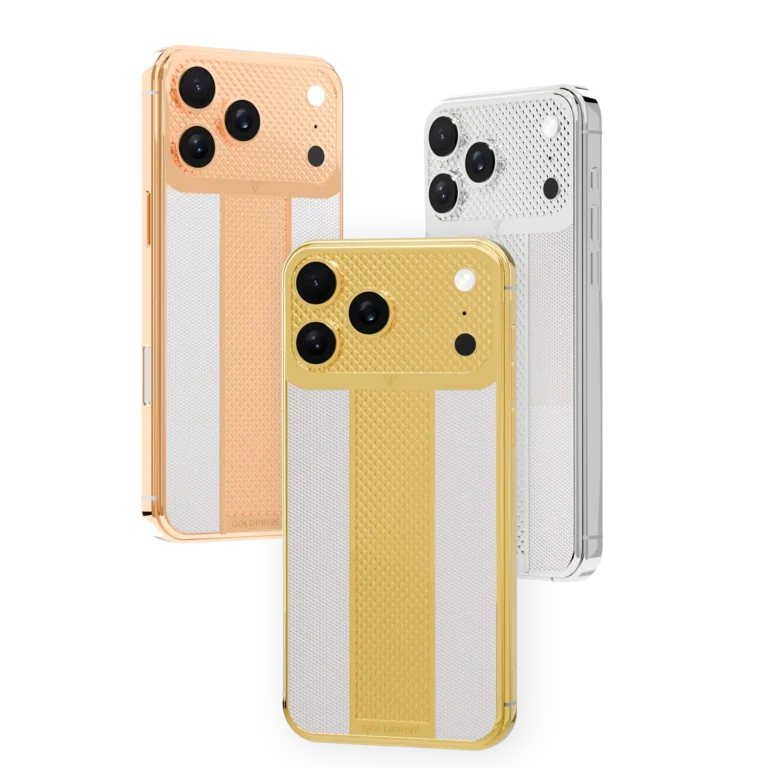
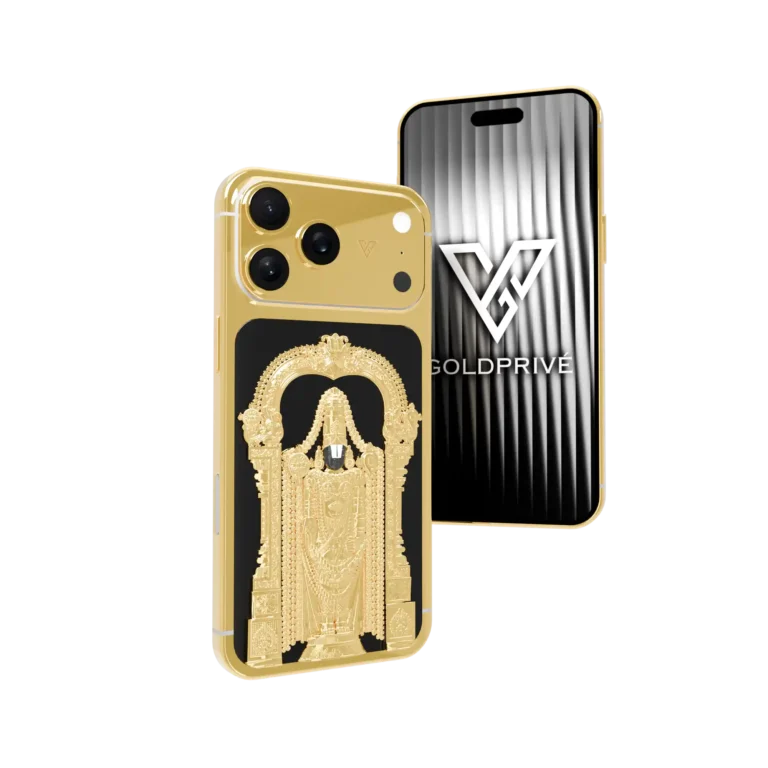
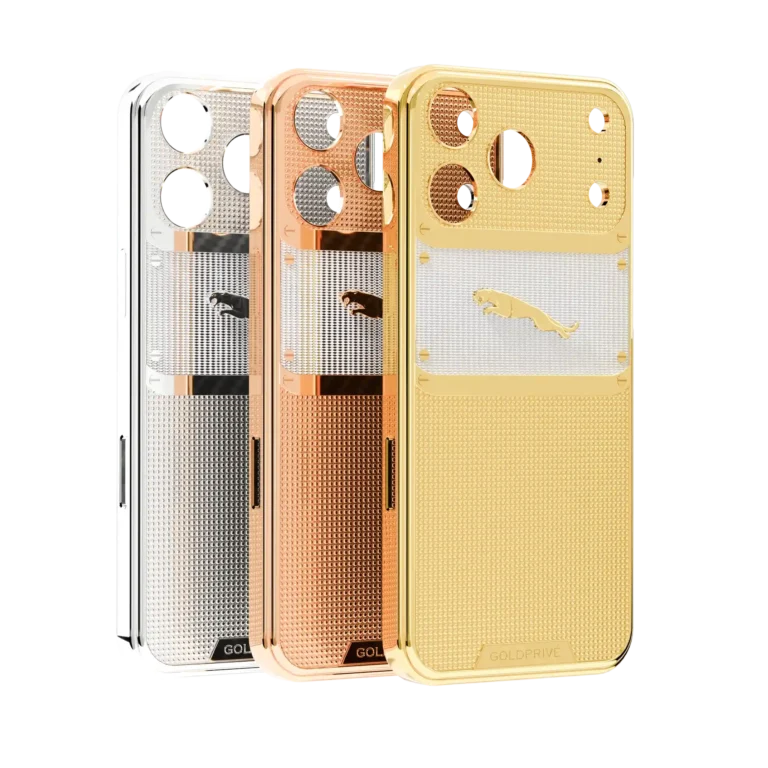
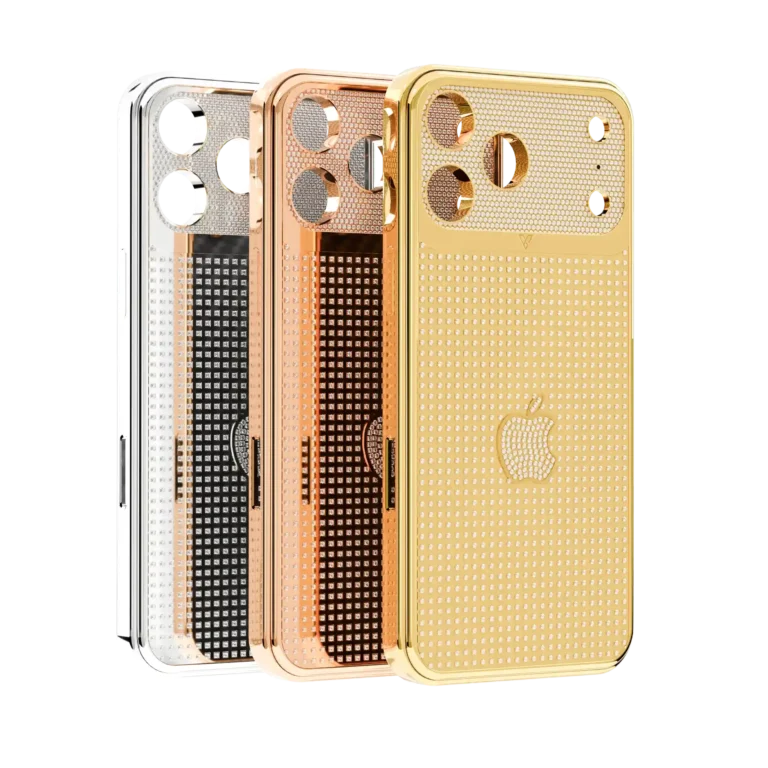
GoldPrivé’s 24K Gold iPhone 18 Pro Max Case collection is built with a raised camera bezel and soft interior lining as standard construction across every material offered, not as a premium add-on. For buyers still deciding between a case and a permanent gold finish, our case vs. gold-plated iPhone comparison covers that broader decision.
Built to Protect, Not Just Decorate
Explore GoldPrivé’s 24K Gold iPhone 18 Pro Max Case collection, engineered with raised bezels and lined interiors across every material.
Have questions about fit or construction before ordering? Speak with GoldPrivé’s Dubai atelier.
FAQs
Can a phone case actually scratch the phone it’s protecting?
Yes — most commonly through trapped grit or debris between a loose-fitting case and the phone, rather than through the case material itself.
What is a raised bezel and why does it matter?
A raised bezel is a ridge around the camera or screen that sits higher than the glass, so the case makes contact with flat surfaces instead of the lens or display.
Does the interior lining of a case matter more than the exterior?
For scratch prevention specifically, yes. The interior surface is what touches the phone, so a soft lining like microfiber prevents rubbing against the device’s own finish.
Is a tighter-fitting case always better for scratch prevention?
Generally yes — a precise fit limits both debris entry and the relative movement between case and phone that causes gradual micro-scratching.
Does gold detailing on a case affect scratch risk to the phone?
No. Scratch risk comes down to bezel design, interior lining, and fit precision — not the exterior finish or material.
How often should I clean debris from inside a case?
A quick check every few weeks is generally sufficient for most users, more frequently for anyone in sandy, dusty, or high-debris environments.
Does GoldPrivé’s case collection include raised bezels?
Yes, as standard construction across every material in the collection, along with soft interior lining.
Should I check for camera bezel protection separately from screen protection?
Yes. Many cases raise the screen edge but leave the rear camera housing flush or under-protected, so it’s worth verifying both separately.