Blog
Gold Plating Explained: Process, Thickness, Durability and Best Uses


Gold Plating Explained: Process, Thickness, Durability and Best Uses
“Gold plated” can mean a coating as thin as 0.175 microns or one many times thicker, and the difference decides whether a finish lasts weeks or years. This guide explains how gold plating actually works, what the recognized thickness categories mean under US jewelry rules, and why GoldPrivé finishes every device at 5 to 7 microns rather than the industry minimum.
Key Takeaways
- Gold plating is a thin layer of gold bonded to a base metal by electrolysis, not a solid-gold object.
- US jewelry rules recognize distinct thickness tiers: gold flash/wash has no minimum, gold electroplate (GEP) requires at least 0.175 microns, and gold vermeil requires at least 2.5 microns over a sterling silver base.
- Thicker plating lasts longer. Flash plating can wear within weeks, while 2.5 to 5+ microns can hold up for a year or more under regular handling.
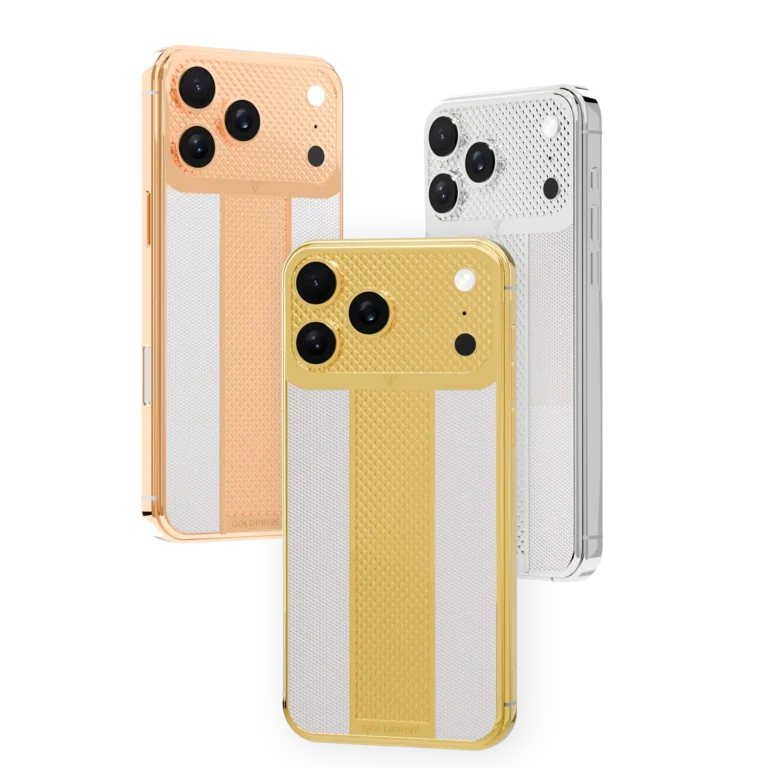
- GoldPrivé applies 24K gold, rose gold or platinum at 5 to 7 microns, above the vermeil minimum and well above standard costume-jewelry plating.
- Gold plating is the only practical finish for a working electronic device; solid gold or heavily alloyed gold would add weight and interfere with antennas and wireless charging.
Table of Contents
Quick Answer
Gold plating bonds a thin layer of real gold to a base metal through electrolysis; the thickness of that layer, measured in microns, determines how long it lasts. US jewelry rules recognize flash plating with no minimum thickness, gold electroplate at 0.175 microns minimum, and gold vermeil at 2.5 microns minimum. GoldPrivé finishes every device at 5 to 7 microns, roughly double the vermeil standard.
What’s Confirmed
CONFIRMED INFORMATION
The US Federal Trade Commission’s jewelry buying guide defines gold electroplate (GEP) as a layer of at least 10 karat gold at least 0.175 microns thick applied by an electrolytic process, and gold vermeil as a sterling silver base coated with gold meeting that same electroplate standard at a minimum thickness of 2.5 microns. The World Gold Council is the industry’s primary authority on gold purity and standards. GoldPrivé’s own product listings state its finishes are applied at 5 to 7 microns in 24K gold, rose gold or platinum.
How Gold Plating Actually Works
Gold plating is an electrochemical process: a base metal object is submerged in a gold-ion solution, and an electric current draws gold ions onto its surface, bonding a thin, continuous layer of gold to the metal beneath. The base metal, commonly brass, copper, stainless steel or, in GoldPrivé’s case, the existing titanium and aluminum frame of a genuine device, retains its original shape, weight and structural properties. Only the visible surface changes. This is fundamentally different from an object cast or forged from a gold alloy, where the gold is part of the material itself rather than a layer applied to it.
Thickness Tiers and What They Mean
| Classification | Minimum Thickness | What It Requires |
|---|---|---|
| Gold flash / gold washed | No legal minimum | A very thin electroplating of gold, per FTC guidance |
| Gold electroplate (GEP) | 0.175 microns | At least 10 karat gold applied by an electrolytic process |
| Gold vermeil | 2.5 microns | 10K+ gold over a sterling silver base |
| GoldPrivé’s standard finish | 5 to 7 microns | 24K gold, rose gold or platinum over a genuine device |
These figures come directly from the FTC’s own jewelry guides, which exist specifically because the term “gold plated” covers such a wide range of real-world thickness. A product can legally be called gold plated whether it carries a fraction of a micron or several microns of gold, which is why asking for the specific thickness, rather than trusting the label alone, is the only reliable way to compare two gold-finished items.
Durability by Thickness
Thickness is the single biggest factor in how long a gold finish lasts. Flash plating under roughly 0.175 microns can wear through within days to weeks of regular contact; standard electroplate in the 0.5 to 2.5 micron range typically holds up for months; vermeil and heavier plating at 2.5 microns and above can last a year or more under normal handling.
Durability depends on more than thickness alone, including how often a surface is touched, what it comes into contact with, and how it is cleaned. Our guide to caring for a gold Samsung foldable covers the specific substances, including alcohol and chlorinated water, that shorten a plated finish’s life regardless of how thick it is to start.
Plating vs Solid Gold vs Gold-Filled
Solid gold objects are cast or forged from a gold alloy, with the gold content expressed as karats, 24K being pure gold and lower karats mixed with other metals for hardness. Gold-filled items use a mechanically bonded layer that must equal at least 5% of the item’s total weight, far thicker than any electroplated finish but still a layer over a base metal rather than a solid gold object. Our 24K gold plating vs 18K solid gold guide covers why plating, not solid gold construction, is the only workable choice for a functioning smartphone.
Best Uses for Gold Plating
Gold plating suits any object where the base material needs to retain its original engineering, weight or function while gaining a precious-metal surface. A working electronic device is the clearest example: a solid-gold or heavily gold-alloyed phone body would add significant weight and could interfere with antenna performance and wireless charging, which is why GoldPrivé, like every credible luxury device customizer, plates rather than recasts. Jewelry, watch cases, and decorative objects without electronic or mechanical requirements have more flexibility to use solid gold, gold-filled construction or plating depending on budget and durability needs.
How Plating Thickness Is Actually Verified
Because the label “gold plated” covers such a wide range of real thickness, independent verification matters more than marketing language. The jewelry and electronics industries commonly use X-ray fluorescence (XRF) testing, a non-destructive method that measures the exact thickness of a plated layer in microns without damaging the piece. A buyer comparing two gold-finished devices or pieces of jewelry can ask whether the seller has XRF data confirming the stated thickness, rather than relying on the word “gold plated” alone, since that term carries no enforceable minimum under FTC rules outside the vermeil and electroplate categories.
GoldPrivé’s Standard
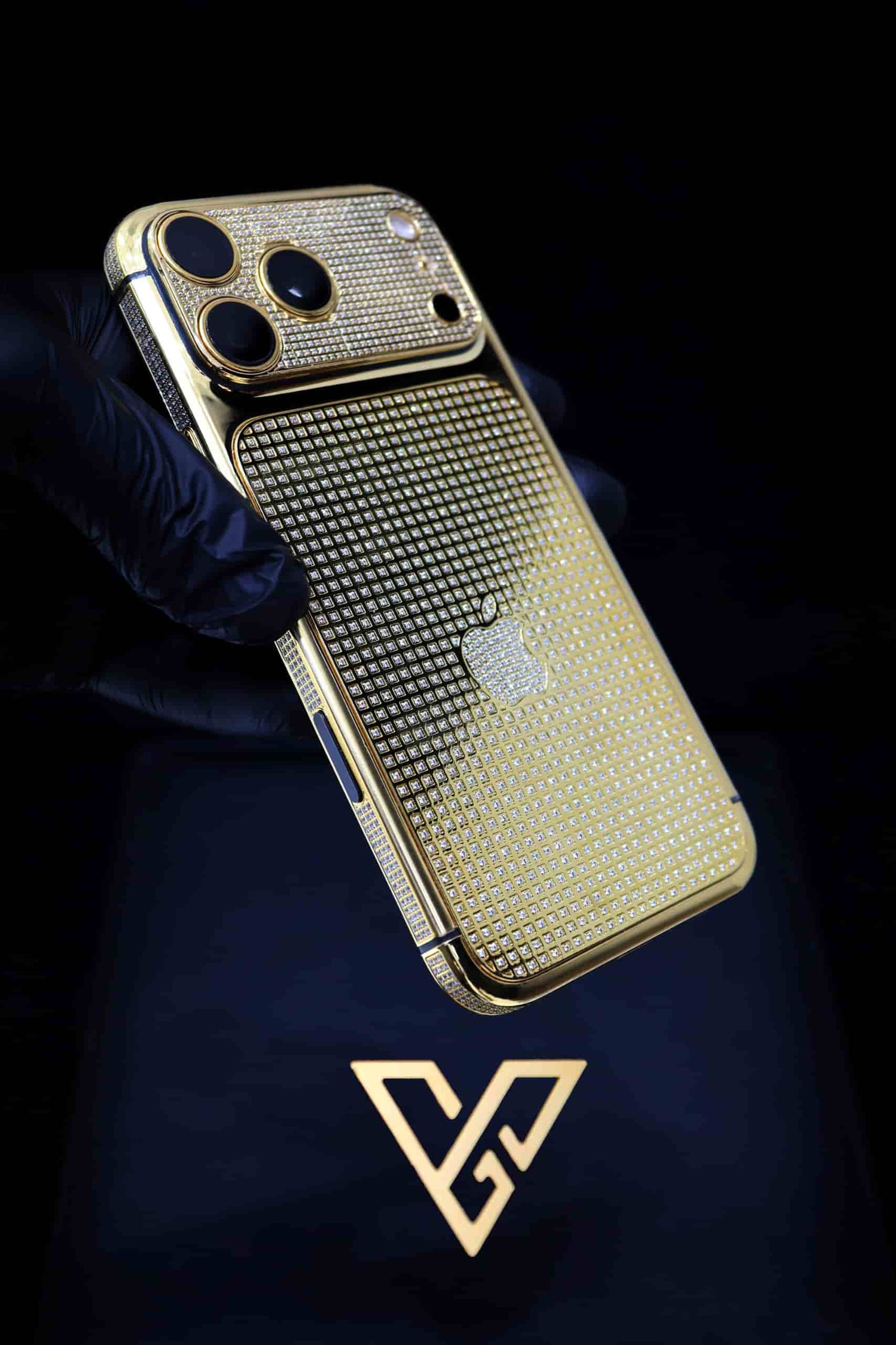
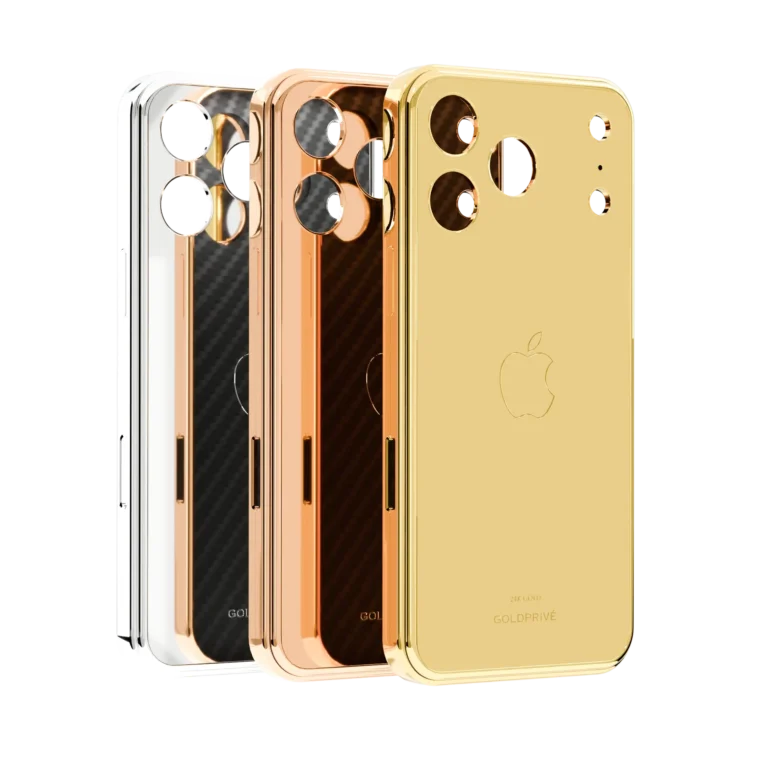
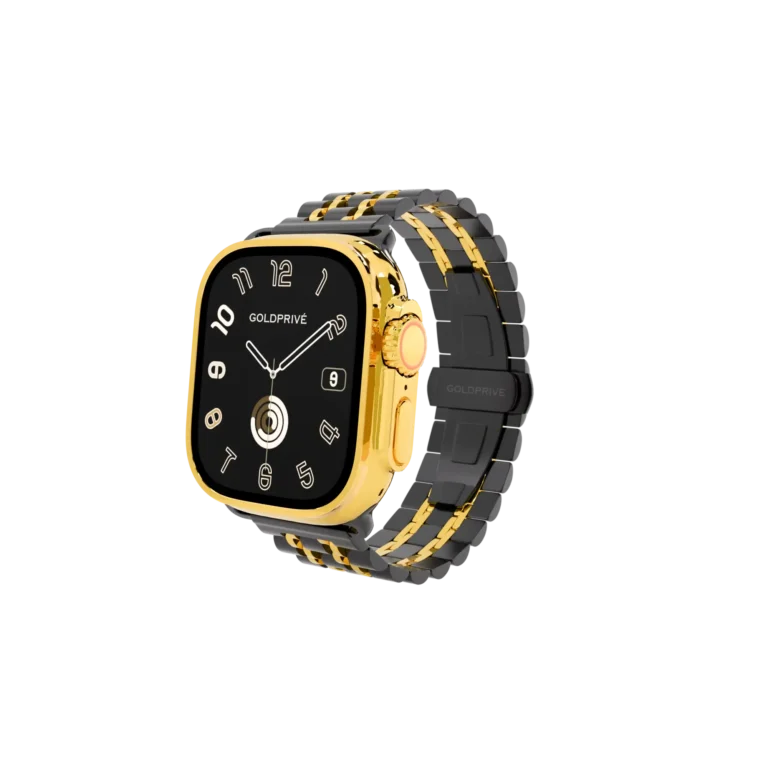
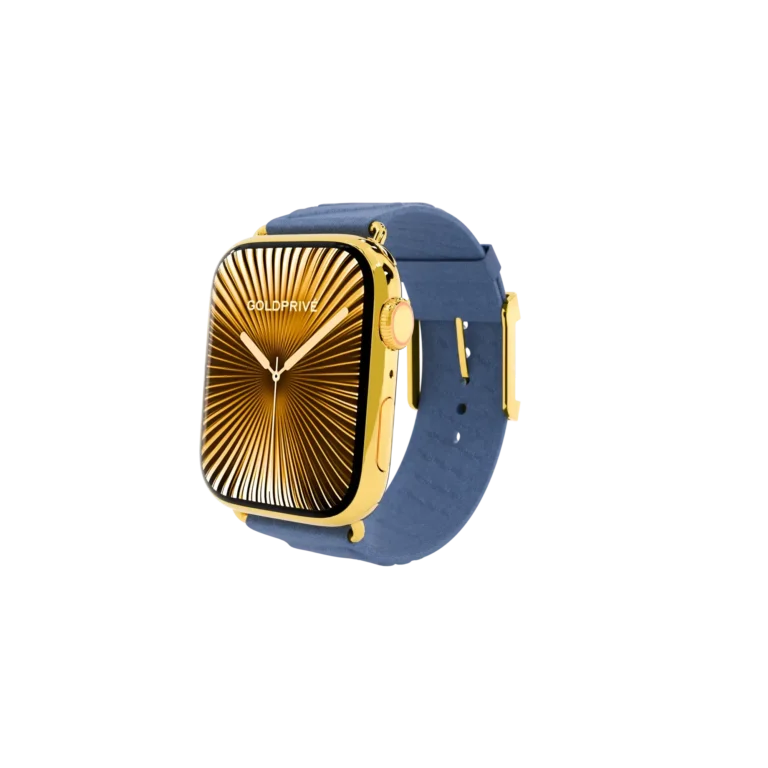
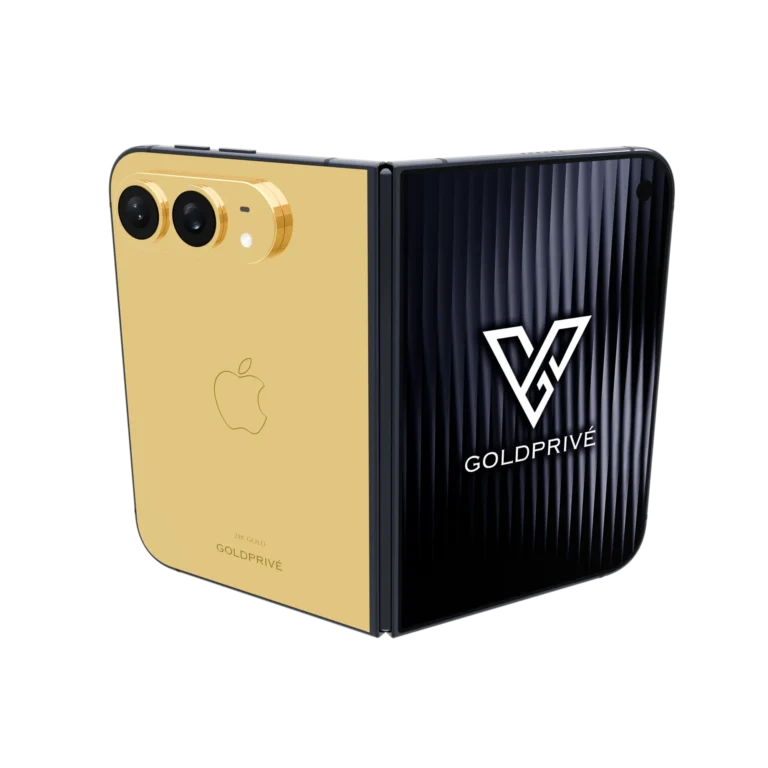
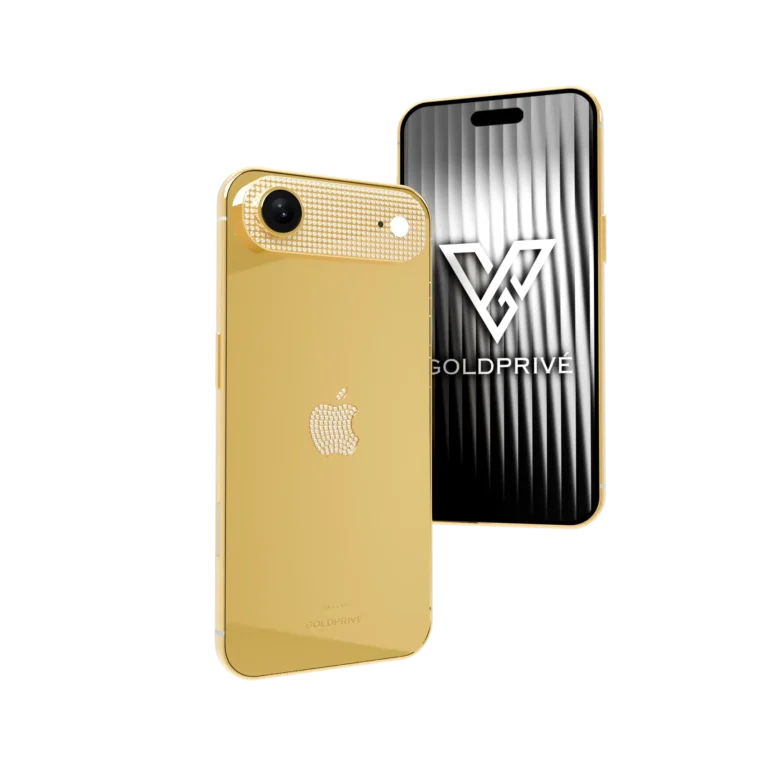
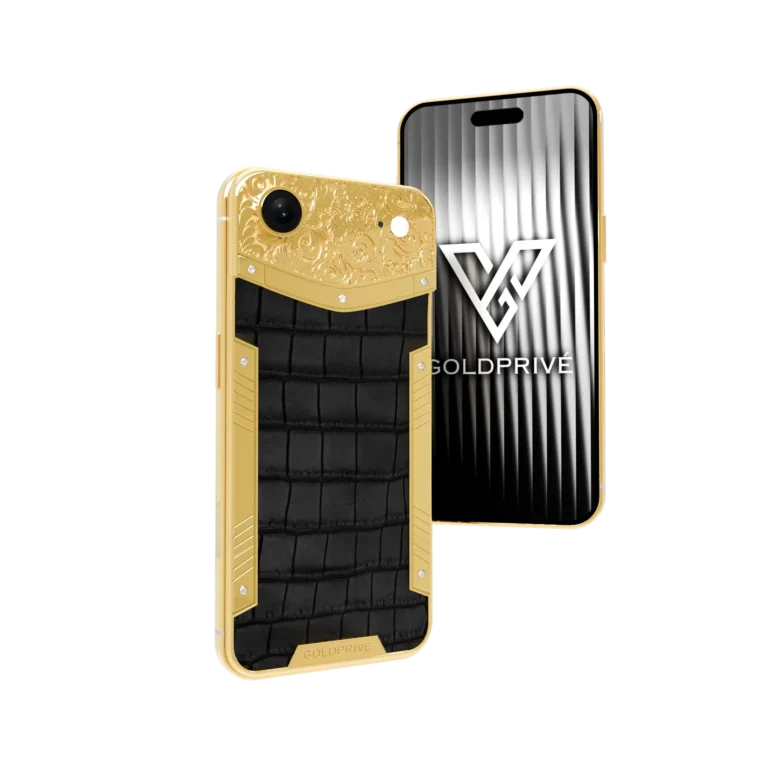
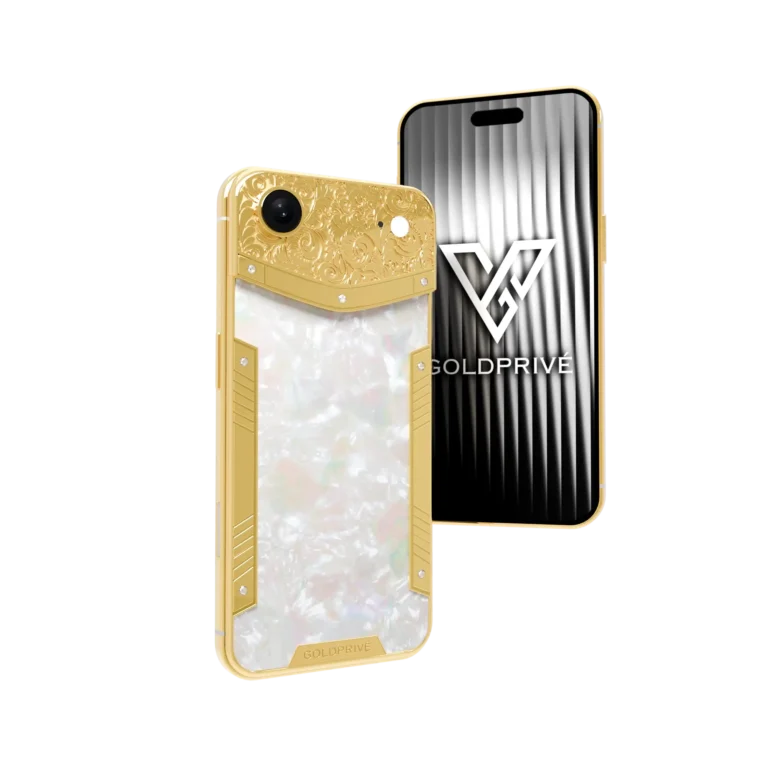
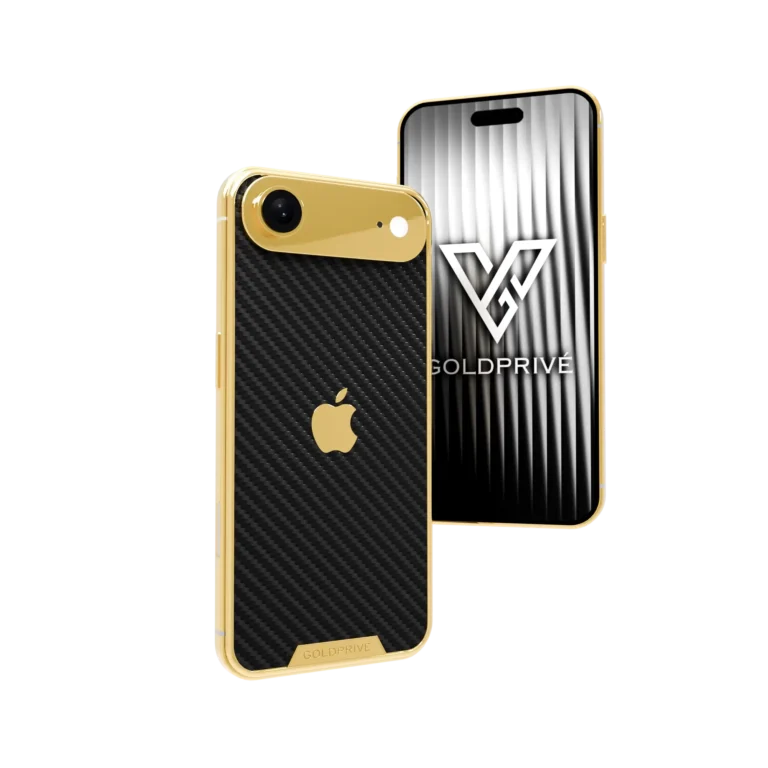
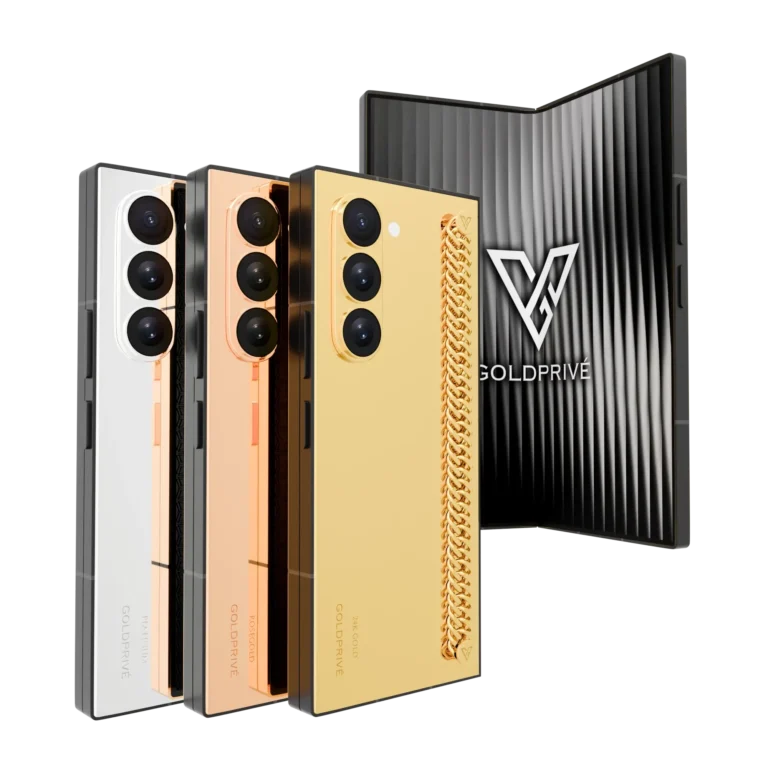
GoldPrivé applies 24K gold, rose gold or platinum at 5 to 7 microns across its device range, roughly double the FTC’s vermeil minimum and dramatically thicker than standard costume-jewelry electroplate. This thickness is applied over a genuine, factory-sealed device, whether an iPhone, an Apple Watch or a Samsung Galaxy phone, and sits on the exterior surfaces rather than altering the frame, hinge or internal hardware. Our gold iPhone cost guide and Galaxy Z Fold8 Ultra customization guide explain how this standard applies model by model.
See the Finishing Standard in Practice
Explore GoldPrivé’s bespoke gold plating service to see the 5 to 7 micron standard applied across its full device range.
Have a question about thickness, durability or a specific device? Speak with GoldPrivé’s Dubai atelier.
Explore the Collection
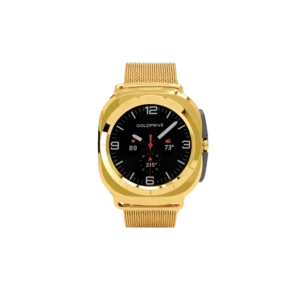
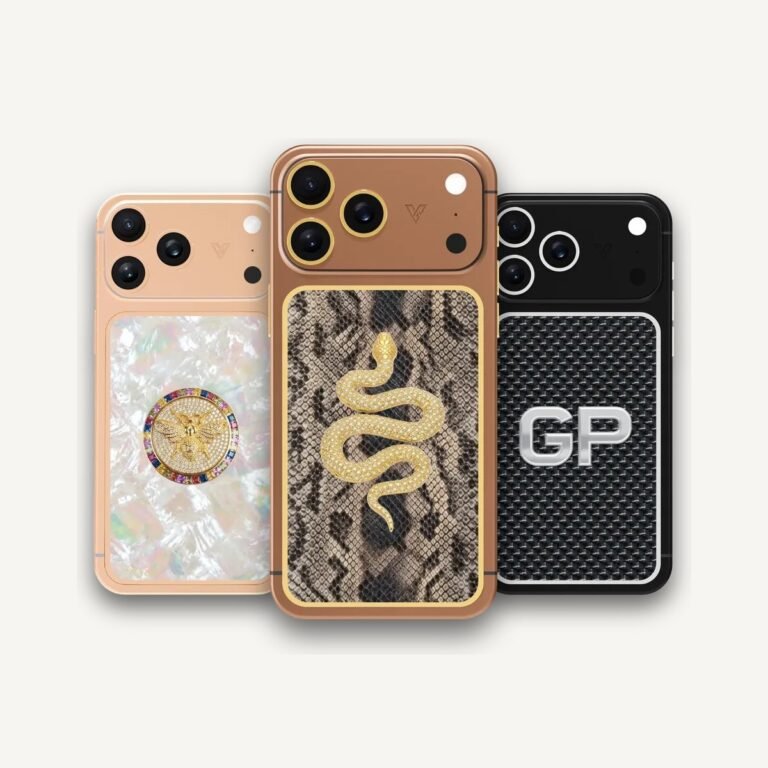
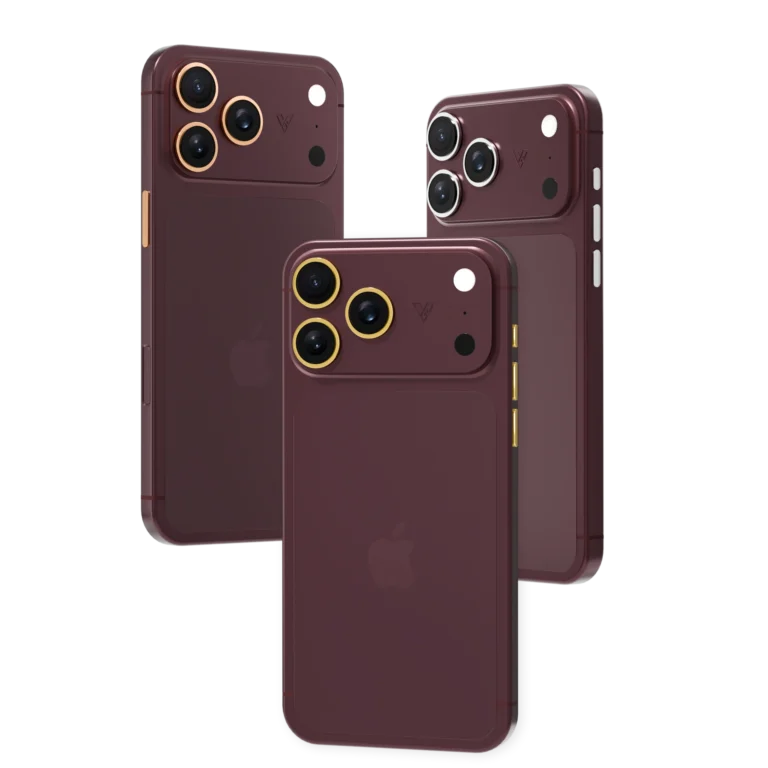
GoldPrivé applies this same finishing standard across its Gold iPhone Duo collection, its Gold Apple Watch customization service, and its full range of gold Samsung Galaxy devices, covered in our best Samsung phone for gold customization guide.
FAQs
What does “gold plated” actually mean?
A thin layer of real gold bonded to a base metal through electrolysis. The term covers a wide range of thicknesses, from under 0.175 microns to several microns or more.
How thick is gold plating supposed to be?
There is no single standard. The FTC defines gold electroplate at a minimum of 0.175 microns and gold vermeil at 2.5 microns; thicker is more durable.
How thick is GoldPrivé’s gold plating?
5 to 7 microns, roughly double the FTC’s gold vermeil minimum, applied in 24K gold, rose gold or platinum.
Does gold plating wear off?
Yes, eventually, though the rate depends heavily on thickness. Thin flash plating can wear within weeks; thicker plating at 2.5 microns and above can last a year or more with proper care.
Is gold-filled the same as gold plated?
No. Gold-filled requires a mechanically bonded layer equal to at least 5% of the item’s total weight, far thicker than electroplating, but it is still a layer over a base metal rather than solid gold.
Why don’t luxury customizers use solid gold for phones?
Solid or heavily alloyed gold would add significant weight and can interfere with antenna performance and wireless charging, making plating the only practical option for a working device.
Does a thicker gold layer cost more?
Generally yes, since more precious metal and more processing time are required, though GoldPrivé’s 5 to 7 micron standard is applied consistently across its design editions.
Can gold plating be reapplied if it wears down?
Many plated items can be replated, though this depends on the underlying object and material; ask a specialist about your specific piece.