Blog
24K Gold Plating vs 18K Solid Gold iPhone 18 Pro Max: Which to Choose?

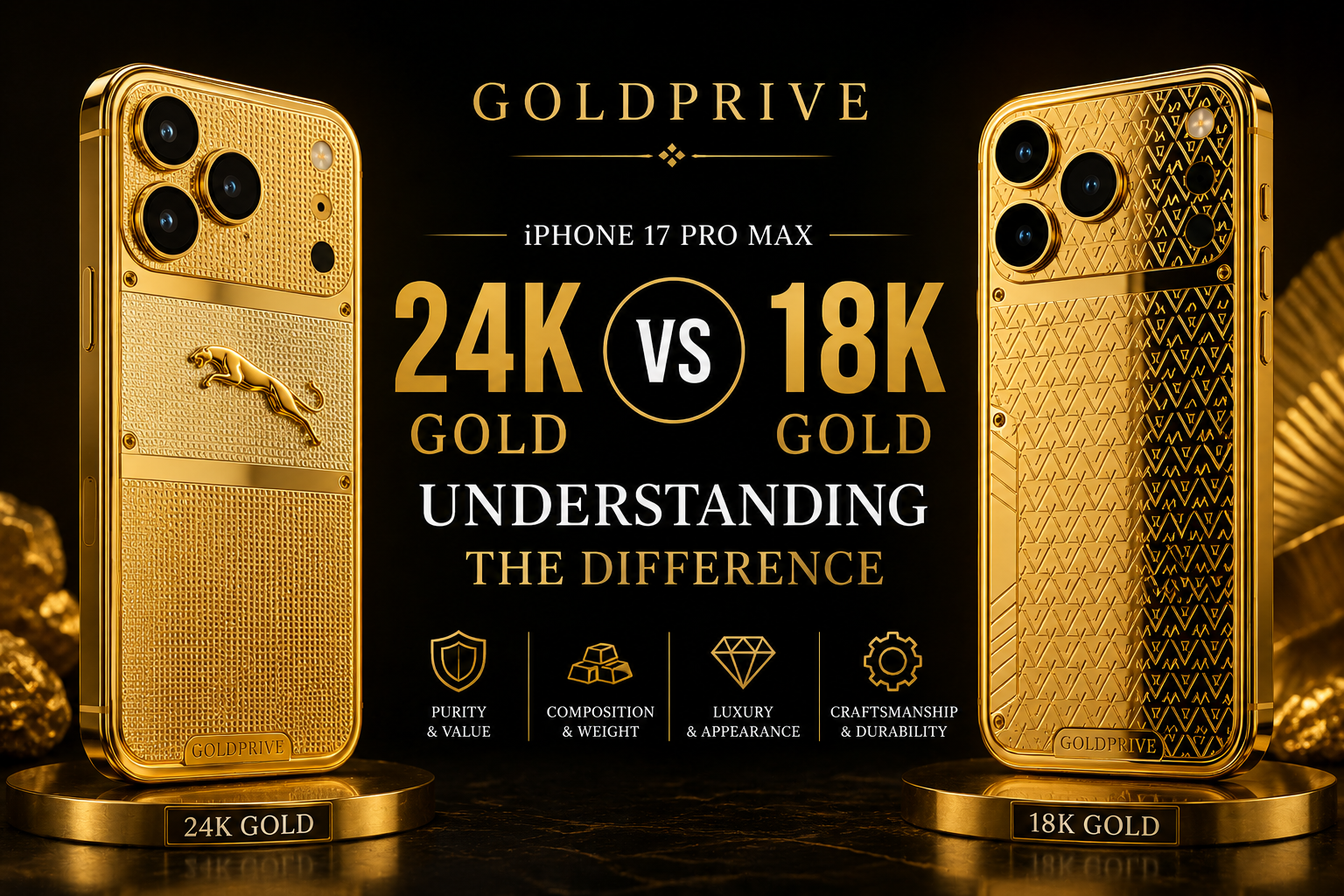
24K Gold Plating vs 18K Solid Gold iPhone 18 Pro Max: Which to Choose?
The choice of 24K gold plating vs 18K solid gold iPhone editions is less about which is “more gold” than about how the metal is used. One is a layer of the purest gold spread across the phone; the other is a forged piece of harder, 75 percent gold set into the back. This guide explains what each purity means, how GoldPrivé builds both on the iPhone 18 Pro Max, and how they differ in wear, weight, value and certification.
Key Takeaways
- 24K gold is 99.9 percent pure; 18K gold is 75 percent gold alloyed with other metals, which makes it harder.
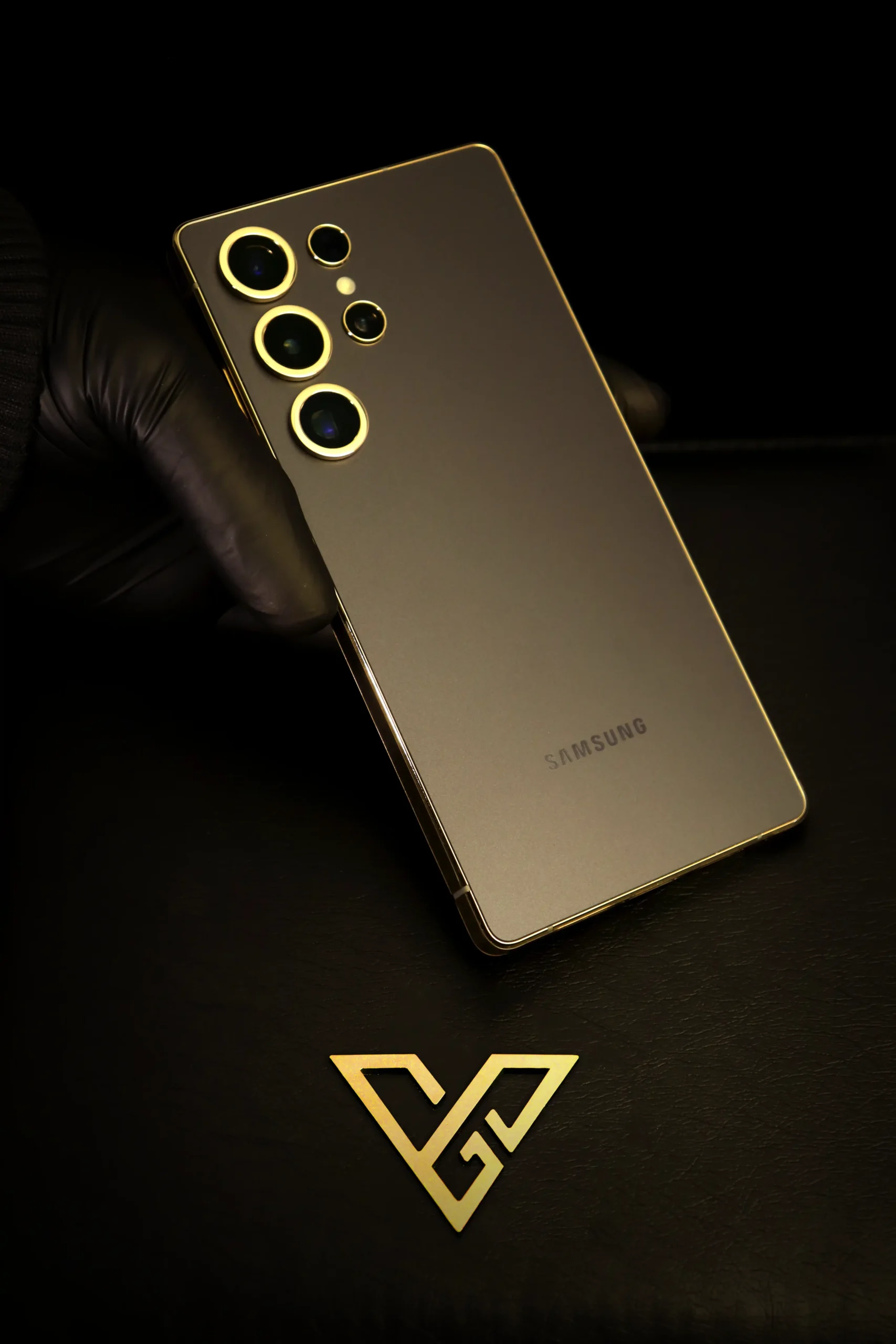
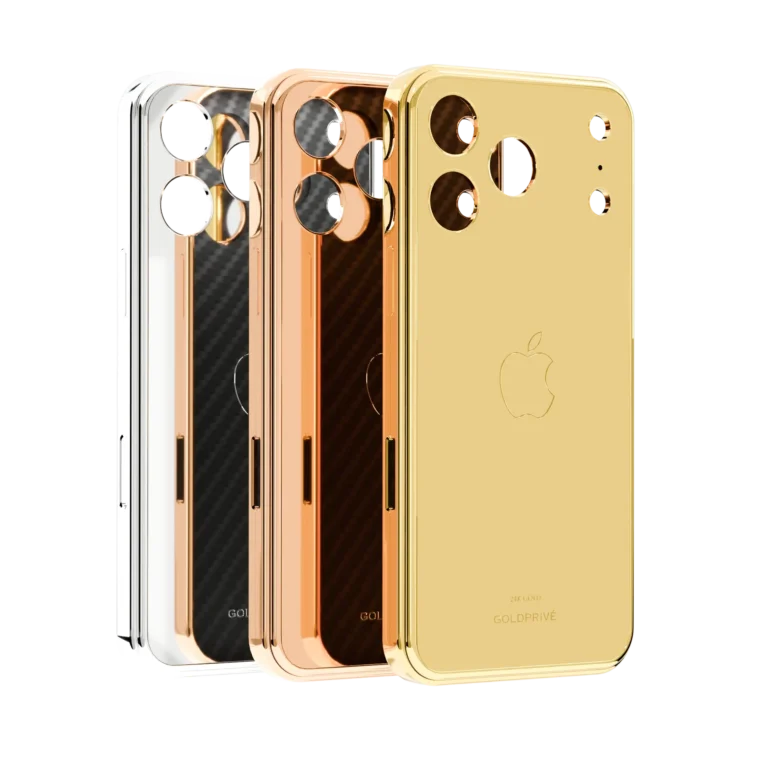
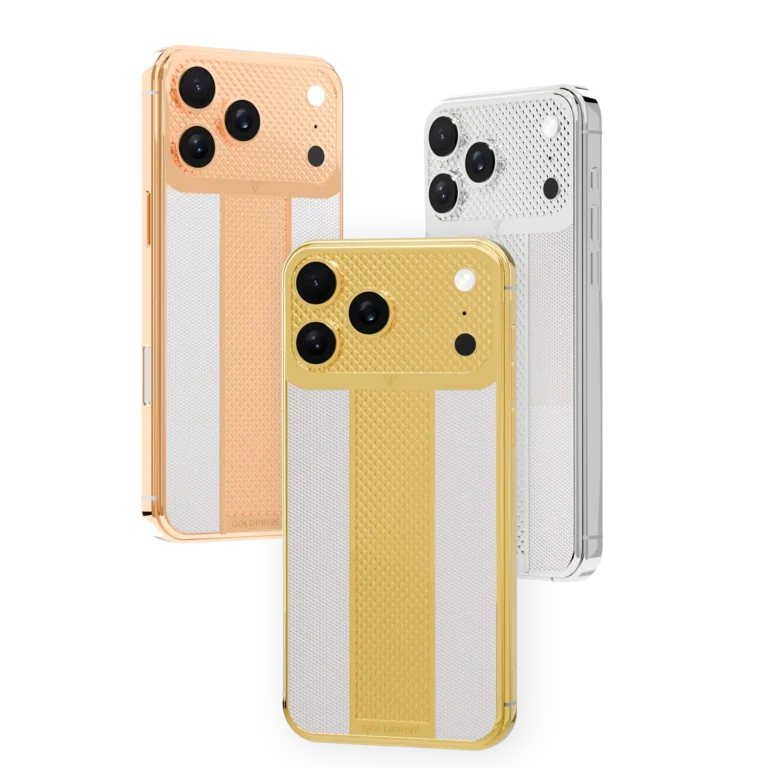
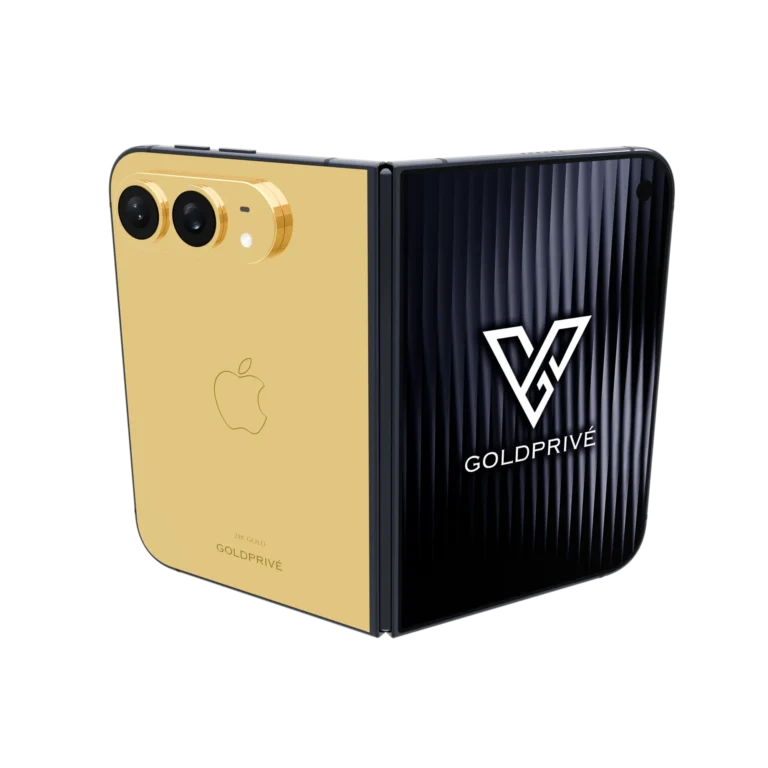
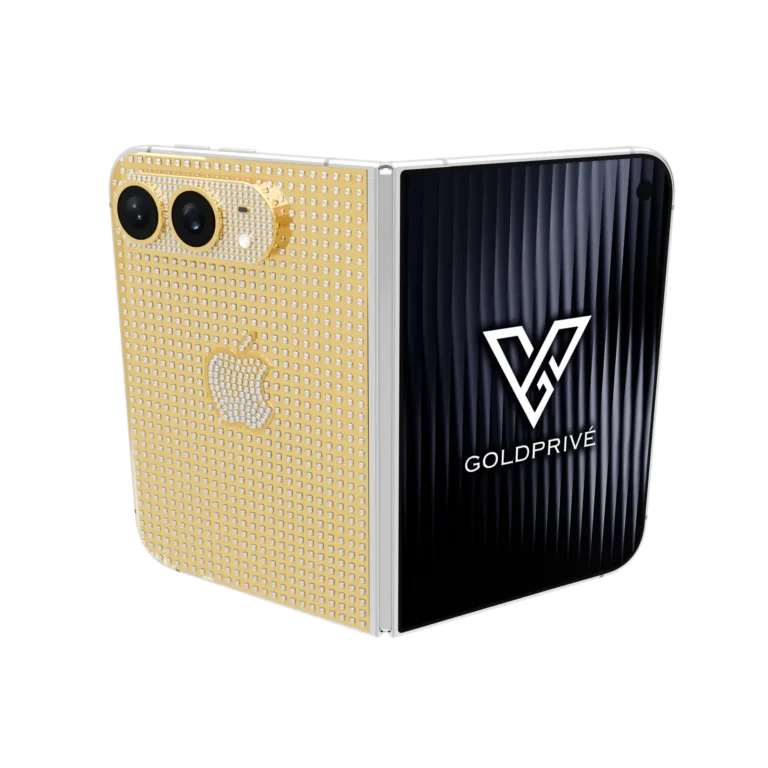
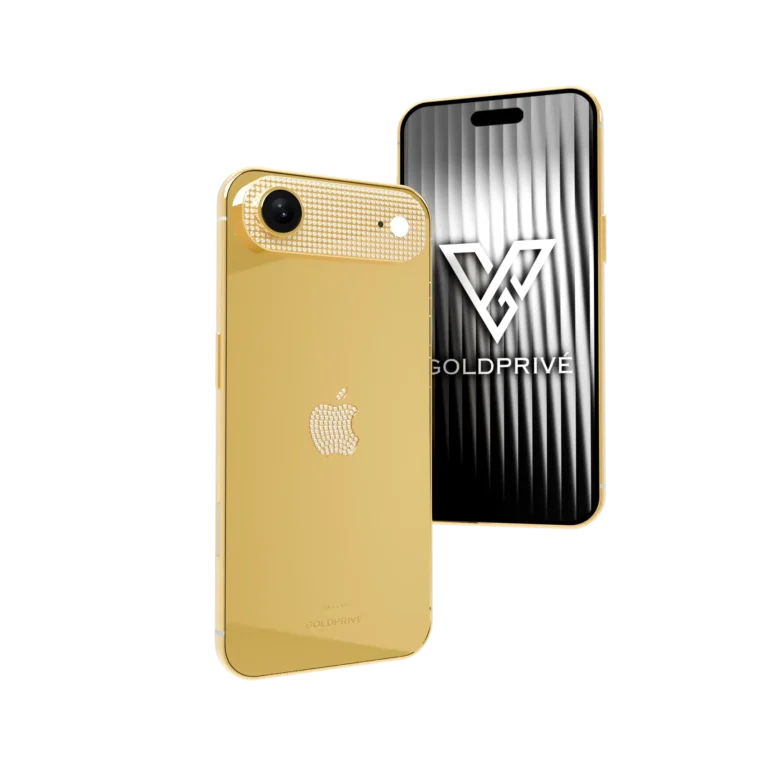
- GoldPrivé’s fully plated 24K designs are electroplated in 24K Gold, Rose Gold or Platinum at 5–7 microns over a new back panel and the frame.
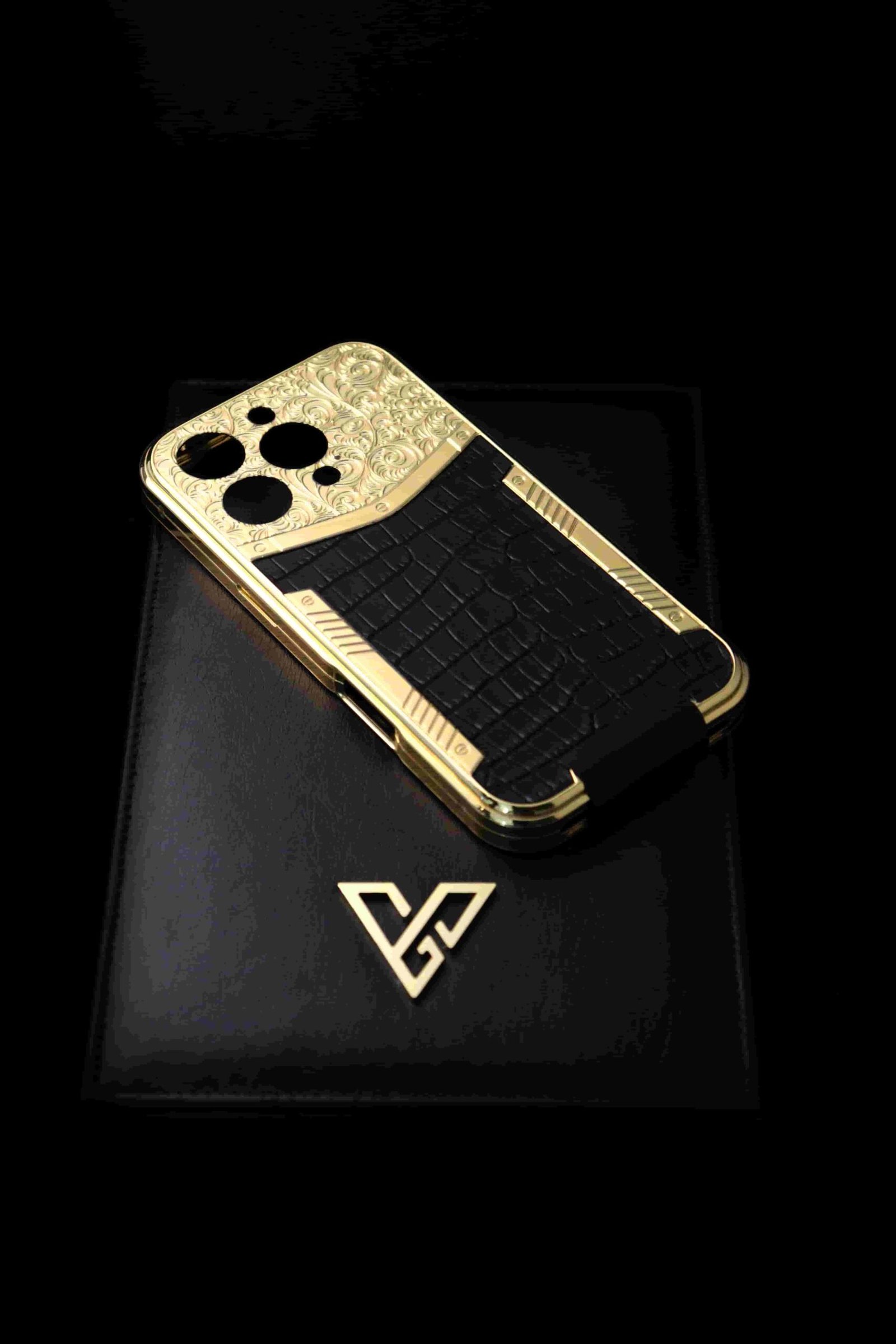
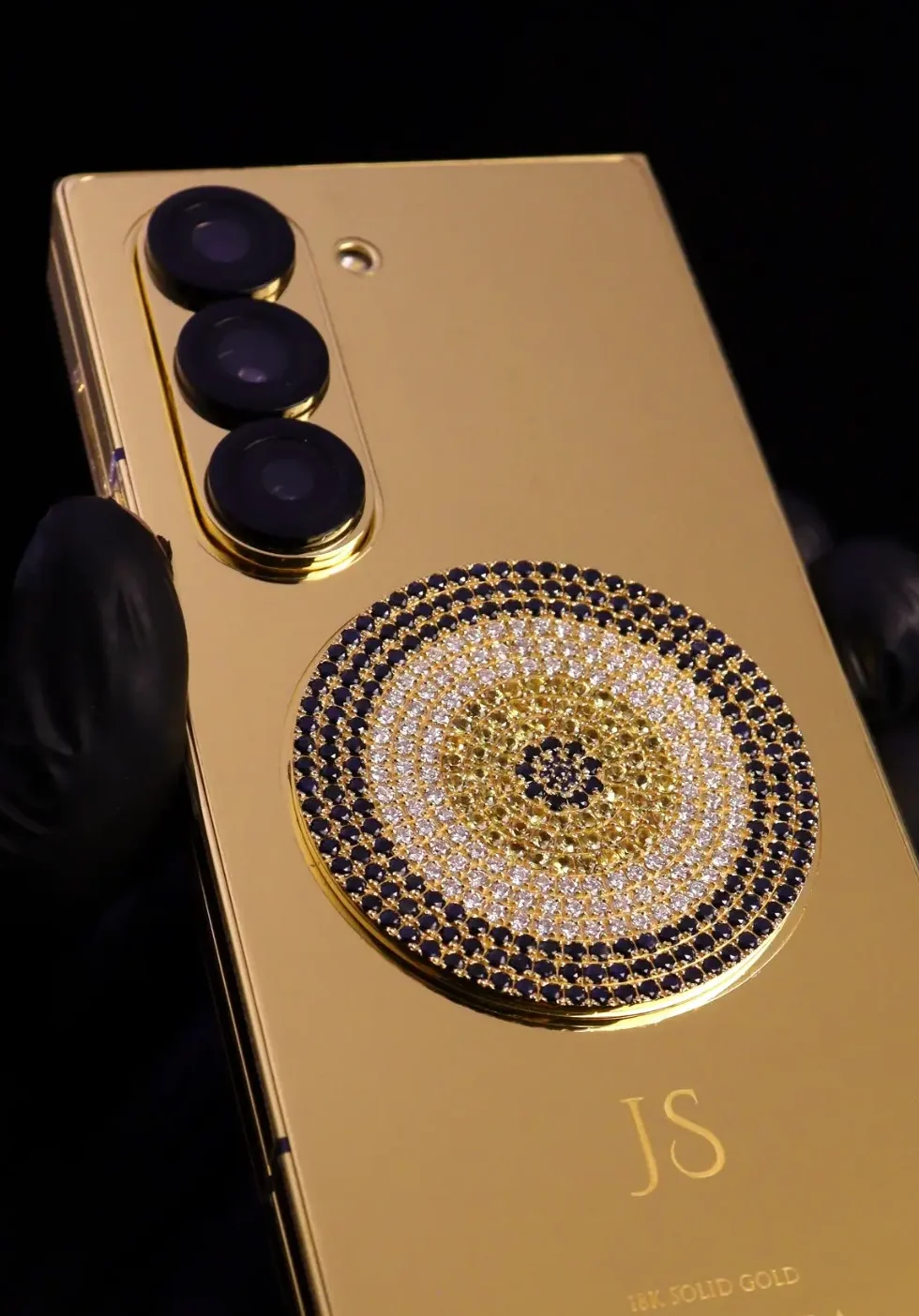
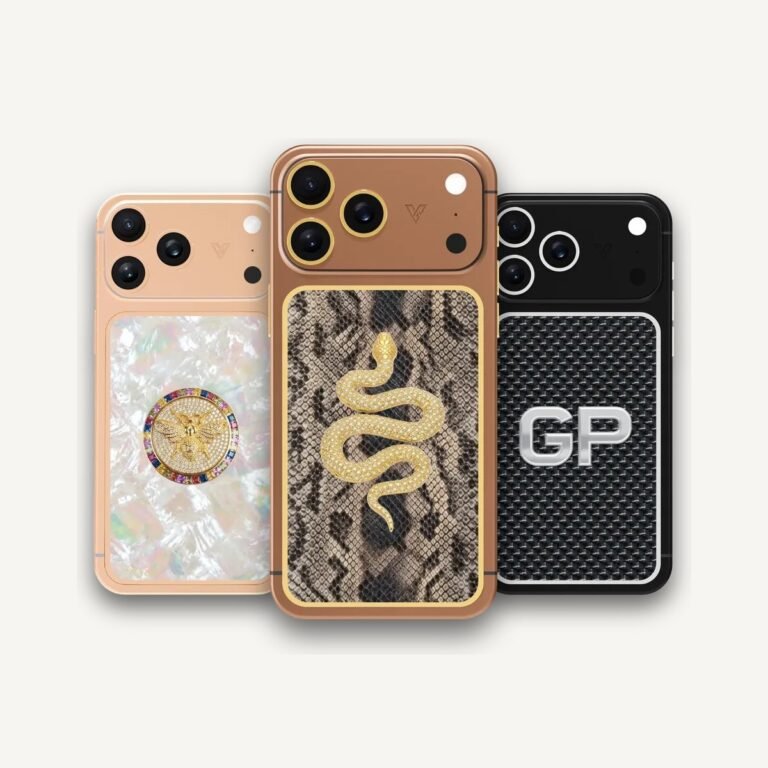
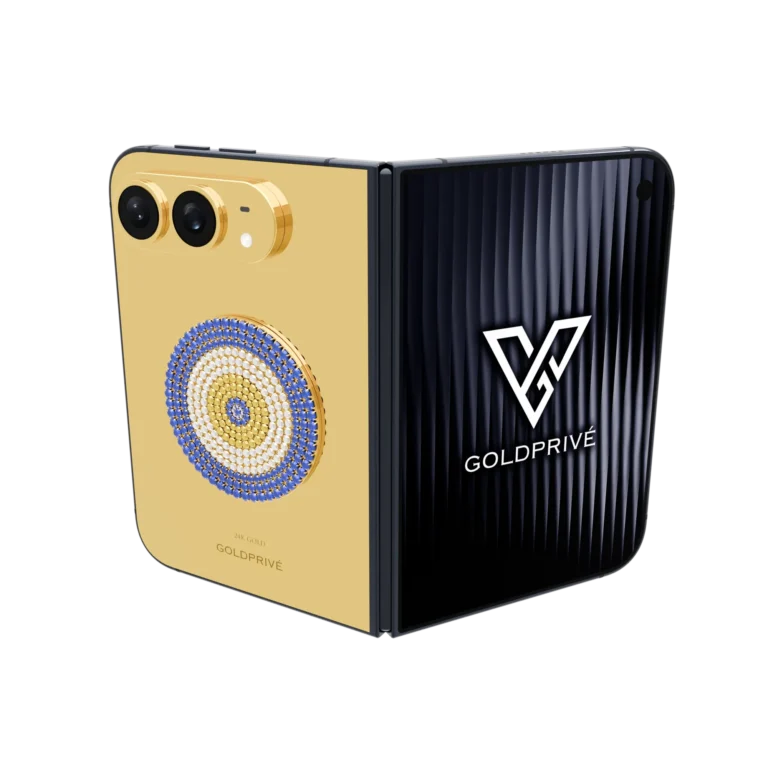
- Its 18K editions set a separately forged 18K (750) solid gold centrepiece into a custom back plate, with a 24K gold-plated frame.
- Plating can wear under heavy friction over time; solid gold still scratches, but it is gold all the way through.
- The Élysian centrepiece alone weighs around 80 to 100 grams, according to GoldPrivé. No 18K edition supports wireless charging.
Table of Contents
Quick Answer
Choose 24K plating for gold, rose gold or platinum across the phone, the widest choice of designs and no heavy centrepiece; choose 18K solid gold for a substantial piece of real gold you can feel in the hand. Plated editions start at $ 2,990, and on Timeless designs MagSafe still works. 18K editions start at $ 16,220, add significant weight and charge only by USB‑C.
What 24K Means
The karat scale divides gold into 24 parts, so 24K means all 24 are gold: 99.9 percent purity in practice. That gives the deep, warm yellow associated with bullion, but it also makes the metal soft, too easily bent and marked to stand alone in an object handled every day. So 24K gold is usually applied as a coating: a stronger base provides the structure, and the gold provides colour and lustre. Rose gold and platinum finishes work the same way with a different visible metal.
What 18K Means
18K gold contains 18 parts gold out of 24, or 75 percent. The remaining quarter is made up of other metals, commonly silver, copper or palladium, chosen to adjust hardness and tone. In fine jewellery the same purity is often marked “750”, meaning 750 parts gold per thousand.
Alloying gives 18K gold the strength to hold a crisp shape and engraved detail, which is why it is widely used in fine watches and jewellery. Its colour is a little paler than 24K, but it resists denting far better.
24K Gold Plating vs 18K Solid Gold iPhone: How GoldPrivé Makes Each
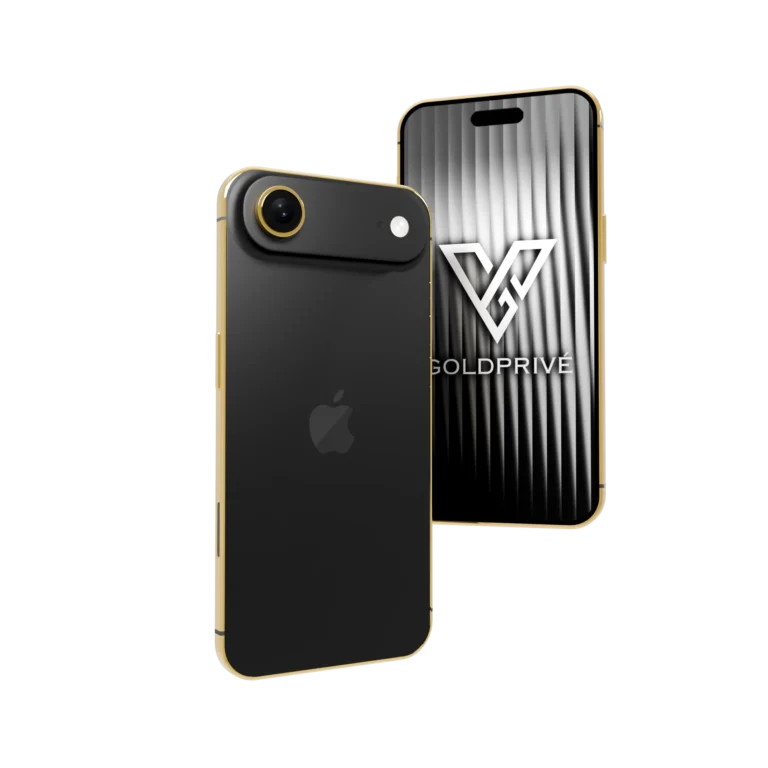
Both start from a new, unlocked iPhone 18 Pro or Pro Max, finished by hand in GoldPrivé’s Dubai atelier with internals, display and cameras untouched. Only the exterior differs.
| Aspect | 24K plated editions | 18K solid gold editions |
|---|---|---|
| Gold purity | 99.9 percent (24K) in the plated layer | 75 percent (18K, 750) in the centrepiece |
| How the gold is applied | Electroplated at 5–7 microns in 24K Gold, Rose Gold or Platinum | Centrepiece forged separately, then set into the back |
| Back | New plated back panel (Timeless keeps Apple’s back) | Custom back plate holding the centrepiece; the surrounding field can be plated |
| Frame | Aluminium frame plated in the same metal | 24K gold-plated frame |
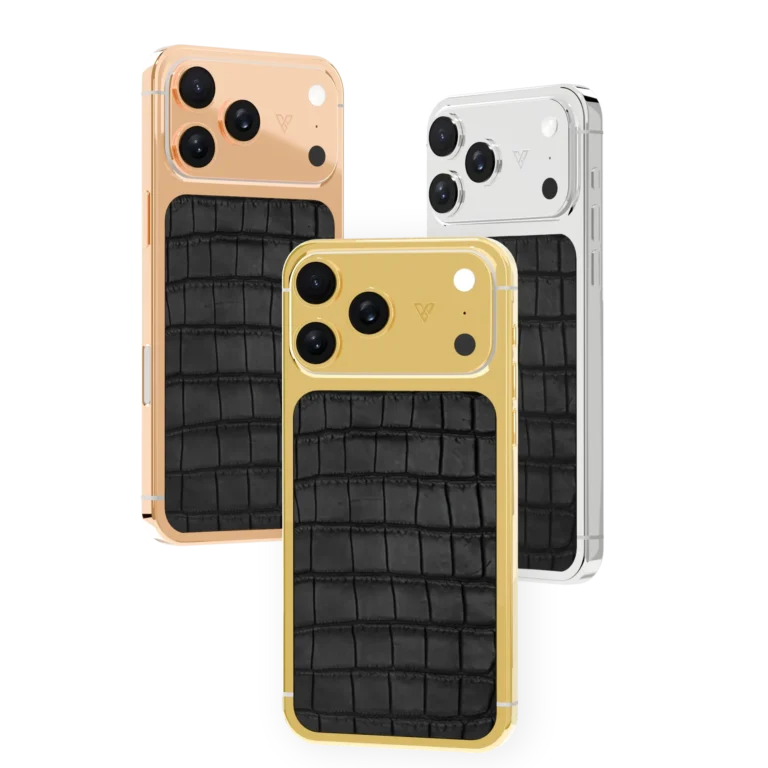
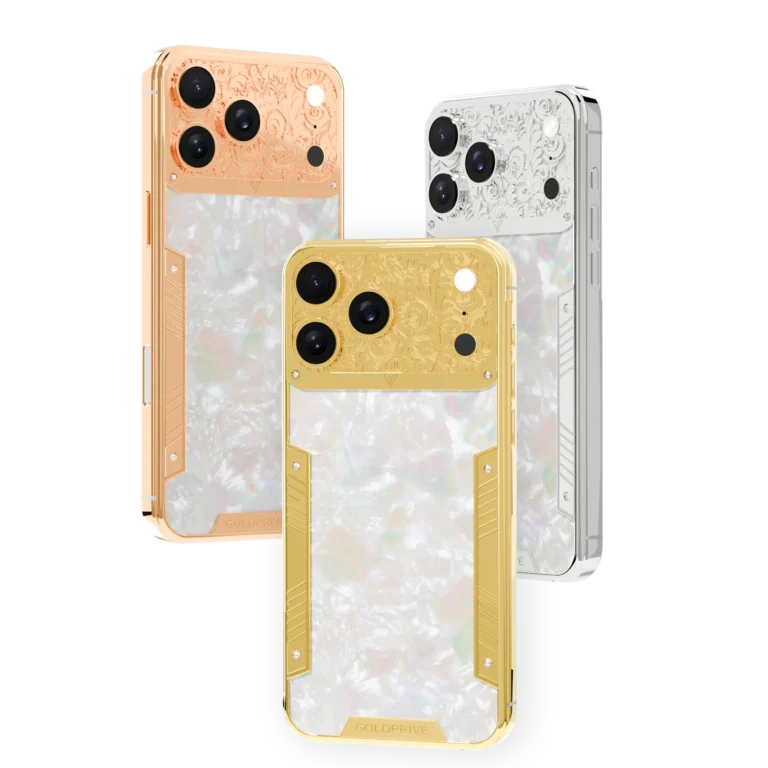
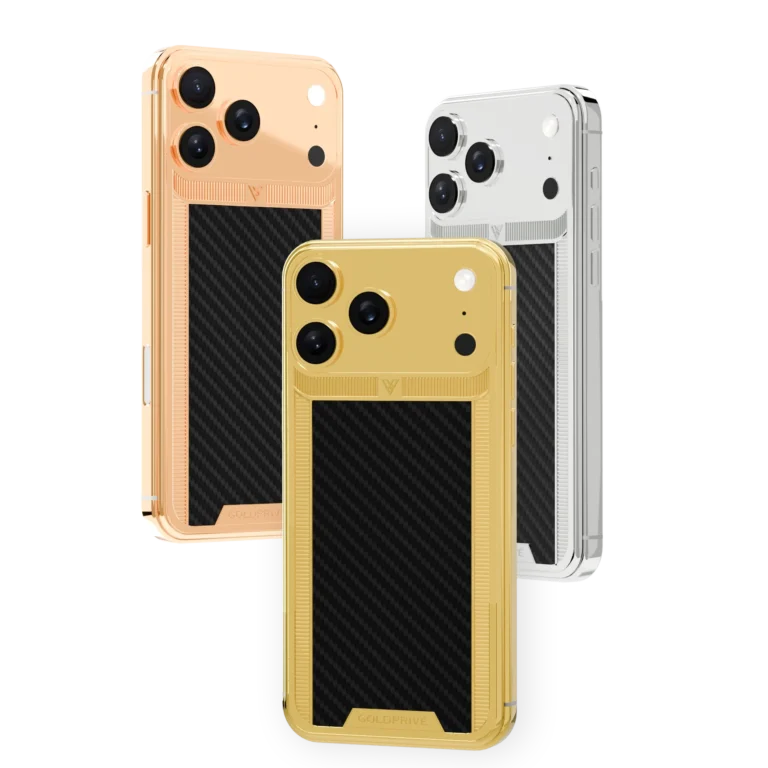
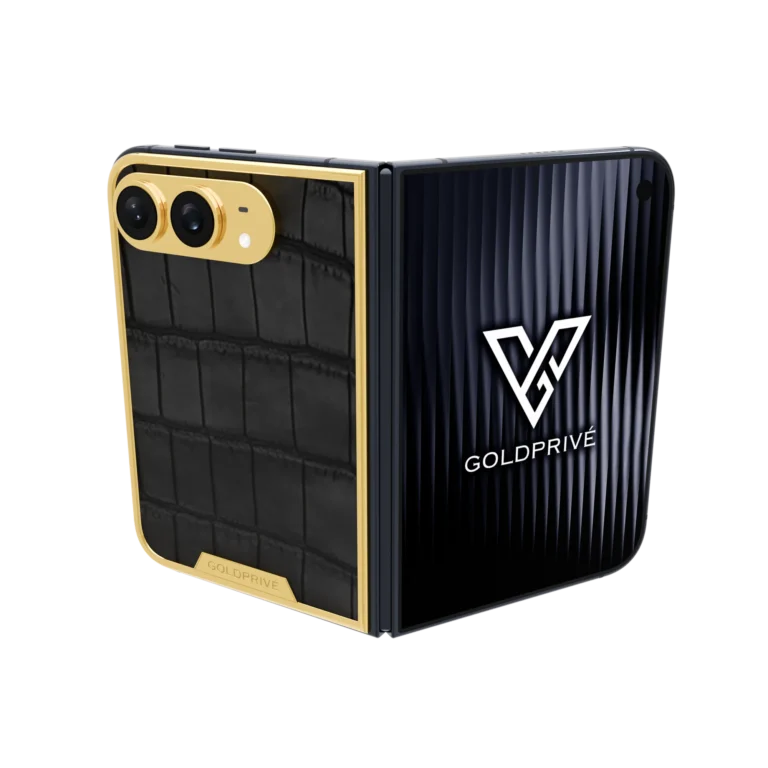
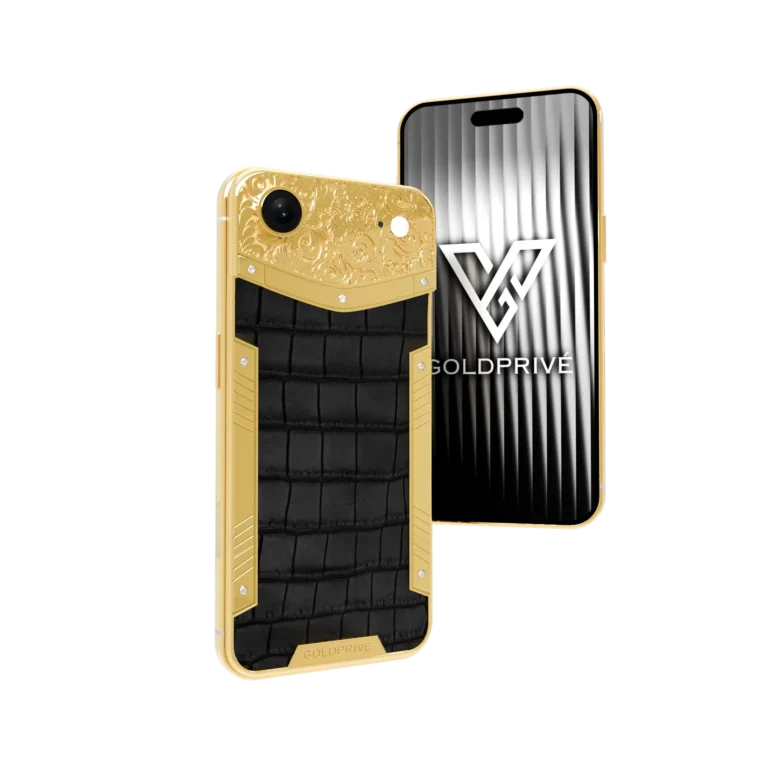
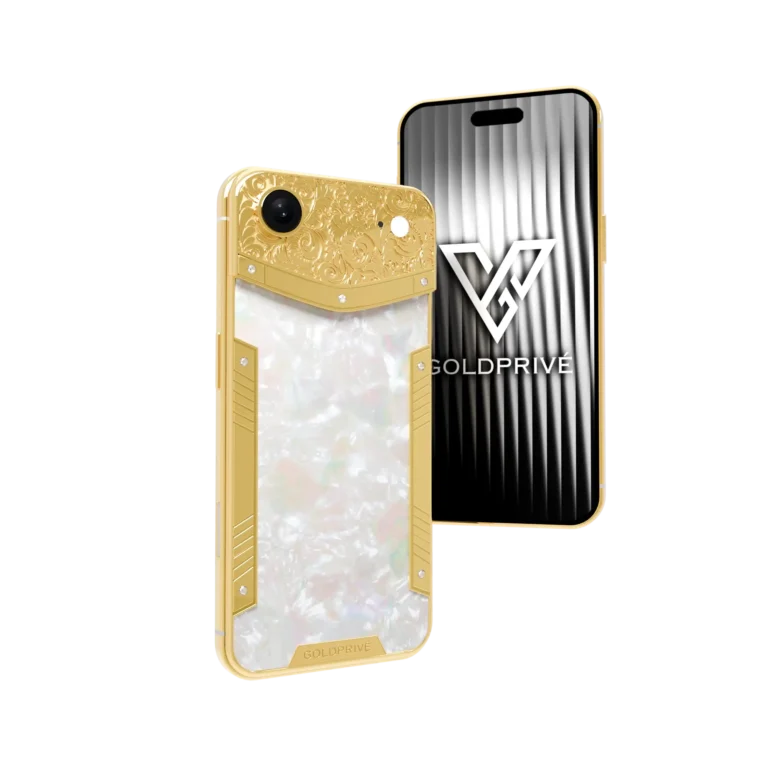
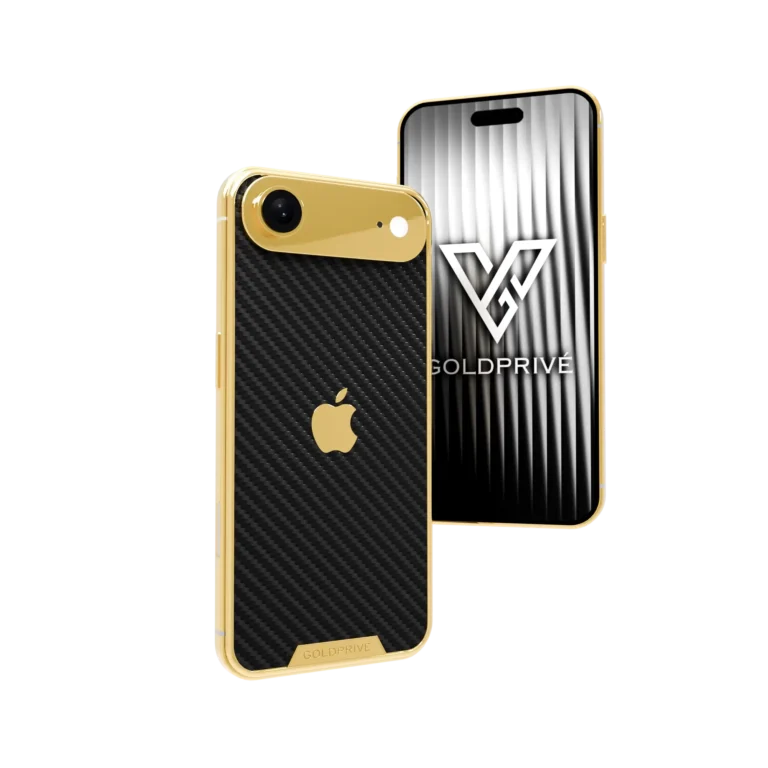
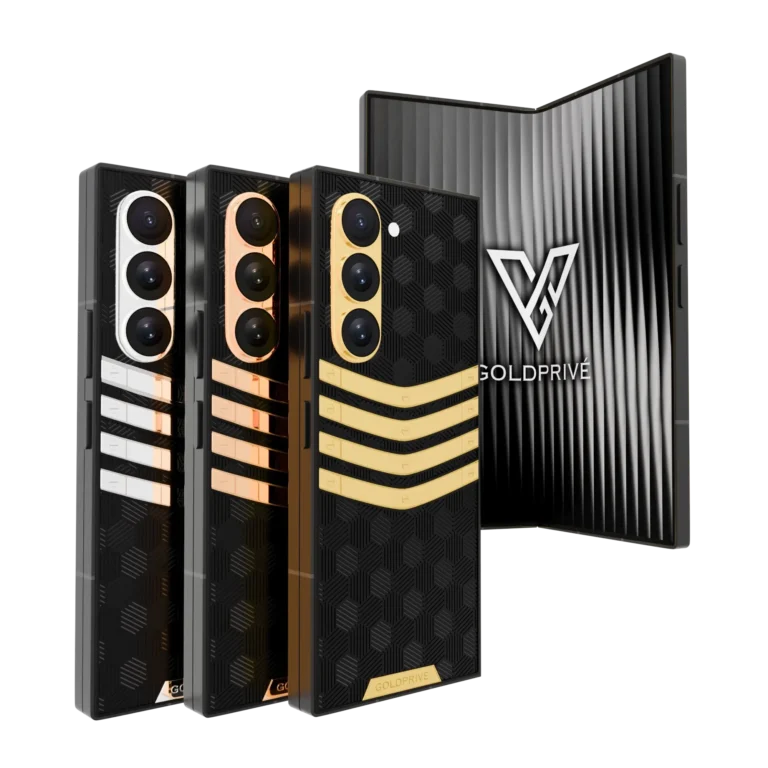
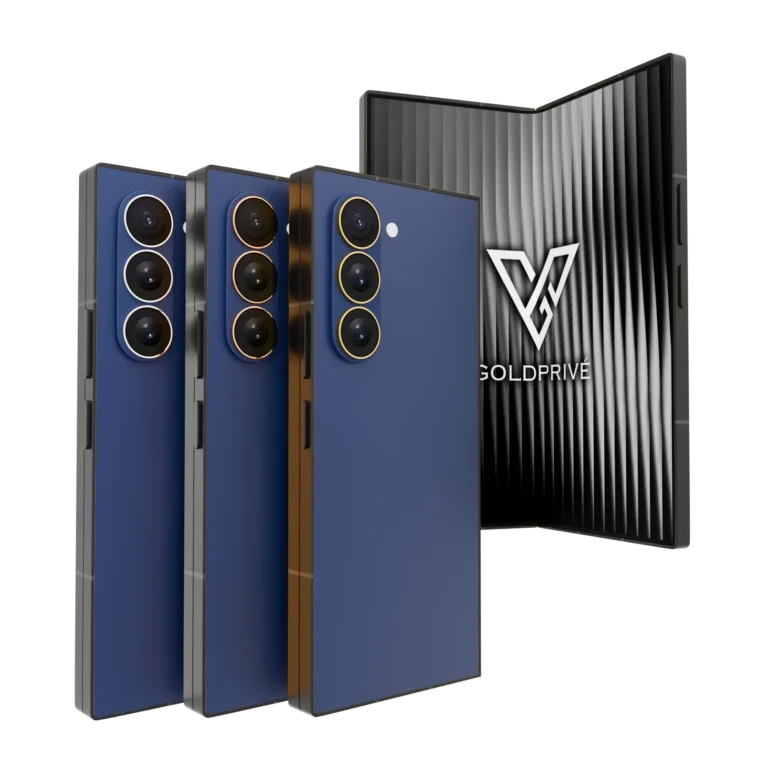
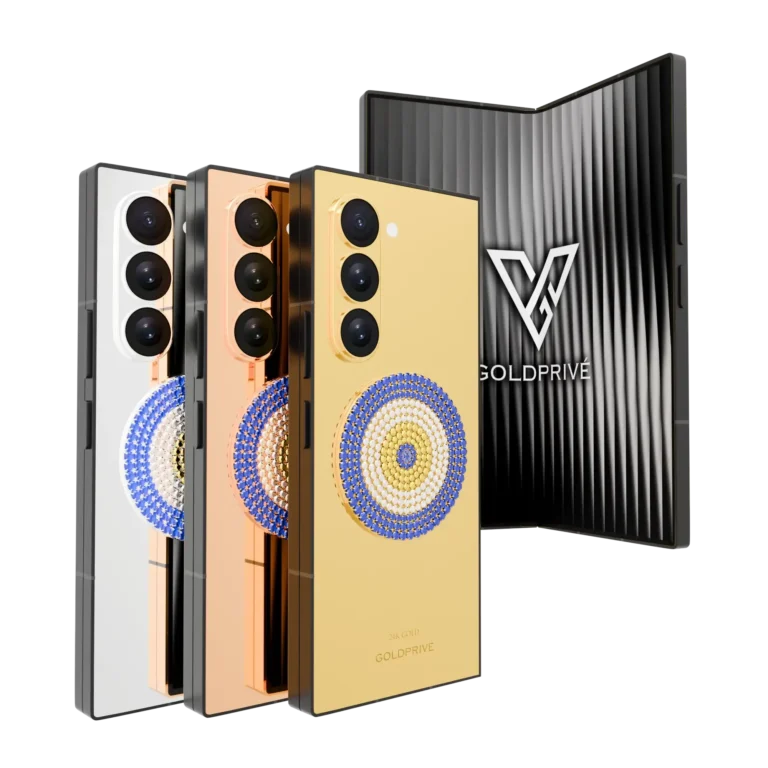
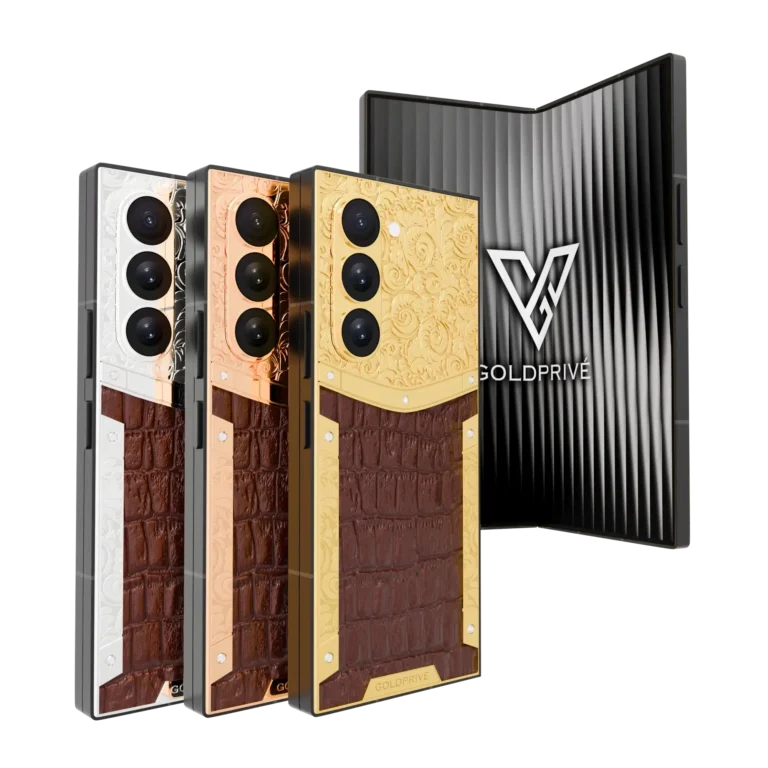
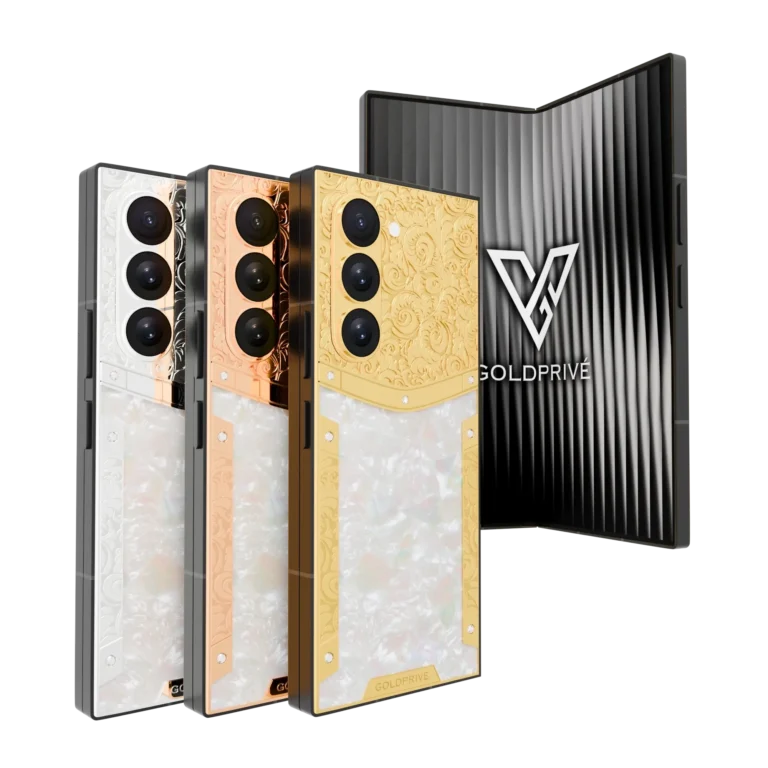
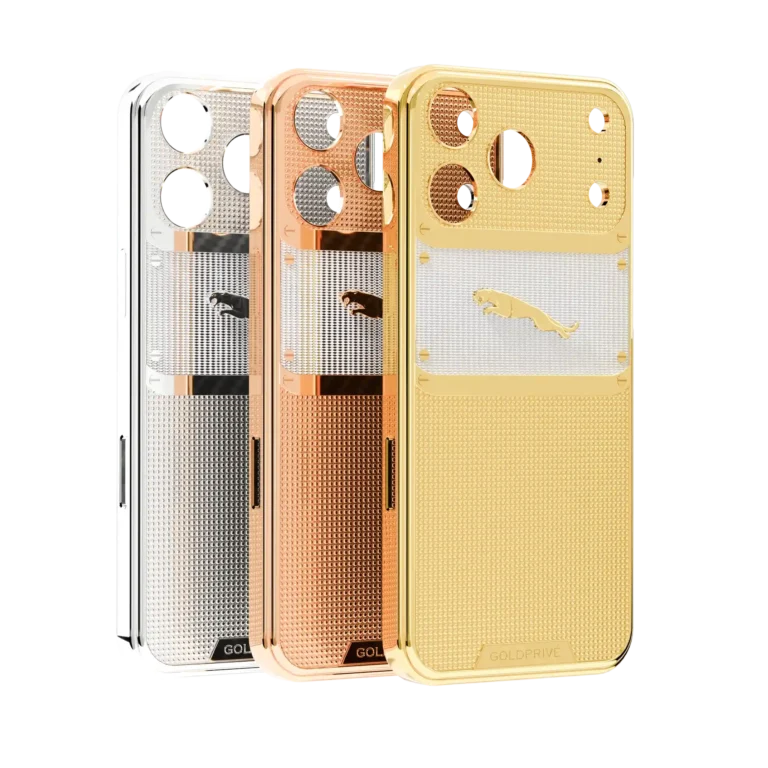
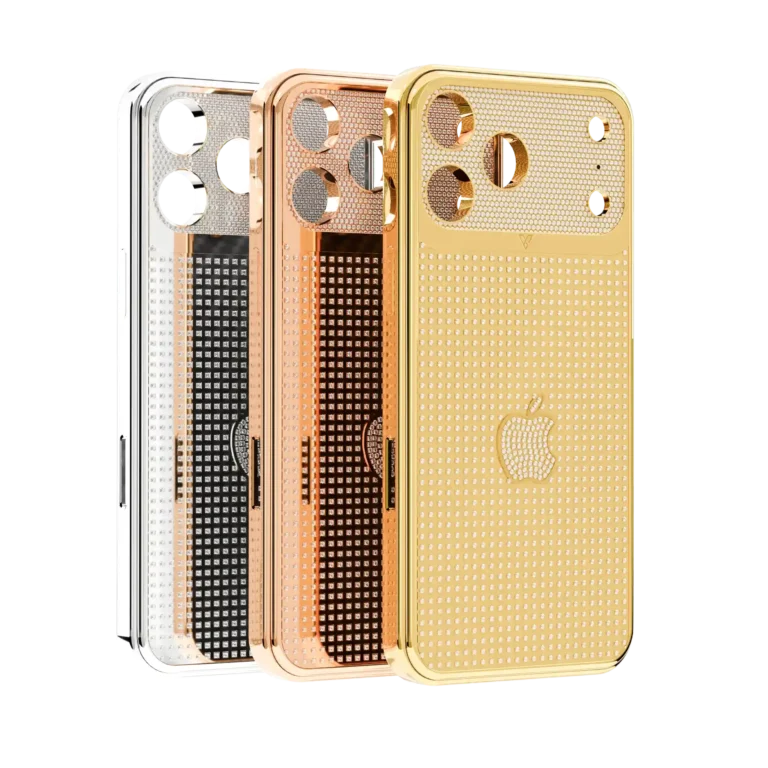
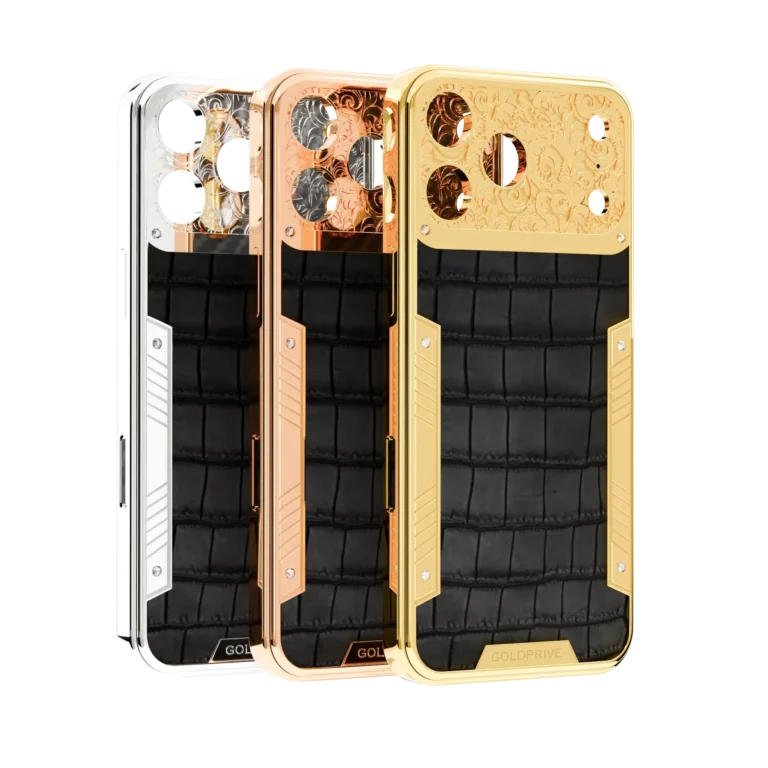
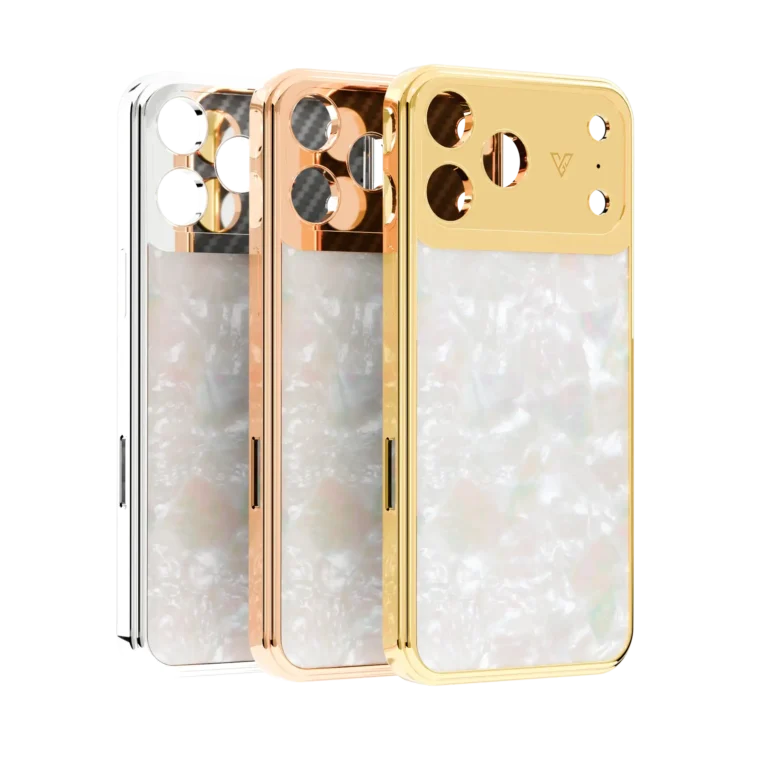
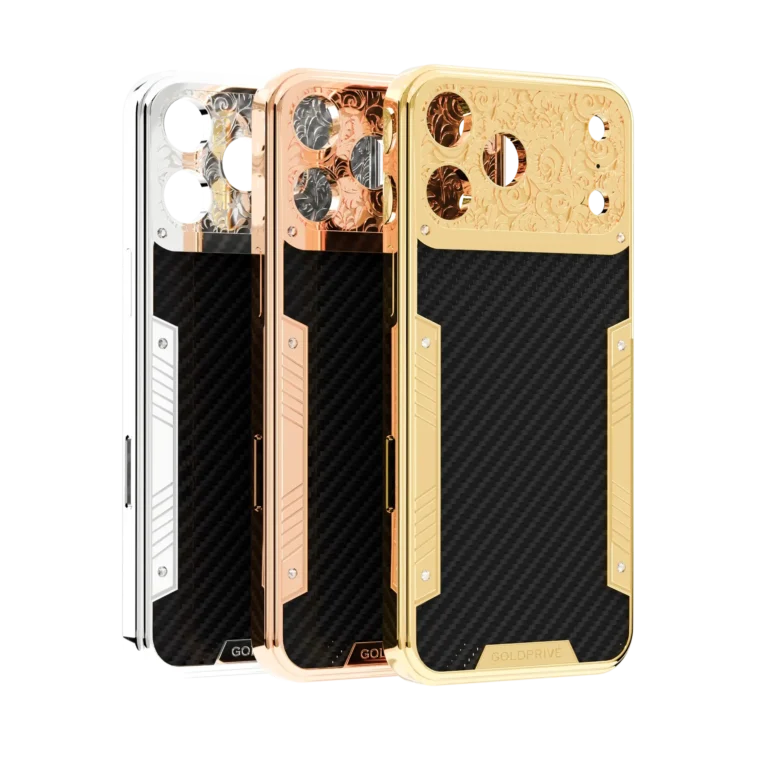
| Designs | Ultimate, Timeless, Éclat, Exotic Skin, Pearl Edition, Carbon Craft | Élysian, Sovereign, Imperium, Aurelius, Valorian, Regalia |
| Wireless charging | Timeless: yes. Plated backs: USB‑C. Exotic Skin and Pearl: varies | No; USB‑C only |
| Price range | $ 2,990 to $ 15,790 | $ 16,220 to $ 26,970 |
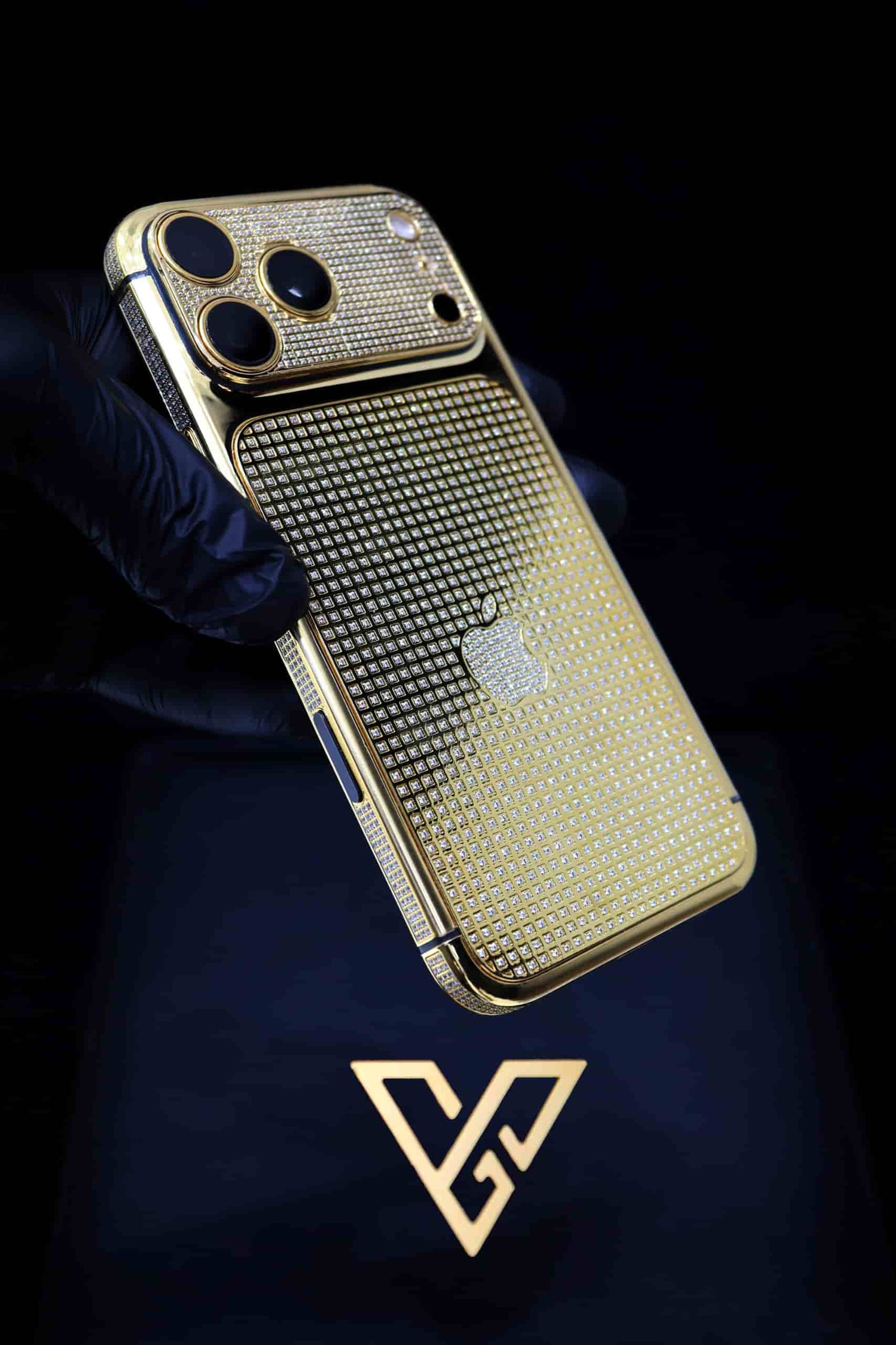
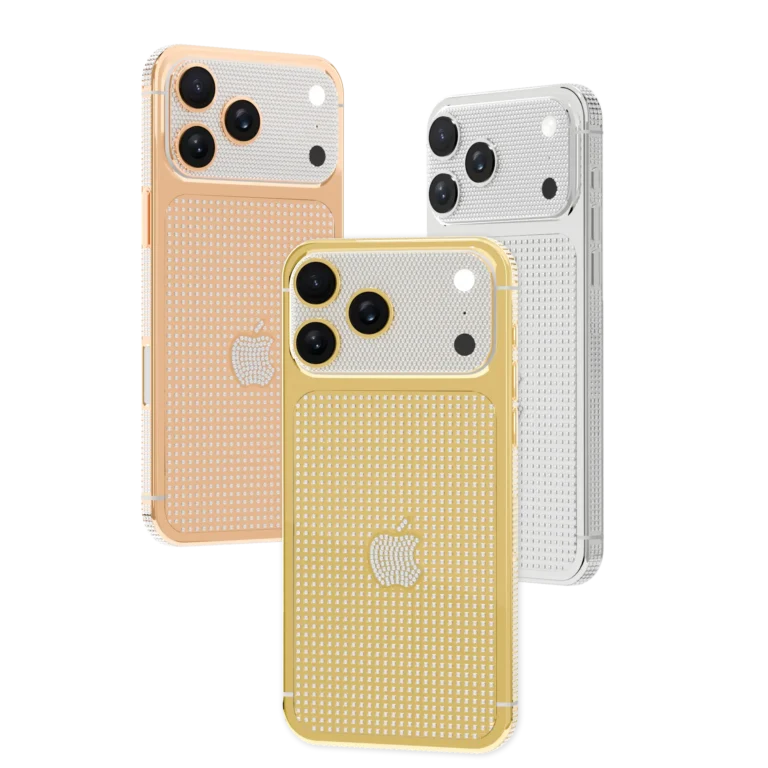
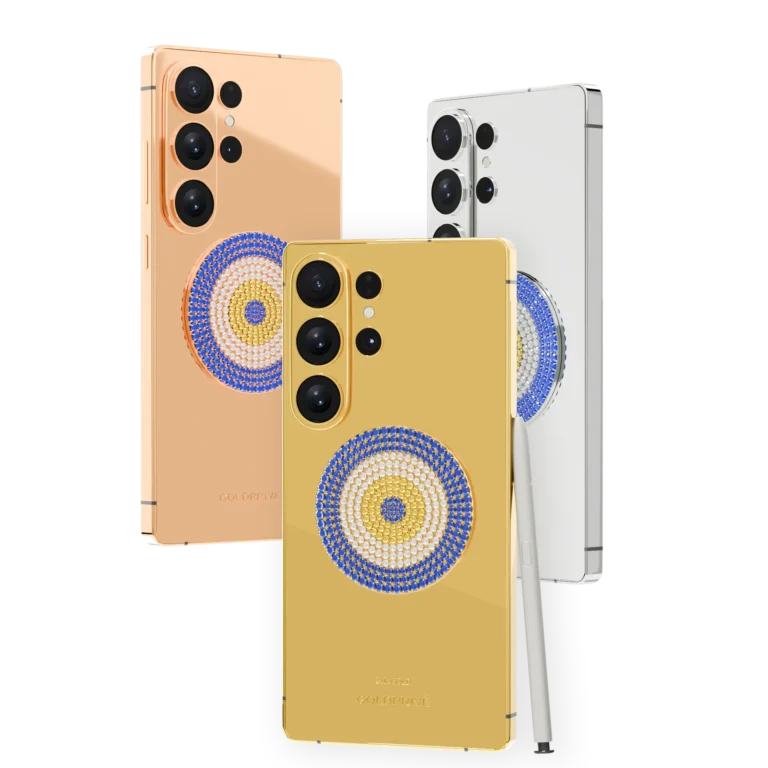
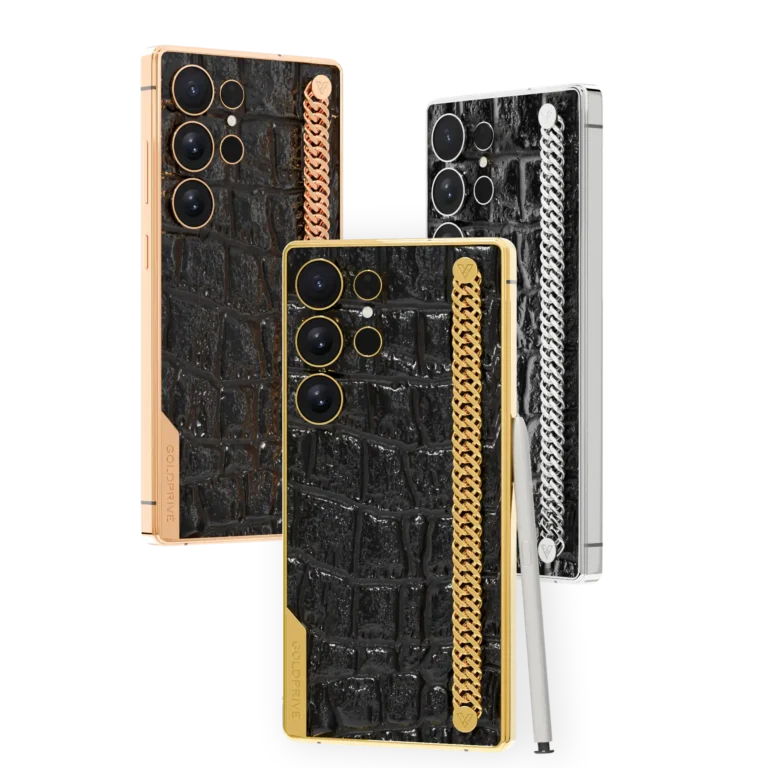
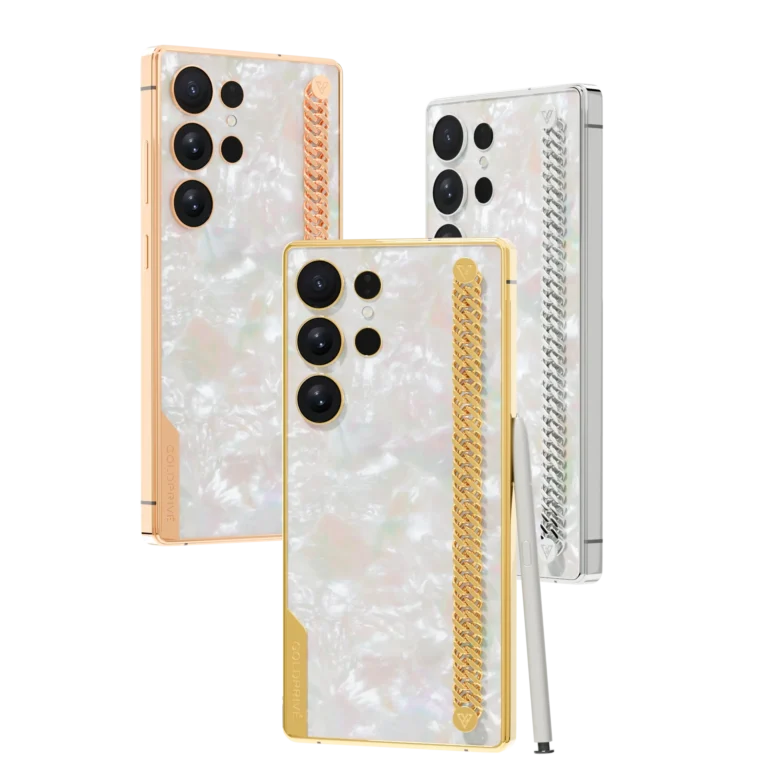
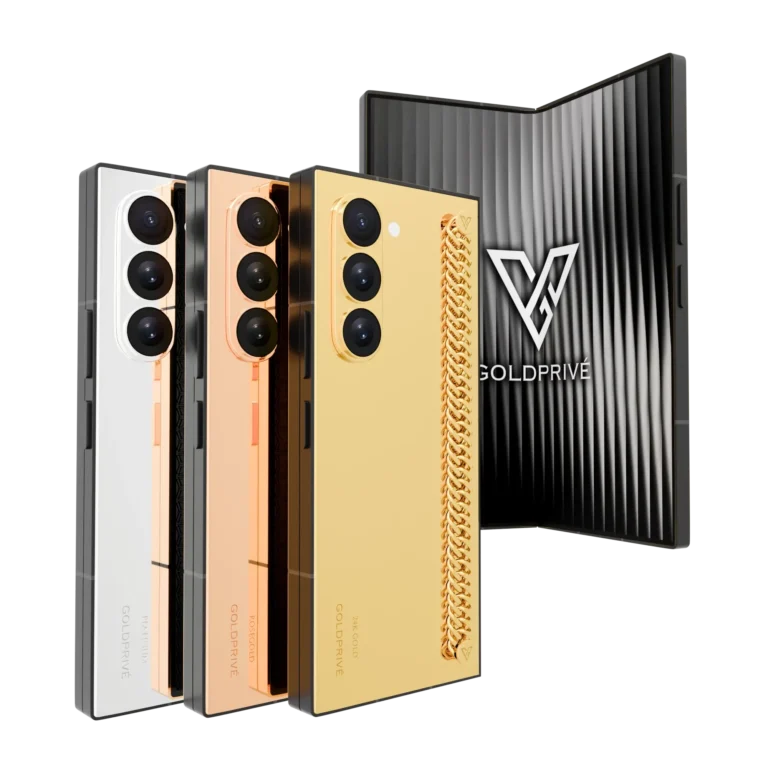
An 18K edition is therefore not a phone made entirely of gold: it pairs a solid gold focal point with plated metal around it. On Élysian, the surrounding field is brushed platinum plating. Browse the 24K collection and the 18K solid gold editions to see how differently the two approaches look.
Durability and Wear
Plating. A 5–7 micron layer is thin by nature, so friction is what matters. Keys, coins, rough pouches and constant rubbing at the same spot can gradually wear it over time, with exposed corners showing it first. Giving the phone its own pocket and gentle cleaning help, as our gold iPhone care guide explains.
Solid gold. 18K gold is harder than pure gold but still softer than steel or titanium, so it picks up fine scratches with use. The difference is what lies beneath: a mark on the centrepiece reveals more 18K gold, not another material. The frame on an 18K edition is plated, though, so its edges follow the plating advice above.
Weight and Feel
A plated layer measured in microns adds very little mass in itself. Gold alloys are several times denser than aluminium, however, and that becomes obvious with a solid piece. GoldPrivé states that the Élysian centrepiece alone weighs around 80 to 100 grams, a large amount next to the 249 g Apple lists for the iPhone 18 Pro Max, or 211 g for the iPhone 18 Pro.
For some buyers that heft is the point; others would find it tiring on a long call. The lighter 6.3-inch Pro base softens the effect, as our iPhone 18 Pro vs Pro Max guide discusses.
Value Considerations
A plated phone’s value lies in its design, craftsmanship and condition; an 18K edition also contains a meaningful quantity of solid gold. Neither should be bought as an investment. Gold prices move, the electronics inside age like any iPhone, and no one can promise what a customised phone will fetch later.
The gold content does affect how you protect the piece: it is sensible to discuss an 18K edition with your insurer and keep its documentation safe. Either way, buy the design you will enjoy owning; our gold iPhone price guide explains what shapes the cost.
Certification and Authenticity
Every GoldPrivé phone ships with a GoldPrivé authenticity certificate, which can be checked on the product verification page, together with Apple’s original documentation. The leather presentation box and gift bag also hold a USB‑C cable and a 20W power adapter. More detail is on the brand authenticity page. If your insurer asks for particular paperwork on an 18K centrepiece, raise it with your consultant before ordering.
The Phone Underneath
Whichever metal you choose, the phone inside is Apple’s largest Pro iPhone. Apple announced the iPhone 18 Pro Max on 9 September 2026, opened pre-orders on 12 September and puts it on sale on Friday 18 September, from $1,299 in the US.
- 6.9-inch ProMotion display with 3000 nits peak outdoor brightness.
- A20 Pro chip with a next-generation vapor chamber; Apple claims 40 percent better sustained performance.
- 48MP Fusion Main camera with variable aperture from ƒ/1.48 to ƒ/4.0, plus 48MP ultra wide and 4x telephoto cameras.
- Up to 45 hours of video playback (eSIM-only models), 8.75 mm deep and 249 g, in an aluminium unibody.
Customising any iPhone has consequences worth knowing. Apple may treat it as modified, which can affect its warranty, and it is not water resistant after customisation. GoldPrivé Care covers the customised parts on both plated and solid gold editions.
Which to Choose: 24K Gold Plating vs 18K Solid Gold iPhone
| Your priority | Better fit | Why |
|---|---|---|
| Gold, rose gold or platinum across the whole phone | 24K plating | Back and frame are finished in one metal |
| No heavy gold centrepiece | 24K plating | A micron-thin layer adds little mass |
| Keeping MagSafe | 24K Timeless | Apple’s back stays in place |
| Lower entry price | 24K plating | Starts at $ 2,990 |
| A tangible piece of solid gold | 18K solid gold | Forged 750 centrepiece |
| Wear that reveals gold, not another material | 18K solid gold | Gold throughout the centrepiece |
Compare Plated and Solid Gold Designs
See the 24K gold iPhone 18 Pro Max collection alongside the six 18K solid gold designs, each available as iPhone 18 Pro or Pro Max.
Want to weigh plating against solid gold with an expert? Speak with a GoldPrivé consultant and add engraving of names, initials, crests or dates to either.
FAQs
Is 24K gold plating real gold?
Yes. The plated layer is 99.9 percent pure gold, or rose gold or platinum if you choose those finishes. It is a thin coating rather than a solid piece, applied at 5–7 microns.
Is an 18K solid gold iPhone made entirely of gold?
No. GoldPrivé’s 18K editions set a separately forged 18K solid gold centrepiece into a custom back plate. The frame is 24K gold-plated, and the rest of the back can be plated.
Which lasts longer, 24K plating or 18K solid gold?
They age differently. Plating can wear with heavy friction over time, especially on exposed edges. Solid gold scratches too, but because it is gold throughout, marks reveal more gold rather than another material.
How much heavier is an 18K edition?
It depends on the design. GoldPrivé states that the Élysian centrepiece alone weighs around 80 to 100 grams, which you notice immediately in the hand.
Does wireless charging work on 24K or 18K editions?
18K editions charge by USB‑C only. Among 24K designs, Timeless editions keep MagSafe and Qi2, fully plated backs charge by USB‑C, and Exotic Skin or Pearl Edition designs vary by configuration.
Is an 18K gold iPhone a good investment?
It is best bought for enjoyment rather than as an investment. It contains real solid gold, but gold prices change and the phone inside ages, so no future value can be promised.
What does 750 mean on 18K gold?
It is the fineness mark for 18K gold: 750 parts pure gold per 1,000, which equals 75 percent.
How can I verify a GoldPrivé gold iPhone?
Each phone comes with a GoldPrivé authenticity certificate that can be checked on the product verification page, along with Apple’s original documentation.