Blog
Gold Electroplating vs PVD vs Gold-Filled: What Is the Difference?

Gold Electroplating vs PVD vs Gold-Filled: What Is the Difference?
Three phrases appear on almost every luxury gold listing: electroplated, PVD and gold-filled. They are often used as if they were interchangeable. They are not. Each describes a different way of putting gold on an object, with different thickness, different hardness and a very different fit for a phone, a watch or a piece of jewellery.
This guide explains the three methods in plain language, shows what the US Federal Trade Commission actually says about the wording, and tells you which method suits which kind of object. It also explains where GoldPrivé sits, and what we deliberately do not do.
Key Takeaways
- Electroplating deposits gold from a solution using an electric current. Thickness is controlled by time and process, so it can range from a flash to many microns.
- Gold-filled is a different product altogether: a layer of gold alloy bonded to a base metal with heat and pressure, then rolled into stock. It is a material you shape, not a coating you apply to a finished device.
- PVD deposits atoms in a vacuum chamber. Films are usually very thin and very hard, and the coating is often titanium nitride, which only looks like gold.
- Thickness matters more than the name. A label without a stated thickness tells you very little.
- For a finished, factory-new smartphone, plating a genuine device is the practical route. Gold-filled stock does not apply.
What is gold electroplating?
Electroplating, also called electrodeposition, places the object in a bath containing dissolved gold. An electric current drives the gold out of the solution and onto the surface, where it builds up as a layer. Because the build-up depends on the chemistry, the current and the time, the finisher decides how thick the layer will be.
That flexibility is the method’s main strength. One trade forum discussion among finishing professionals notes that electroplating can certainly reach 20 microns or more with the right chemistry and equipment, while a decorative flash may be a fraction of a micron. The same word, electroplated, can therefore describe a coating that wears through in months or one that is built to last far longer.
Electroplating also reaches complex shapes well, which is why it is used on watch cases, jewellery, connectors and decorative hardware. The object must be able to take the process: it needs a conductive, properly prepared surface, and everything fixed to it must survive the bath.
What does gold-filled mean?
Gold-filled is not a coating applied at the end. The stock is made by bonding a layer of gold alloy to a base metal, usually brass, with heat and pressure, and then rolling it into sheet or wire. Jewellers then cut and form that stock into finished pieces.
The gold layer is defined as a proportion of the total weight. As one finishing-industry explanation puts it, a 1/20 12K gold-filled sheet can work out to roughly 6.25 microns of gold alloy, depending on the final thickness. That is a meaningful layer, and it is mechanically bonded rather than deposited.
The catch is that gold-filled is a manufacturing route for jewellery stock. It cannot be applied to a finished smartphone, a watch case that already exists or a ready-made device. If a listing claims a gold-filled iPhone or Galaxy back, the question to ask is what exactly was bonded, and how.
What is PVD gold?
PVD stands for physical vapour deposition. Material is vaporised in a vacuum chamber and condenses on the object as a thin, tightly bonded film. The process is widely used on watches, taps and tools because the films are hard and wear resistant.
Two details matter for buyers. First, PVD films are usually very thin compared with a thick gold electroplate. Second, PVD machines can deposit gold, but they can also deposit titanium nitride, a very hard material that looks a lot like gold, or zirconium nitride, which looks like brass. Industry practitioners note that many watch and strap manufacturers have moved away from depositing real gold for exactly this reason: the nitride coatings are cheaper and more wear resistant.
So a PVD gold-coloured finish is not necessarily a gold finish. It can be a very good finish. It just may not contain much gold, or any.
Side-by-side comparison
| Feature | Electroplating | Gold-filled | PVD |
|---|---|---|---|
| How it is made | Gold deposited from a solution using electric current | Gold alloy bonded to brass with heat and pressure, then rolled | Material vaporised in a vacuum and condensed on the object |
| Typical thickness | Controlled by the finisher: from a flash to many microns | Fixed by the stock, for example roughly 6.25 microns of alloy for 1/20 12K | Usually a very thin film |
| Hardness | Gold itself is soft, so thickness drives durability | Gold alloy layer on brass | Often very hard, especially nitride coatings |
| Real gold | Yes, at the stated karat | Yes, as an alloy layer | Sometimes. May be a gold-coloured nitride |
| Applied to a finished object | Yes, if the object tolerates the bath | No. It is stock for fabrication | Yes, if it tolerates the chamber |
| Best for | Jewellery, watch cases, finished devices | Fabricated jewellery stock | Hard-wearing decorative hardware |
What the FTC says about the words
The US Federal Trade Commission publishes Jewelry Guides that set out when gold terms are considered misleading. They are guidance, not a licence, but they are the clearest public benchmark for honest wording.
Gold Electroplate
Allowed where the electroplating is gold or a gold alloy of not less than 10 karat and at least 0.175 microns thick on all significant surfaces, and the karat is stated immediately before the term.
Heavy Gold Electroplate
Allowed at the same minimum fineness where the thickness is at least 2.5 microns of fine gold equivalent. This is the Guides’ higher benchmark.
Plain gold
The bare word gold is misleading for anything not made throughout of fine 24 karat gold. A coated product needs a qualifier.
Notice what these thresholds say about marketing. A product can legitimately be called gold electroplated at 0.175 microns. A thicker coating is described separately. For that reason, a buyer comparing two listings should ask for the actual microns rather than relying on the adjective.
Which method suits a smartphone?
A finished smartphone is a sealed assembly of glass, aluminium or titanium, antennas, a camera module and a battery. Gold-filled stock cannot be applied to it. A PVD chamber can coat parts, but the film is typically thin, and a nitride gold colour is not a gold finish. Electroplating a prepared surface with real gold, at a stated thickness and karat, is the route that delivers an actual gold surface on a genuine device.
There are real trade-offs whichever route is used. A plated back panel is metal, so it can block wireless charging, tap-to-pay and MagSafe-style magnets depending on the design. A customised device is not water resistant, and a manufacturer may treat it as modified. Our guide on MagSafe, wireless charging and AppleCare goes through these in detail.
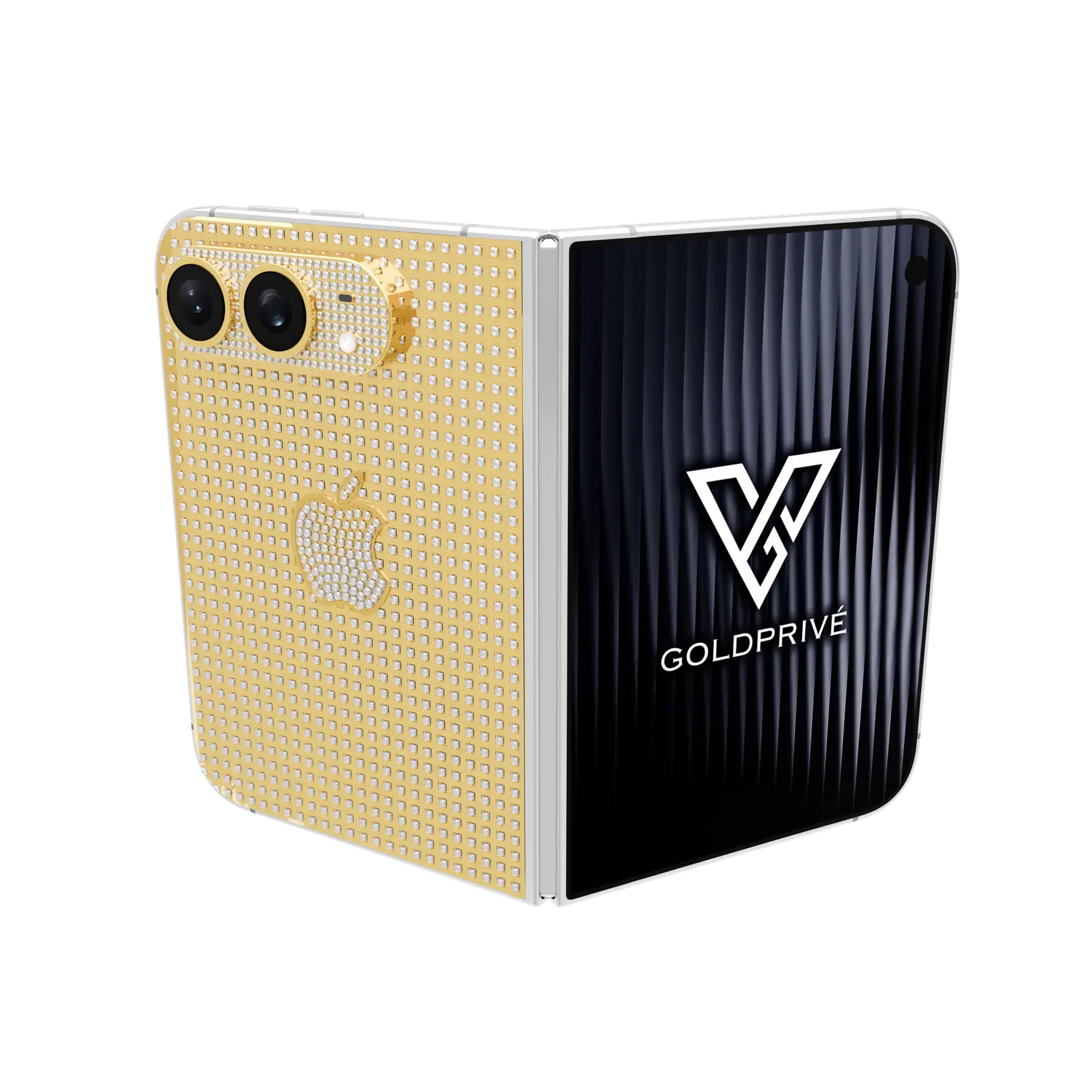
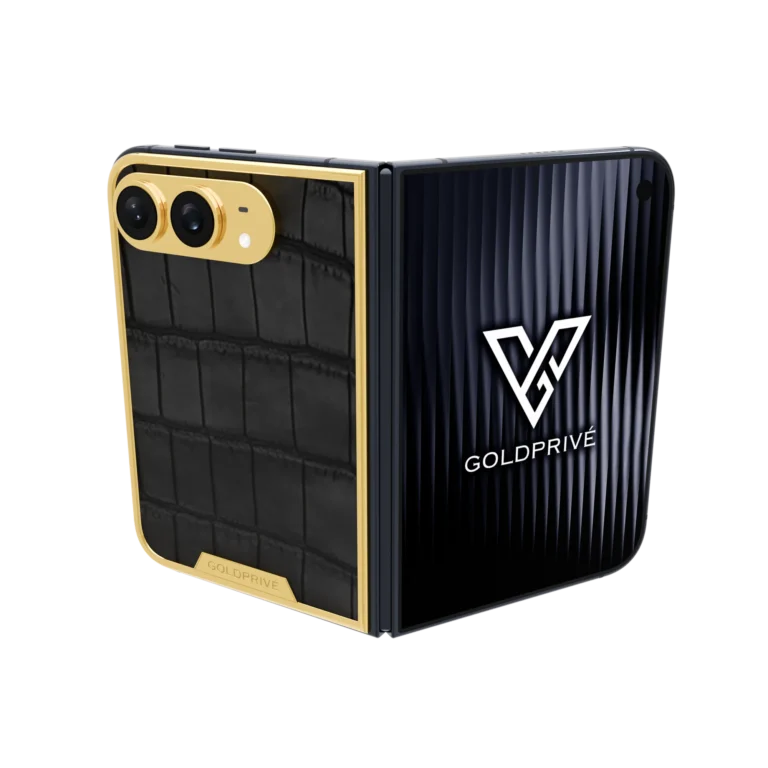
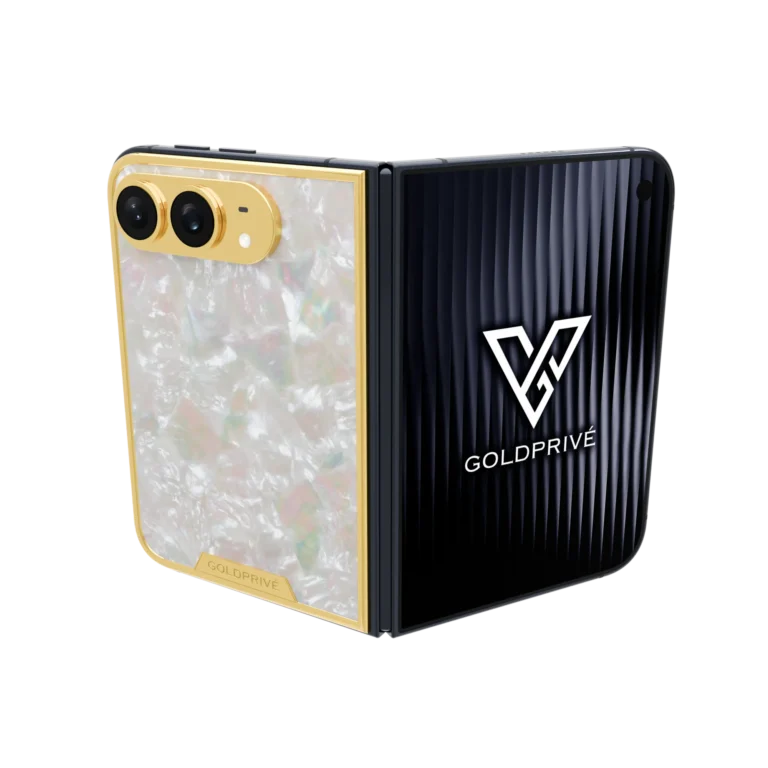
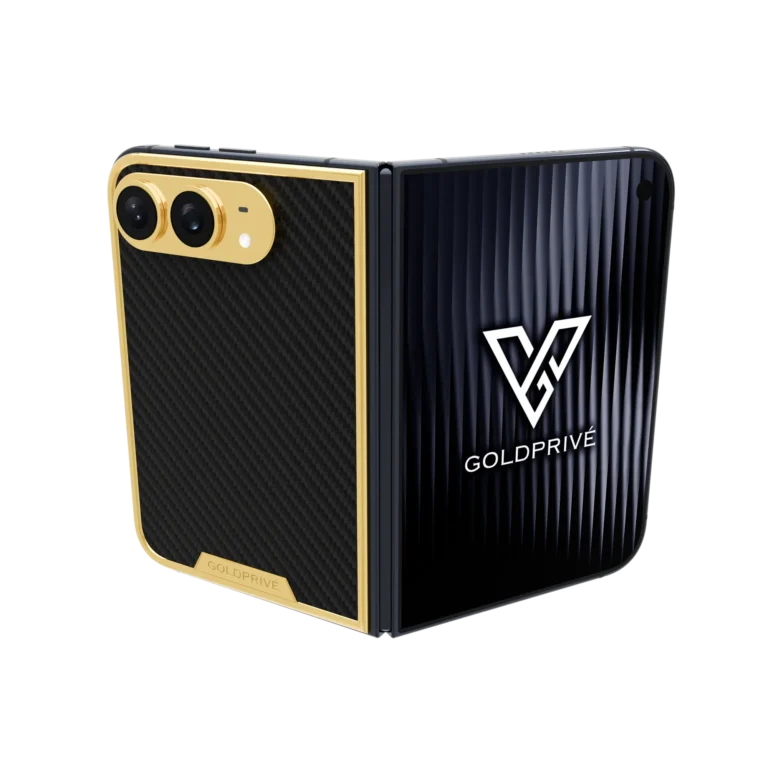
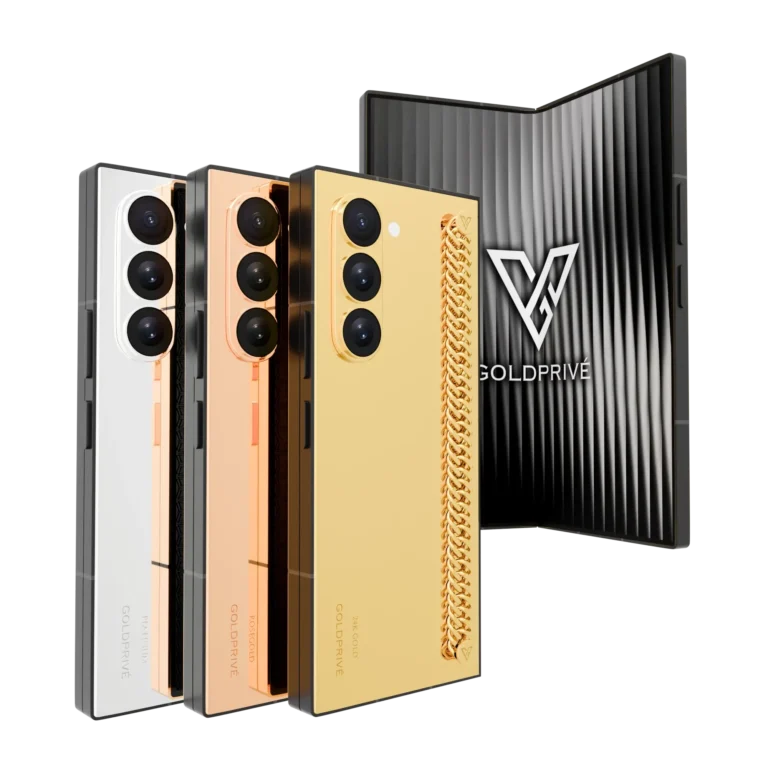
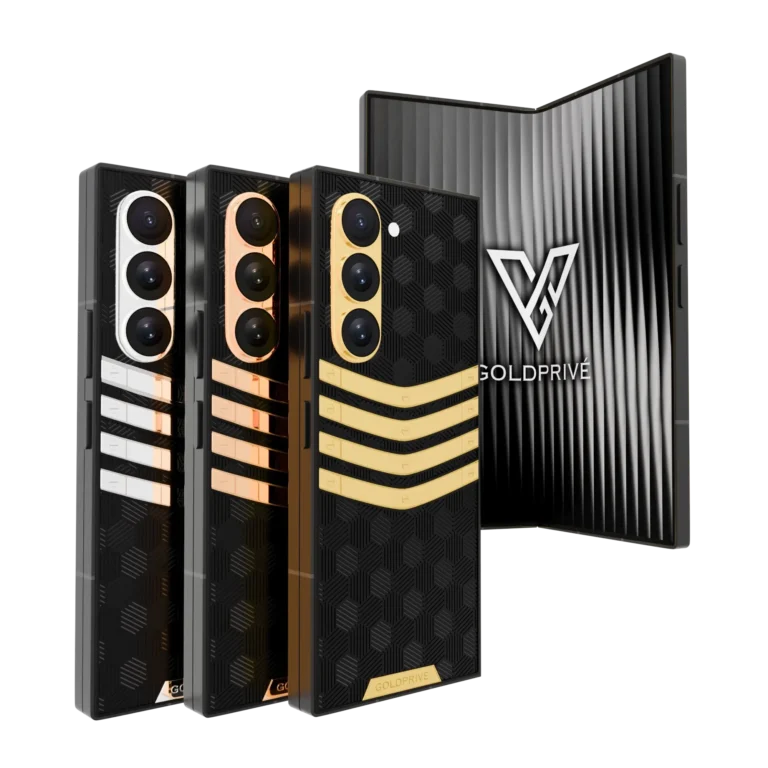
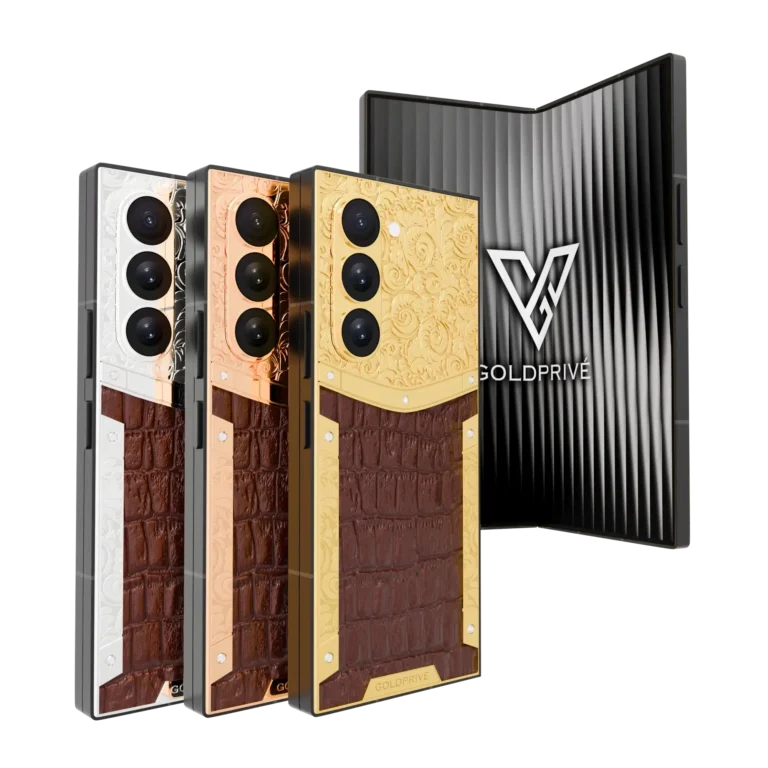
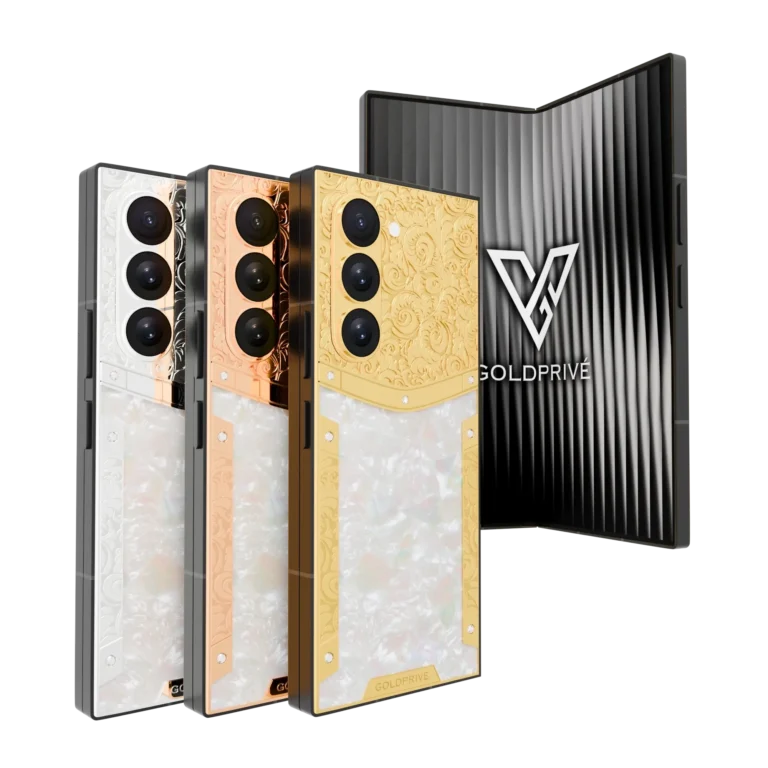
Foldables add a mechanical constraint. On GoldPrivé foldables the frame and hinge are never plated, because moving parts and tight tolerances do not suit a coating. Only the surfaces designed for it receive the finish. See the gold Samsung foldable care guide for day-to-day handling.
Looking at a gold finish for your own device?
How GoldPrivé approaches it
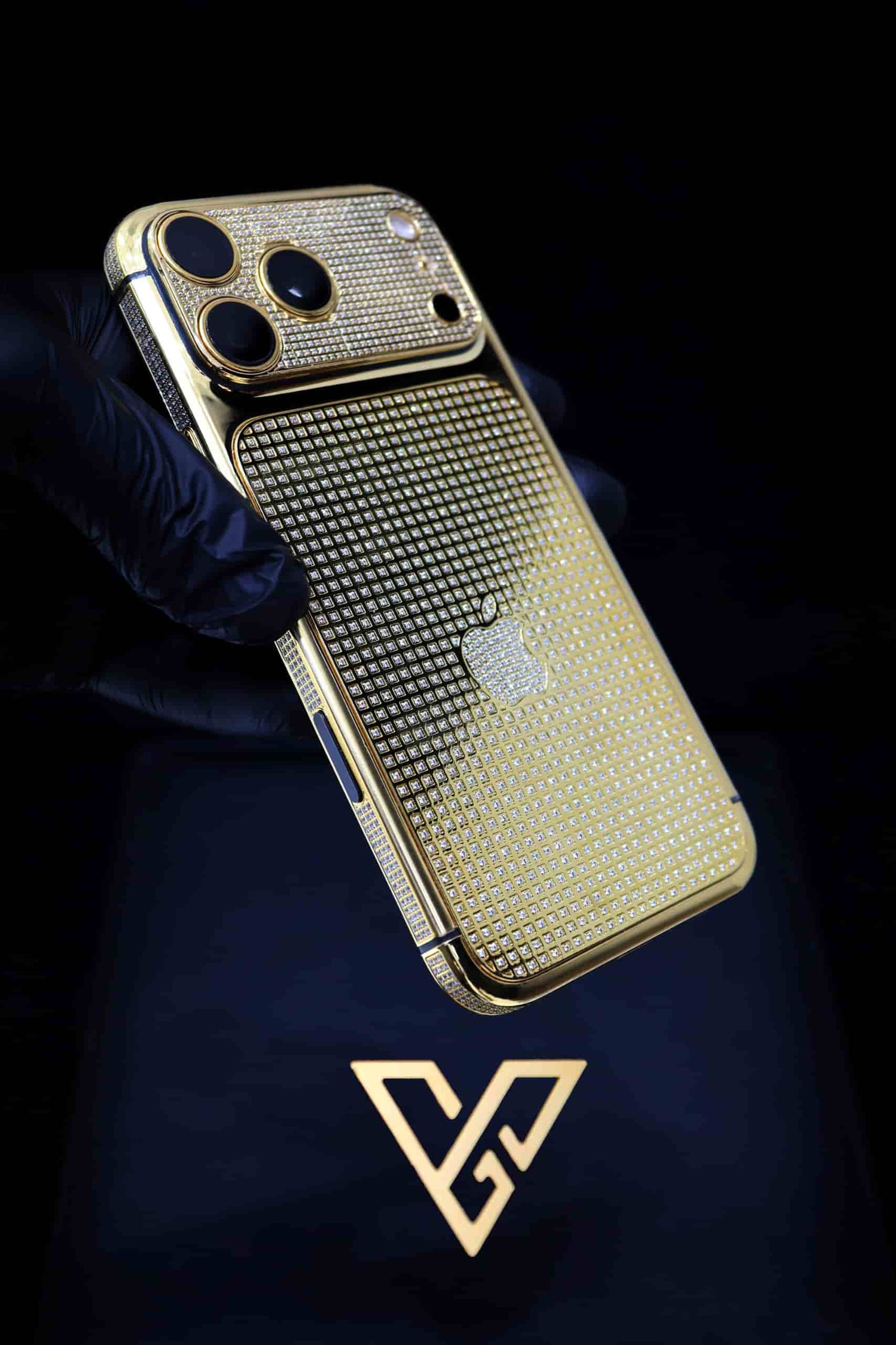
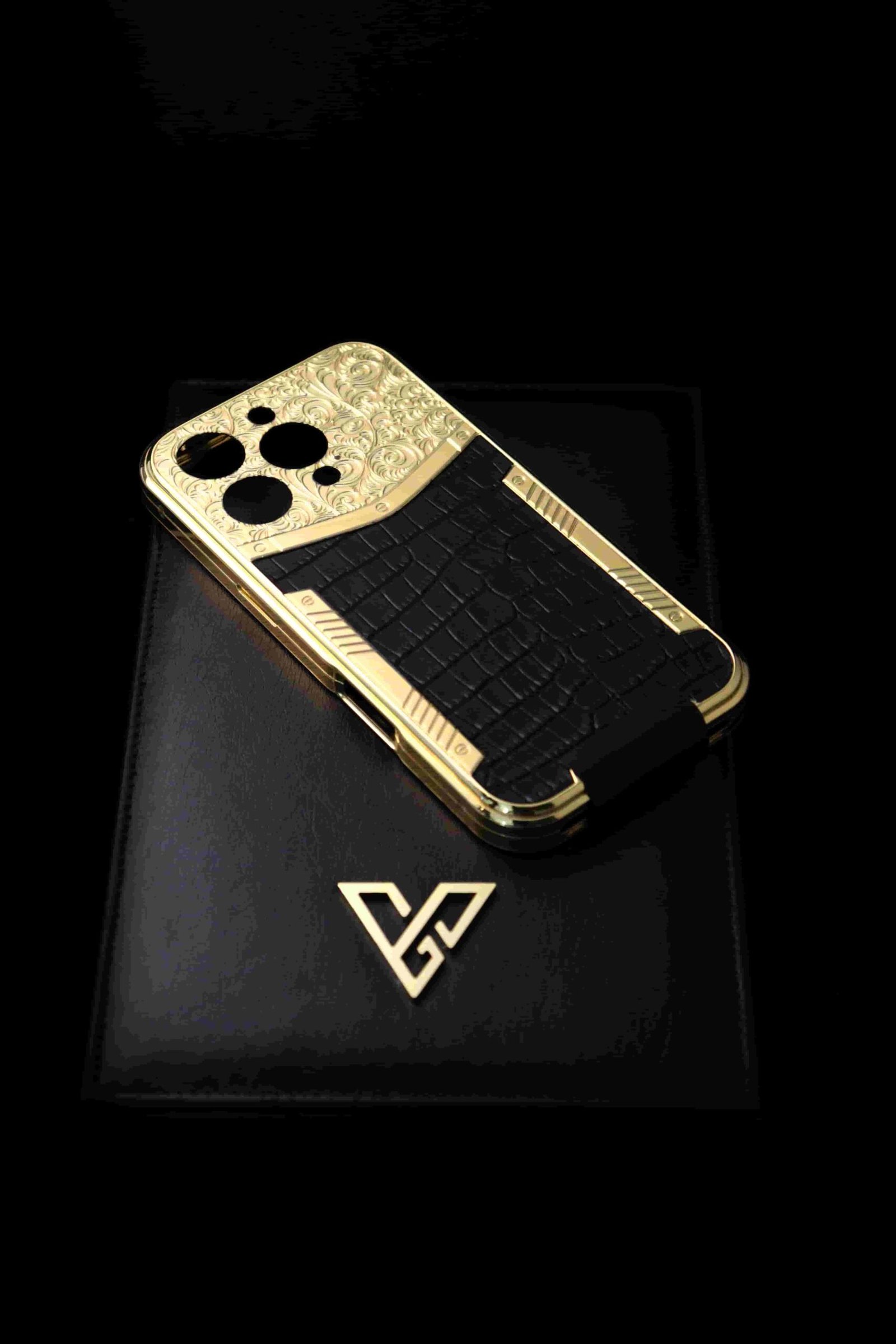
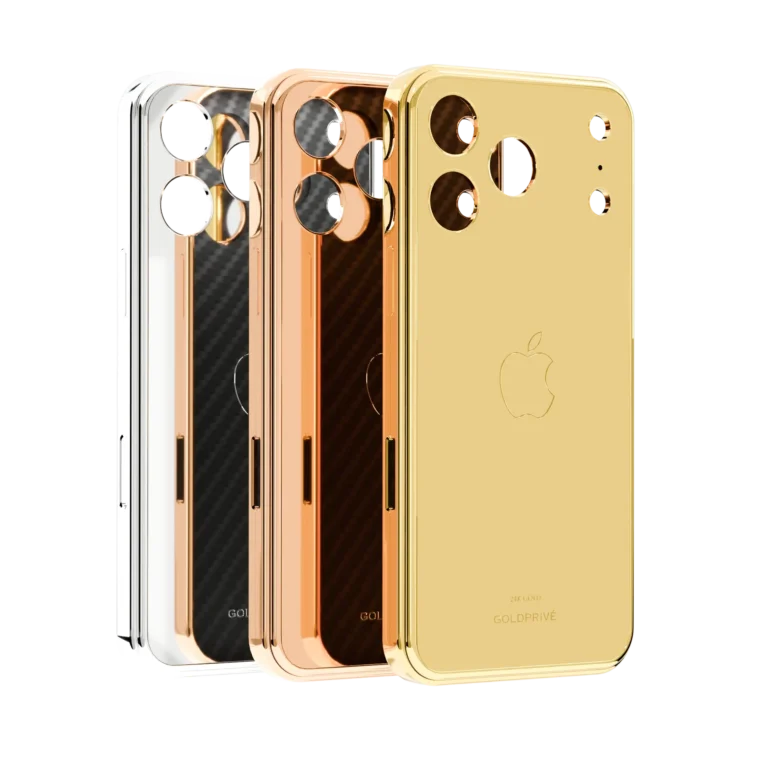
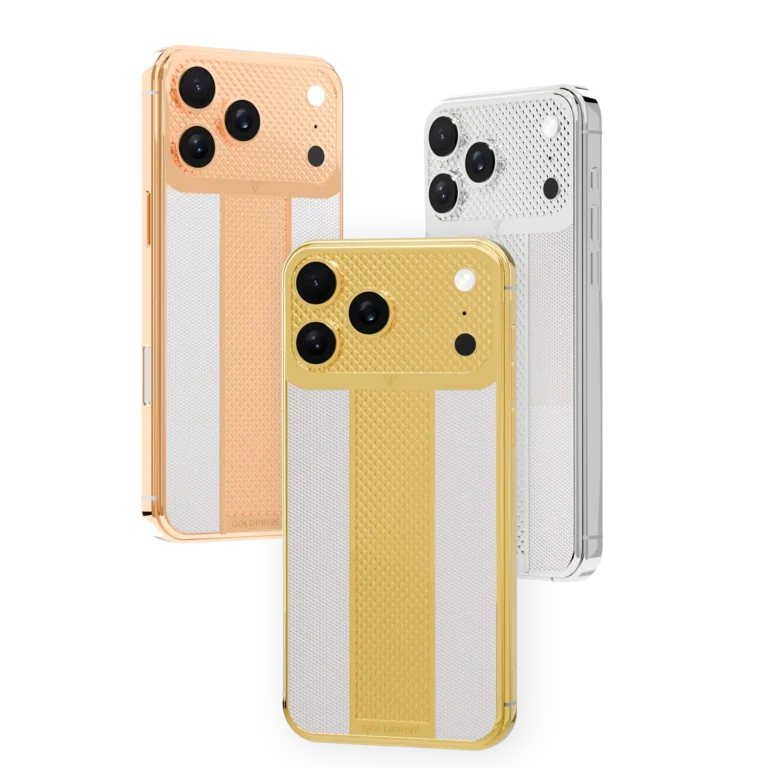
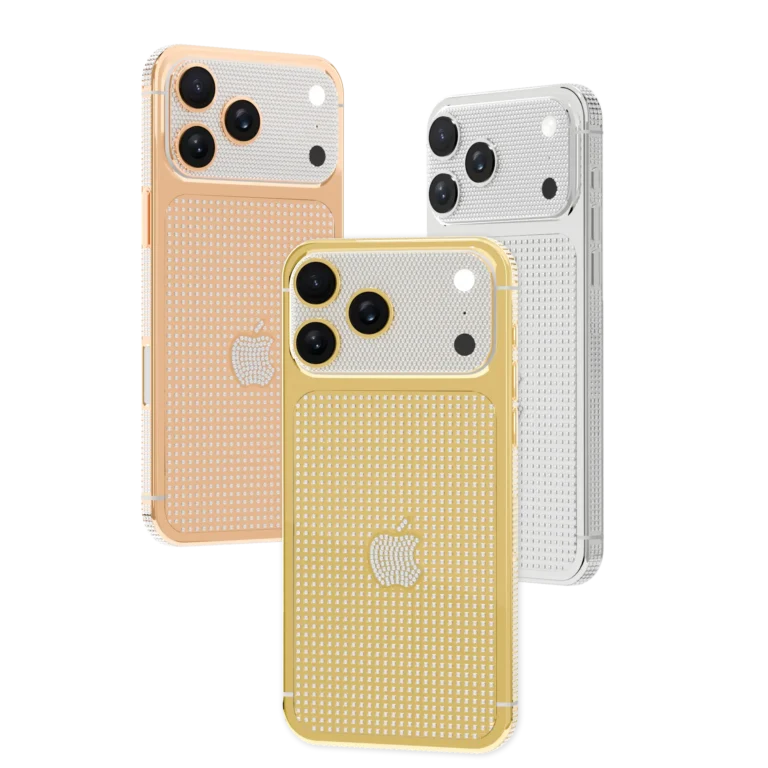
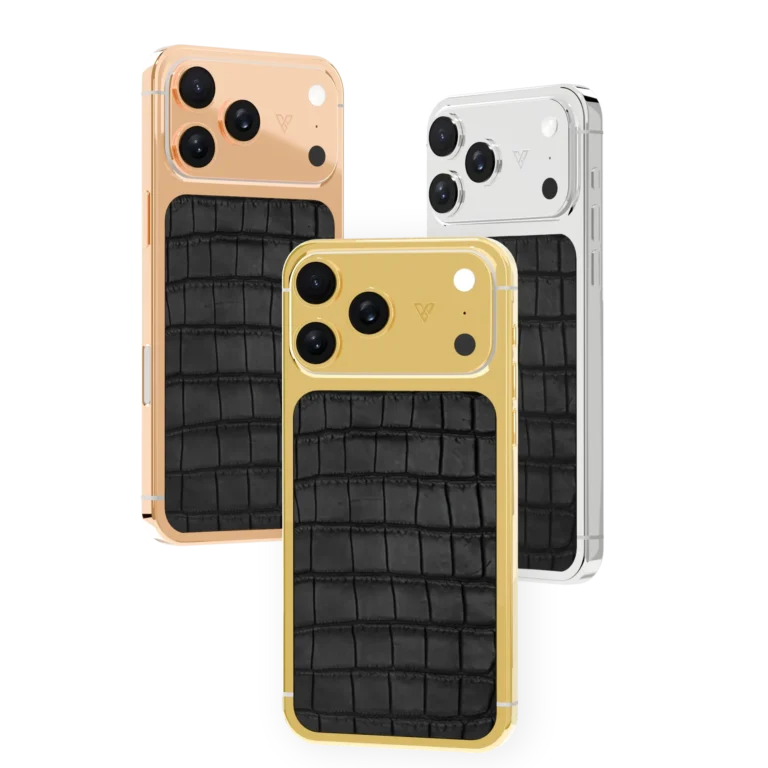
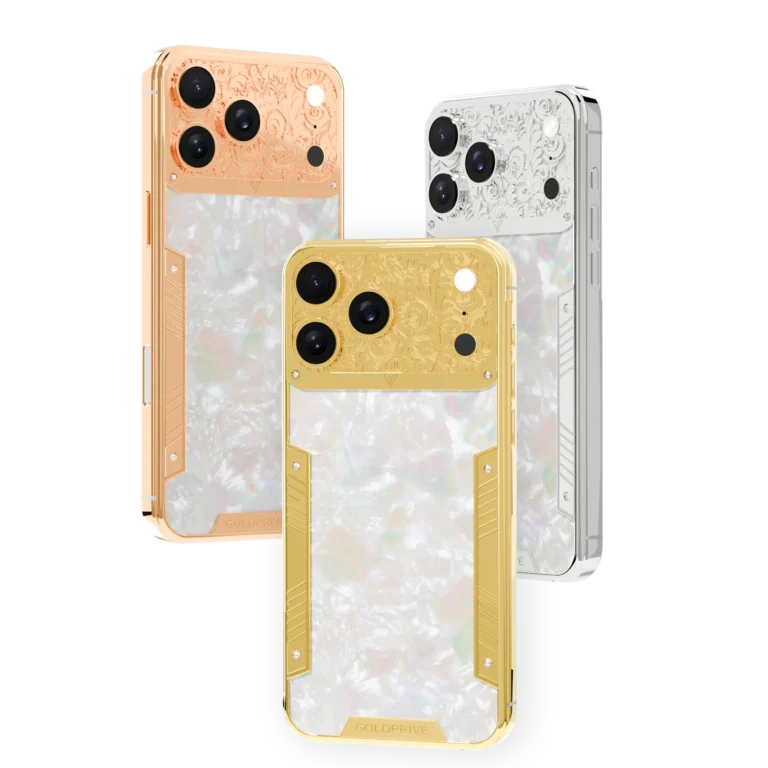
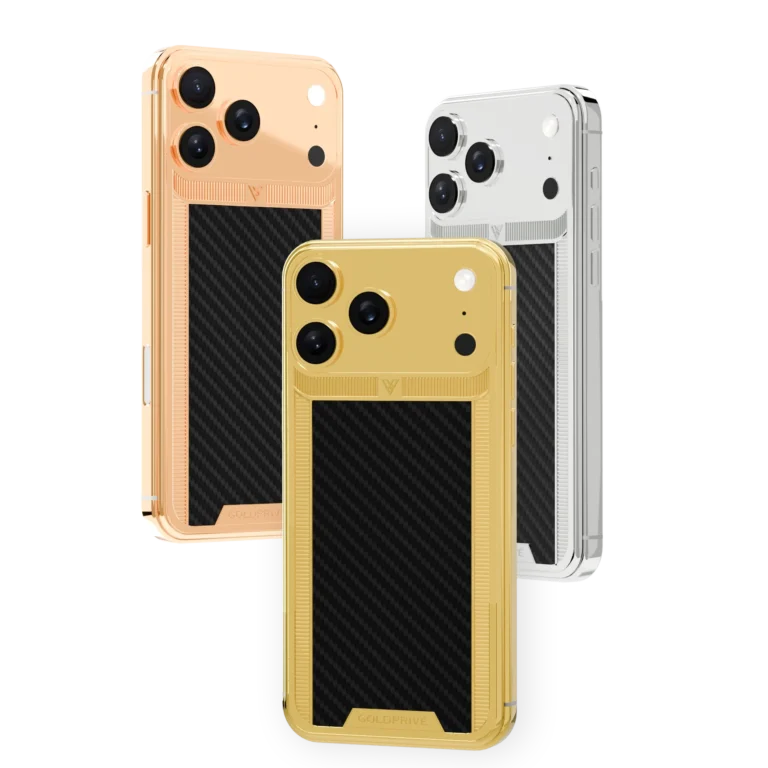
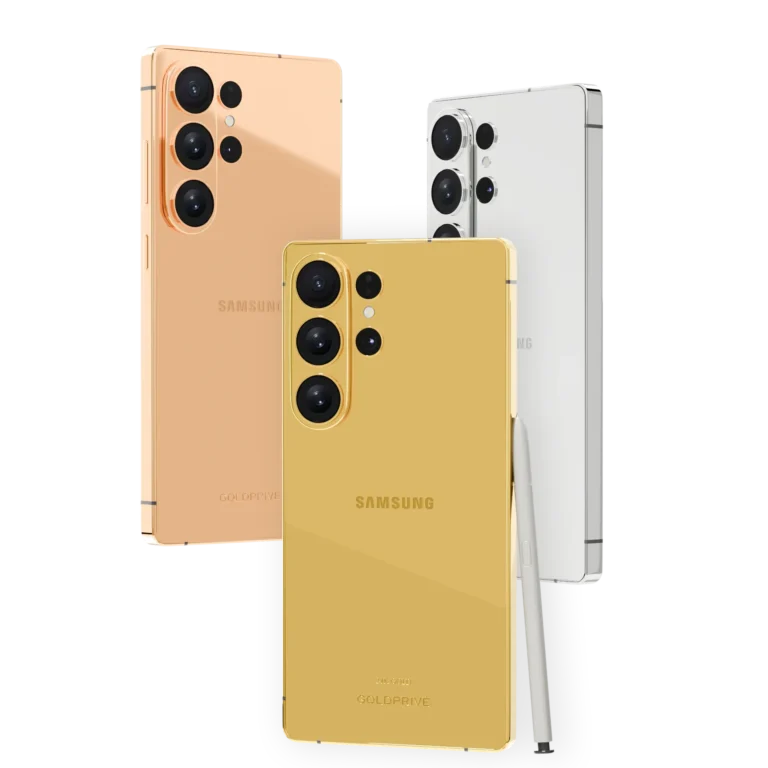
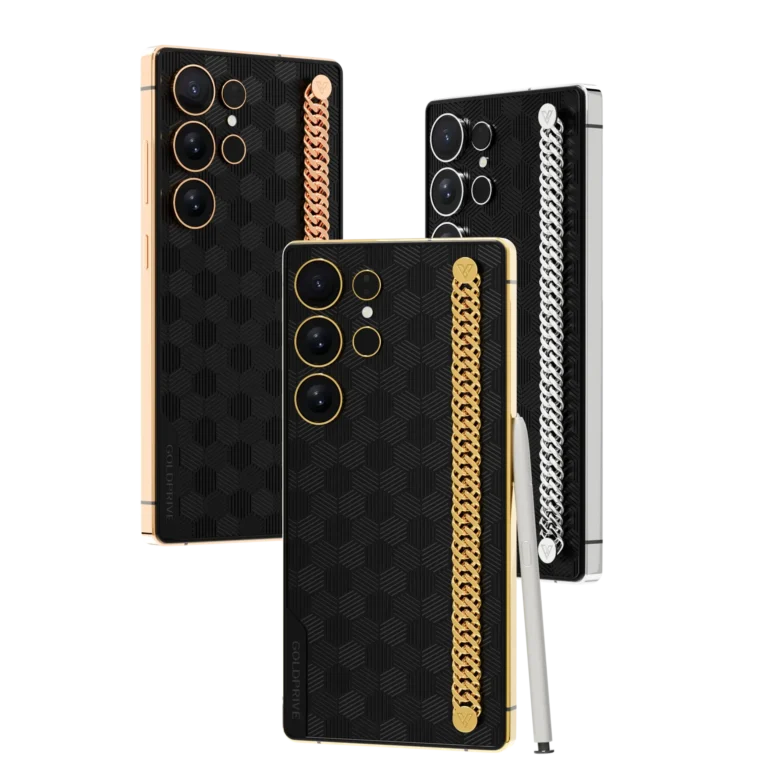
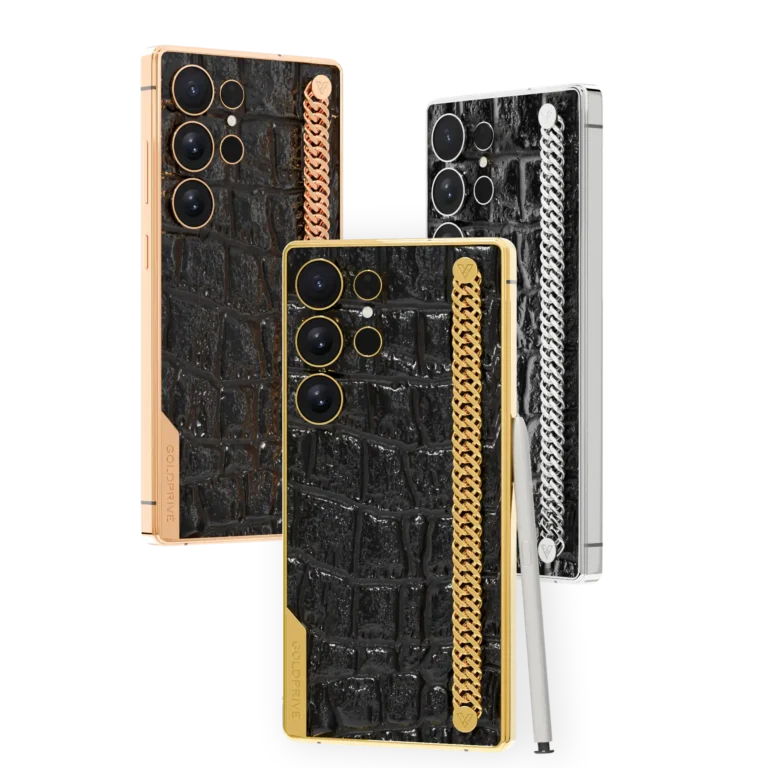
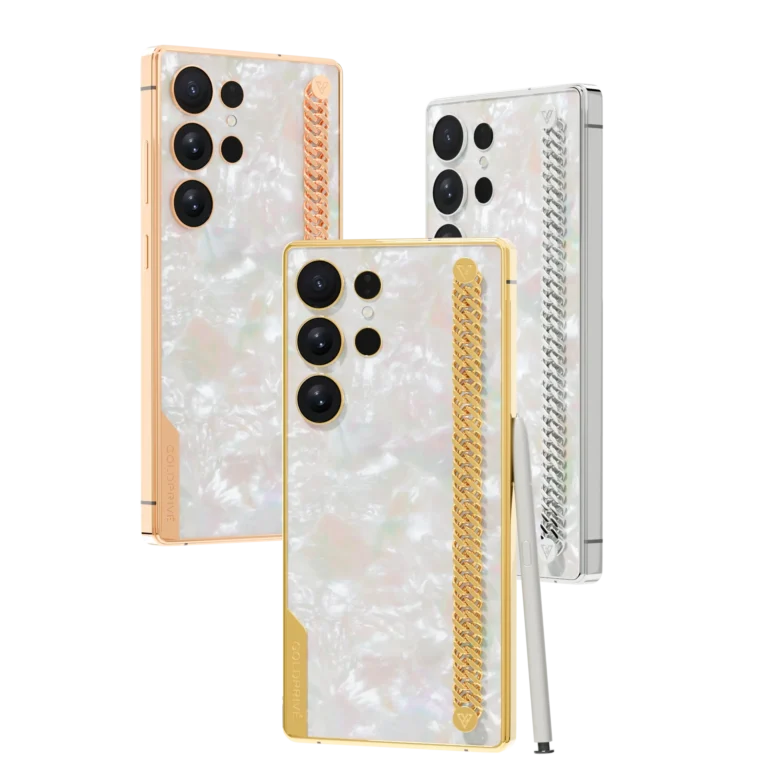
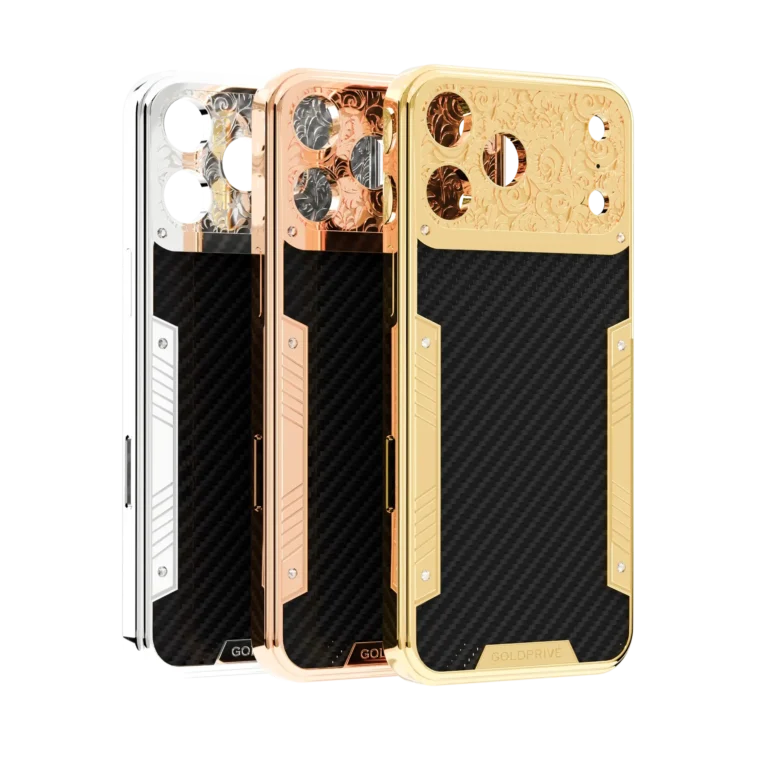
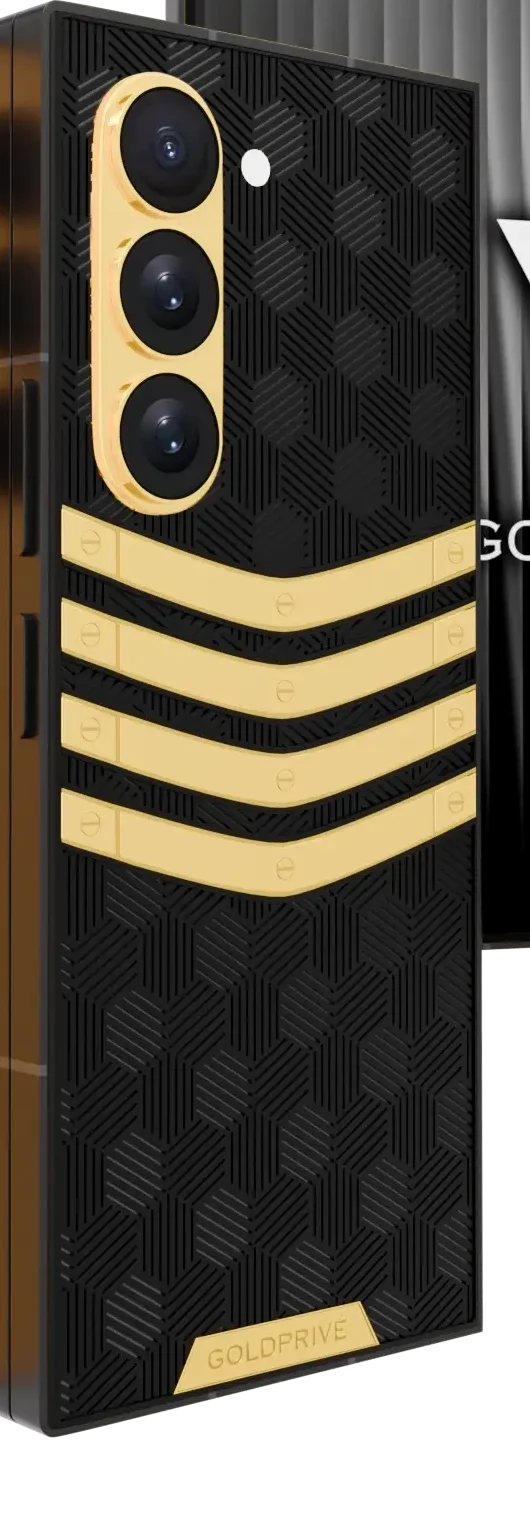
GoldPrivé customises genuine, factory-new devices in 24K gold, rose gold or platinum, at 5 to 7 microns. All three metals are priced the same within a given design. For context, that thickness figure sits above the FTC Guides’ 2.5 micron benchmark for the heavy electroplate label, though we are describing our own specification, not certifying any particular product against the Guides.
We do not promise a lifespan for any finish. Durability depends on how a device is carried, what touches it and how it is cleaned. What we offer instead is structure: a 2-year customisation warranty and a 1-year device warranty, set out on the warranty page, with liquid damage excluded. GoldPrivé Care covers a resell refresh, or recustomising with fresh plating for gifting.
Our Samsung range is the Galaxy S26 Ultra and Galaxy Z Fold8 Ultra. The S26 Ultra collection currently starts around $ 3,010, and the Z Fold8 Ultra collection around $ 5,880. Wireless charging and tap-to-pay vary by design, so check the individual listing before ordering.
For the process in more depth, read Gold Plating Explained and How Long Does Gold Plating Last. Our gold plating service page and the bespoke customisation overview describe how a project works.
Confirmed information
- FTC Jewelry Guides: 0.175 microns minimum for gold electroplate, 2.5 microns for heavy gold electroplate, karat stated, 10 karat minimum.
- Gold-filled is bonded stock made with heat and pressure, not a coating for finished devices.
- PVD can deposit real gold or gold-coloured nitrides such as titanium nitride.
- GoldPrivé specification: 24K gold, rose gold or platinum at 5 to 7 microns on genuine factory-new devices; frames and hinges of foldables are never plated.
Questions about thickness, finishes or warranty before you decide?
Frequently asked questions
Is electroplated gold real gold?
Yes. Electroplating deposits real gold or gold alloy at the stated karat. What varies is the thickness, which is why you should ask for it in microns.
Is PVD gold real gold?
It can be, but it does not have to be. PVD machines can deposit titanium nitride, which looks like gold. Ask exactly what material was deposited.
Is gold-filled better than gold plated?
It depends on the actual thickness. Gold-filled has a defined proportion of gold by weight, while a plated layer may be thinner or considerably thicker. Without a stated thickness you cannot compare them.
Can a smartphone be gold-filled?
No. Gold-filled is rolled stock used to fabricate jewellery. It cannot be applied to a finished device.
Which is more durable, PVD or electroplating?
PVD films are often harder, but usually thinner. A thick gold electroplate can carry more gold. Real-world wear depends on use, so no method guarantees a lifespan.
Does a gold plated phone support wireless charging?
It depends on the design. A metal plated back can block wireless charging, tap-to-pay and magnets, so check the specific listing text first.
Is a gold-customised phone water resistant?
No. A customised device is not water resistant, and the manufacturer may treat it as modified for warranty purposes.
Does GoldPrivé plate the hinge on a foldable?
No. The frame and hinge are never plated on foldables.
Sources and further reading
- 16 CFR 23.3, Misrepresentation as to gold content (Legal Information Institute)
- 16 CFR 23.4, Misuse of the word vermeil (Legal Information Institute)
- Gold electroplating vs gold-filling vs PVD treatments (Finishing.com)
Related GoldPrivé content
- Luxury phones guide
- 24K gold Samsung Galaxy S26 Ultra
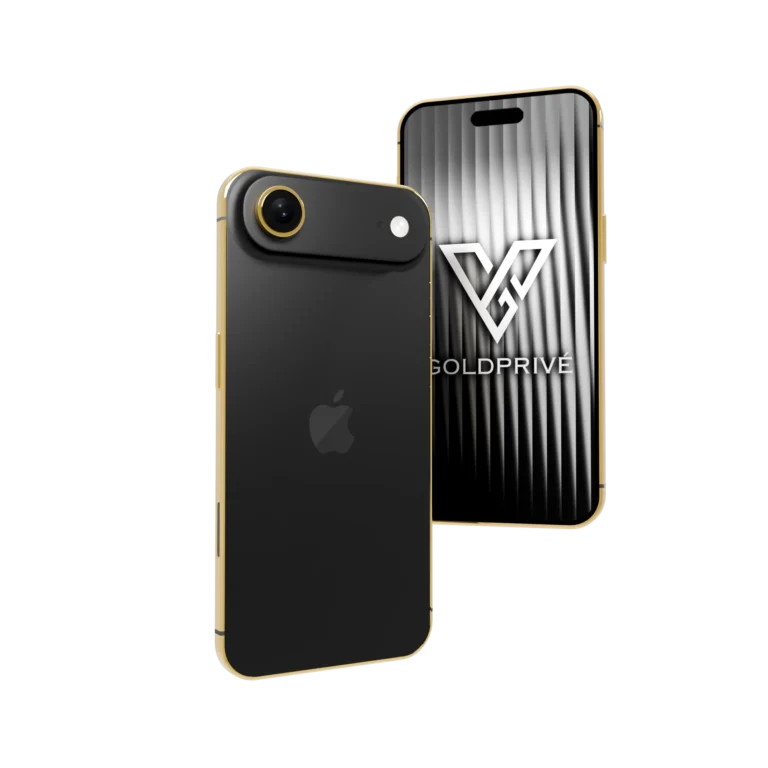
- Gold iPhone Duo collection: pre-orders start now