Blog
Can Gold Plating Wear Off? Signs, Causes and Maintenance

Can Gold Plating Wear Off? Signs, Causes and Maintenance
Yes, gold plating can wear off, because every plated finish is a thin layer sitting on a different metal. Wear is rarely sudden. It shows itself in a predictable order, and most early signs are either harmless surface film or a clear warning you can act on. This guide helps you tell the difference, understand why wear happens, and maintain a luxury finish sensibly.
Key Takeaways
- Plating wears through friction, chemical exposure and microscopic porosity. It does not simply “fall off” without a cause.
- Many “worn” looks are actually dull film from skin oils and dust, which cleans away with a soft cloth.
- True wear-through shows first on edges, corners and the spots your hands and pockets touch most.
- Gentle habits cost nothing and slow wear more than any product can.
- No honest provider can promise a fixed lifespan. Read the written warranty terms instead.
Table of Contents
- Quick Answer
- What Is Confirmed
- Why Plating Wears
- Signs to Recognise
- Where Wear Starts
- Maintenance Routine
- What to Avoid
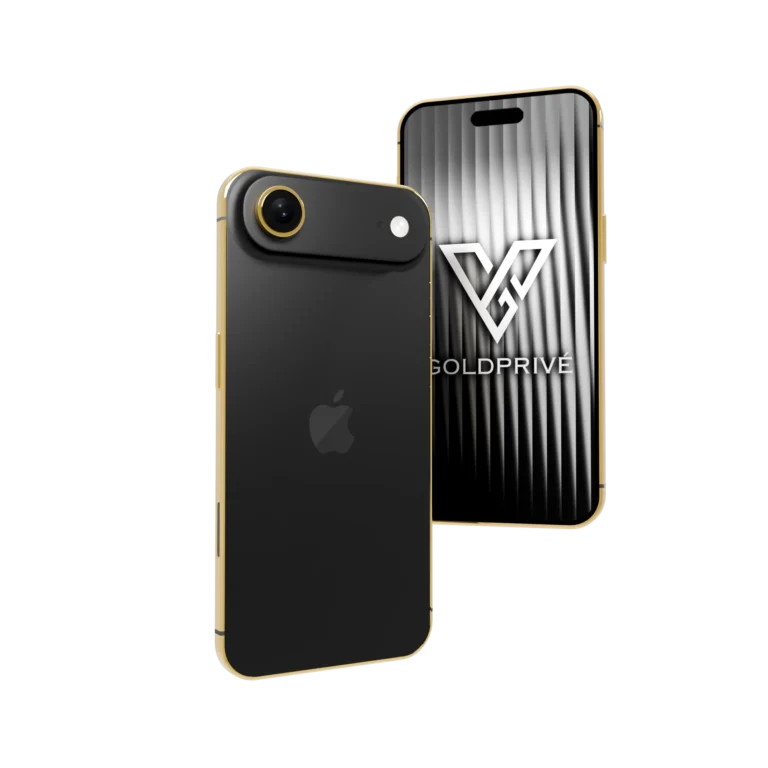
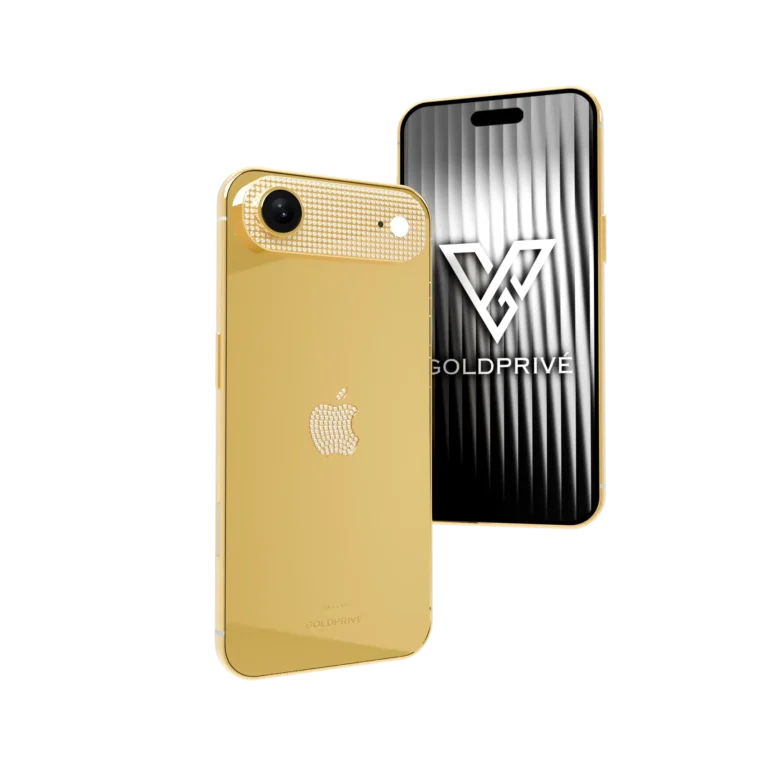
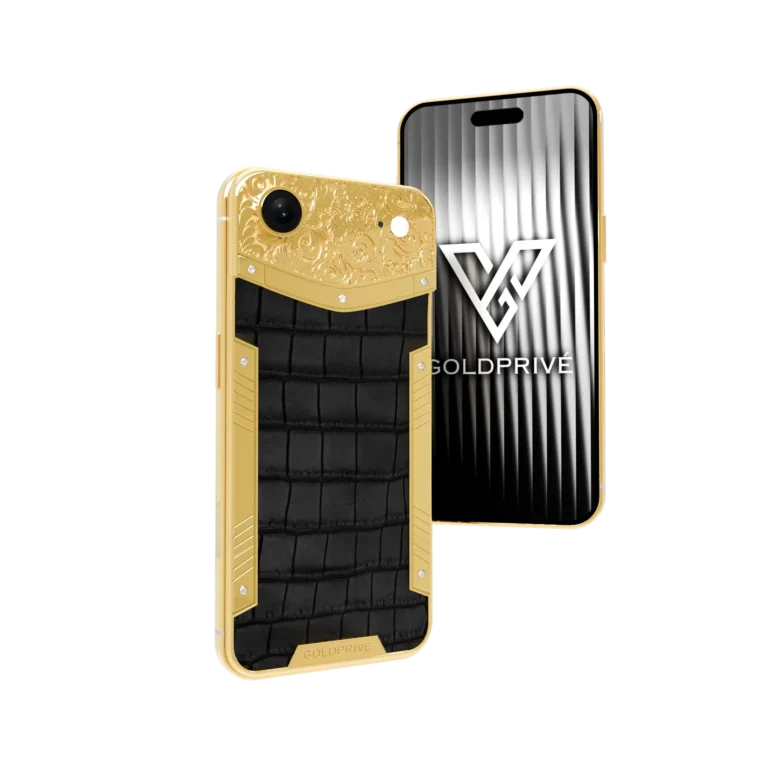
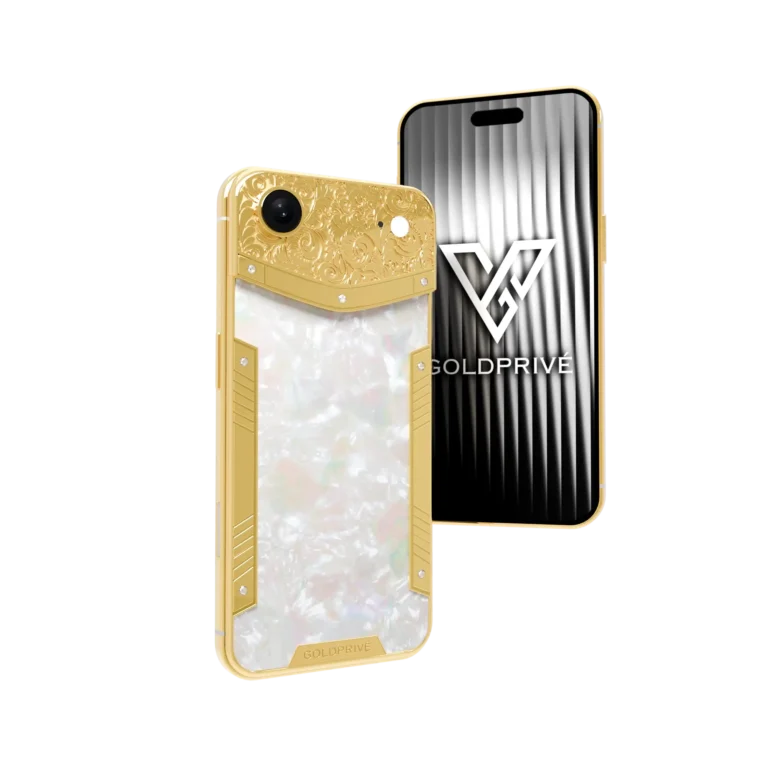
- On a GoldPrivé Device
- FAQs
- Sources
Quick Answer
Gold plating can wear off over time through abrasion, chemical contact and base-metal reactions beneath the layer. A thicker layer, careful handling and gentle cleaning slow this considerably, but no plated finish is permanent. If you want the broader durability picture, our guide on how long gold plating lasts covers the factors in depth.
This article is deliberately practical. Where our earlier piece asks how long a finish lasts, this one asks a different question: your piece looks different today, so what is actually happening, and what should you do about it?
What Is Confirmed
- In the United States, the FTC Jewelry Guides describe “gold electroplate” as a coating of at least 10 karat gold with a minimum thickness equivalent to 0.175 microns of fine gold, about seven millionths of an inch.
- The same Guides advise marketers to disclose the purity of a precious-metal coating that is below 24K, and to assure reasonable durability when a surface layer is sold under the precious metal’s name.
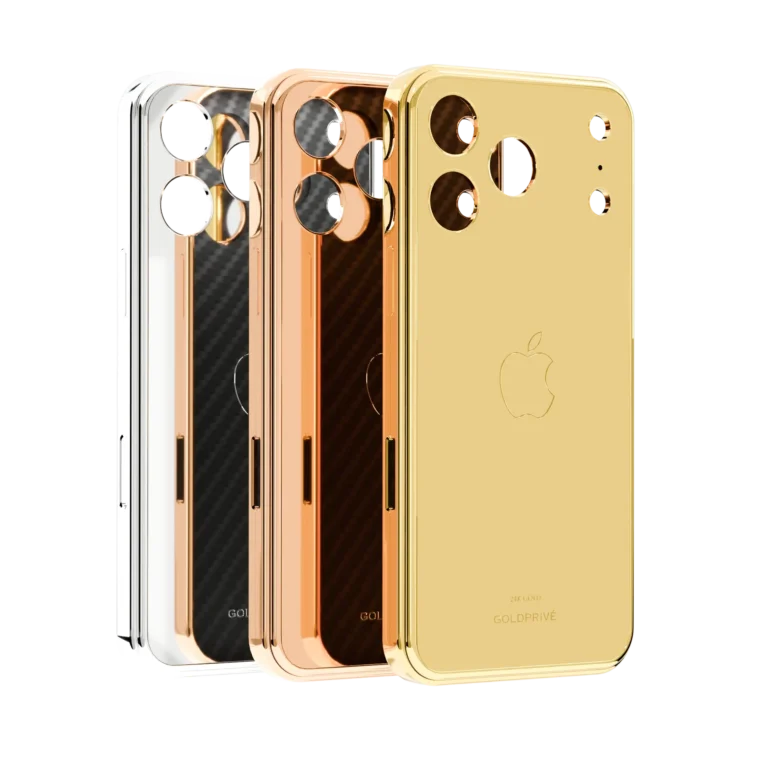
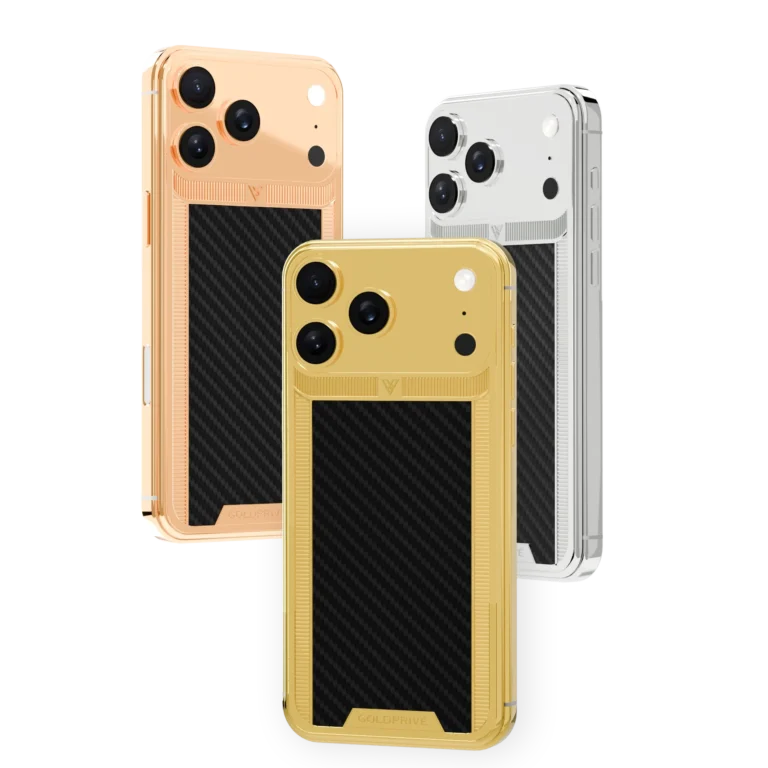
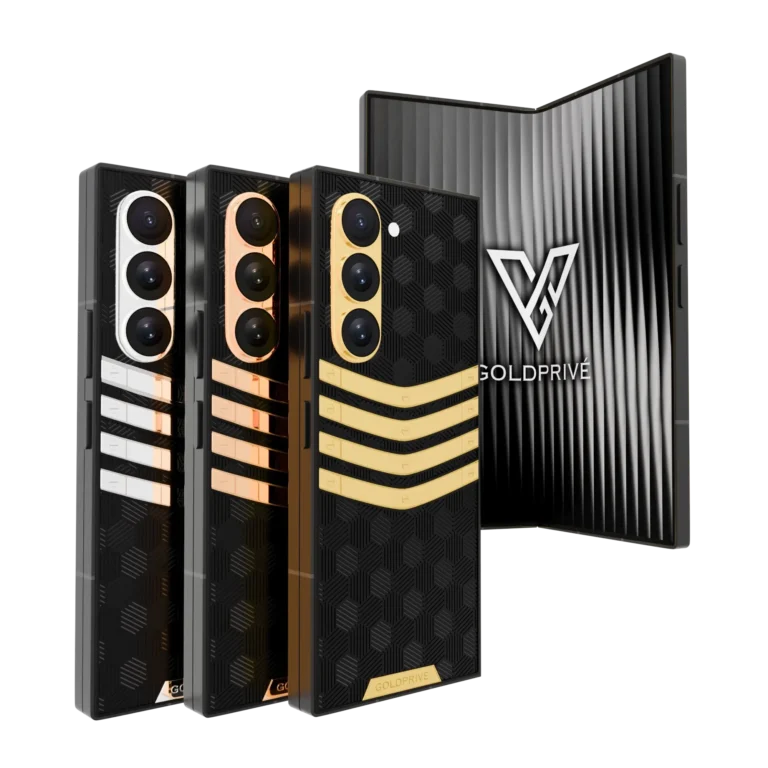
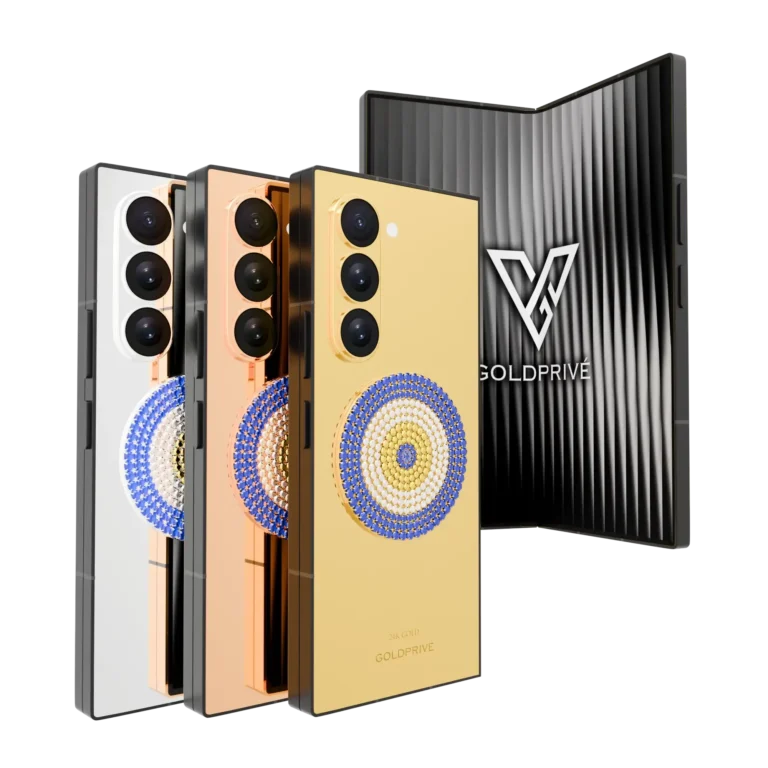
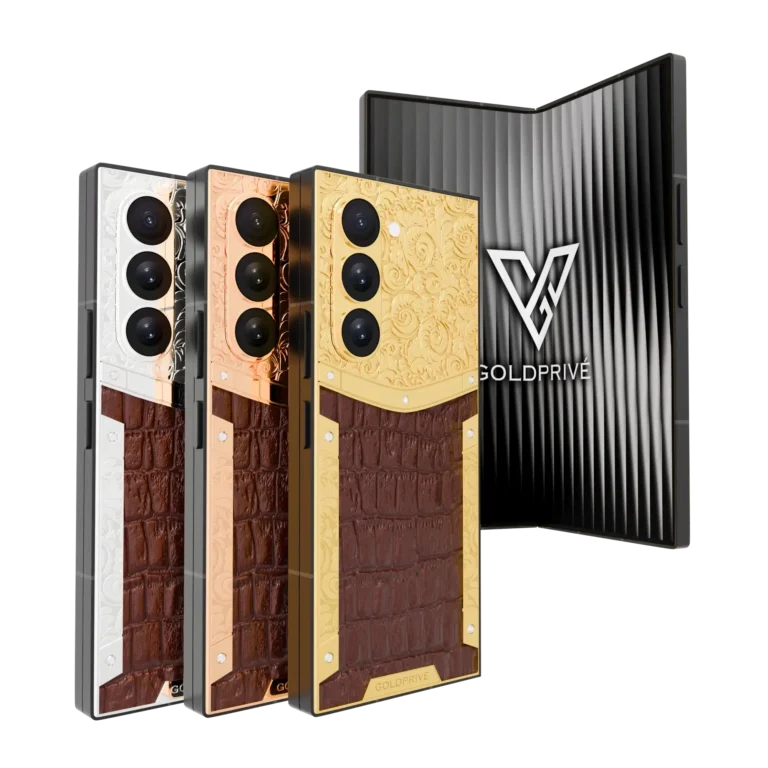
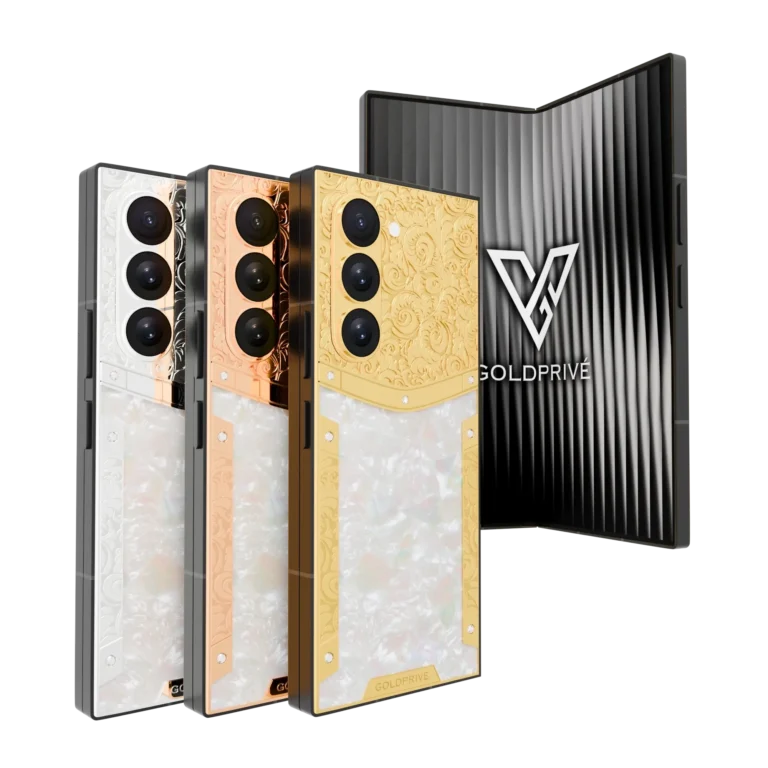
- GoldPrivé finishes are 24K gold, rose gold or platinum at 5 to 7 microns on a genuine, factory-new device.
- GoldPrivé states a 2-year customization warranty and a 1-year device warranty. Liquid damage voids it.
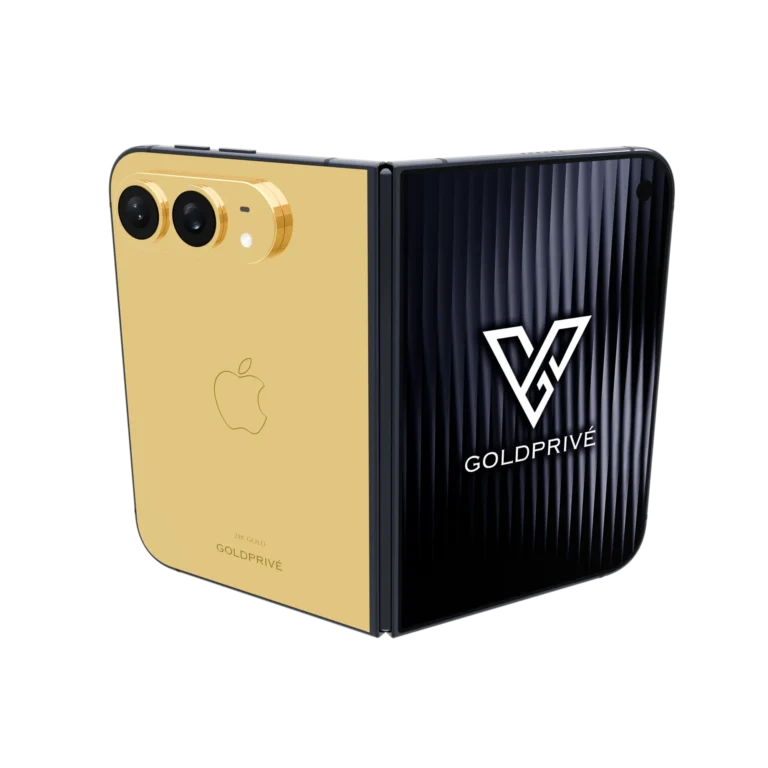
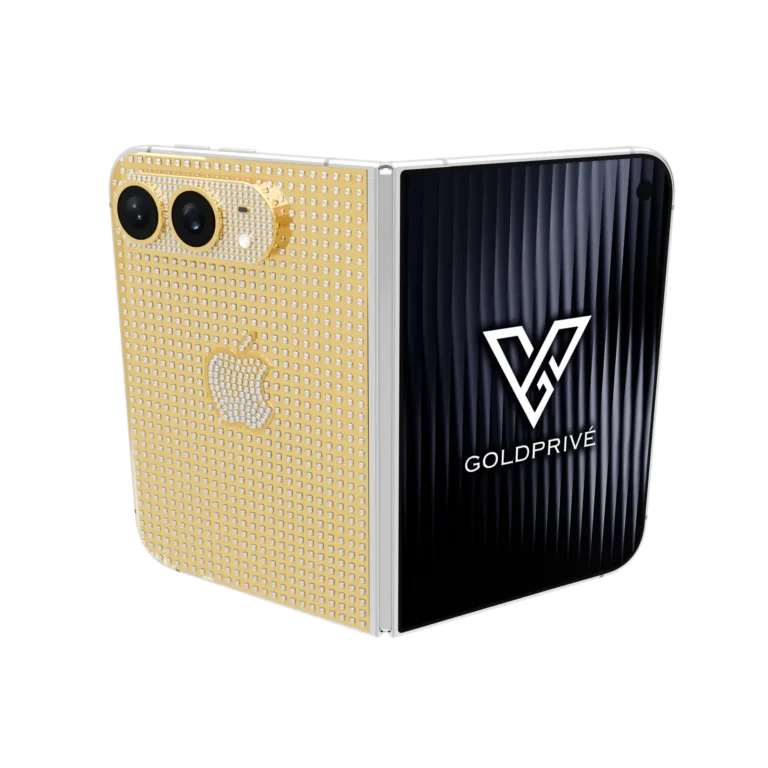
- A customized device is not water resistant, and the frame and hinge of foldables are never plated.
The regulatory minimum is a floor, not a promise of longevity. A finish measured in single-digit microns is many times the legal minimum for the term, which is one reason thickness is the first question to ask any provider.
Why Gold Plating Wears
Gold itself is famously resistant to corrosion. The weak point is never the gold. It is the thinness of the layer and the metal underneath. Four mechanisms account for nearly every case.
1. Abrasion
Every rub against fabric, keys, desk surfaces or fingernails removes a few atoms of gold. Over months, high-contact areas thin out first.
2. Porosity
Electroplated layers can contain microscopic pores. Moisture and airborne sulphur compounds can reach the metal beneath, even when the surface looks intact.
3. Base-metal diffusion
Atoms from the underlying metal can slowly migrate outward through the gold, causing dull or tinted patches. A thicker layer lengthens that journey.
4. Chemistry
Alcohol, bleach, chlorine, strong perfumes and abrasive cleaners attack the finish or the surface film, and acidic sweat can accelerate the process.
These mechanisms reinforce one another. Abrasion makes a tiny breach, the breach lets moisture in, and the metal beneath begins to react. This is why thickness matters so much, and why a 5 to 7 micron finish behaves very differently from a thin decorative flash.
If you want the technical background on how layers are built and why thickness varies, read our explainer on gold plating process, thickness and durability.
Signs to Recognise, and What Each Usually Means
Not every change is wear. Use this table to separate harmless film from real thinning, and decide whether you need to clean, adjust a habit, or contact support.
| What you see | Most likely cause | What to do |
|---|---|---|
| Dull, hazy or slightly greasy look | Skin oils, dust or lotion film | Wipe with a clean, dry microfibre cloth. The shine often returns immediately. |
| Fine hairline scratches that catch the light | Surface scratching from keys, coins or grit | Cosmetic. Remove grit from pockets and use a soft pouch. Do not rub harder. |
| Paler or silvery patch on an edge or corner | Possible wear-through from friction | Avoid further rubbing. Photograph it and contact support if it appears early. |
| Dark spots, tint or a greenish cast | Reaction from the metal beneath, via pores or a worn spot | Stop using liquids or cleaners on it. Contact support with photos. |
| Lifting, flaking or peeling | Adhesion problem or impact damage | Do not pick at it. Contact support promptly and refer to your warranty terms. |
| Uniform fading across the whole piece | Chemical exposure, such as sanitiser or solvents | Identify the exposure and remove it from your routine. |
Clean the area with a dry microfibre cloth and look again under bright, indirect light. If the dullness disappears, it was film. If a pale or discoloured patch remains in the same place after cleaning, treat it as real wear or a reaction, and stop using any chemical on it.
Where Wear Starts on Phones and Everyday Objects
Wear is not evenly distributed. It follows your habits, and it follows geometry. Sharp edges and corners concentrate pressure, so they thin first. Anything that touches a pocket seam, a table or a charging cradle is next.
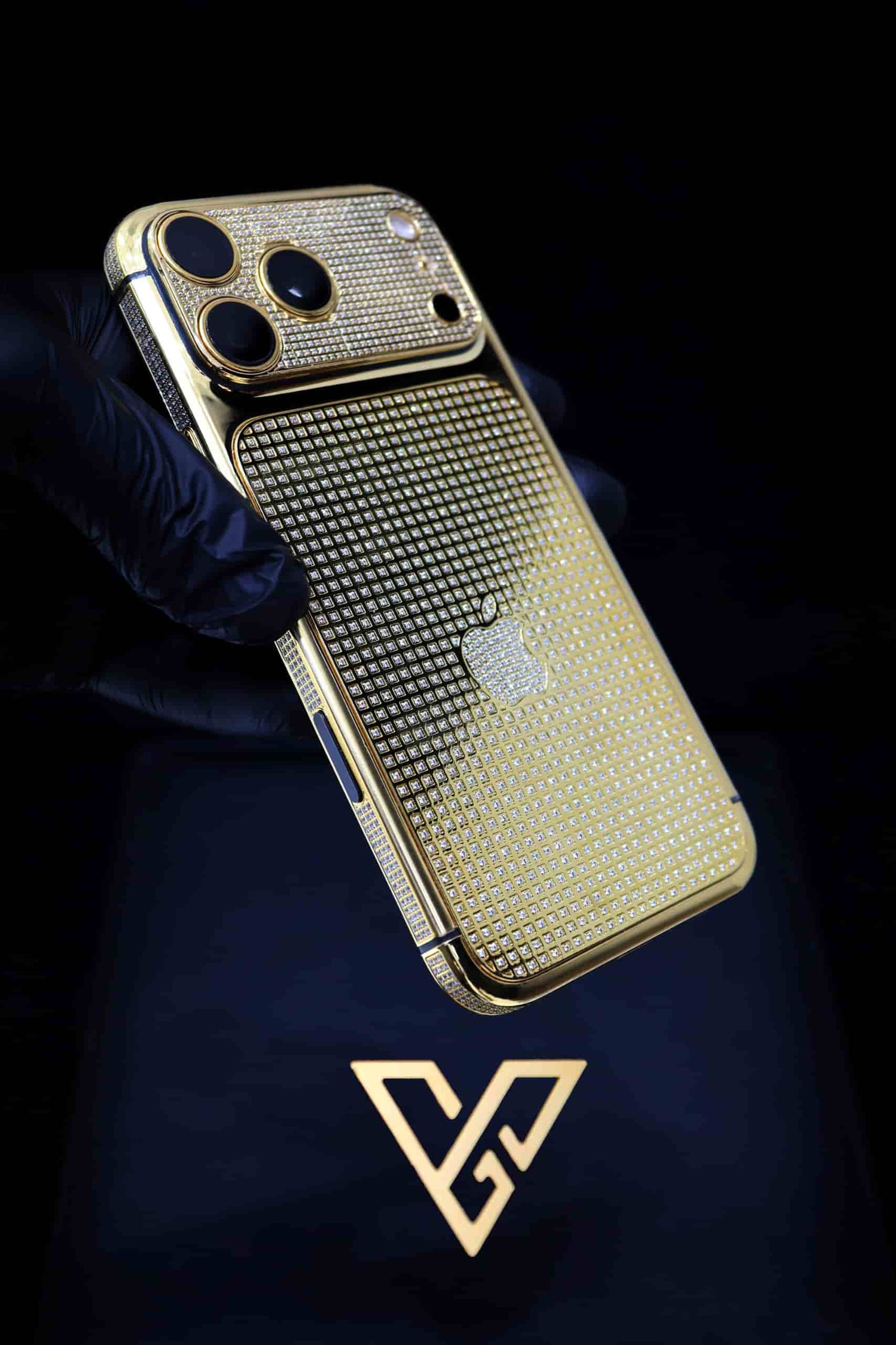
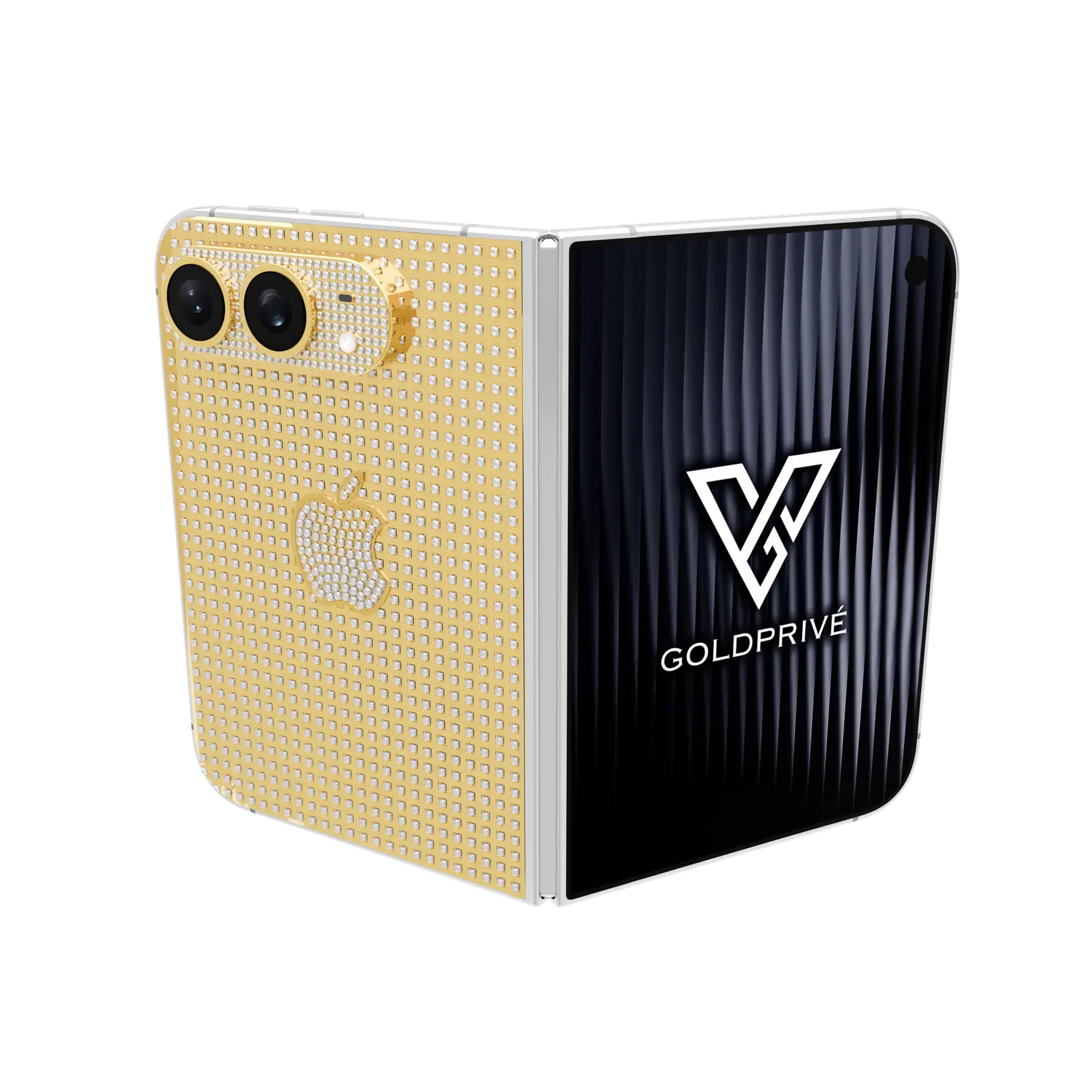
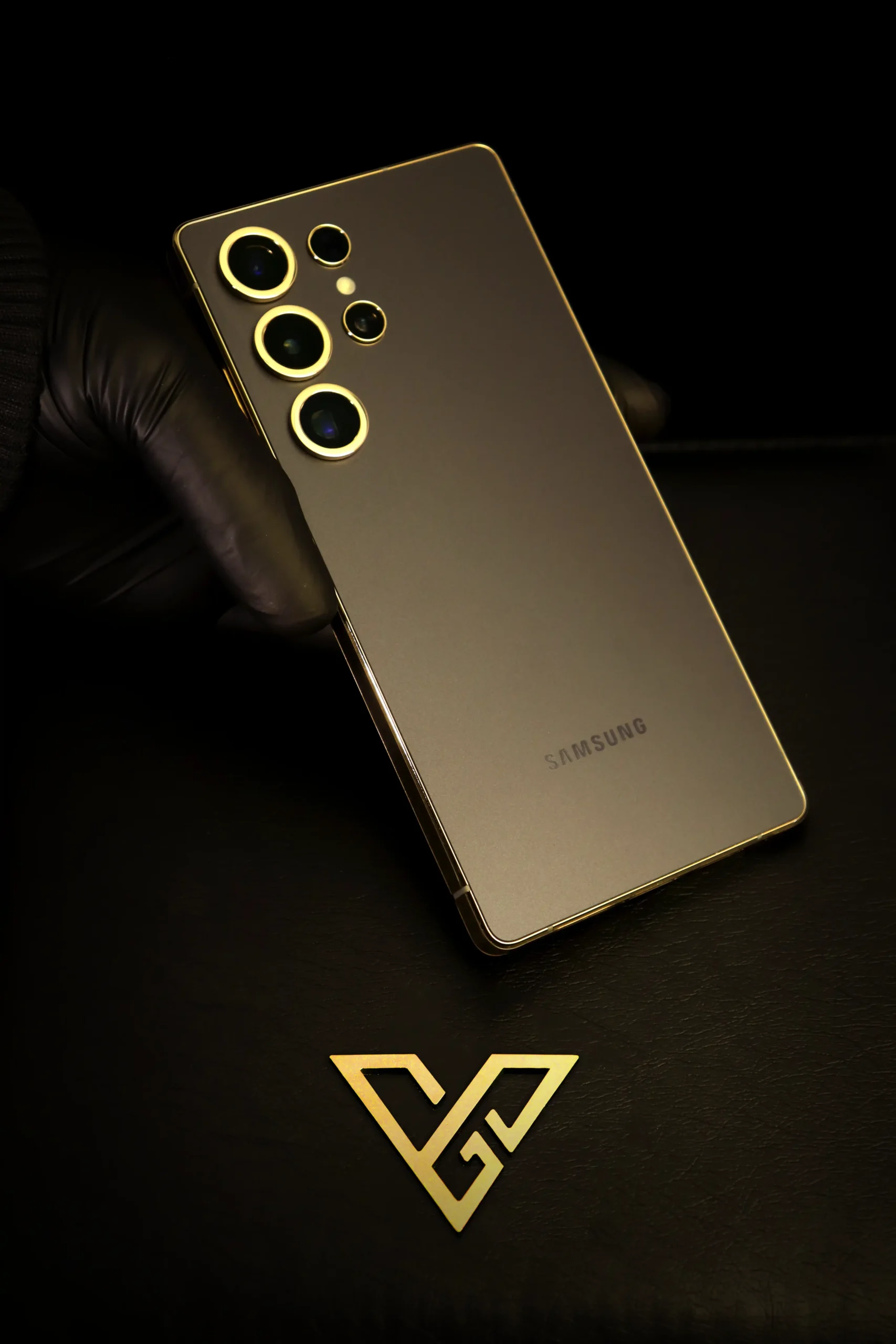
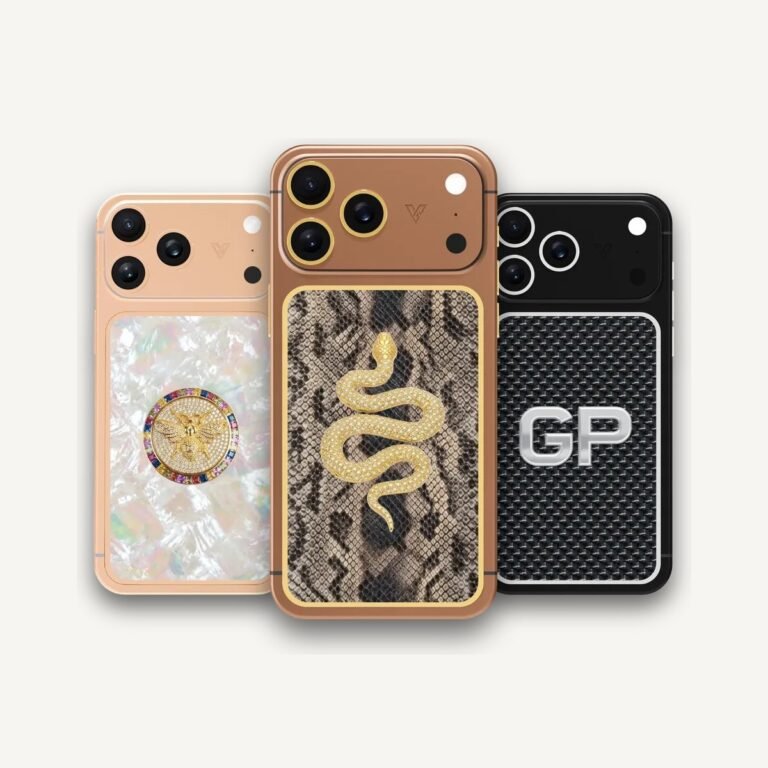
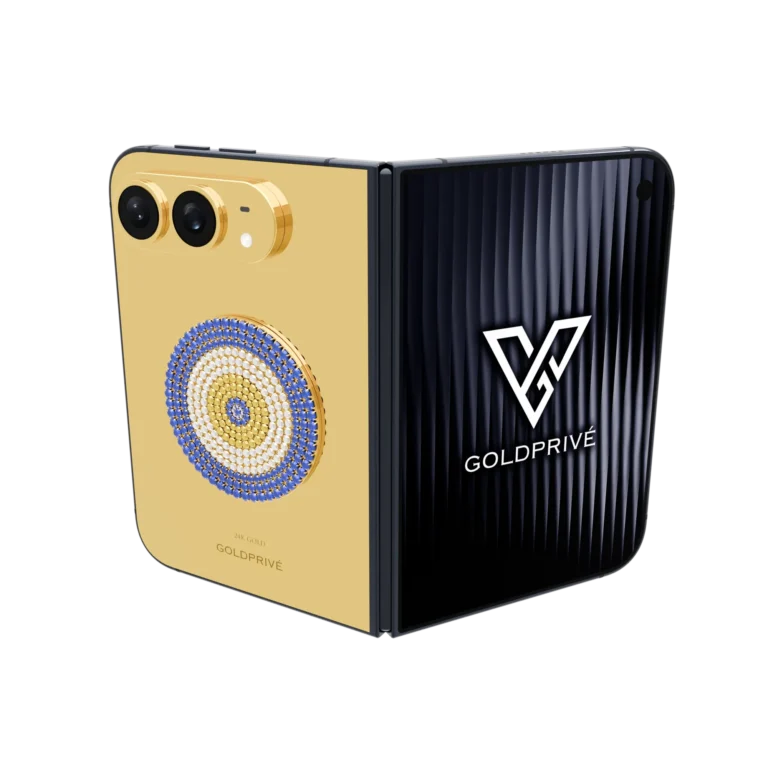
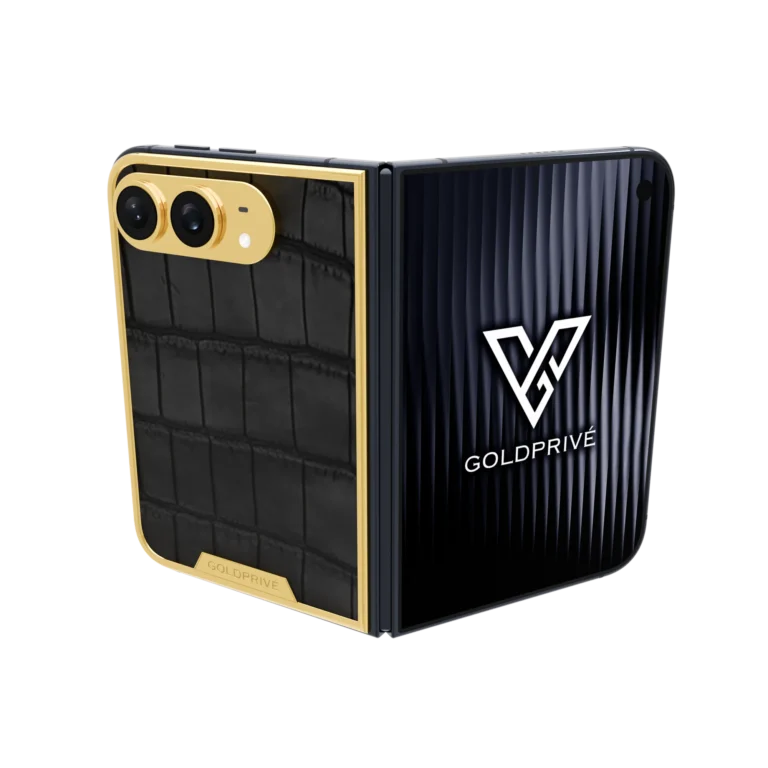
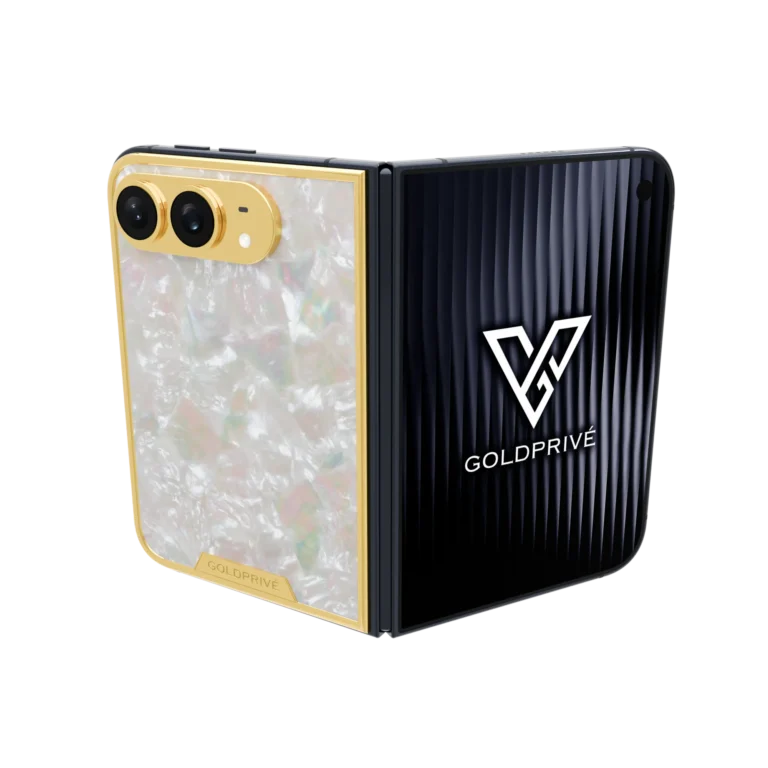
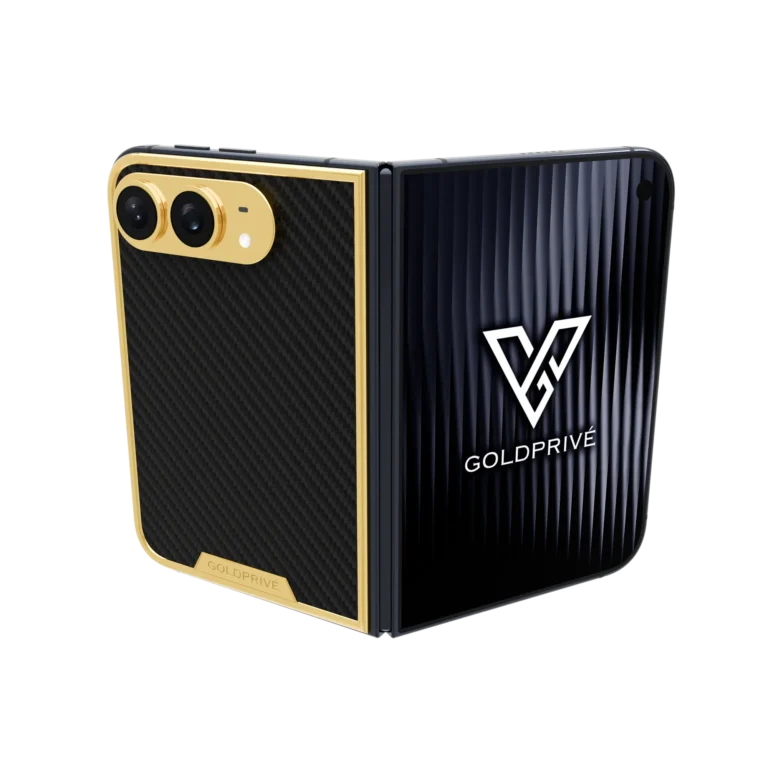
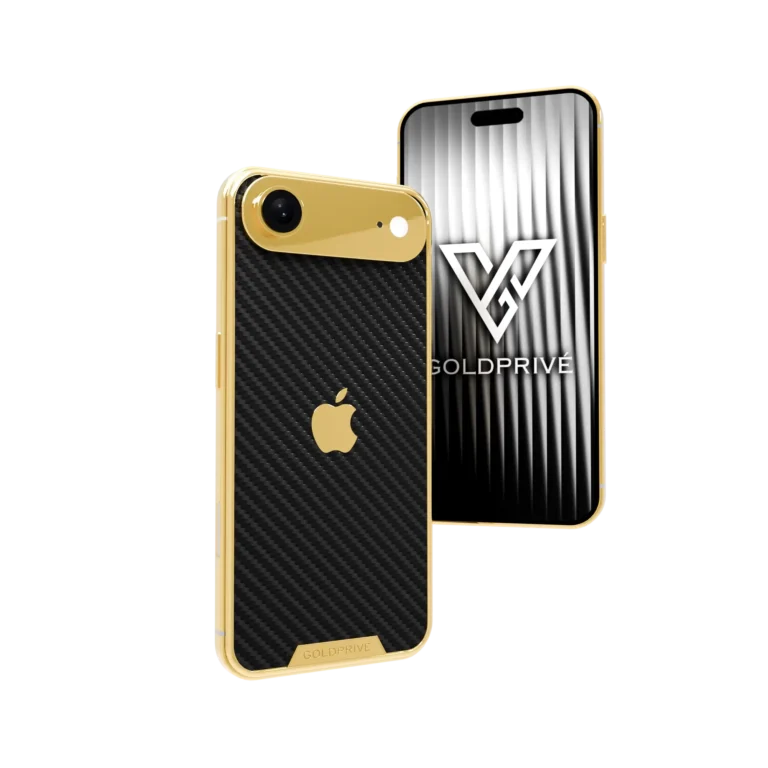
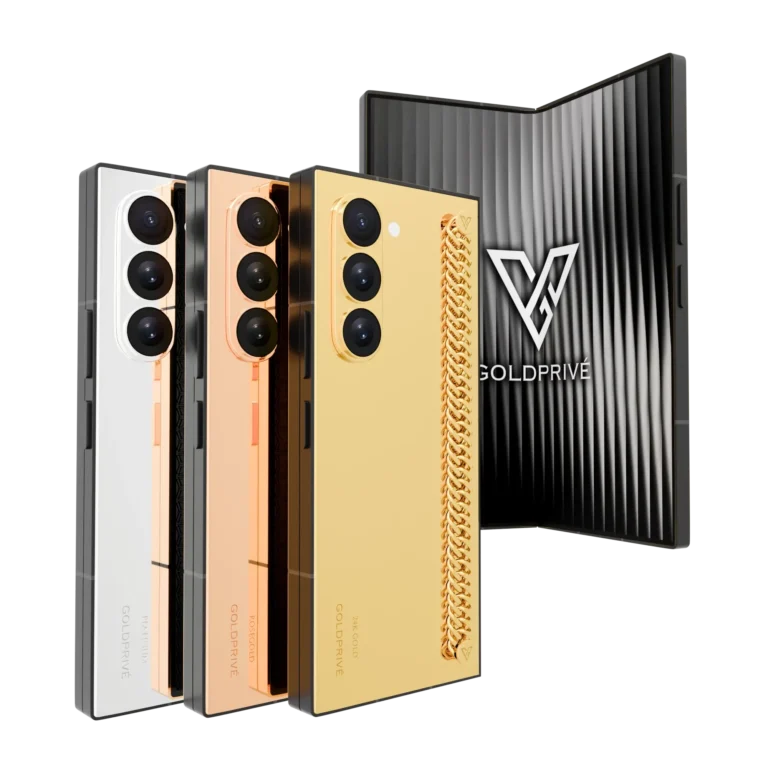
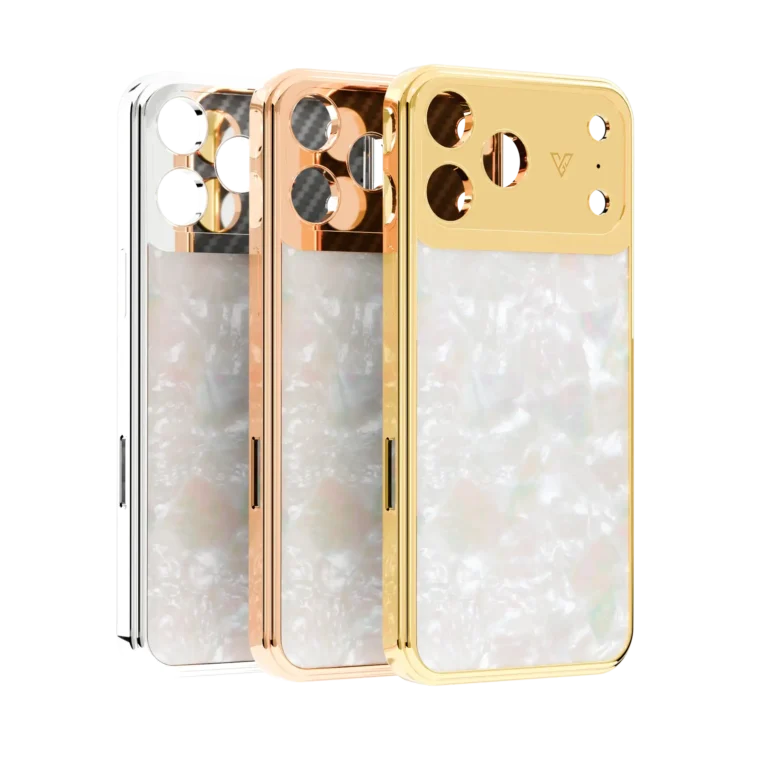
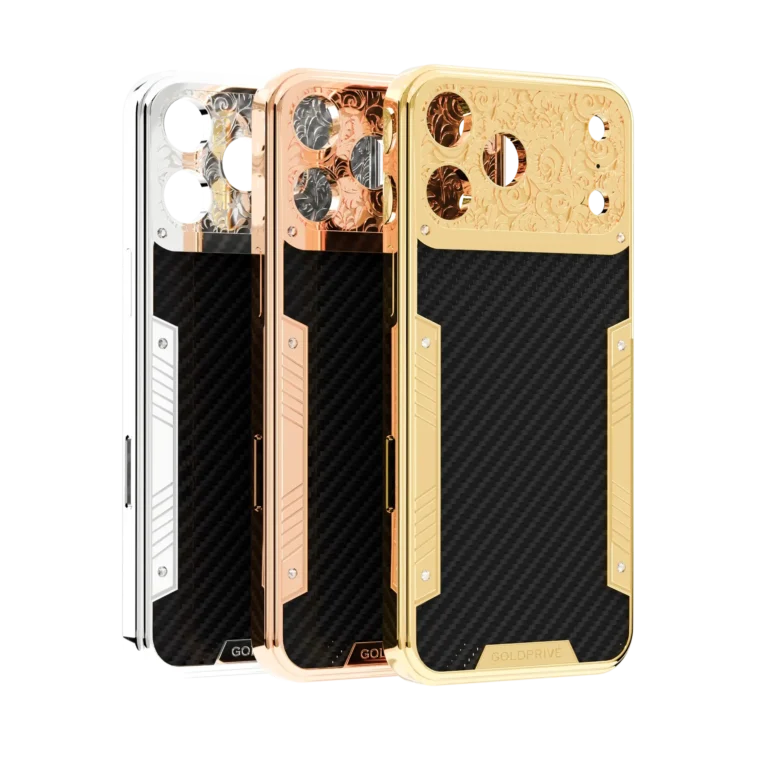
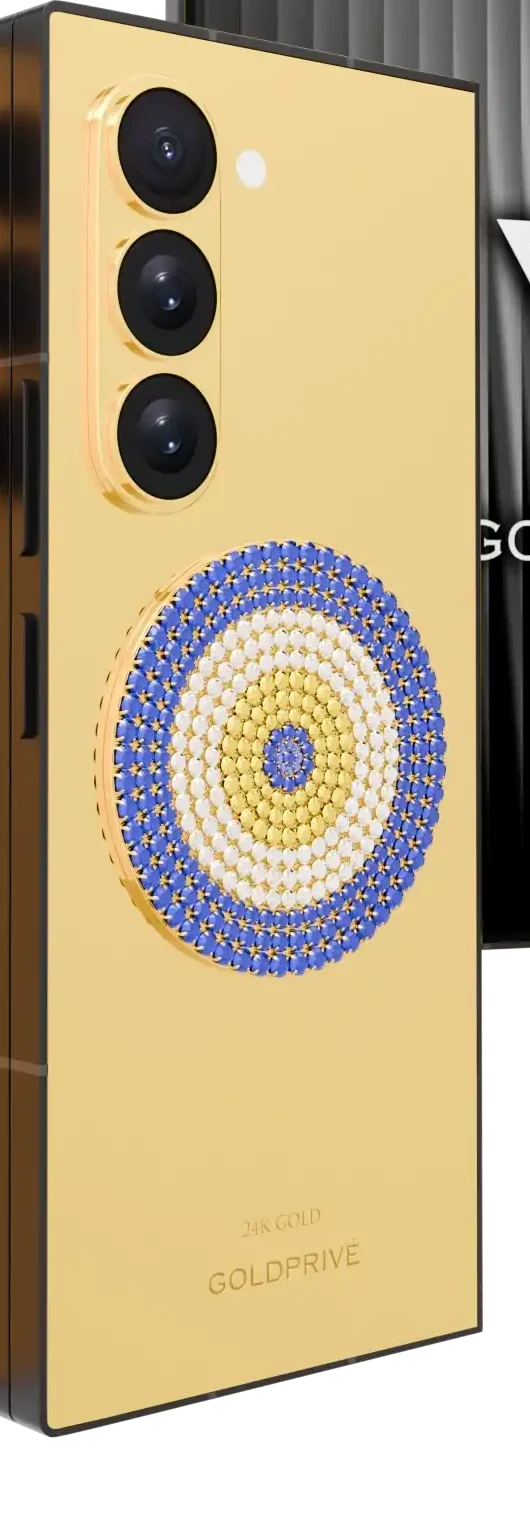
On a phone, expect attention at the corners, around the camera ring and wherever your thumb and palm rest. On foldables the same logic applies, and the hinge zone sees the most mechanical movement, which is one reason GoldPrivé does not plate the frame or hinge of a foldable. Our guide to caring for a gold Samsung foldable and the equivalent gold iPhone care guide walk through these hot spots.
Flat, protected back surfaces usually look best for longest, because they rarely contact anything abrasive. A piece that lives in a case or pouch and is handled cleanly will age very differently from one carried loose with keys.
A Simple Maintenance Routine
Daily
Wipe the surface with a clean, dry microfibre cloth to remove oils before they build into a film. Keep the piece away from keys, coins and other hard objects.
Weekly
If a dry cloth is not enough, use a lightly dampened, lint-free cloth, then dry immediately. Because a customized device is not water resistant, never soak it, never run it under a tap, and keep moisture away from openings.
Whenever You Notice a Change
Photograph the area in consistent light. A dated photo record makes it far easier to tell whether a patch is spreading, and gives support something concrete to assess.
Storage
Store in a soft pouch or its original box, away from heat, humidity and chemical vapours. Avoid leaving a piece beside cleaning products, in a gym bag, or in a steamy bathroom.
What to Avoid
- Abrasive polishes, baking soda pastes and scrubbing pads, which remove gold along with dirt.
- Alcohol wipes, hand sanitiser and bleach-based products, which can dull or damage a finish.
- Chlorinated pool water, salt water and hot tubs.
- Applying perfume, lotion or sunscreen and then handling the piece before they dry.
- Rubbing a spot harder when it does not clean. Harder rubbing only accelerates real wear.
Home “dips” and polishing hacks deserve special caution. If you are weighing a do-it-yourself fix, our comparison of a plating kit and a professional service explains why results differ so sharply on a precision device.
On a GoldPrivé Device
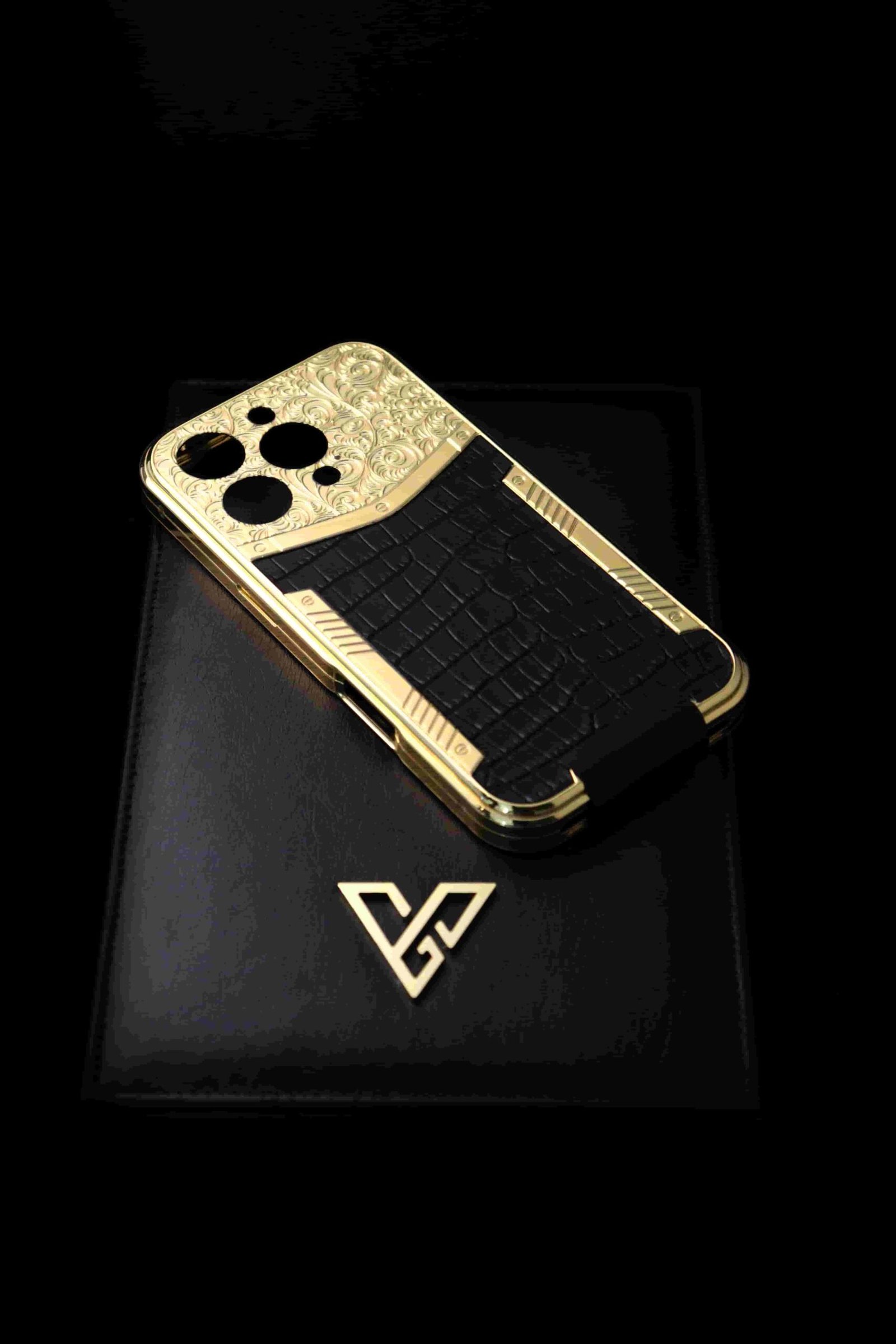
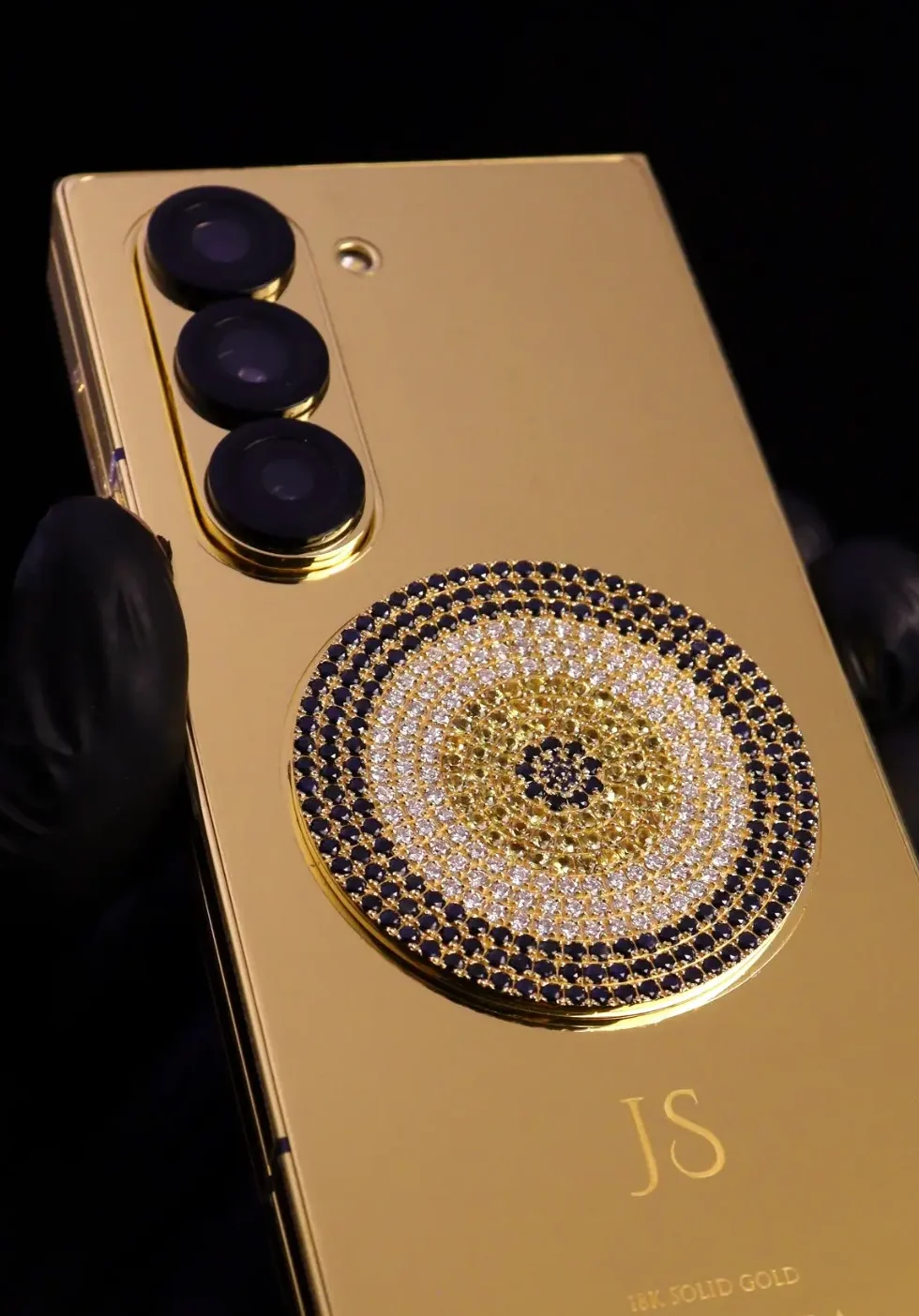
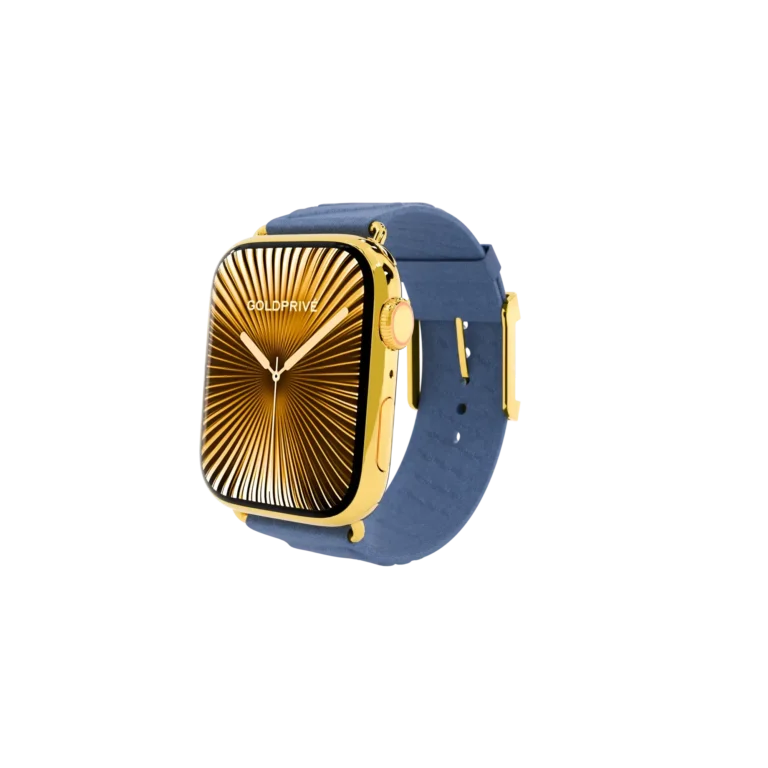
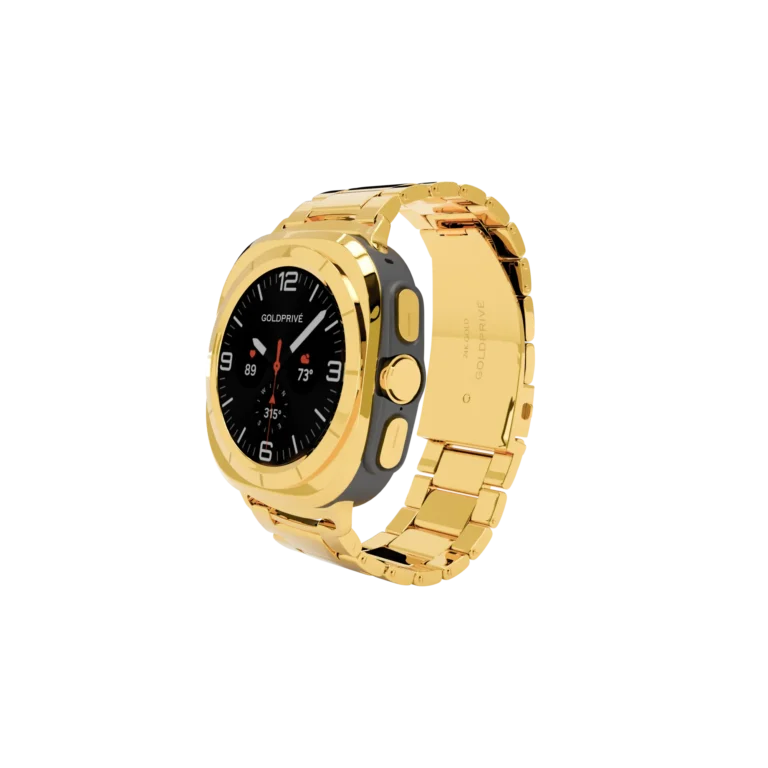
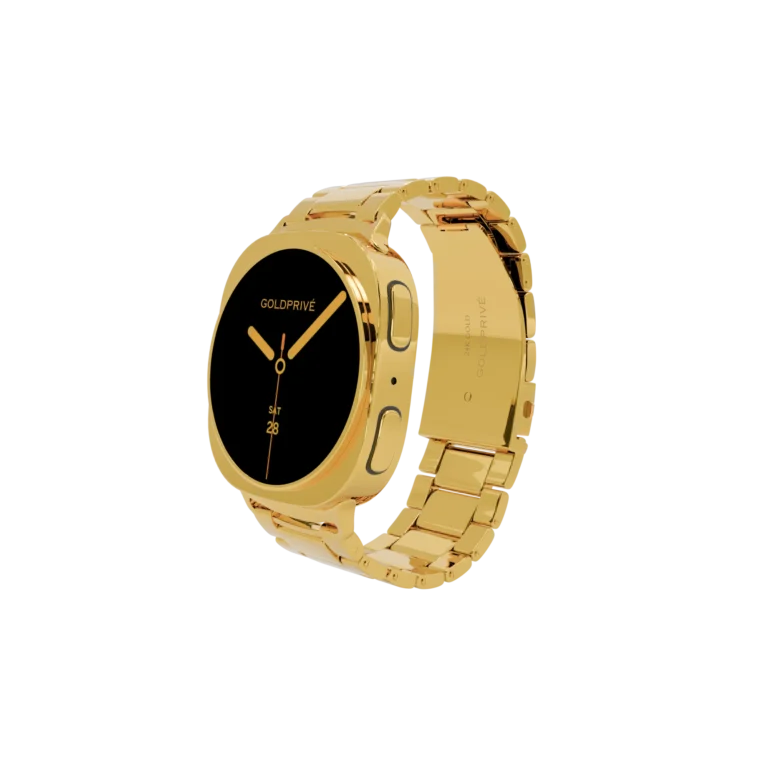
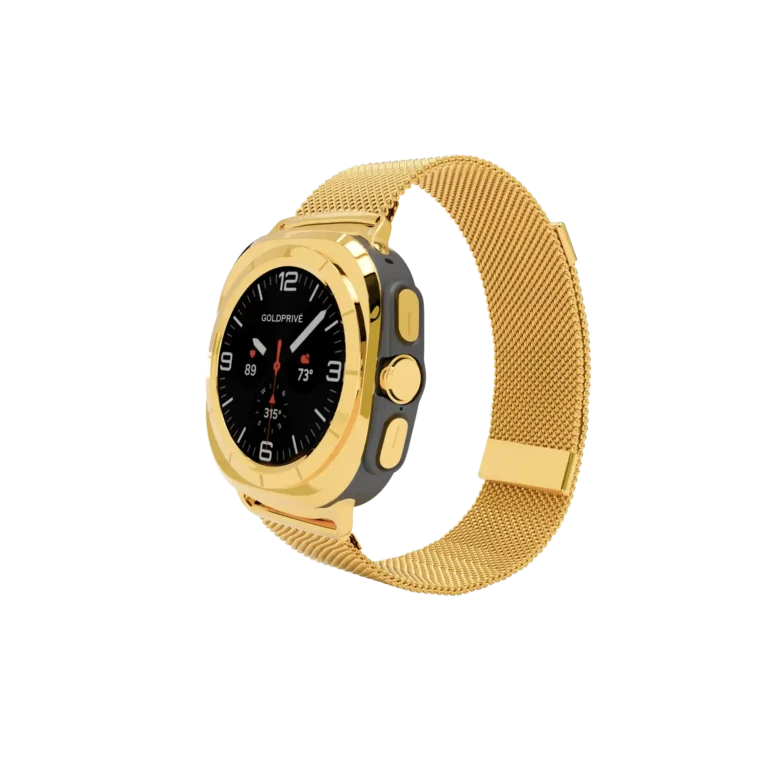
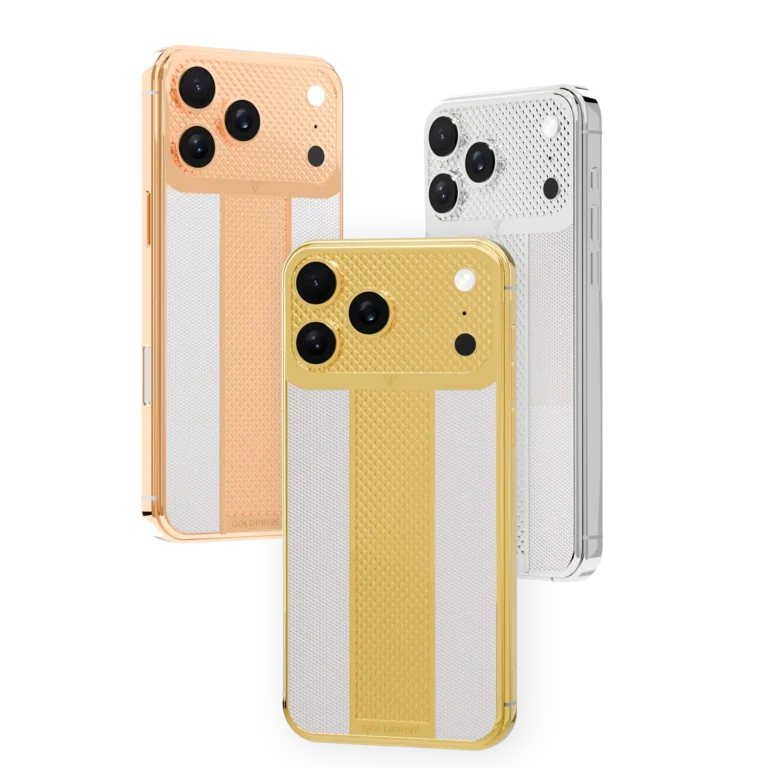
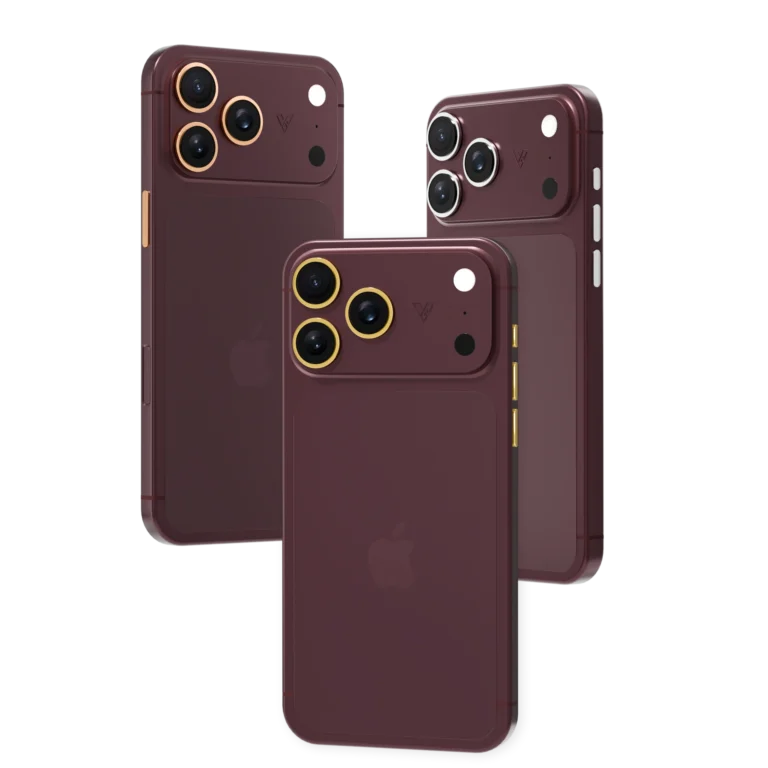
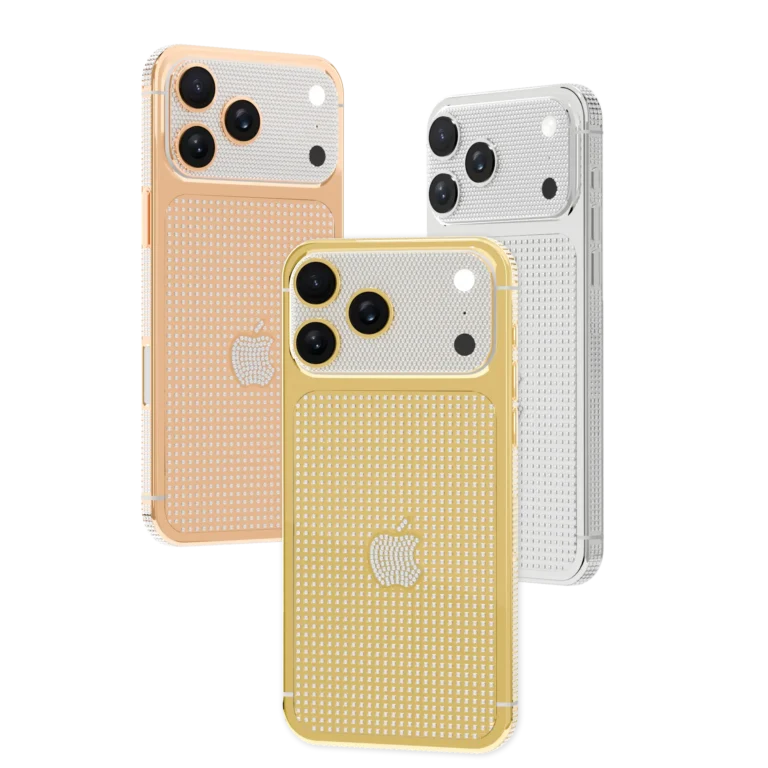
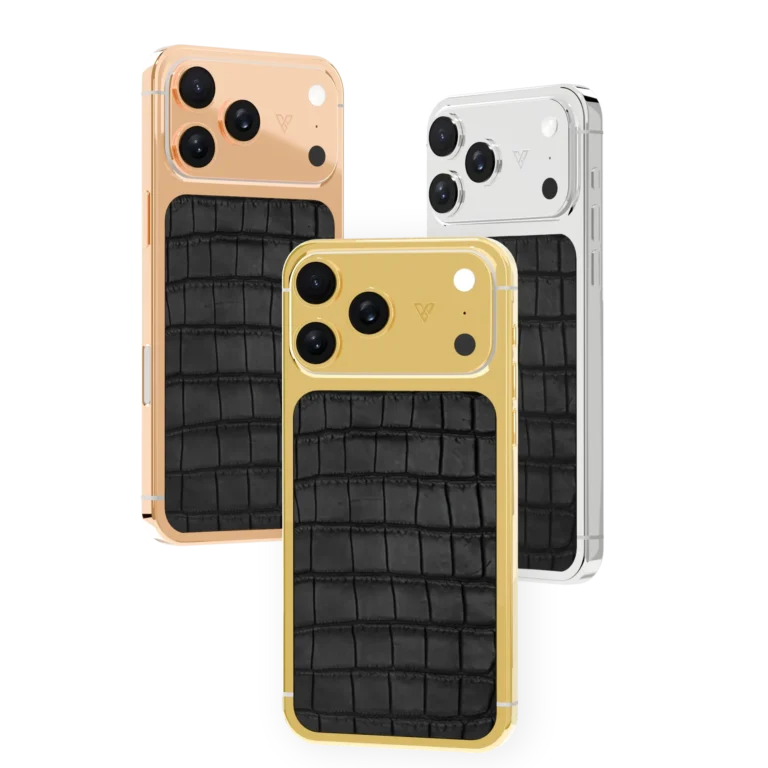
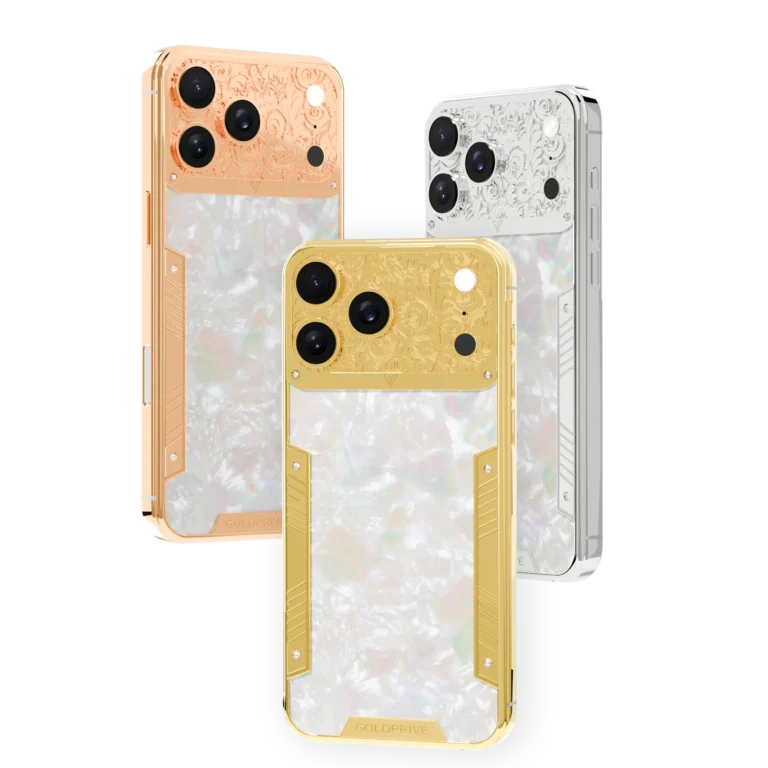
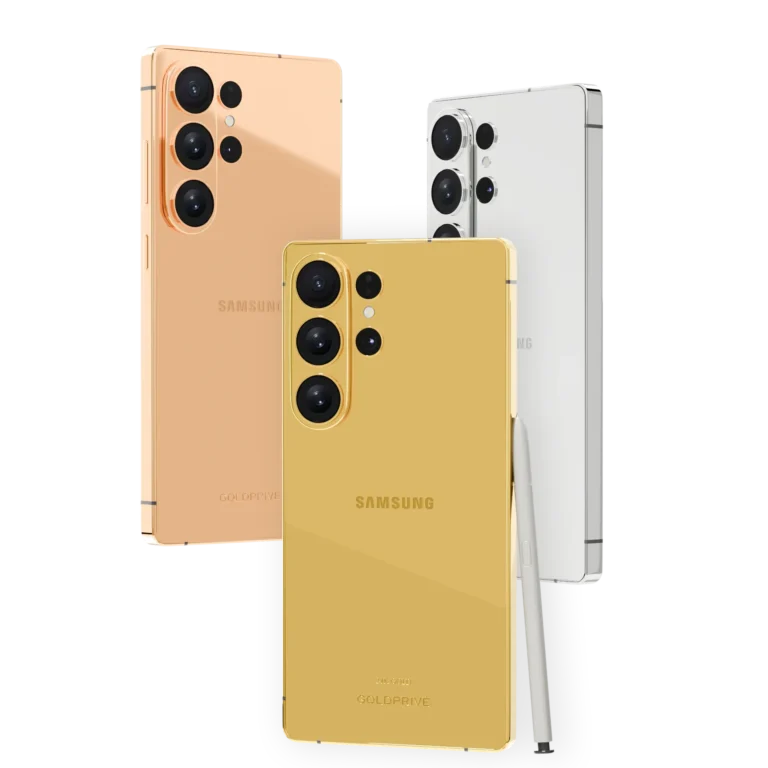
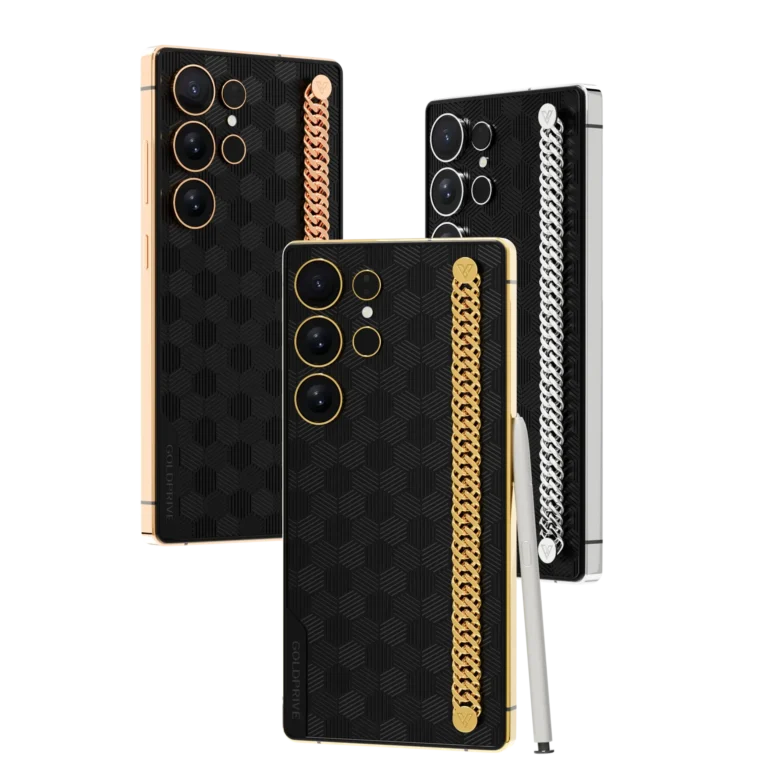
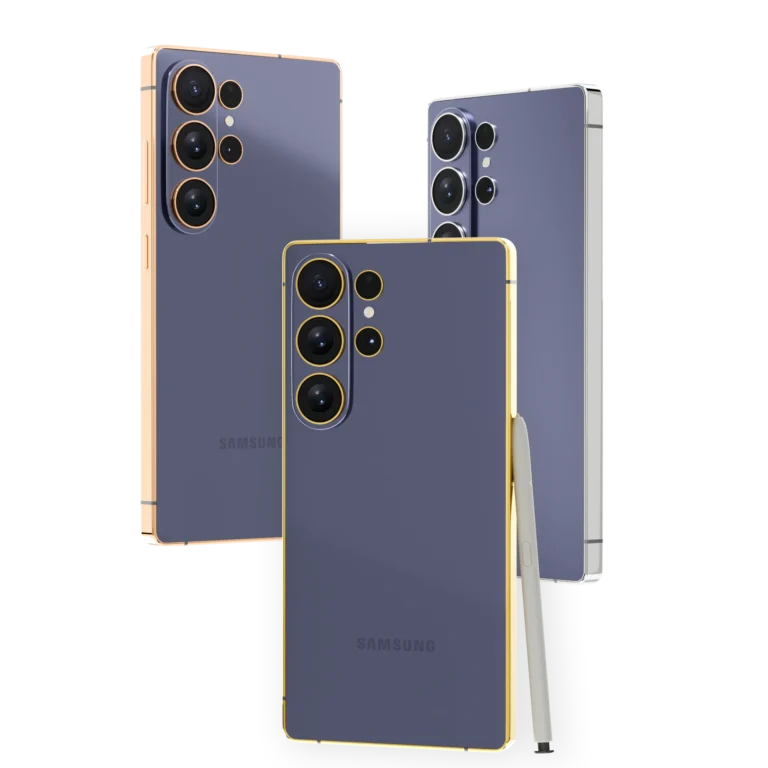
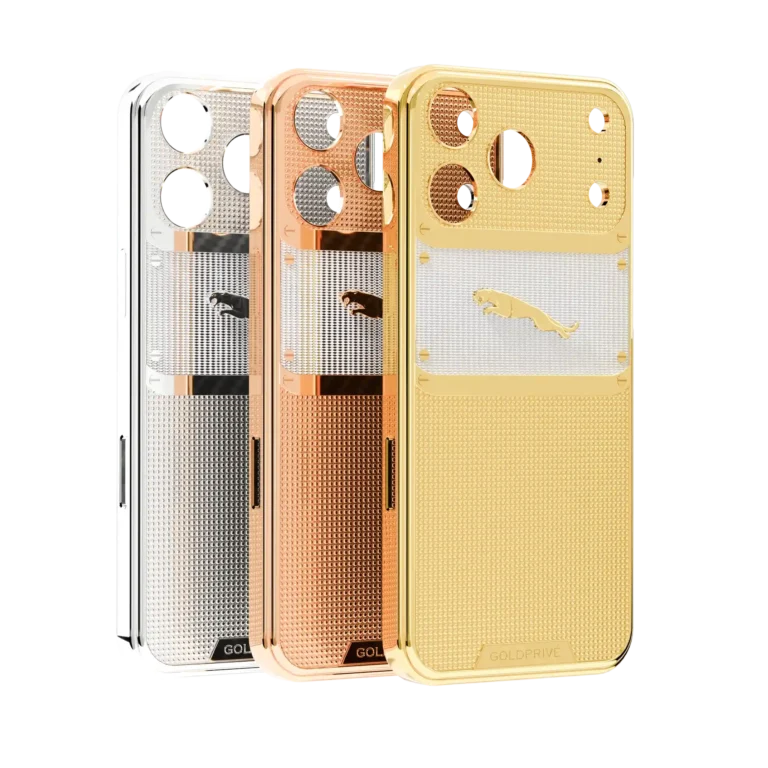
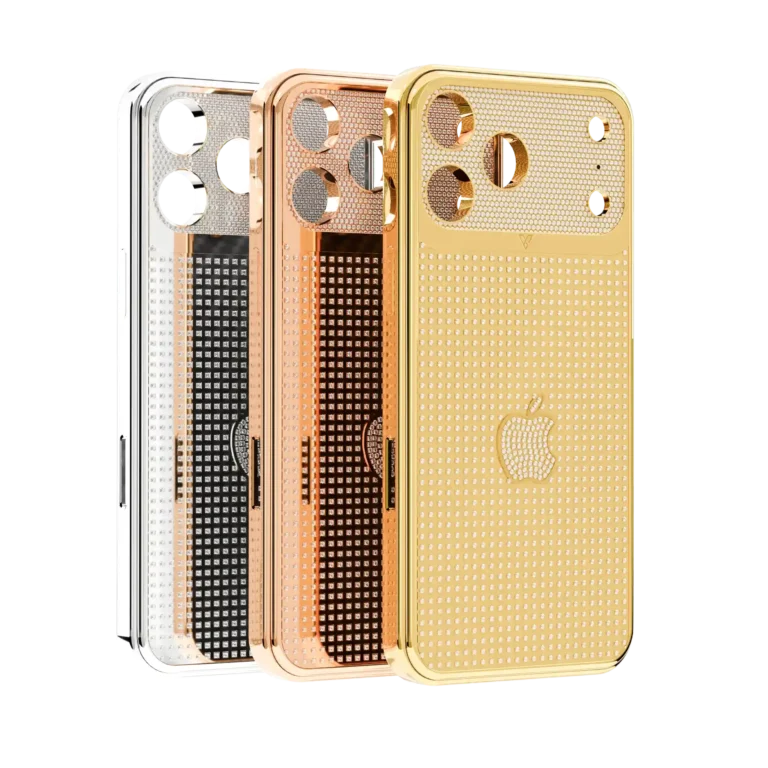
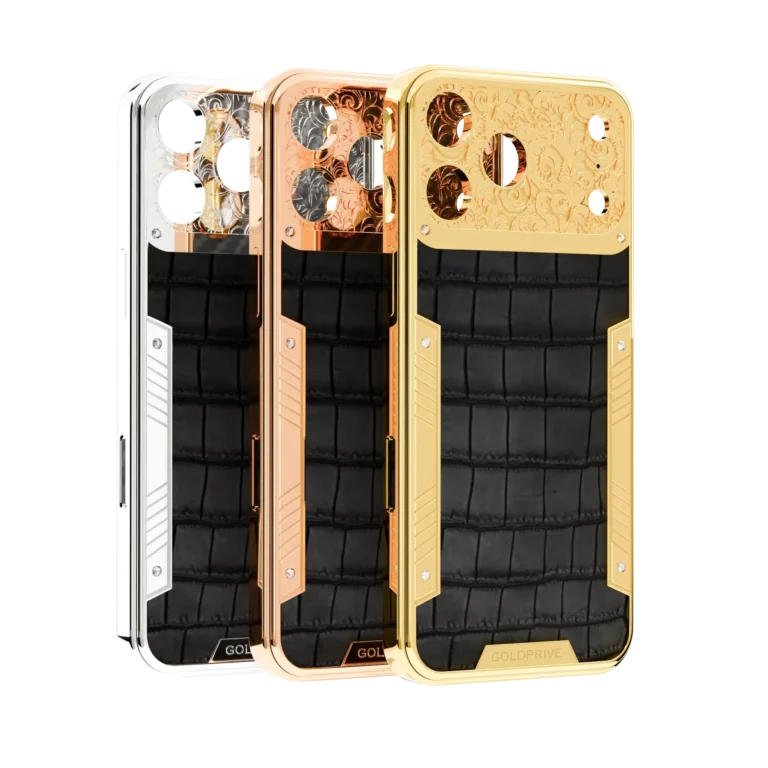
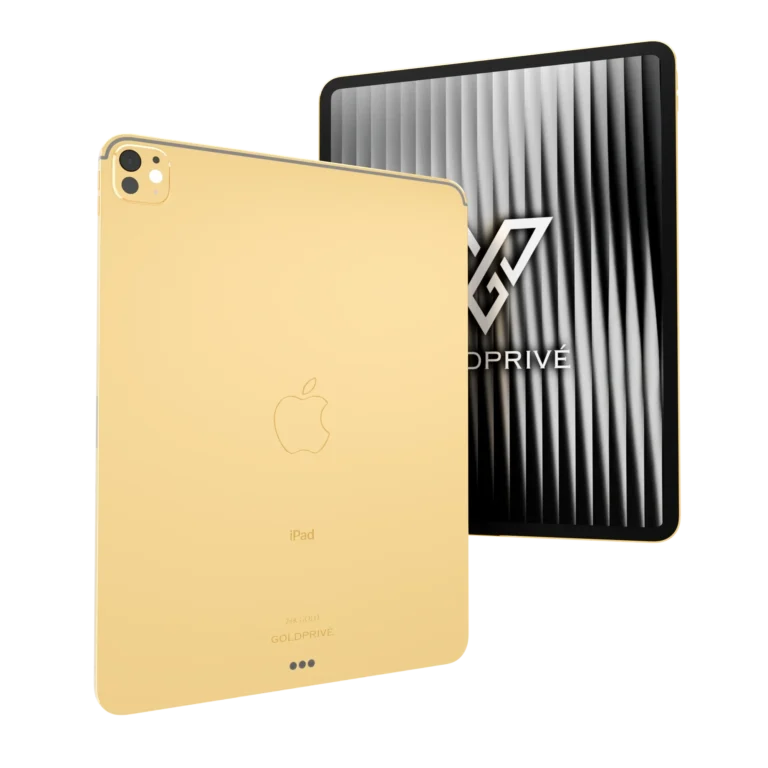
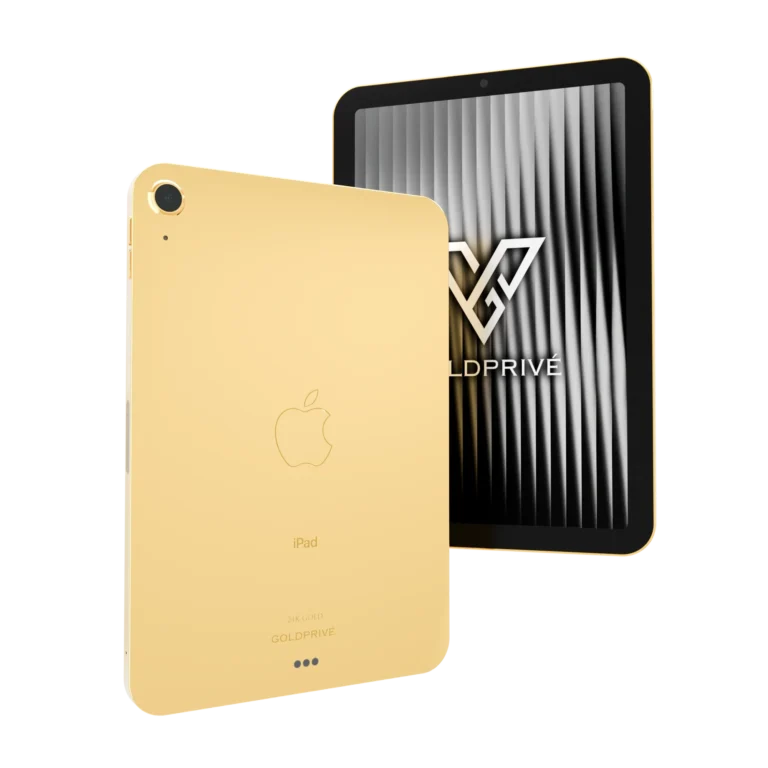
Every GoldPrivé piece is finished in 24K gold, rose gold or platinum at 5 to 7 microns on a genuine, factory-new device, and all three metals are priced the same within a given design. Our bespoke gold plating service is built around handling the device with that wear pattern in mind.
Warranty cover is set out on the warranty page: a 2-year customization warranty and a 1-year device warranty, with liquid damage excluded. We deliberately do not quote a lifespan, because use differs too widely for any number to be honest.
If a finish has aged and you want it renewed, GoldPrivé Care covers a refresh ahead of resale, or recustomization with fresh plating when the piece is being gifted. Remember that the manufacturer may treat any customized device as modified, so check its terms as well as ours.
Planning a Samsung flagship with a finish built to be handled daily? Explore the Galaxy S26 Ultra range, currently from $ 3,010.
Frequently Asked Questions
Can gold plating wear off completely?
With enough abrasion or chemical exposure, a thin layer can wear through in places. Wear usually appears first on edges and contact points rather than all at once.
Is a dull look the same as wear?
No. Dullness is very often skin oil, dust or product residue. Clean with a dry microfibre cloth before drawing conclusions.
Does a thicker layer really help?
Yes. More gold takes longer to abrade through, covers pores better and lengthens the path for base-metal diffusion. Thickness is the first quality question to ask.
Can I polish gold plating at home?
We advise against it. Polishes and pastes are abrasive and remove gold. A dry microfibre cloth is the safe default.
Is a customized phone water resistant?
No. A customized device is not water resistant, so keep it away from water and other liquids. Liquid damage voids the warranty.
Can a worn finish be renewed?
Fresh plating is possible. GoldPrivé Care offers a refresh before resale or recustomization when gifting. See the Care page for details.
Where can I find more answers?
Our FAQ page covers ordering, finishes and aftercare.
Sources and Further Reading
- Federal Register: Guides for the Jewelry, Precious Metals, and Pewter Industries (FTC, 2018)
- eCFR: 16 CFR Part 23, Guides for the Jewelry, Precious Metals, and Pewter Industries
- World Gold Council: background on gold