The GoldPrivé Guide · 2026

Luxury Phones

The three kinds of luxury phone, the materials that justify the price and the ones that don’t, what they cost, and how to buy one safely.

Browse Categories

Explore the Collections

Two signature collections, each crafted to order in Dubai.

63Editions$ 2,990Starting from

Created in Dubai

Individually Crafted for a Distinctive Luxury Finish

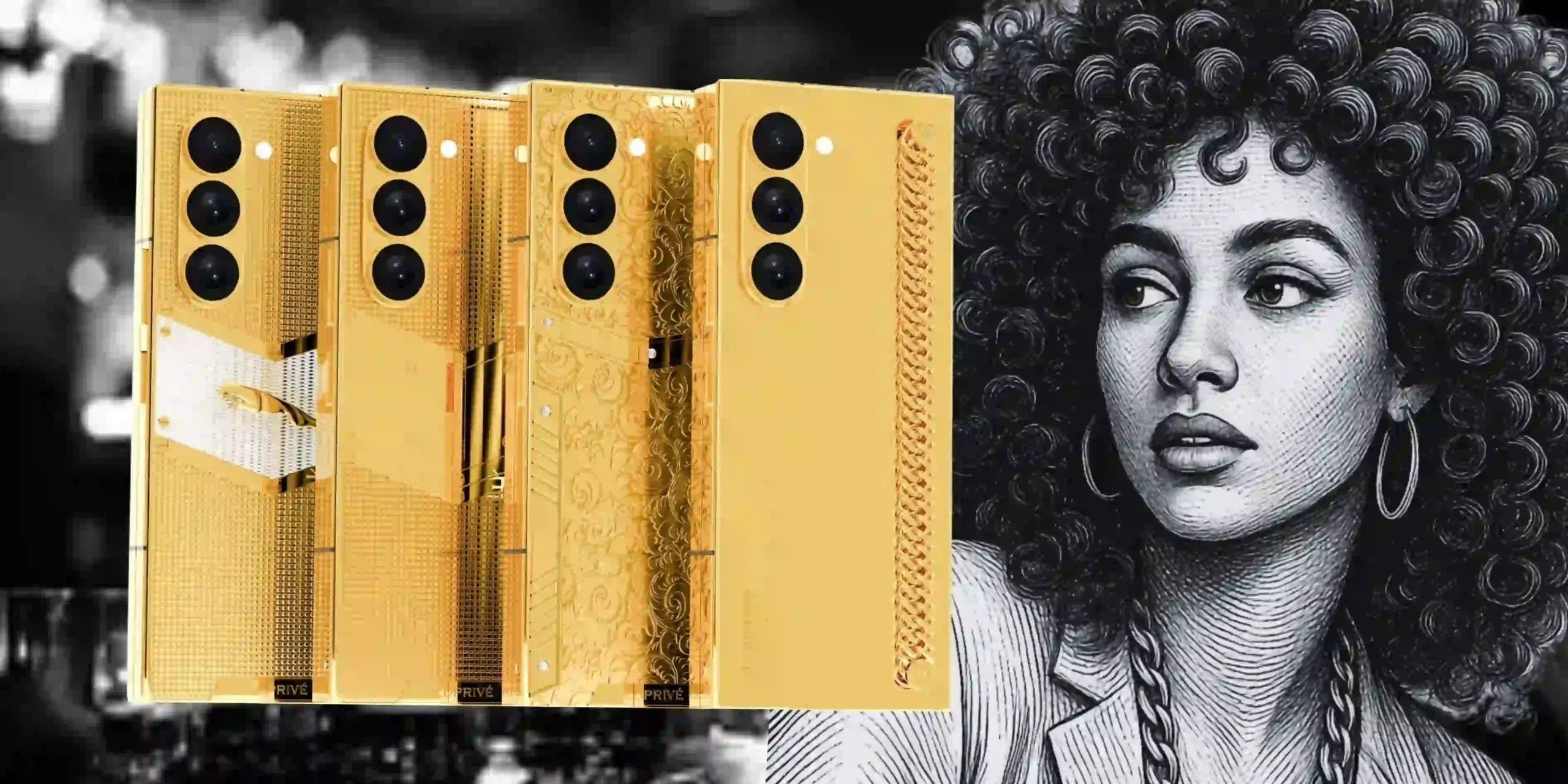
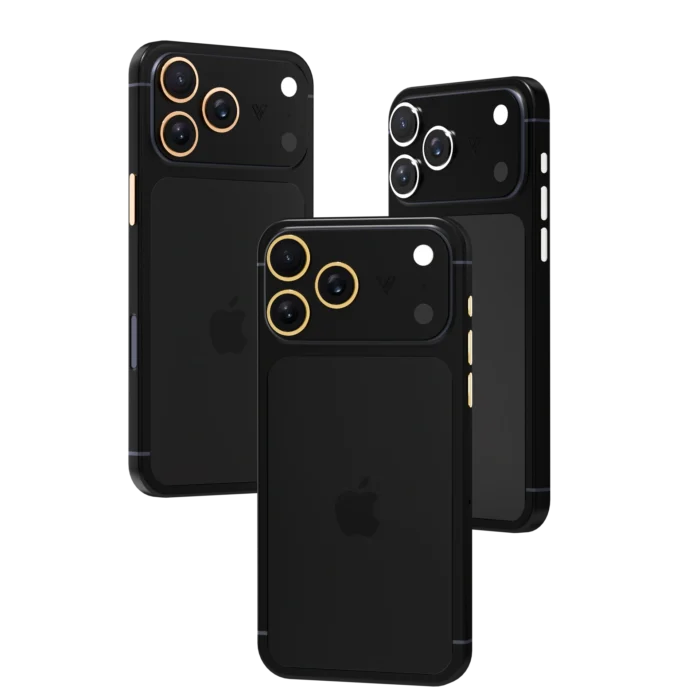
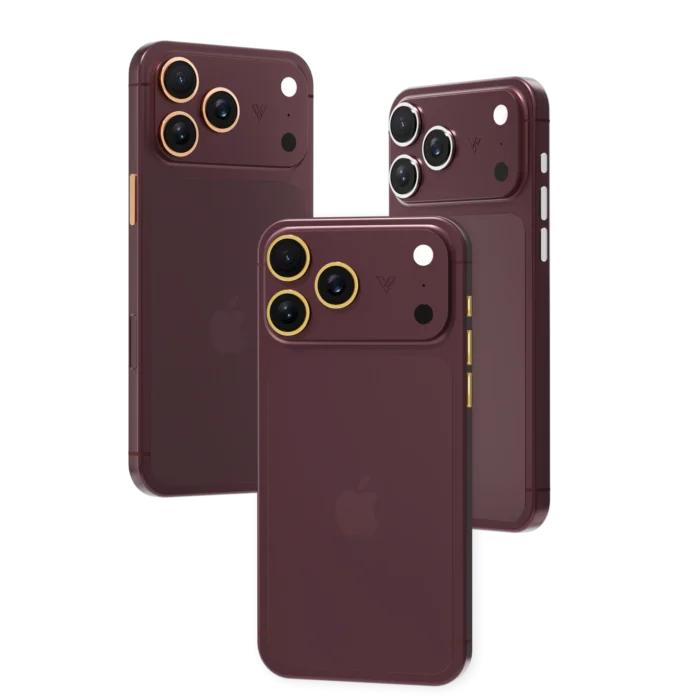
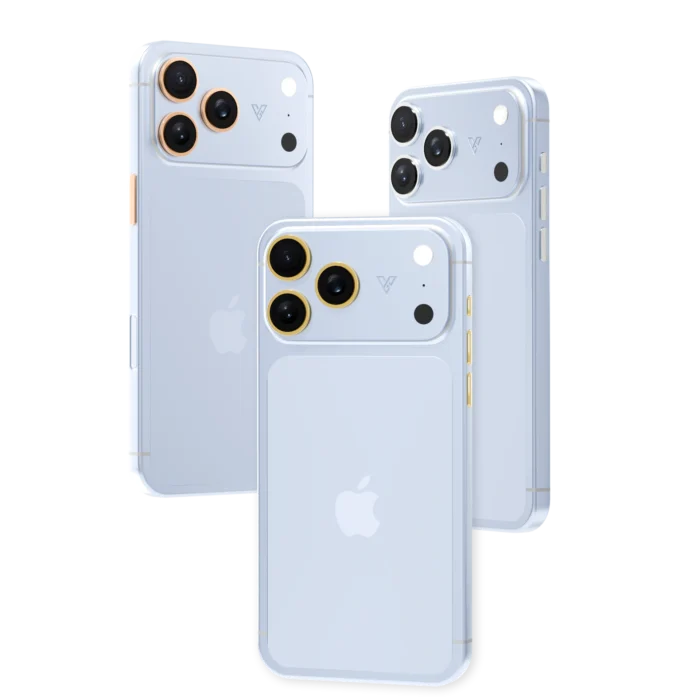
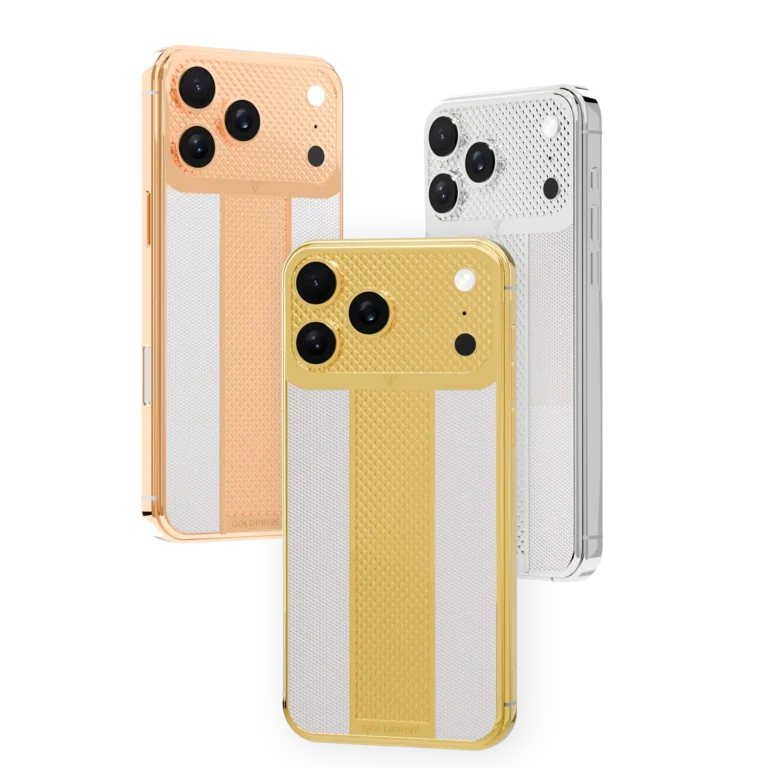
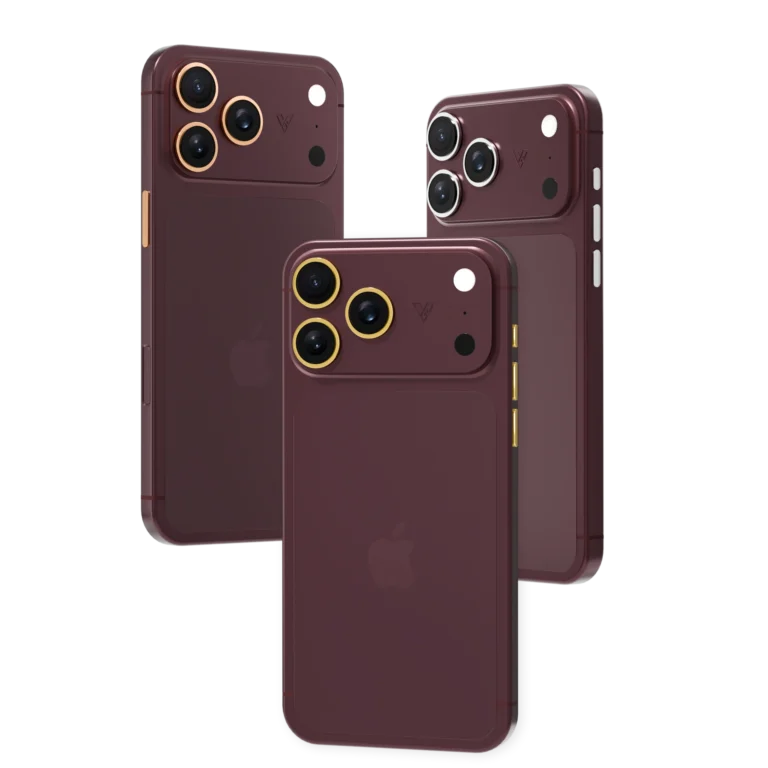
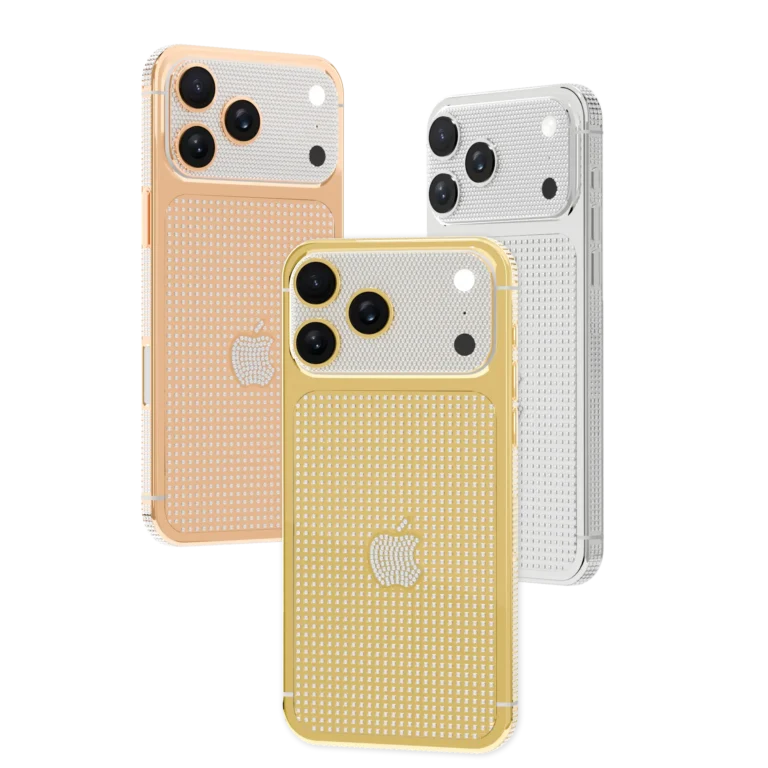
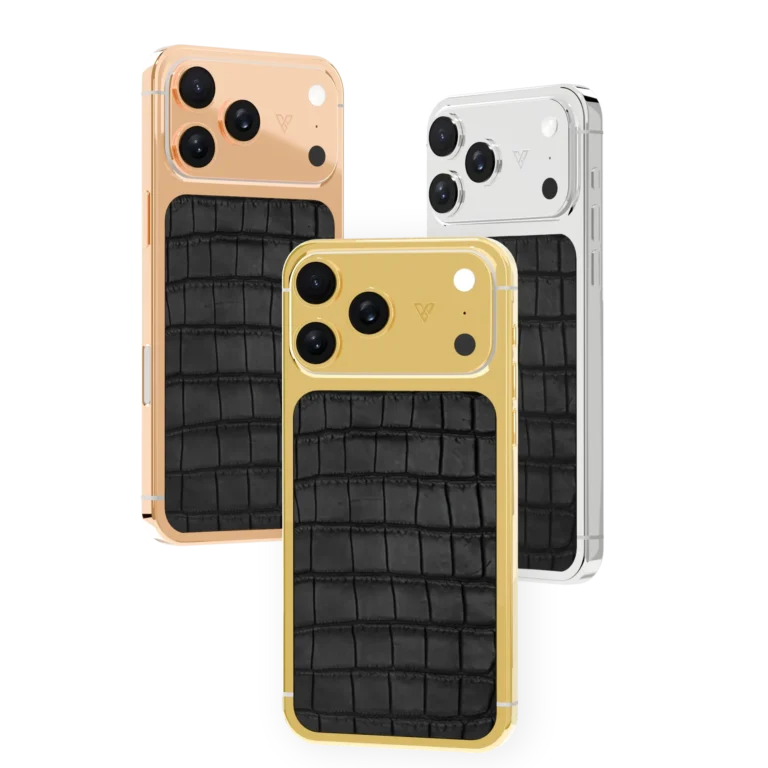
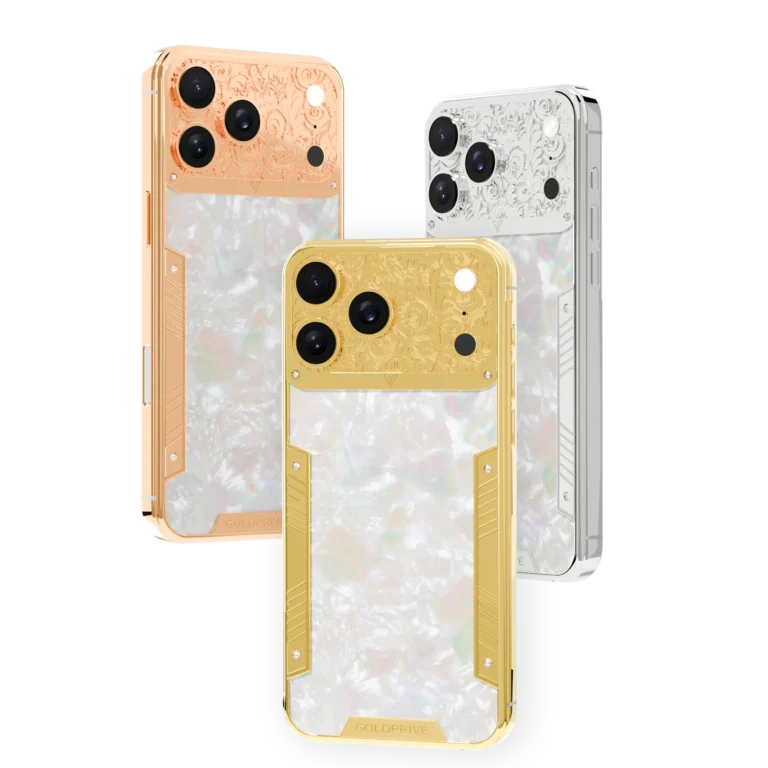
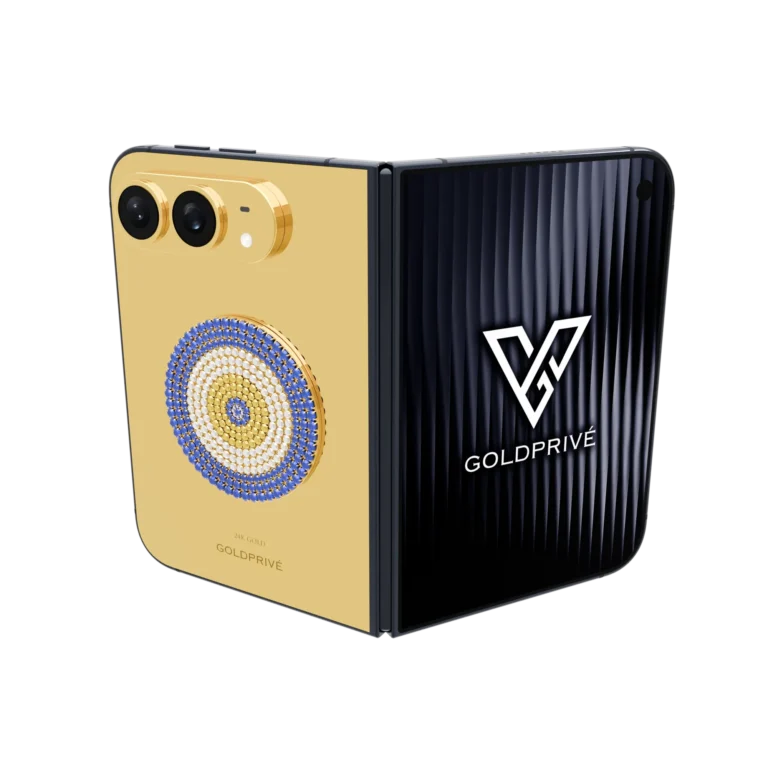
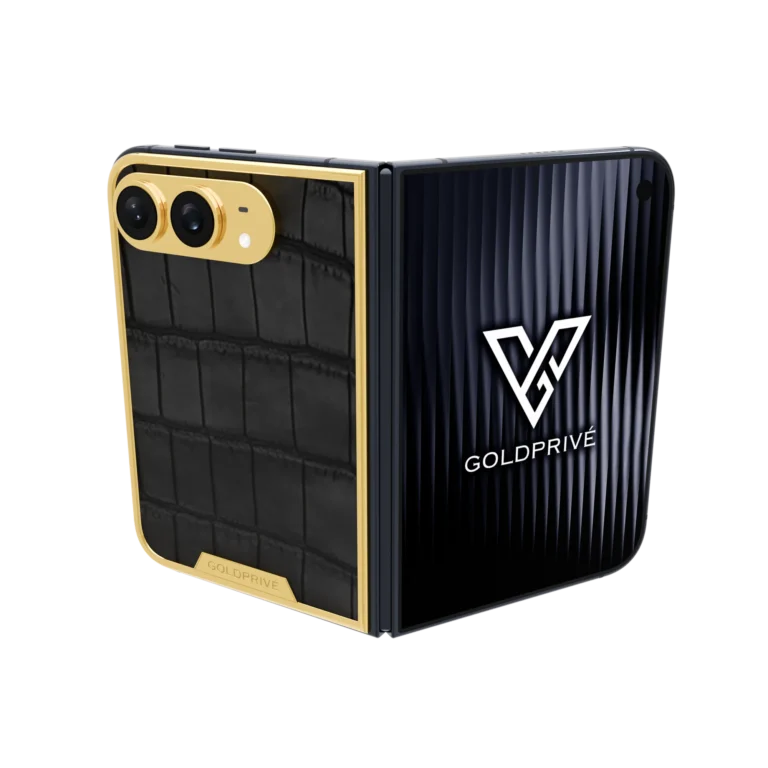
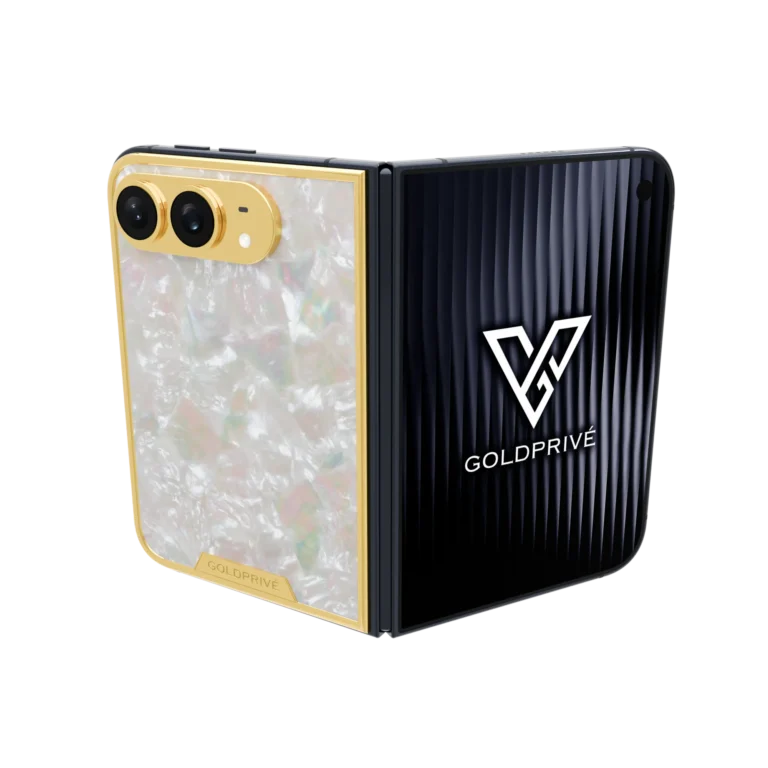
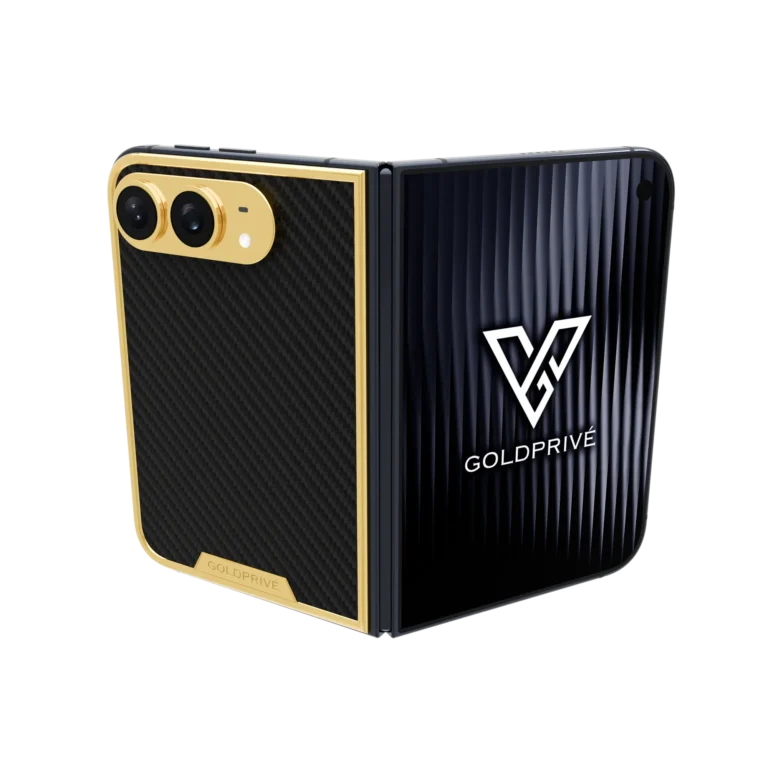
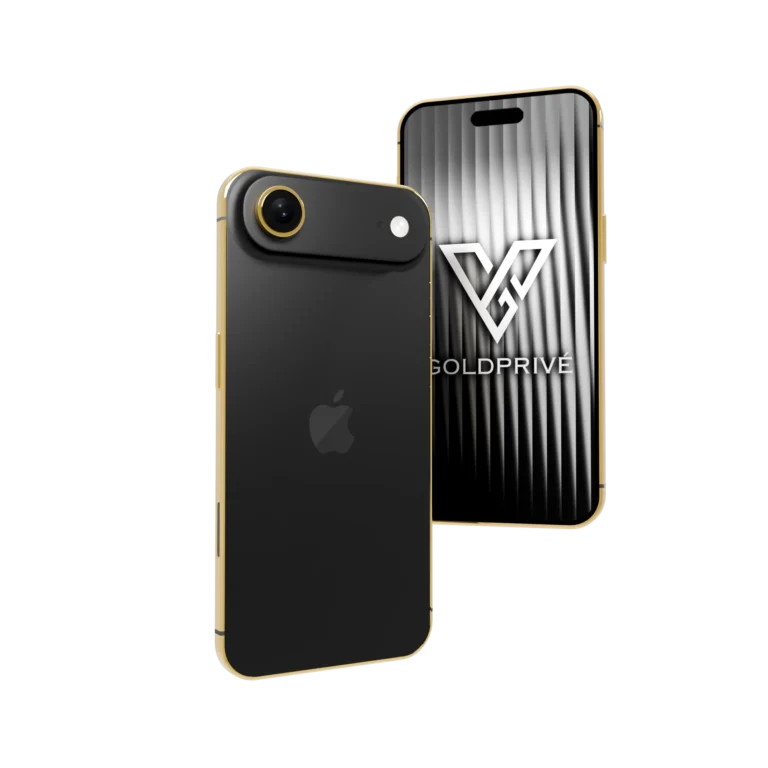
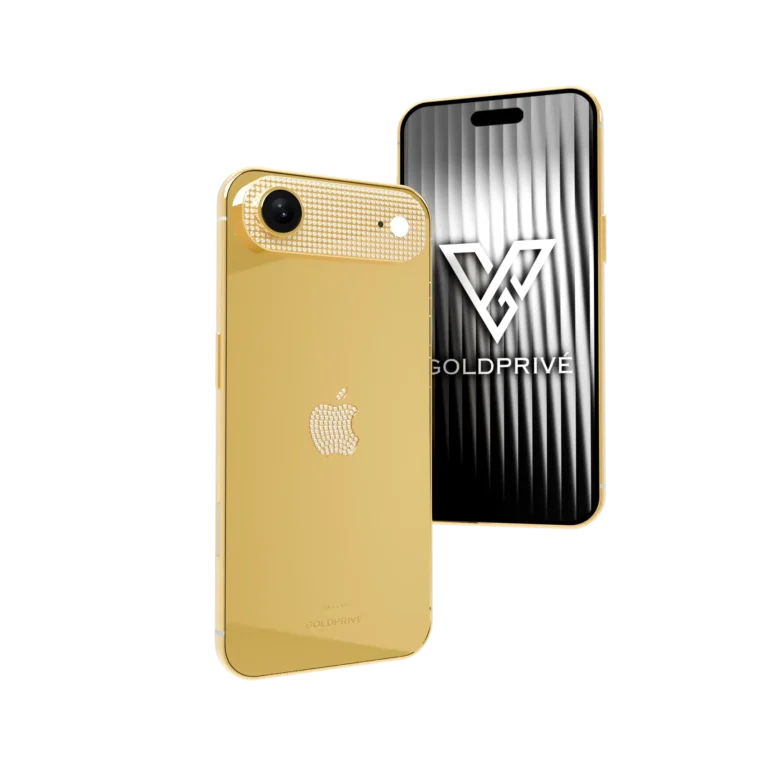
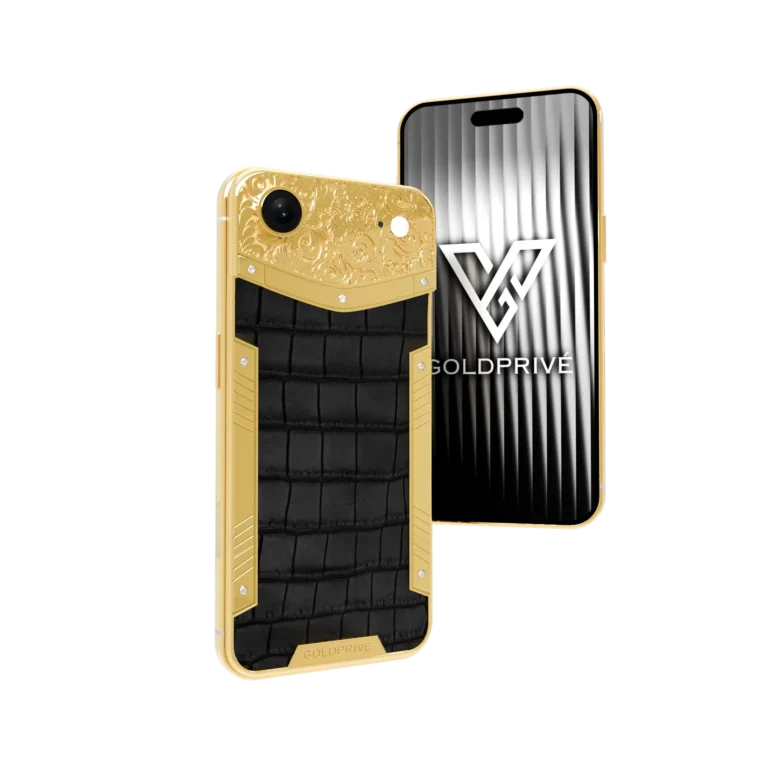
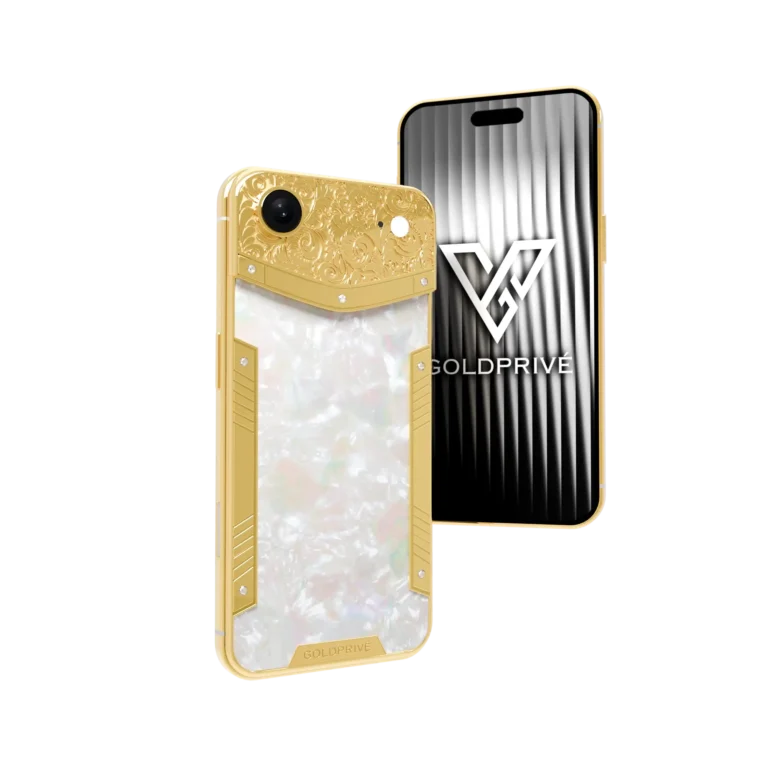
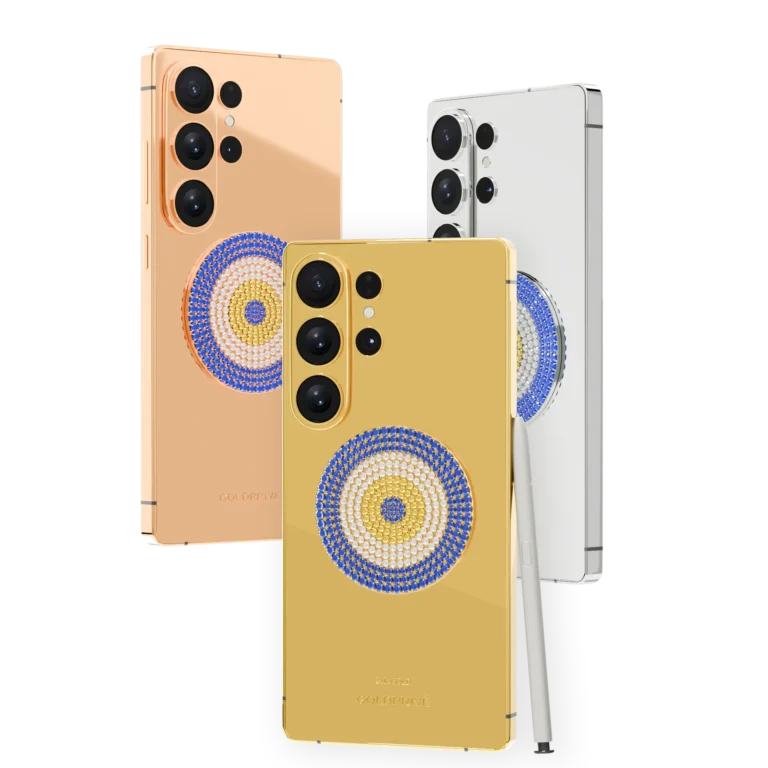
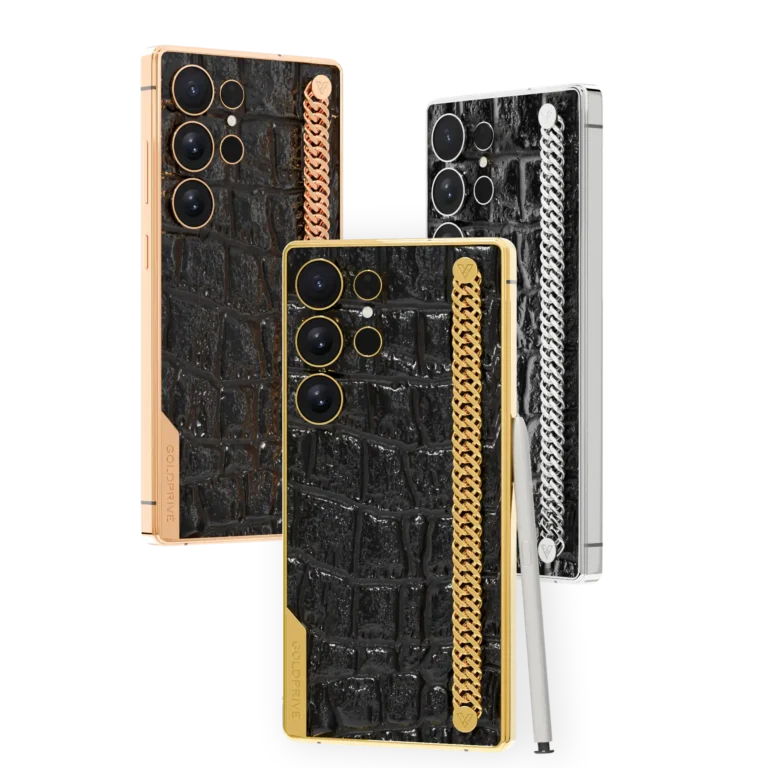
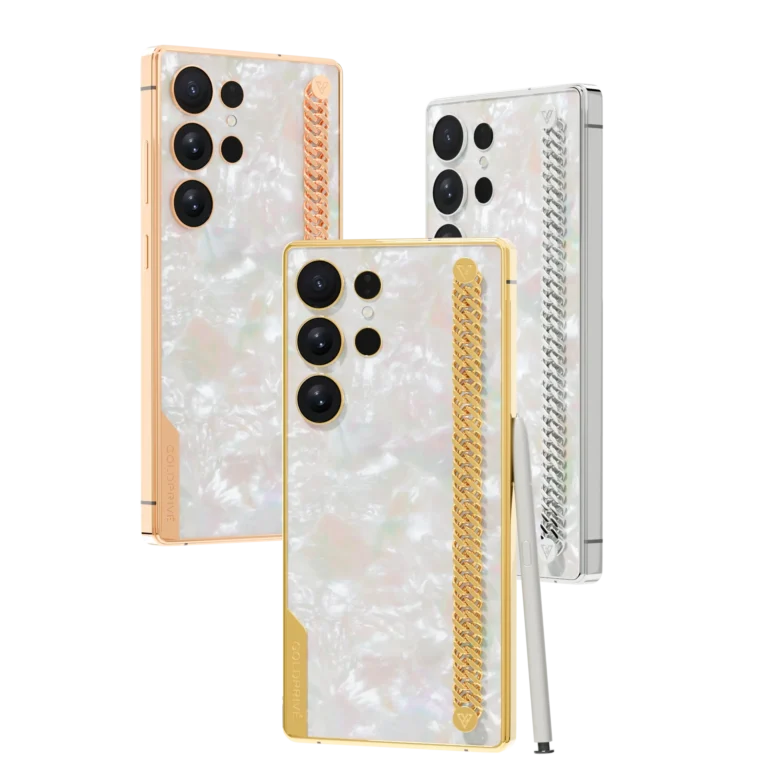
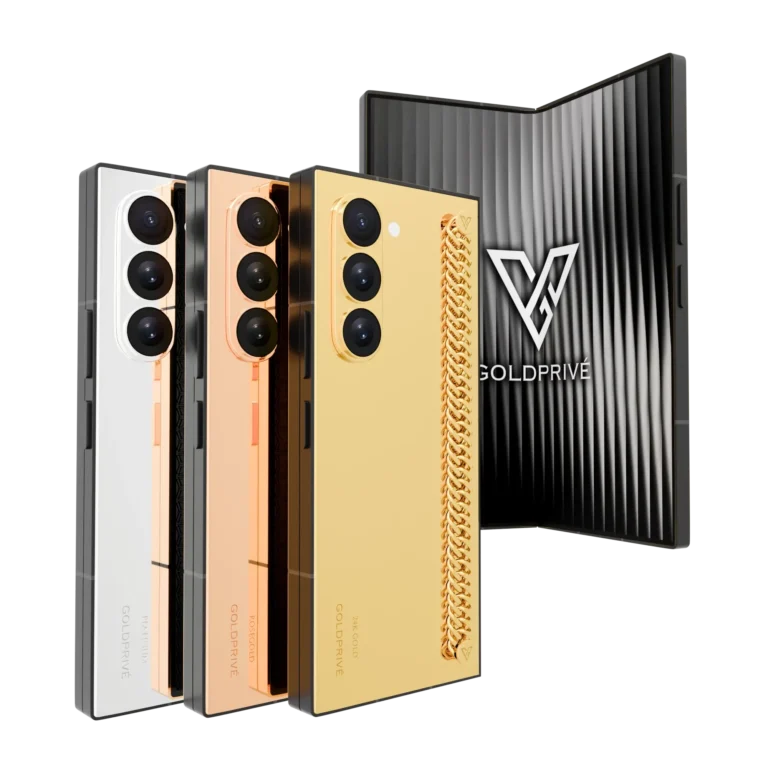
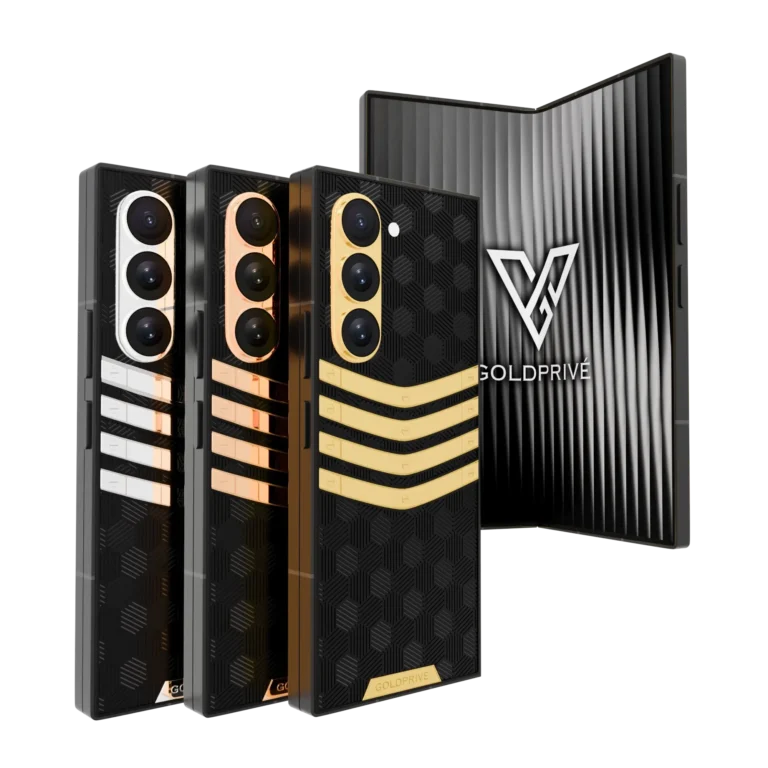
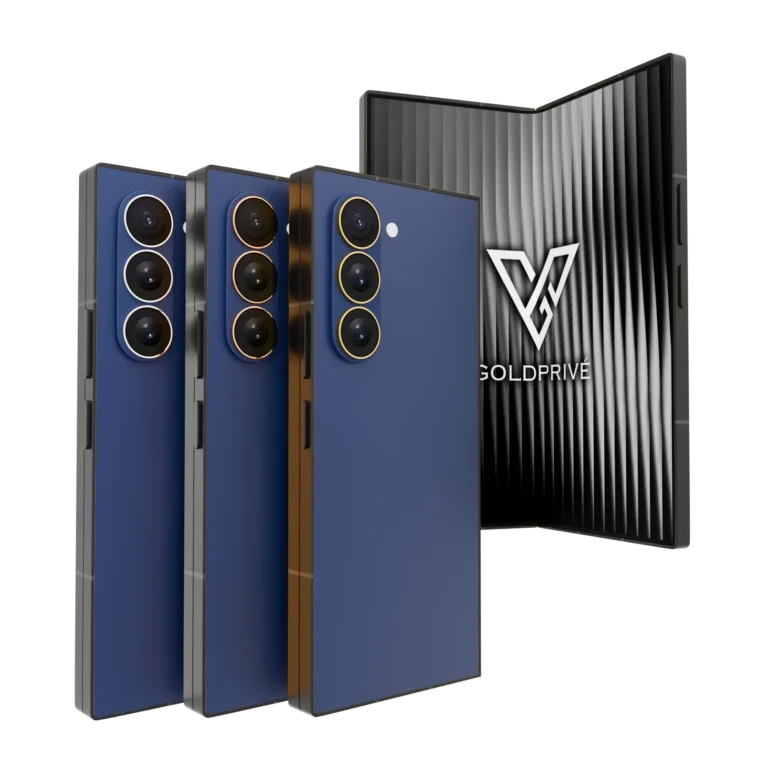
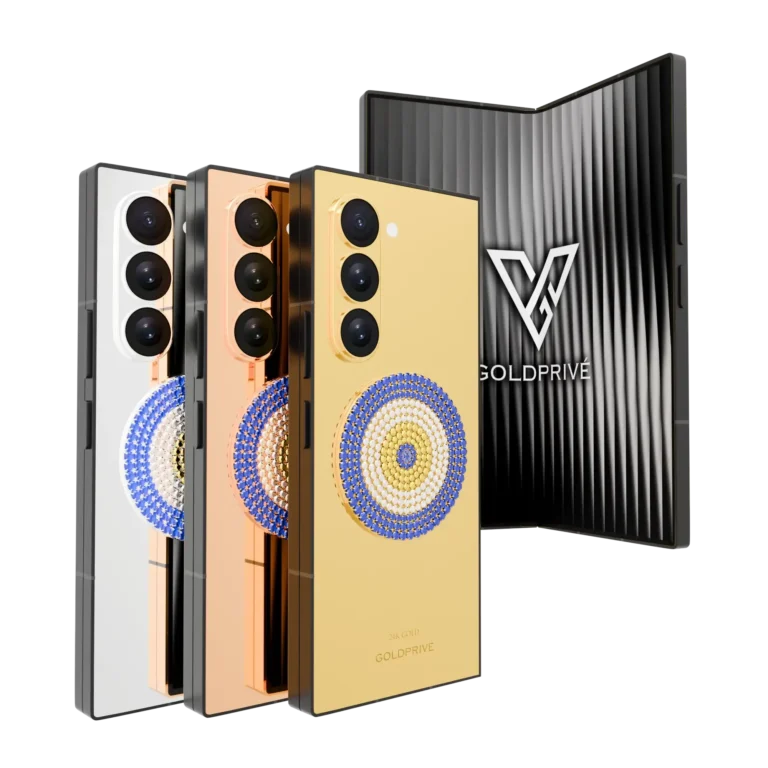
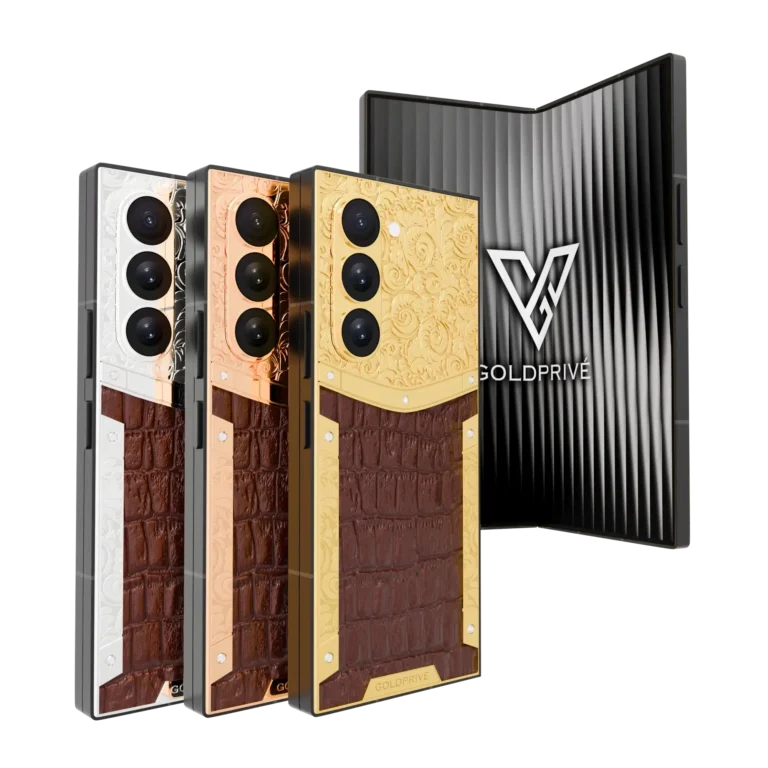
Every GoldPrivé edition is individually prepared, finished and inspected before delivery. Clients can choose from precious-metal finishes, gemstone detailing, natural materials and personalised design options.

24K Gold
Signature precious-metal finishes
Dubai
Showroom and craftsmanship
Bespoke
Personalised design options
Worldwide
International delivery

The Market at a Glance

The Three Tiers of Luxury Phone

Almost every luxury phone sold today falls into one of three tiers. Knowing which one you are looking at explains most of the price difference before you compare a single design.

01

Bespoke Flagship Editions Most Common

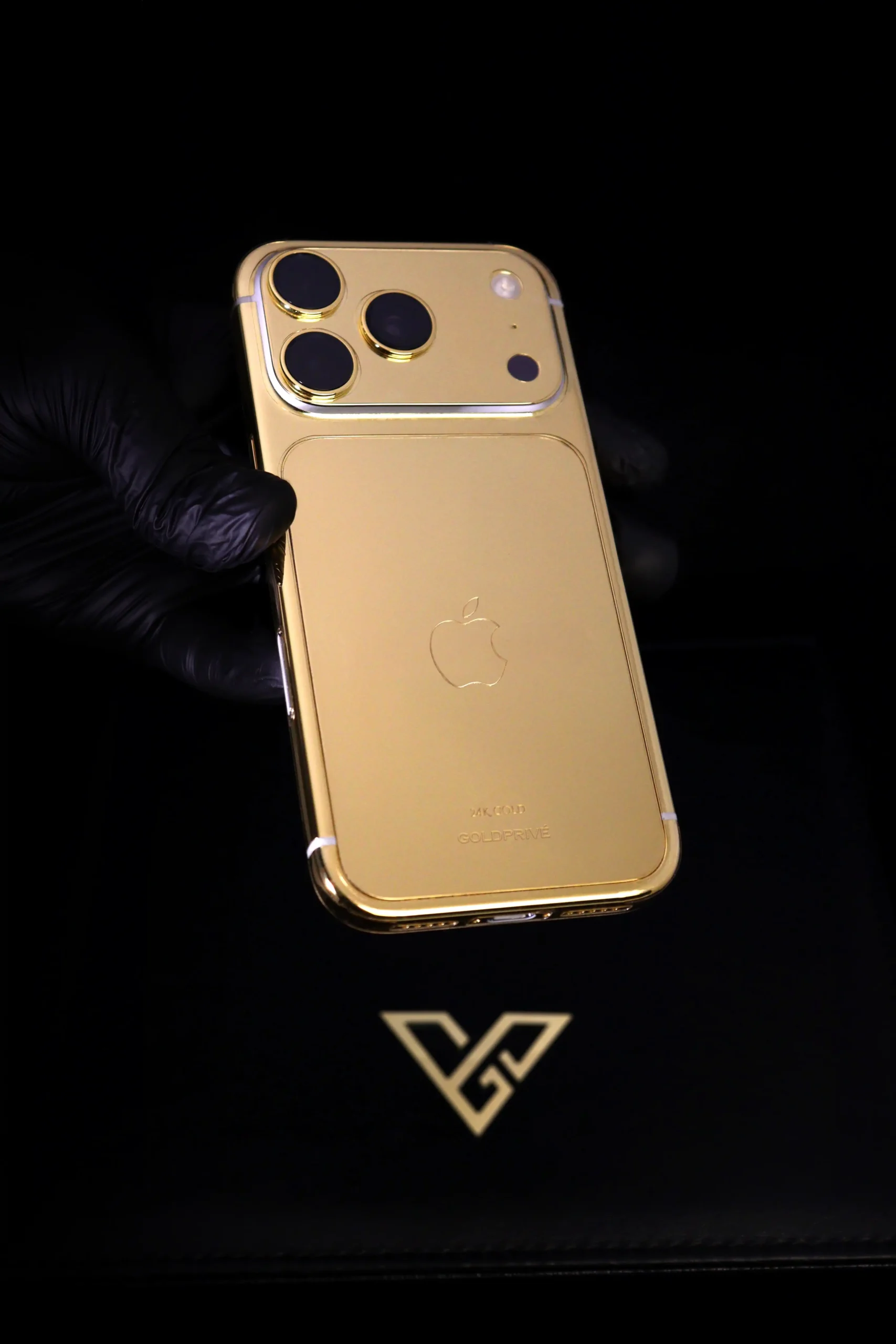
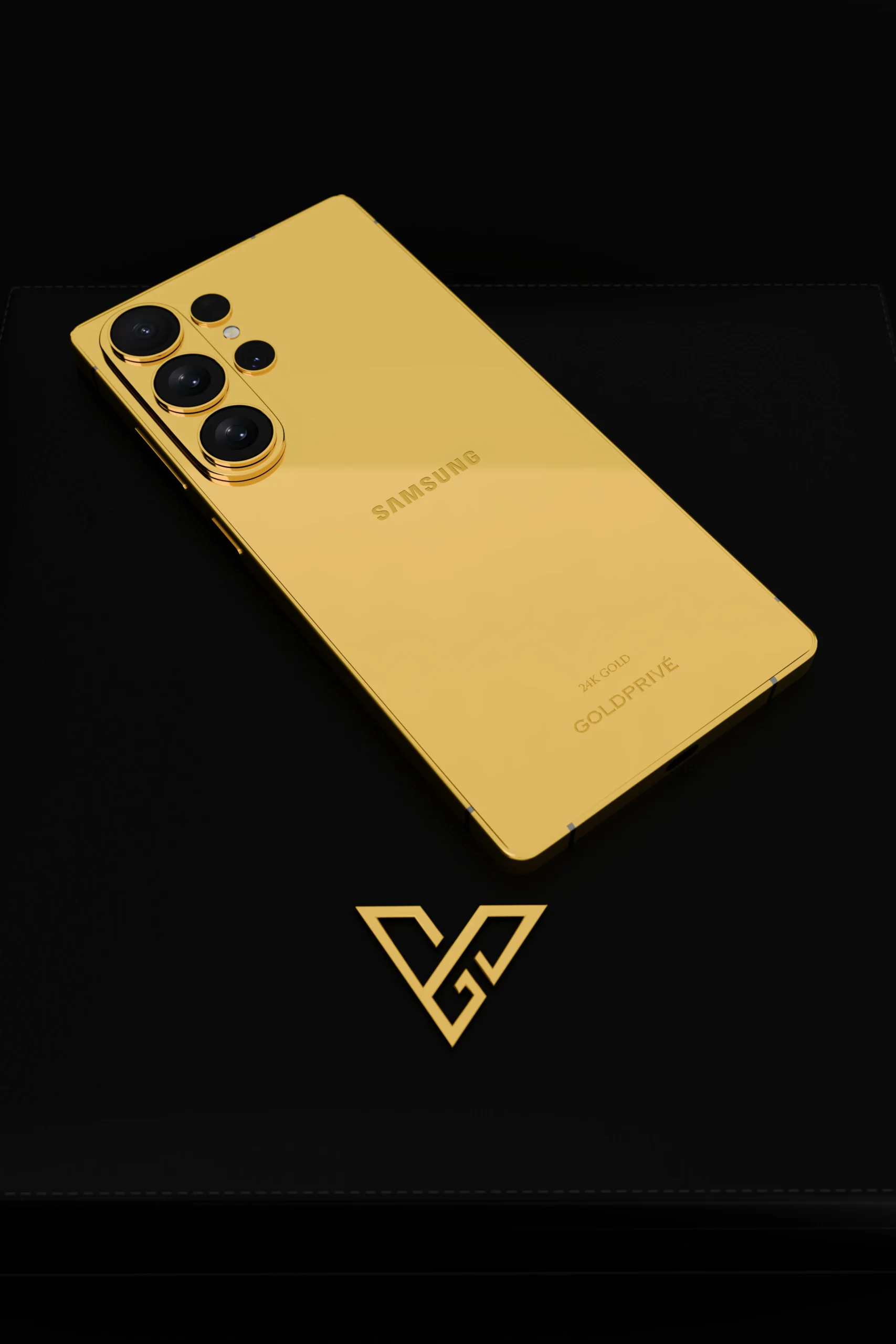
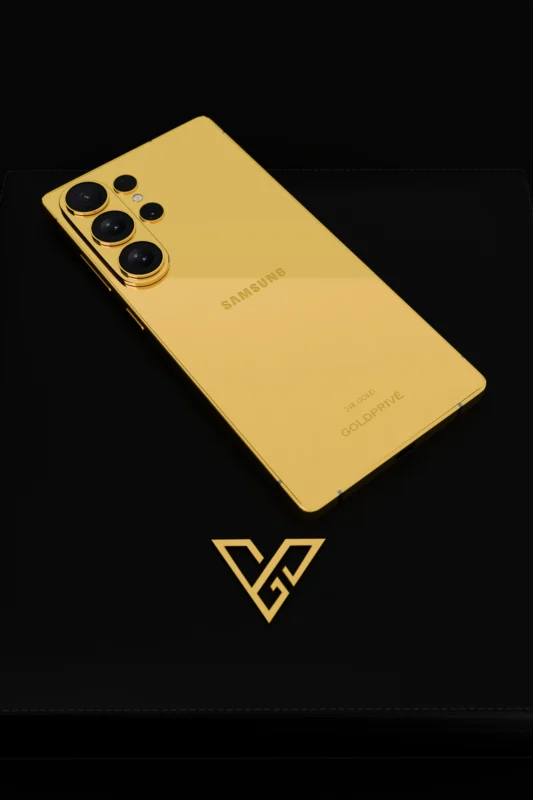
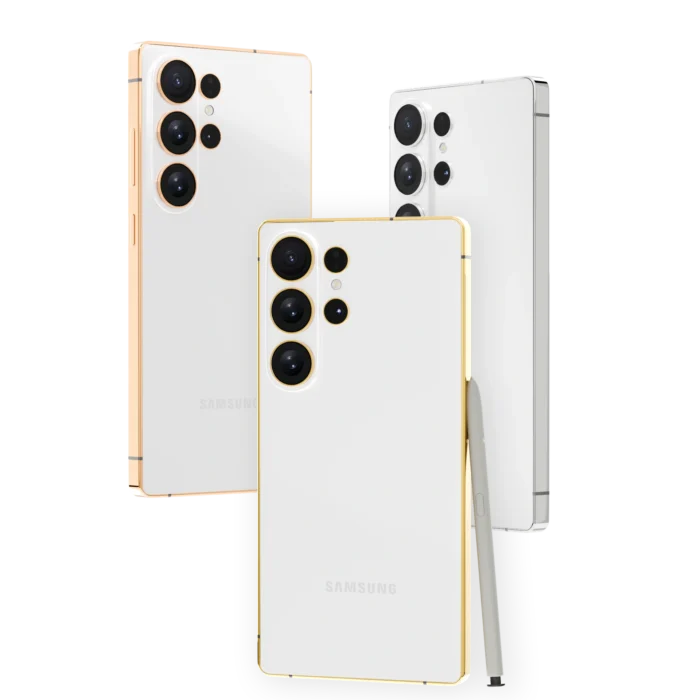
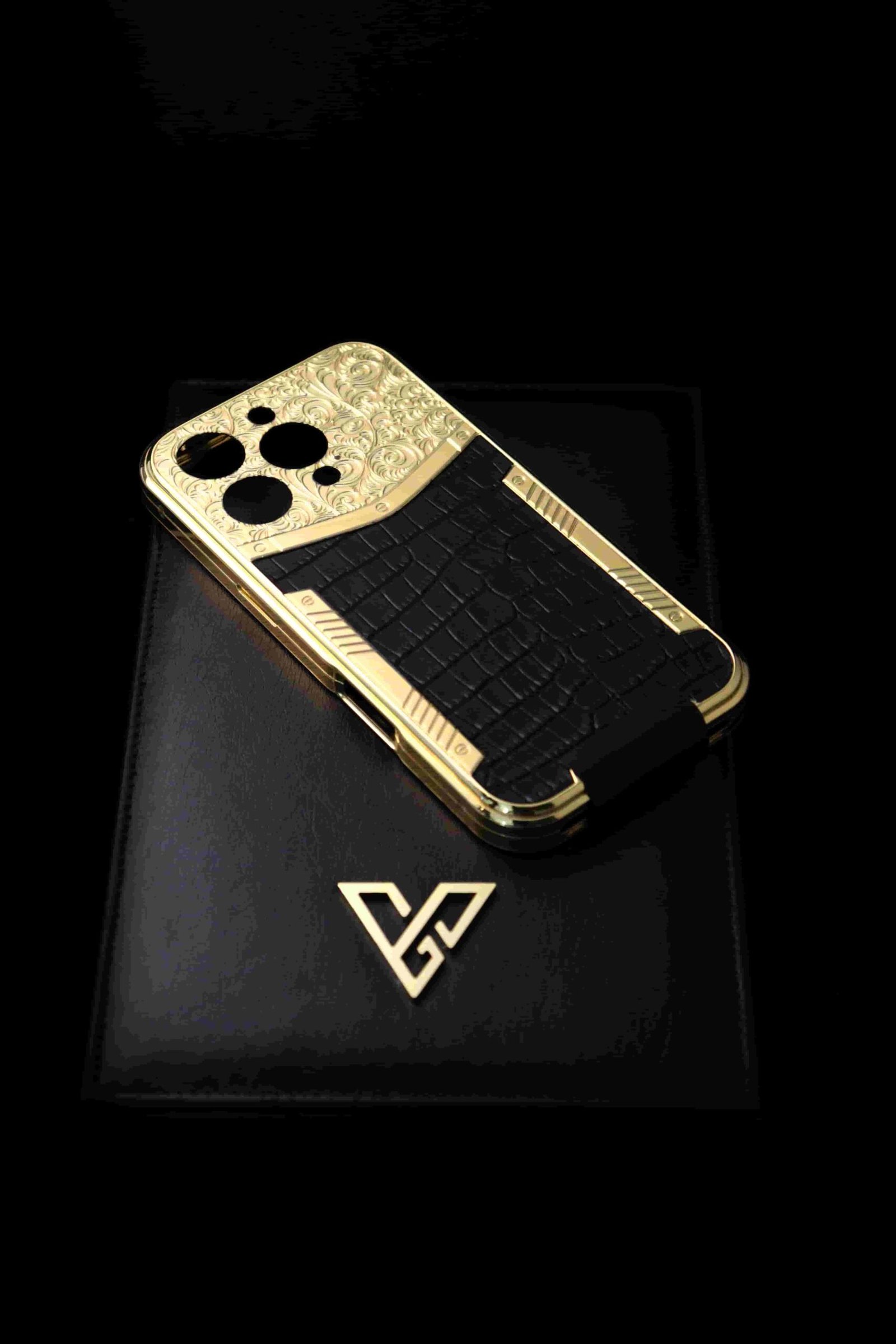
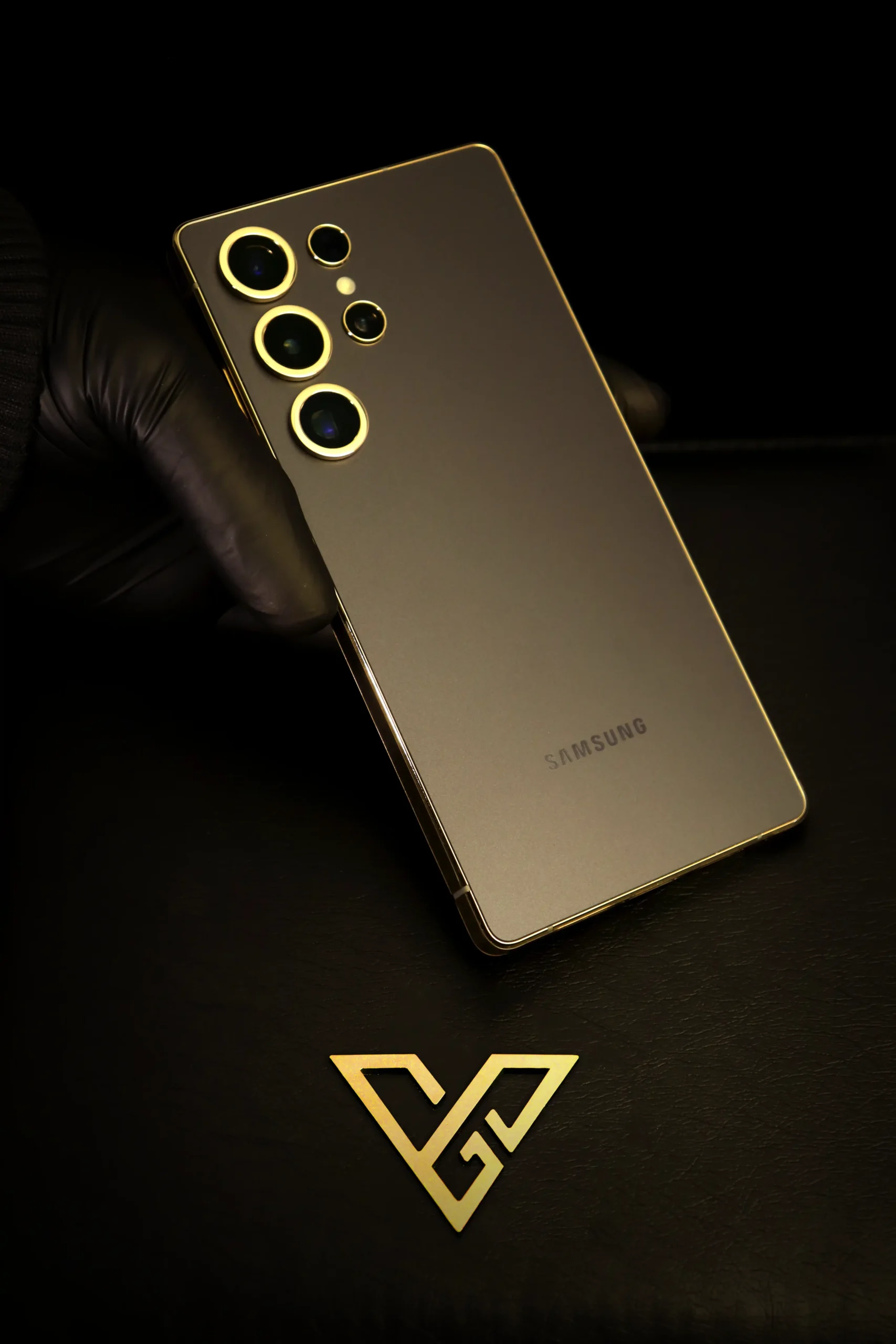
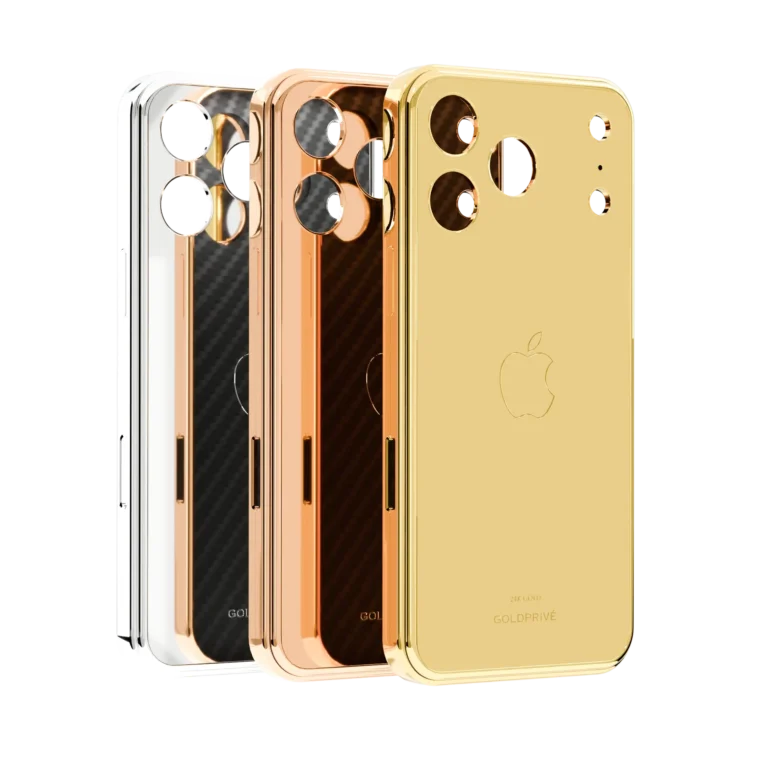
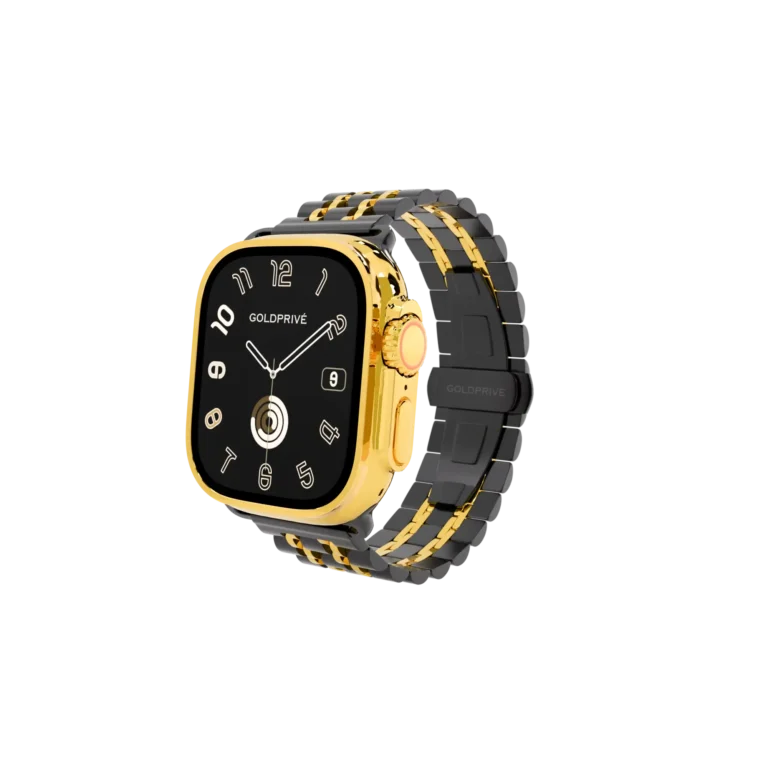
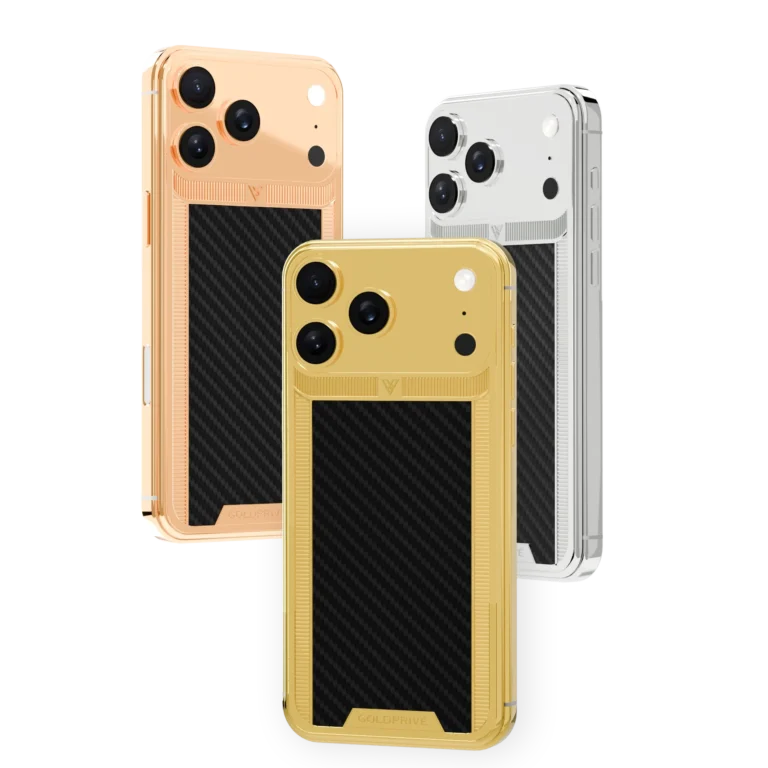
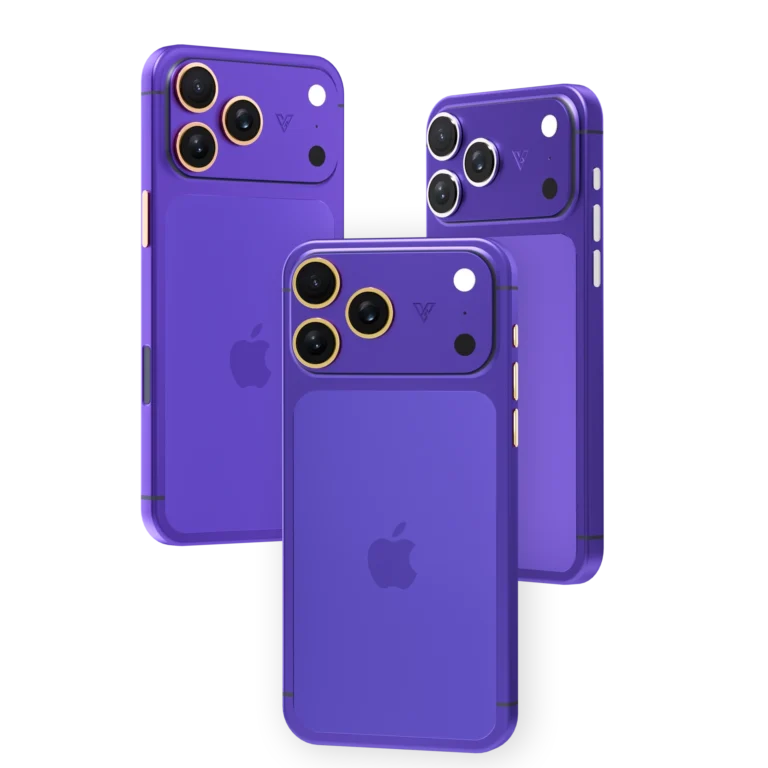
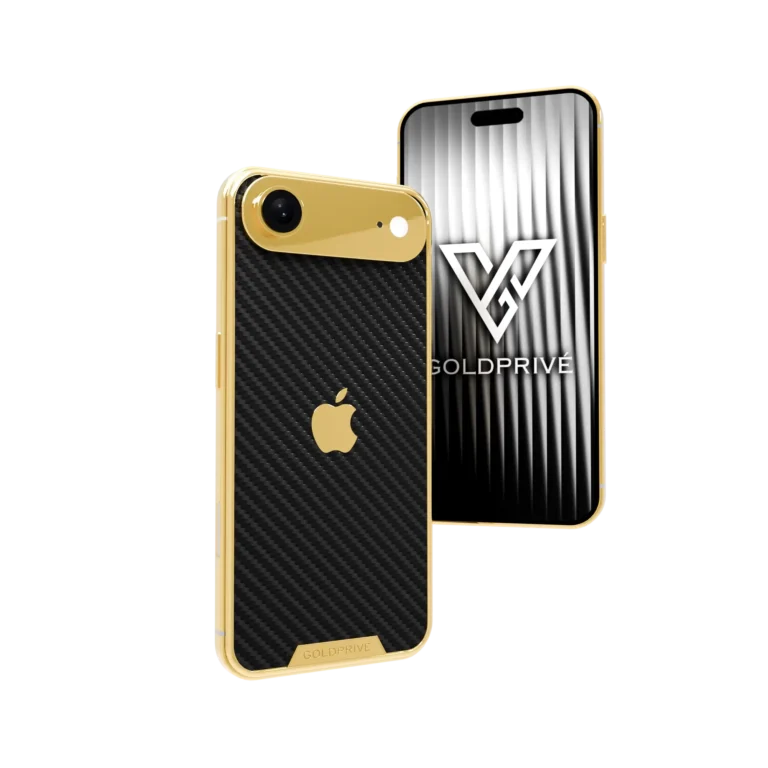
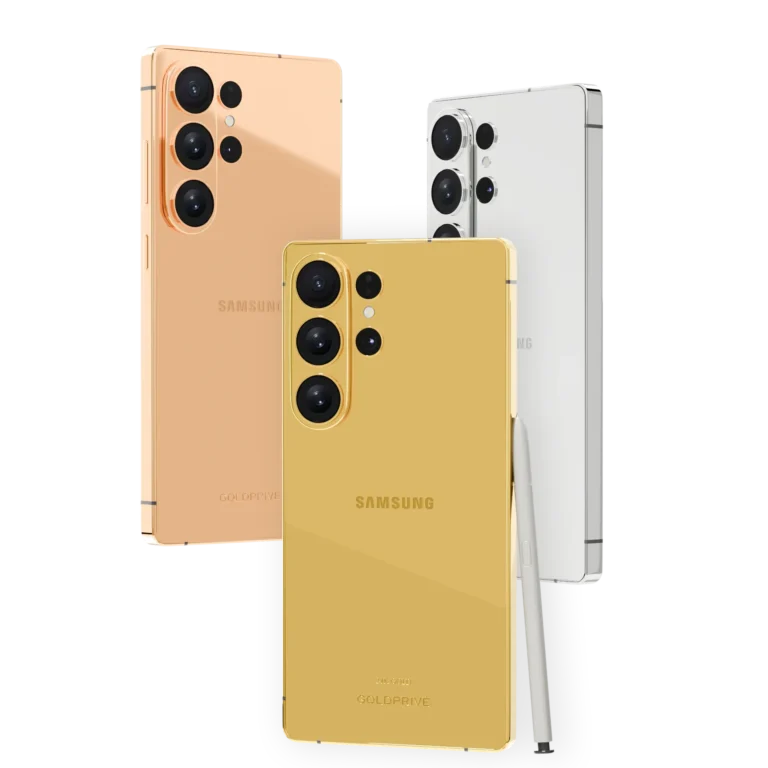
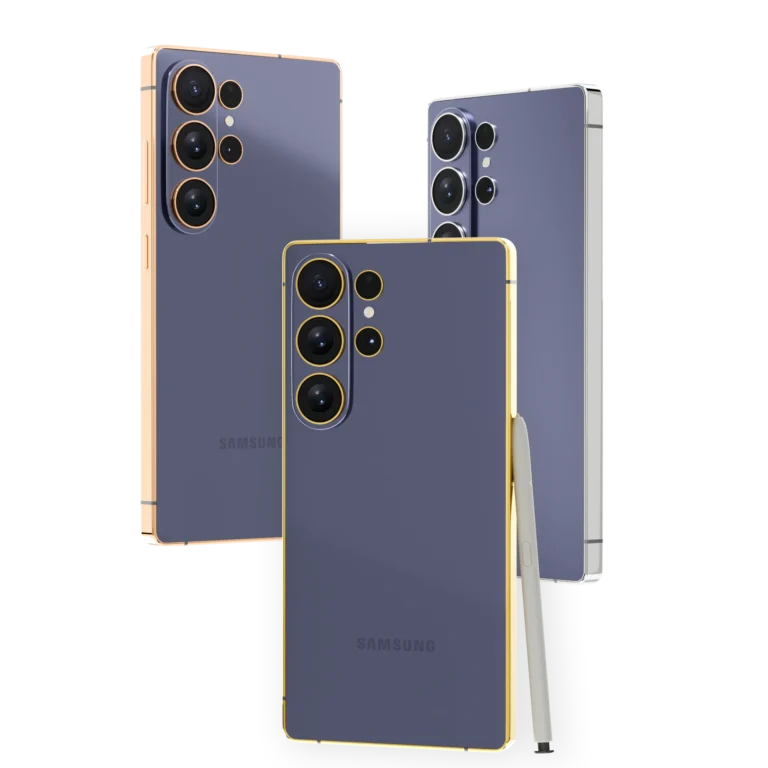
A current iPhone or Samsung flagship, bought at retail, then plated in 24K gold, rose gold or platinum and finished with inlays or stones by a specialist atelier.

Full flagship performance and updates · Real precious metal, plated 5–7 microns · Typically $1,500–$7,000

GoldPrivé: from $ 3,010
See the Collections
02

Solid Gold & Diamond Editions Highest Material Value

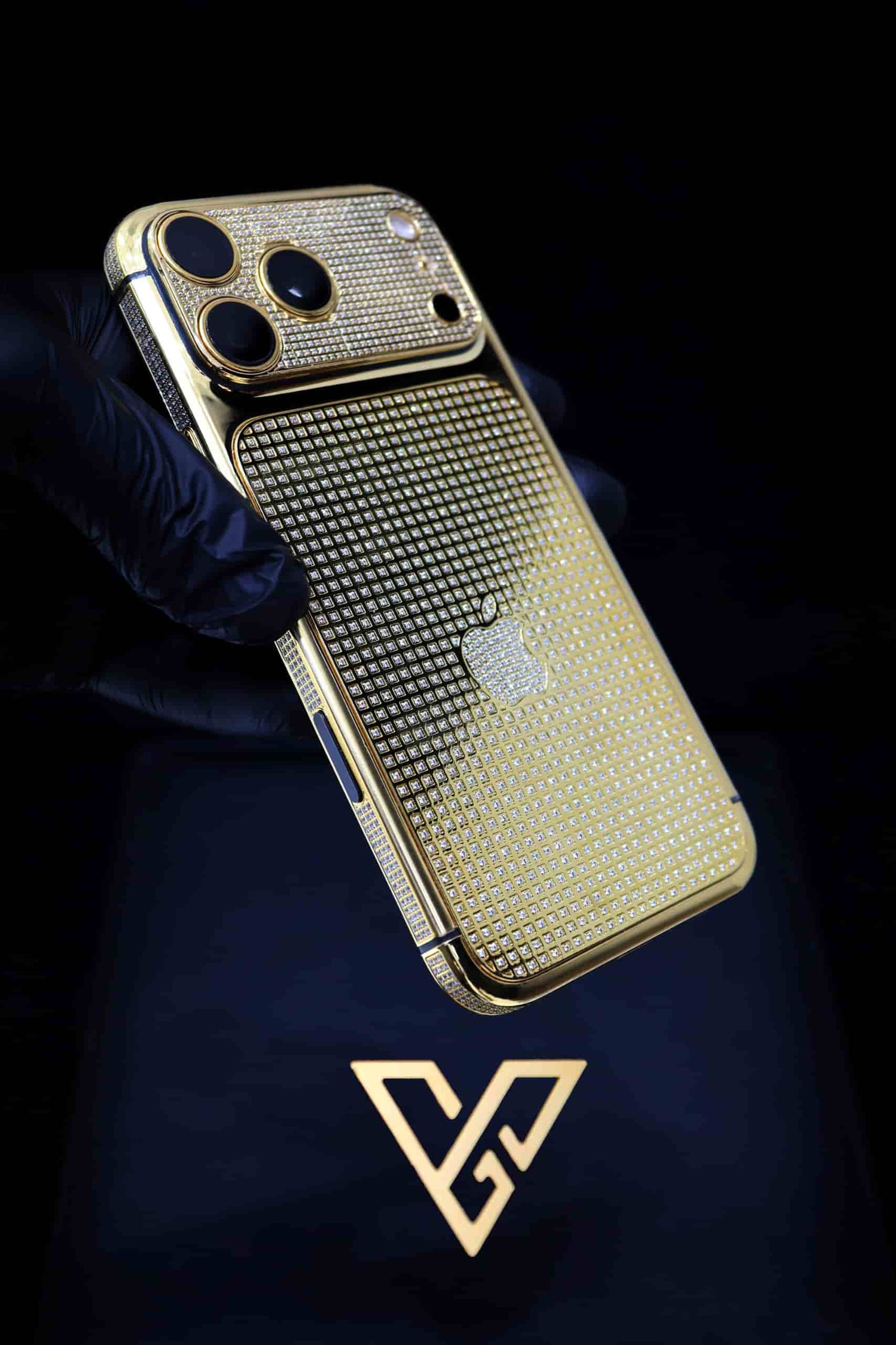
The same flagship internals in a housing cast from 18K gold, often with VS-grade diamonds or precious stones set by hand. Priced on metal and stone content.

Cast 18K gold housing · Diamond and gemstone settings · Typically $15,000–$25,000, bespoke pieces higher

GoldPrivé: from $ 16,220
See Solid Gold iPhone
03

Luxury-Brand Handsets

Marques that design their own phone rather than finishing someone else’s: hand-built cases, sapphire glass, leather, concierge services. Hardware often trails the flagships.

Own design and hardware · Concierge and membership extras · Wide range, from a few thousand dollars to six figures

Priced by the brand
Read the Comparison
04

Luxury Phone Cases Reversible

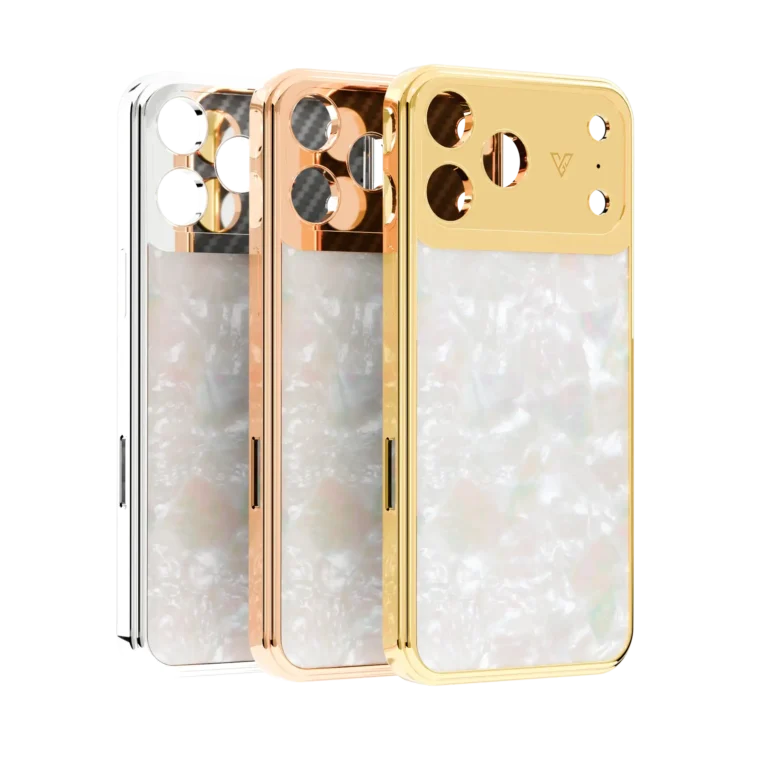
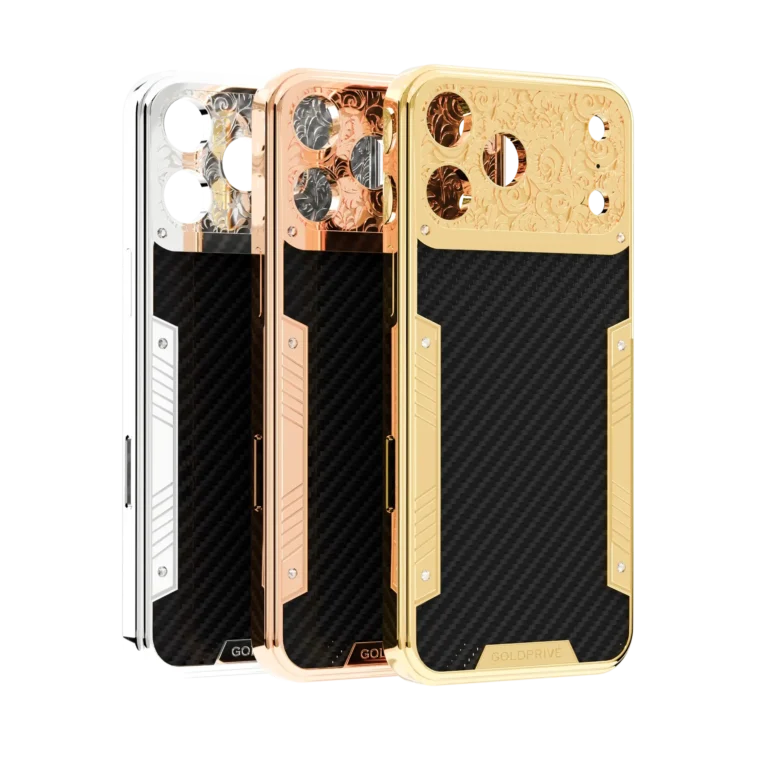
The same metals and inlays as a snap-on case for a phone you already own. The entry point for most first-time buyers.

No change to the phone · Moves between devices · Typically $1,000–$2,500

GoldPrivé: from $1,390
See Gold Cases

Typical ranges are broad industry figures in USD and vary by device, capacity and finish. GoldPrivé prices are the starting points of our own collections. Request a bespoke quotation.

The Guide

How to Judge a Luxury Phone

The luxury phone market has existed for a quarter of a century and has settled into recognisable tiers, materials and price bands. What follows is a practical way through it: what the tiers are, which materials hold value, what things cost in 2026, why Dubai matters, and what to check before you commit.

01

What Makes a Phone a Luxury Phone

Price alone does not do it. A top-capacity iPhone 18 Pro Max or Galaxy Z Fold8 Ultra costs well over $2,000 and is a premium object, but it is mass-produced and identical to a million others. Luxury phones are defined by three things that mass production cannot provide: materials with intrinsic value, hand-finishing that makes each unit slightly different, and provenance that can be verified. A fourth, less obvious criterion is that a luxury phone should not force its owner to accept worse technology. The best examples keep the flagship inside intact and change only what the hand touches.

02

The Three Kinds of Luxury Phone

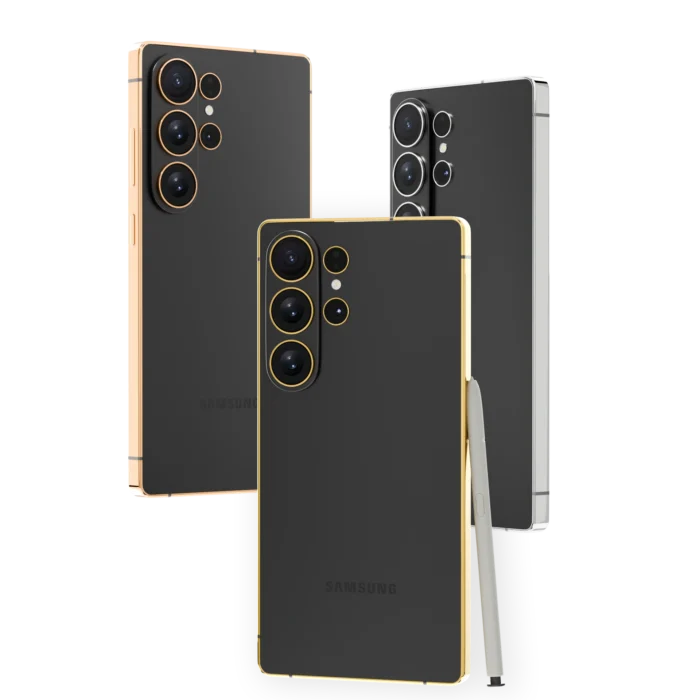
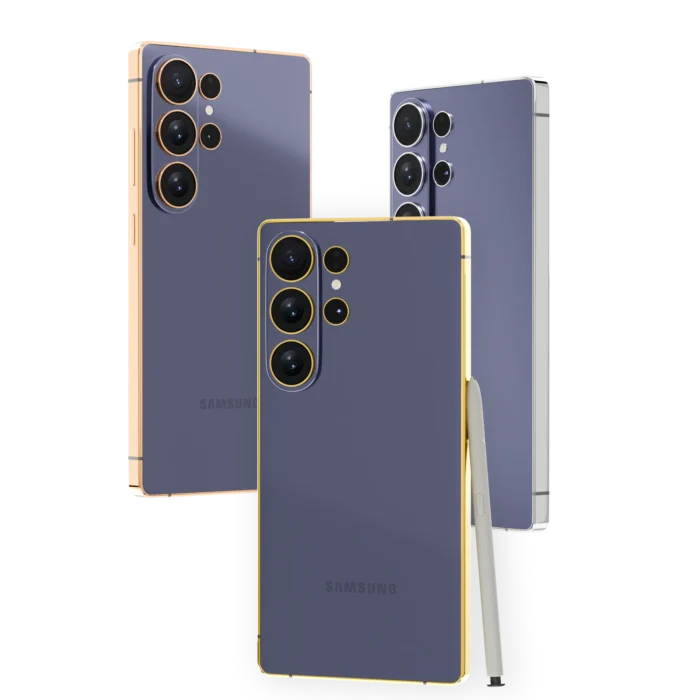
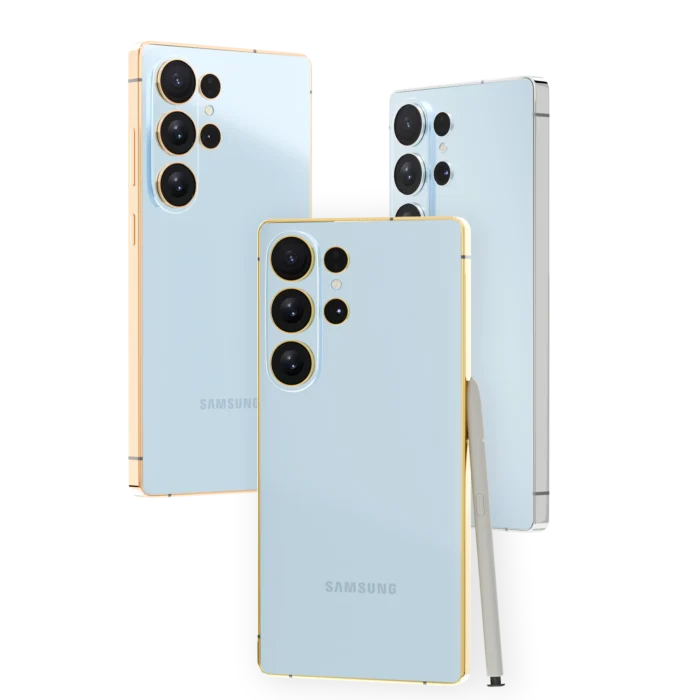
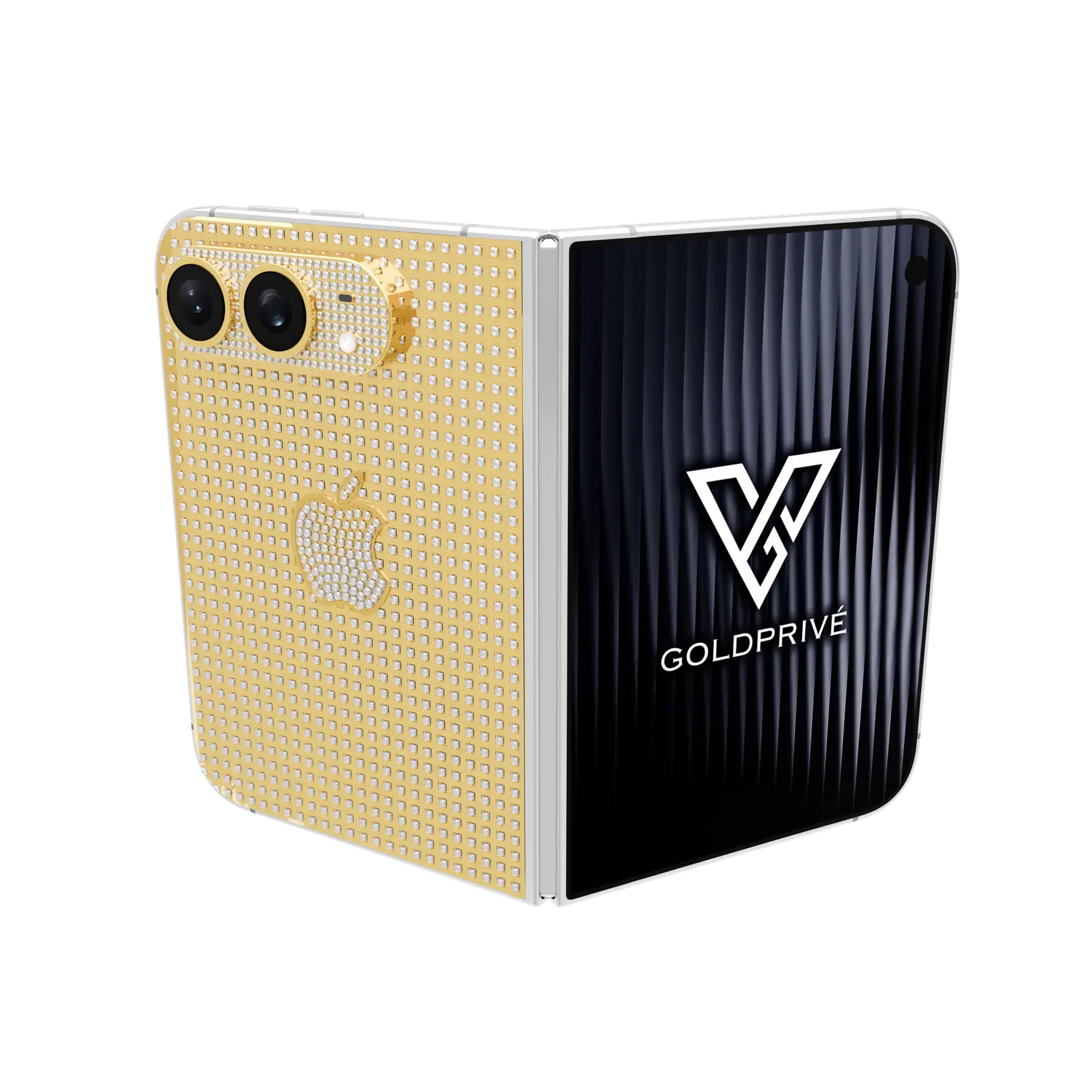
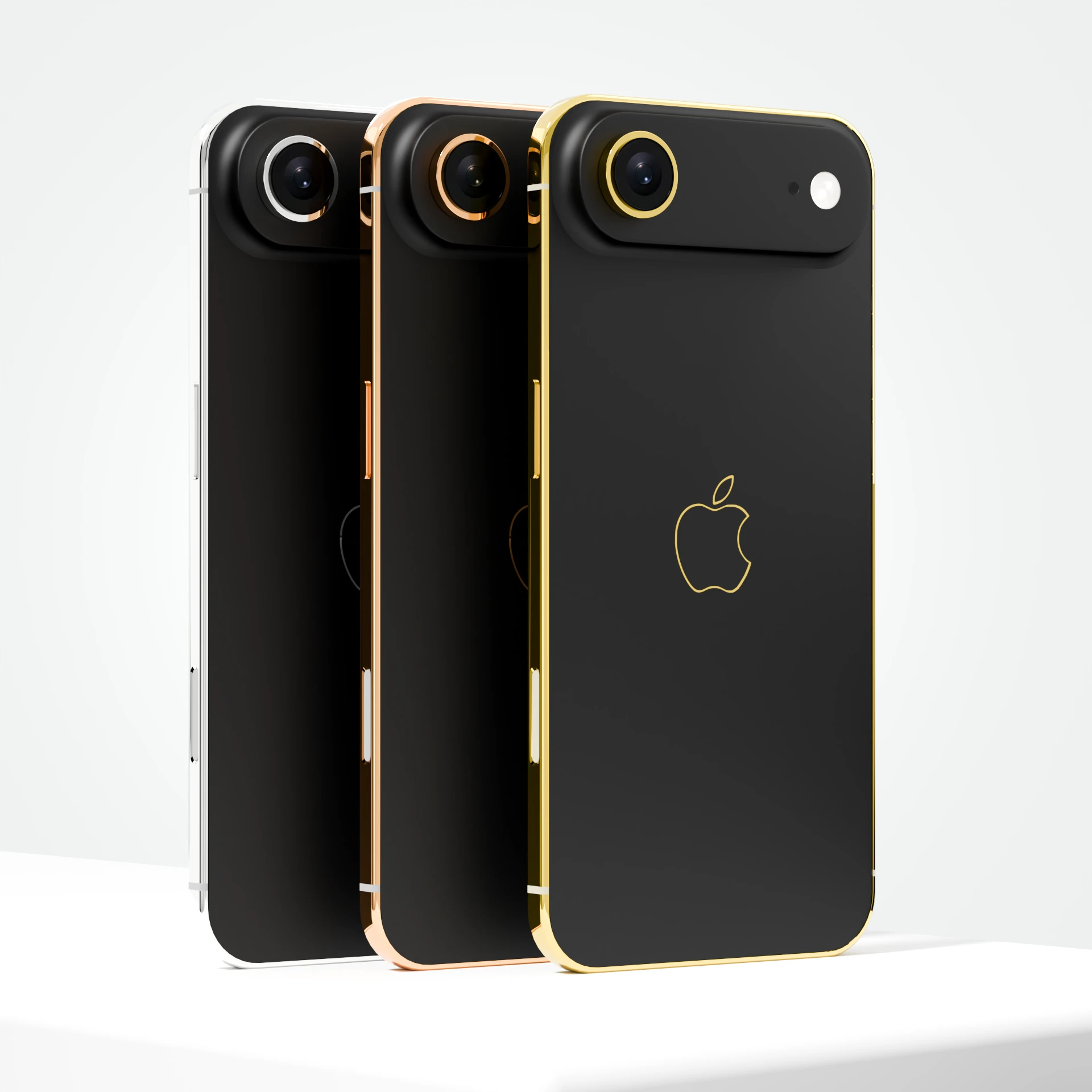
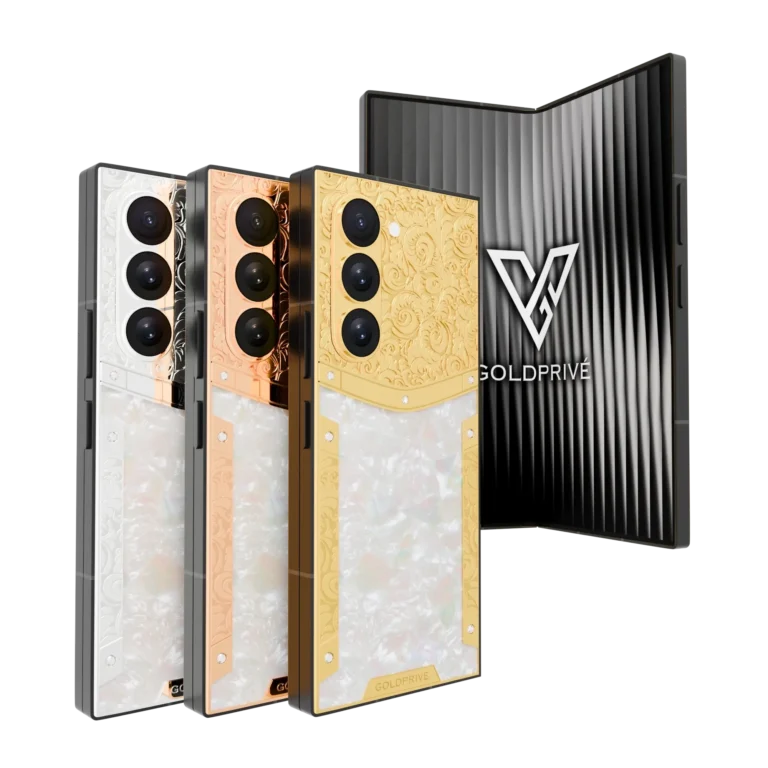
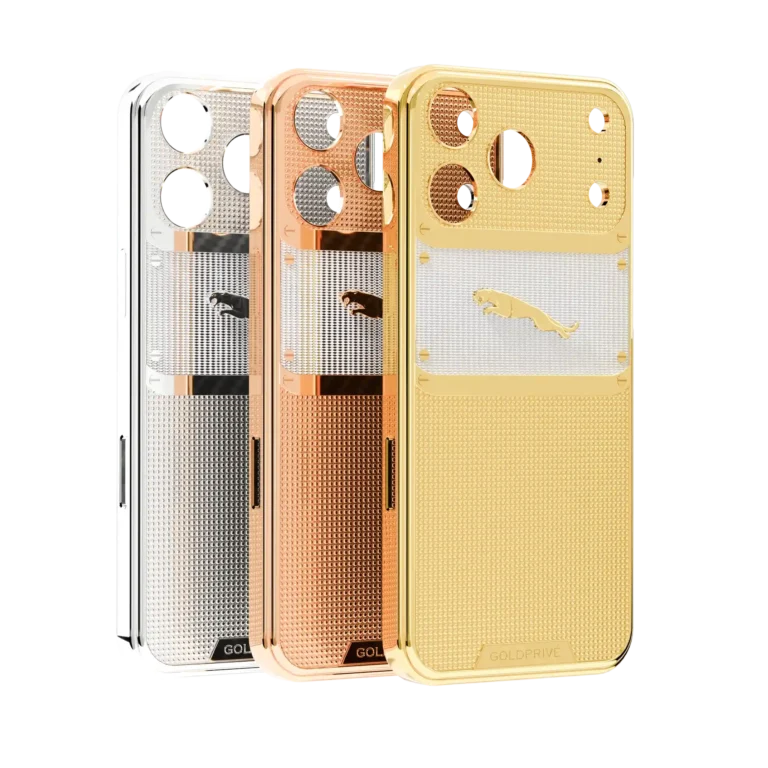
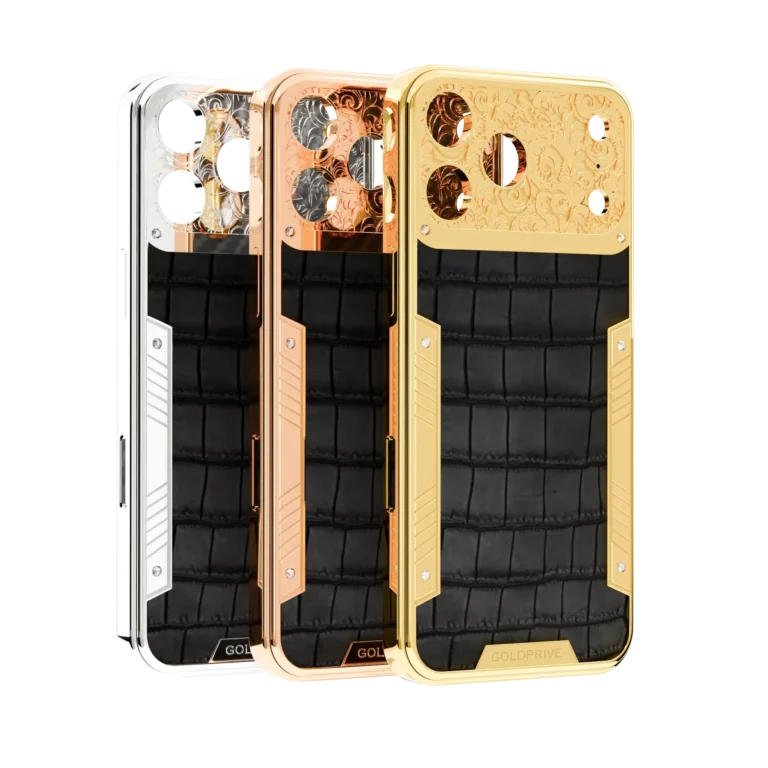
Bespoke flagship editions are the largest part of the market today. A specialist atelier buys a current Apple or Samsung flagship at retail, disassembles it, plates the housing in 24K gold, rose gold or platinum, adds inlays or stones, engraves it if the client wishes, and rebuilds it. GoldPrivé works this way, as do most established customisers. The owner gets a genuine iPhone or Galaxy with the full performance, camera system and software support of the retail device, in a finish no factory offers. This is also the tier where the range of luxury phones is widest, because every new flagship generation brings a new canvas.

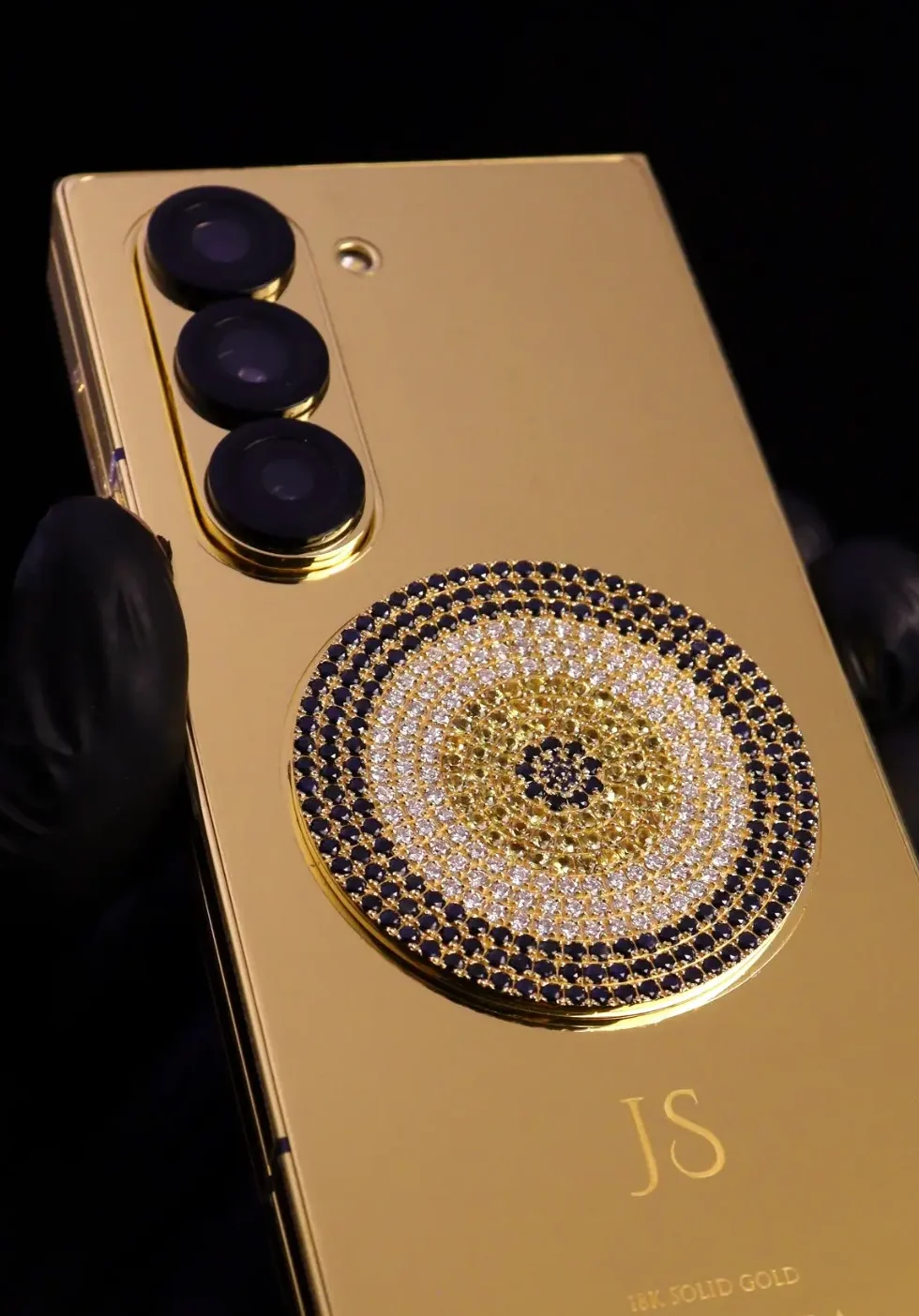
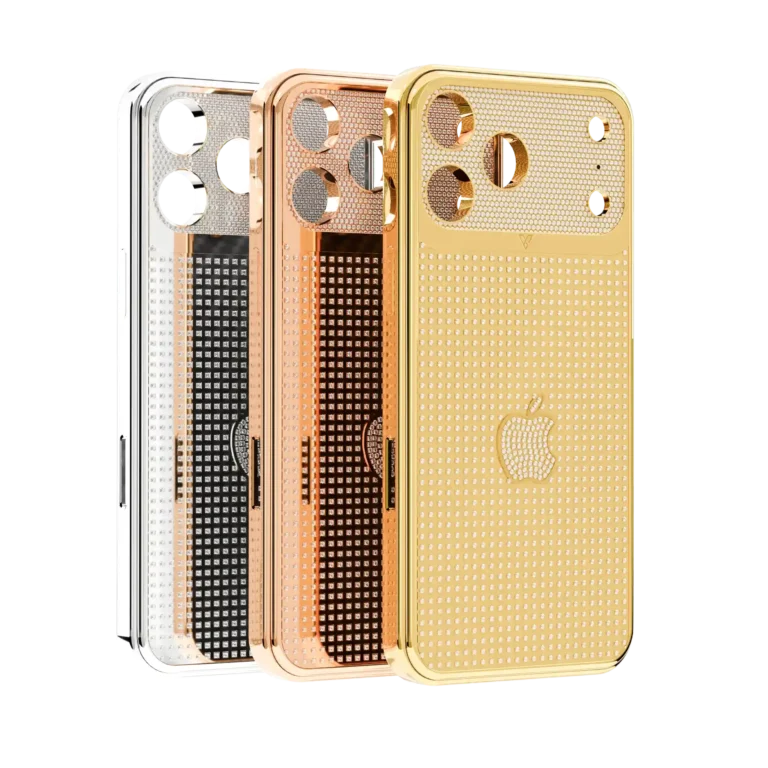
Solid gold and diamond editions take the same flagship internals and house them in metal that is structural rather than a surface. An 18K gold housing is cast and machined to accept the original components; diamonds and precious stones are set by hand into logos, frames and camera surrounds. These are the luxury phones with the highest material value, and their prices follow the gold and stone content. GoldPrivé’s 18K Solid Gold iPhone 18 Pro & Pro Max line is our own example of the tier.

Luxury-brand handsets are the oldest category. Marques such as Vertu, which began building hand-assembled phones in the late 1990s, design their own devices with sapphire crystal screens, leather, precious metals and concierge services attached to the handset. The appeal is the brand and the object; the compromise is that a bespoke handset made in small numbers rarely matches the camera, chip or software of a current Apple or Samsung flagship. At the far end of this tier sit one-off jewellery pieces from houses such as Goldvish, where the phone is closer to a commissioned artwork than a communication device.

03

Materials That Matter, and Ones That Don’t

The single most useful question to ask of any luxury phone is: what is the gold, exactly? 24K gold plating means real 99.9% gold deposited electrolytically onto the housing; the thickness matters, and 5–7 microns over a barrier layer is a durable finish rather than a flash coat. 18K solid gold means the housing itself is a 75% gold alloy. Rose gold is a gold alloy with more copper; platinum is a white metal with its own value. All four are legitimate luxury materials.

What does not count is a gold-coloured coating. Apple and Samsung both sell “gold” colourways that are tinted anodising or PVD over aluminium or titanium; several low-priced “luxury” sellers use the same trick with a logo added. If a listing does not say how many microns of gold are applied, or does not say the word “plated” or “solid” at all, assume it is a coating. Our comparison of 24K gold versus 18K gold iPhones goes deeper on the metallurgy.

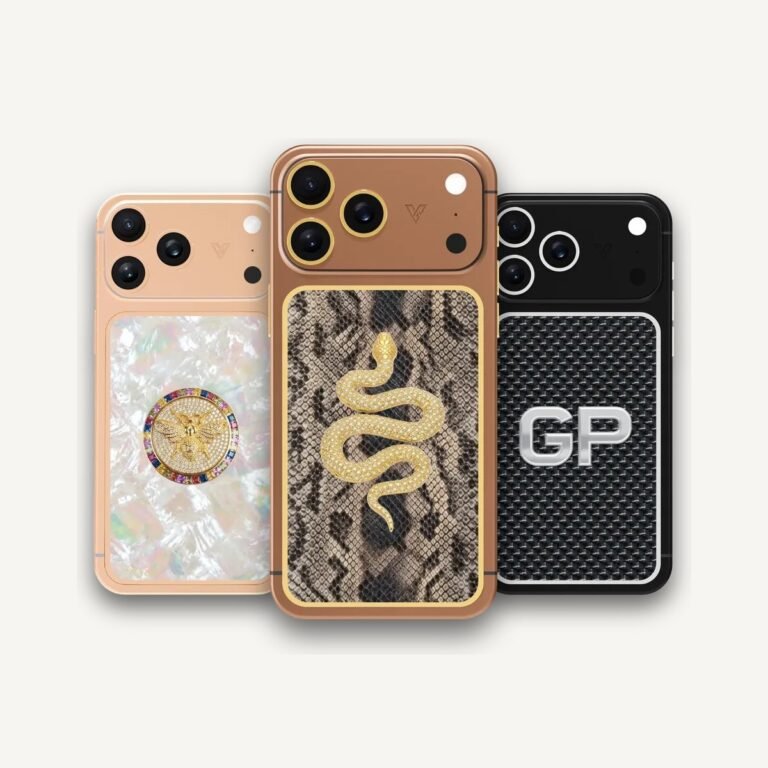
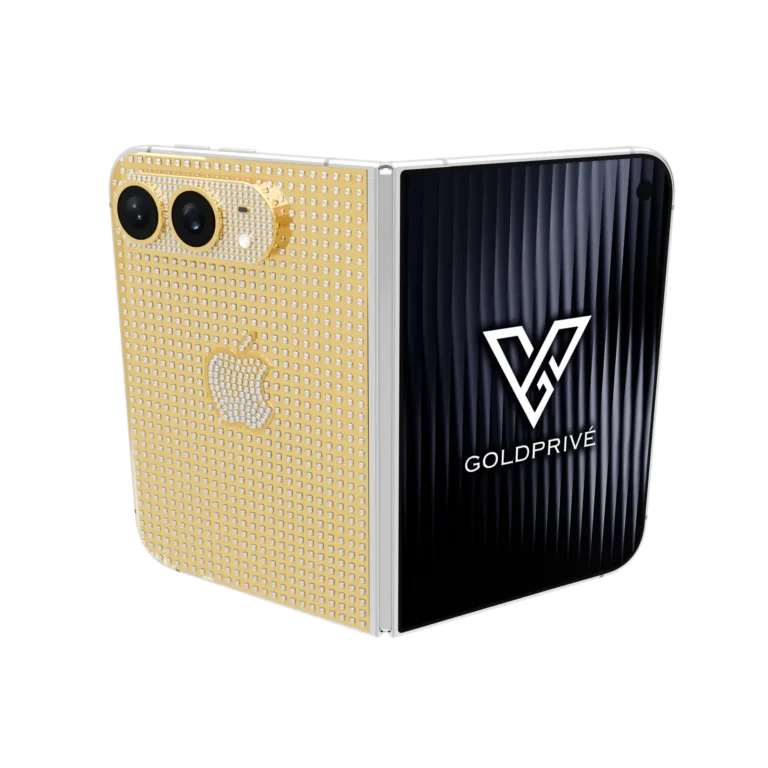
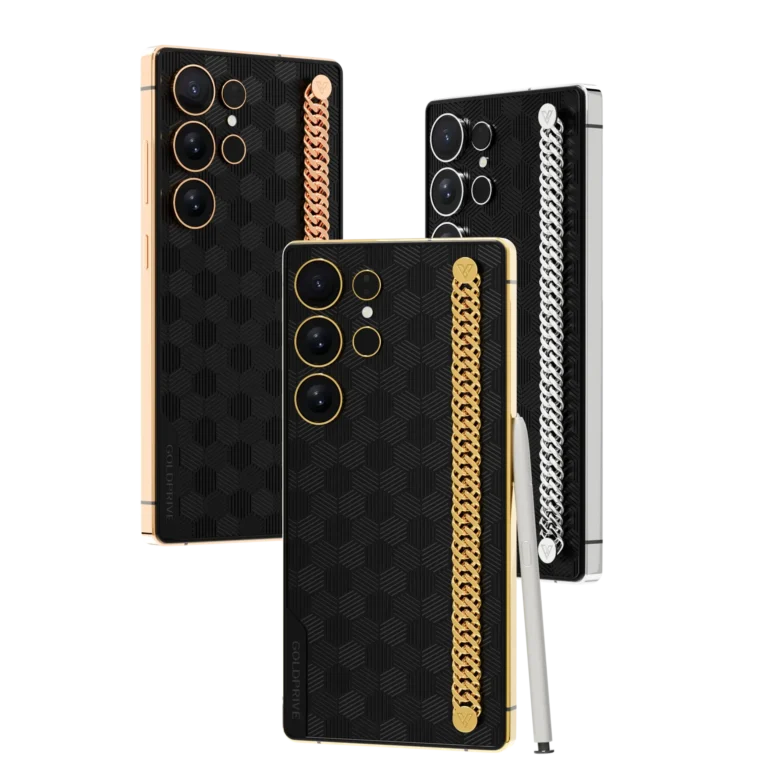
Beyond the metal, the materials that consistently justify a premium are VS-grade diamonds (graded, not “crystals” described as diamonds), genuine mother of pearl that has been grain-matched across the back, real carbon fiber rather than a printed weave, and genuine crocodile or ostrich leather. Swarovski crystal is a legitimate decorative material and is priced accordingly, well below diamond. GoldPrivé names the material on every product page; a seller who is vague about it is telling you something.

04

What Luxury Phones Cost in 2026

Across the industry, bespoke flagship editions in plated gold typically run from around $1,500 to $7,000 depending on the device, the edition and the inlay. Solid gold and diamond editions typically start around $15,000 and run to $25,000 or more, with fully bespoke stone-set pieces going higher. Luxury-brand handsets span everything from a few thousand dollars to six figures. Luxury cases, the reversible option, sit between roughly $1,000 and $2,500.

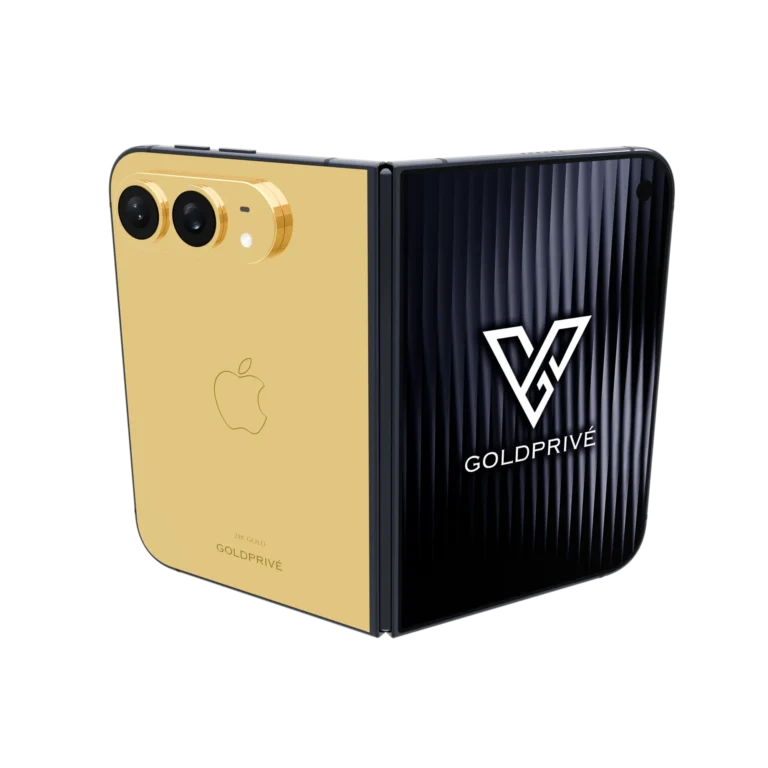
GoldPrivé’s own starting prices, for reference: the 24K Gold Galaxy S26 Ultra from $ 3,010; the 24K Gold iPhone 18 Pro & Pro Max and the Gold iPhone Duo from $ 2,990; the 24K Gold Galaxy Z Fold8 Ultra from $ 5,880; the 18K Solid Gold iPhone 18 Pro & Pro Max from $ 16,220; and 24K gold iPhone cases from $1,390. Within each collection, storage capacity, the edition and any diamond or engraving work move the final figure. A fuller breakdown is in our article on how much a 24K gold iPhone costs.

05

Luxury Phones in Dubai

Dubai has become the centre of the bespoke tier of the luxury phone market, and not by accident. The city has a long culture of gold as an everyday luxury rather than a rarity, a gifting tradition in which a personalised object carries more weight than an expensive generic one, and a resident and visiting clientele from the GCC, Europe, South Asia and beyond who expect made-to-order service. Several of the world’s specialist ateliers, GoldPrivé among them, work from Dubai for exactly those reasons.

For a buyer, that concentration has practical consequences. Luxury phones in Dubai are usually commissioned rather than bought off a shelf: the client chooses the device, the metal and the edition, adds engraving or stones, and the phone is finished to order. Corporate and diplomatic gifting is a large part of the market, which is why matched sets, engraved logos and presentation packaging are standard offers rather than special requests. And because the ateliers ship worldwide, a client in London, Riyadh, Lagos or New York can commission from Dubai as easily as a resident can. GoldPrivé’s Dubai buying guide covers customs, warranty and authenticity in detail.

Frequently Asked Questions

Luxury Phones — Frequently Asked Questions

All FAQs
What is a luxury phone?

A phone whose materials, hand-finishing and provenance are the point rather than its specification. In practice that means real precious metal (24K plating or 18K solid gold), graded stones or genuine inlays such as mother of pearl, carbon fiber or crocodile leather, individual finishing by an atelier, and documentation that can be verified.

What are the most expensive luxury phones?

One-off jewellery pieces from luxury marques, set with large diamonds and built in solid precious metal, have sold for six and seven figures. Within the bespoke flagship market, solid 18K gold and diamond-set editions of current iPhones are the top tier, typically from around $15,000 upward; GoldPrivé’s 18K Solid Gold iPhone 18 Pro & Pro Max starts at $ 16,220.

Are luxury phones real gold?

The ones worth buying are. 24K gold plating is real 99.9% gold deposited onto the housing; 18K solid gold is a 75% gold alloy the housing is cast from. Factory “gold” colourways and cheap gold-look coatings contain no precious metal. Ask for the karat and the plating thickness in microns.

Do luxury phones work like normal phones?

Bespoke editions built on a current iPhone or Galaxy do: only the exterior housing is refinished, so the camera, chip, 5G, Face ID and software updates are unchanged. Luxury-brand handsets with their own hardware vary, and often trail the flagships on camera and performance.

How much do luxury phones cost?

Plated bespoke editions of current flagships typically run from about $1,500 to $7,000; solid gold and diamond editions from about $15,000 to $25,000 and higher; luxury-brand handsets from a few thousand dollars to six figures; and luxury cases from about $1,000 to $2,500. GoldPrivé’s collections start at $ 3,010 for a 24K Gold Galaxy S26 Ultra.

Where can I buy luxury phones in Dubai?

Dubai is the centre of the bespoke tier, and most luxury phones there are commissioned from a specialist atelier rather than bought off a shelf. GoldPrivé works from Dubai, takes orders by private consultation, and ships worldwide with insurance, so clients outside the UAE can commission in the same way.

Is a luxury phone a good investment?

Treat it as a luxury object, not an investment. Solid gold editions retain the value of their metal content; plated editions and luxury-brand handsets depreciate like other luxury goods, and limited or personalised pieces can hold interest for collectors. Buy for the object, with the metal content as a floor rather than a return.

Can luxury phones be personalised?

At the bespoke tier, yes: engraving of initials, monograms, crests and logos, choice of metal and edition, and diamond or gemstone setting are standard. GoldPrivé cuts engraving before the final plating pass so the detail sits beneath the gold, and quotes fully bespoke designs individually.


Commission a Luxury Phone

Choose the device, the metal and the edition, then talk to a GoldPrivé specialist about engraving and stone work. Every commission begins with a private consultation.