Blog
Real Gold vs Fake Gold: A Practical Authenticity Guide

Real Gold vs Fake Gold: A Practical Authenticity Guide
The honest answer to “is it real gold?” is usually “real gold, where, and how much?” A product can be solid 18K throughout, or a thin layer of real 24K gold over another metal, or just gold-coloured. This guide shows how the wording on a label maps to what you are actually buying, using the U.S. Federal Trade Commission’s Jewelry Guides as the reference vocabulary, and how gold plating on a device like ours fits into it.
What the words on a label are meant to tell you
The FTC’s Guides for the Jewelry, Precious Metals, and Pewter Industries (16 CFR Part 23) are guidance for the jewelry trade rather than a law written for phones or laptops, but they are the clearest public statement of what gold wording should mean. Section 23.3 covers gold content.
| Wording | What the FTC Guides say it should mean |
|---|---|
| “Gold” with no qualifier | Reserved for fine (24 karat) gold throughout. Unqualified “gold” on a surface-plated item is described as potentially misleading. |
| “14 Karat Gold” (karat before the word) | An alloy of gold throughout, with the karat fineness shown at least as prominently as the word “Gold”. |
| “Gold Plated” / “Gold Electroplated” | A surface plating of gold or gold alloy of reasonable durability on all significant surfaces, with the karat of the plating stated. |
| “Gold Electroplate” (specific threshold) | Electrolytic plating of at least 10 karat, with a minimum thickness throughout equivalent to 0.175 microns of fine gold. |
| “Heavy Gold Electroplate” | The same, with a minimum thickness equivalent to 2.5 microns of fine gold. |
| “Gold Filled” / “Rolled Gold Plate” | A mechanically bonded gold layer making up a stated share of the article’s metal weight (at least 1/20th for “Gold Filled”). |
One footnote in the Guides is useful for comparing figures: 1 micron of 12 karat gold is equivalent to half a micron of 24 karat gold. A thickness number is only meaningful next to its karat.
Where GoldPrivé sits on that scale
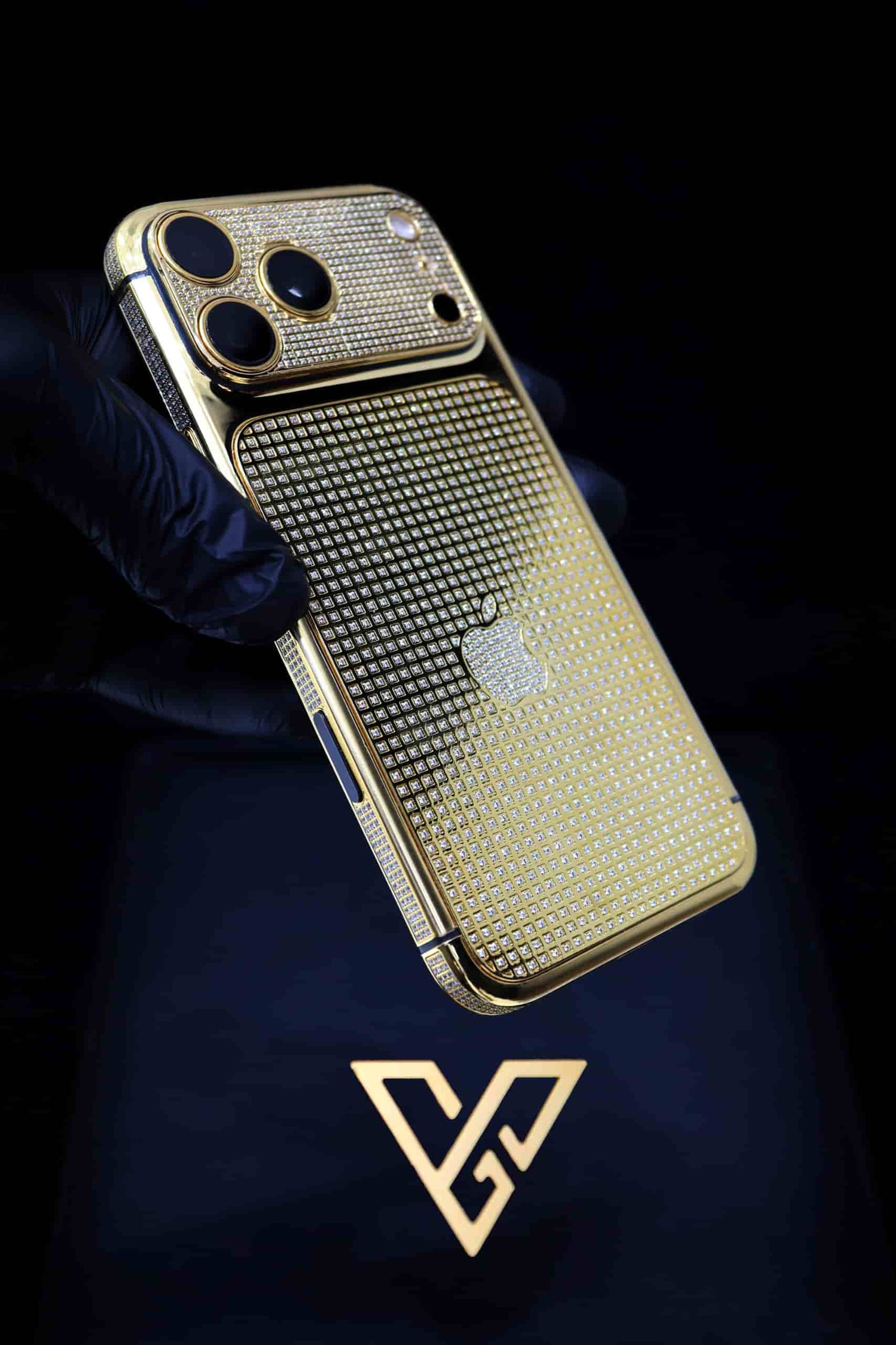
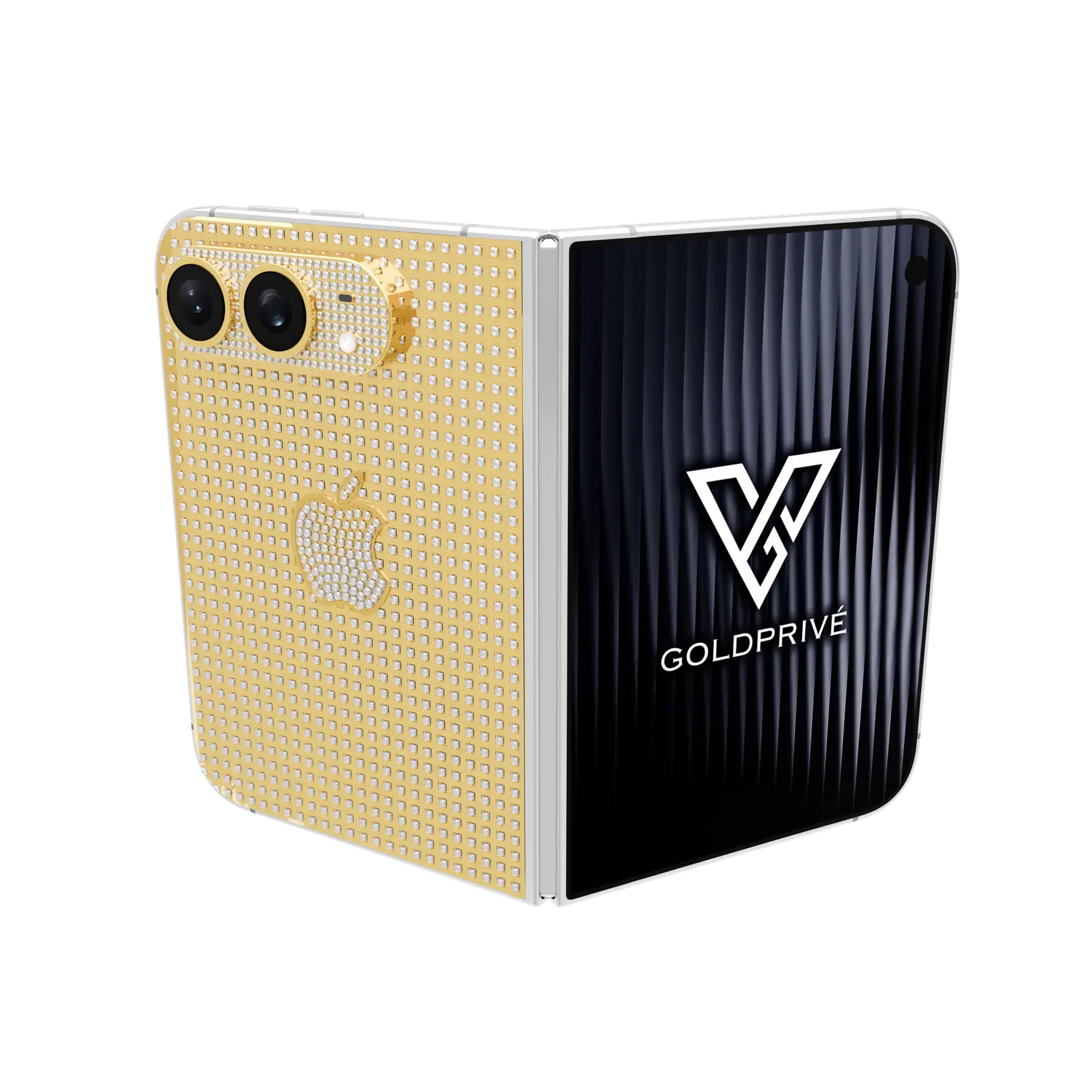
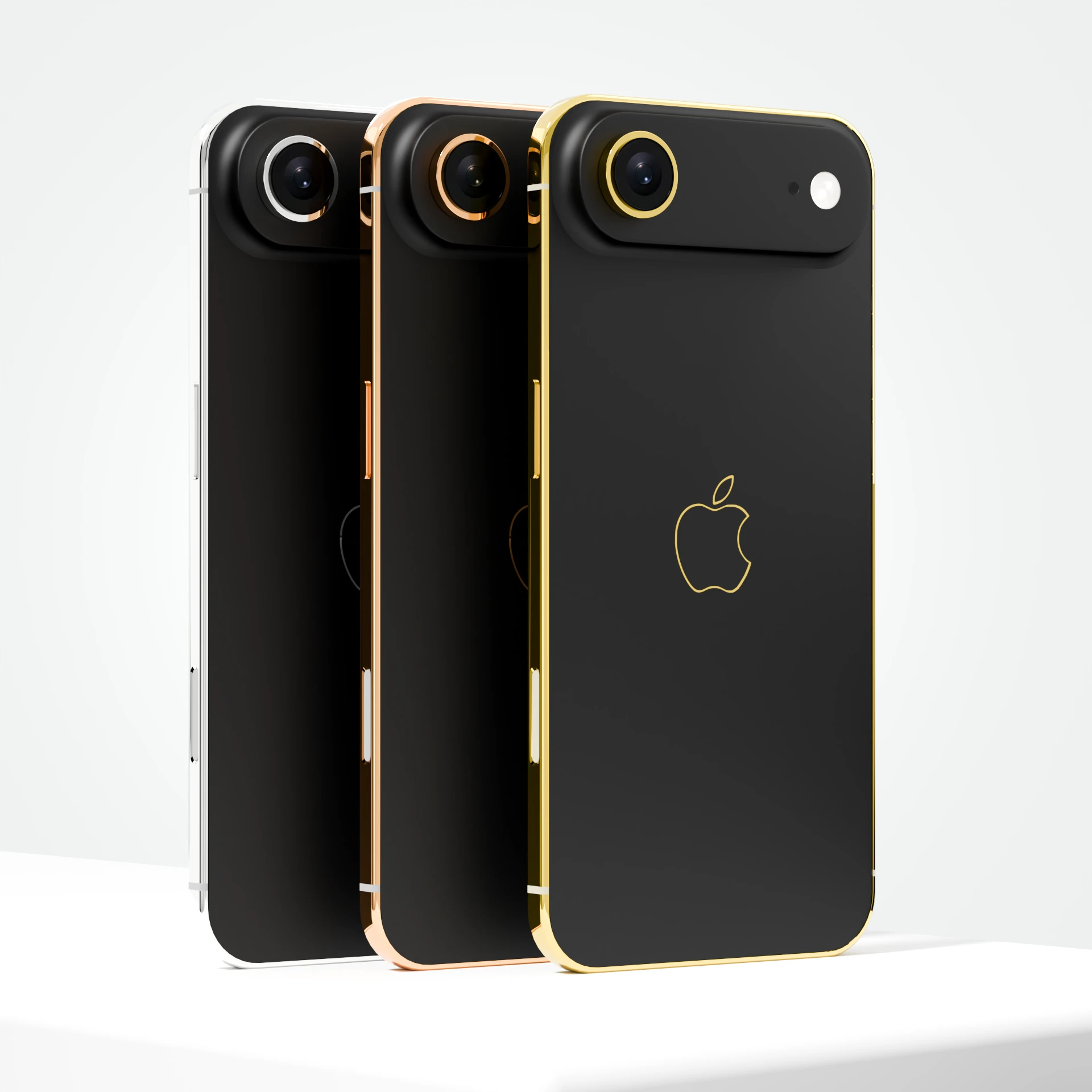
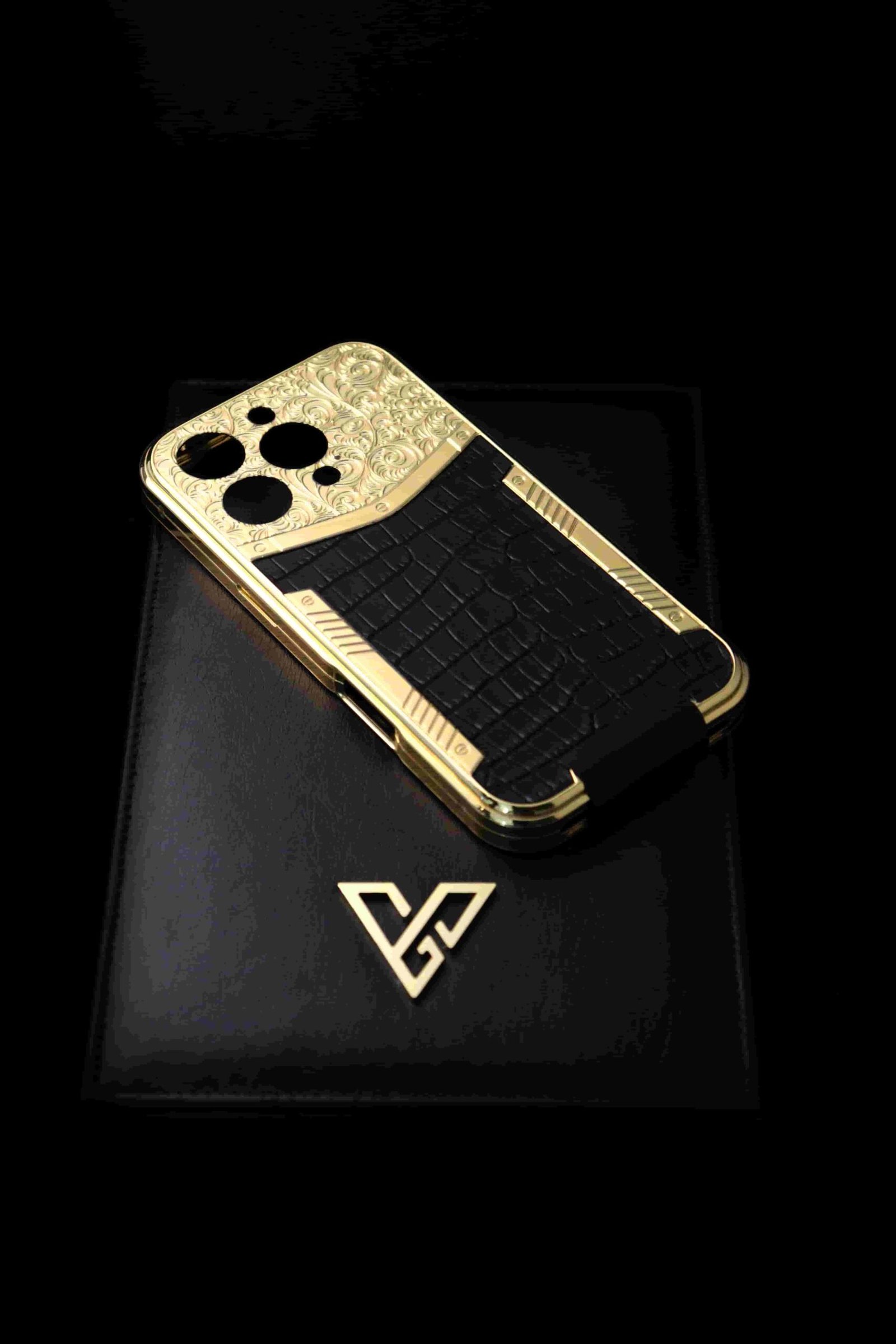
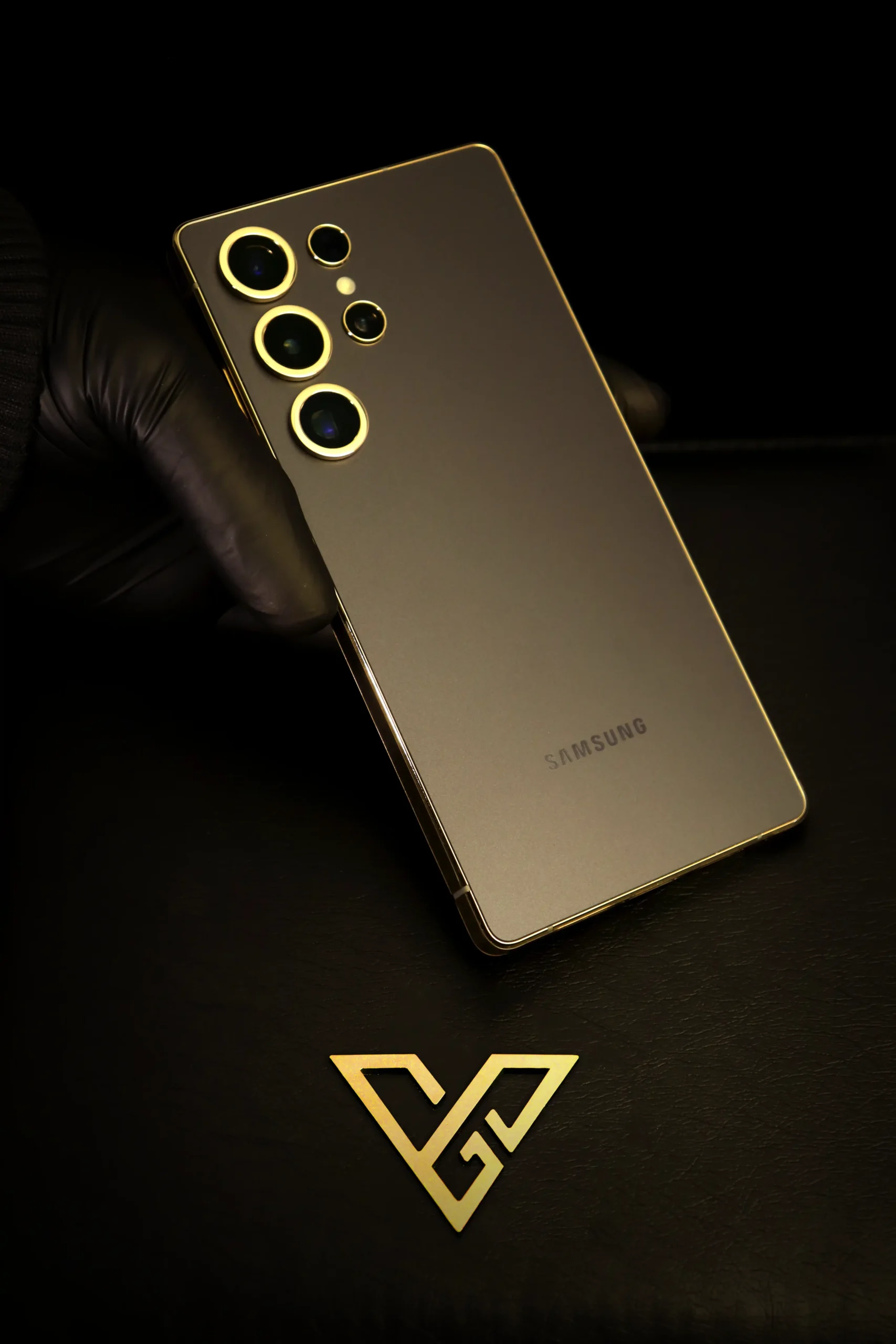
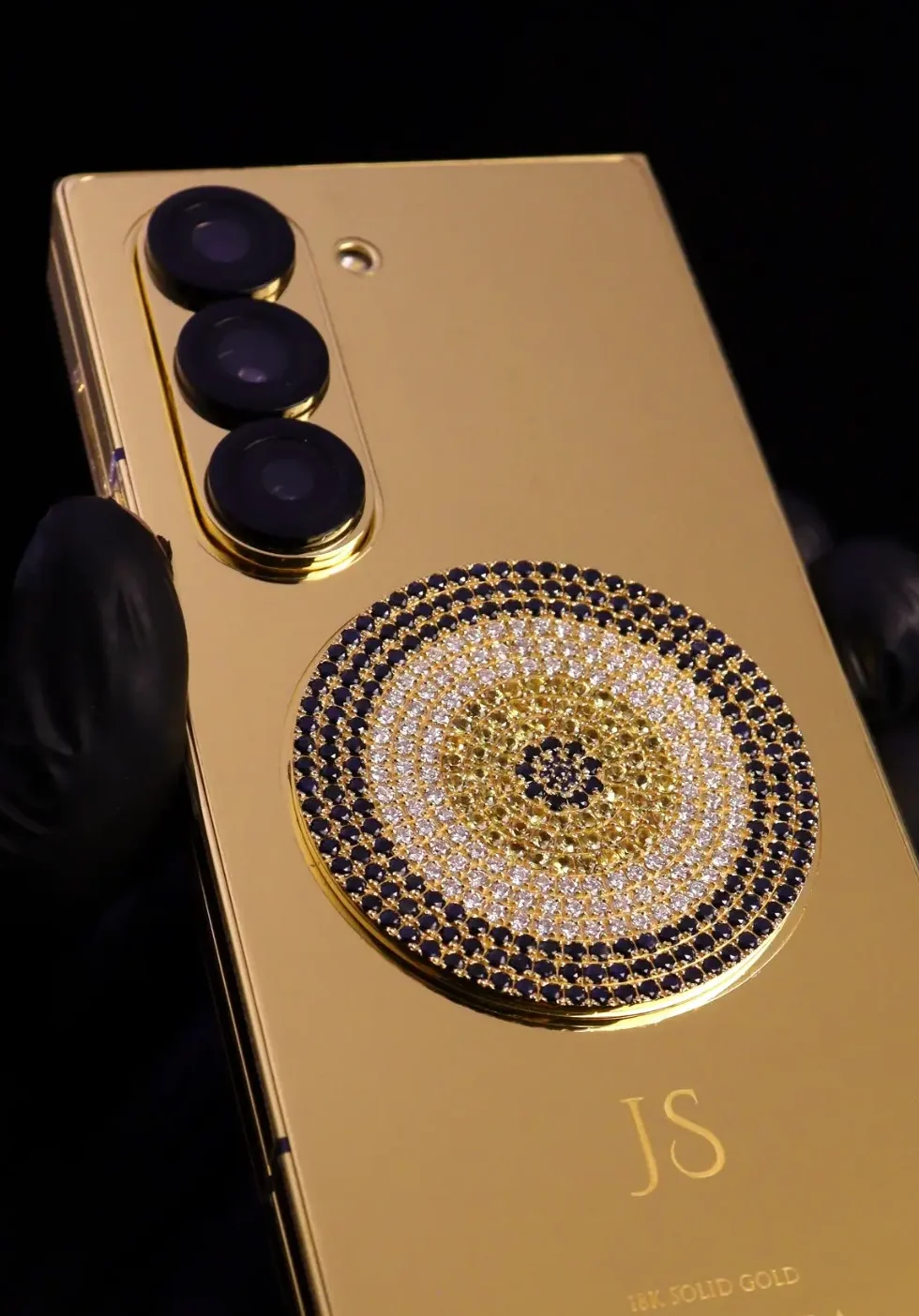
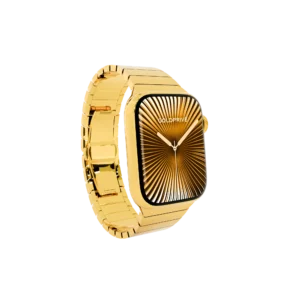
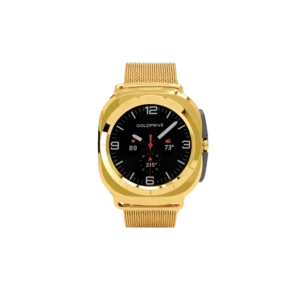
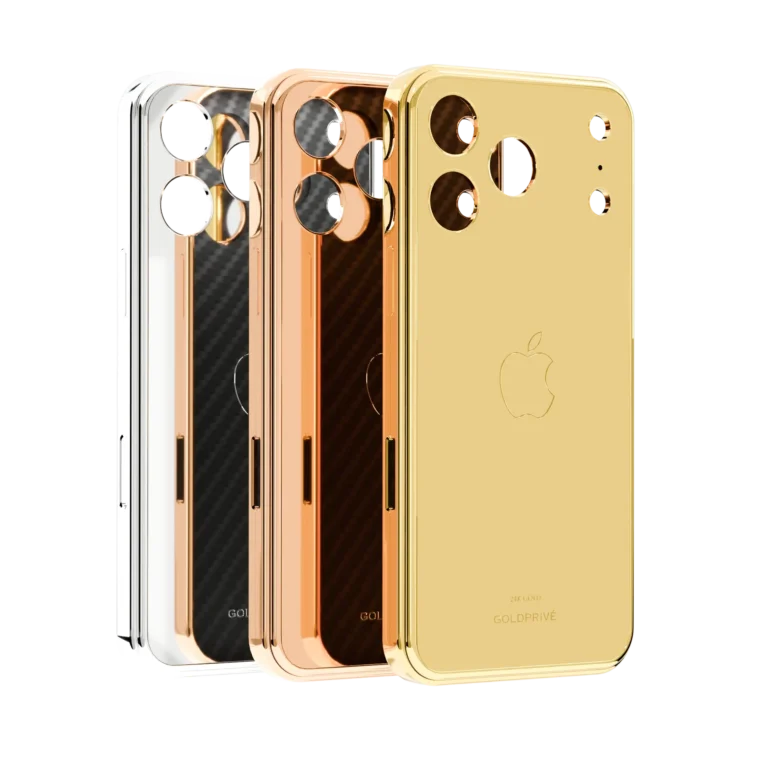
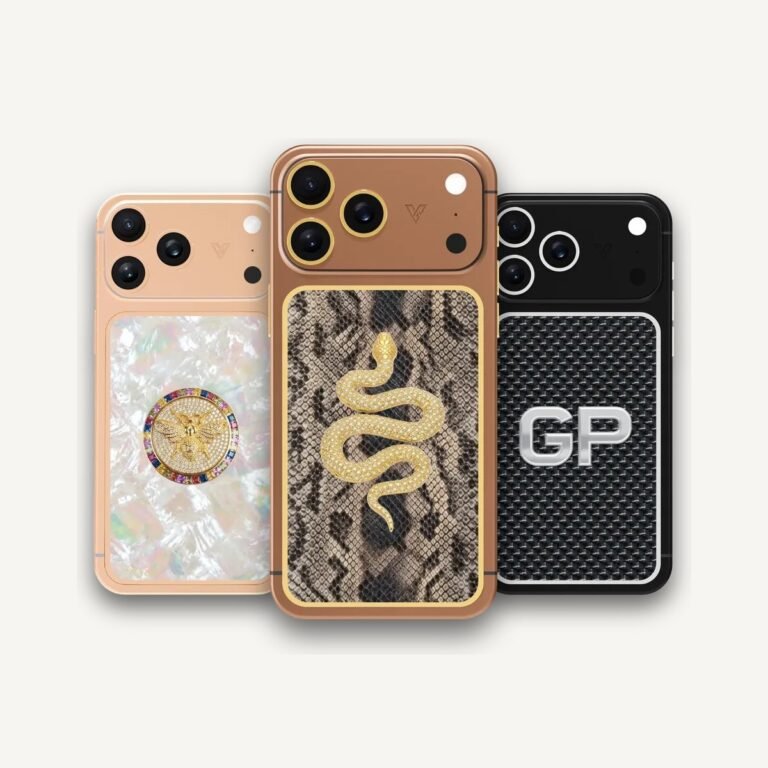
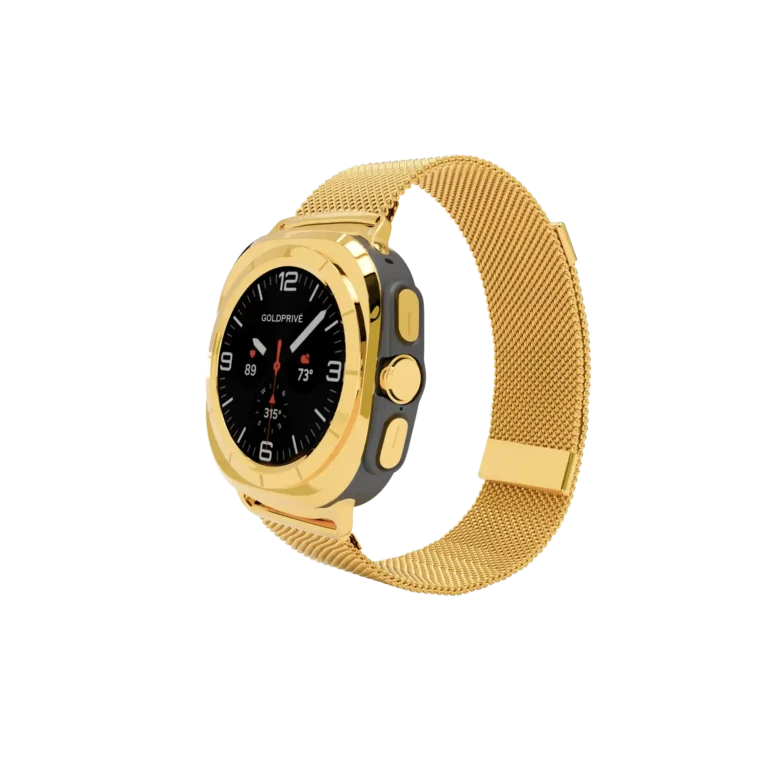
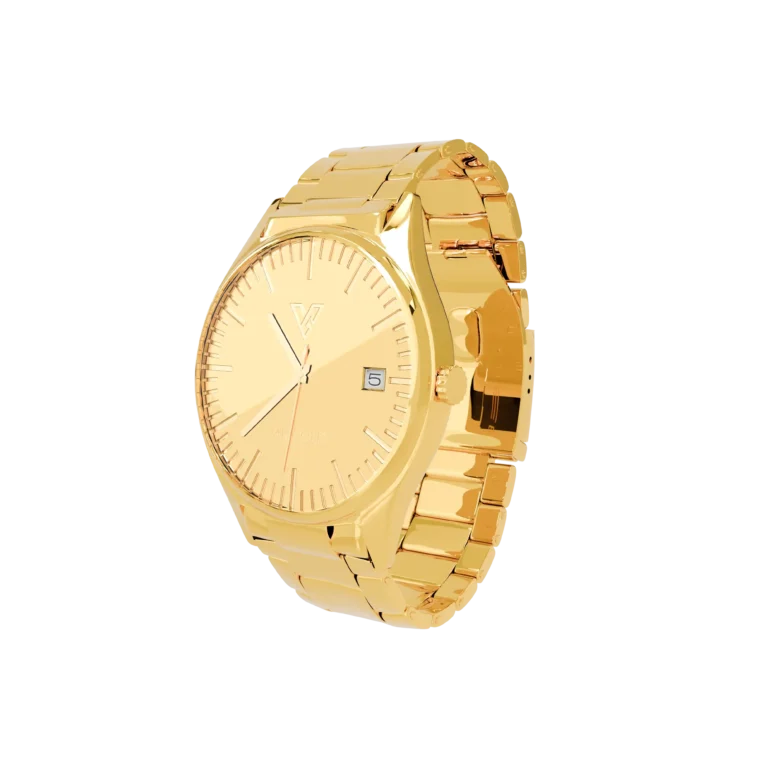
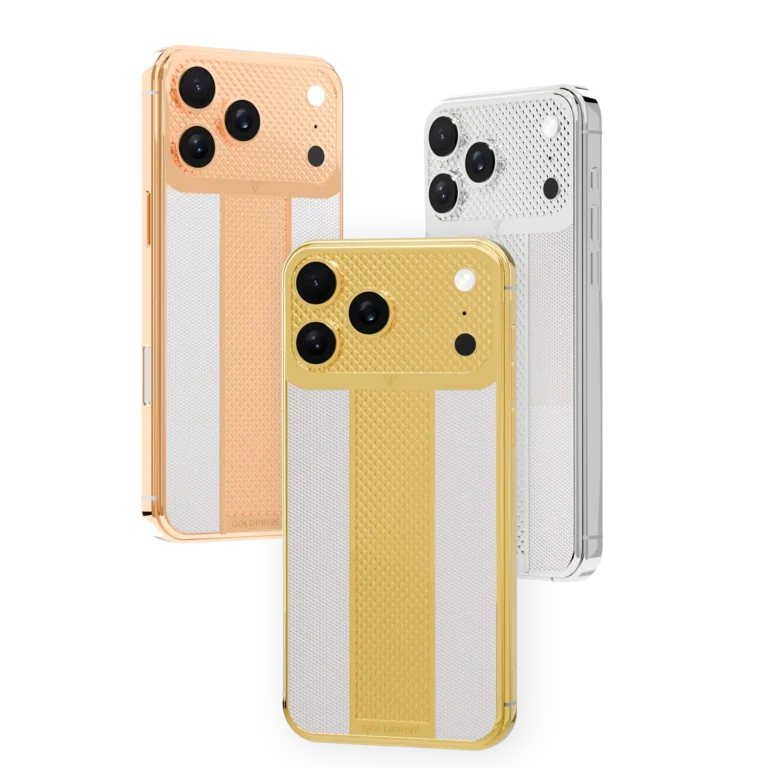
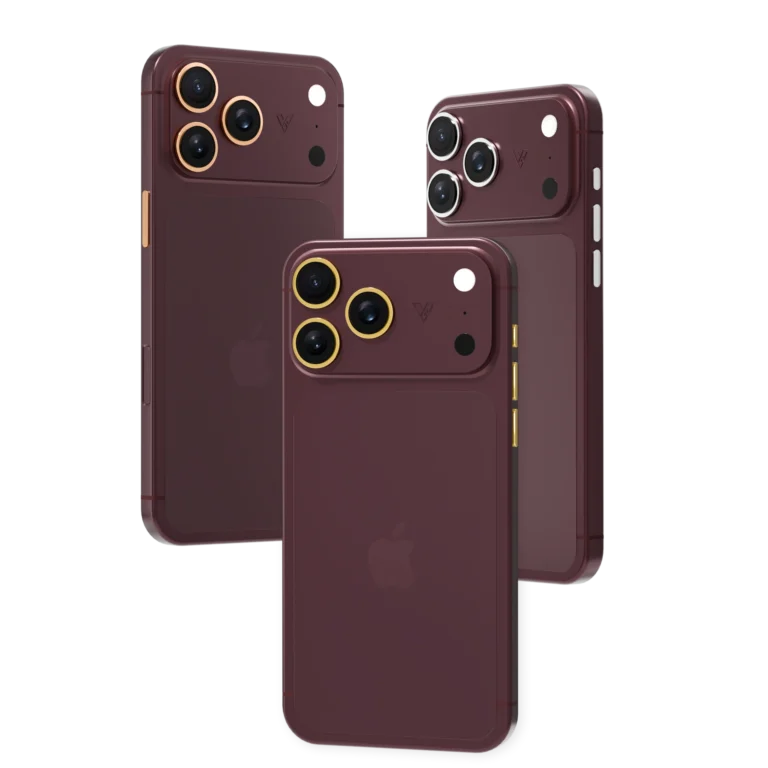
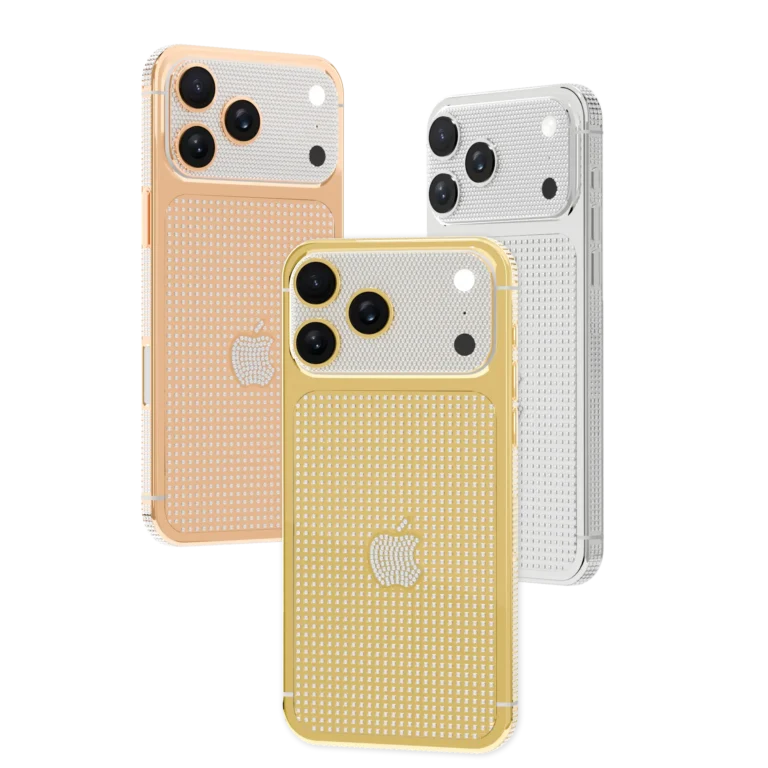
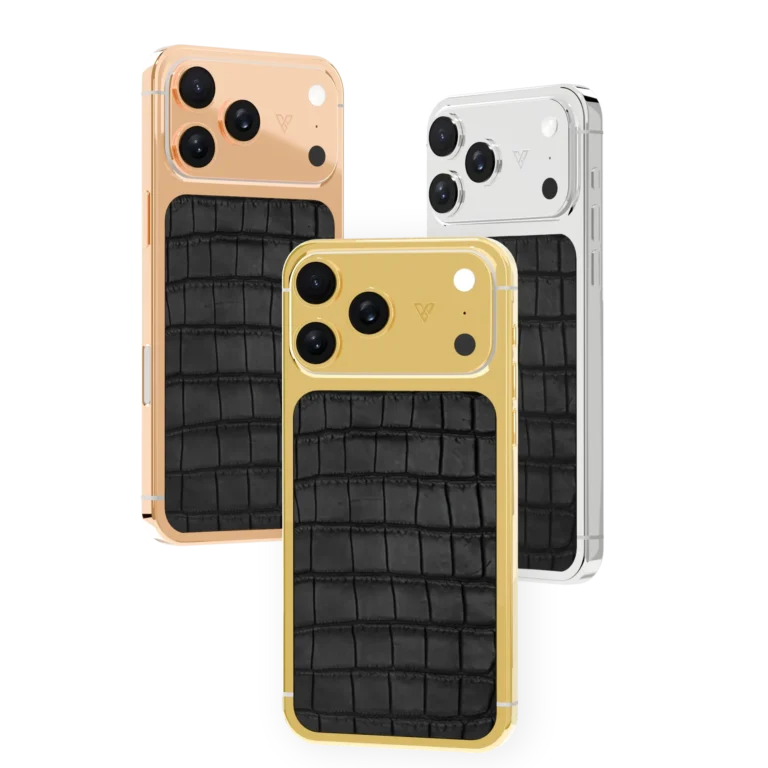
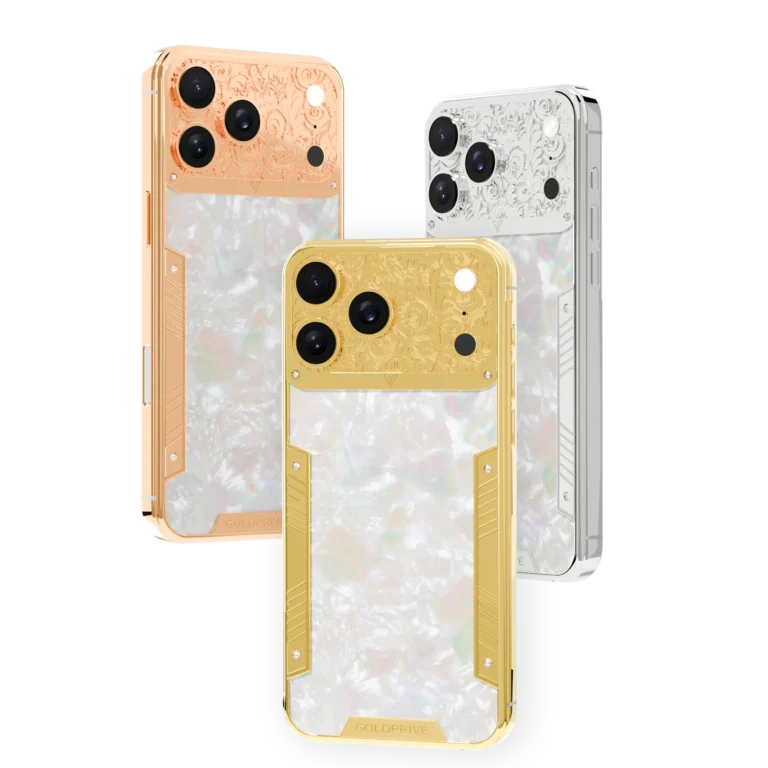
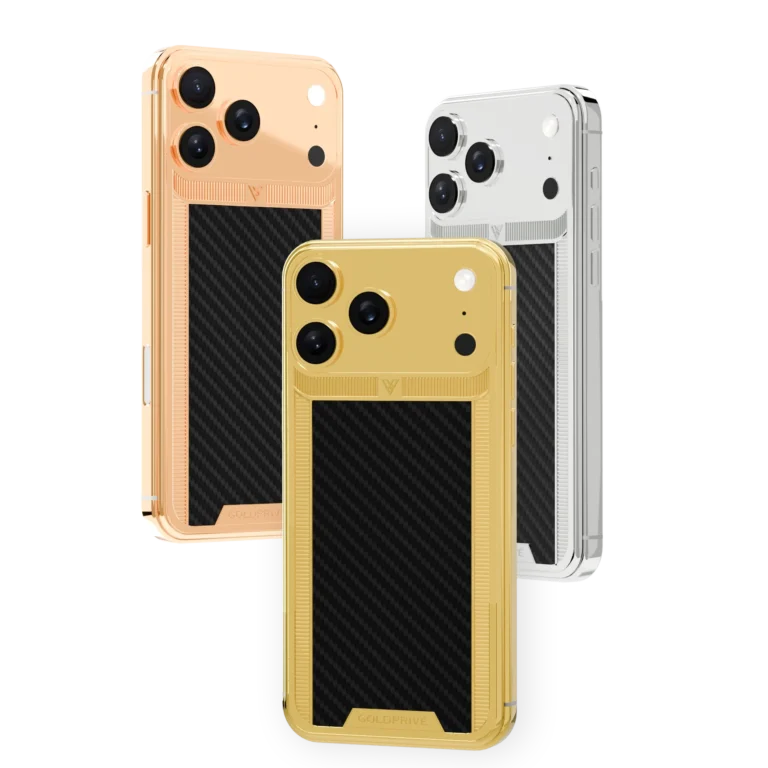
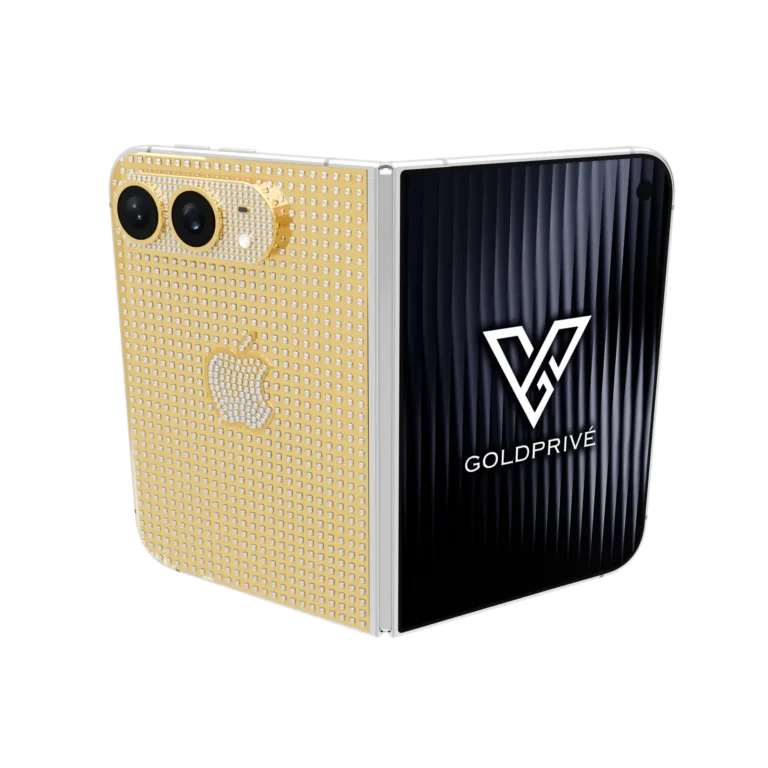
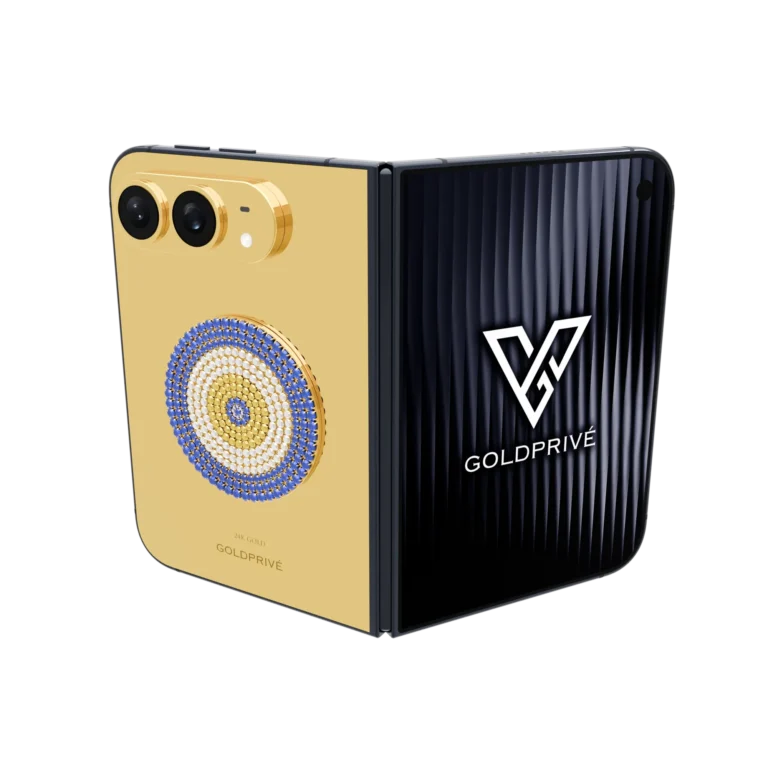
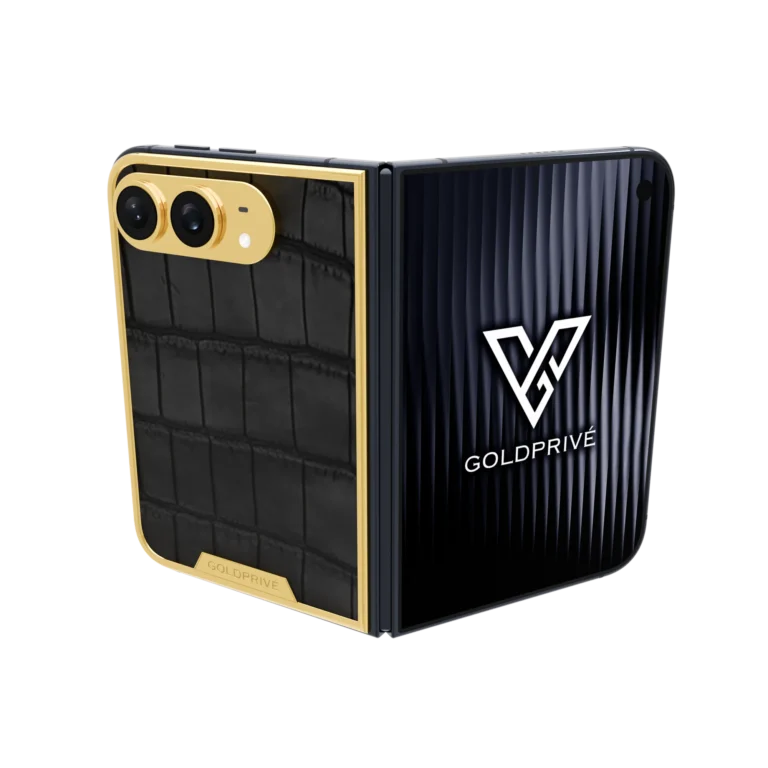
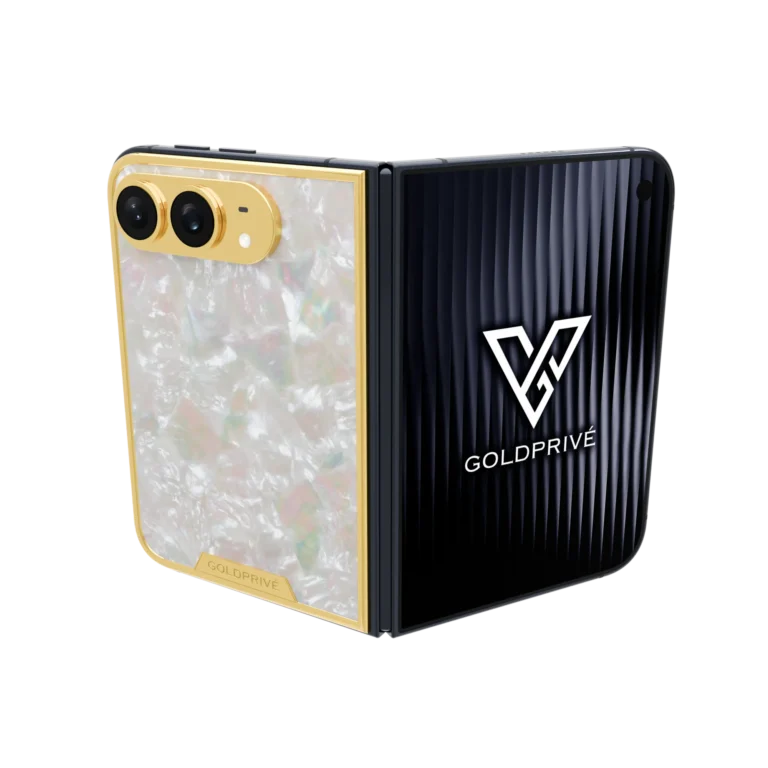
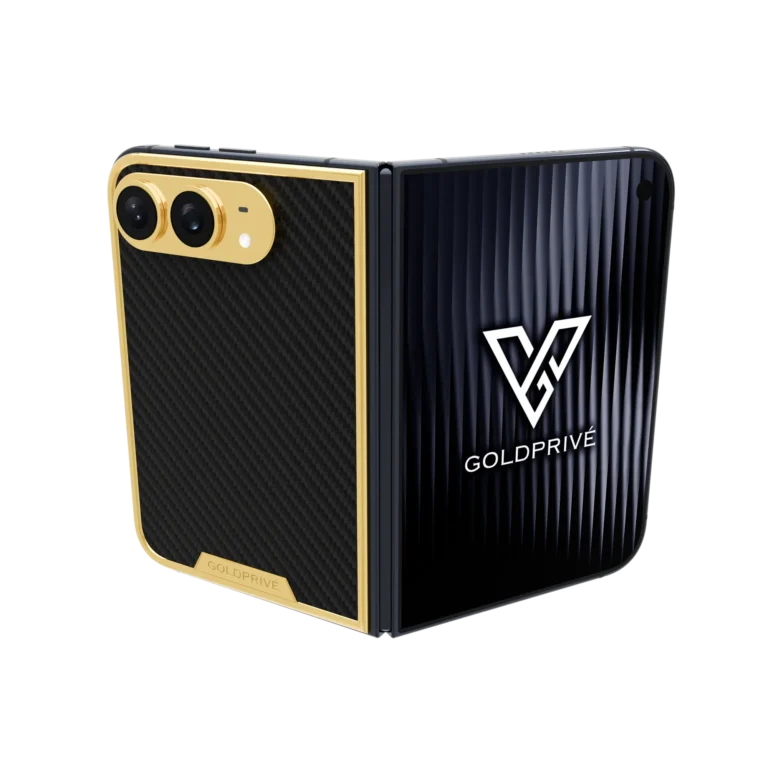
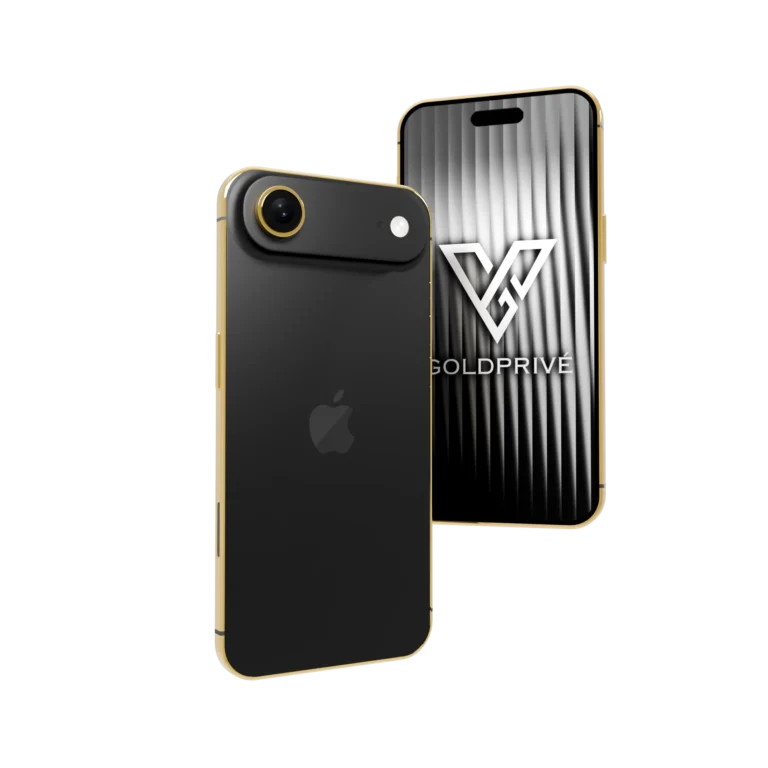
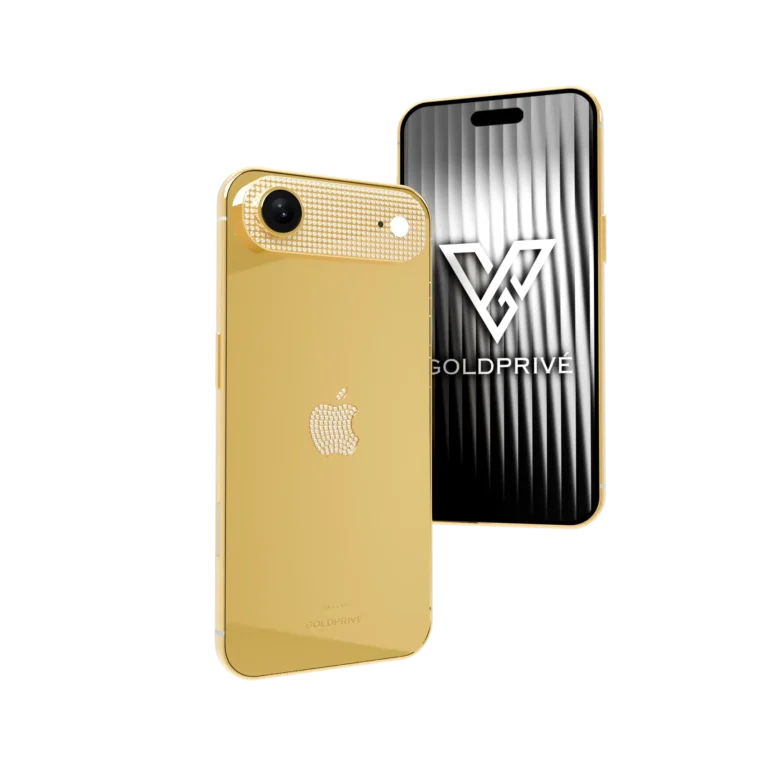
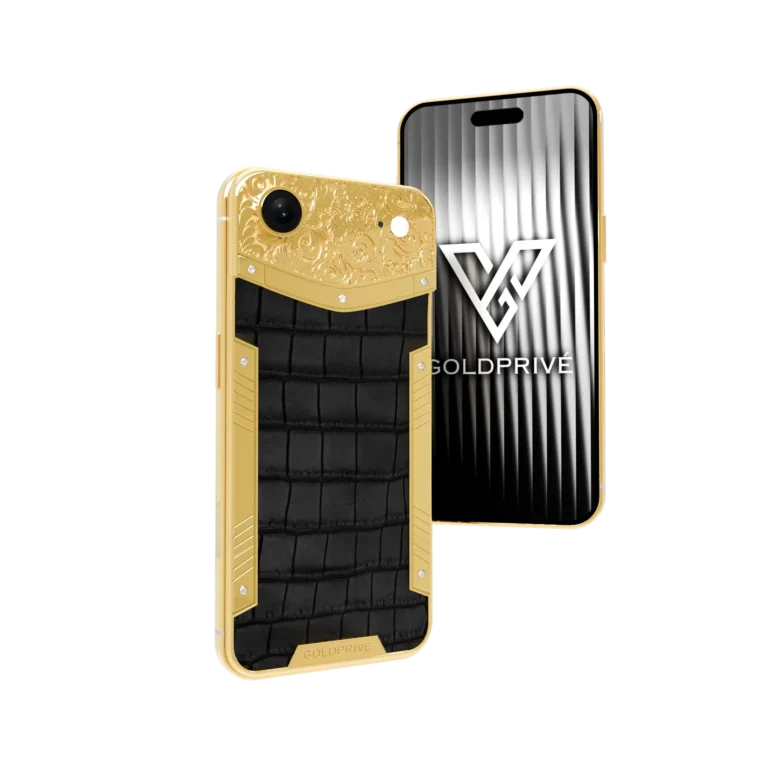
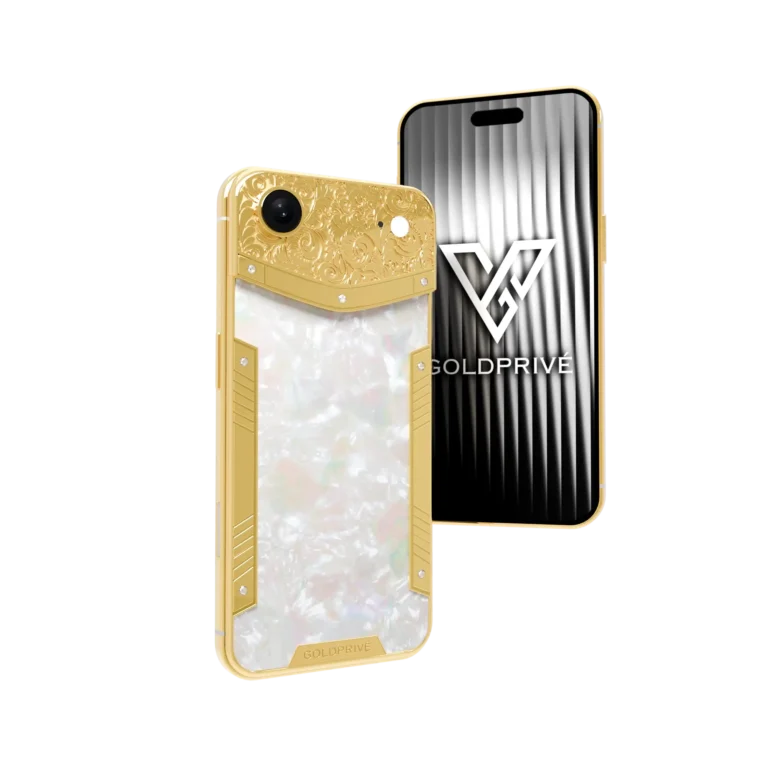
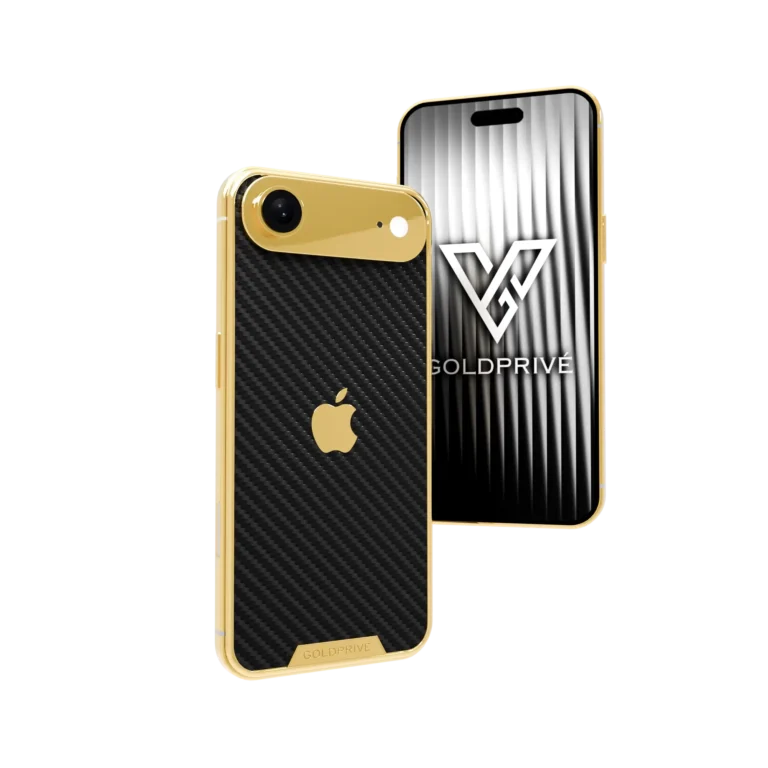
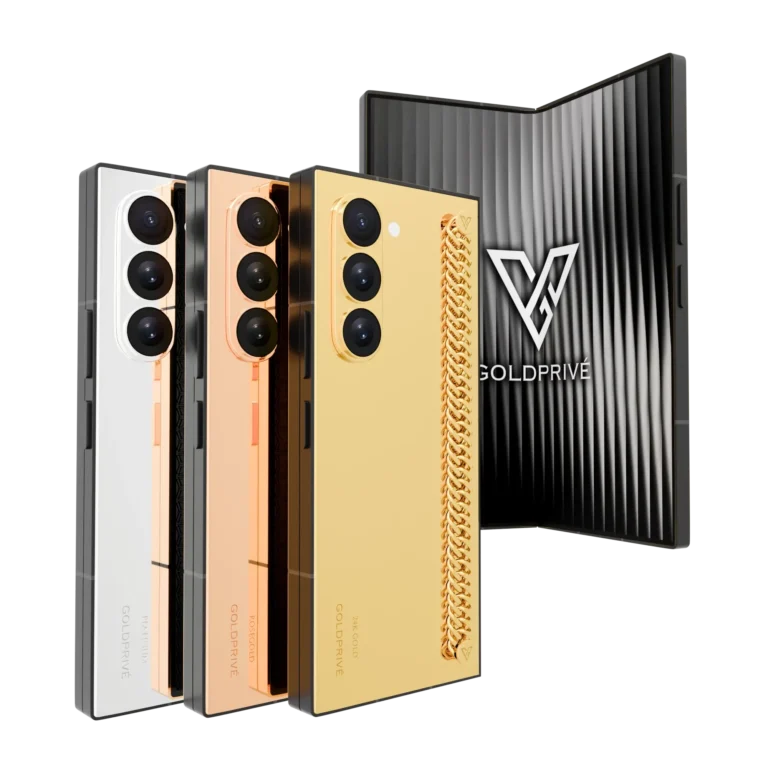
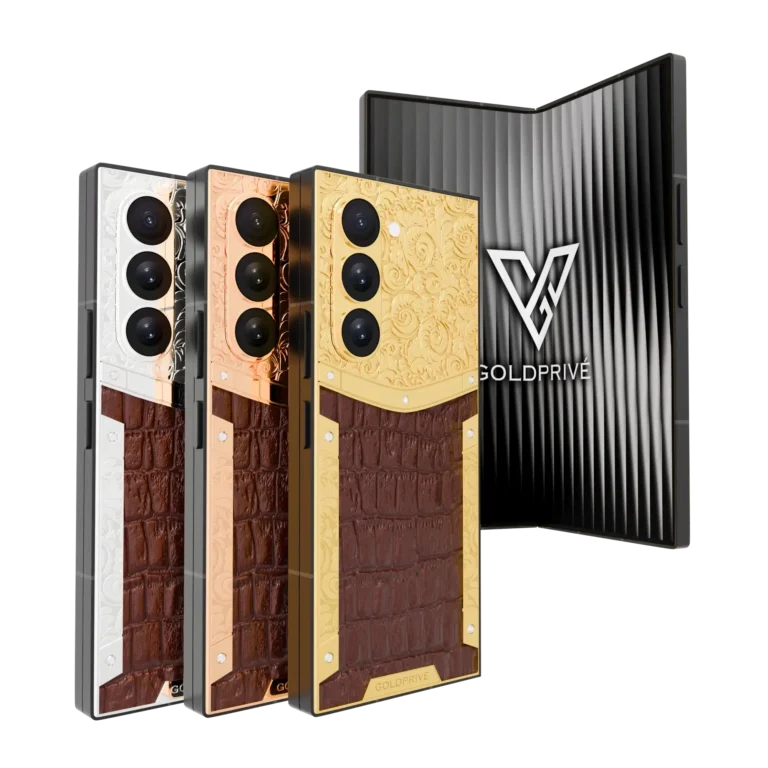
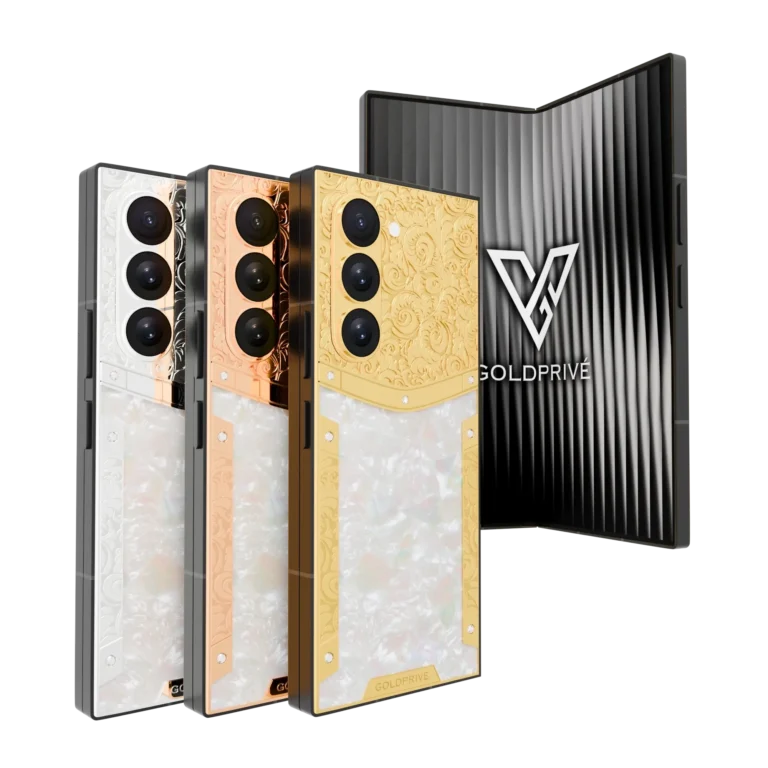
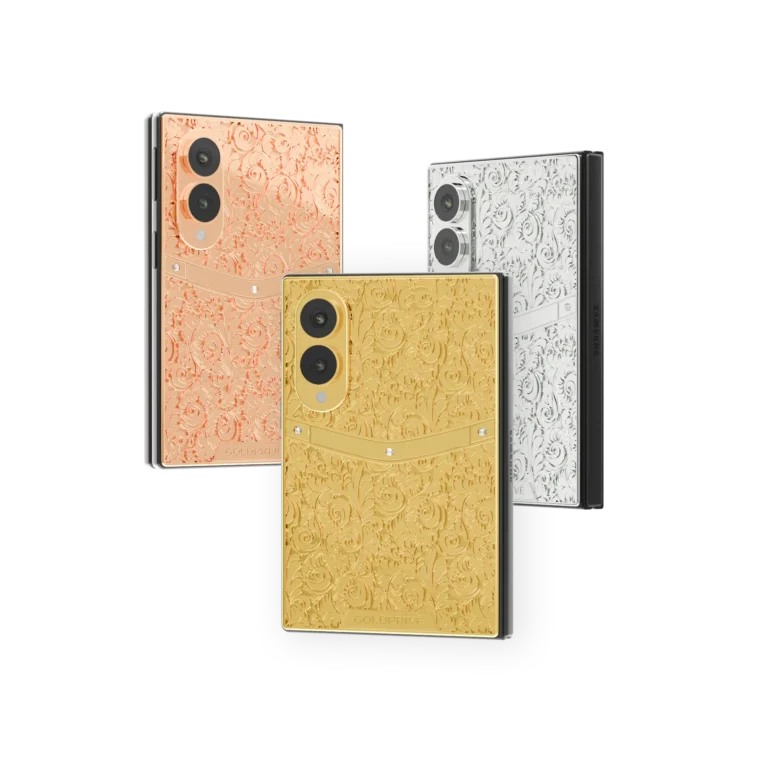
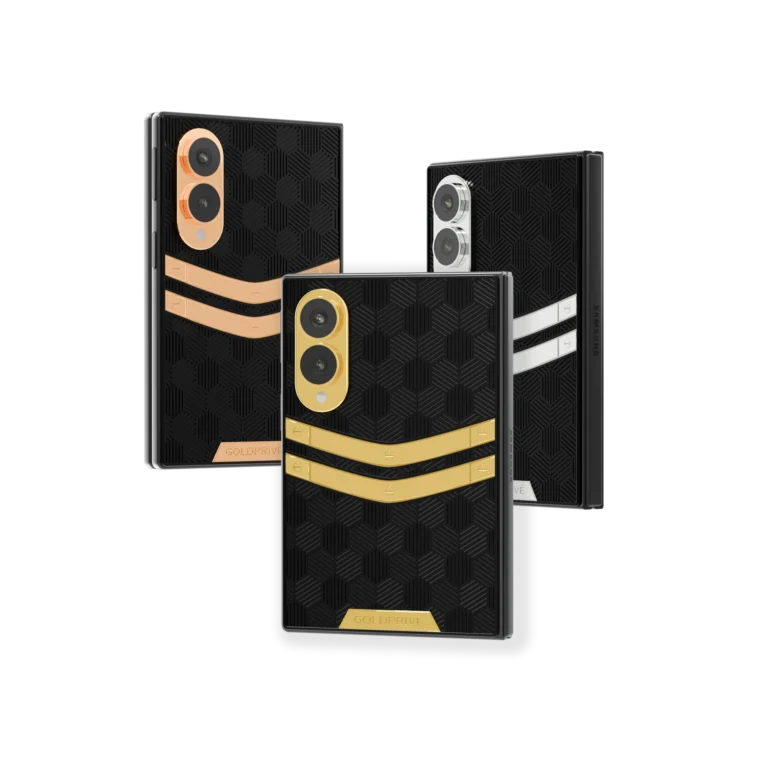
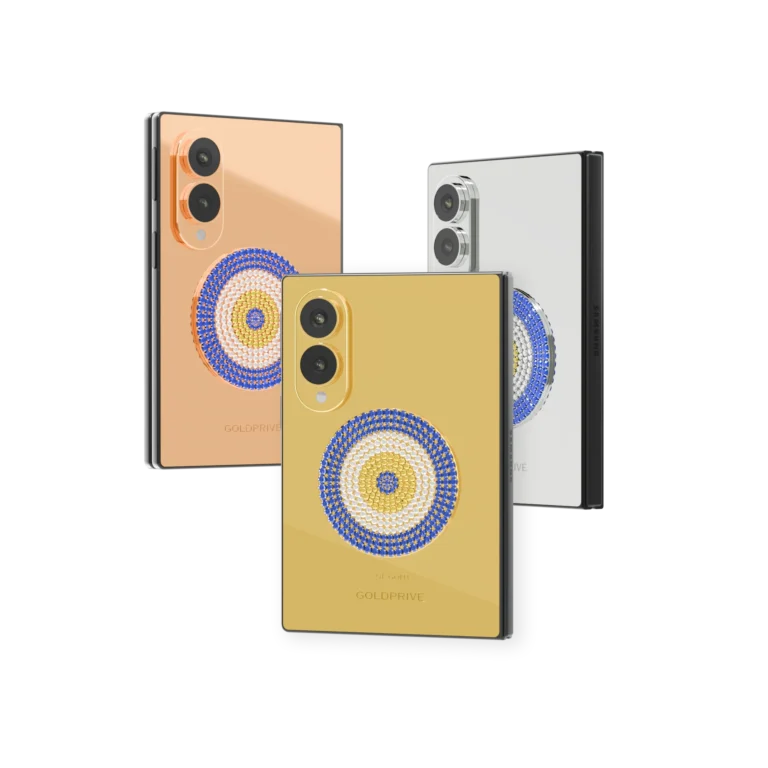
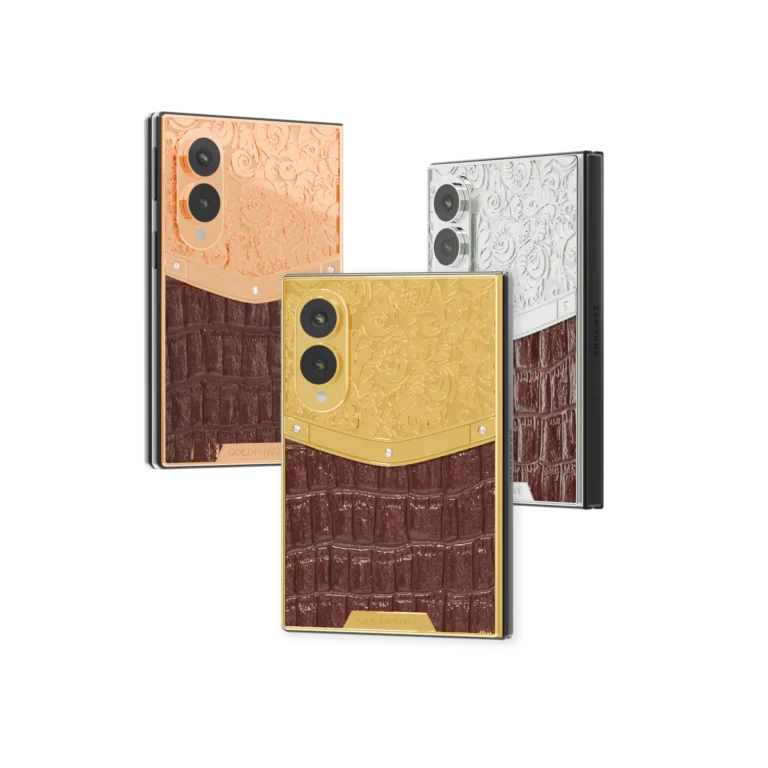
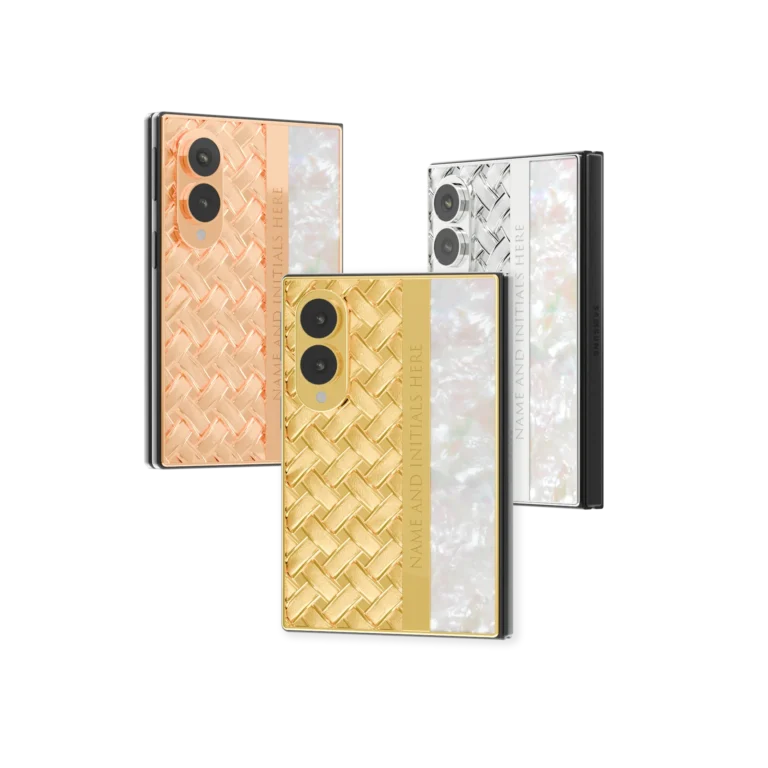
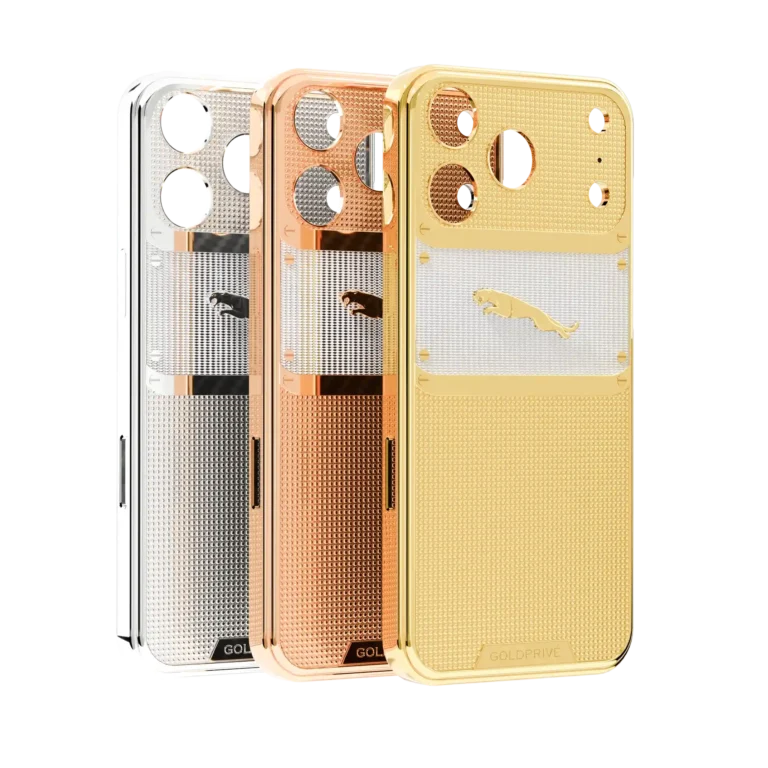
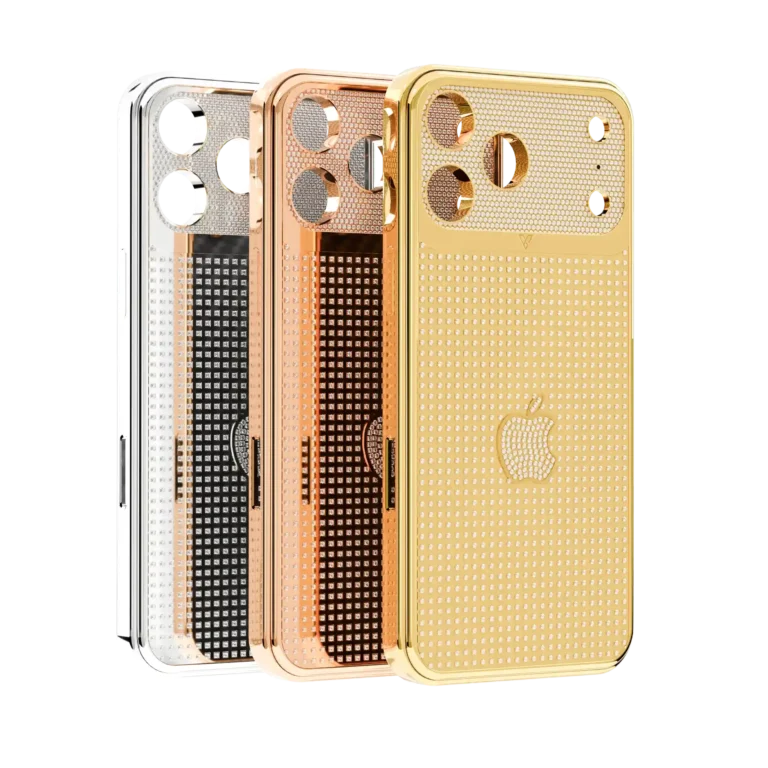
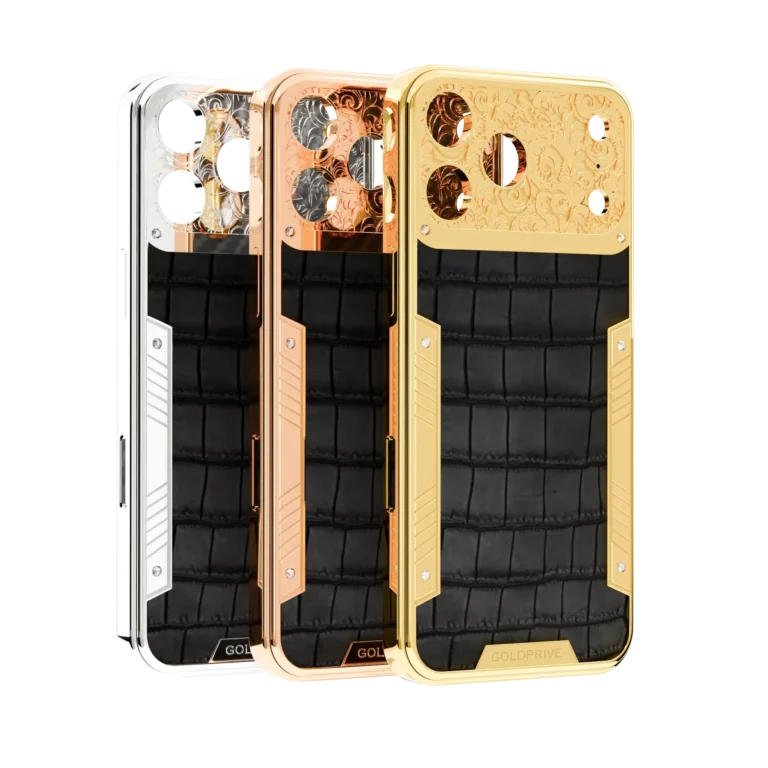
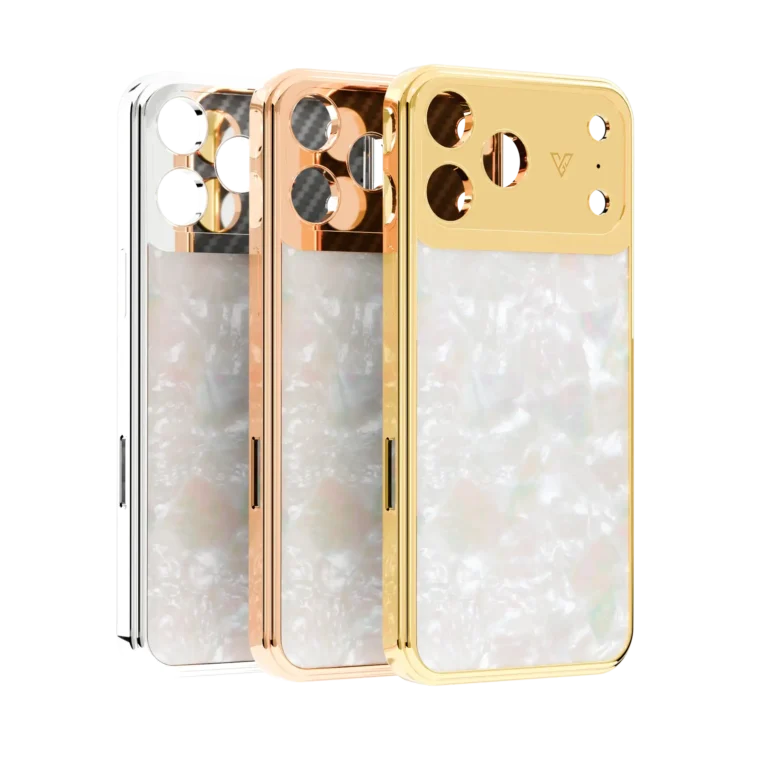
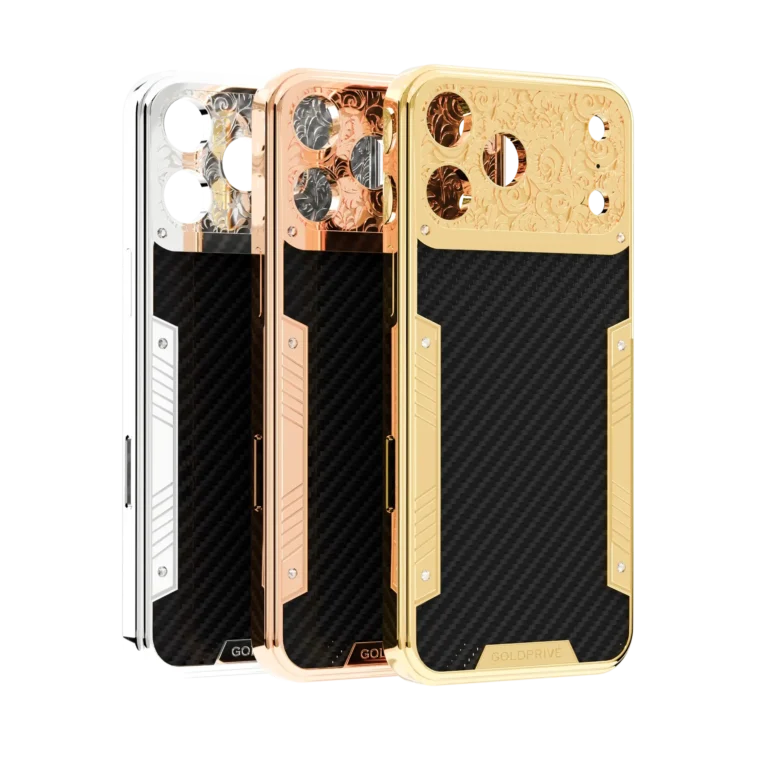
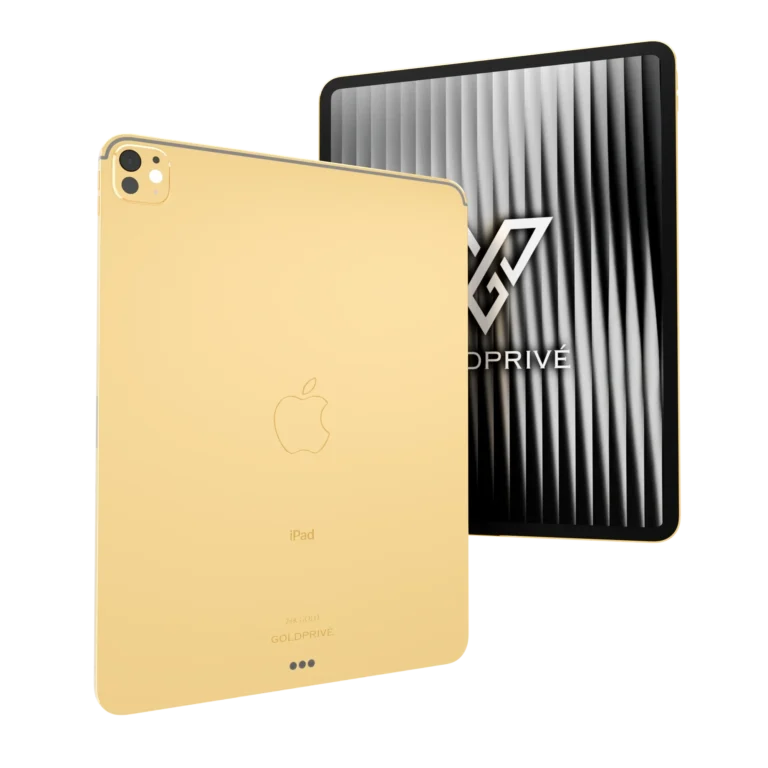
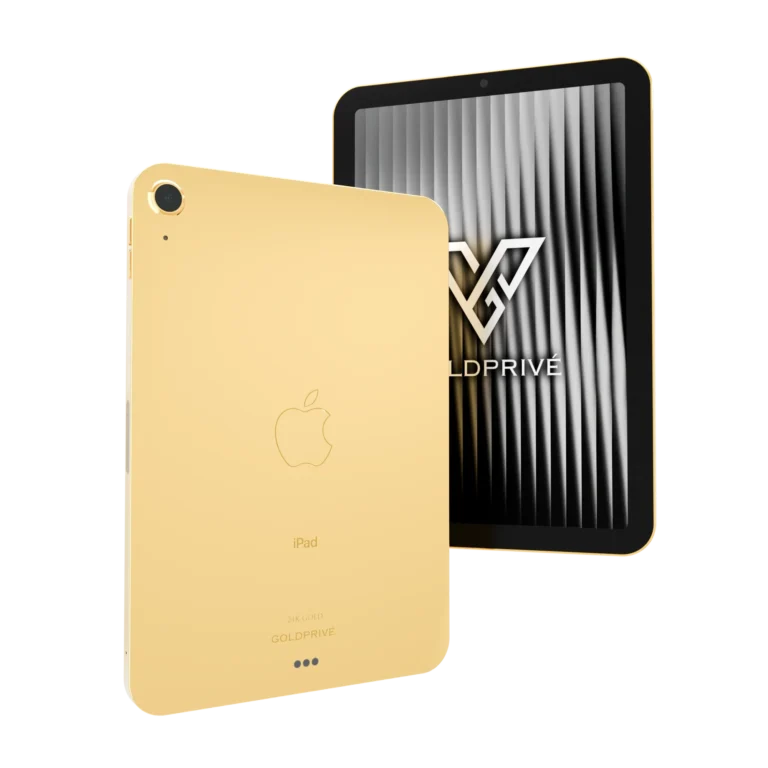
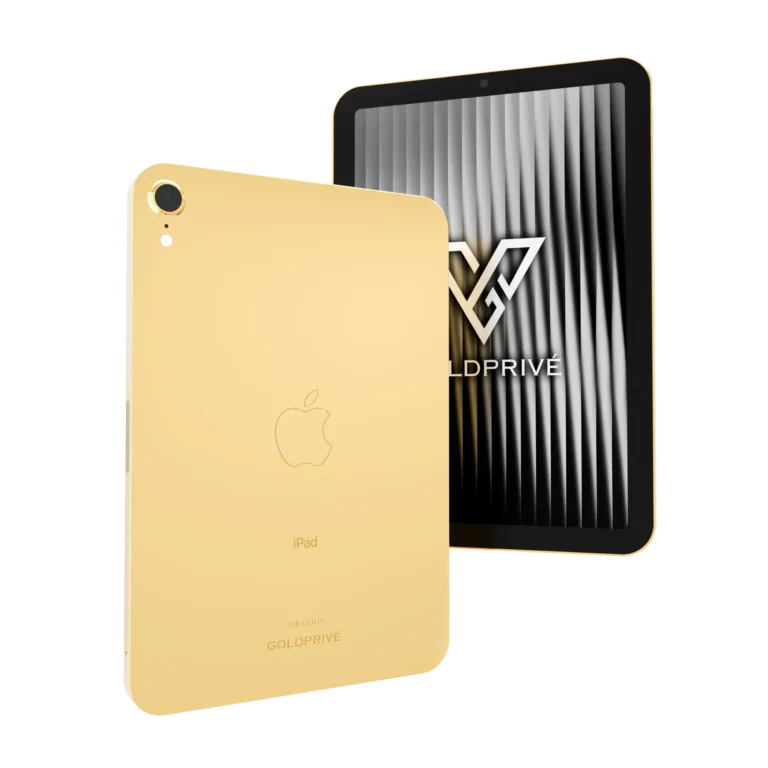
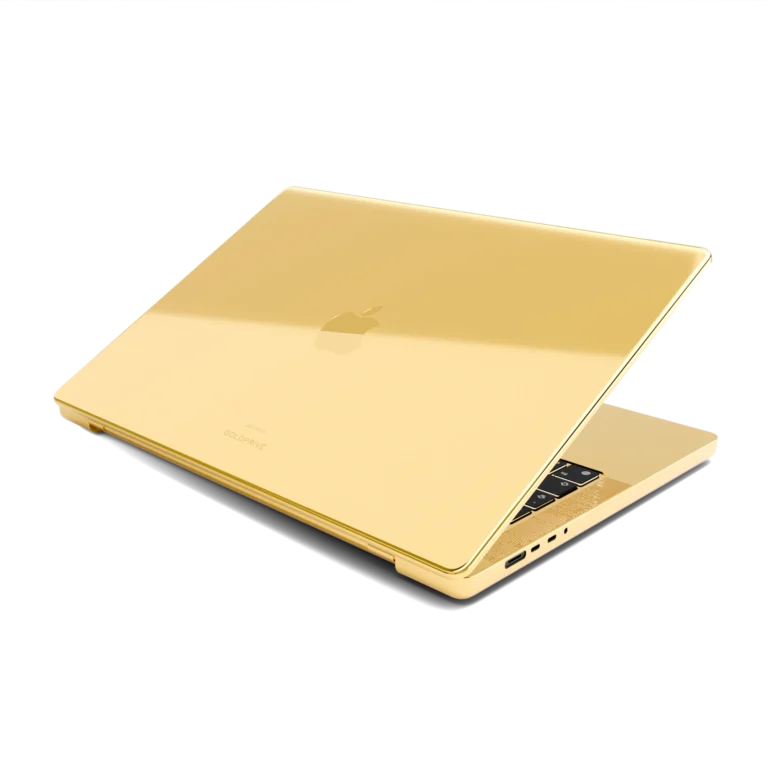
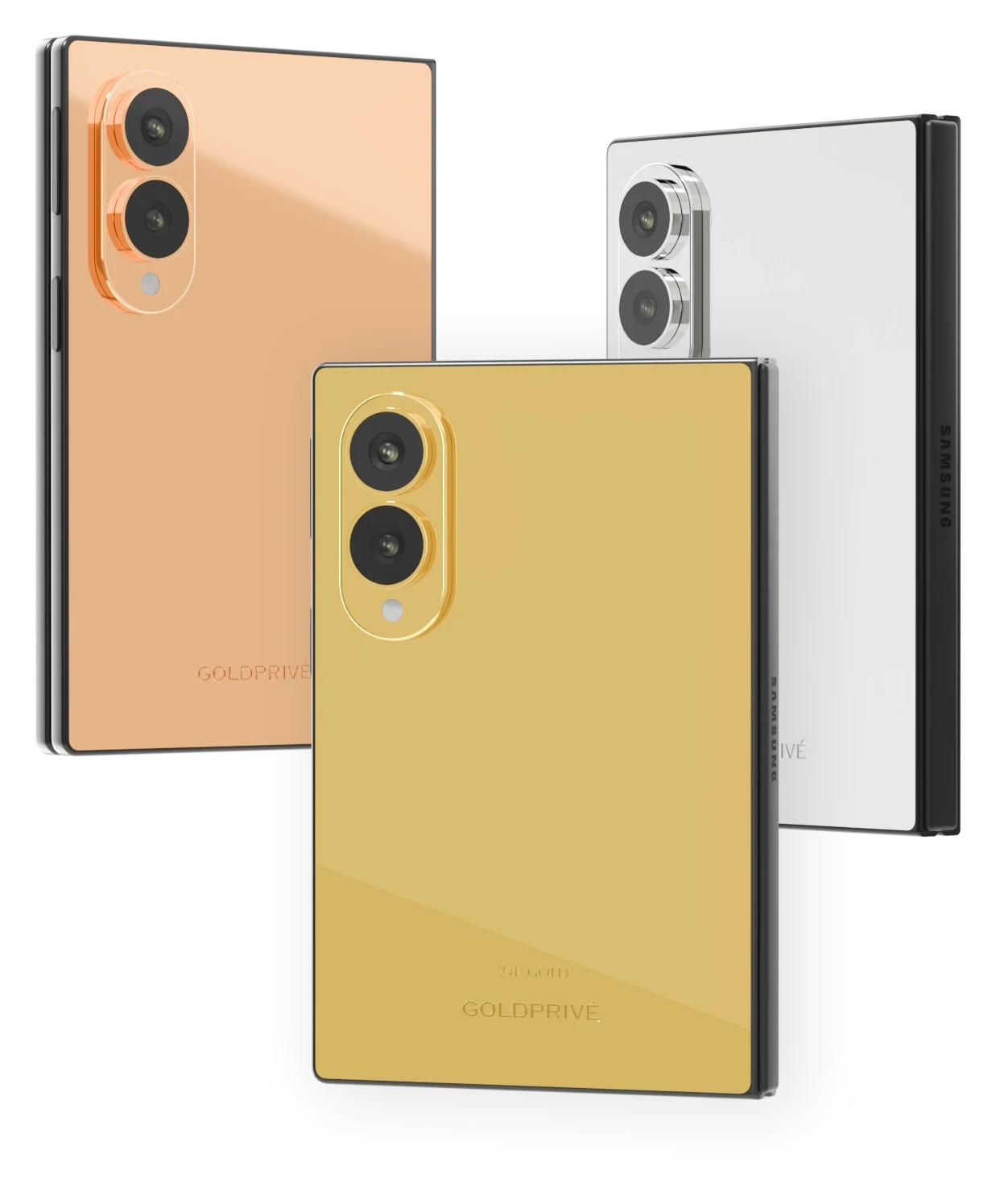
GoldPrivé finishes are 24K gold, rose gold or platinum, applied at 5 to 7 microns on a genuine, factory-new device. That is a plated finish, and we describe it as one. It is not a solid-gold phone. For comparison only, 5 to 7 microns is roughly 28 to 40 times the 0.175-micron floor for “Gold Electroplate” in the jewelry Guides, and about two to three times their 2.5-micron “Heavy Gold Electroplate” threshold. That comparison says something about how much gold is on the surface; it does not promise a lifespan, and wear still depends on how the device is used. See how long gold plating lasts.
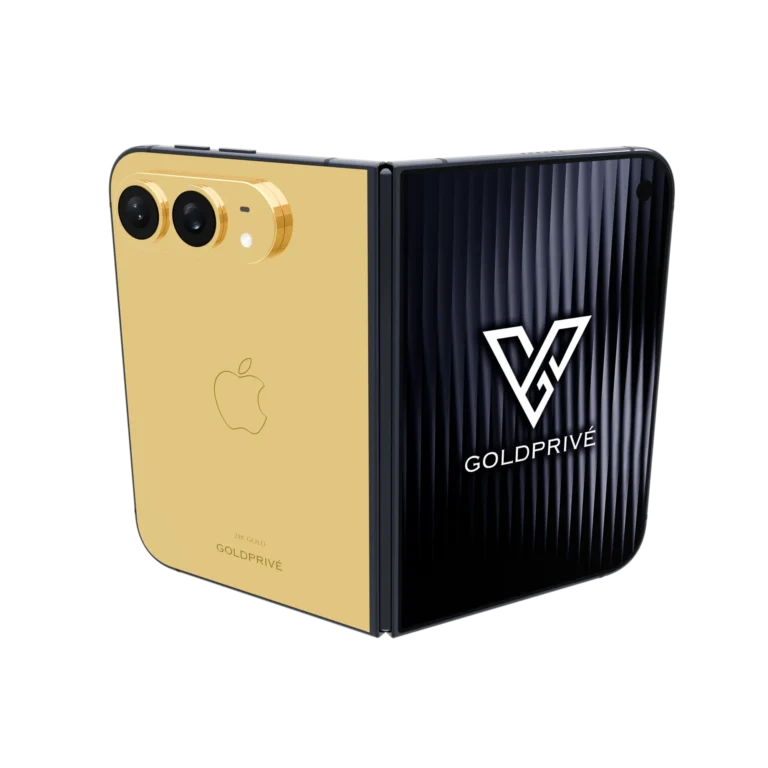
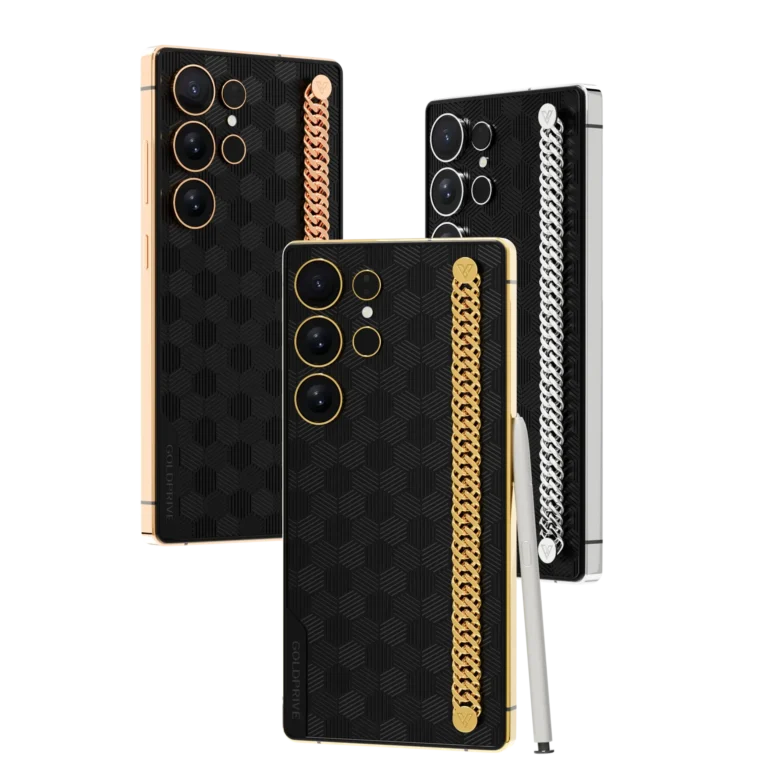
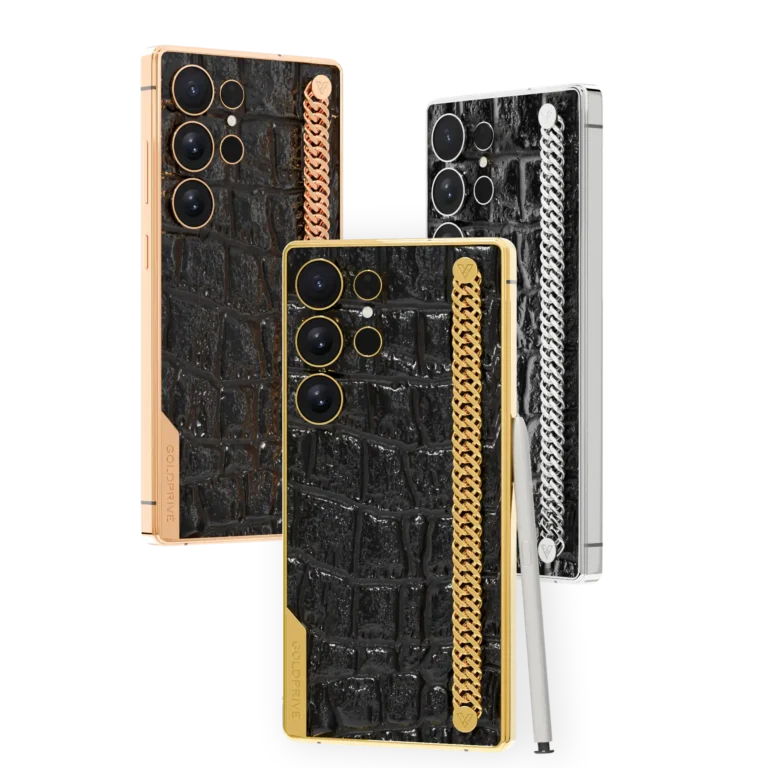
Two limits matter for honesty. The frame and hinge of foldables are never plated, so a foldable is gold on the back and cover surfaces, not all over. And a customized device is not water resistant, and the manufacturer may treat it as modified. The details are on our warranty page: a 2-year customization warranty and a 1-year device warranty, with liquid damage voiding both.
A buyer’s checklist for any gold claim
- Ask what is gold, and where. Solid throughout, plated, filled, or colour only? A seller who cannot answer in one sentence is telling you something.
- Ask for the karat of the gold itself. “24K”, “18K” and “gold tone” are three different things.
- Ask for the thickness in microns. A plated claim with no thickness cannot be compared with anything.
- Ask what is not covered. Hinges, frames, ports and edges are often excluded; a trustworthy seller lists them.
- Ask what happens to the warranty. If the base device is modified, who stands behind what?
- Check the seller is who it says it is. Our brand authenticity notice explains how to confirm you are on the official site.
What home tests can and cannot tell you
Magnet, scratch and skin-colour checks are unreliable on a plated item: a thin real-gold layer over a non-magnetic base passes a magnet test, and a convincing fake passes it too. A thin plating also should not be scratched on purpose, since the test itself removes the gold. For solid jewelry, a stamped karat mark and an assay by a qualified jeweller are the dependable routes. For a plated device, the dependable route is the seller’s written description of karat, thickness and exclusions. Plating is not a defect: the difference between electroplating, PVD and gold-filled is a matter of method, and any of them can be described honestly or dishonestly.
Questions buyers ask
Is a gold-plated phone real gold?
The surface layer is real gold, but the phone is not made of gold. It is a genuine device with a gold finish on its plated surfaces.
Does plated gold mean fake gold?
No. “Fake” describes a misleading claim or a gold-coloured surface with no gold in it. A disclosed gold plating of stated karat and thickness is an honest description of what it is.
Can I tell by weight or by sight?
Not reliably on a plated device, because the gold layer is a few microns thick and adds almost no weight. Rely on the written specification and the seller’s warranty terms.