Blog
Rose Gold iPhone Guide: 24K Rose Gold Customisation vs Apple Factory Colours

Rose Gold iPhone Guide: 24K Rose Gold Customisation vs Apple Factory Colours
Looking for a rose gold iPhone in 2026? Apple doesn’t make one. The iPhone 18 Pro, iPhone Air and iPhone Duo come in palettes without a single rose tone, so today the only route is a phone finished in the real metal. Updated in September 2026 with Apple’s current colour lists, this guide explains what rose gold is, how Apple once used the name, and how GoldPrivé’s Rose Gold editions compare with a factory colour and with 18K solid gold.
Key Takeaways
- Rose gold is an alloy colour: gold mixed with copper, which gives the pink warmth. 18K rose gold is 75 percent gold.
- Apple’s Rose Gold was a factory colour on the iPhone 6s and 6s Plus (2015) and the iPhone 7 and 7 Plus (2016), not precious metal.
- No current iPhone comes in rose gold. The iPhone 18 Pro, iPhone Air and iPhone Duo colour lists contain none.
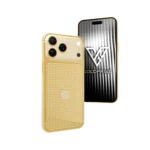
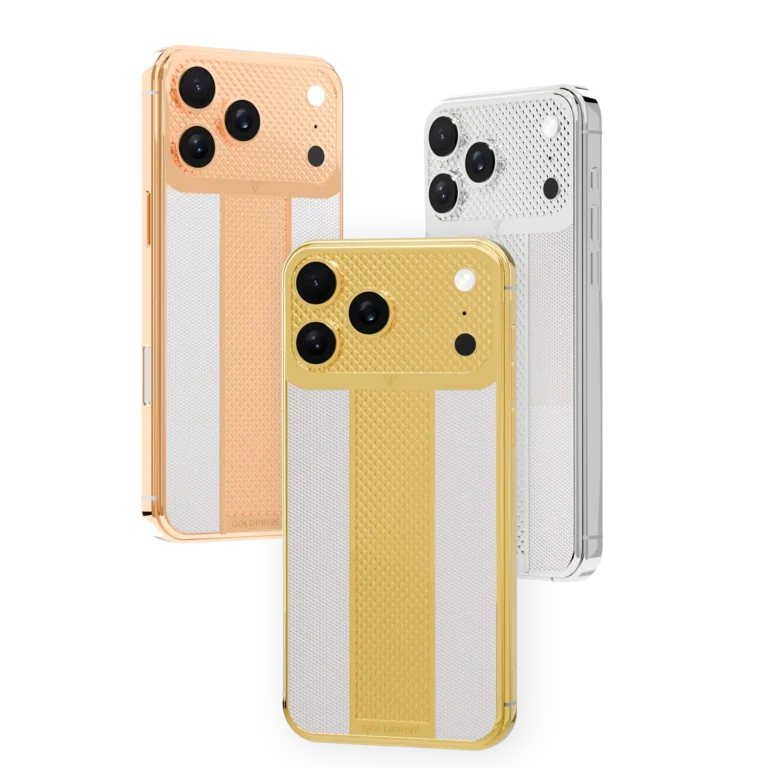
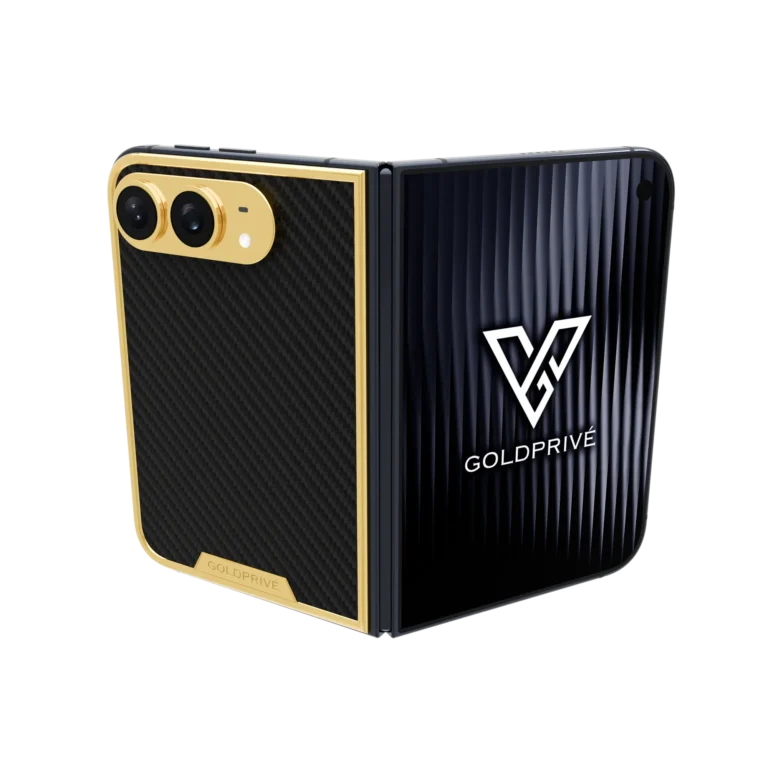
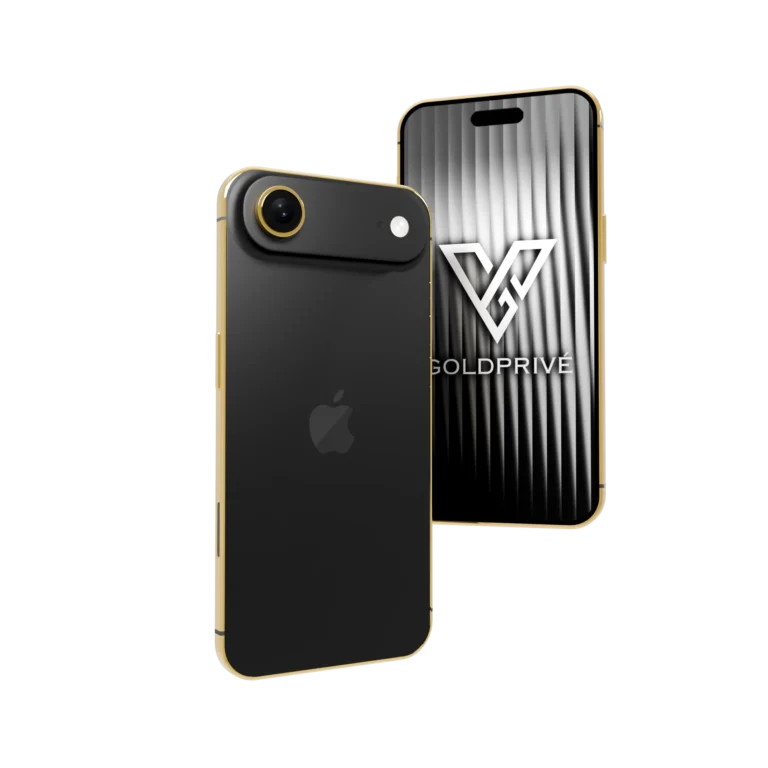
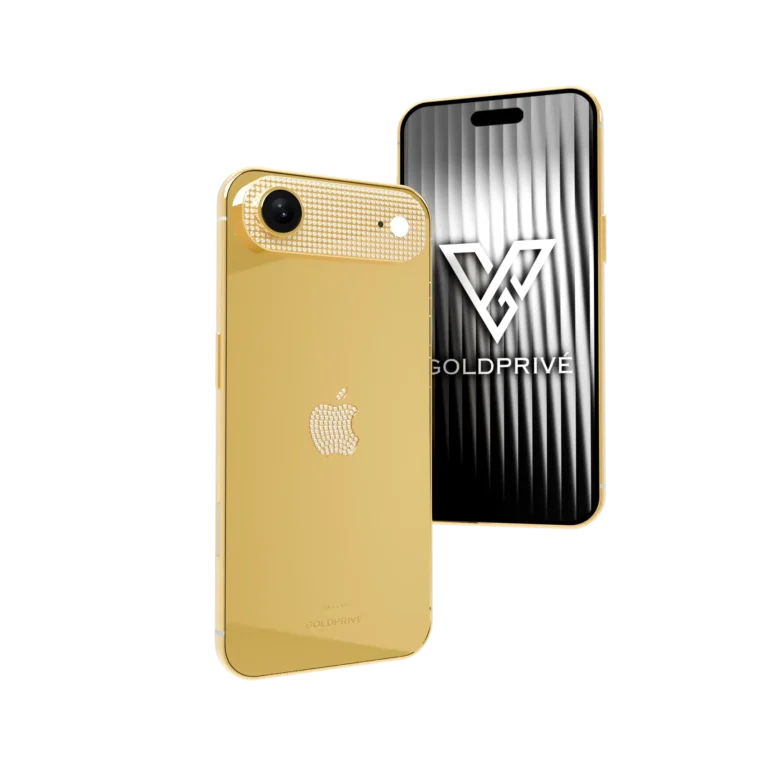
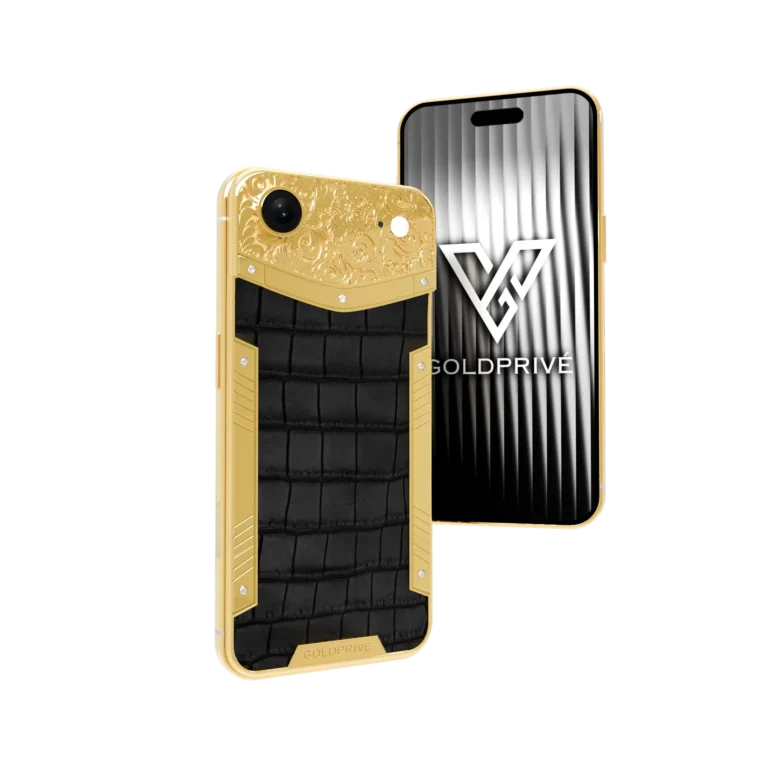
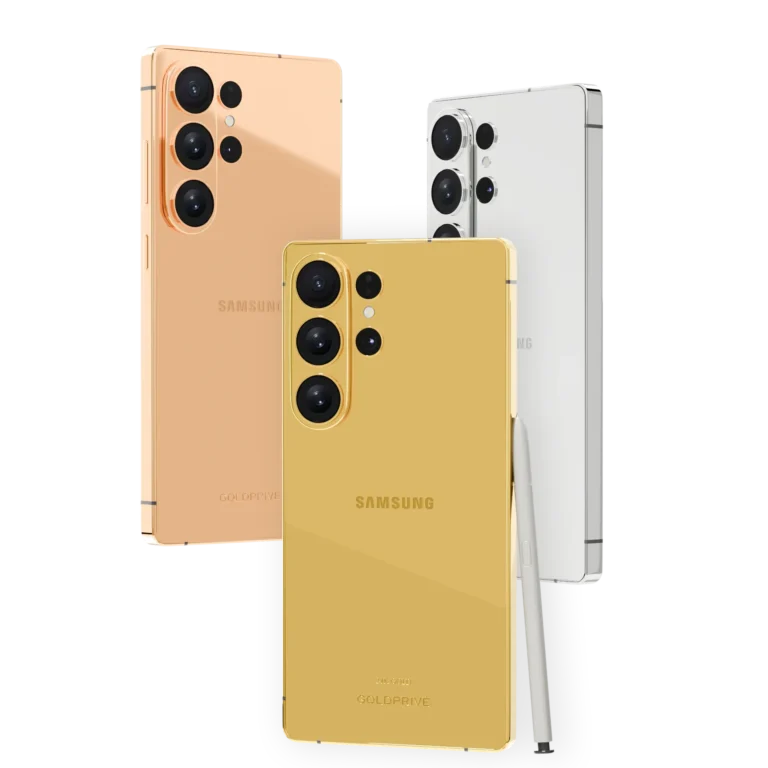
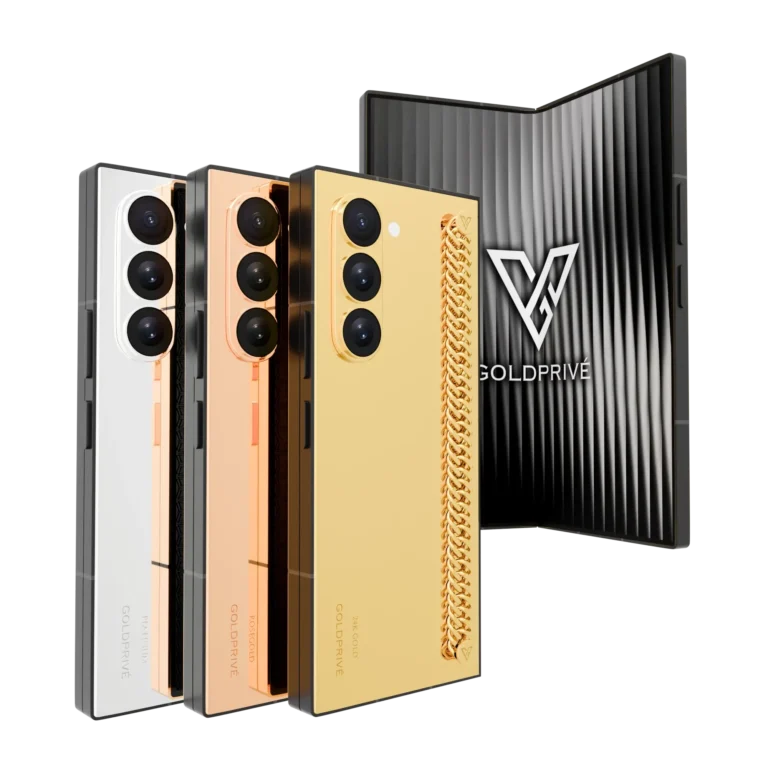
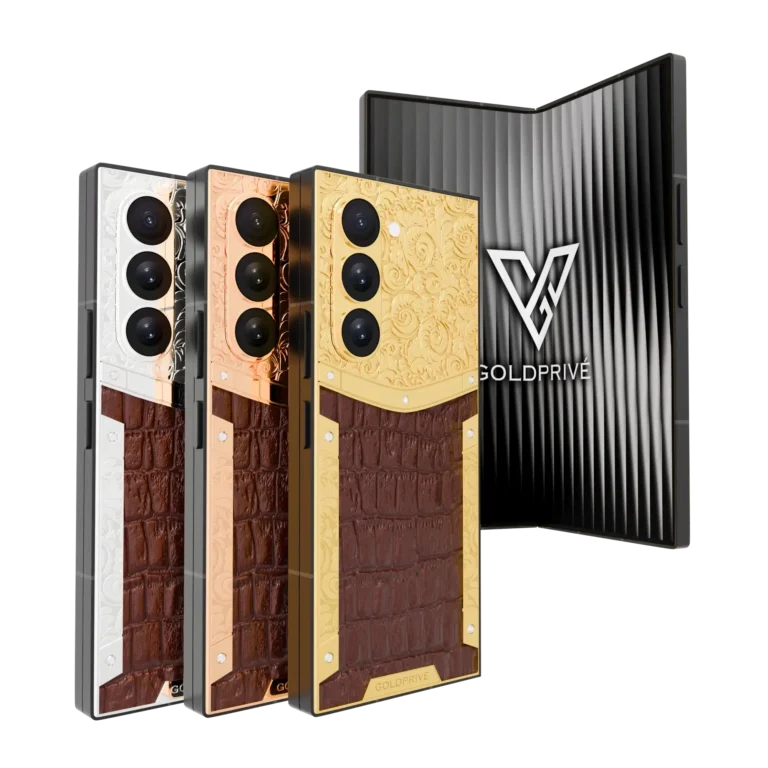
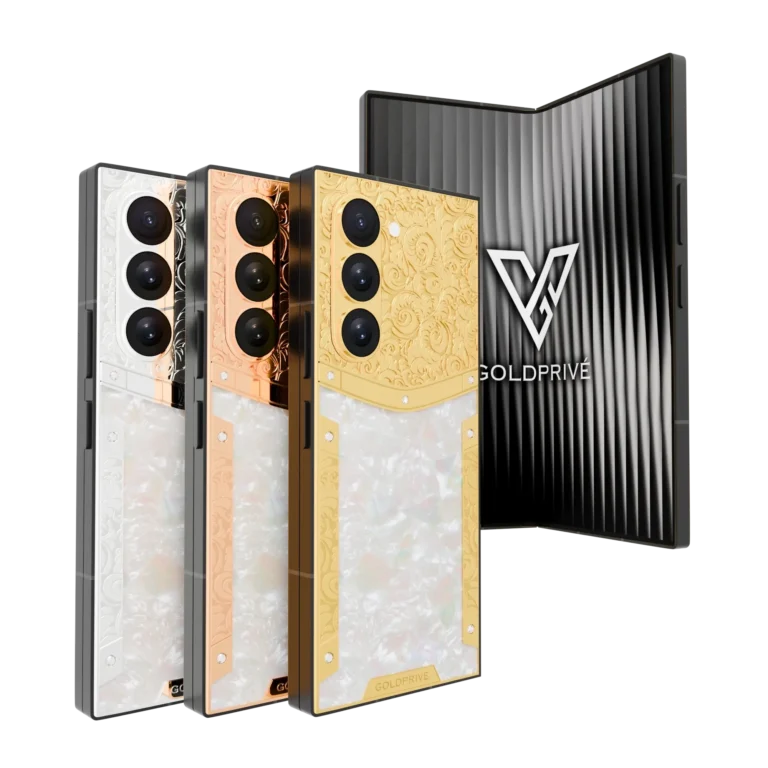
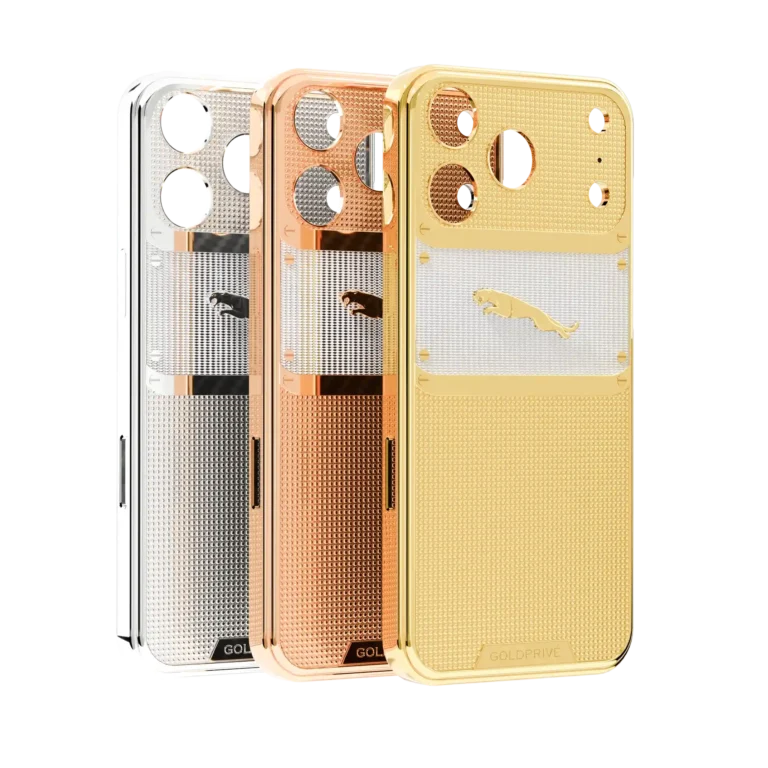
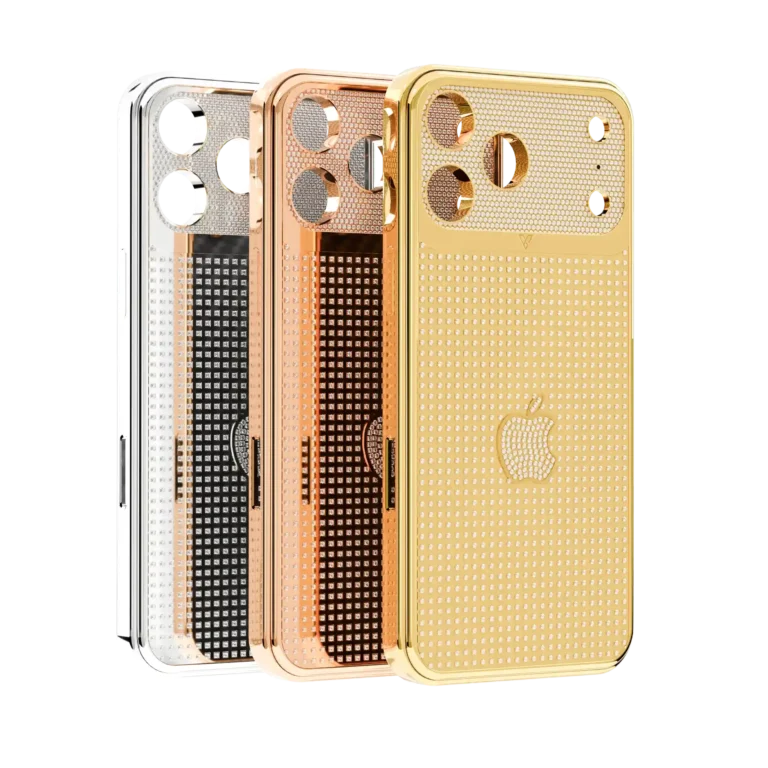
- GoldPrivé offers Rose Gold on iPhone 18 Pro and Pro Max, iPhone Air, iPhone Duo, its gold cases and Apple Watch, priced the same as 24K Gold or Platinum.
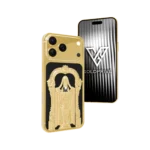
- 18K solid gold editions are a different construction: a forged 18K (750) centrepiece set into a custom back plate, with no wireless charging.
Table of Contents
Quick Answer
Apple sells no rose gold iPhone in September 2026, and its old Rose Gold was a colour rather than gold. For genuine precious metal in a rose tone, GoldPrivé finishes new iPhone 18 Pro, Pro Max, Air and Duo devices by hand in Dubai, with Rose Gold priced the same as 24K Gold and Platinum.
What Is Rose Gold?
Rose gold is not a separate metal but gold alloyed with copper, sometimes with a little silver. The copper shifts the colour from yellow towards pink; the more copper in the mix, the deeper the blush.
Carat describes how much of an alloy is gold. Pure 24-carat gold is always yellow, so a rose tone only appears once copper joins the mix; 18K rose gold is 75 percent gold. In jewellery the term means a real alloy; on phones it is often used loosely for any pink-tinted finish, so ask whether you are buying a colour or a metal.
Apple’s Rose Gold iPhone History
Apple introduced a Rose Gold finish with the iPhone 6s and 6s Plus in 2015 and offered it again on the iPhone 7 and 7 Plus in 2016. It was a factory colour applied during manufacture rather than a precious-metal alloy, so those phones looked rose gold without containing any gold.
Is There a Rose Gold iPhone Today?
| Current model | Apple colours | Rose gold? |
|---|---|---|
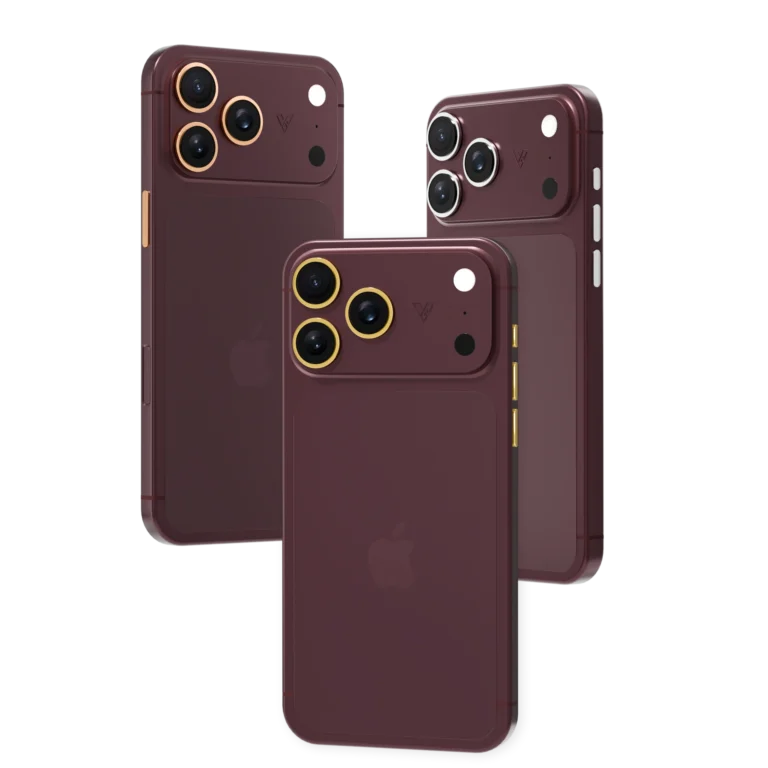
| iPhone 18 Pro and Pro Max | Black, Silver, Glacier, Burgundy | No |
| iPhone Air | Space Black, Cloud White, Light Gold, Sky Blue | No |
| iPhone Duo | Star White, Night Sky | No |
Apple’s current line-up also includes the iPhone 17, iPhone 17e and iPhone 16, and none of today’s iPhones is sold in rose gold. The closest shade is the iPhone Air’s Light Gold, a pale gold colour with no pink in its name and no precious metal in its make-up. The previous iPhone 17 Pro line, in Silver, Cosmic Orange and Deep Blue, had none either.
Real Rose Gold Plating vs a Factory Colour
| Point | Apple factory colour | GoldPrivé Rose Gold |
|---|---|---|
| What it is | A colour applied at manufacture | Precious-metal plating at 5–7 microns |
| Contains gold | No | Yes |
| Available on current iPhones | No | iPhone 18 Pro, Pro Max, Air and Duo |
| Personalisation | None | Engraved names, initials, crests or dates |
| Extra cost | Part of the phone price | Same price as 24K Gold or Platinum |
| Apple warranty | Standard | Apple may treat the phone as modified |
Every GoldPrivé edition starts from a new, unlocked Apple device; only the exterior changes, never the internals, display or cameras.
Rose Gold vs Yellow Gold vs Platinum
Because the three finishes cost the same, the choice is purely about taste:
- Rose Gold is soft, warm and contemporary. It flatters warm and olive complexions and feels less formal than yellow gold while still reading as precious metal.
- 24K Gold is the richest, most traditional tone and the strongest statement of the three.
- Platinum is cool and white, closer to a steel watch case, for those who prefer understatement.
A useful test is your watch: match the phone to the metal on your wrist and the look feels deliberate. To see each metal against carbon, pearl and leather, read our gold case materials comparison.
Which Rose Gold iPhone Can You Order Today?
| GoldPrivé product | Price range | Notes |
|---|---|---|
| iPhone 18 Pro and Pro Max (24K collection) | $ 2,990 to $ 15,790 | 6.3″ and 6.9″, 256GB to 2TB |
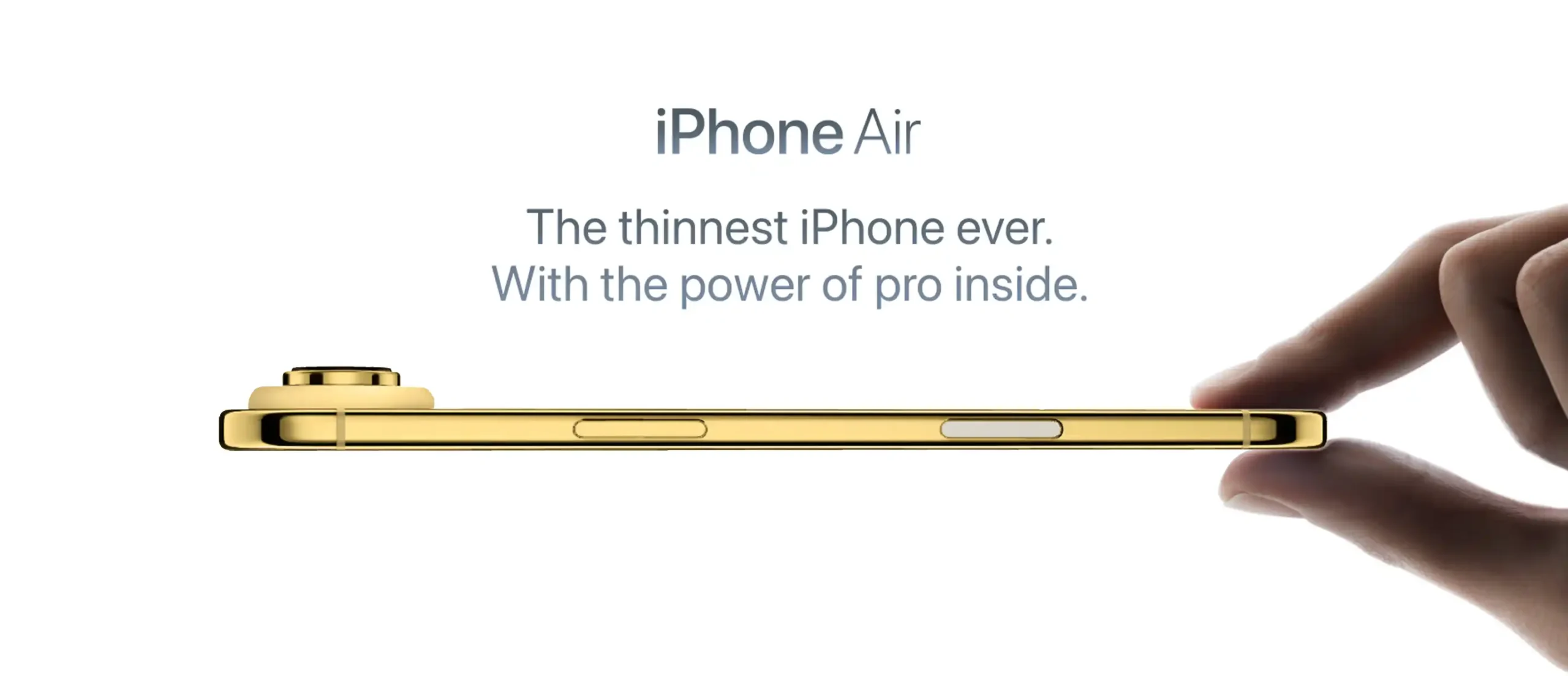
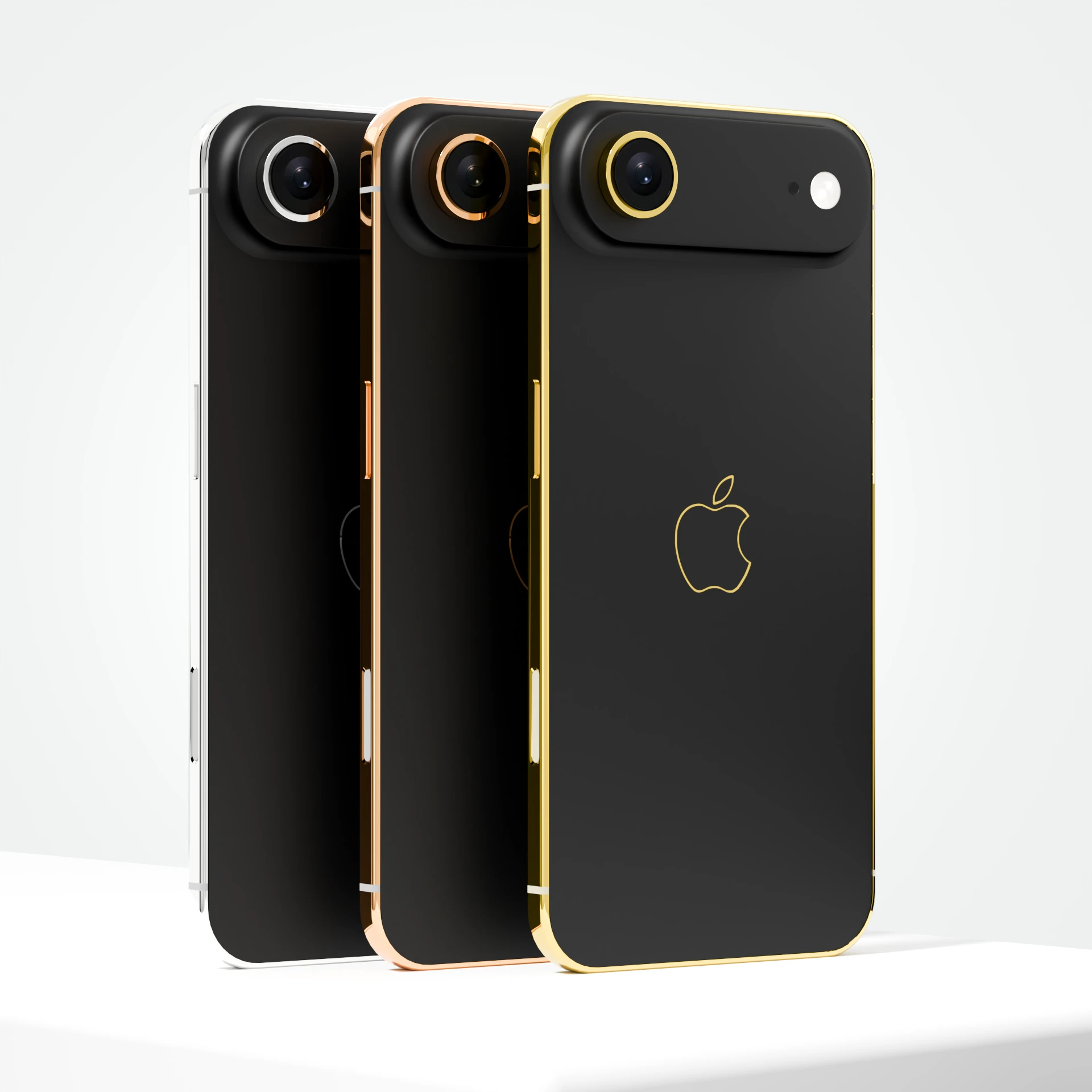
| iPhone Air | From $2,390 (Timeless) to $13,990 (Astranova) | 256GB, 512GB, 1TB |
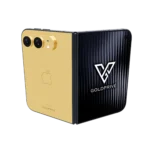
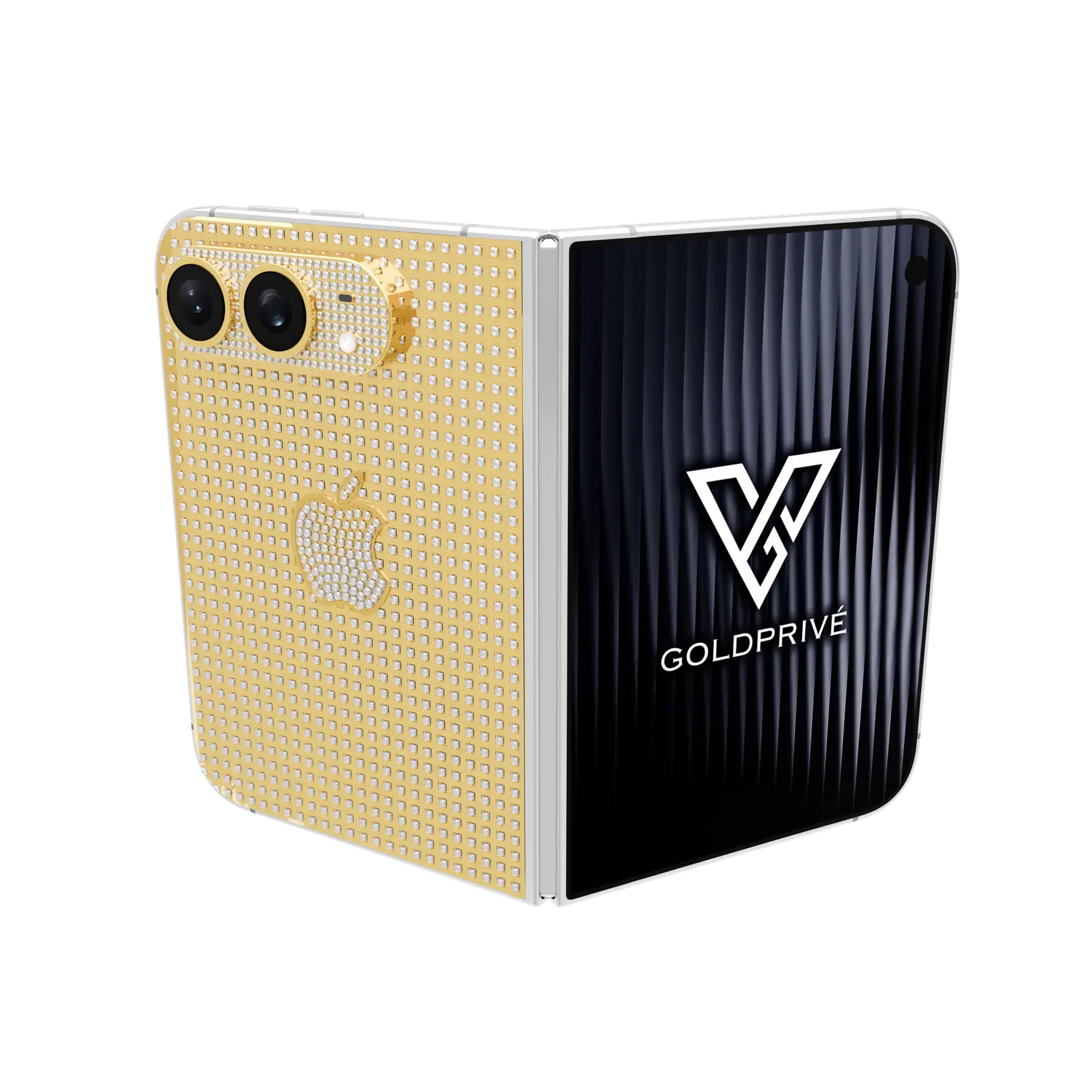
| iPhone Duo | $ 3,090 to $ 15,390 | Frame, hinge and displays never plated |
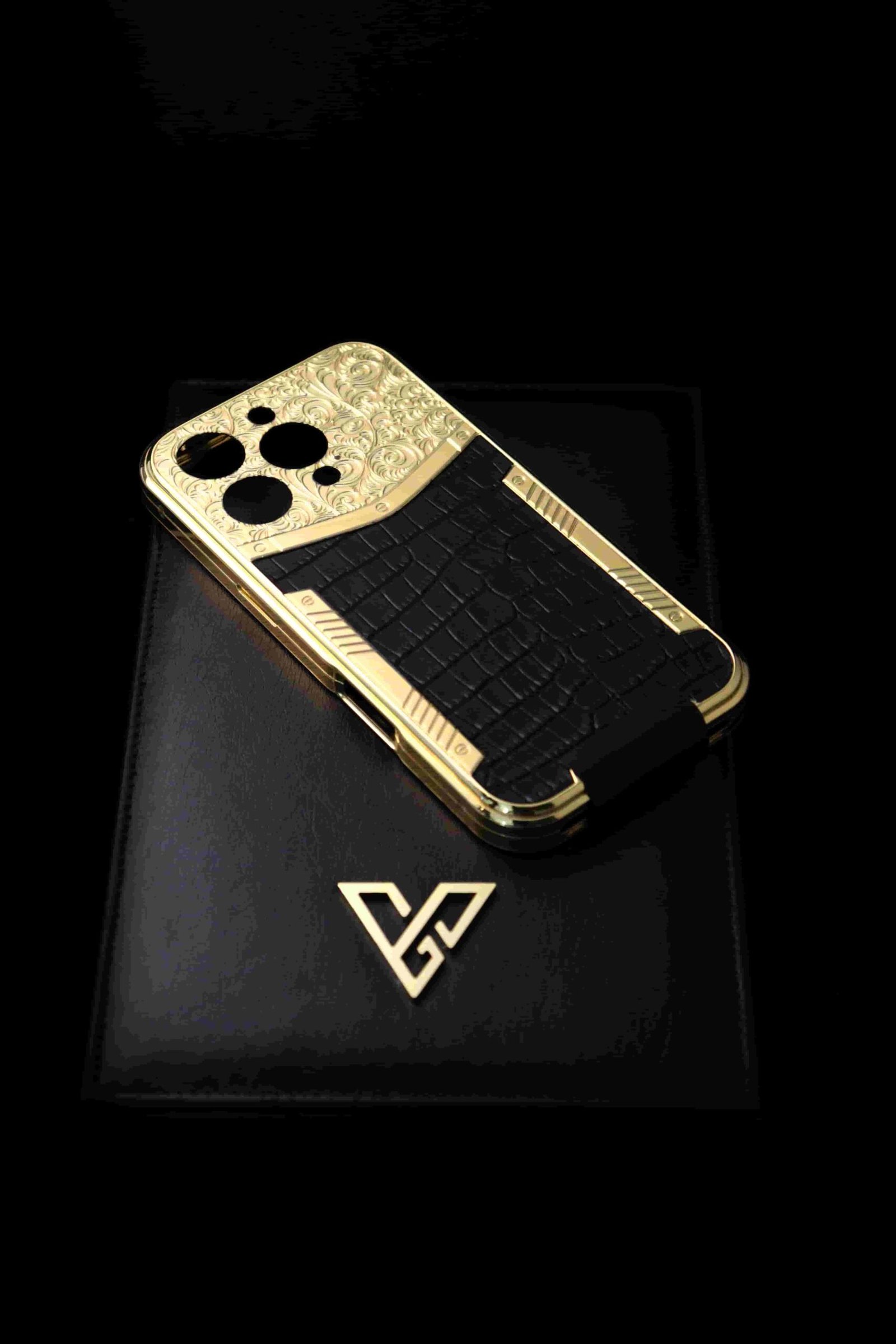
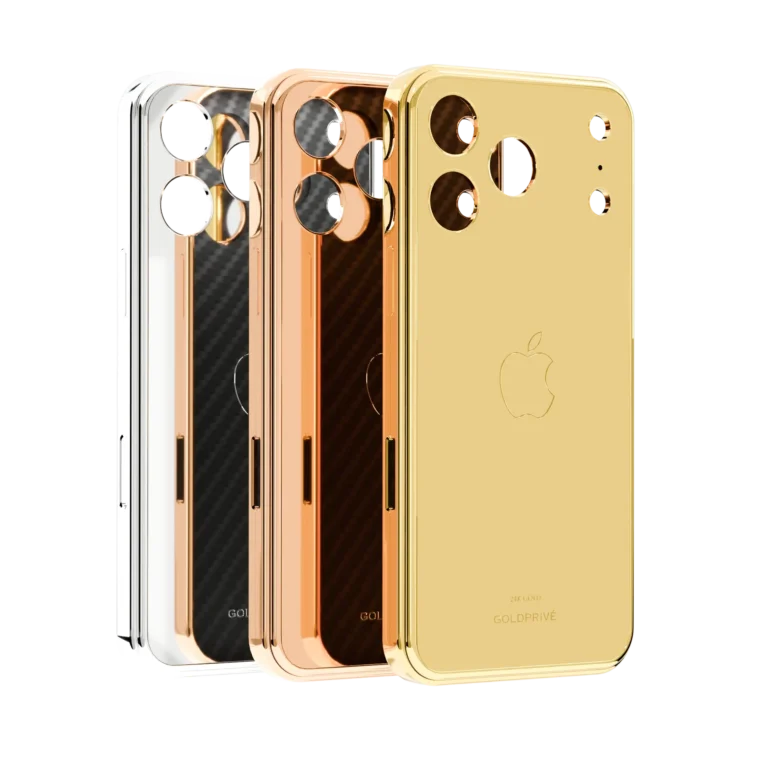
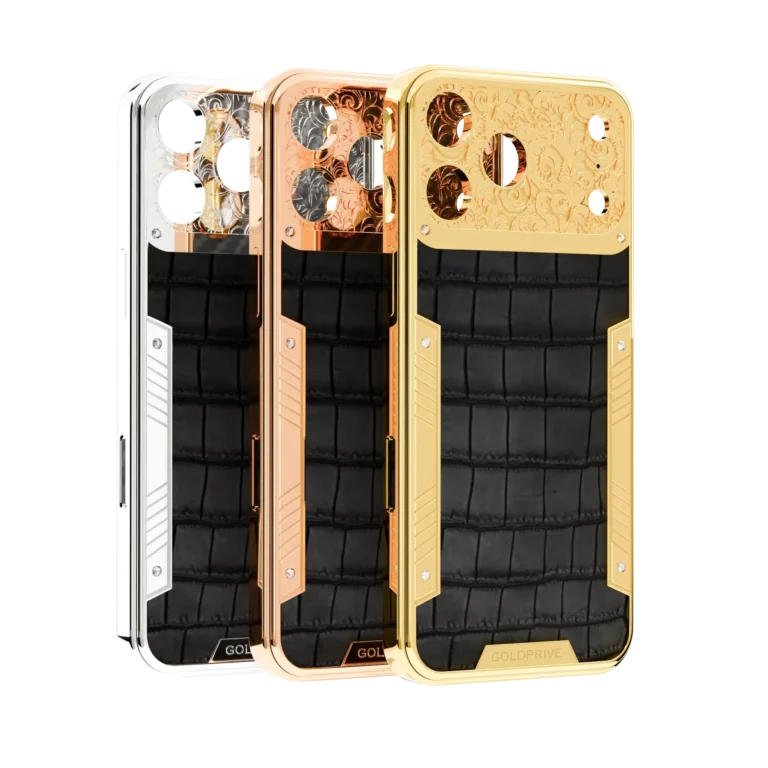
| iPhone 18 Pro and Pro Max cases | $1,390 to $2,290 | 21 designs; the iPhone stays untouched |
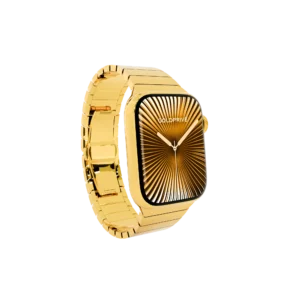
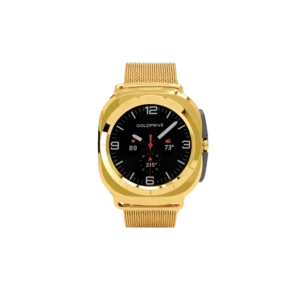
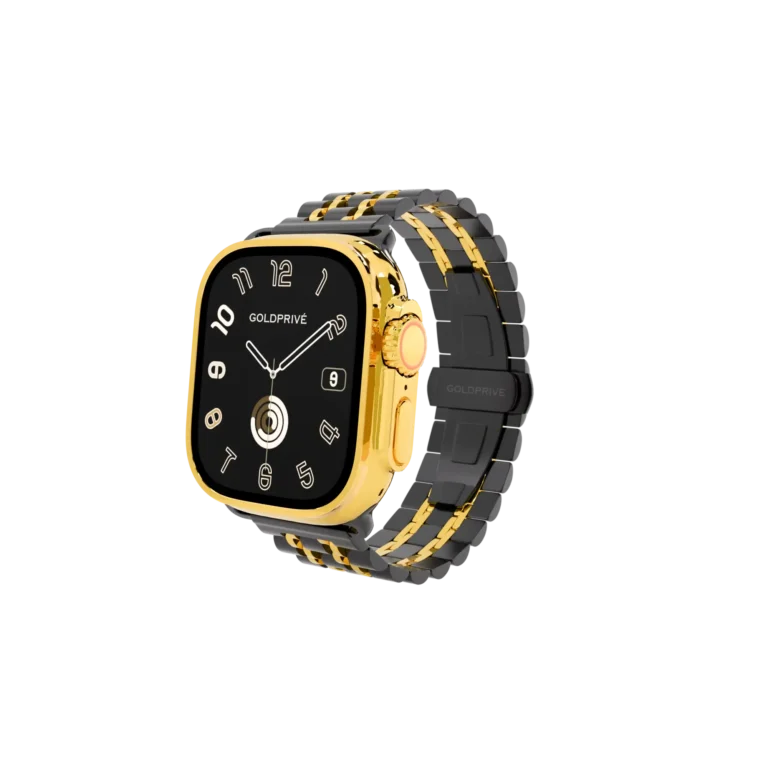
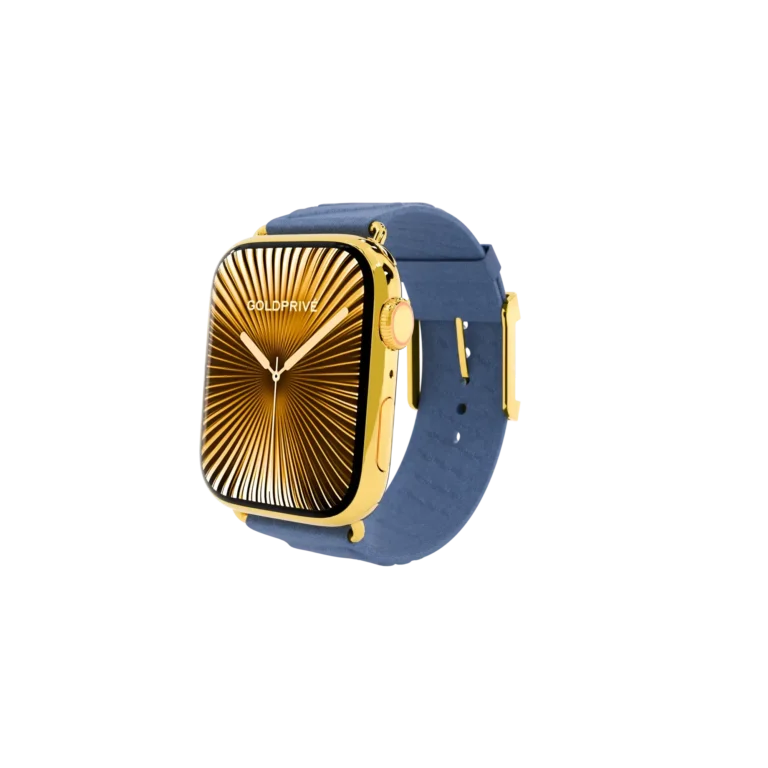
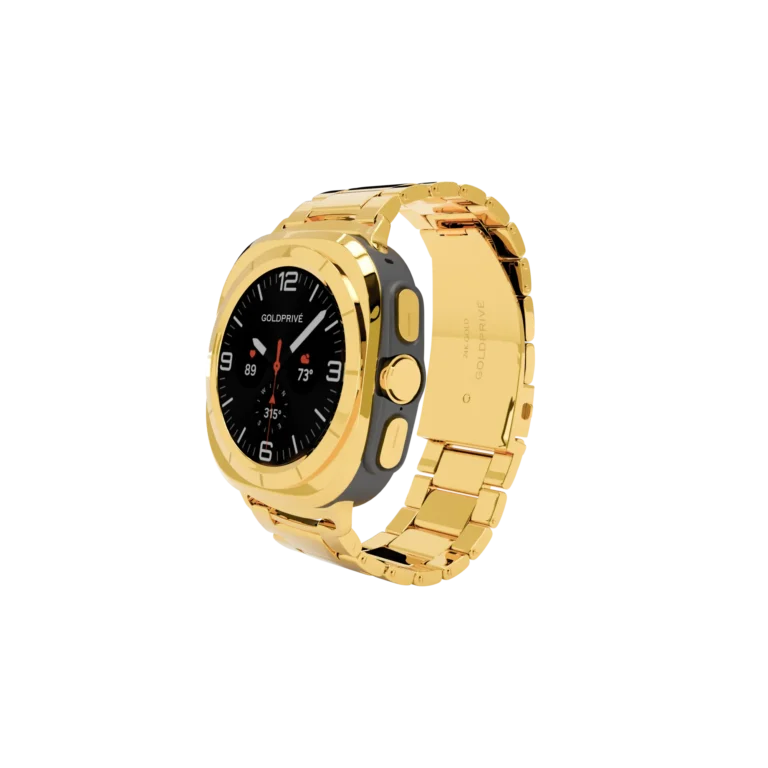
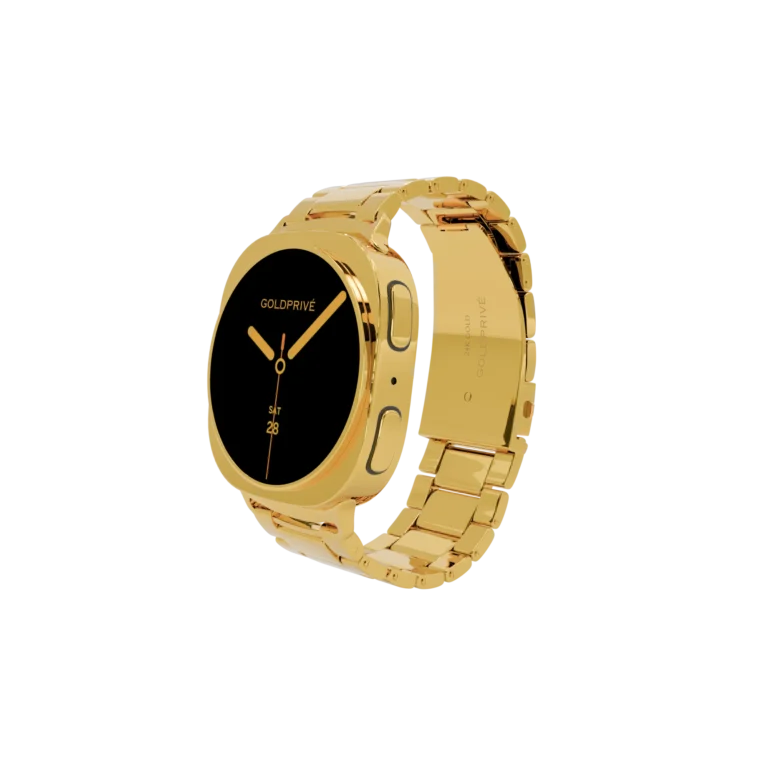
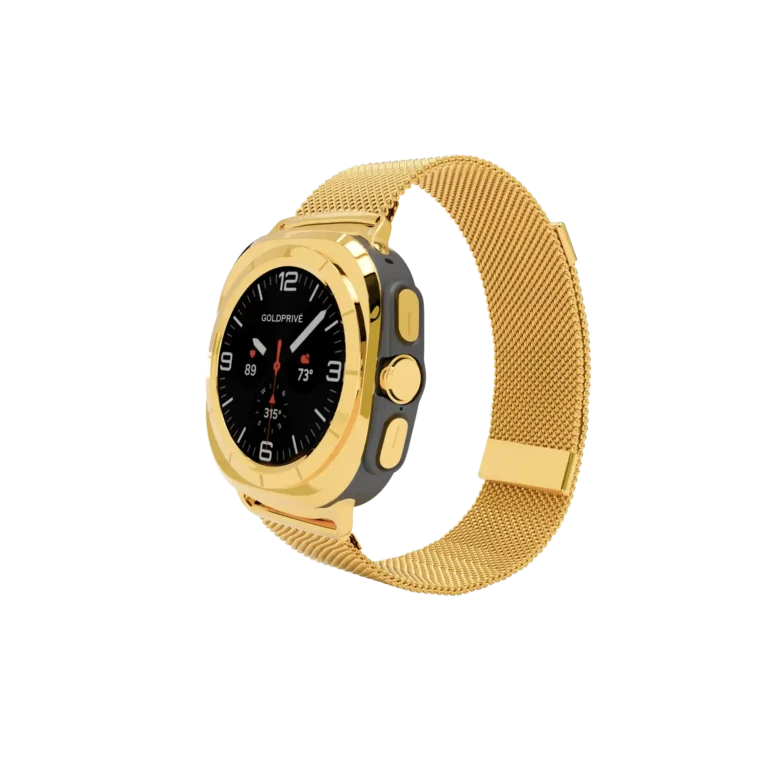
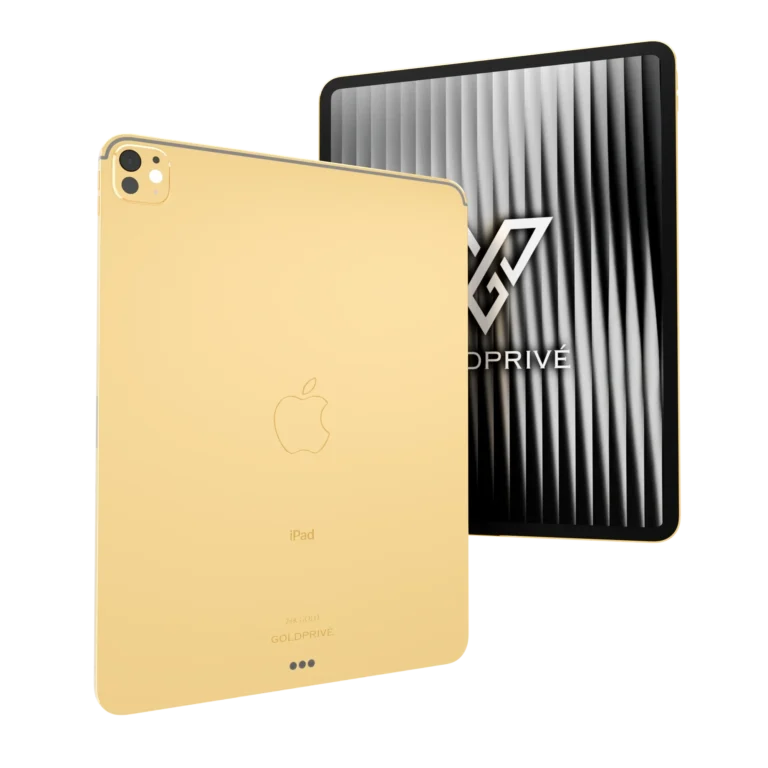
| Apple Watch Series 12 | $1,950 to $3,450 | 15 designs, 42mm and 46mm |
| Apple Watch Ultra 4 | $3,400 to $3,950 | 7 designs |
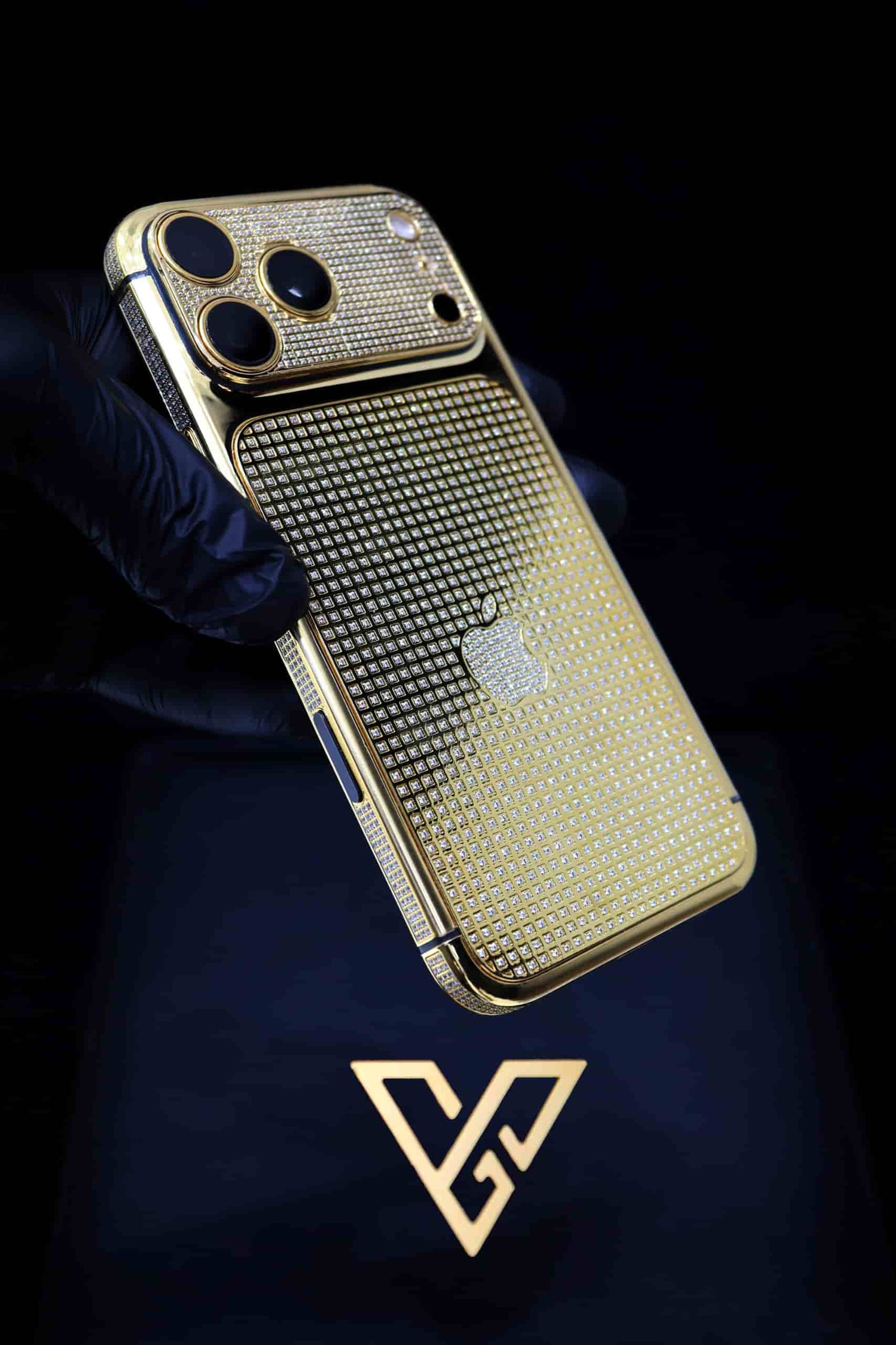
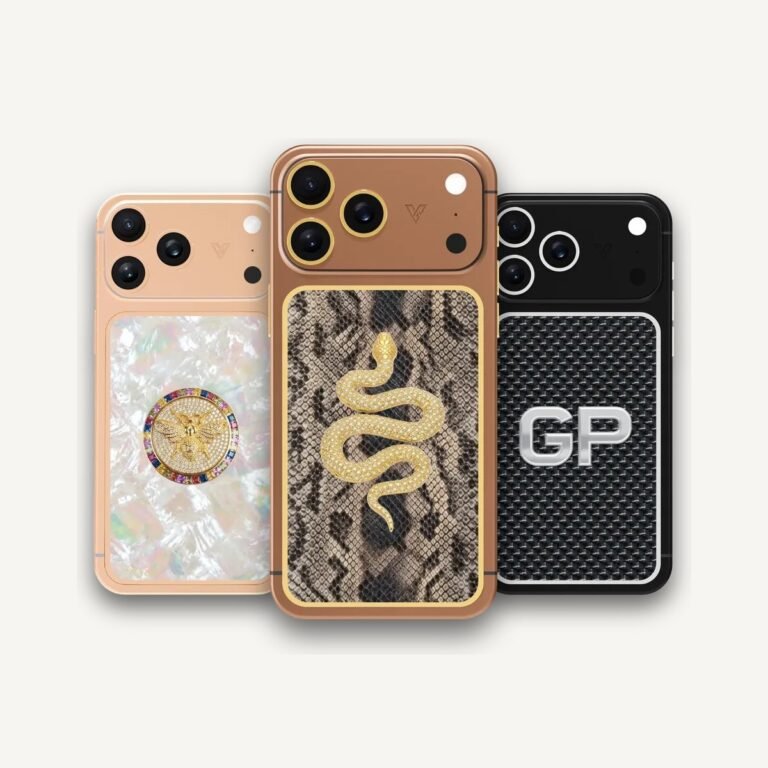
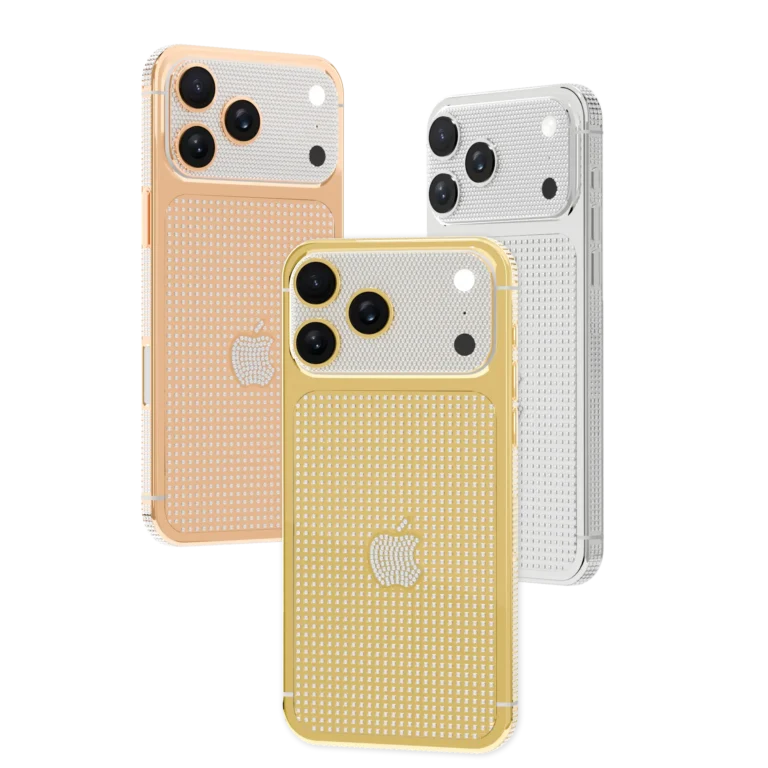
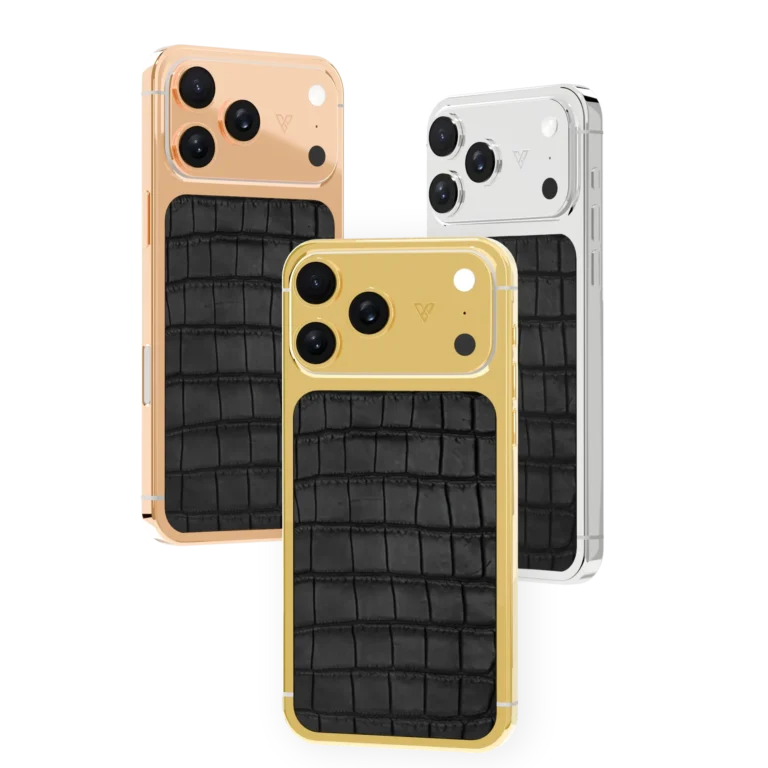
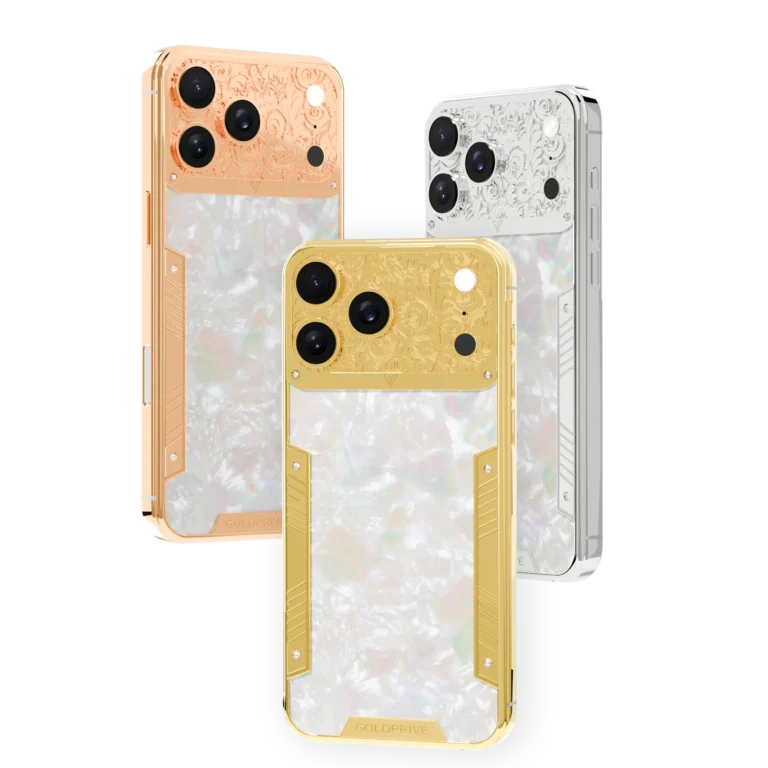
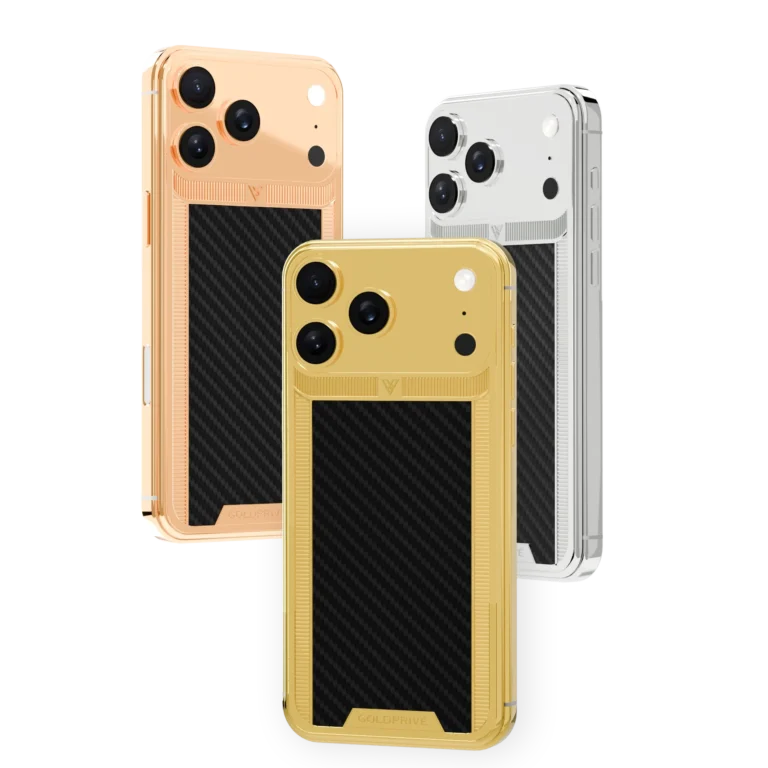
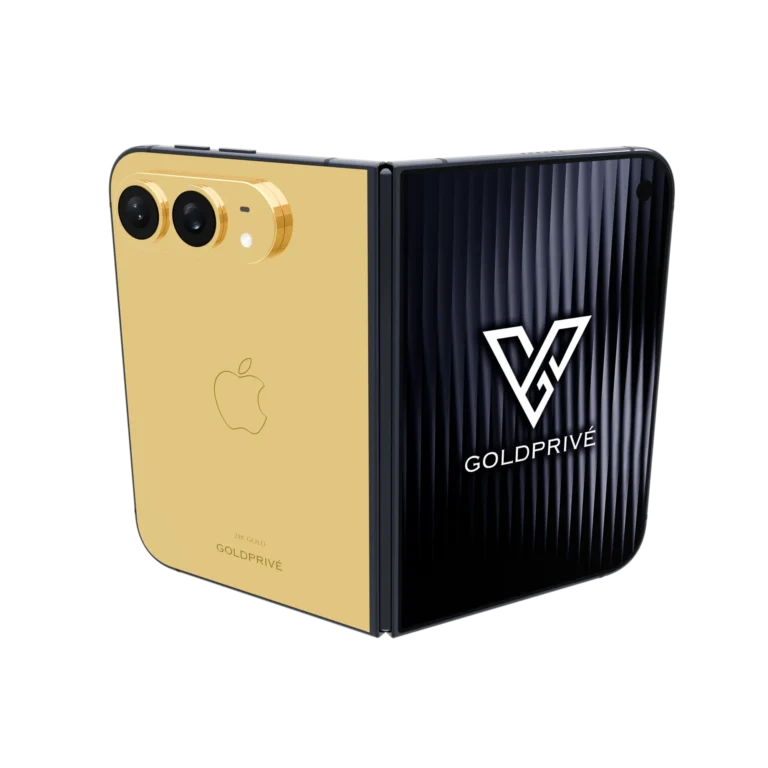
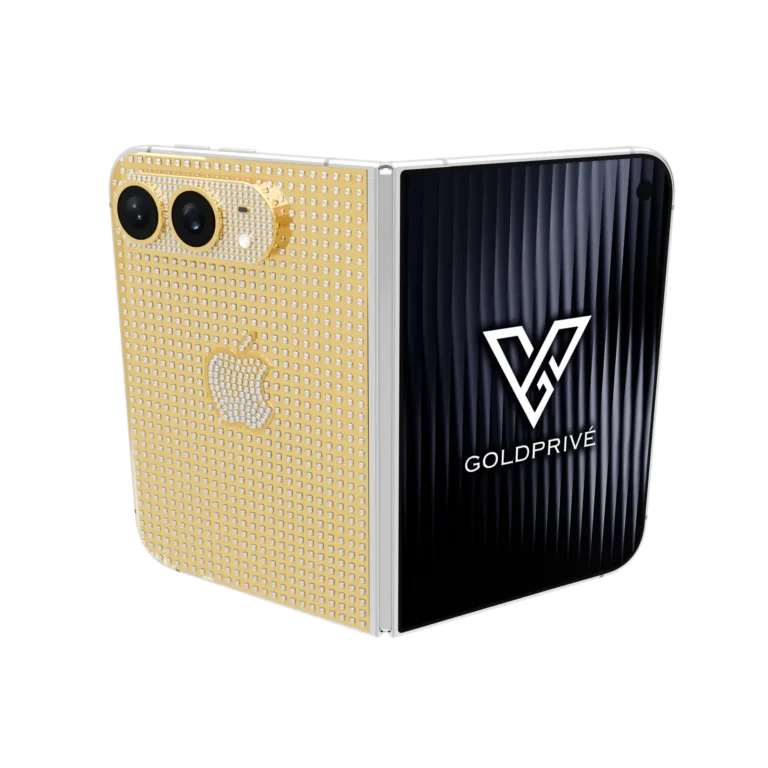
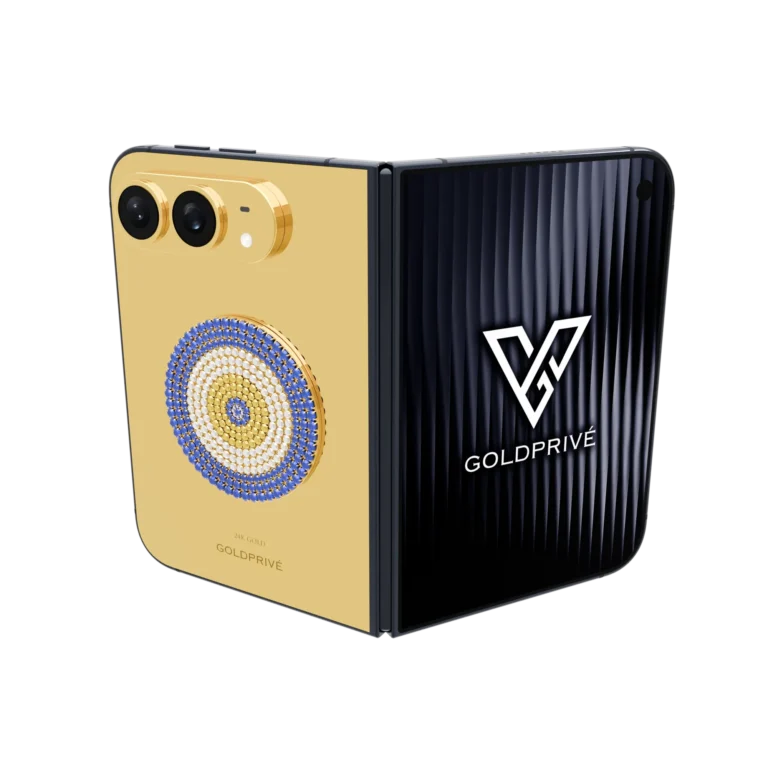
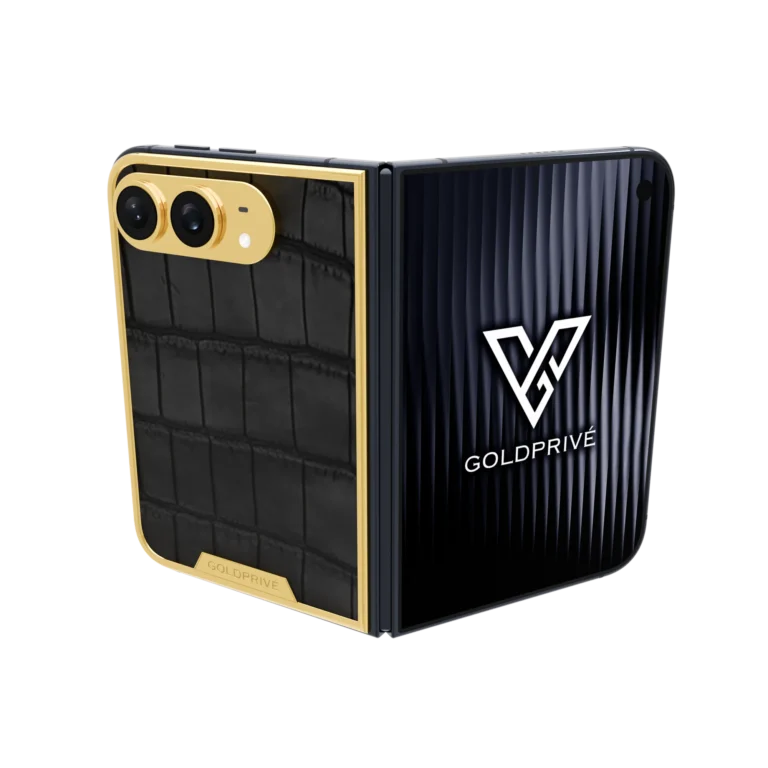
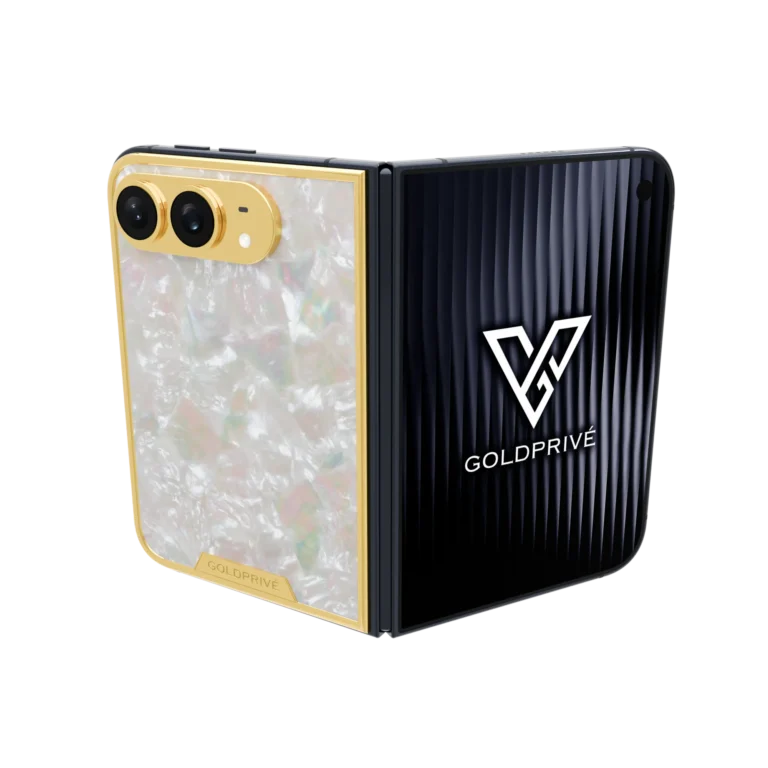
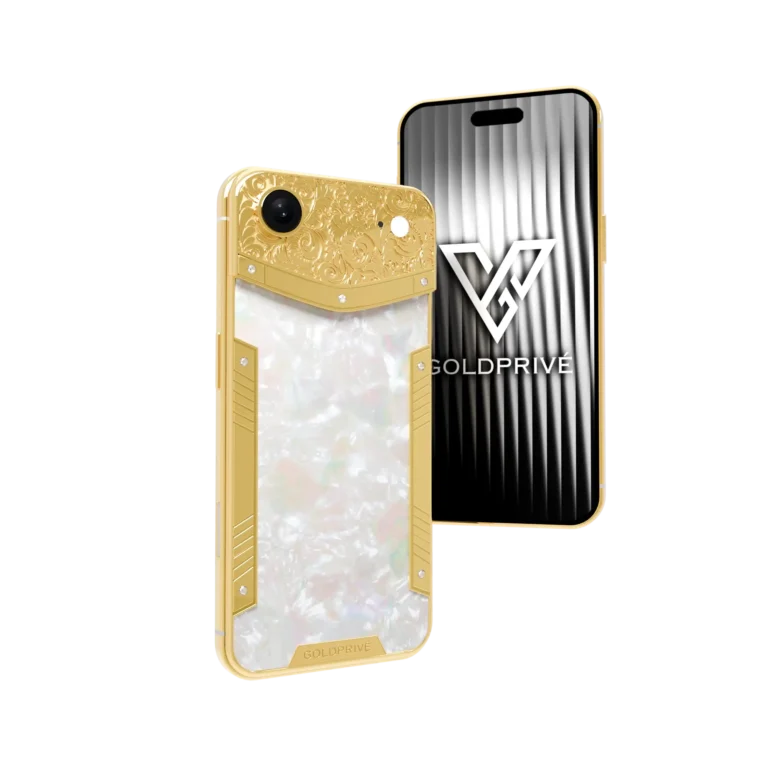
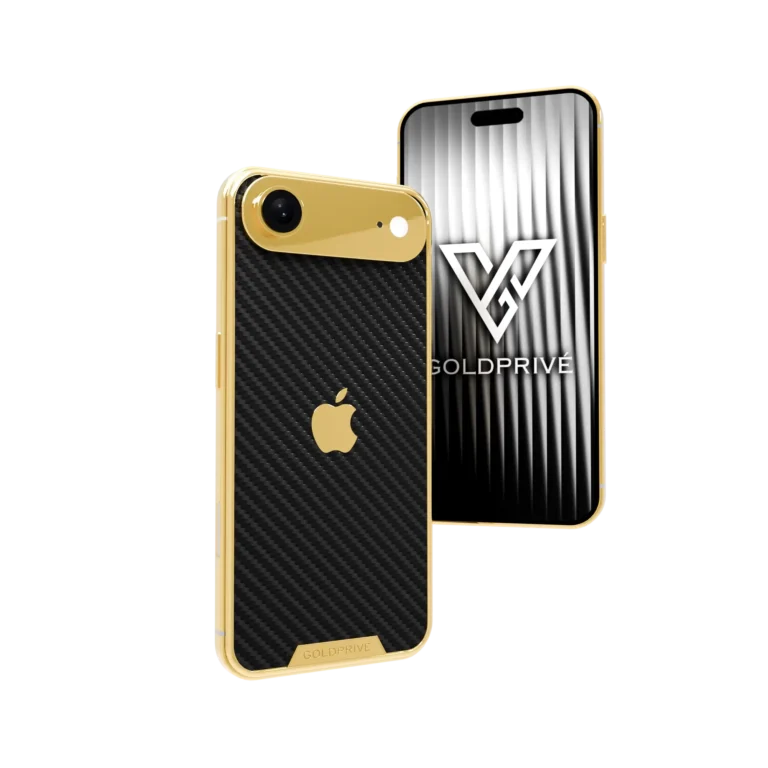
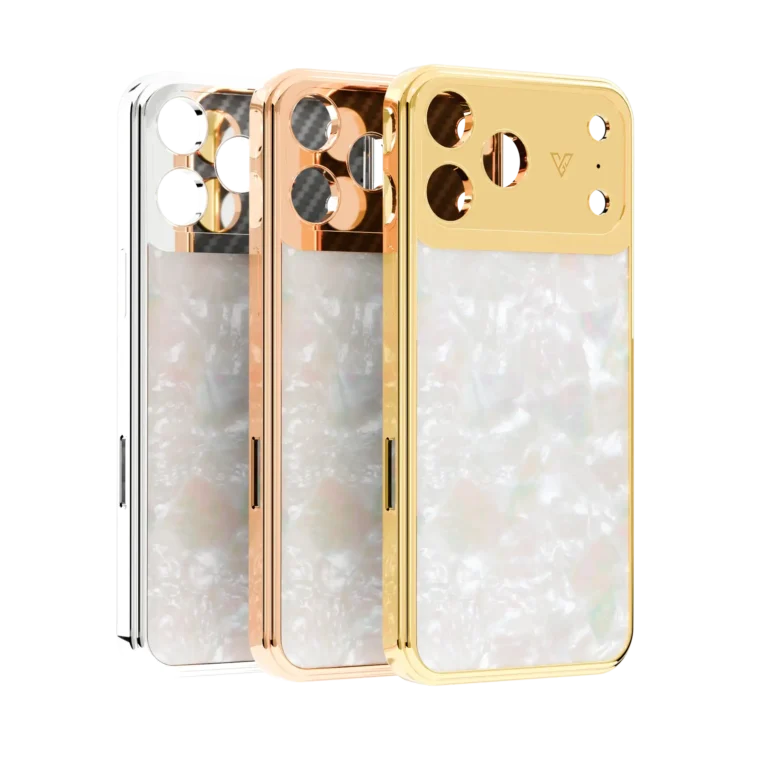
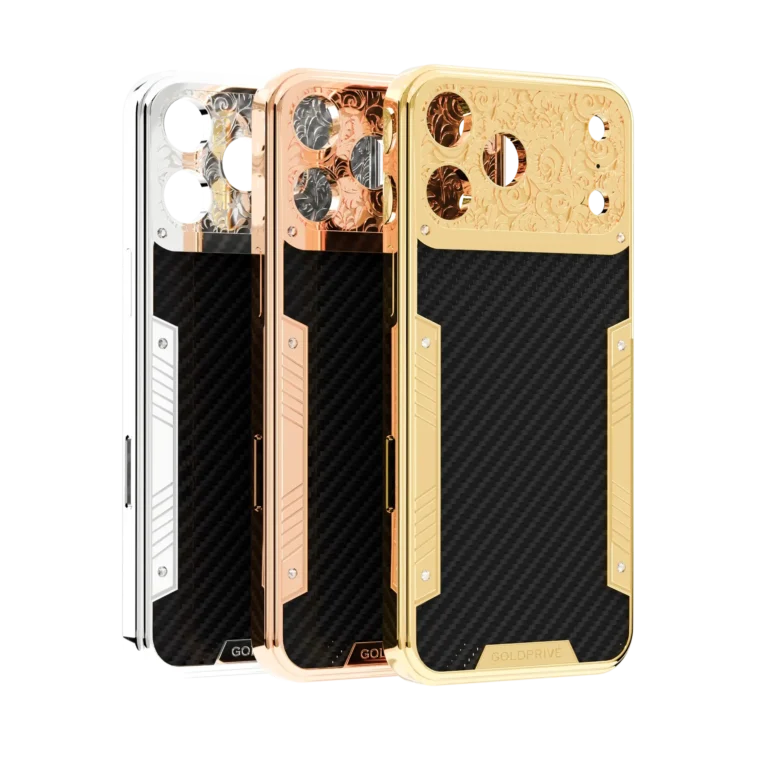
The gold iPhone 18 Pro Max collection spans Ultimate, Timeless, Éclat, Exotic Skin, Pearl Edition and Carbon Craft. Fully plated designs charge by USB‑C, Timeless editions keep Apple’s back and MagSafe, and Exotic Skin or Pearl Edition designs vary by configuration; the gold iPhone Air collection works the same way. On the gold iPhone Duo collection, the back plate is replaced and plated, the camera ring is finished in the metal and the Apple logo is engraved.
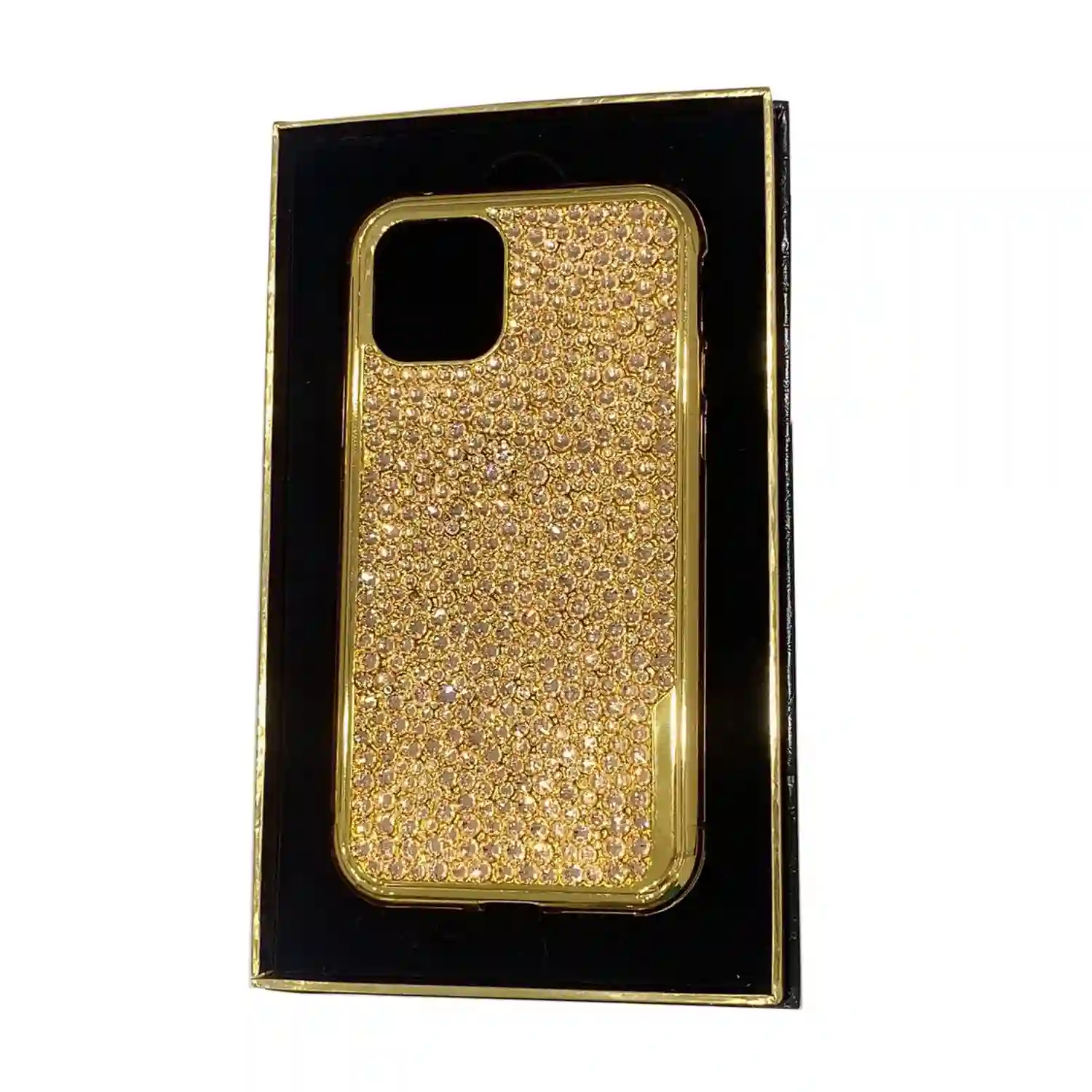
Not ready for a customised phone? The Rose Gold iPhone 18 Pro and Pro Max cases bring the tone to an unaltered iPhone, and a gold Apple Watch Series 12 completes the set.
24K Rose Gold Plating vs 18K Solid Gold
| Point | 24K collections (Rose Gold finish) | 18K Solid Gold editions |
|---|---|---|
| Construction | Electroplated at 5–7 microns; how much is plated depends on the line | Forged 18K (750) centrepiece set into a custom back plate, 24K gold-plated frame |
| Metal choice | 24K Gold, Rose Gold or Platinum, one price | Six set designs: Élysian, Sovereign, Imperium, Aurelius, Valorian, Regalia |
| Solid gold content | None; the gold is a plated layer | Élysian’s centrepiece is around 80 to 100 grams, per GoldPrivé |
| Wireless charging | Depends on the line | Not supported |
| Price | $ 2,990 to $ 15,790 | $ 16,220 to $ 26,970 |
Plating gives a rose gold iPhone with a free choice of design. The 18K solid gold editions are about the weight of metal rather than colour choice and come as six defined designs, so if a rose tone matters there, raise it with a consultant before ordering. Our 24K plating vs 18K solid gold guide compares the two in depth.
Ownership Essentials
- Warranty: Apple may treat a customised iPhone as modified, and the phone is not water resistant. GoldPrivé Care covers the customised parts.
- Care: treat the plating as you would fine jewellery; our gold iPhone care guide explains how.
- Authenticity: each phone includes a GoldPrivé certificate you can check through product verification, alongside Apple’s original documentation.
- Ordering: reserve with a 50% deposit or pay in full. Production typically takes 7 to 14 working days, followed by fully insured worldwide delivery.
Choose Your Rose Gold iPhone
Explore Rose Gold across the iPhone 18 Pro and Pro Max, iPhone Air and iPhone Duo collections, each finished by hand in GoldPrivé’s Dubai atelier.
Deciding between Rose Gold and 24K Gold, or plating and solid gold? Book a GoldPrivé consultation and plan an engraved name, crest or date.
FAQs
Does Apple sell a rose gold iPhone in 2026?
No. None of Apple’s current iPhones is offered in rose gold. The iPhone 18 Pro comes in Black, Silver, Glacier and Burgundy, the iPhone Air in Space Black, Cloud White, Light Gold and Sky Blue, and iPhone Duo in Star White and Night Sky.
Which iPhones did Apple make in Rose Gold?
Apple offered Rose Gold on the iPhone 6s and 6s Plus in 2015 and on the iPhone 7 and 7 Plus in 2016. It was a factory colour, not real gold.
Is the iPhone Air’s Light Gold the same as rose gold?
No. Light Gold is a pale gold colour, not rose gold, and like every Apple colour it contains no precious metal.
What gives rose gold its pink colour?
Copper. Rose gold is gold alloyed with copper, and a higher share of copper produces a deeper pink. Pure 24-carat gold is yellow.
Can I buy an iPhone 18 Pro Max in rose gold?
Yes, through GoldPrivé. Its 24K iPhone 18 Pro and Pro Max collection is offered in 24K Gold, Rose Gold or Platinum, in both sizes and from 256GB to 2TB.
Does Rose Gold cost more than 24K Gold?
No. GoldPrivé charges the same price for Rose Gold, 24K Gold and Platinum on any given design.
Does a rose gold iPhone still support MagSafe?
It depends on the design. Timeless editions keep Apple’s back and still charge wirelessly, fully plated designs charge by USB‑C, Exotic Skin and Pearl Edition designs vary by configuration, and 18K solid gold editions have no wireless charging.
Can I get a rose gold Apple Watch or iPhone case?
Yes. GoldPrivé plates Apple Watch Series 12 and Apple Watch Ultra 4 cases, and its iPhone 18 Pro and Pro Max cases, in Rose Gold as well as 24K Gold and Platinum.