Blog
From the First iPhone to iPhone 18: Apple’s iPhone Evolution Timeline

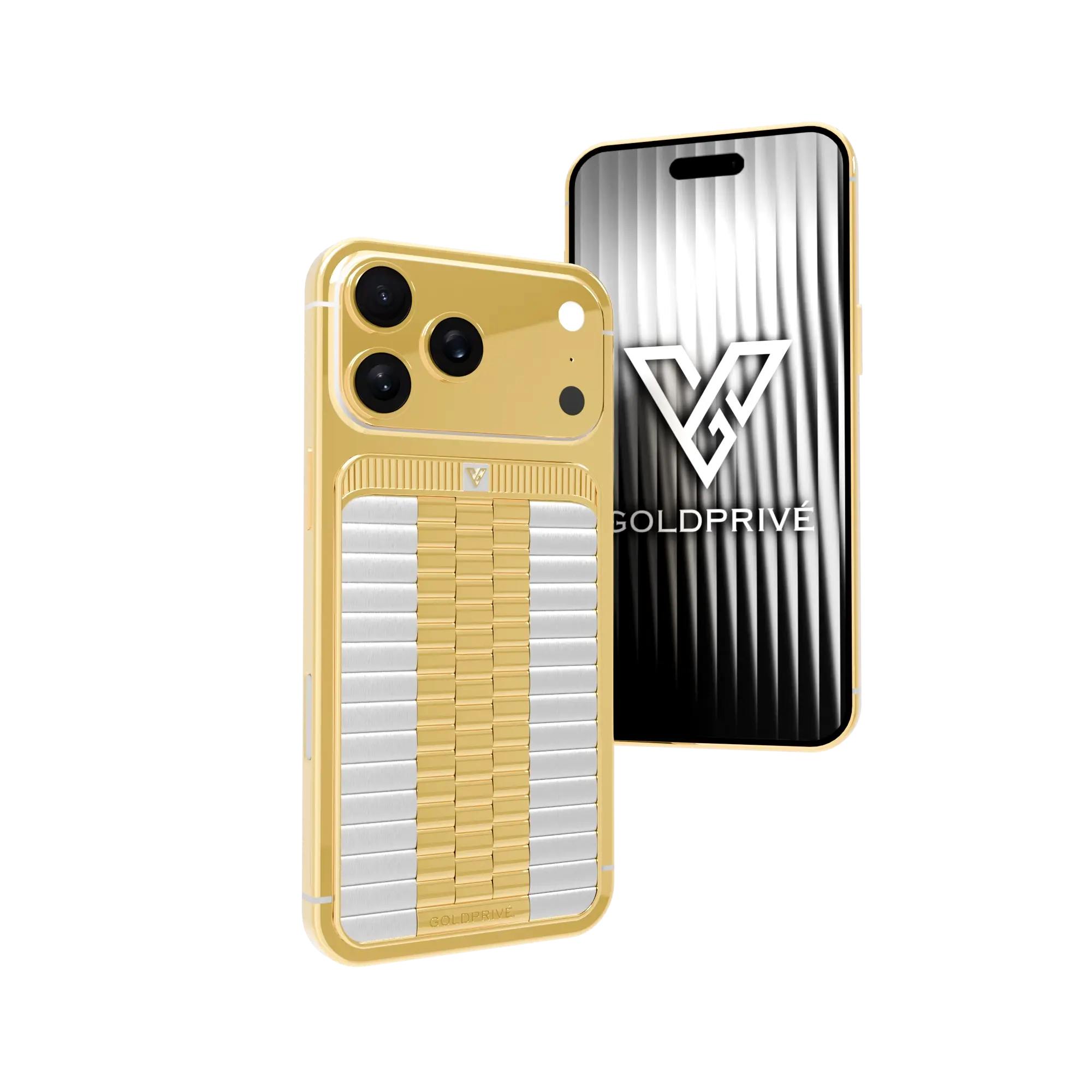
From the First iPhone to iPhone 18: Apple’s iPhone Evolution Timeline
The iPhone evolution timeline gained two chapters on 9 September 2026, when Apple announced iPhone 18 Pro and Pro Max alongside iPhone Duo, its first foldable. Almost twenty years separate them from the original iPhone. Updated on 17 September 2026, this guide lists every flagship generation, groups them into four design eras, and traces how materials and names have changed.
Key Takeaways
- The original iPhone was announced in January 2007 and released in June 2007, without an App Store, 3G or a front camera.
- iPhone X (2017) was the sharpest break: Face ID and an all-screen front with a notch replaced the Home button.
- Premium frames went from stainless steel (iPhone X to 14 Pro) to titanium (15 Pro and 16 Pro), then to an aluminium unibody (17 Pro and 18 Pro).
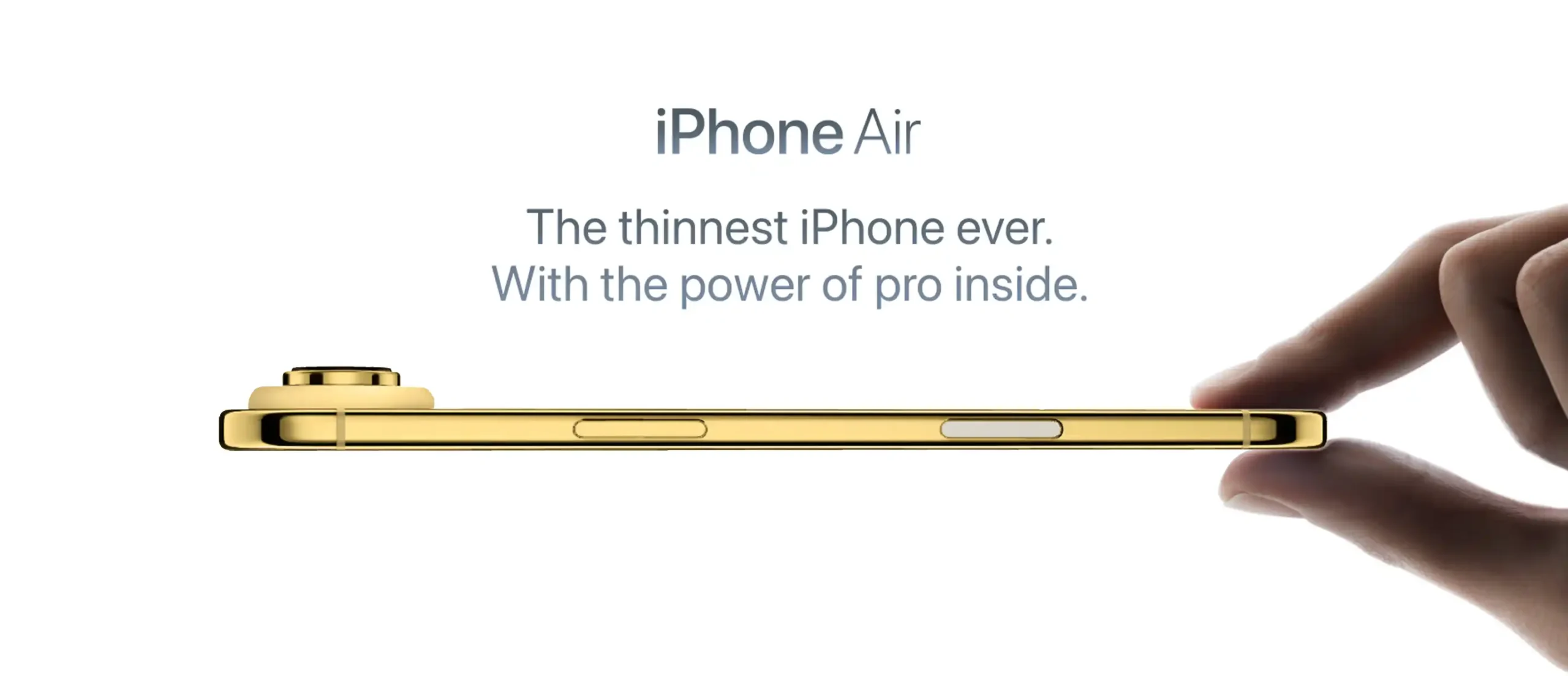
- iPhone Air (2025) is 5.64 mm thin with a titanium frame and is still sold.
- iPhone 18 Pro and Pro Max go on sale on 18 September 2026; iPhone Duo, a titanium foldable with Touch ID, follows on 23 October.
Table of Contents
Quick Answer
The iPhone has passed through four design eras: compact phones with a Home button (2007–2013), larger screens that kept the button (2014–2017), Face ID with an all-screen front (2017–2024), and diverging forms since 2025. The latest era spans the 5.64 mm iPhone Air, the aluminium unibody iPhone 18 Pro and the foldable iPhone Duo.
The Full iPhone Evolution Timeline, 2007 to 2026
| Generation | Year | Defining change |
|---|---|---|
| iPhone | 2007 | 3.5-inch multi-touch screen; no App Store, no 3G |
| iPhone 3G | 2008 | 3G and GPS, alongside the App Store |
| iPhone 3GS | 2009 | Faster performance, video recording |
| iPhone 4 | 2010 | Glass back, stainless steel band, Retina display, FaceTime camera |
| iPhone 4S | 2011 | Siri |
| iPhone 5 | 2012 | 4-inch display, Lightning connector |
| iPhone 5s and 5c | 2013 | Touch ID on 5s; plastic 5c |
| iPhone 6 and 6 Plus | 2014 | 4.7-inch and 5.5-inch displays, rounded aluminium |
| iPhone 6s and 6s Plus | 2015 | 3D Touch, first Rose Gold finish |
| iPhone 7 and 7 Plus | 2016 | No headphone jack; dual camera on 7 Plus |
| iPhone 8 and 8 Plus | 2017 | Glass back and wireless charging |
| iPhone X | 2017 | Face ID, OLED all-screen front with notch, stainless steel frame |
| iPhone XS, XS Max and XR | 2018 | First Max size; aluminium XR |
| iPhone 11 range | 2019 | Pro naming; triple camera on Pro |
| iPhone 12 range | 2020 | 5G, flat edges, MagSafe |
| iPhone 13 range | 2021 | ProMotion 120Hz on Pro |
| iPhone 14 range | 2022 | Dynamic Island on Pro; Plus returns |
| iPhone 15 range | 2023 | USB‑C; titanium and Action button on Pro |
| iPhone 16 range | 2024 | Camera Control; built for Apple Intelligence |
| iPhone 16e | 2025 | Lower-cost “e” model |
| iPhone 17, Air, 17 Pro and 17 Pro Max | 2025 | 5.64 mm titanium-framed Air; aluminium unibody 17 Pro |
| iPhone 17e | 2026 | Next “e” model |
| iPhone 18 Pro and 18 Pro Max | 2026 | A20 Pro, variable-aperture main camera, aluminium unibody |
| iPhone Duo | 2026 | First foldable iPhone; titanium, Touch ID |
A year that reshapes the phone is usually followed by years that refine it: the “S” models from 3GS to XS kept their predecessor’s design and upgraded the inside.
Four Design Eras in the iPhone Evolution Timeline
Era One: Home Button and Compact Screens (2007–2013)
Every model had one Home button below the display. Screens stayed at 3.5 inches until iPhone 5 reached 4 inches, and in 2013 the button learnt to read fingerprints with Touch ID. Most progress happened inside: 3G, GPS, the Retina display and Siri arrived a generation at a time.
Era Two: Larger Screens, Same Button (2014–2017)
iPhone 6 and 6 Plus brought 4.7-inch and 5.5-inch screens in rounded aluminium and created the Plus size, while the Home button stayed. iPhone 7 dropped the headphone jack, and iPhone 8 returned to a glass back for wireless charging.
Era Three: Face ID and the All-Screen Front (2017–2024)
iPhone X removed the Home button for Face ID and an OLED display with a notch. Later models refined that template: flat edges with iPhone 12, Dynamic Island on iPhone 14 Pro, USB‑C across iPhone 15 and Camera Control on iPhone 16.
Era Four: Diverging Forms (2025 Onwards)
Apple’s top iPhones no longer share one shape. iPhone Air puts thinness first, the Pro line moved to an aluminium unibody with iPhone 17 Pro, and iPhone Duo folds open to a 7.6-inch display with Touch ID in its side button instead of Face ID.
2025 and 2026: The Newest Chapters
In 2025, iPhone 17 Pro swapped titanium for an aluminium unibody, and iPhone Air arrived with a 6.5-inch display, the A19 Pro chip and a 165 g, 5.64 mm body. Announced on 9 September 2026, iPhone 18 Pro and Pro Max add the A20 Pro chip and a 48MP main camera with variable aperture (ƒ/1.48 to ƒ/4.0), in Black, Silver, Glacier and Burgundy; they go on sale on 18 September. iPhone Duo, announced the same day and on sale from 23 October 2026, pairs a 7.6-inch inner display with a 5.4-inch outer one; at 5.3 mm unfolded, Apple calls it the thinnest iPhone ever when open.
Apple’s lineup on 17 September 2026 is iPhone Duo, iPhone 18 Pro, iPhone Air, iPhone 17, iPhone 17e and iPhone 16. No standard, non-Pro iPhone 18 is on sale.
How iPhone Materials Evolved
Aluminium bookends the story, from the original iPhone’s back to the unibody of iPhone 18 Pro. In between came plastic, glass, stainless steel and titanium.
| Material | Models | Notes |
|---|---|---|
| Aluminium back, plastic section | Original iPhone | Plastic strip at the base |
| Plastic back | iPhone 3G and 3GS | Curved shell |
| Glass back, stainless steel band | iPhone 4 and 4S | First glass-backed iPhones |
| Aluminium back | iPhone 5 to iPhone 7 | Except the plastic 5c |
| Glass back, stainless steel frame | iPhone X to iPhone 14 Pro | Polished premium tier |
| Titanium frame | iPhone 15 Pro and 16 Pro | Lighter than steel |
| Aluminium unibody | iPhone 17 Pro and 18 Pro | 85 percent recycled aluminium on 18 Pro |
| Titanium | iPhone Air frame and iPhone Duo | Apple’s two thinnest designs |
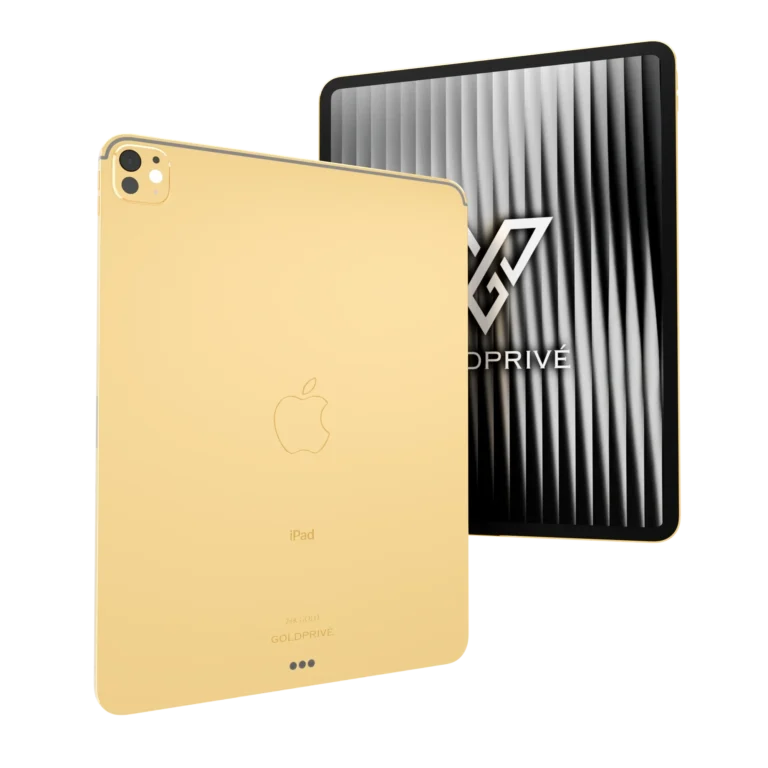
For a gold edition, this matters in practice: plating goes over aluminium on iPhone 18 Pro and titanium on iPhone Air, while the titanium frame of iPhone Duo is never plated.
Why iPhone Names Keep Changing
Each name has marked a real change. “S” signalled a refined second year, and Apple skipped 9 to call its 2017 tenth-anniversary model iPhone X. “Plus” meant the larger size from 2014 to 2017, and again from iPhone 14 Plus to 16 Plus. “Max” debuted on iPhone XS Max, and “Pro” and “Pro Max” followed in 2019. Lower-cost and smaller models used “SE”, “mini” and, since iPhone 16e, “e”. “Air” arrived in 2025, and “Duo” in 2026: before launch the foldable was widely referred to as iPhone Fold or iPhone Ultra.
What Makes an iPhone Generation Collectible
Age alone does not make an iPhone collectible. Interest gathers around models that started something, such as the 2007 original, iPhone 4 and iPhone X, then depends on condition, packaging and documentation. Every GoldPrivé edition carries an authenticity certificate you can check through product verification, and our guide to what makes a luxury phone collectible explores provenance further.
Gold iPhones Across the Timeline
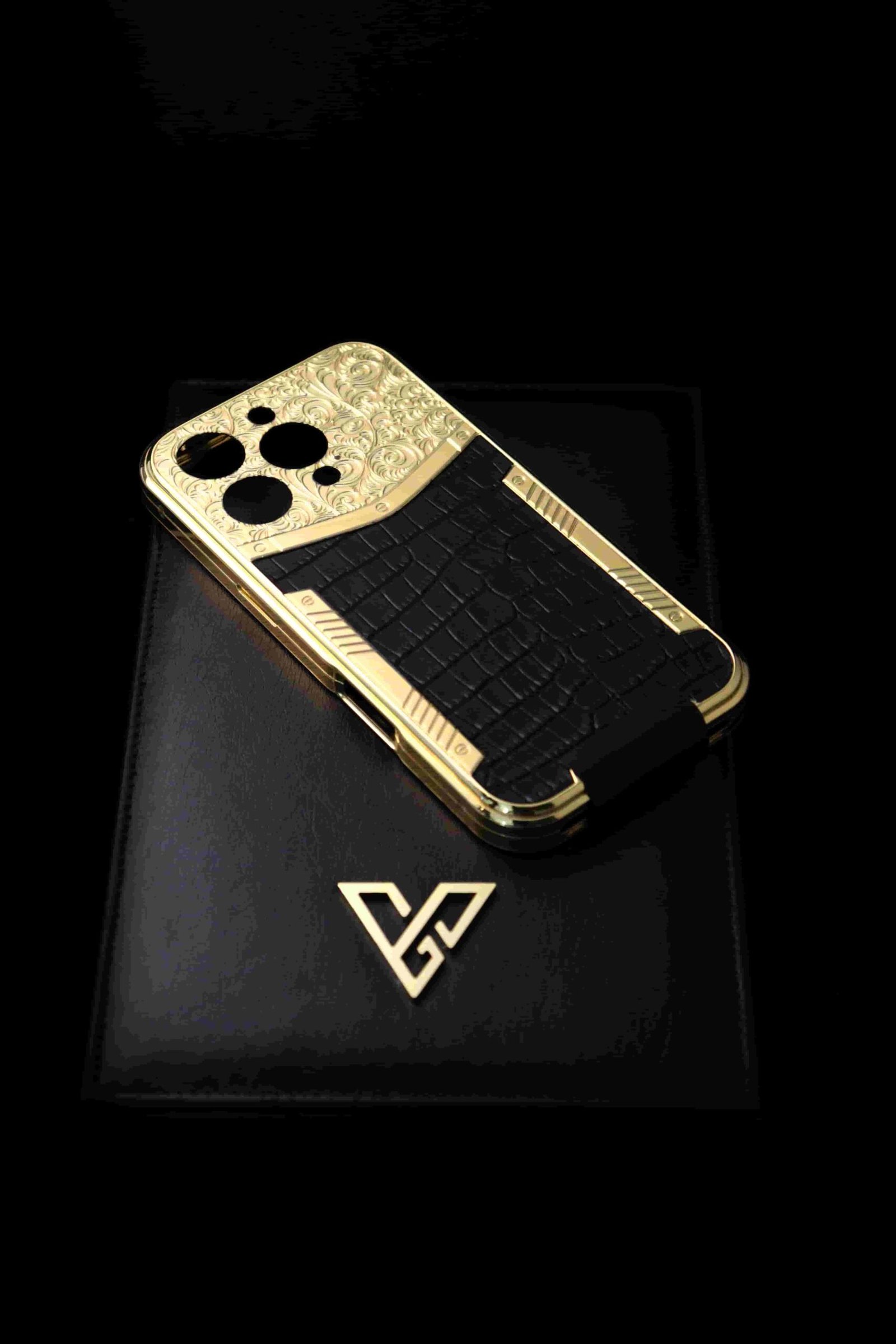
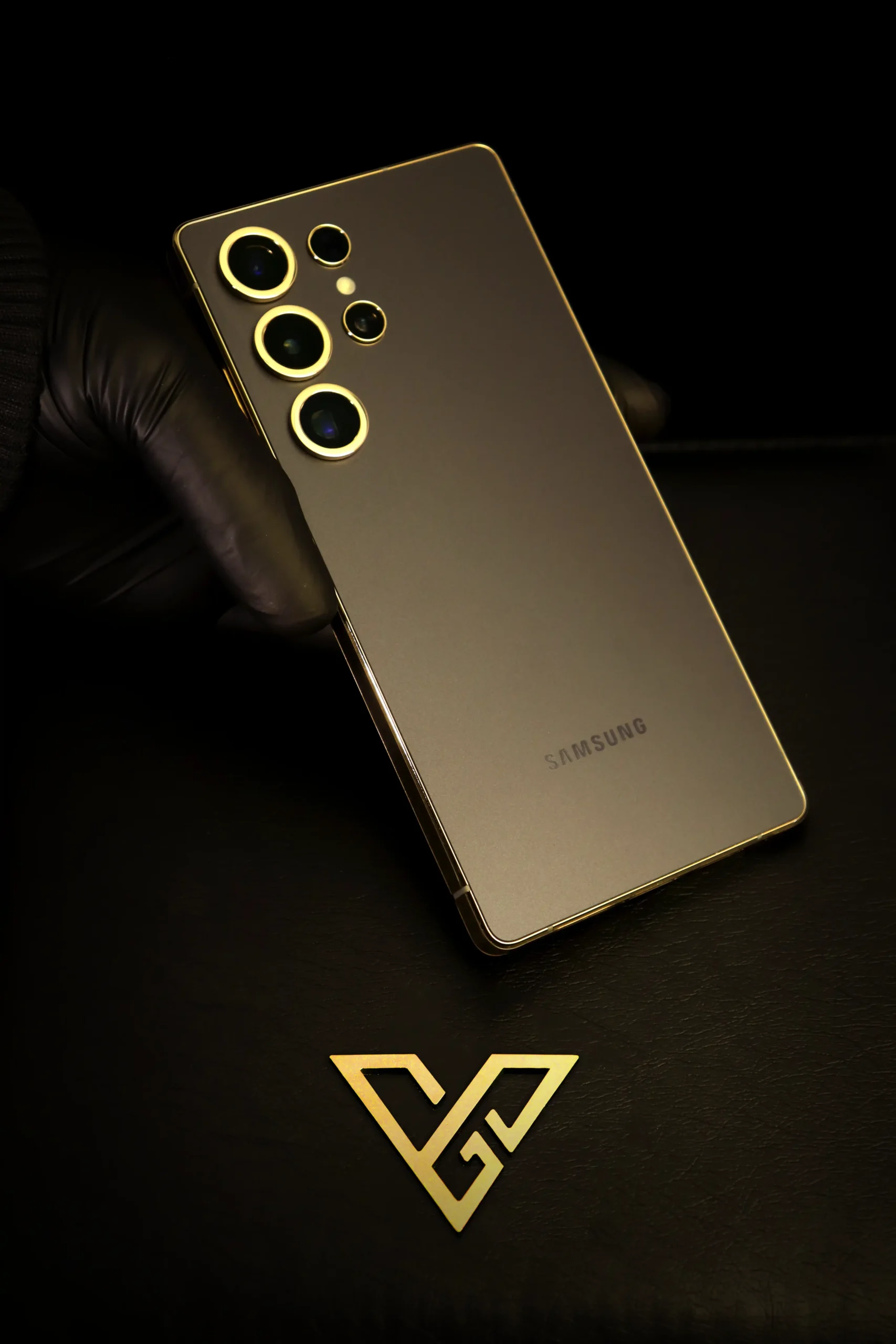
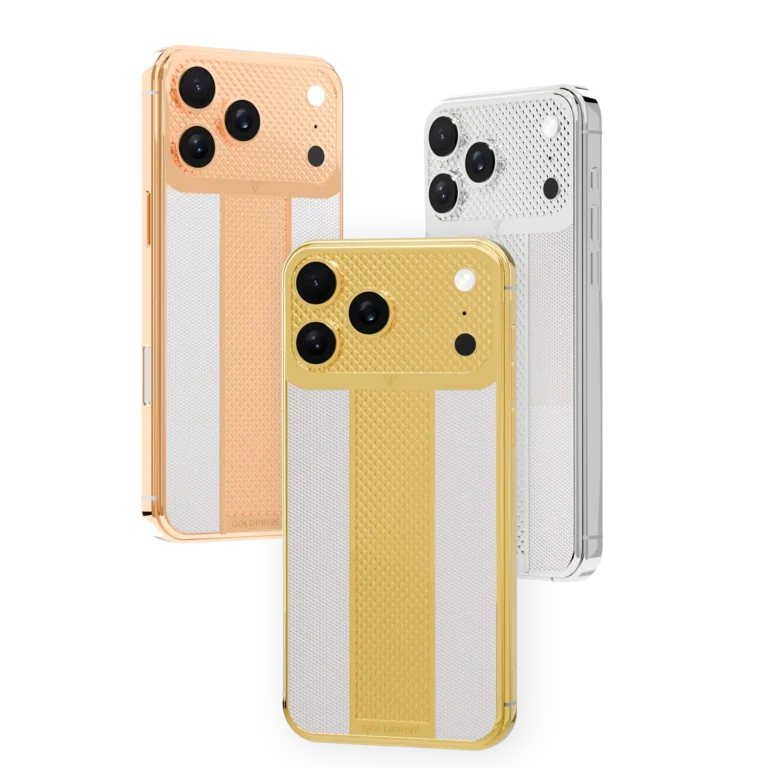
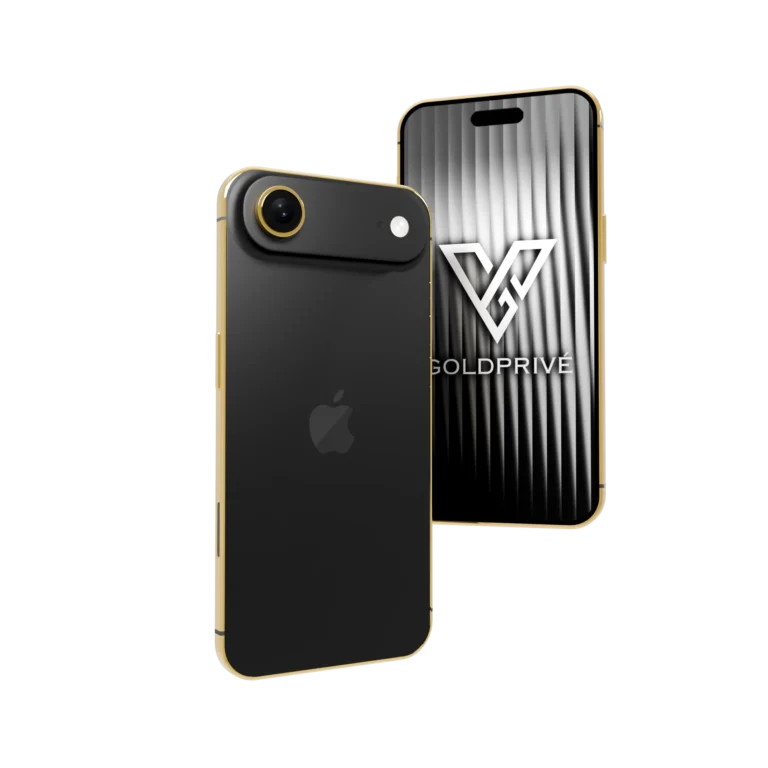
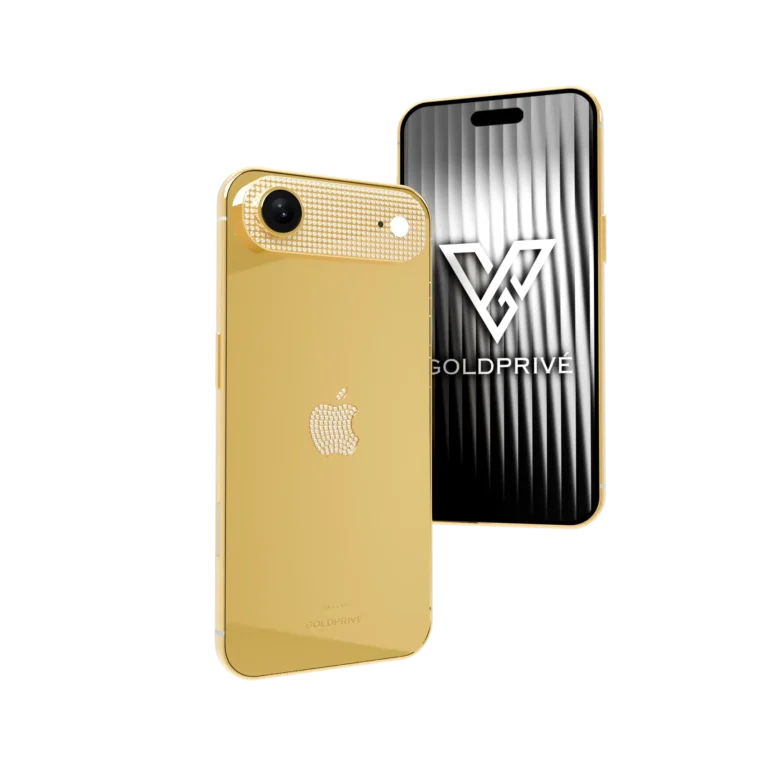
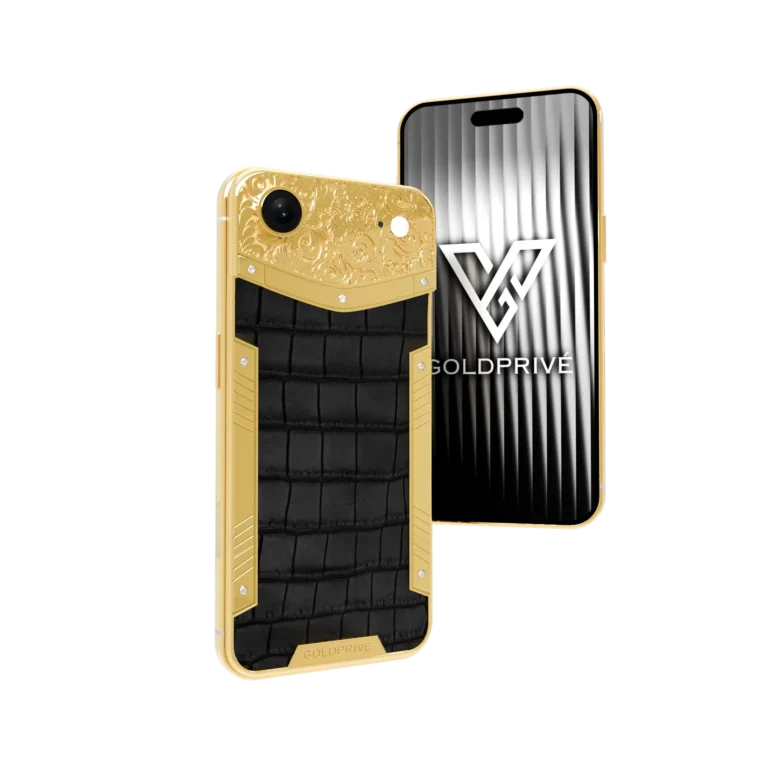
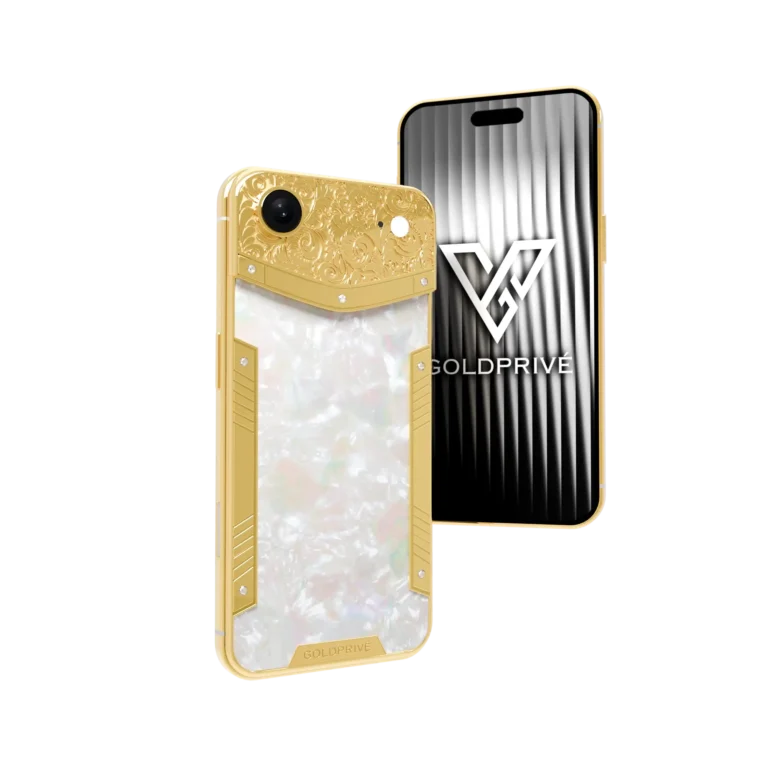
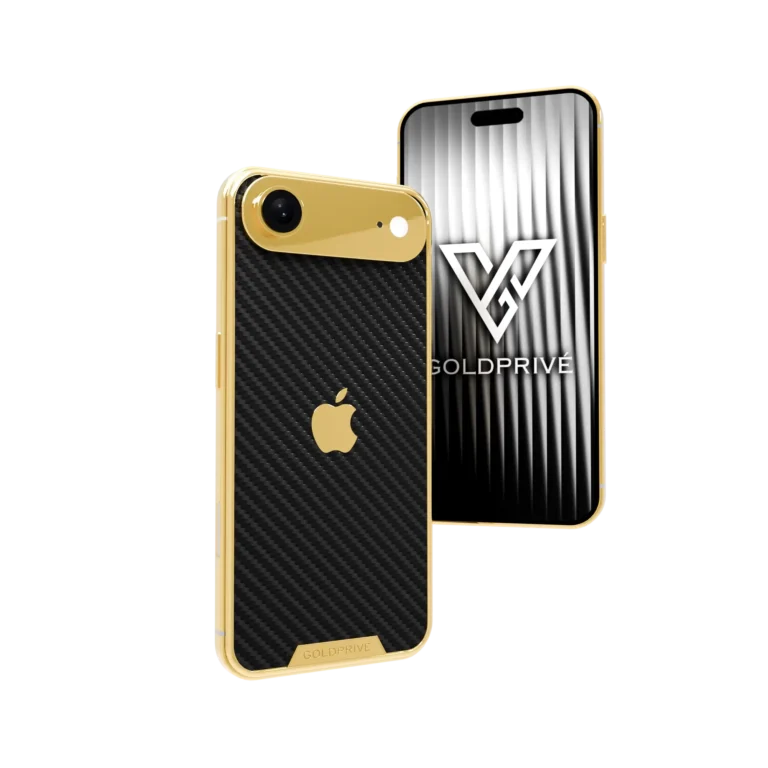
Apple has sold gold tones but never gold: a gold colour on iPhone 5s in 2013, Rose Gold on the iPhone 6s and 7 generations, and Light Gold on iPhone Air today. GoldPrivé customises the newest generation by hand in Dubai, starting from new, unlocked Apple devices and never modifying internals, displays or cameras:
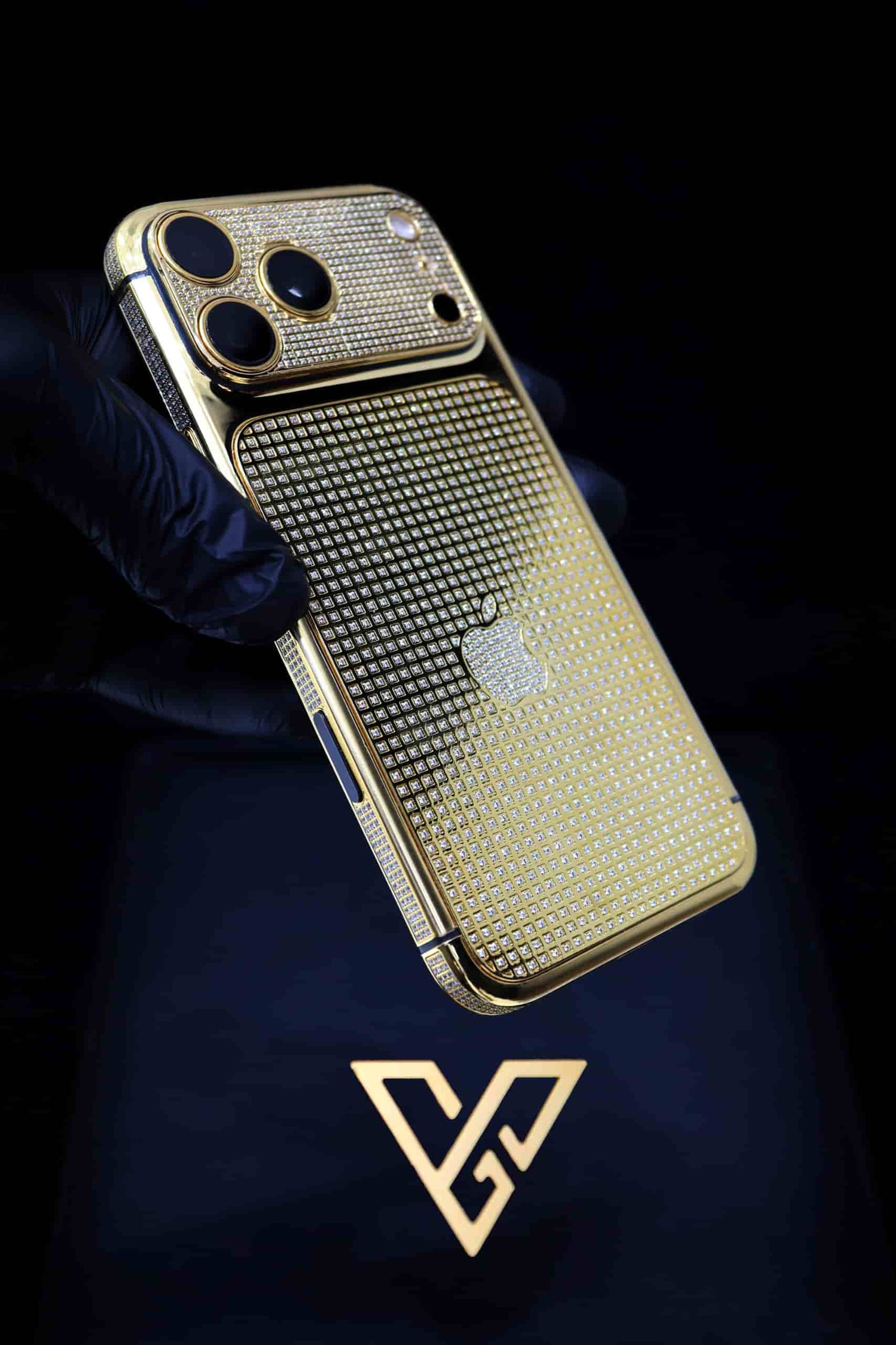
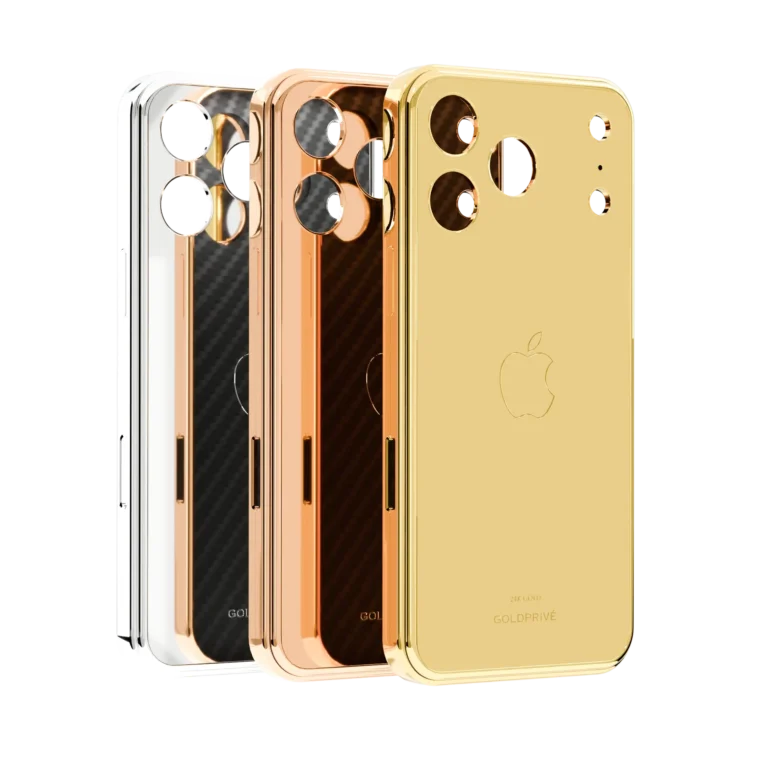
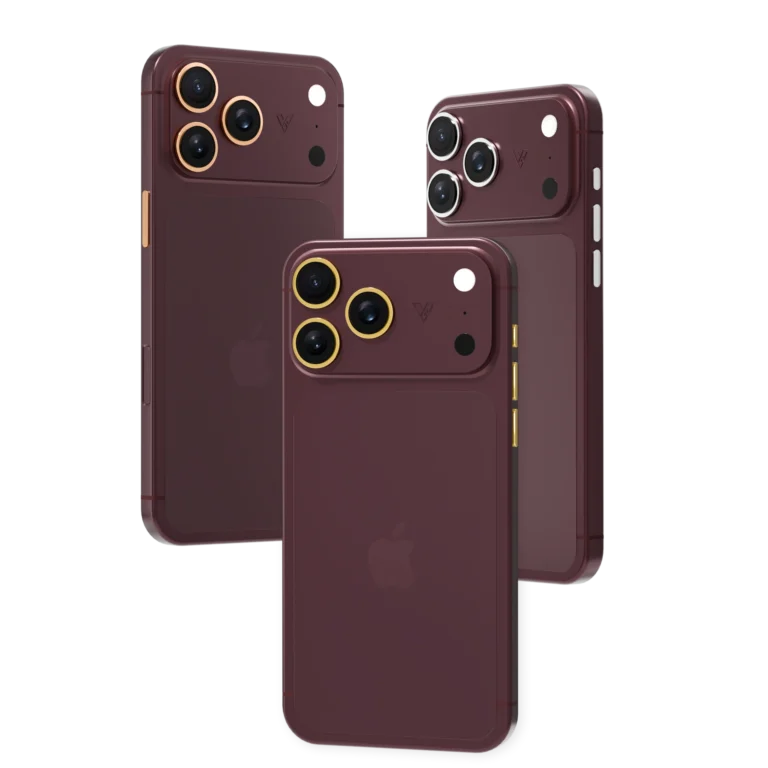
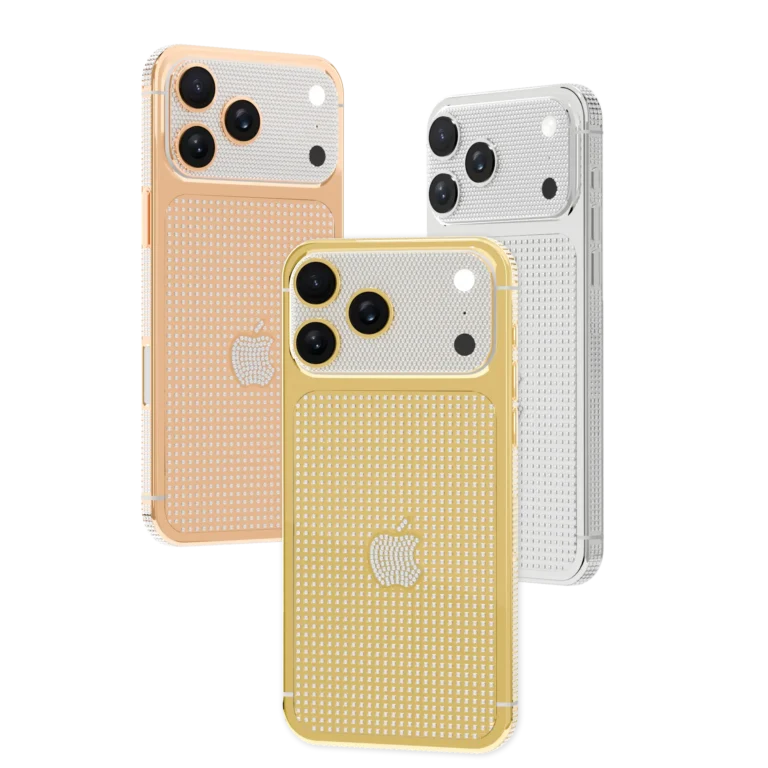
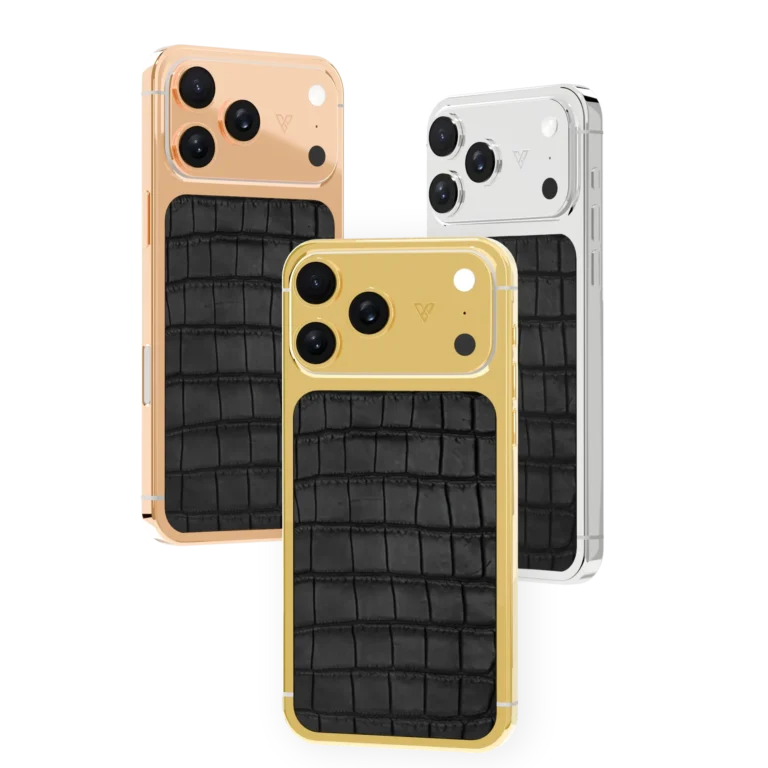
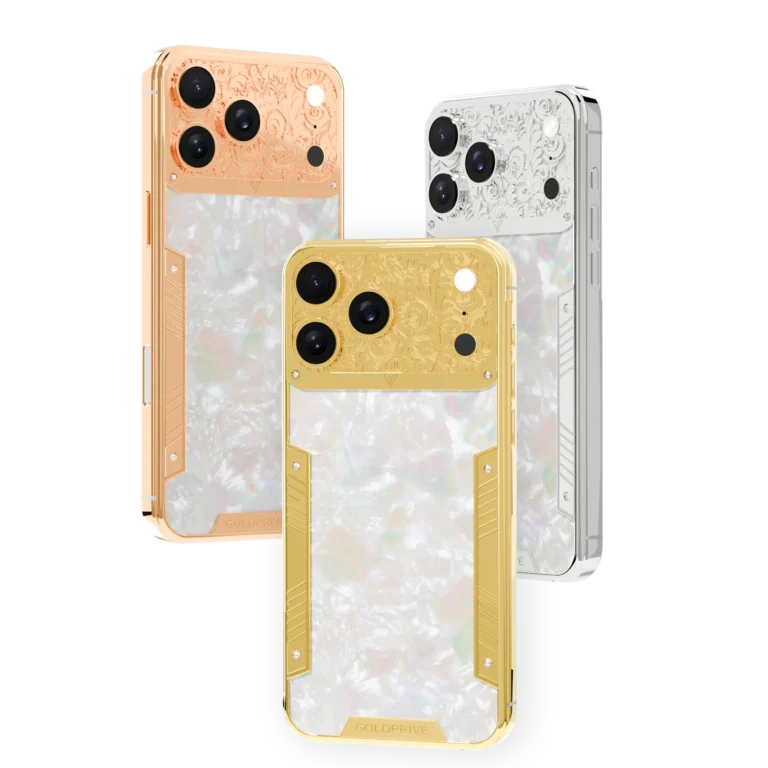
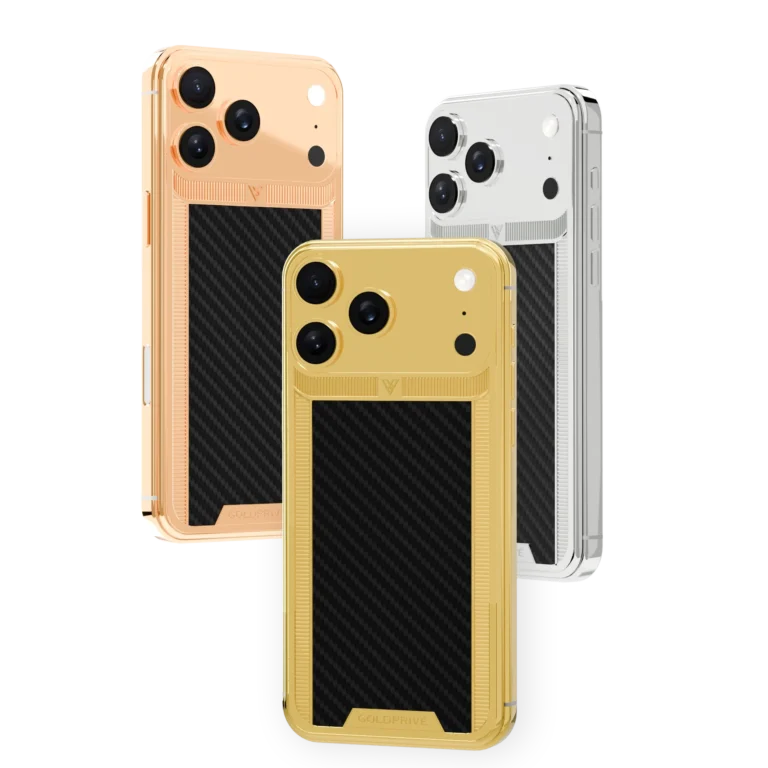
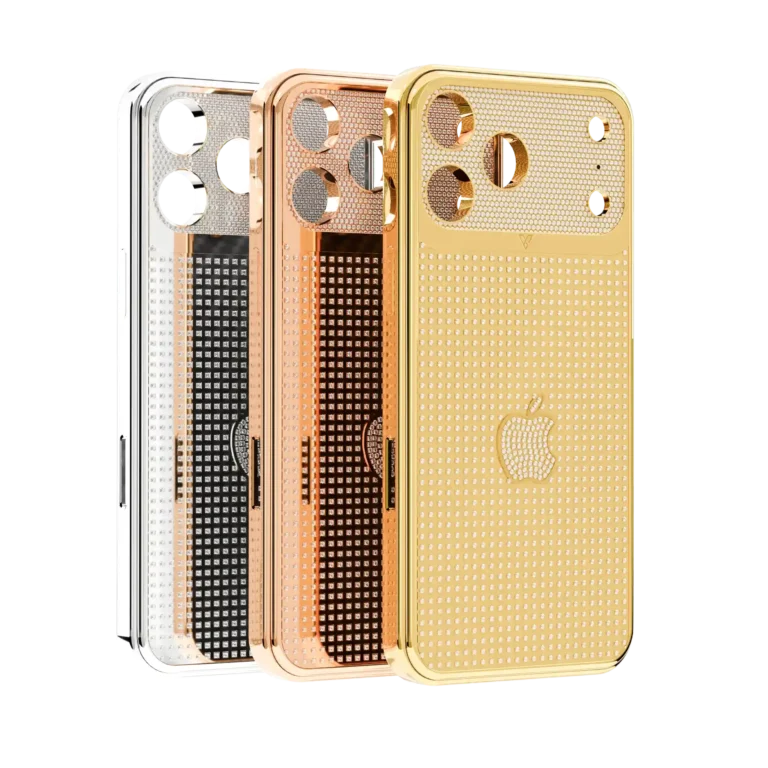
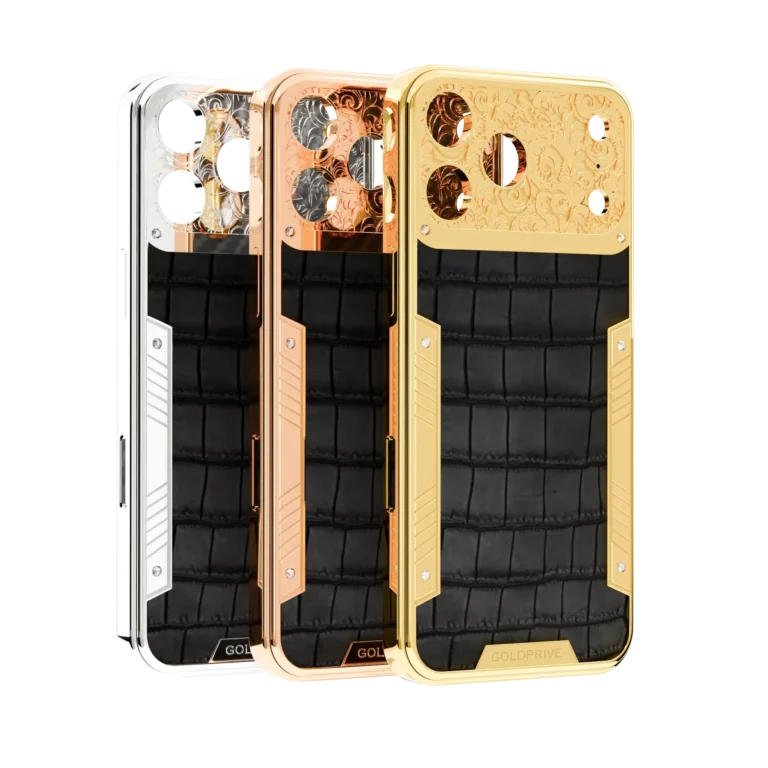
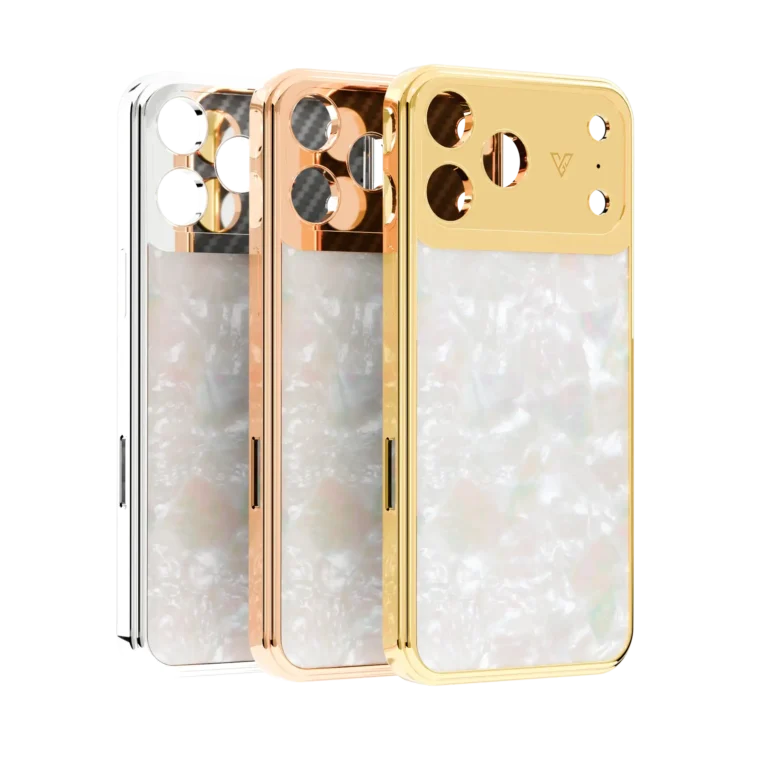
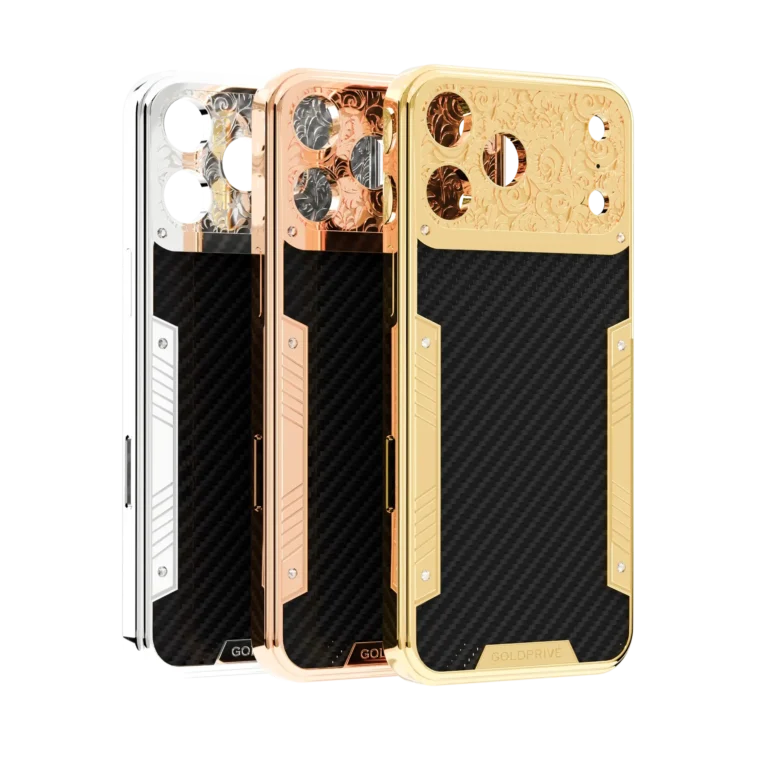
- iPhone 18 Pro and Pro Max: the 24K collection, from $ 2,990 to $ 15,790 in 24K Gold, Rose Gold or Platinum, and 18K solid gold editions from $ 16,220.
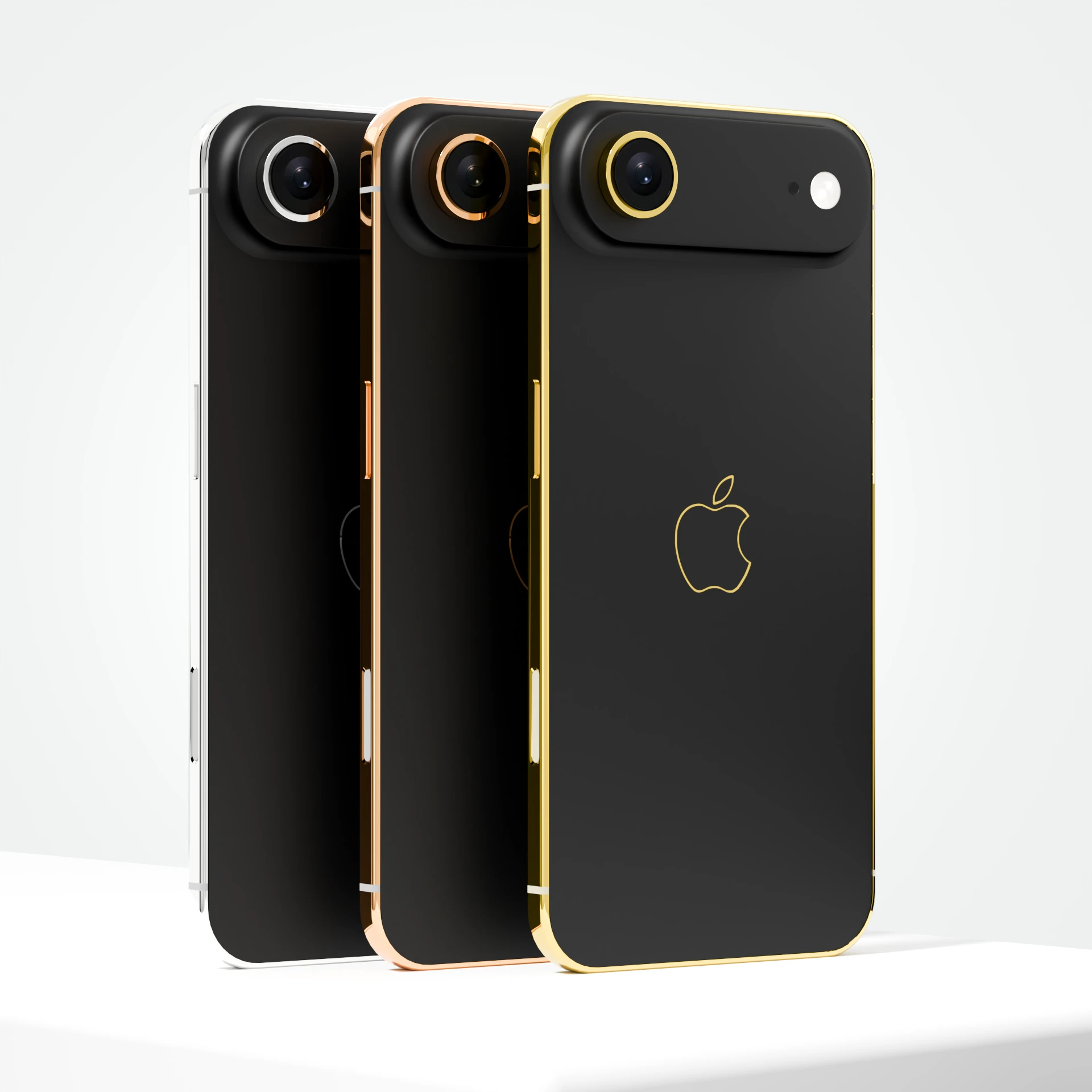
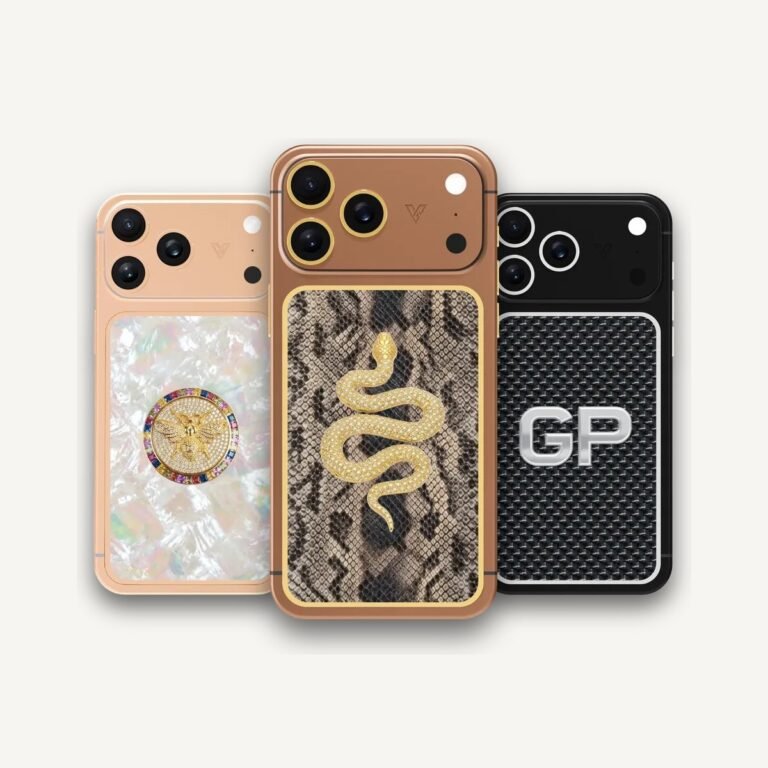
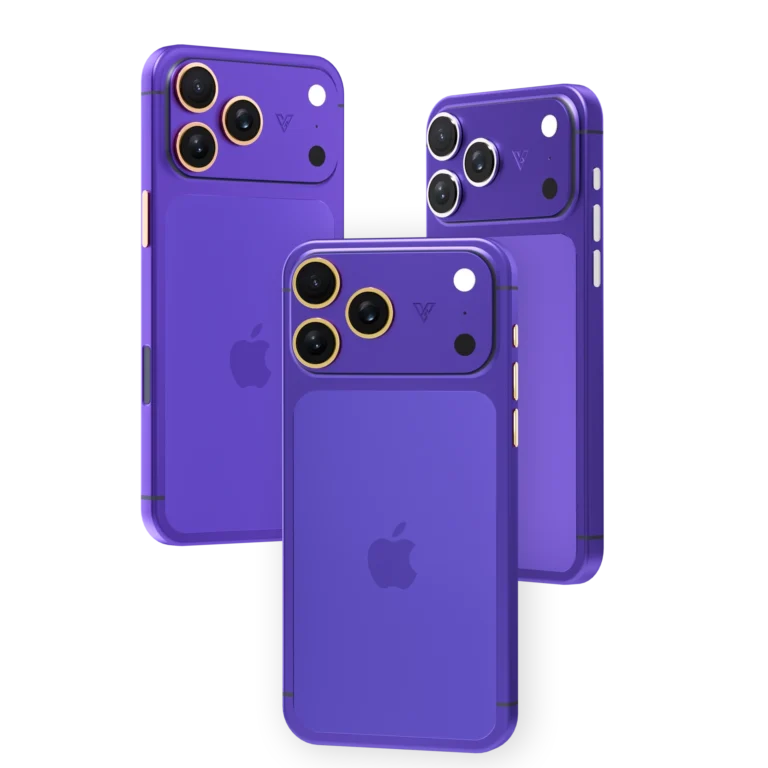
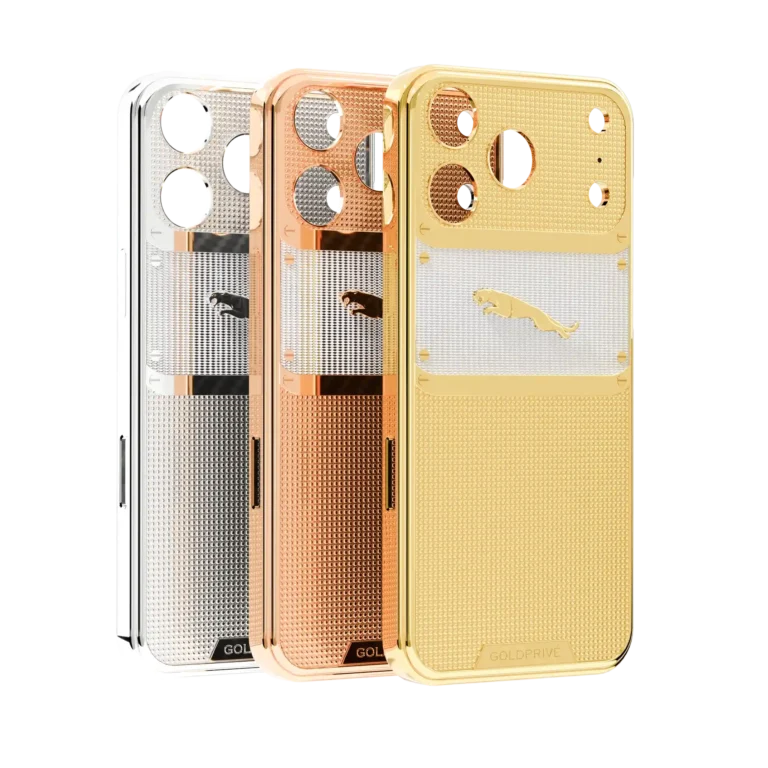
- iPhone Air: the gold iPhone Air collection, with fully plated designs and Timeless editions that keep Apple’s glass back.
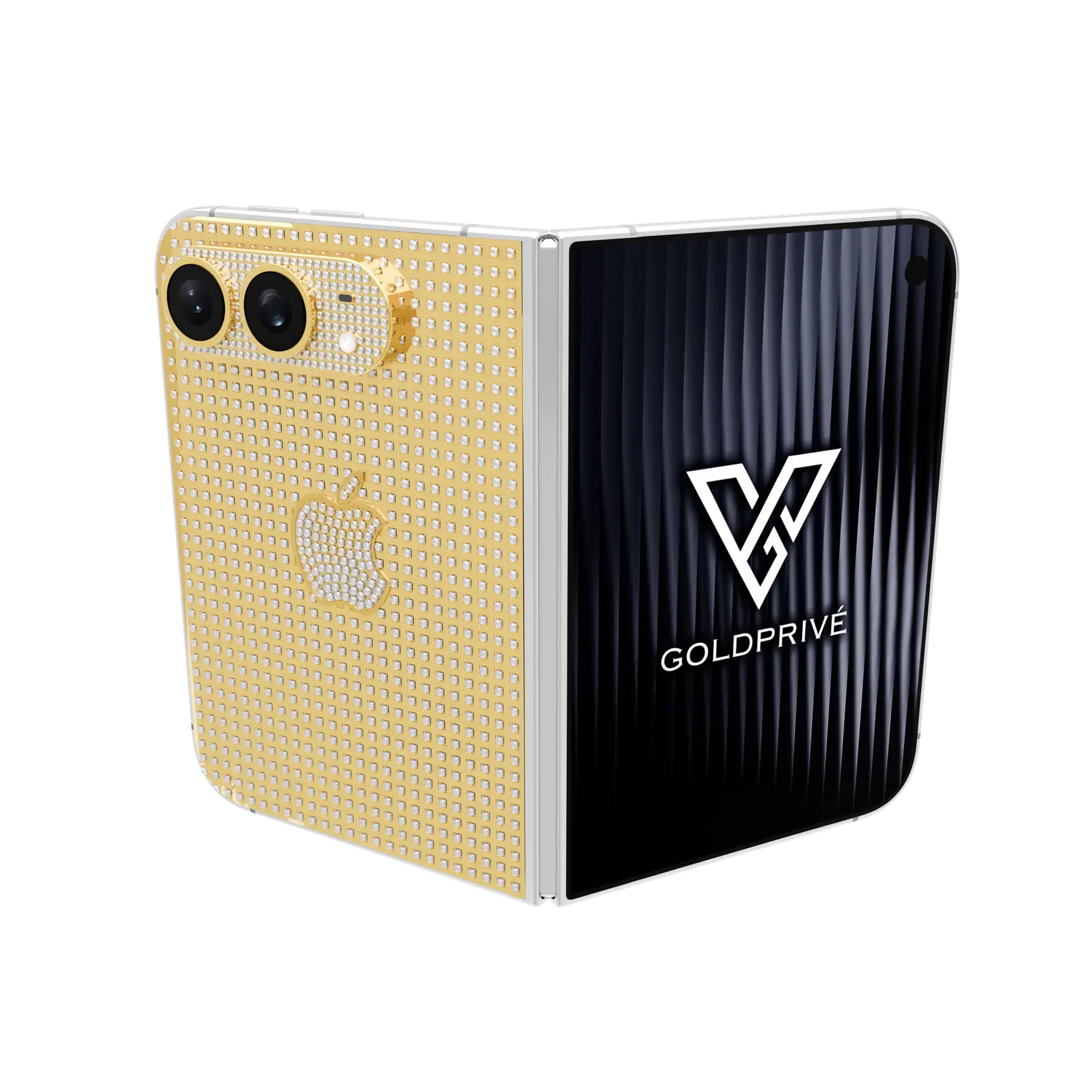
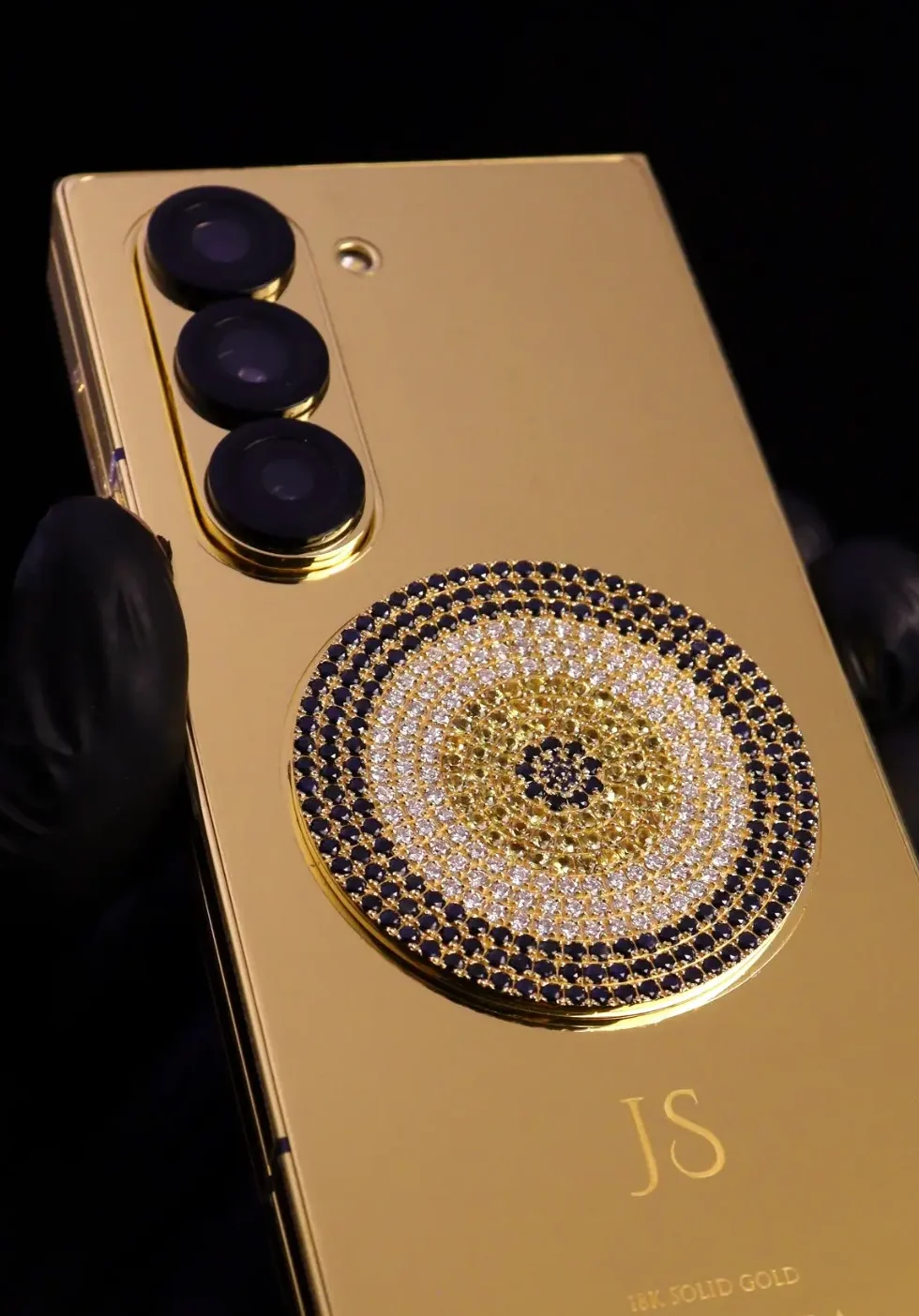
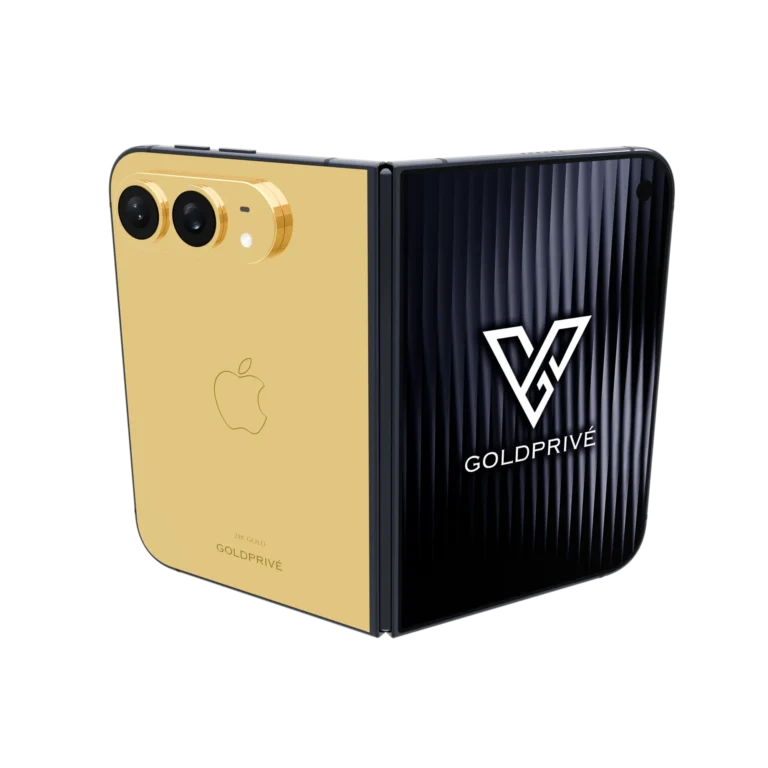
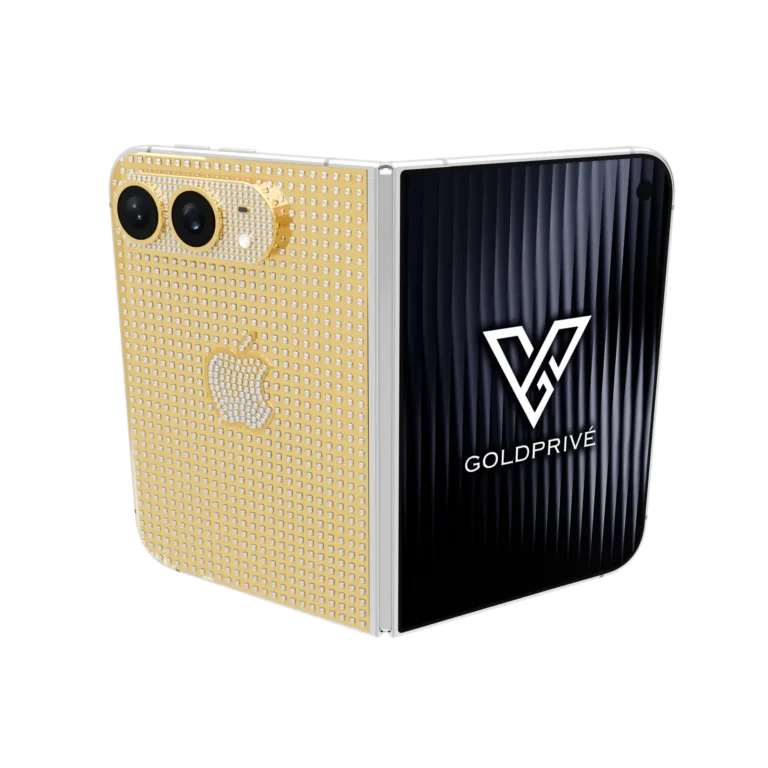
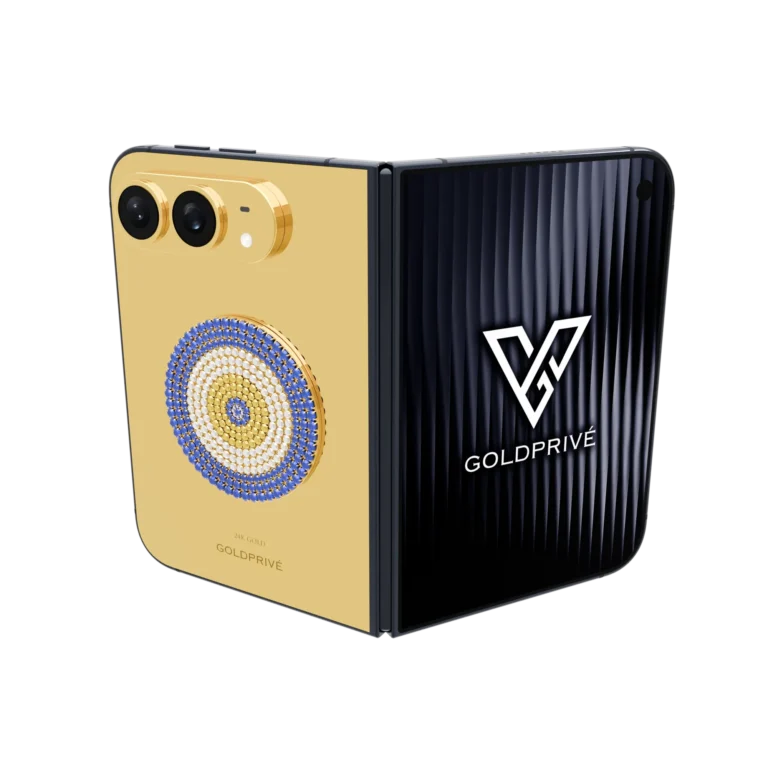
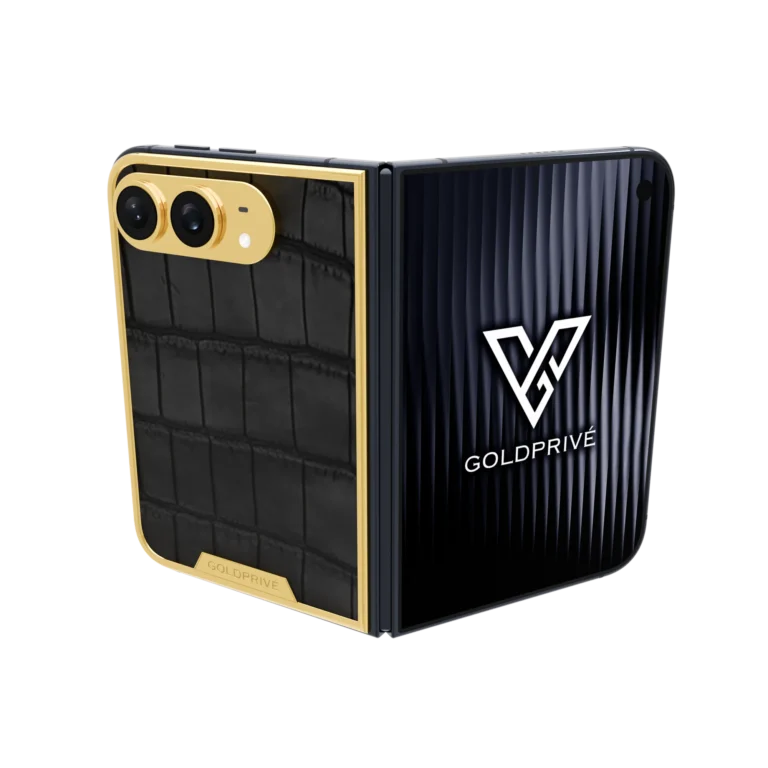
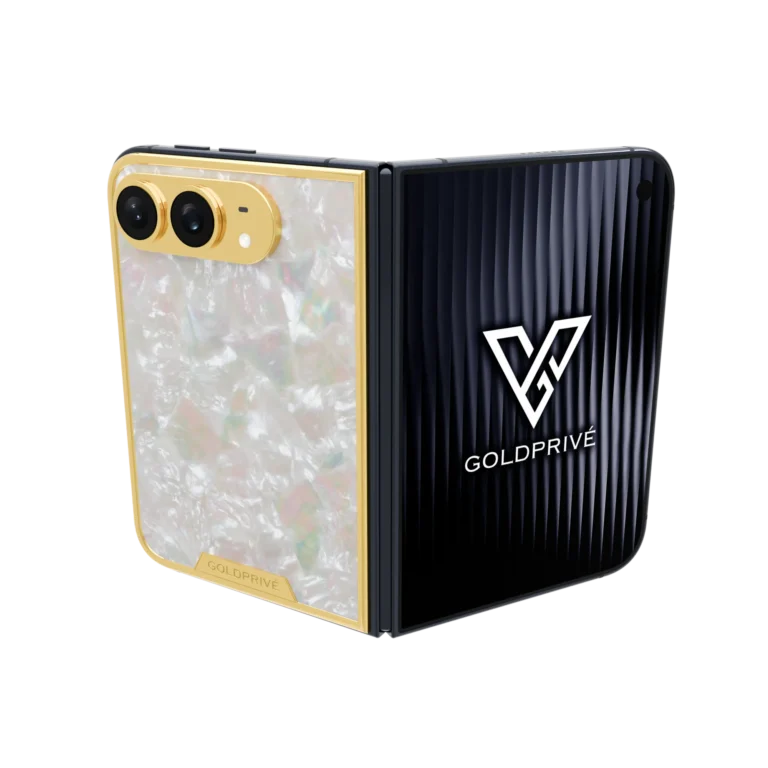
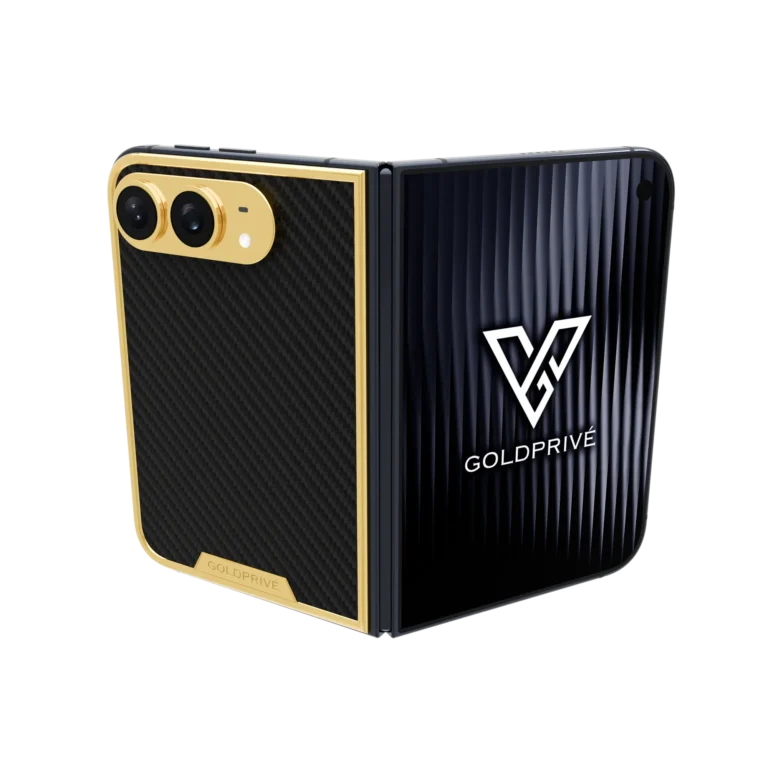
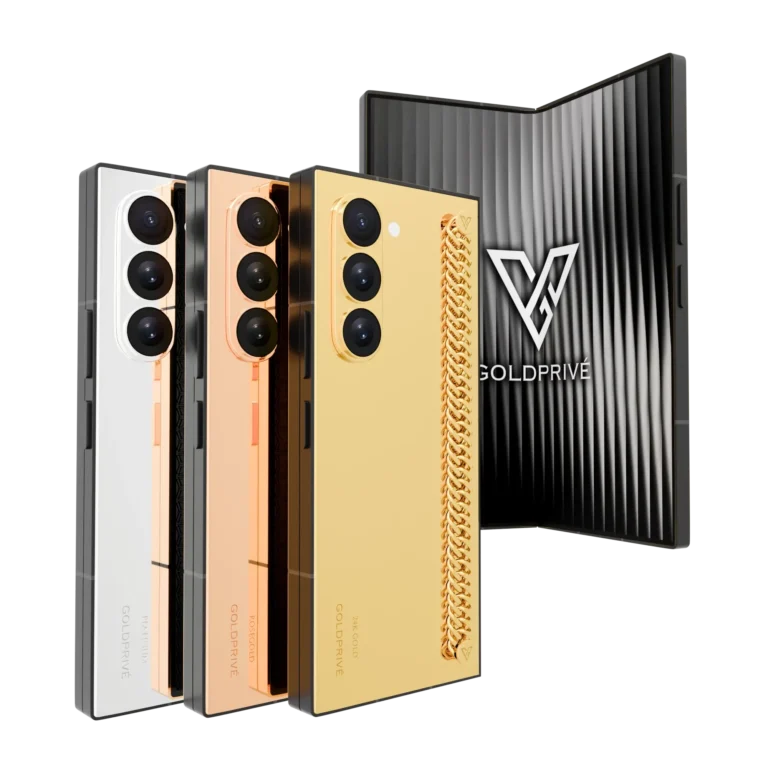
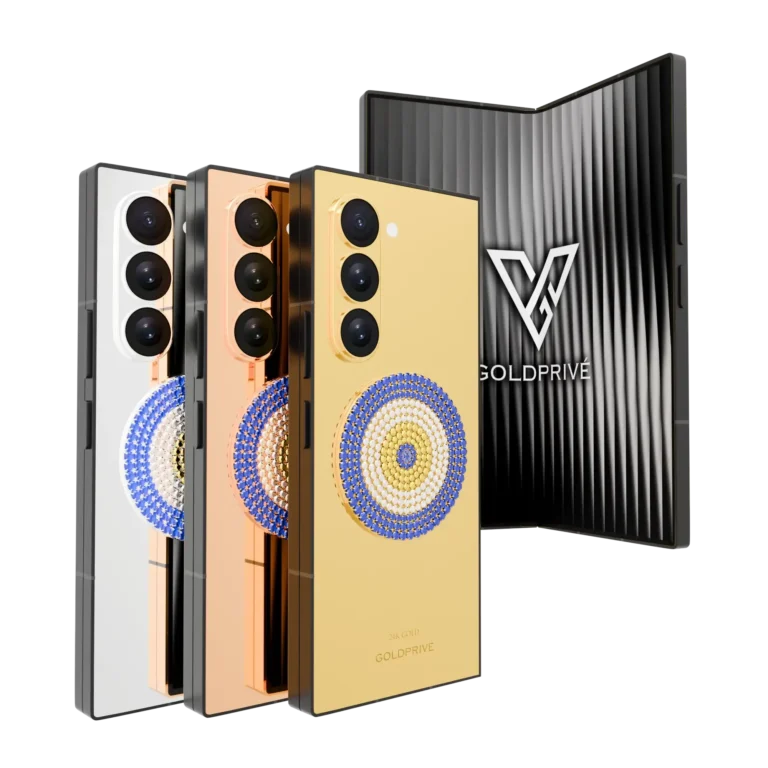
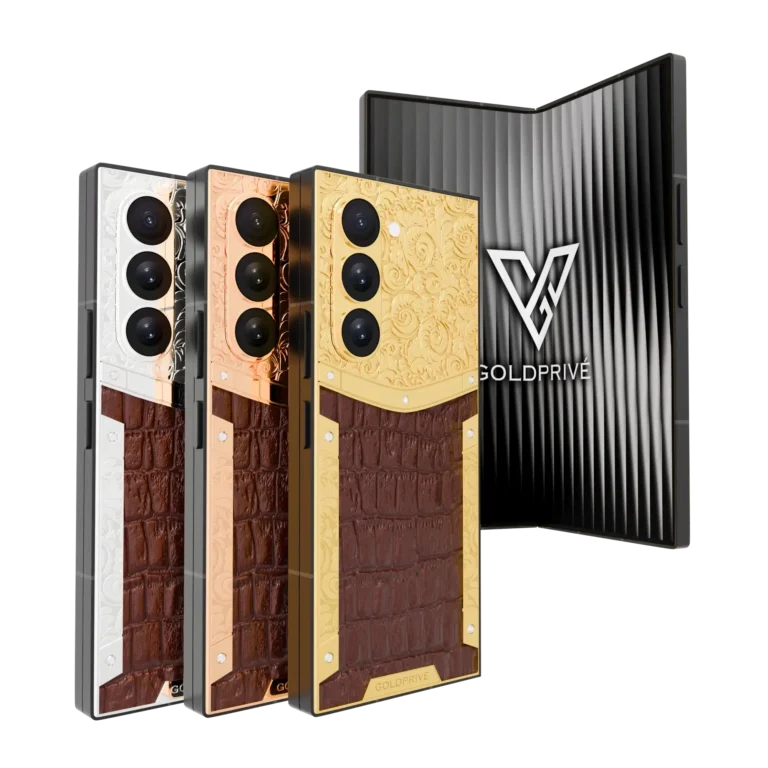
- iPhone Duo: the gold iPhone Duo collection, from $ 3,090 to $ 15,390, with a plated back plate, gold camera ring and engraved logo; the frame, hinge and displays are never plated or opened.
Apple may treat a customised iPhone as modified, and the phone is not water resistant; GoldPrivé Care covers the customised parts.
The Latest Chapter, Finished in Gold
Explore the gold iPhone 18 Pro Max collection and the gold iPhone Duo collection, each customised by hand in Dubai.
Choosing which generation to make your own? Talk to a GoldPrivé consultant about finishes, engraving and the features each edition keeps.
FAQs
When was the first iPhone released?
Apple announced it in January 2007 and released it in June 2007, with a 3.5-inch touchscreen but no App Store or 3G.
Which iPhone introduced Face ID?
iPhone X, in 2017. It also removed the Home button and introduced the notch.
When did Apple start calling iPhones Pro?
In 2019, with iPhone 11 Pro and 11 Pro Max. The Max name first appeared a year earlier on iPhone XS Max.
What materials have Pro iPhones used?
Stainless steel frames from iPhone X to 14 Pro, titanium on 15 Pro and 16 Pro, and an aluminium unibody on 17 Pro and 18 Pro.
When did iPhone 18 Pro come out?
Apple announced iPhone 18 Pro and Pro Max on 9 September 2026. Pre-orders opened on 12 September, and both go on sale on 18 September 2026.
What is iPhone Duo?
Apple’s first foldable iPhone, announced on 9 September 2026 and available from 23 October 2026, with a titanium design and Touch ID in the side button.
Is there a standard iPhone 18?
No. On 17 September 2026 Apple sells iPhone Duo, iPhone 18 Pro, iPhone Air, iPhone 17, iPhone 17e and iPhone 16.
Has Apple ever made a real gold iPhone?
No. Apple’s gold, Rose Gold and Light Gold are colours, not precious metal. Genuine 24K gold, rose gold and platinum come only through customisation.