Blog
Limited-Edition Gold iPhones: What Makes a Luxury Phone Collectible?

Limited-Edition Gold iPhones: What Makes a Luxury Phone Collectible?
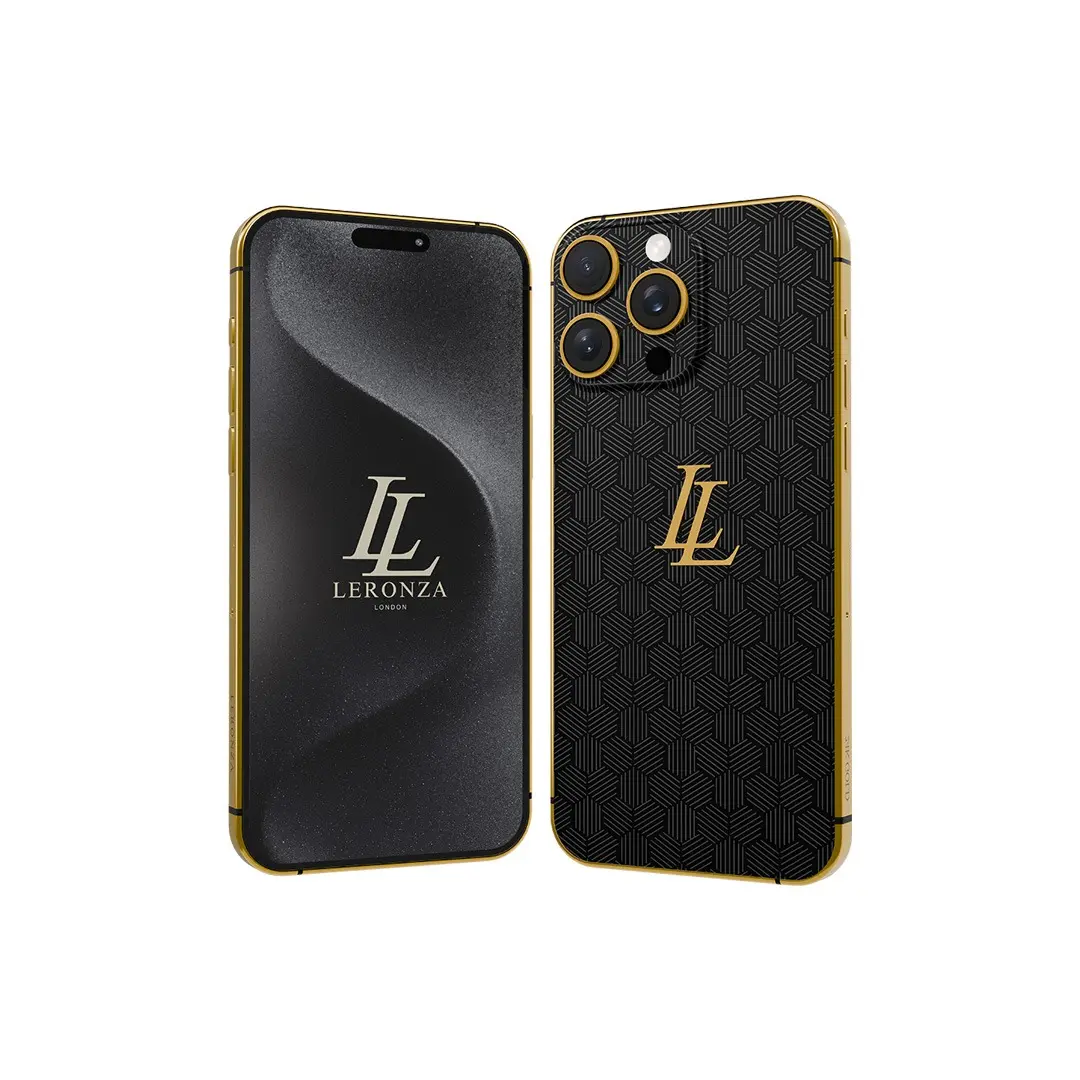
In July 2023, a factory-sealed, first-generation 4GB iPhone sold at auction for $190,372 — nearly 400 times its original price. That sale wasn’t about the phone’s specs; a 2007 iPhone is functionally obsolete. It was about rarity, provenance, and condition. A limited-edition gold iPhone operates on the same underlying principles, just with a different set of variables: precious-metal content, bespoke craftsmanship, and documented authenticity in place of factory-sealed scarcity. This guide breaks down what actually drives collectibility in luxury phones, and how to evaluate a piece before you buy one.
Key Takeaways
- Collectibility in luxury phones rests on four factors: rarity, provenance/documentation, intrinsic material value, and craftsmanship quality — not the underlying phone’s technical specs.
- A sealed original iPhone sold for $190,372 at auction in 2023, illustrating that even standard Apple devices can command extraordinary premiums under the right rarity and provenance conditions.
- 18K solid gold construction carries genuine intrinsic material value tied to weight and purity; 24K plating does not, since it uses a small fraction of a gram of gold.
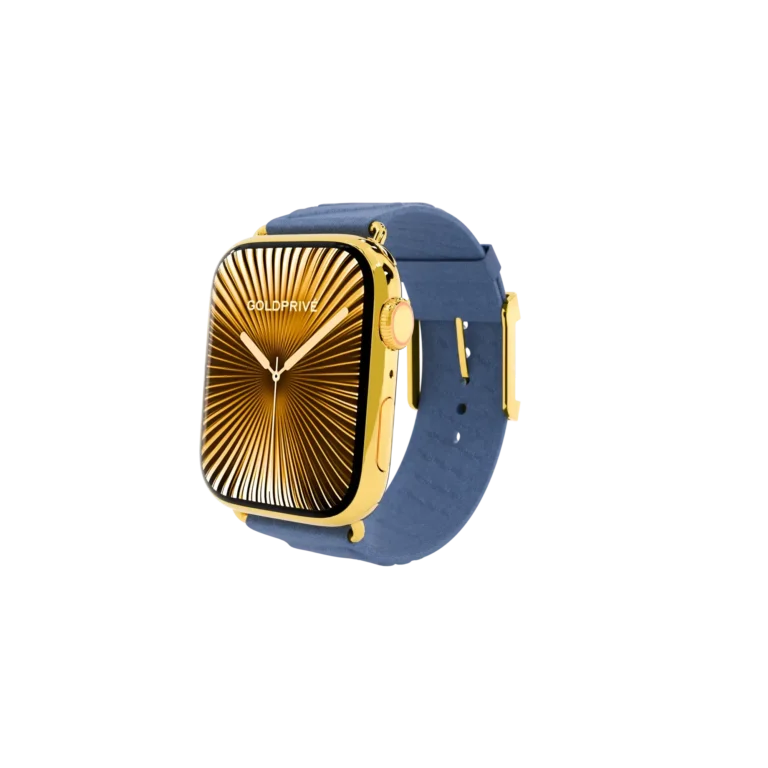
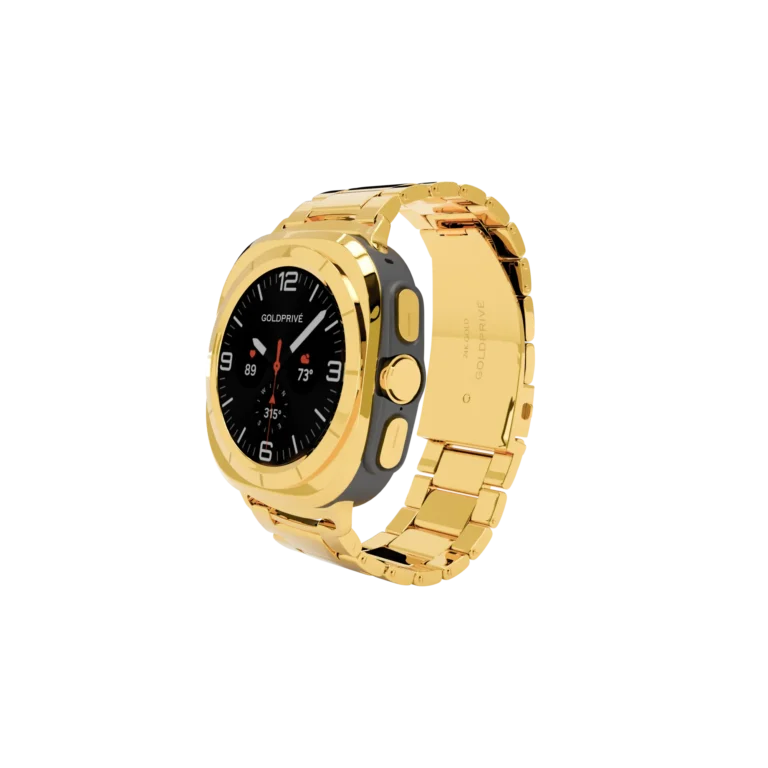
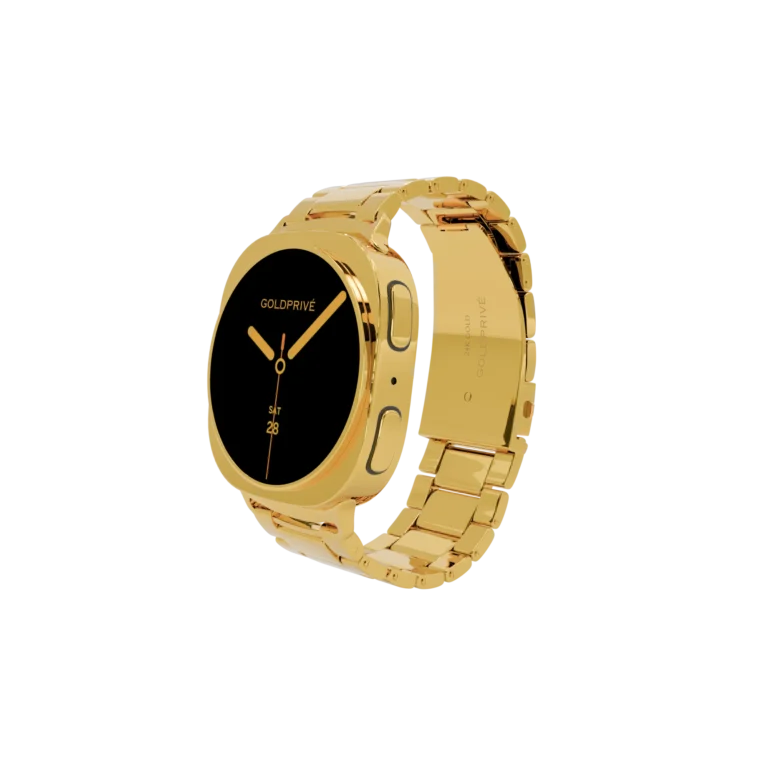
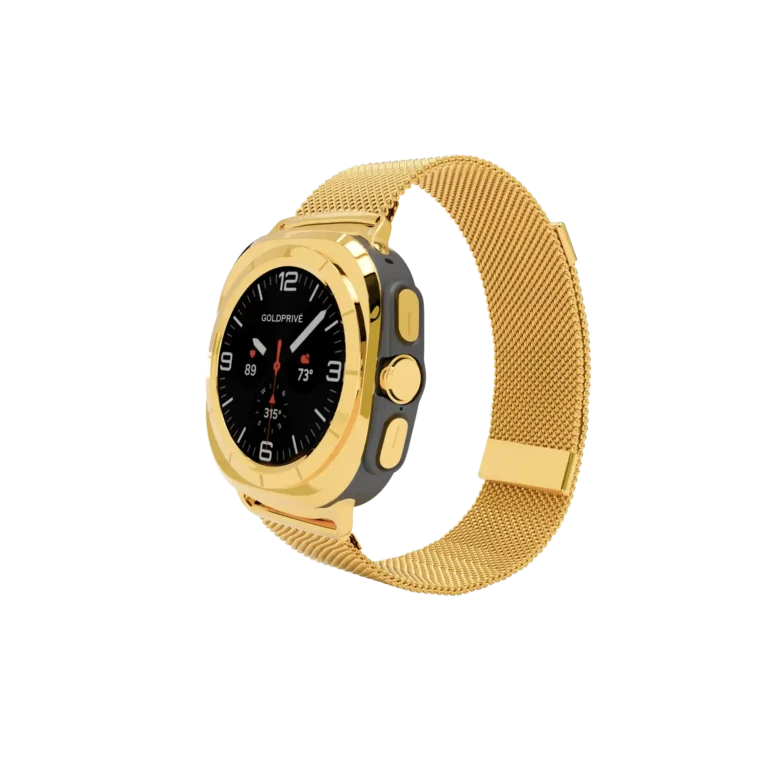
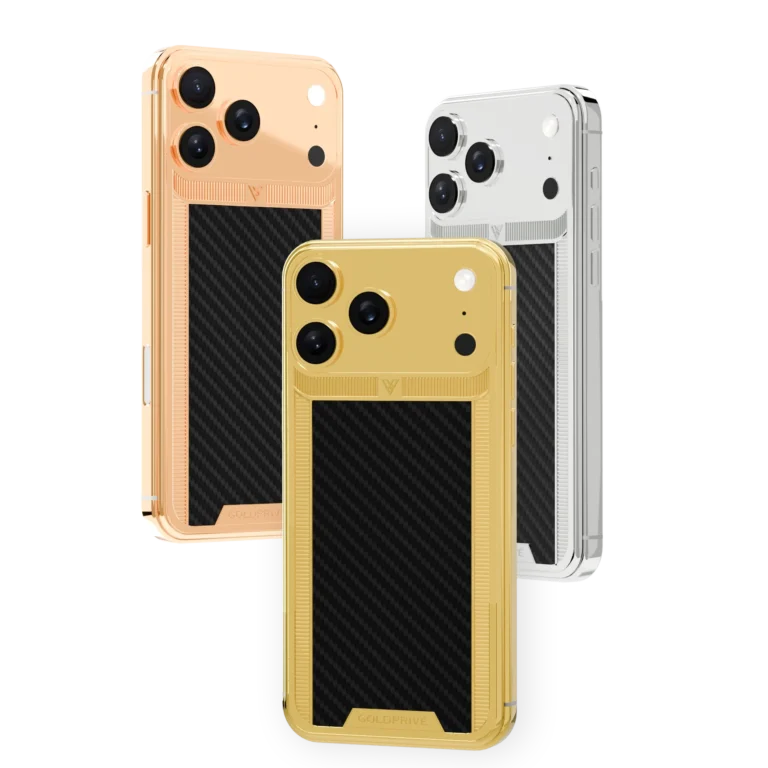
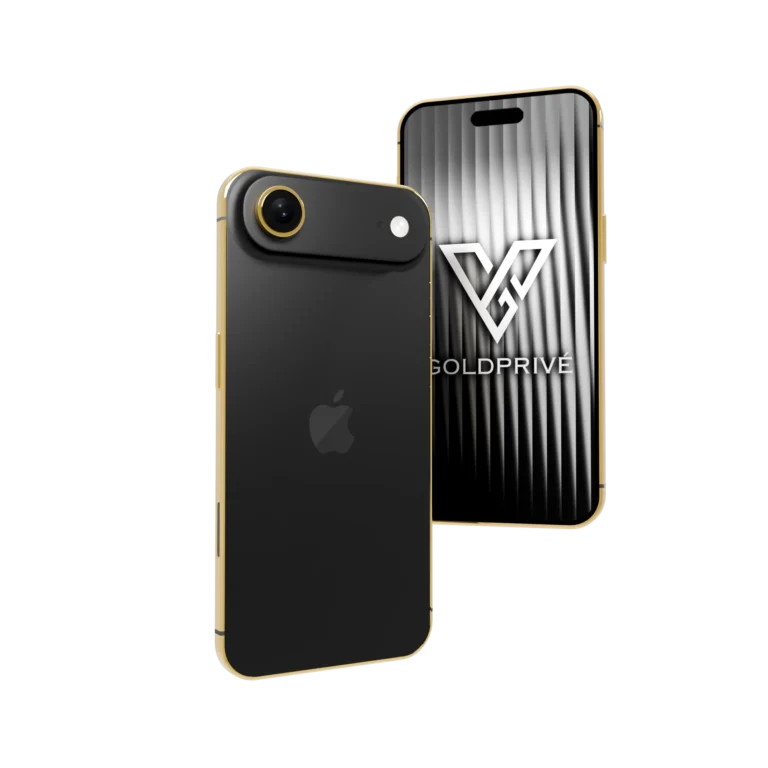
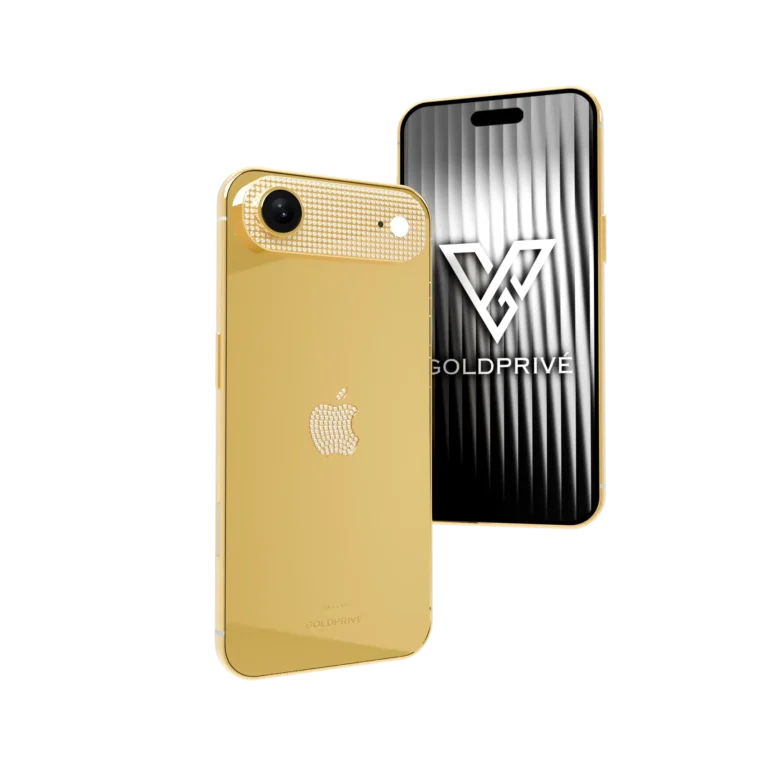
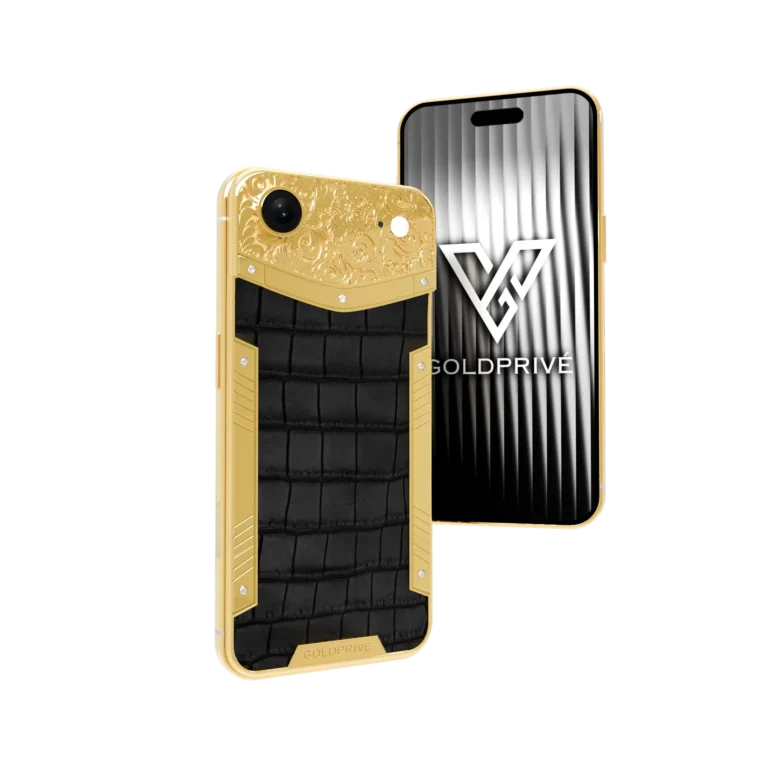
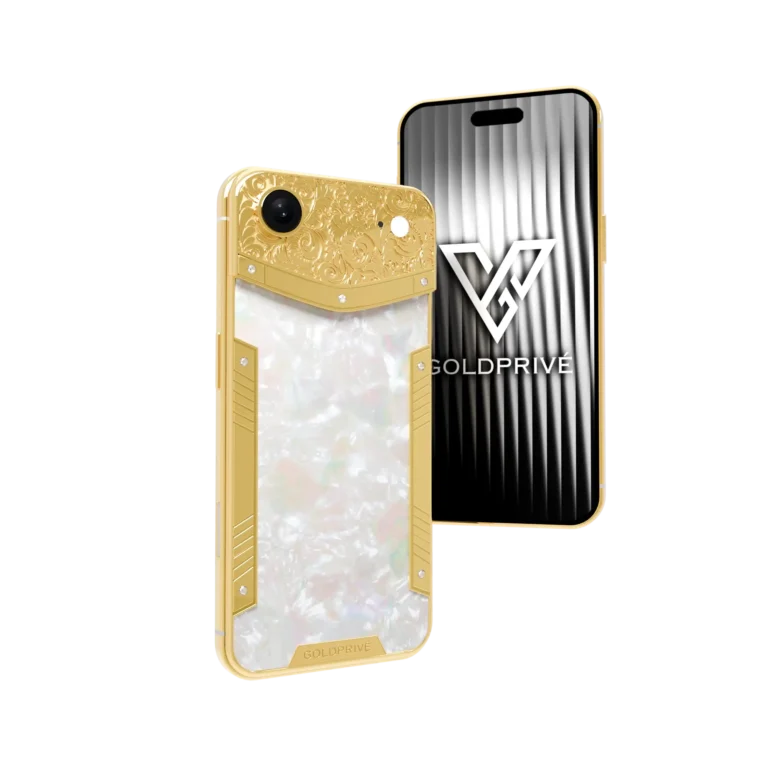
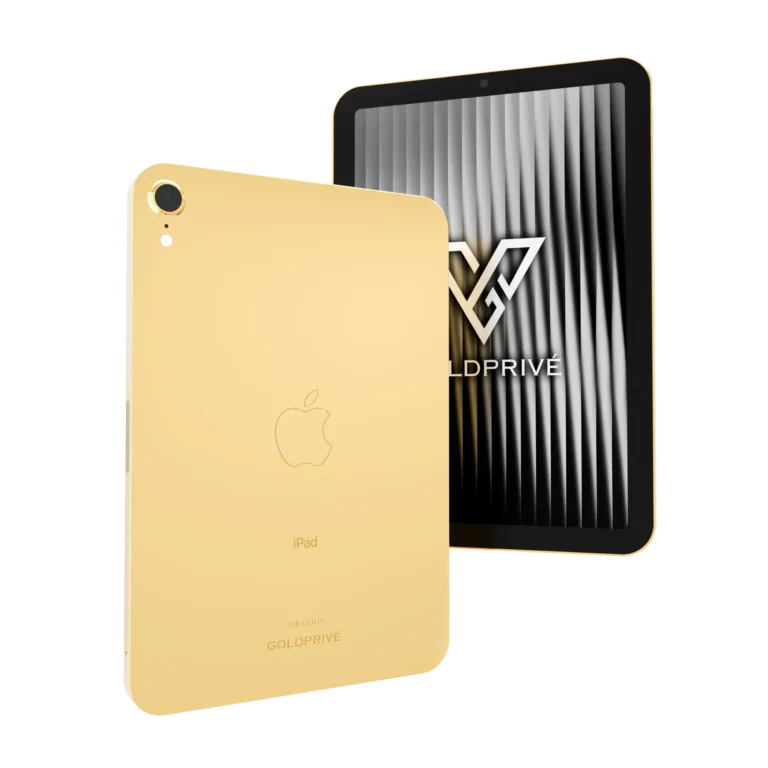
- Bespoke, made-to-order pieces are inherently scarcer than factory production runs — each GoldPrivé device is individually handcrafted rather than mass-produced.
- Collectible value is never guaranteed. This article is informational, not financial or investment advice — treat any resale or appreciation potential as speculative.
Table of Contents
- What Actually Makes a Phone Collectible
- Rarity and Numbered Editions
- Provenance and Certification
- Material Value as a Collectibility Factor
- Craftsmanship and Bespoke Personalization
- Signs of a Well-Made Collectible Piece
- The Broader Luxury Phone Market
- Is a Gold iPhone a Good Investment?
- Ownership and Documentation
- FAQs
What Actually Makes a Phone Collectible
Four factors determine whether a luxury phone holds collectible value: rarity (how few exist), provenance (documented authenticity and history), intrinsic material value (precious metal content), and craftsmanship quality. None of these relate to the device’s technical specifications — a collectible gold iPhone’s value comes from what was done to it and how it’s documented, not its chip or camera.
Rarity and Numbered Editions
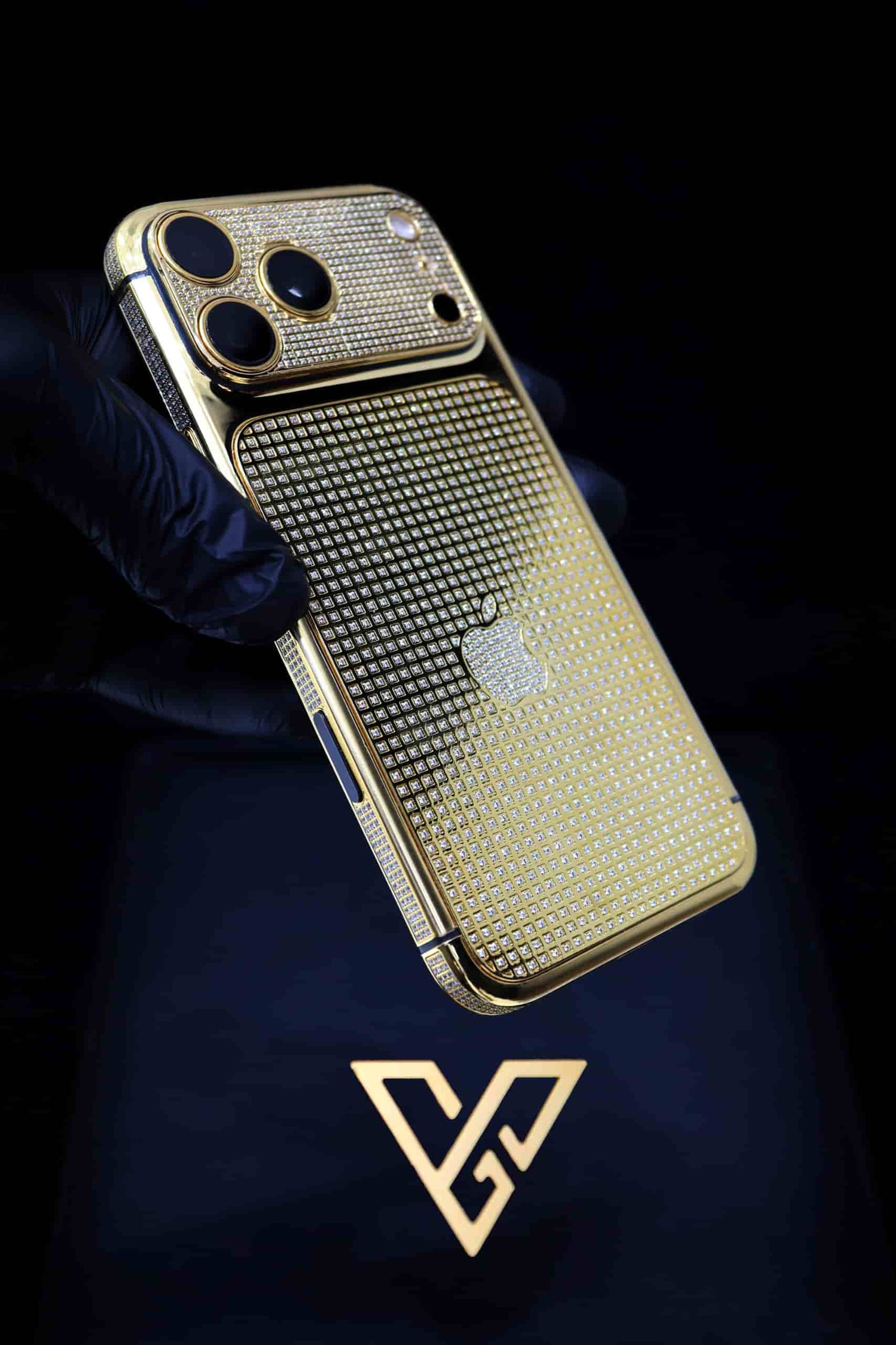
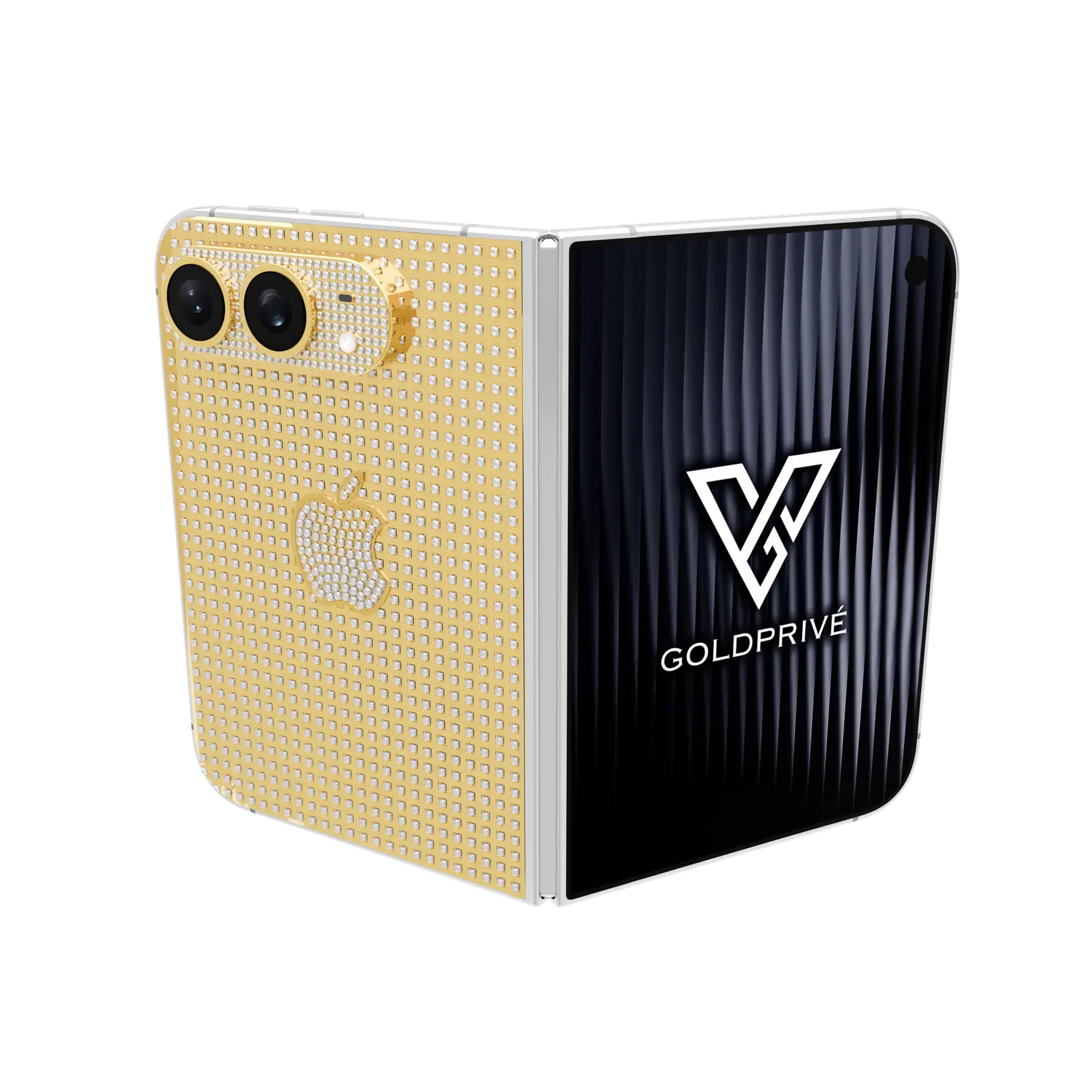
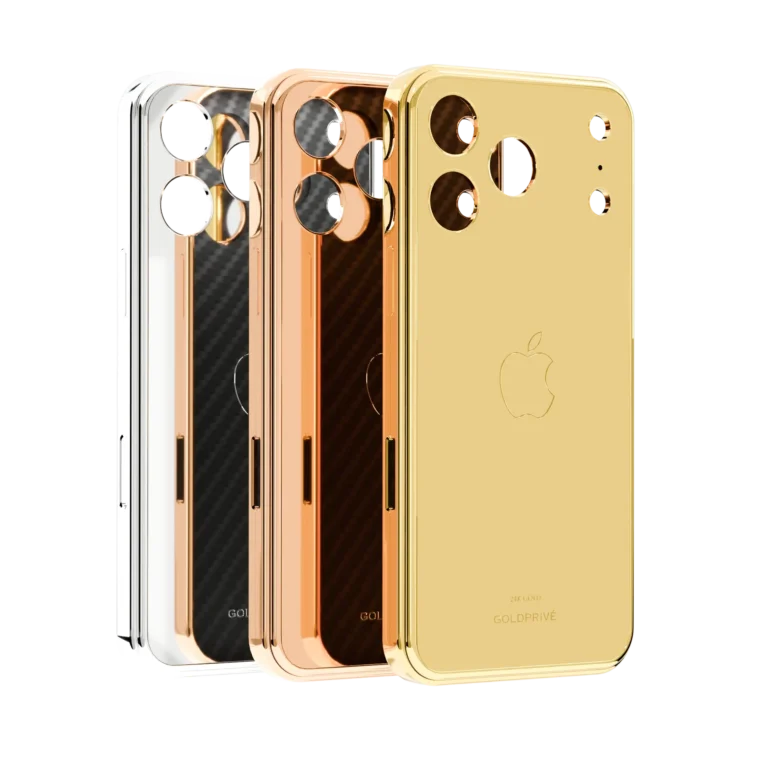
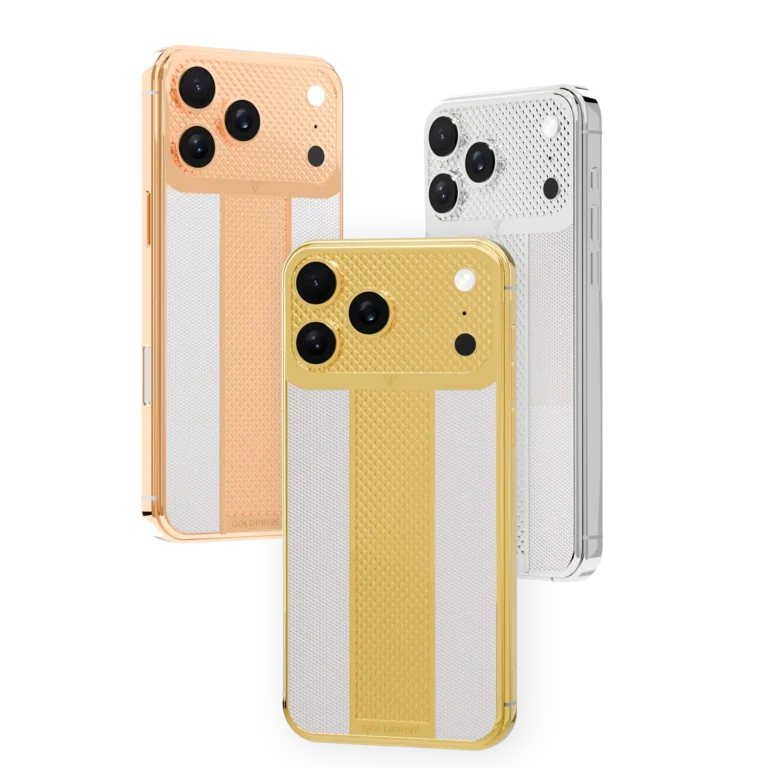
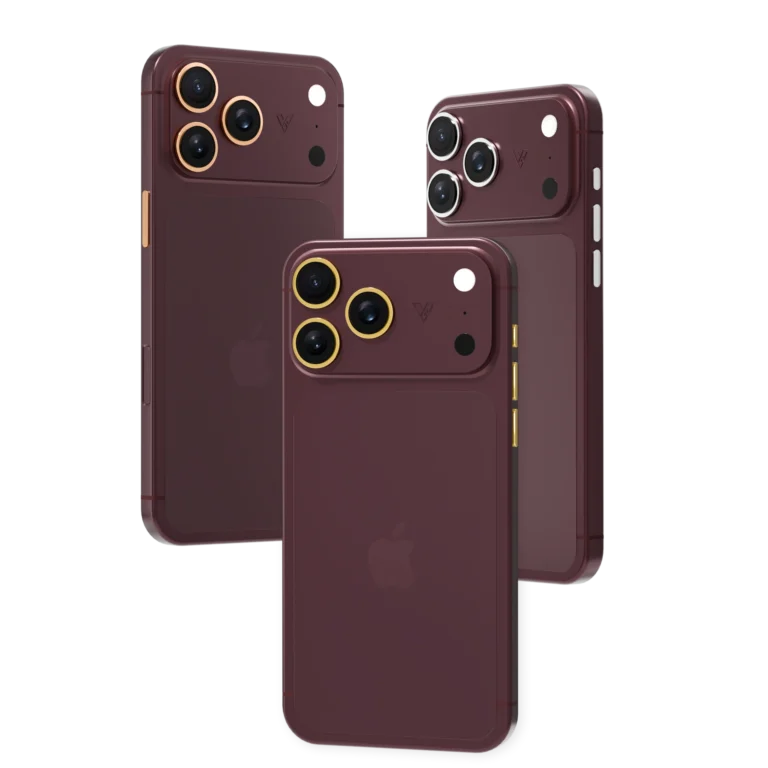
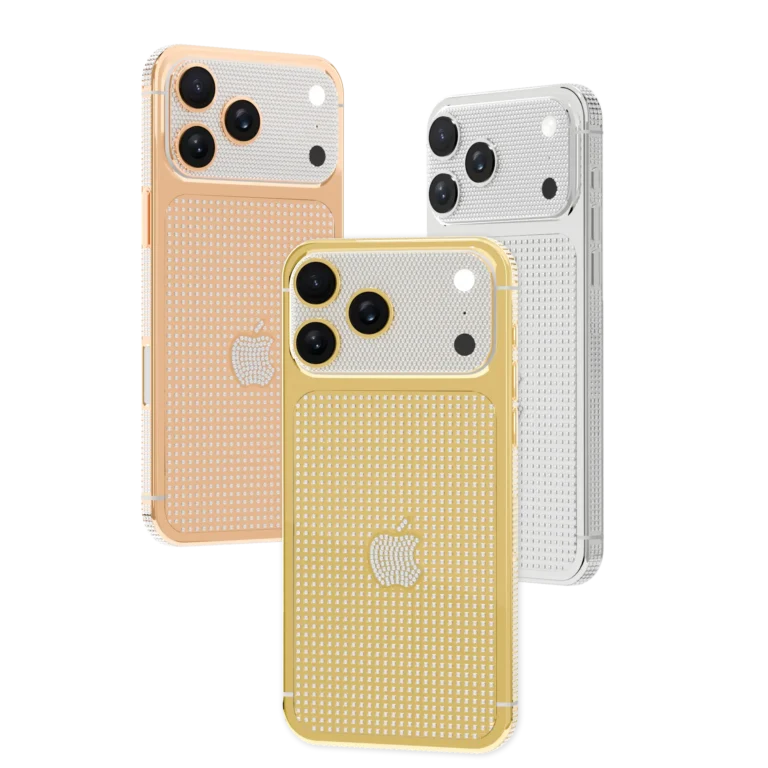
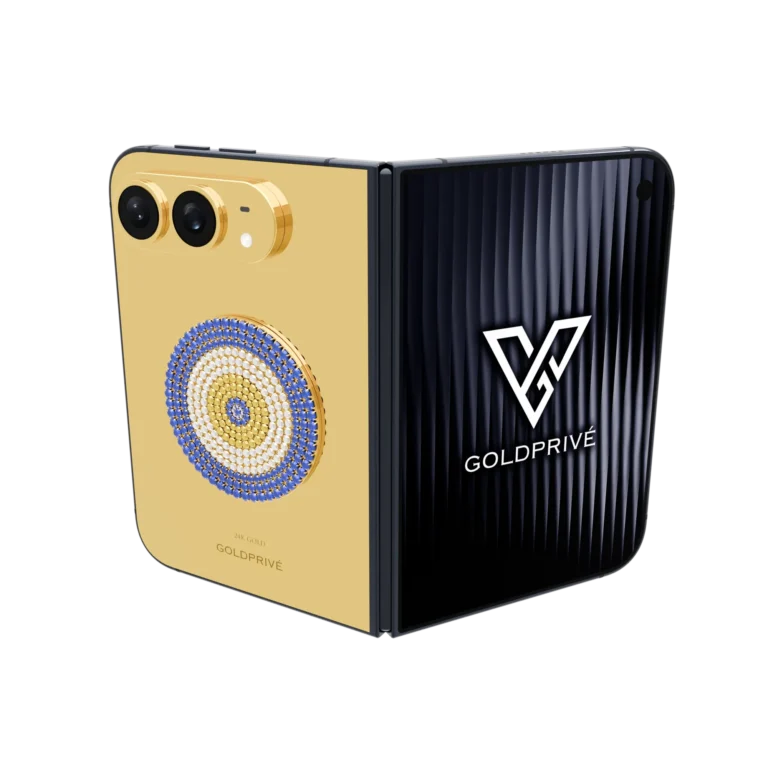
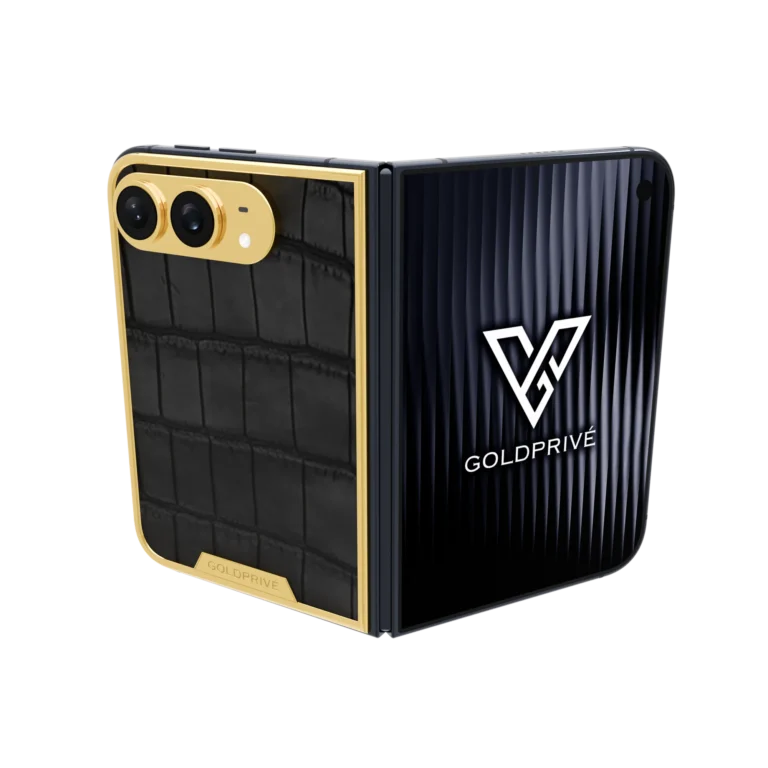
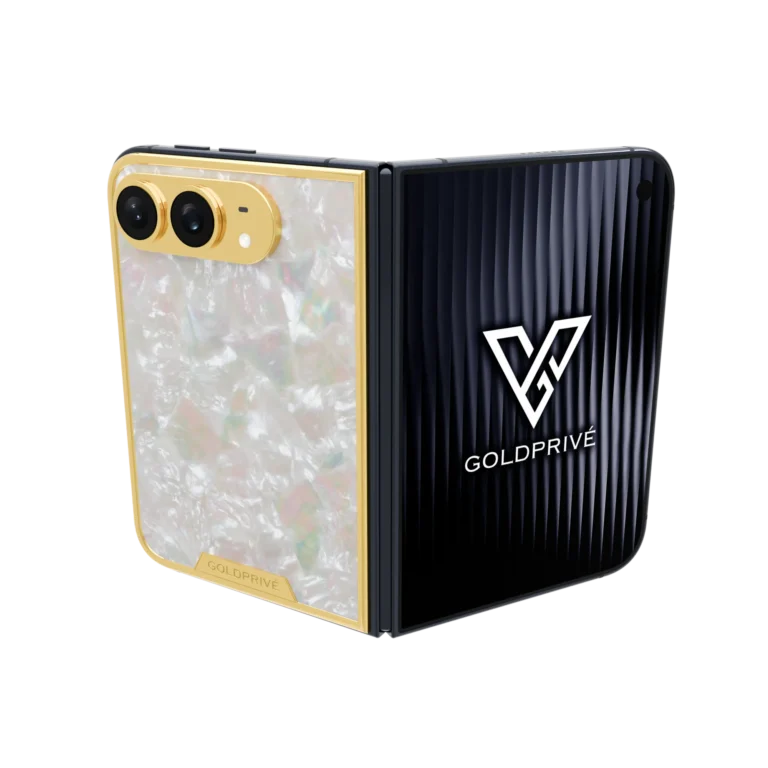
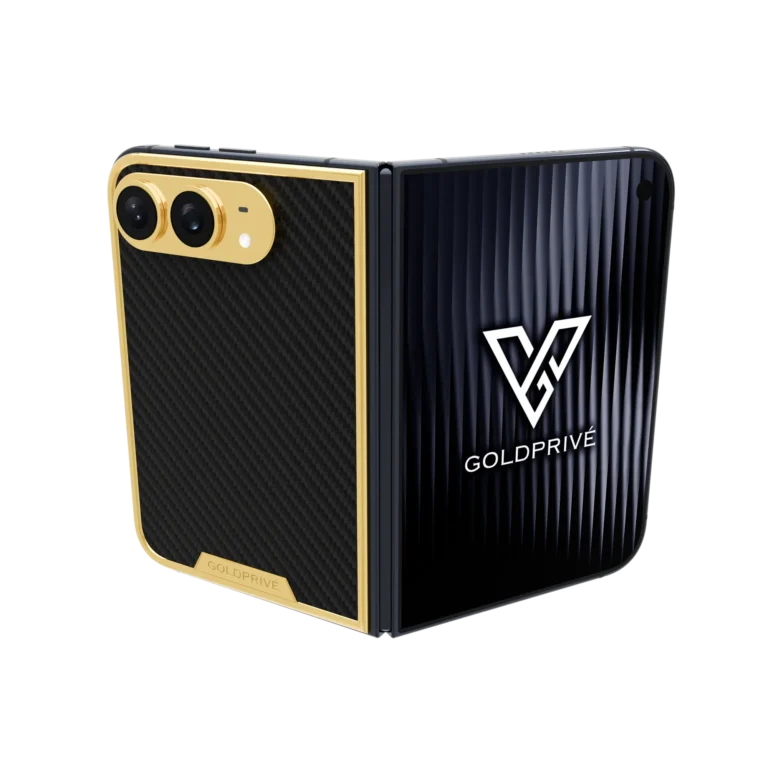
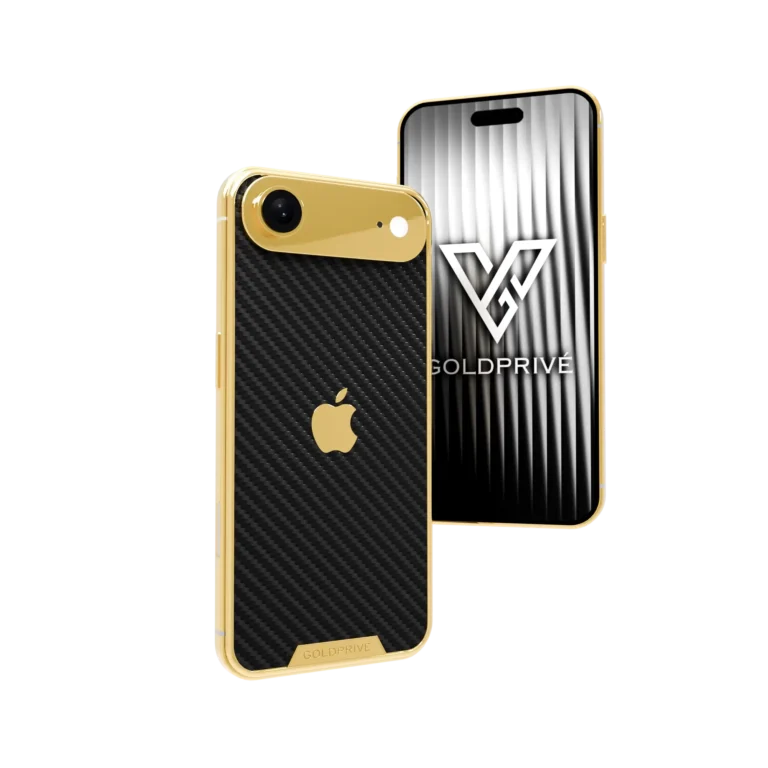
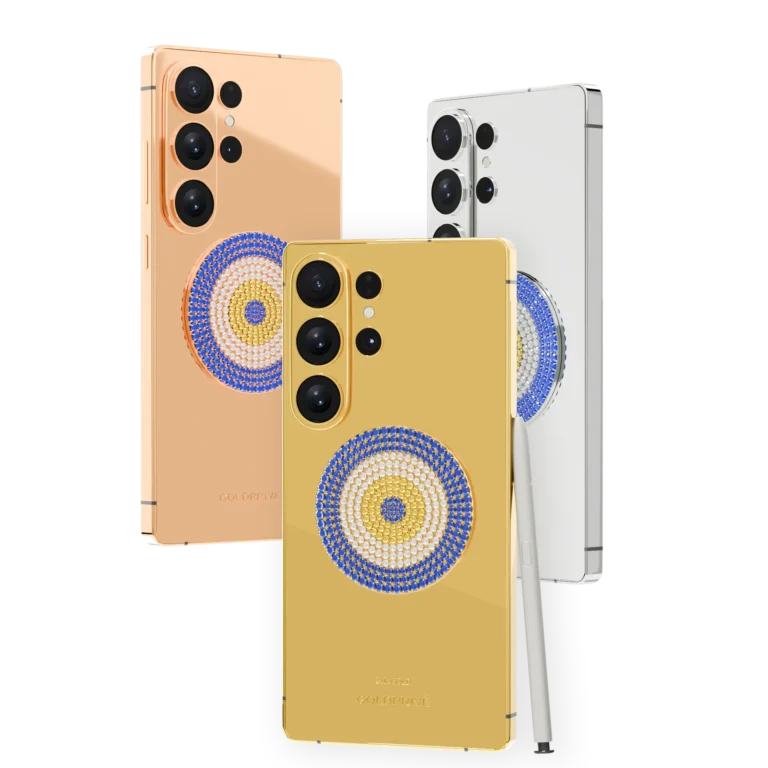
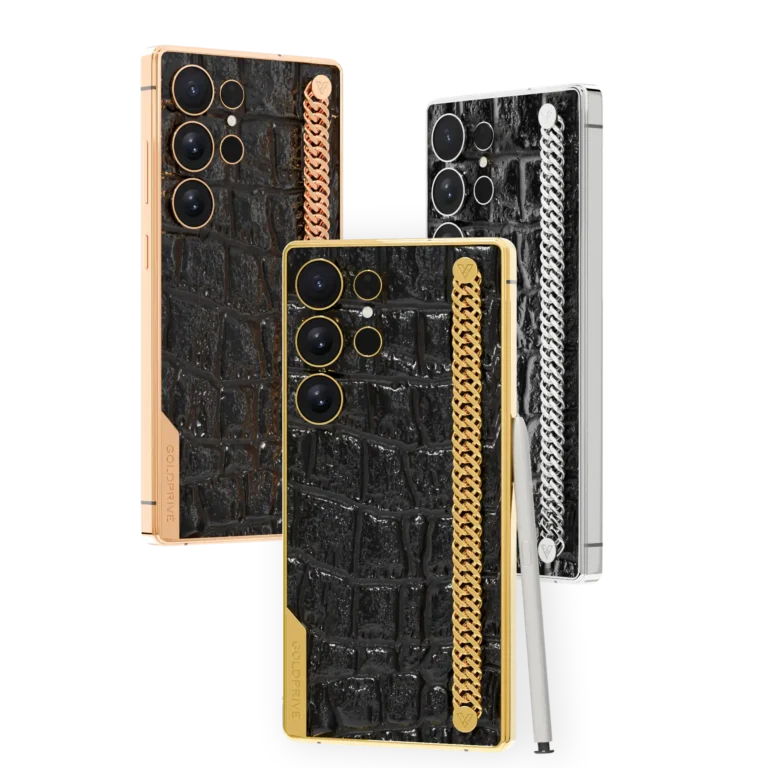
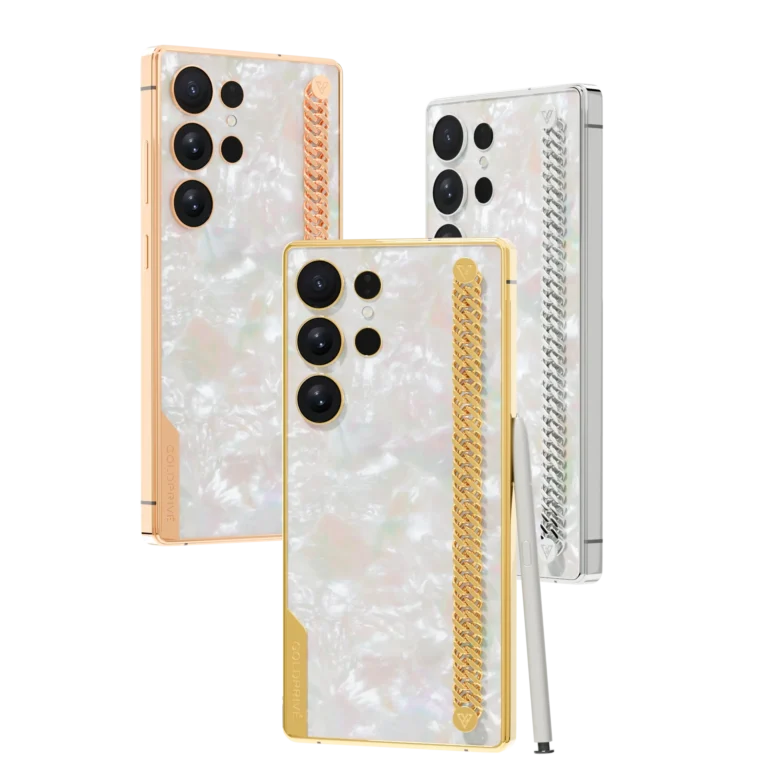
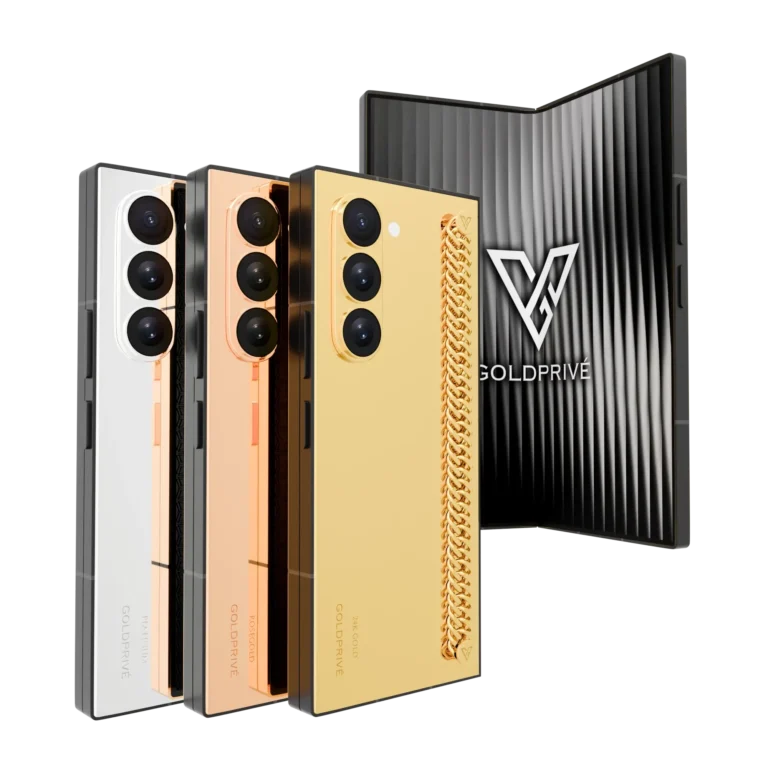
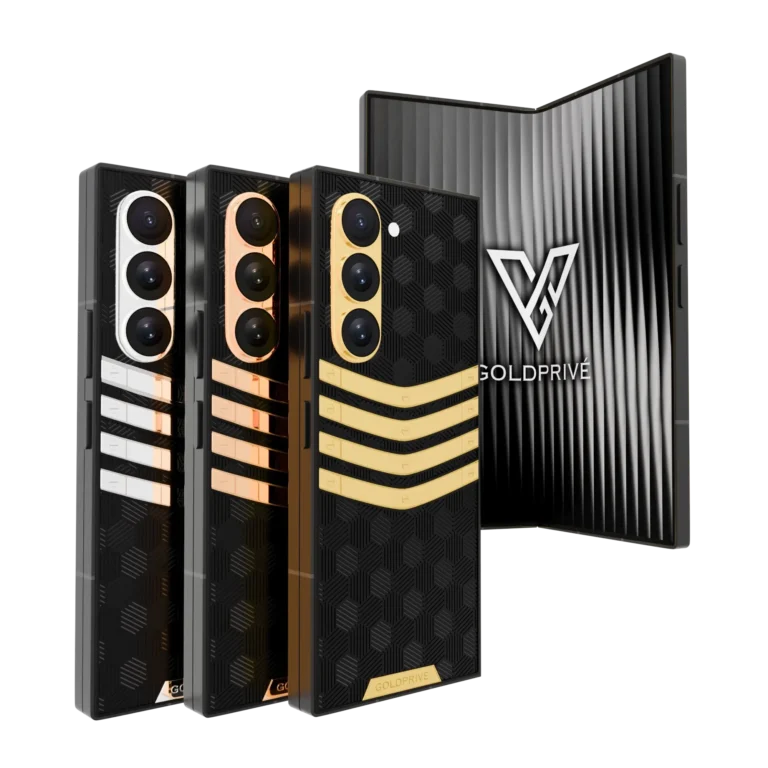
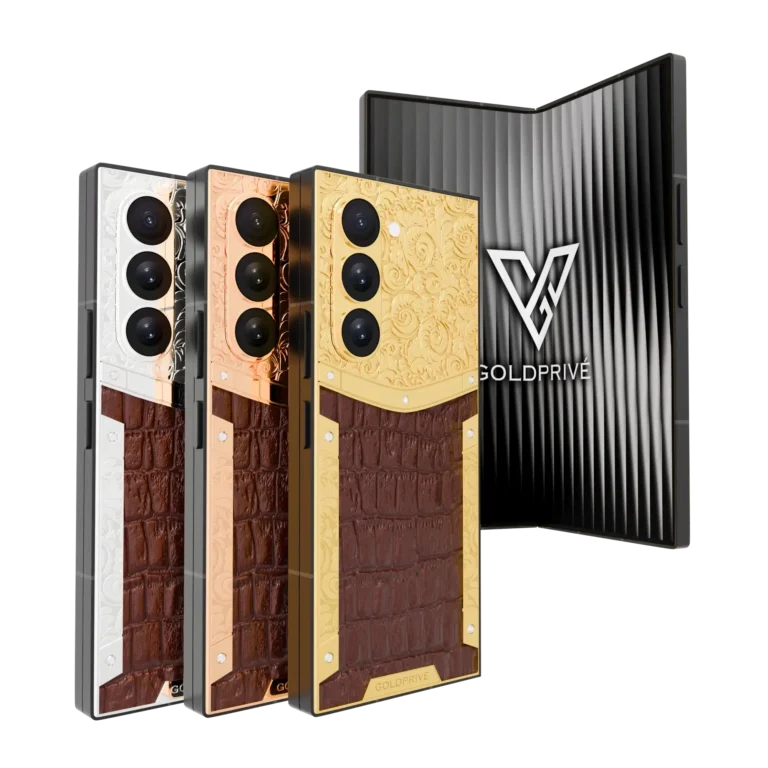
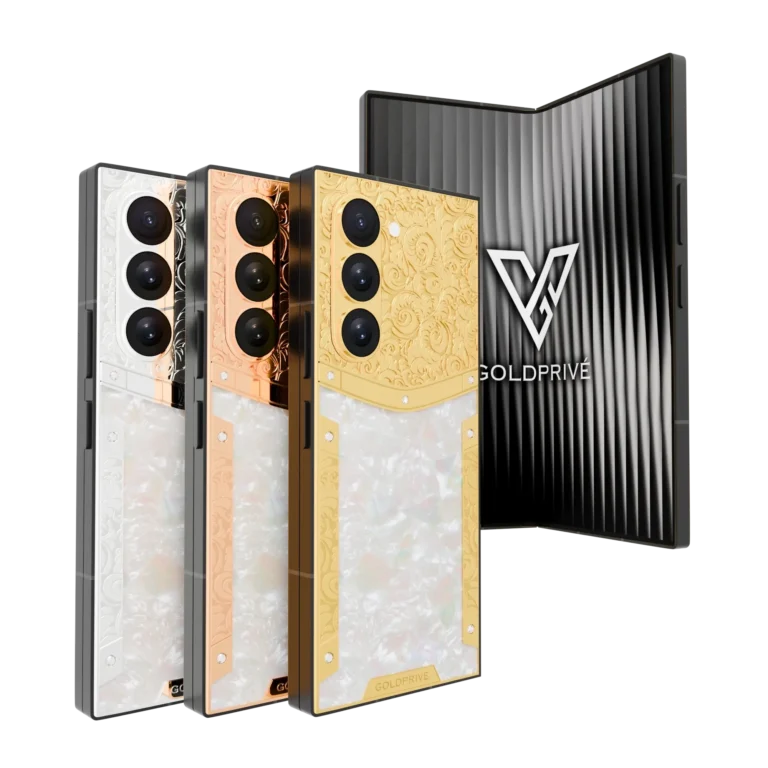
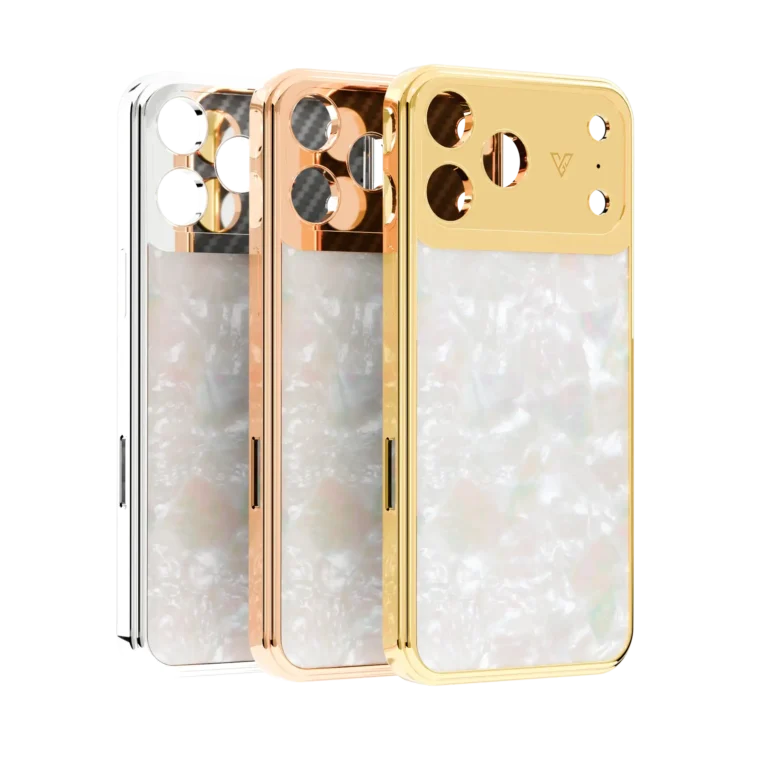
In the broader collectibles market, edition size directly drives value — a smaller production run appreciates differently than a mass-market one, precisely because scarcity is verifiable. Bespoke gold iPhones apply this principle by nature rather than by marketing: because each device is individually handcrafted to order at GoldPrivé’s Dubai atelier rather than mass-produced, no two pieces — particularly those with custom engraving, commissioned artwork, or gemstone settings — are ever fully identical. That inherent scarcity is structurally different from a factory-numbered edition of, say, 100 units, but it serves the same underlying function: it makes each piece harder to replicate.
Provenance and Certification
Provenance — the documented history and authenticity of a piece — is what separates a verifiably genuine luxury item from an unverifiable claim. For collectible items generally, this means certificates of authenticity, edition documentation, and traceable ownership history. Every GoldPrivé device ships with a Certificate of Authenticity alongside original Apple documentation, detailed on the brand authenticity policy — the baseline documentation any collectible gold iPhone should carry.
Keep this documentation with the device indefinitely, not just at delivery. For any luxury item, a clean paper trail from original purchase forward is what allows a future owner — including a future version of yourself — to verify authenticity without relying on memory or reputation alone.
Material Value as a Collectibility Factor
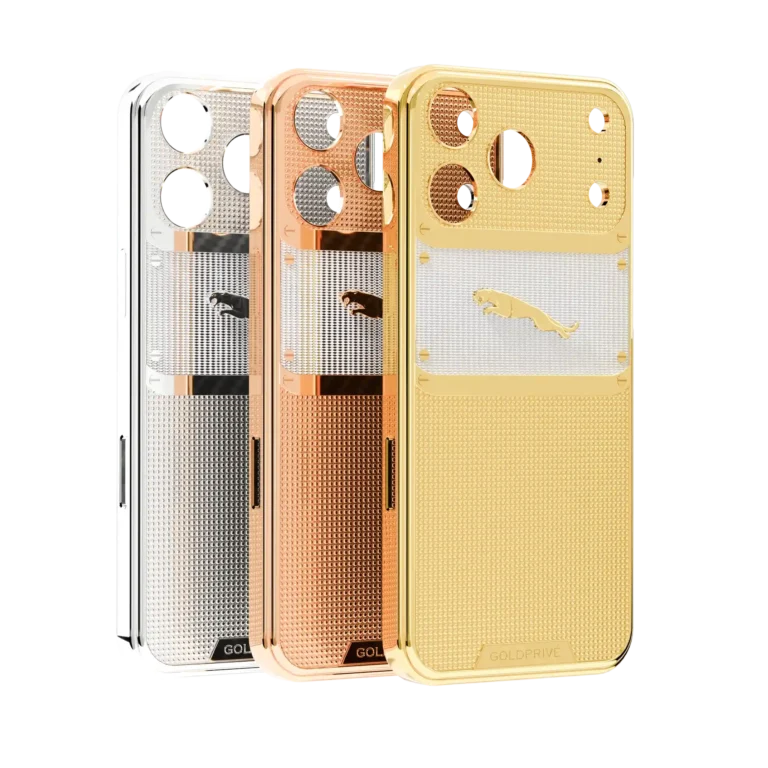
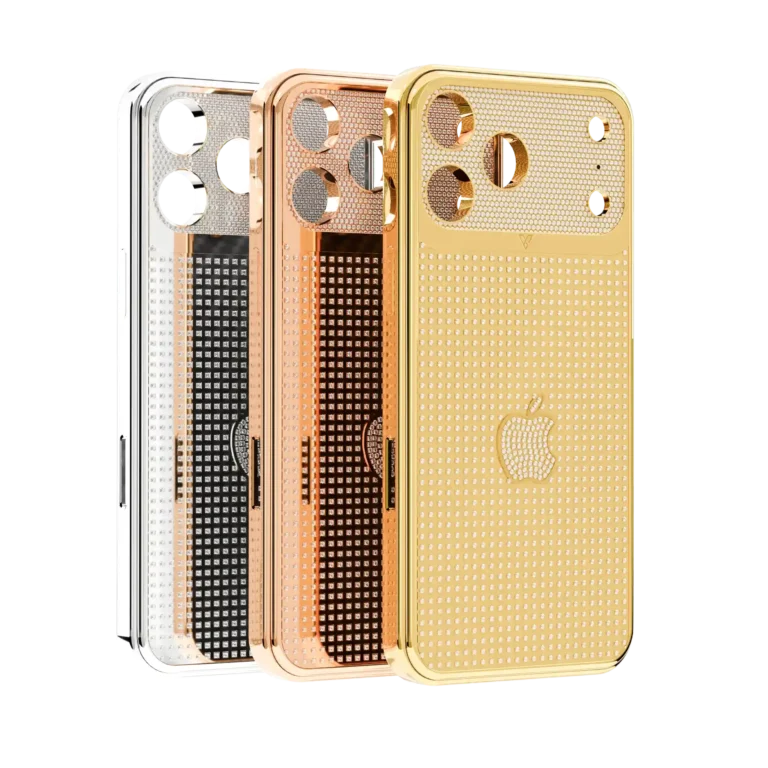
This is where gold iPhones diverge sharply depending on construction method. As covered in our 24K plating vs. 18K solid gold guide, plated finishes use a fraction of a gram of gold spread across a surface layer — negligible melt value. Solid 18K gold construction, by contrast, is a 75% gold alloy used structurally throughout the device, carrying genuine intrinsic value tied to weight and prevailing gold prices, as tracked by the World Gold Council.
| Factor | 24K Gold Plating | 18K Solid Gold |
|---|---|---|
| Intrinsic material value | Negligible | Significant, tied to gold weight and price |
| Value driver | Craftsmanship, brand, condition | Material content plus craftsmanship |
| Best framed as | A luxury accessory | A collectible asset with material backing |
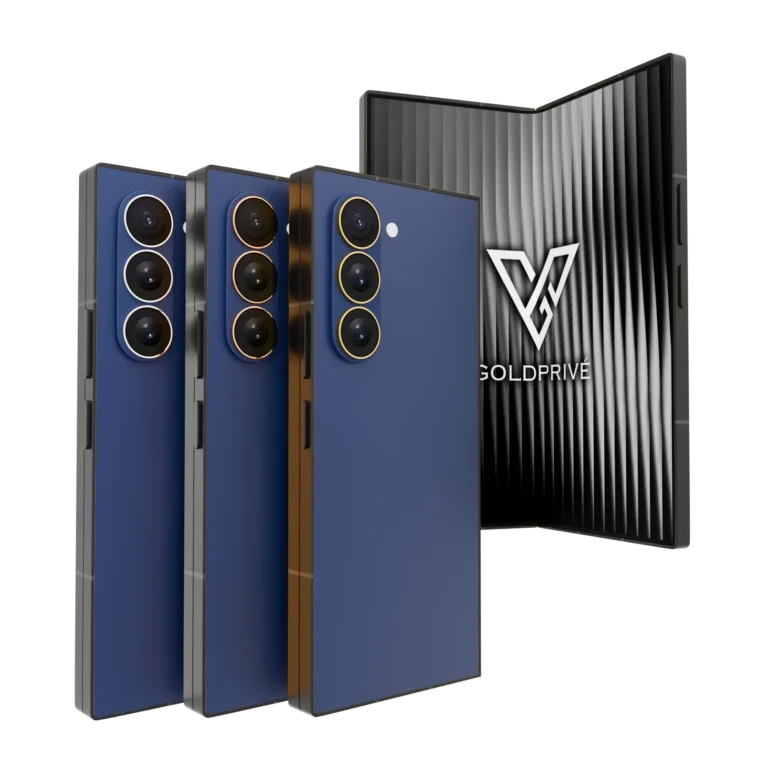
This doesn’t mean plated pieces have no collectible merit — craftsmanship, design, and provenance still matter — but buyers specifically motivated by long-term material value should understand this distinction before choosing between the 24K plated collection and the 18K solid gold line.
Craftsmanship and Bespoke Personalization
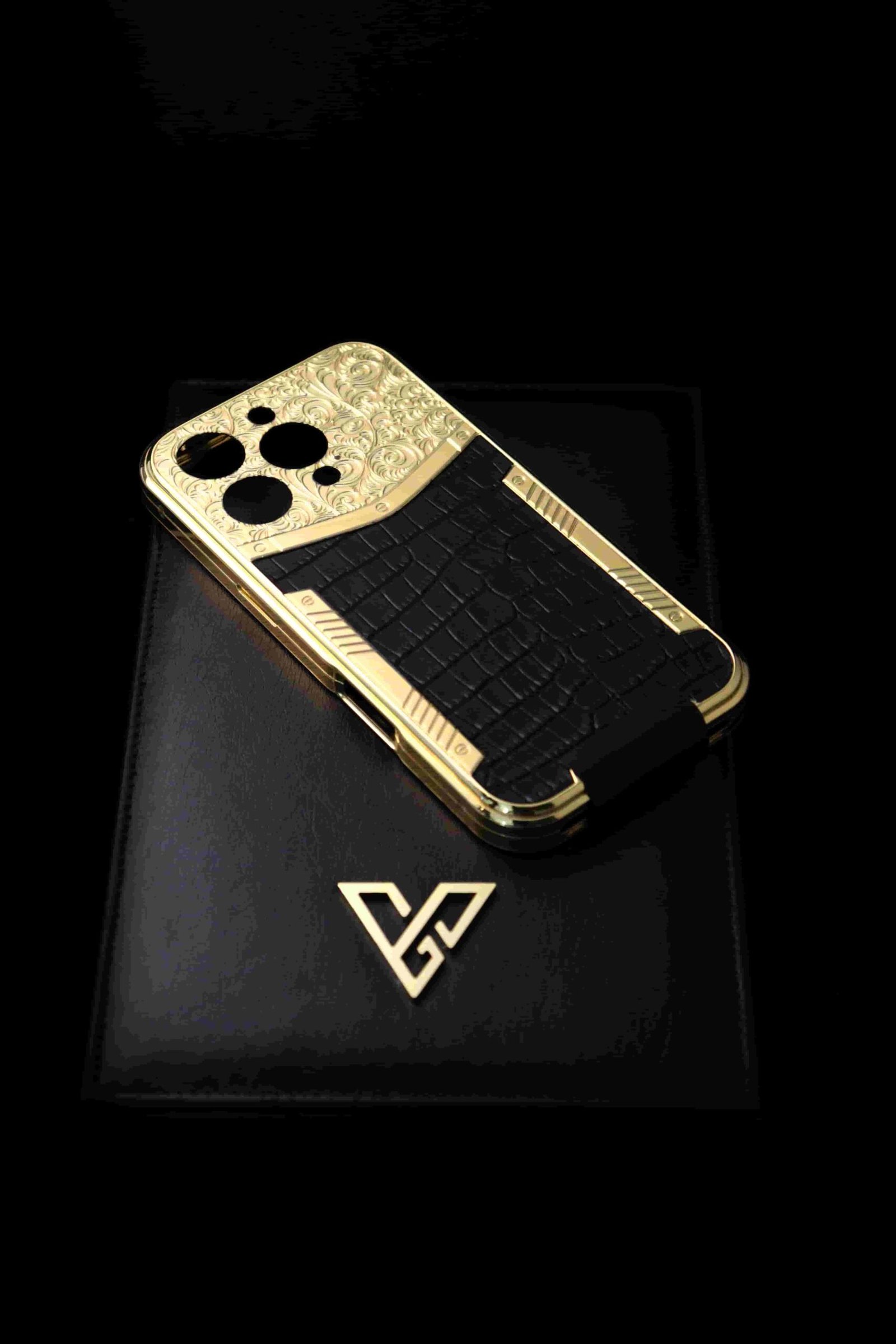
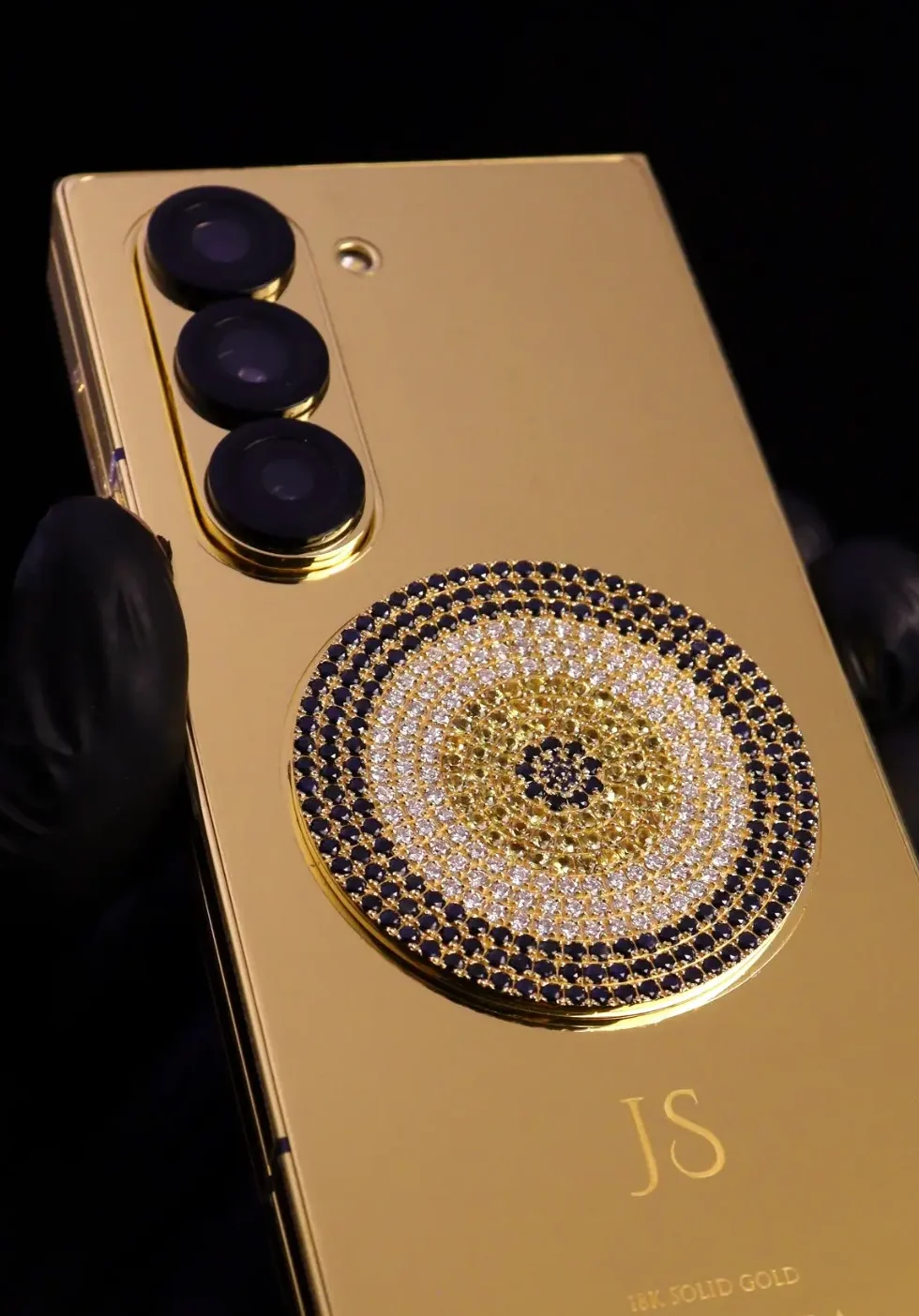
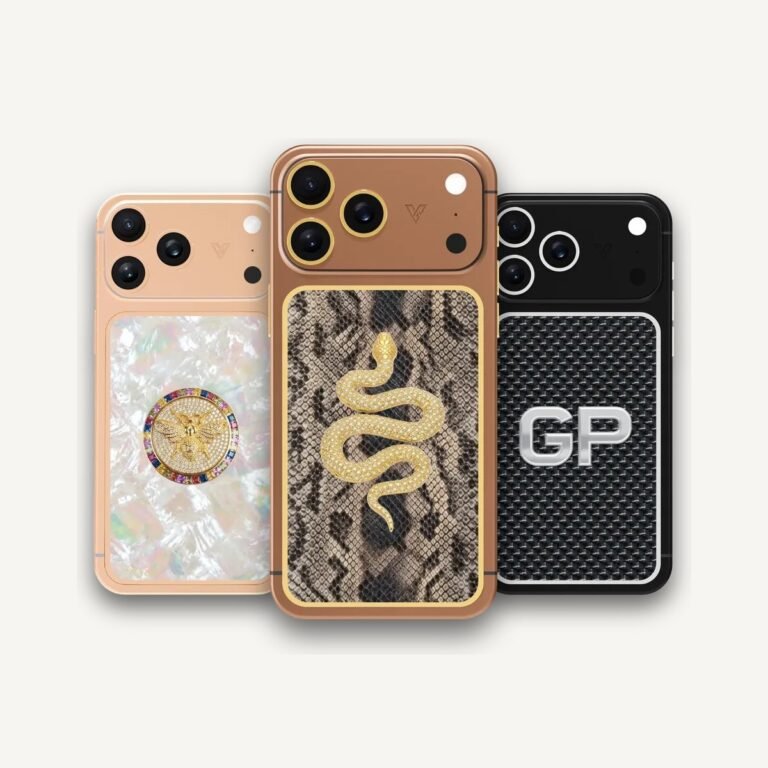
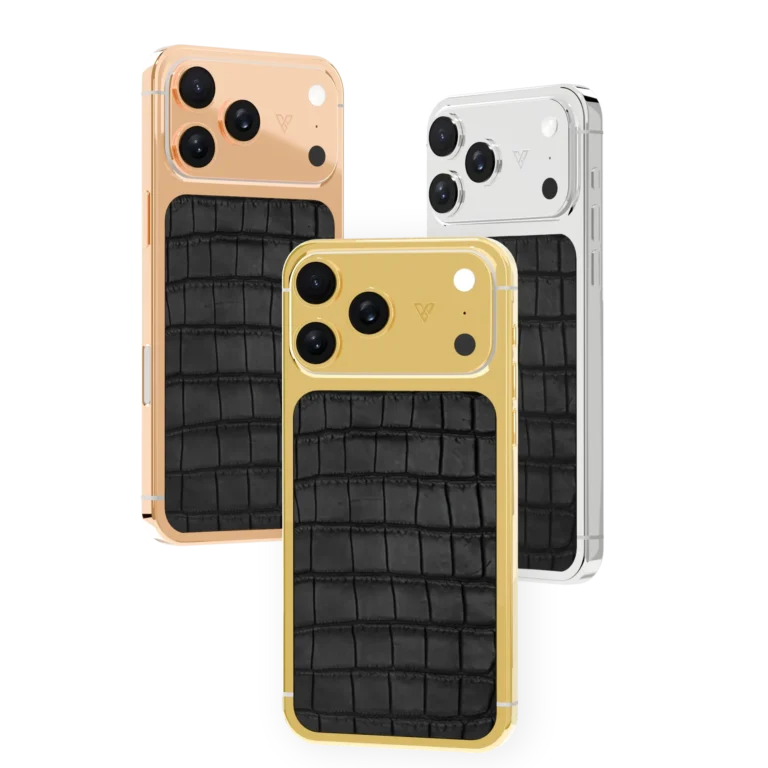
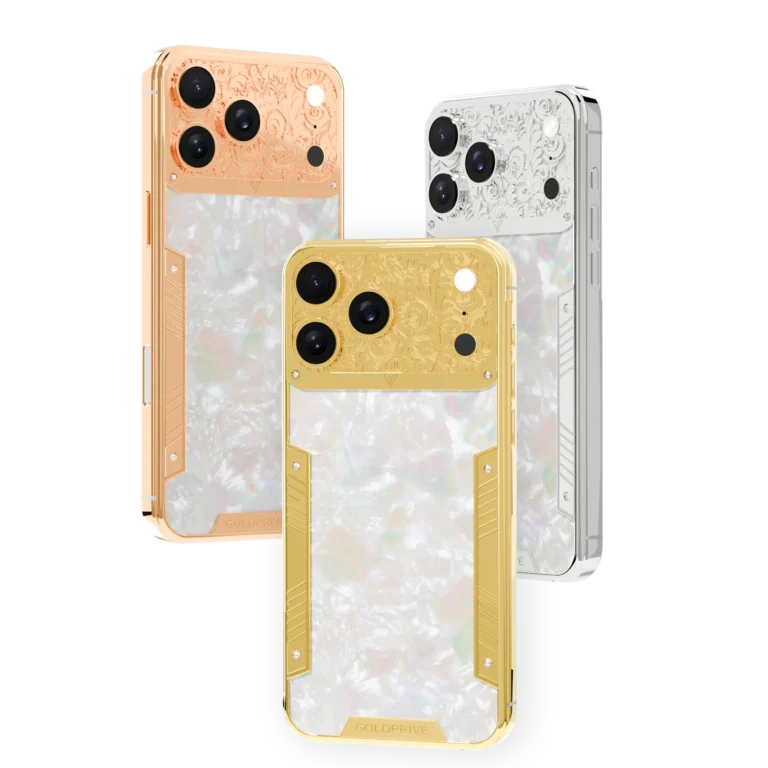
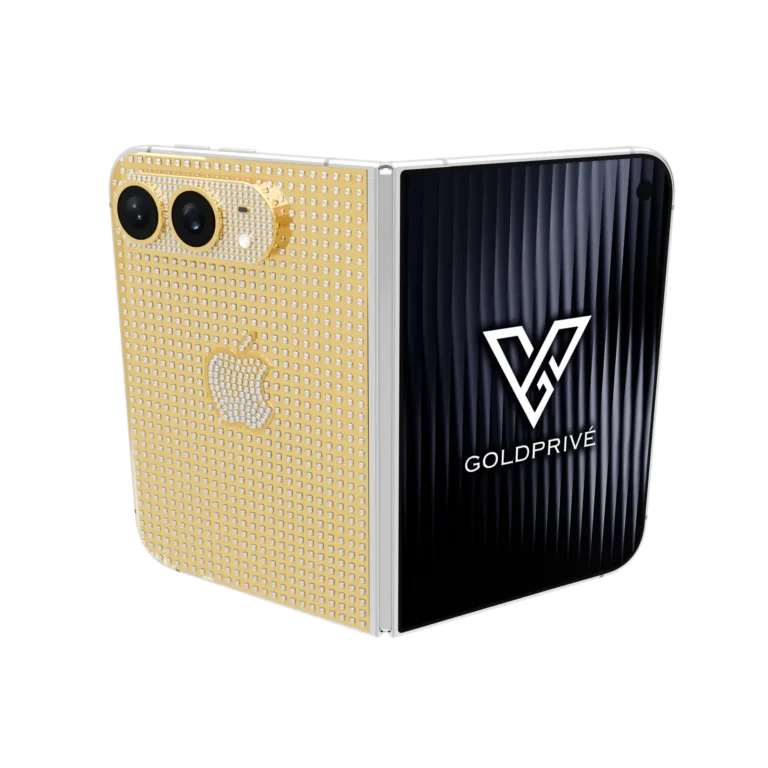
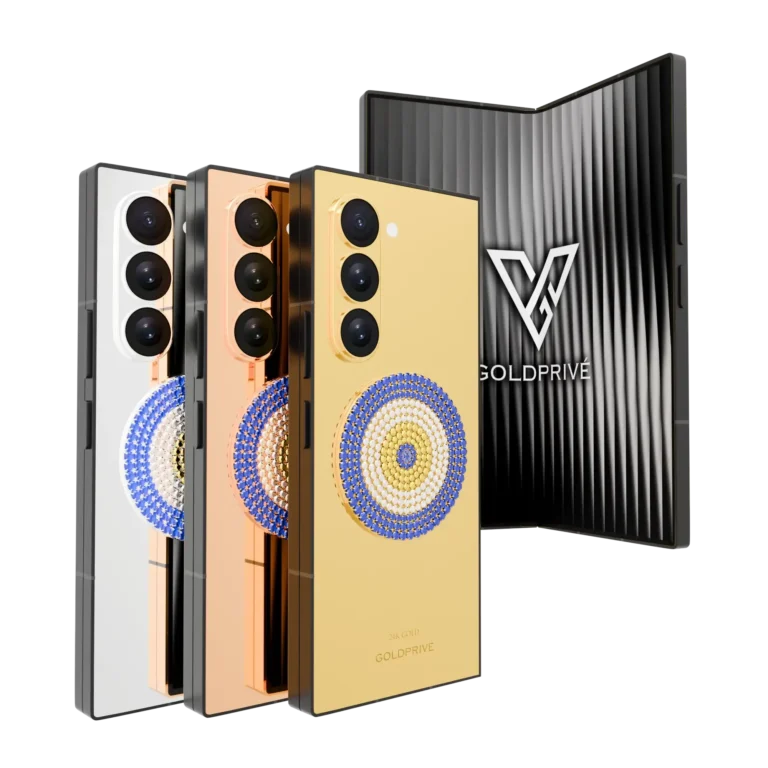
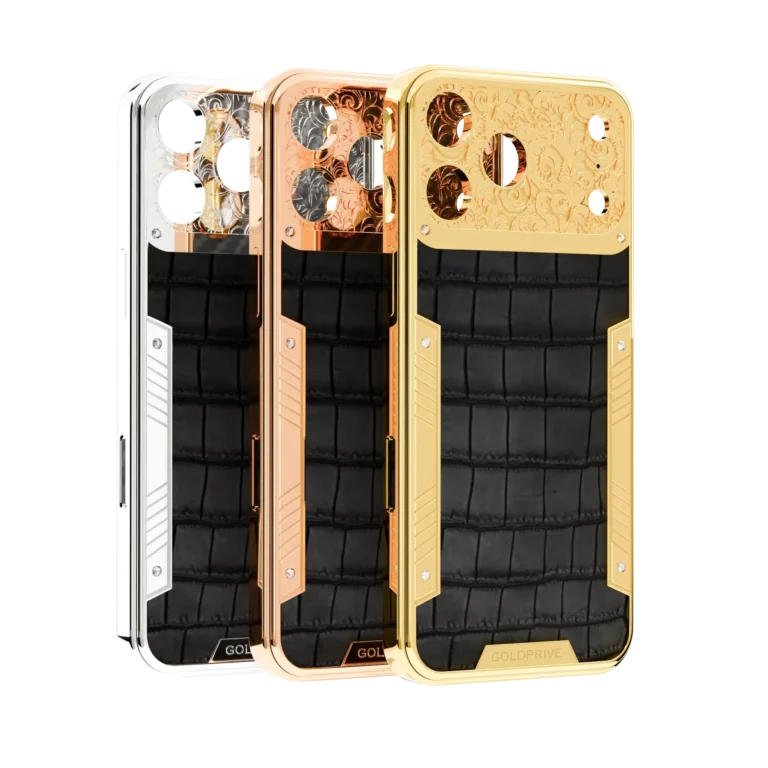
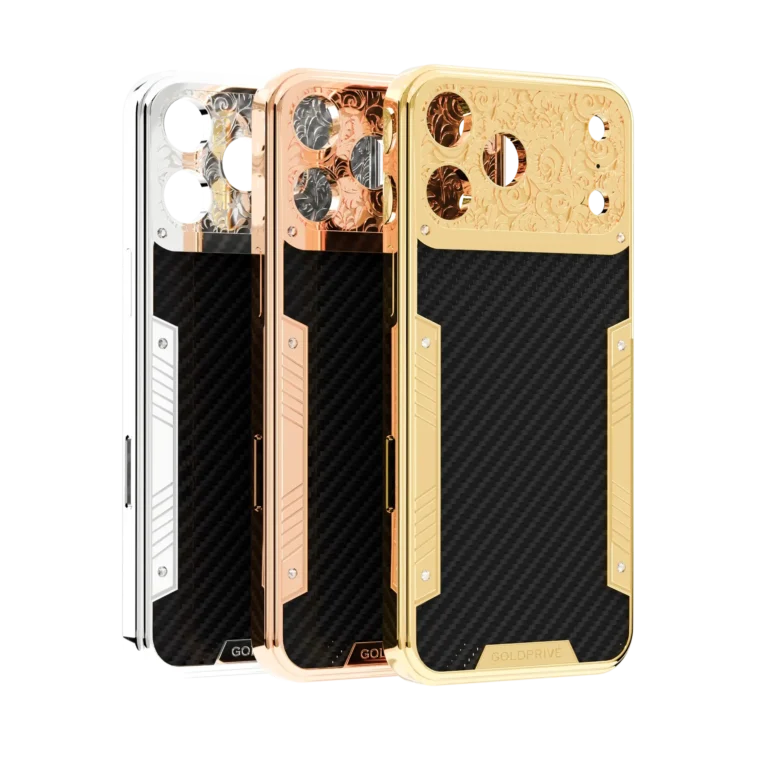
Personalization is a double-edged factor in collectibility. A piece engraved with a previous owner’s name or initials may be harder to resell to a new buyer than an unmarked equivalent — but a commissioned, artist-quality design or a historically significant commission can become part of what makes a piece notable rather than diminishing it. GoldPrivé’s customization service supports both directions: subtle personalization for everyday ownership, or fully bespoke commissioned artwork for buyers building a genuinely one-off piece.
Signs of a Well-Made Collectible Piece
Before treating any gold-finished device as a collectible rather than simply an expensive accessory, look for these signals:
| Signal | Why It Matters |
|---|---|
| Written Certificate of Authenticity | Establishes documented provenance from day one |
| Disclosed construction method (plated vs. solid) | Determines whether intrinsic material value exists |
| Individually handcrafted, not mass-produced | Creates structural scarcity even without formal numbering |
| Original manufacturer documentation retained | Confirms the base device is genuine Apple hardware |
| Traceable atelier or maker reputation | Supports long-term buyer confidence and resale credibility |
A piece missing several of these signals may still be a beautiful luxury object — but it’s worth being honest with yourself about whether you’re buying it as a collectible or simply as a striking accessory. Both are legitimate reasons to buy; they’re just different purchases.
The Broader Luxury Phone Market
Gold and gem-set phones occupy an established, if niche, category within luxury tech that predates the current wave of gold iPhone customization by well over a decade — precious-metal phone finishing has existed as a bespoke craft since early smartphone eras, evolving alongside each new flagship generation. Competing luxury customizers have listed gold iPhone editions at prices reaching into the tens of thousands of dollars for solid-gold and diamond-set pieces, reinforcing that the category itself has real, ongoing collector demand rather than being a novelty confined to any single brand.
Unlike flagship consumer electronics, which depreciate immediately on release as newer models arrive, precious-metal luxury pieces are positioned closer to fine jewelry: their value proposition depends on material content and craftsmanship rather than technical currency. That’s precisely why a 2007 iPhone with zero modern functionality can still command six figures at auction — its value has nothing to do with whether it can run current apps, and everything to do with what collectors can verify about its rarity and history.
Is a Gold iPhone a Good Investment?
This is informational content, not financial or investment advice. Collectible value is inherently speculative and depends on market demand, condition, documentation, and factors no seller can guarantee. Solid 18K gold construction carries a real, calculable material floor tied to gold’s market price, which plated pieces do not — but neither is a substitute for professional financial advice if you’re evaluating a purchase primarily as an investment rather than a luxury good.
Ownership and Documentation
- Keep every document. Certificate of Authenticity, original Apple packaging and documentation, and any correspondence about custom commissions all strengthen provenance for a future sale.
- Insure appropriately. Solid gold pieces in particular carry real material value — schedule them on a valuables policy rather than relying on standard device insurance.
- Understand warranty scope. Gold finishing is warrantied separately from Apple’s hardware warranty; review the warranty policy so you know what’s covered.
- Maintain the finish. Long-term condition affects collectible value as much as it does any luxury item — see GoldPrivé Care for guidance specific to your finish.
Commission a Piece Worth Documenting
Whether you’re drawn to a curated collection or a fully bespoke commission, provenance starts at the point of purchase. Browse the current gold iPhone collection, review 18K solid gold construction, or start a one-off commission through GoldPrivé’s customization service.
Considering a fully bespoke commission? Start a private design consultation with GoldPrivé’s Dubai atelier to discuss materials, personalization, and documentation.
FAQs
What makes a luxury phone collectible rather than just expensive?
Rarity, documented provenance, intrinsic material value, and craftsmanship quality — not price alone. A phone can be expensive without being genuinely collectible if it lacks documentation or scarcity.
Does a gold iPhone appreciate in value over time?
Not guaranteed. Solid 18K gold construction has a real material value floor tied to gold prices, but overall collectible appreciation depends on market demand, condition, and documentation — this is informational content, not investment advice.
Is 24K plating or 18K solid gold better for collectibility?
They serve different purposes: 18K solid gold carries genuine intrinsic material value tied to weight and purity, while 24K plating’s value rests almost entirely on craftsmanship, brand, and condition rather than gold content.
What documentation should I keep with a gold iPhone?
The Certificate of Authenticity, original Apple documentation, and any records related to custom commissions — keep these with the device indefinitely, not just at delivery.
Does engraving hurt or help resale value?
It depends. Personal engraving (a name or initials) can narrow the resale audience, while commissioned artistic work can add to a piece’s distinctiveness. Consider this before personalizing a piece you may eventually sell.
Are bespoke gold iPhones truly one-of-one?
Each is individually handcrafted to order rather than mass-produced, which creates inherent scarcity — though this differs structurally from a factory-numbered edition. Confirm specifics directly if formal numbering matters to you.
What sold the record-price original iPhone at auction?
A factory-sealed, first-generation 4GB iPhone sold for $190,372 in 2023 through LCG Auctions, driven by its rarity (the 4GB model was the least common original iPhone), sealed condition, and documented provenance from an original Apple employee.