Blog
Gold iPhone Case Care: Cleaning 24K Gold, Pearl, Leather and Carbon Fiber

Gold iPhone Case Care: Cleaning 24K Gold, Pearl, Leather and Carbon Fiber
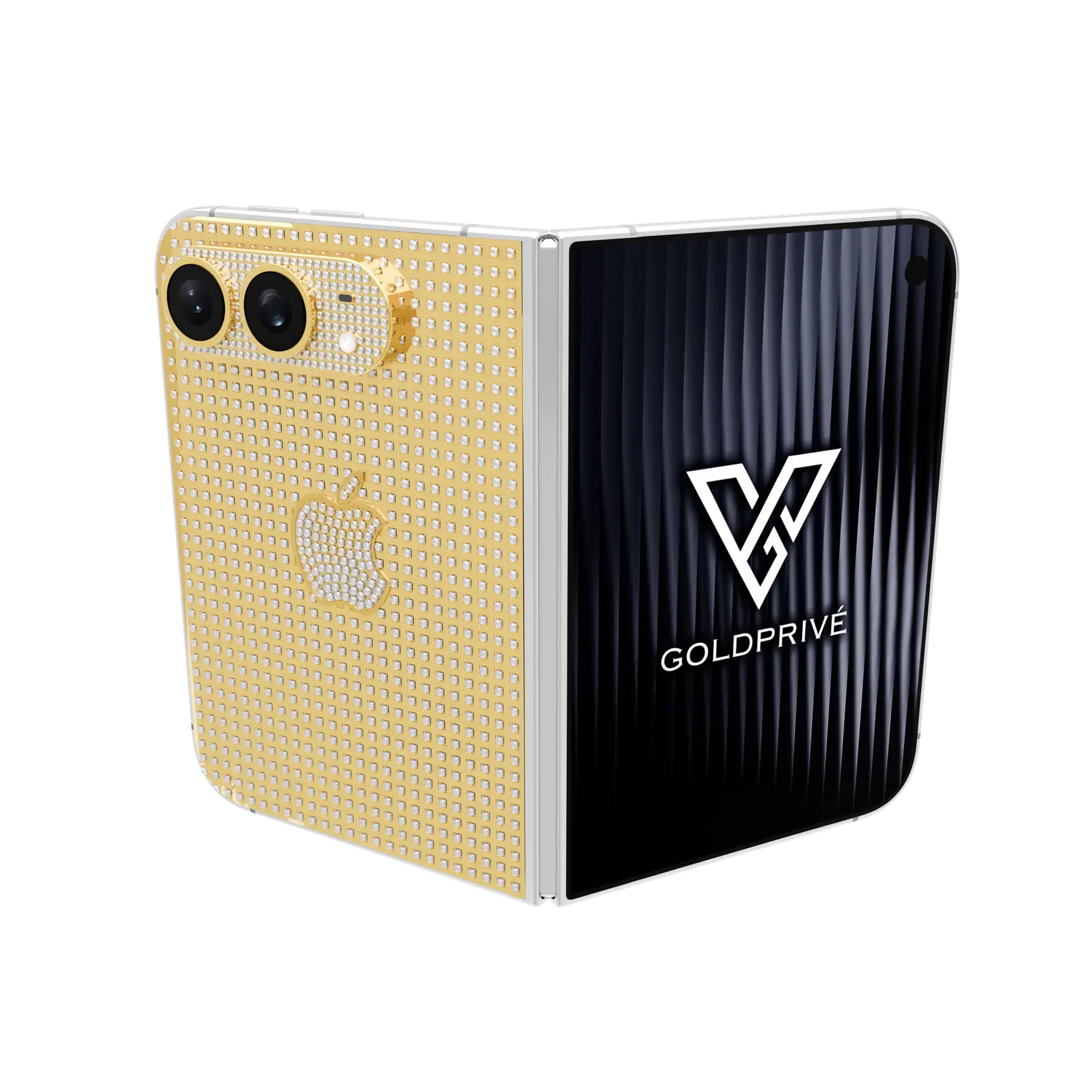
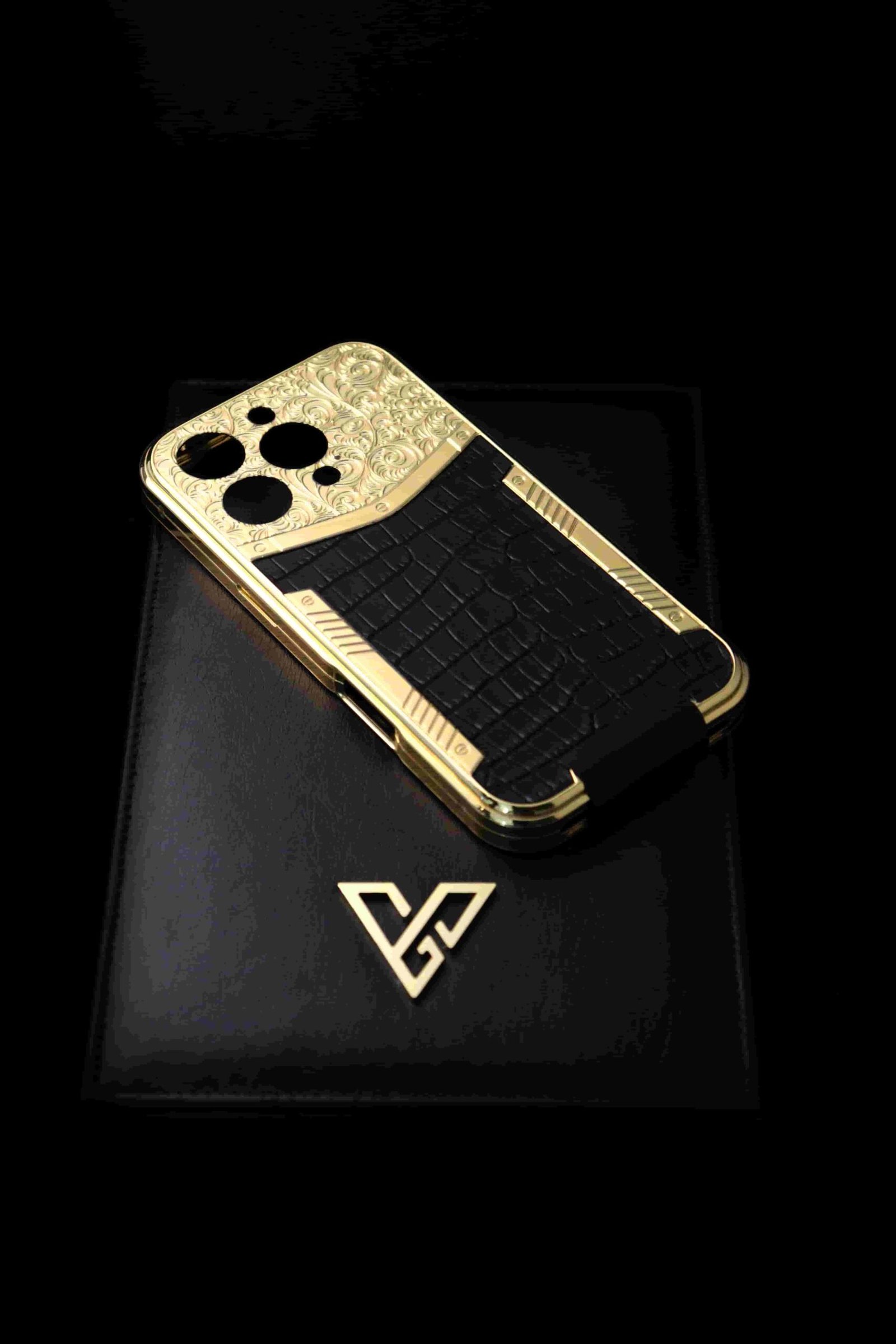
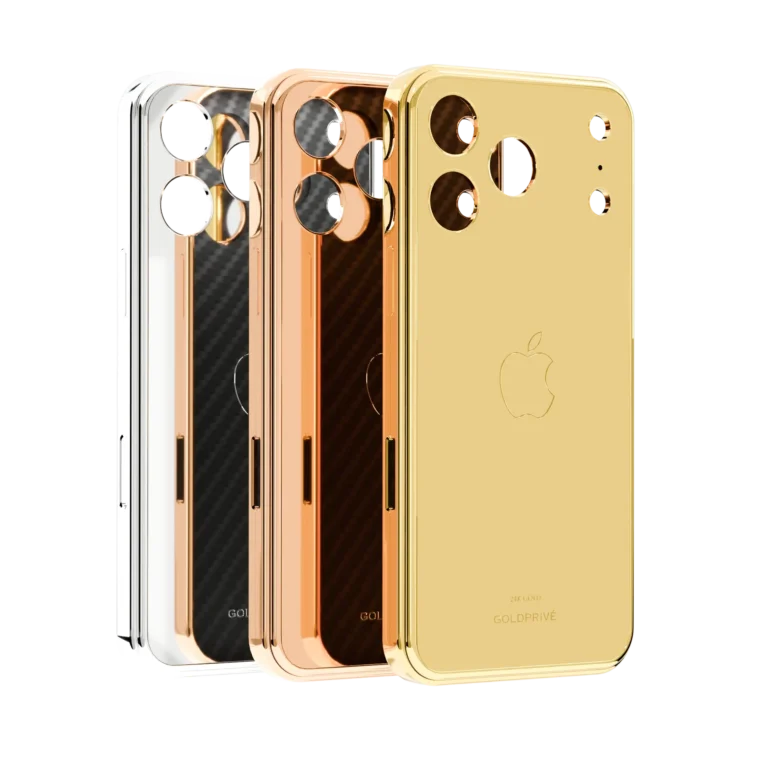
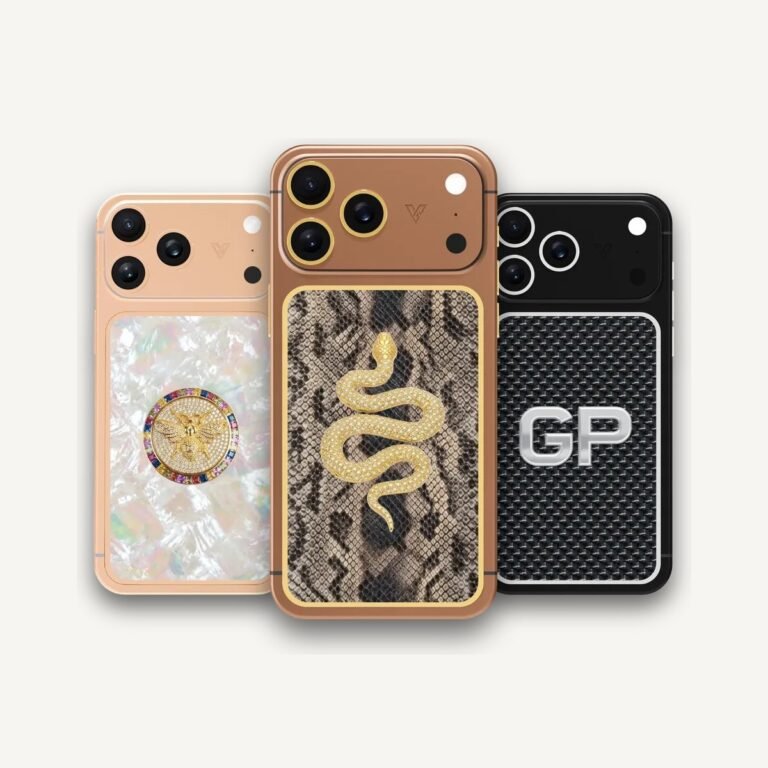
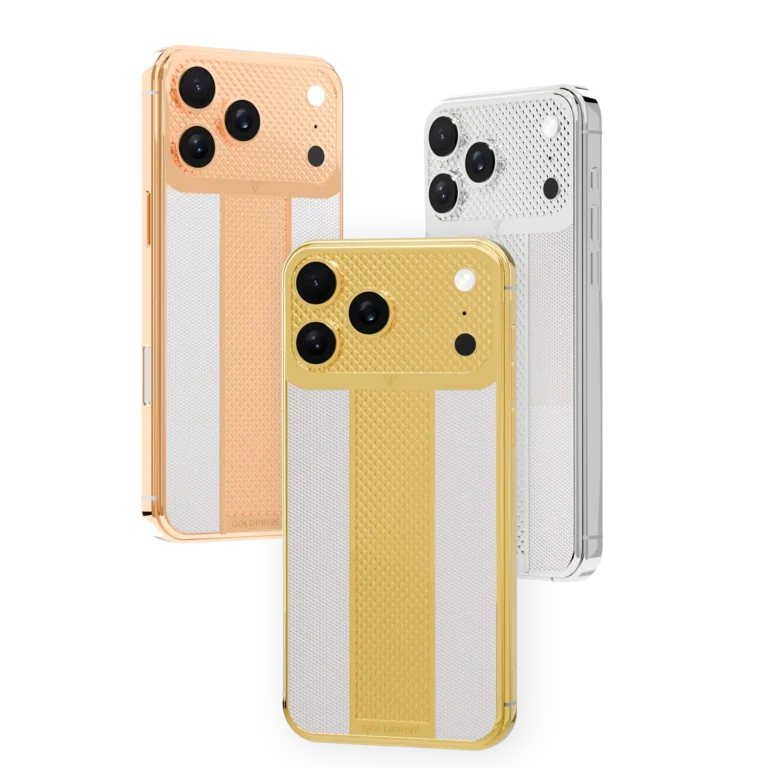
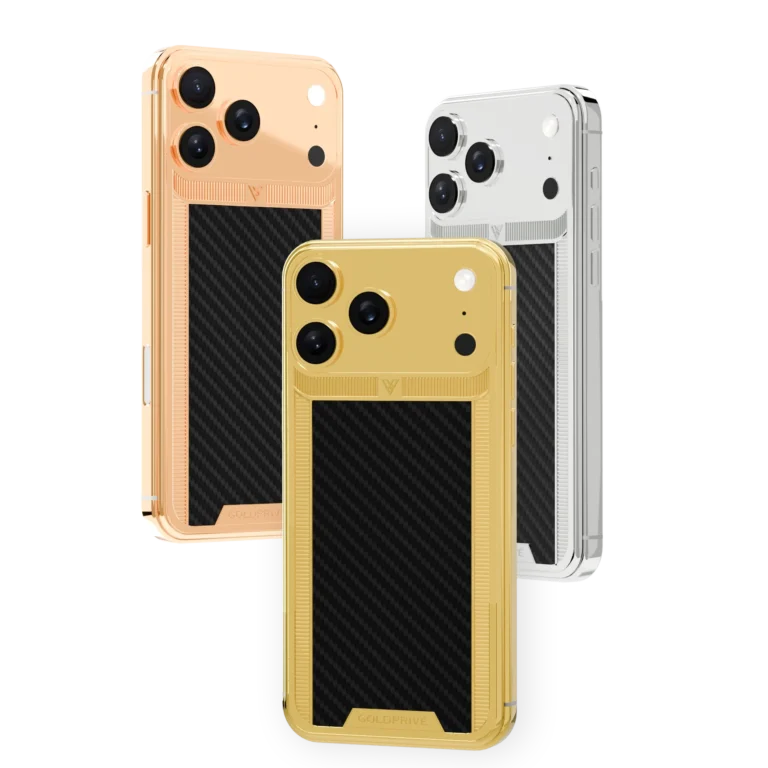
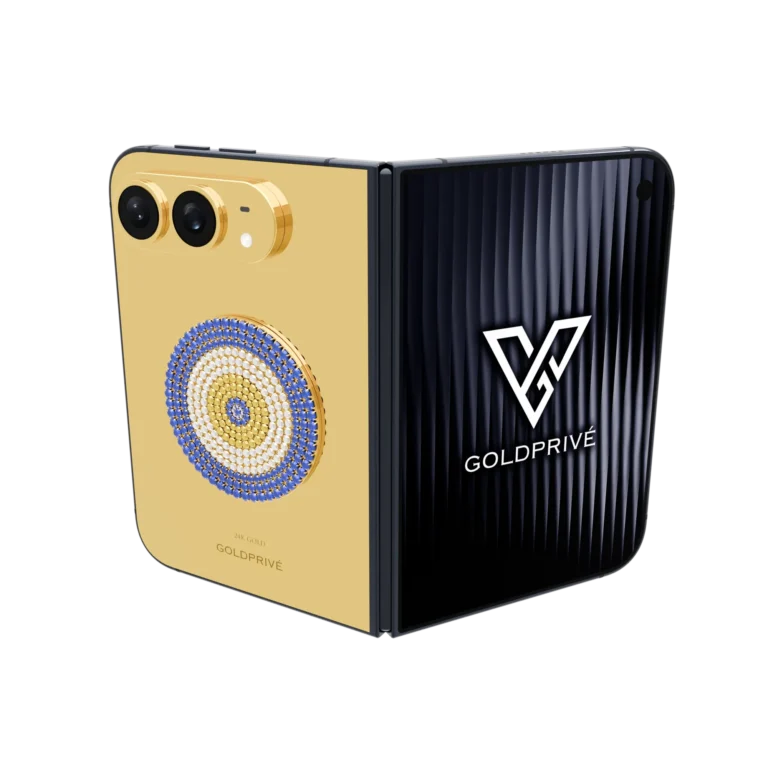
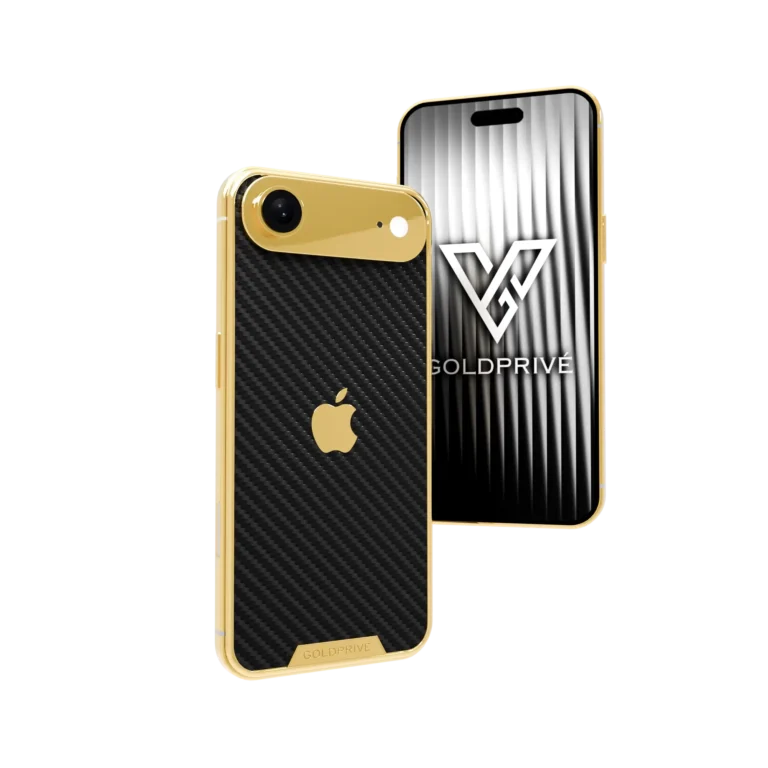
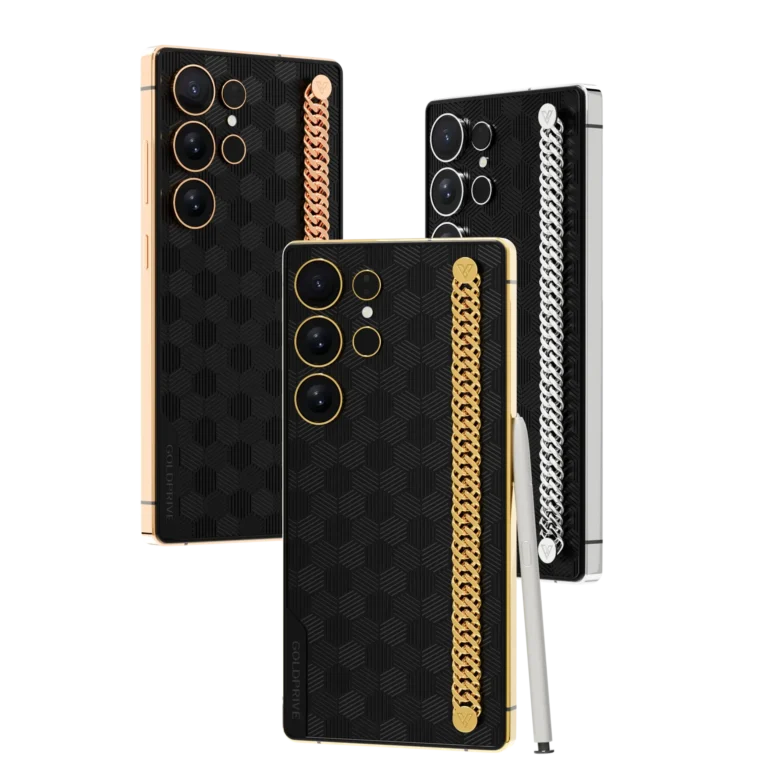
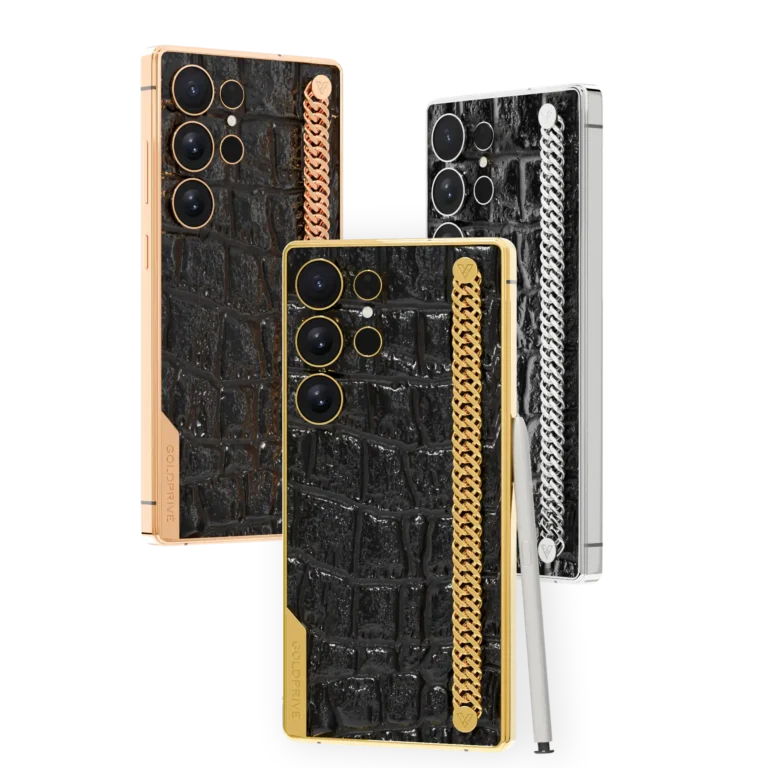
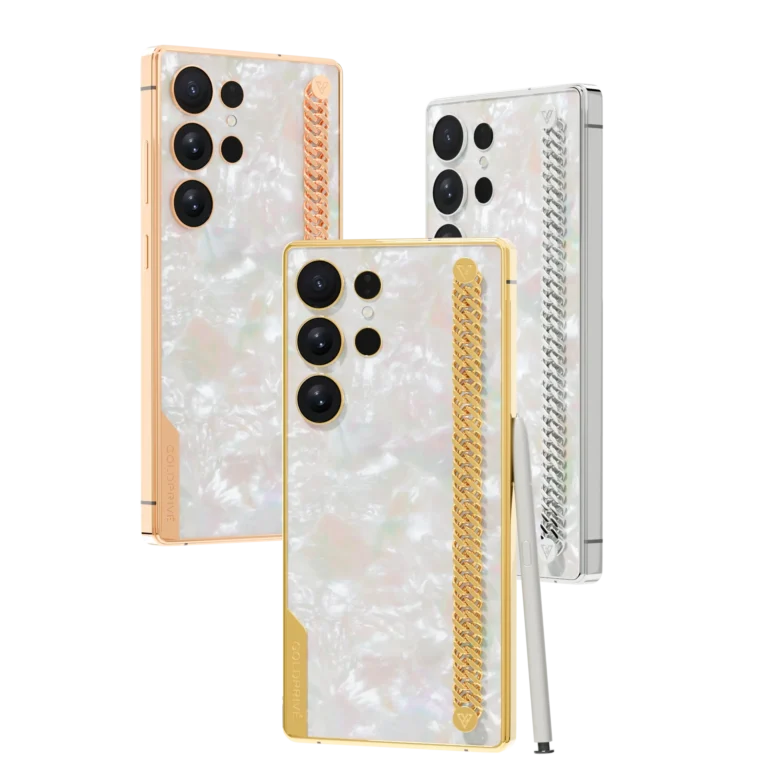
A gold-detailed iPhone case combines up to four different materials — 24K gold trim, and a base of carbon fiber, leather, or pearl inlay — each requiring a different cleaning approach. Using the wrong method on any one of them can dull a finish, crack an inlay, or strip a gold layer that took genuine craftsmanship to apply. This guide breaks down exactly how to clean each material safely, and which products and habits to avoid entirely.
Key Takeaways
- 24K gold detailing should only be cleaned with a soft cloth and mild soapy water — never abrasives or harsh chemicals, which can strip the gold layer.
- Mother-of-pearl inlay requires the gentlest care of all four materials, avoiding bleach, vinegar, baking soda, and prolonged water exposure entirely.
- Genuine leather needs periodic conditioning to prevent drying and cracking, distinct from the wipe-clean approach that works for carbon fiber.
- Carbon fiber is the lowest-maintenance material, generally requiring only a dry or lightly damp microfiber wipe.
- Never use ultrasonic cleaners on any of these materials — they are too harsh for gold plating, pearl inlay, and leather alike.
Table of Contents
- Quick Answer
- Cleaning 24K Gold Detailing
- Cleaning Mother-of-Pearl Inlay
- Cleaning and Conditioning Leather
- Cleaning Carbon Fiber
- Care Comparison at a Glance
- What to Avoid Across All Materials
- Storage Between Uses
- Climate and Environment Considerations
- How Often to Clean
- When to Seek Professional Care
- GoldPrivé Case Care Resources
- FAQs
Quick Answer
Clean 24K gold detailing with a soft cloth and mild soapy water, mother-of-pearl with diluted mild soap and occasional oil to restore shine, leather with conditioning to prevent cracking, and carbon fiber with a simple dry or damp wipe. Avoid abrasives, harsh chemicals, and ultrasonic cleaners on all four materials.
Cleaning 24K Gold Detailing
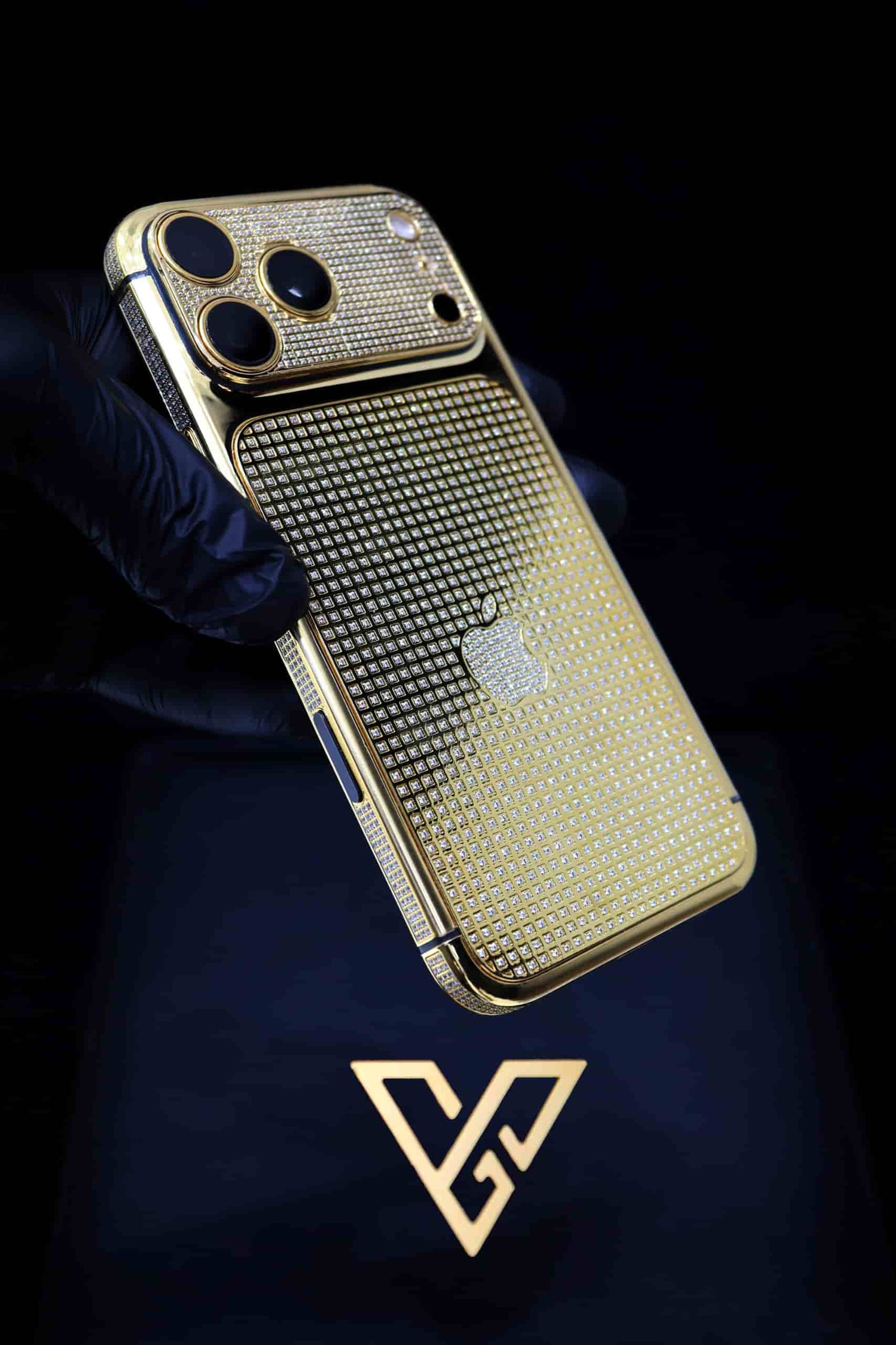
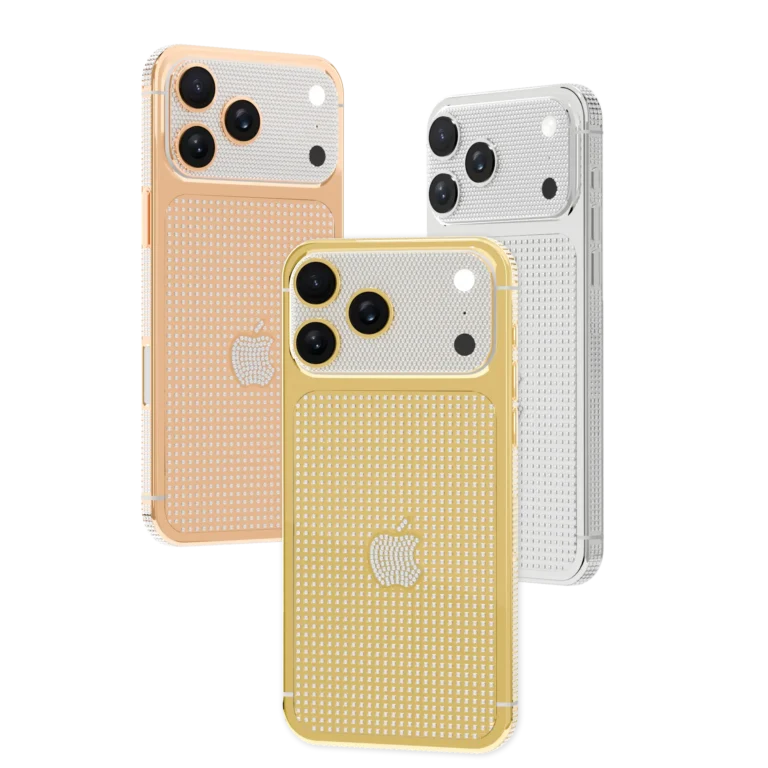
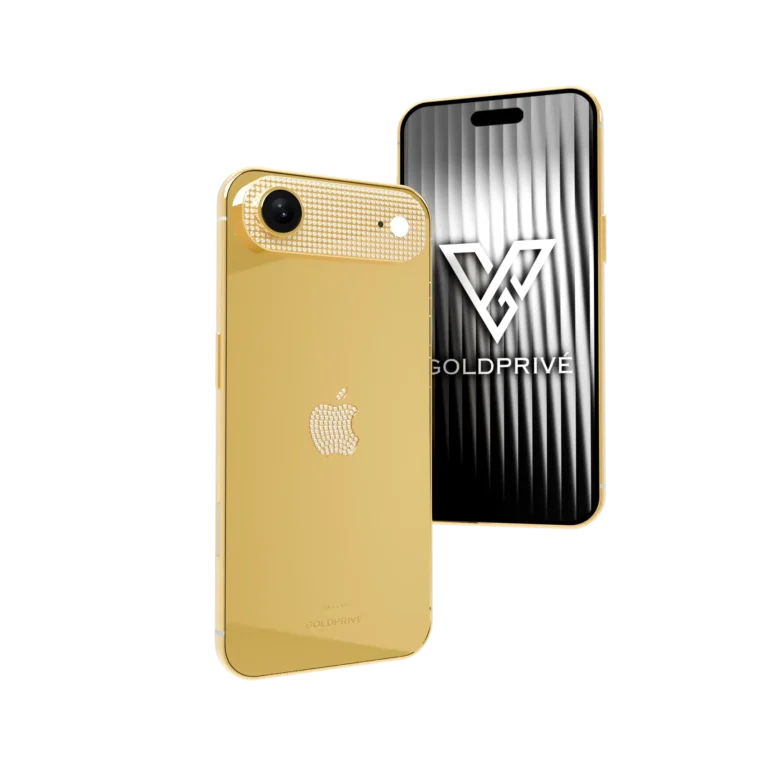
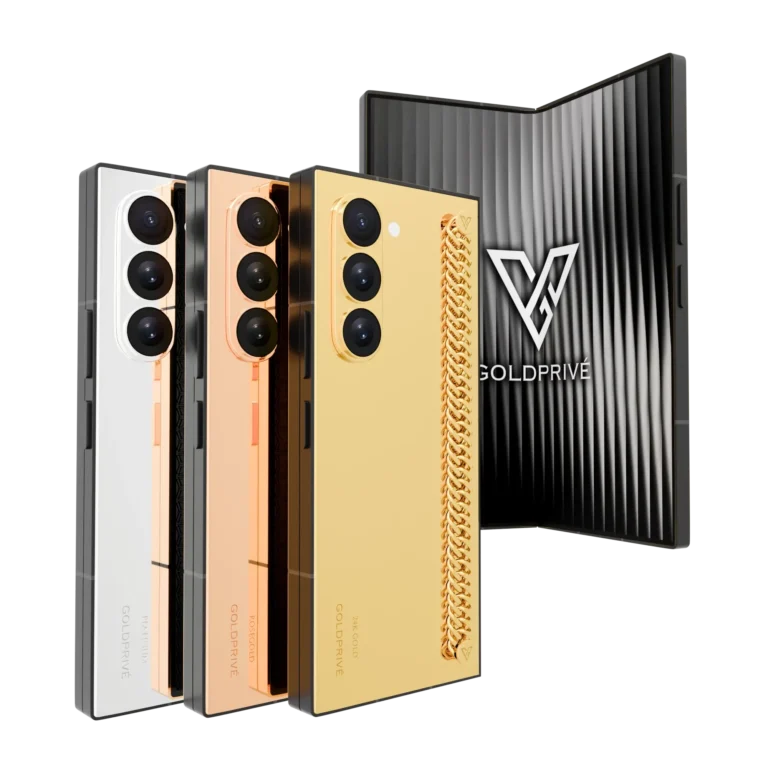
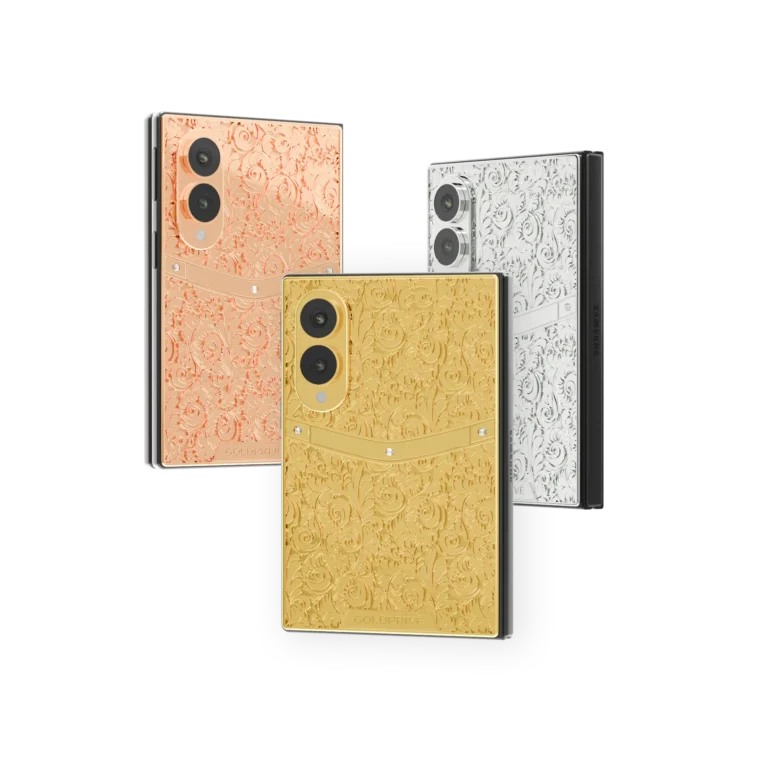
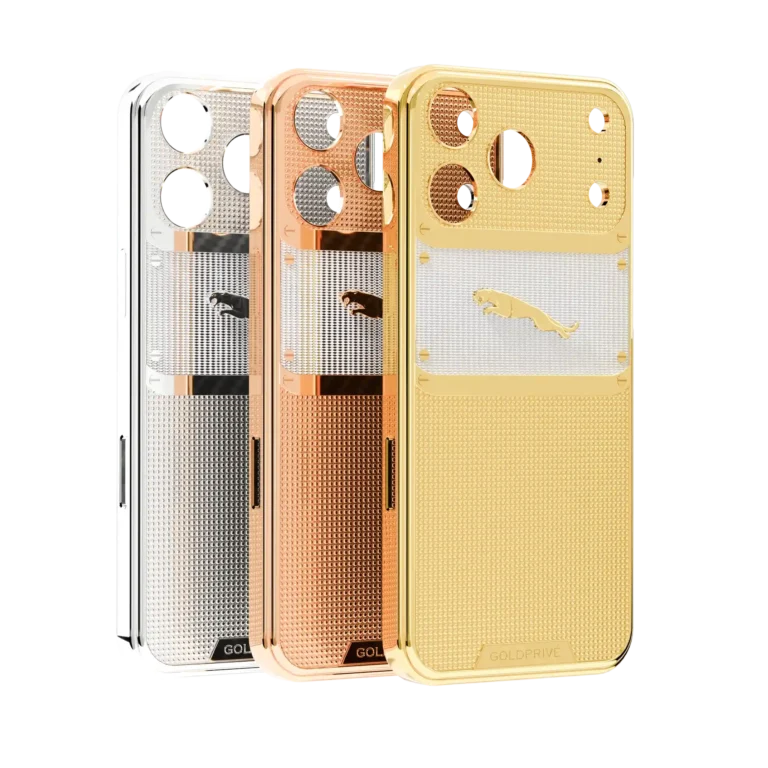
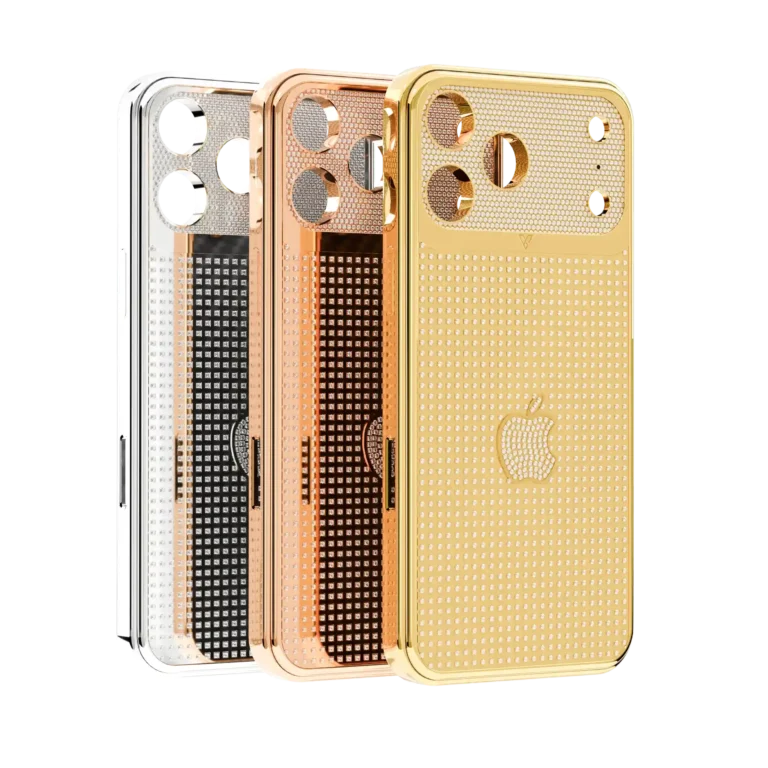
24K gold trim should be cleaned by dipping a soft cloth in warm, soapy water, gently wiping away dirt and oils, rinsing to remove all soap residue, and drying thoroughly with a clean cloth. Gold plating is a thin, precisely applied layer, so abrasive cloths, scrubbing, or harsh chemical cleaners risk wearing through it over time rather than simply cleaning the surface.
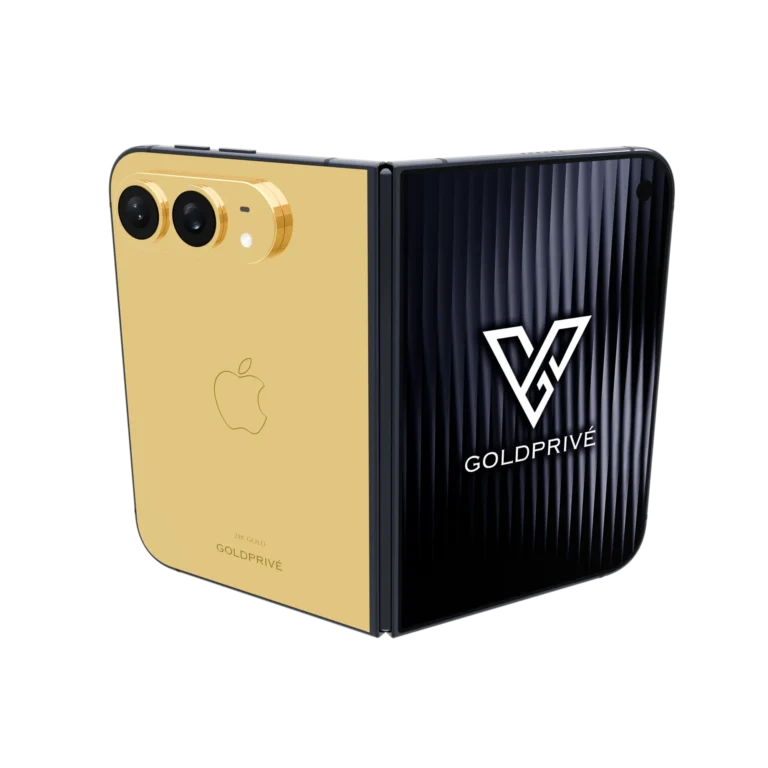
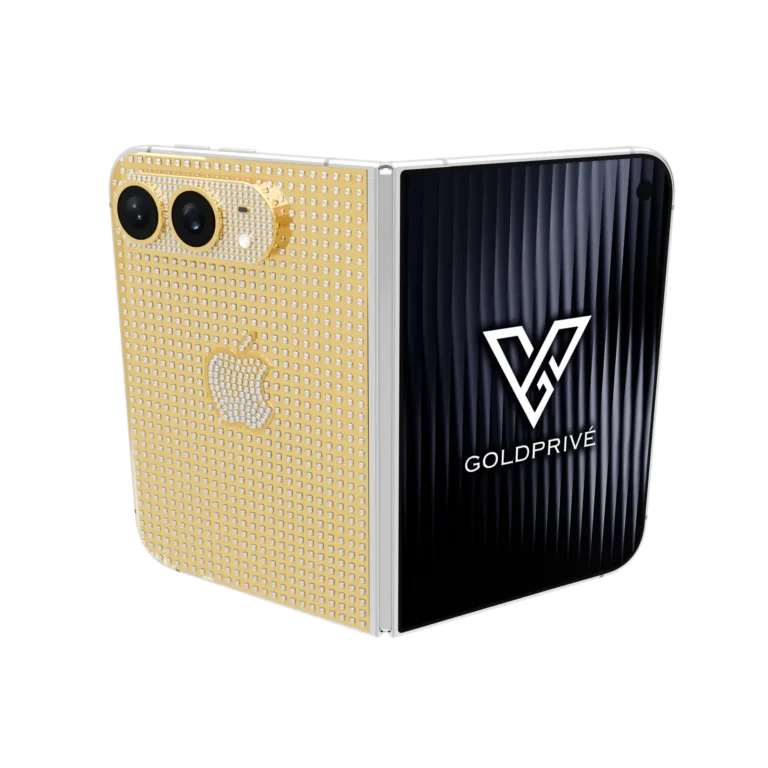
This gentle approach applies regardless of whether the gold detailing sits on a case or on a permanently plated device — our guide to caring for a gold iPhone covers the same principles in more depth for device-level finishes specifically.
Cleaning Mother-of-Pearl Inlay
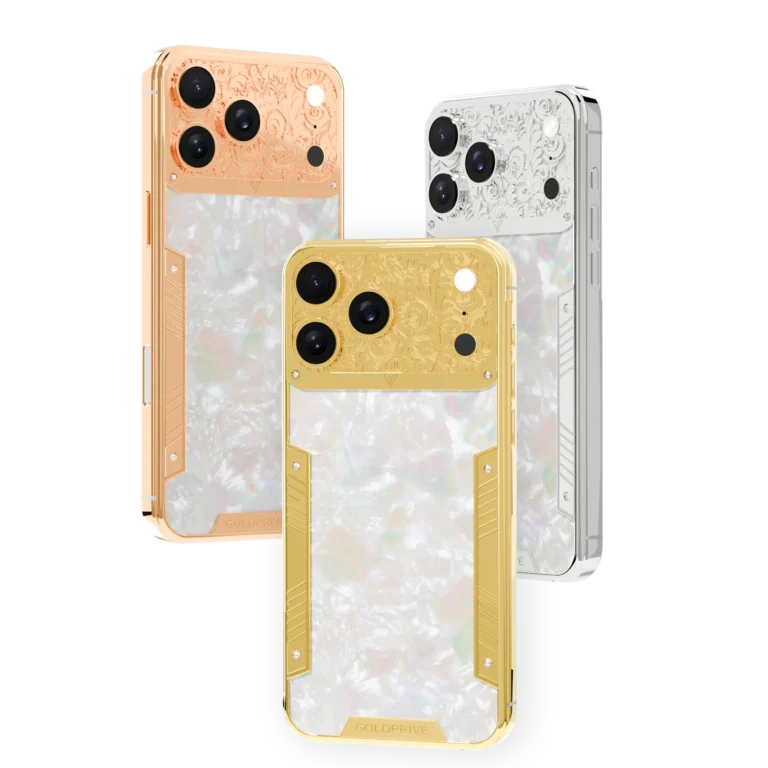
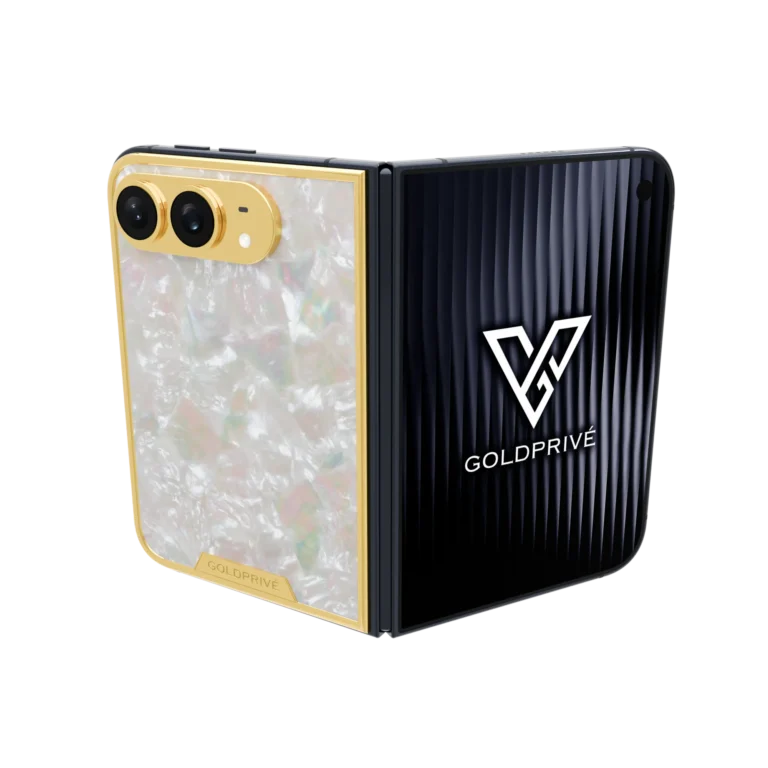
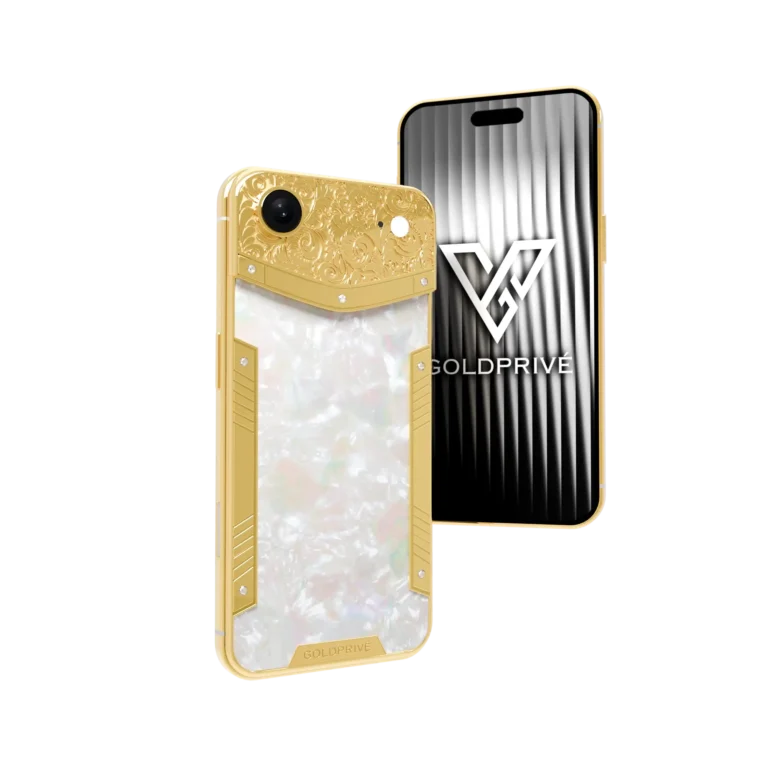
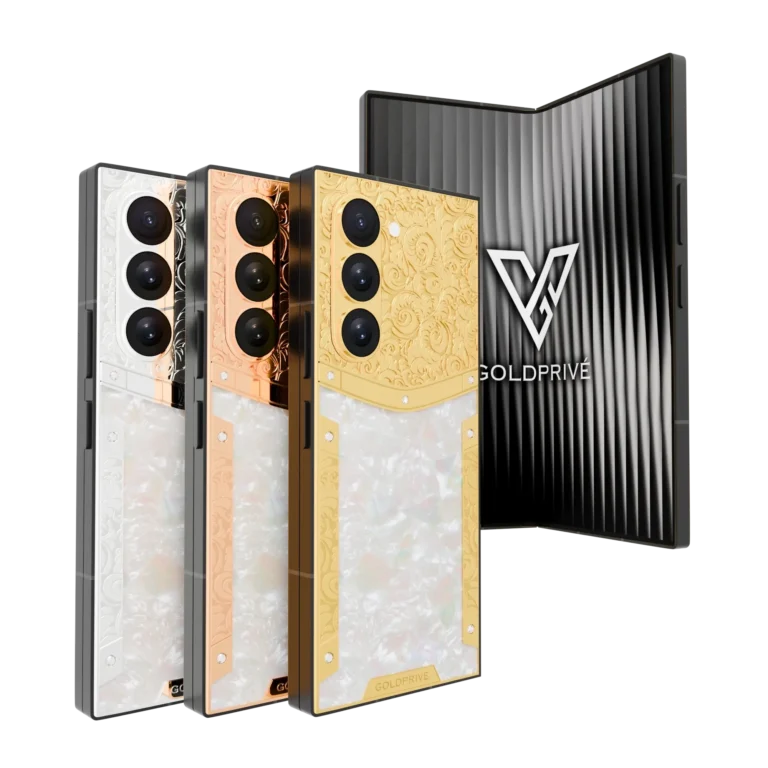
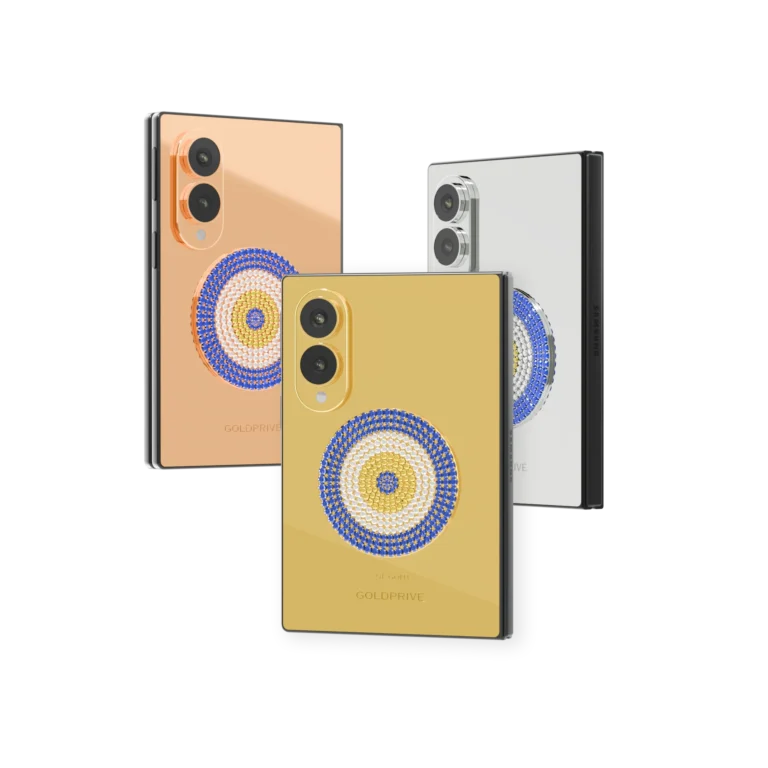
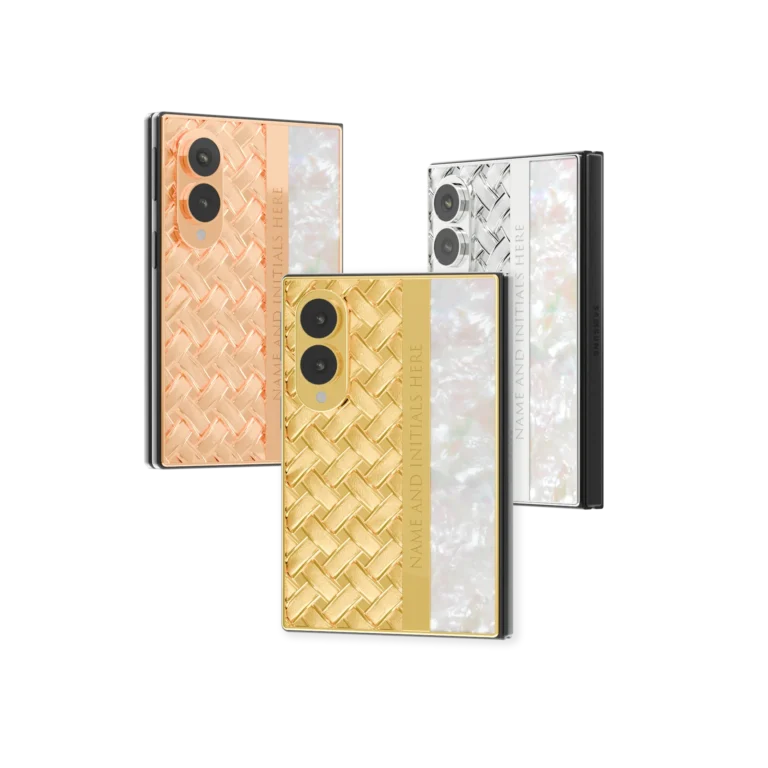
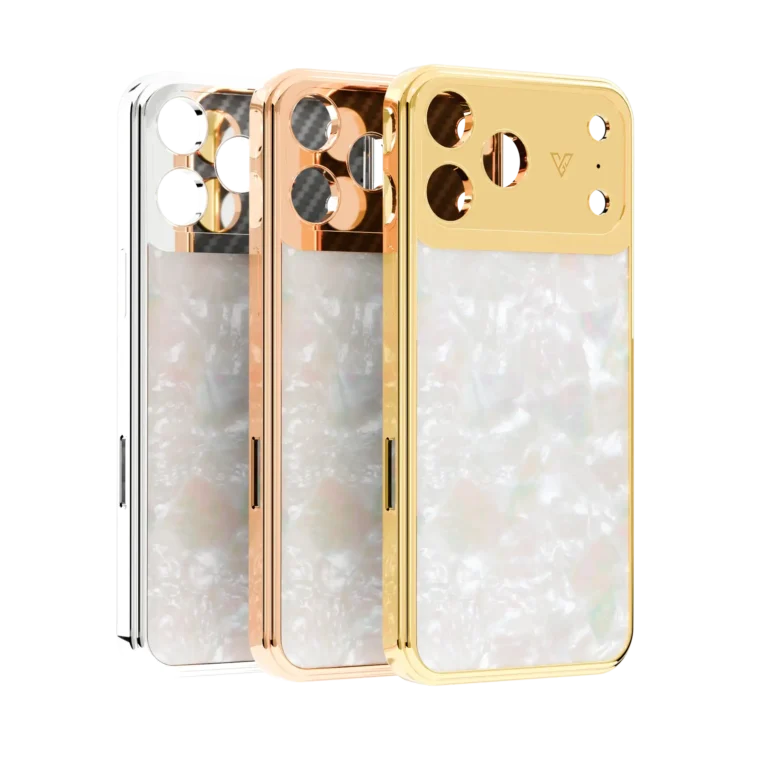
Mother-of-pearl requires the most careful handling of the four materials covered here. Clean it with a solution of warm water and a small amount of mild soap, then rinse thoroughly with clean water and dry immediately with a soft cloth — pearl should never sit wet for extended periods. To restore shine that has dulled over time, a few drops of a mild oil (such as almond oil) on a soft cloth, gently rubbed into the surface, can help. Bleach, peroxide, vinegar, baking soda, and any household abrasive should never touch mother-of-pearl, and ultrasonic or steam cleaners can crack or delaminate the inlay entirely rather than clean it.
Cleaning and Conditioning Leather
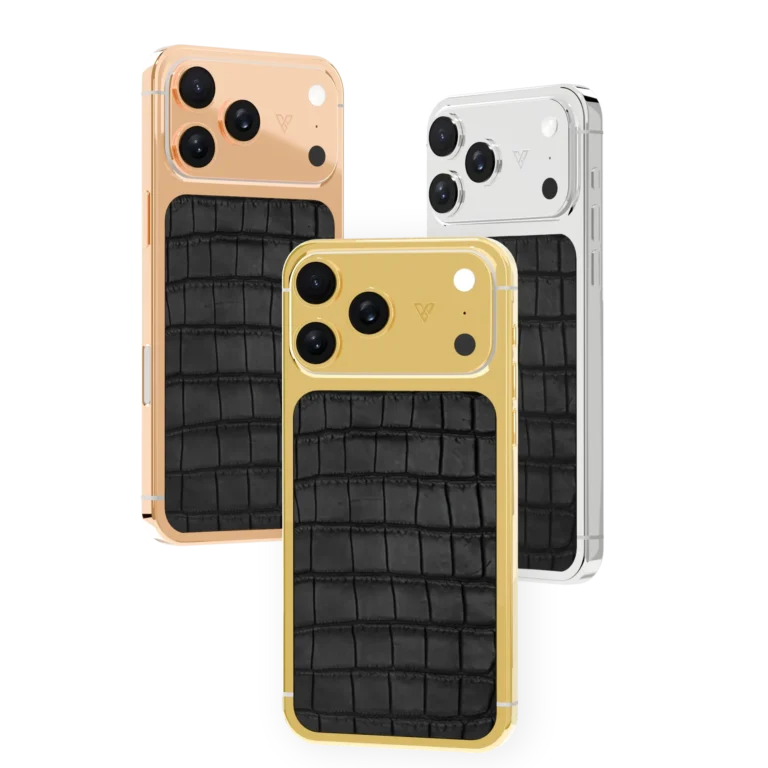
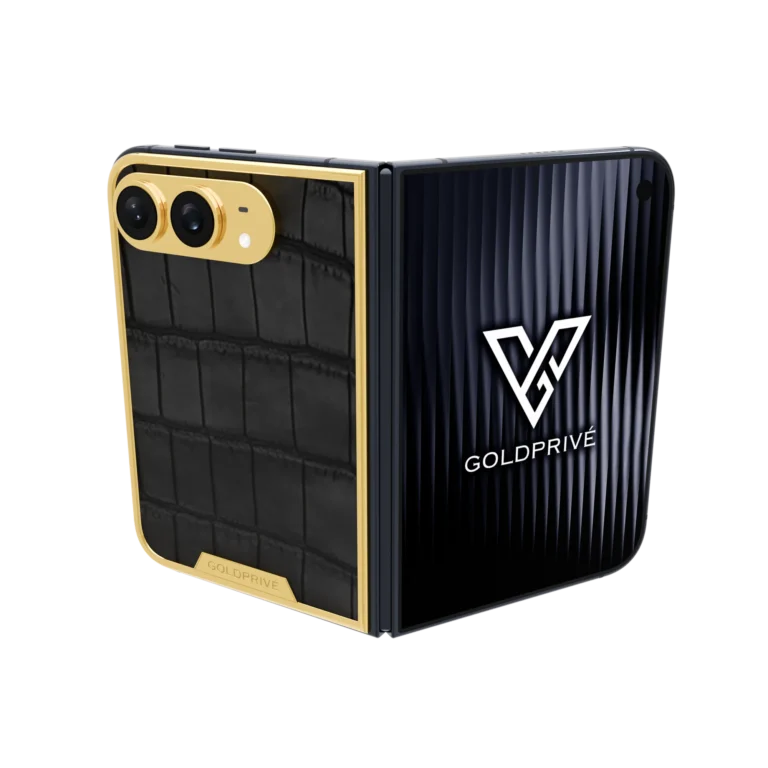
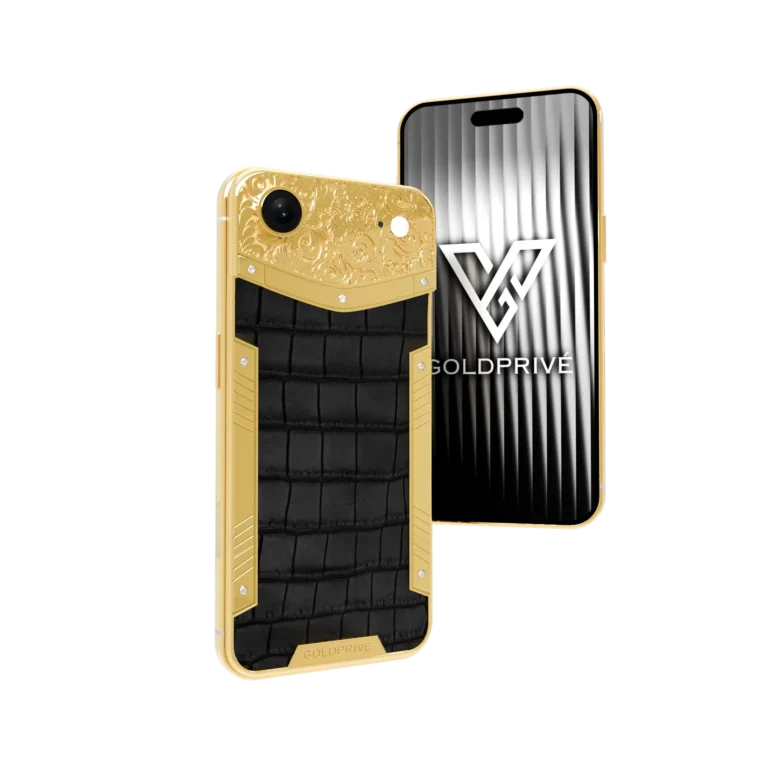
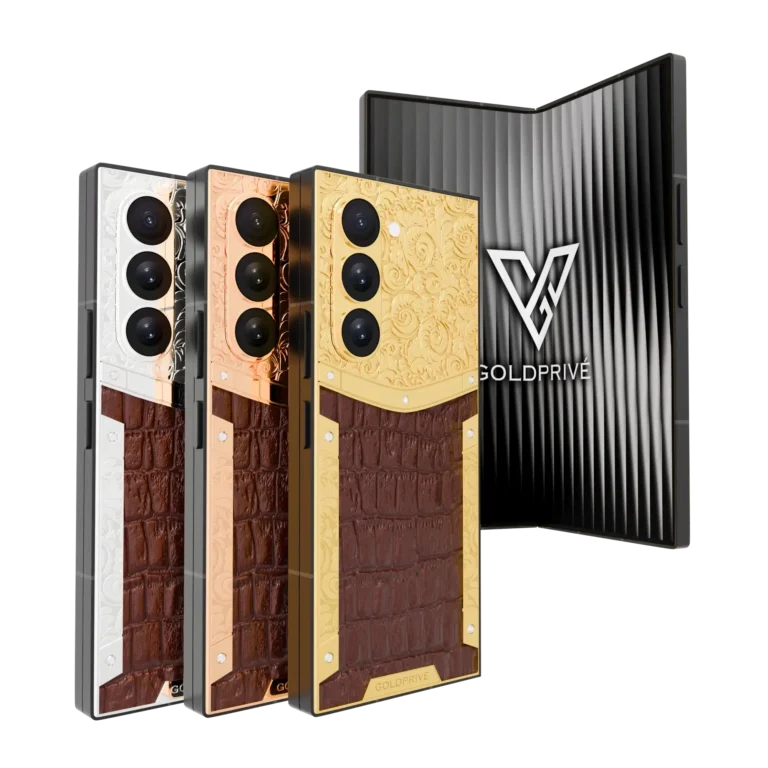
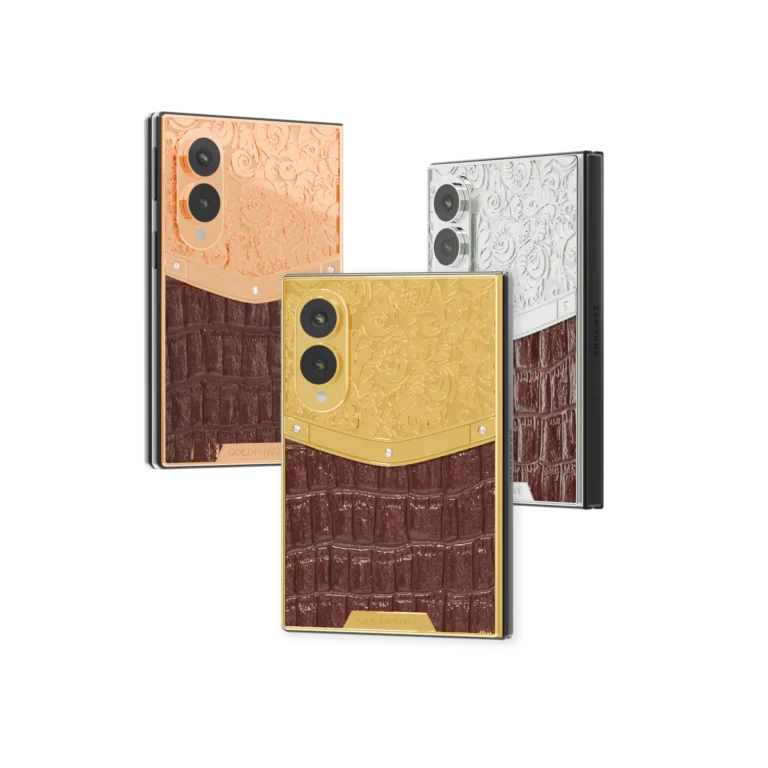
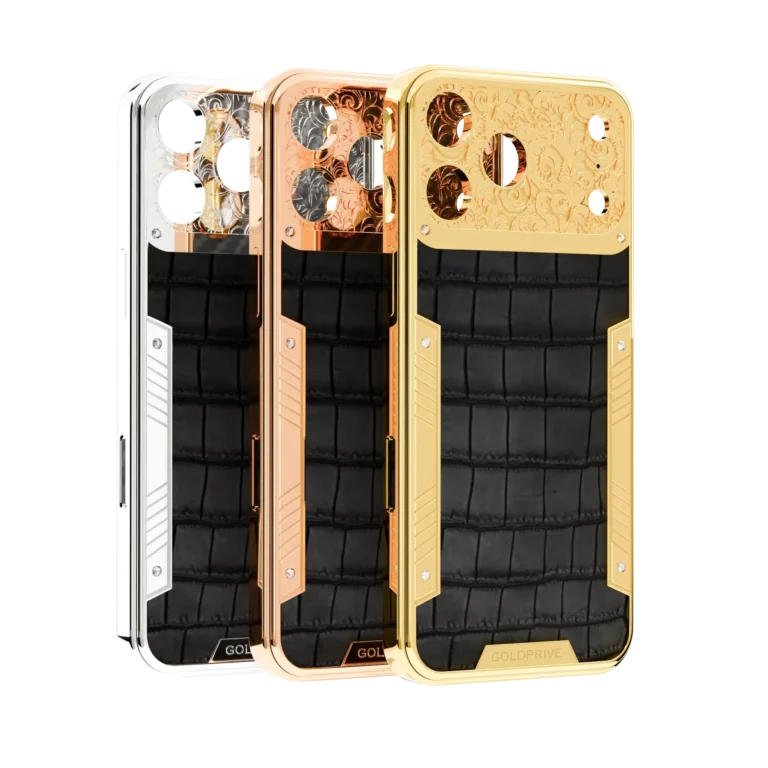
Genuine and exotic leather (including crocodile) both need periodic conditioning in addition to basic cleaning, since leather that’s only wiped clean but never conditioned will dry out and eventually crack. Clean leather with a barely damp soft cloth, avoiding saturating the material, then allow it to air dry fully before applying a leather-specific conditioner every few months depending on climate and use — leather in hot, dry, or high-sun-exposure environments needs conditioning more frequently. Avoid alcohol-based cleaners and direct prolonged sunlight, both of which accelerate drying and fading.
Cleaning Carbon Fiber
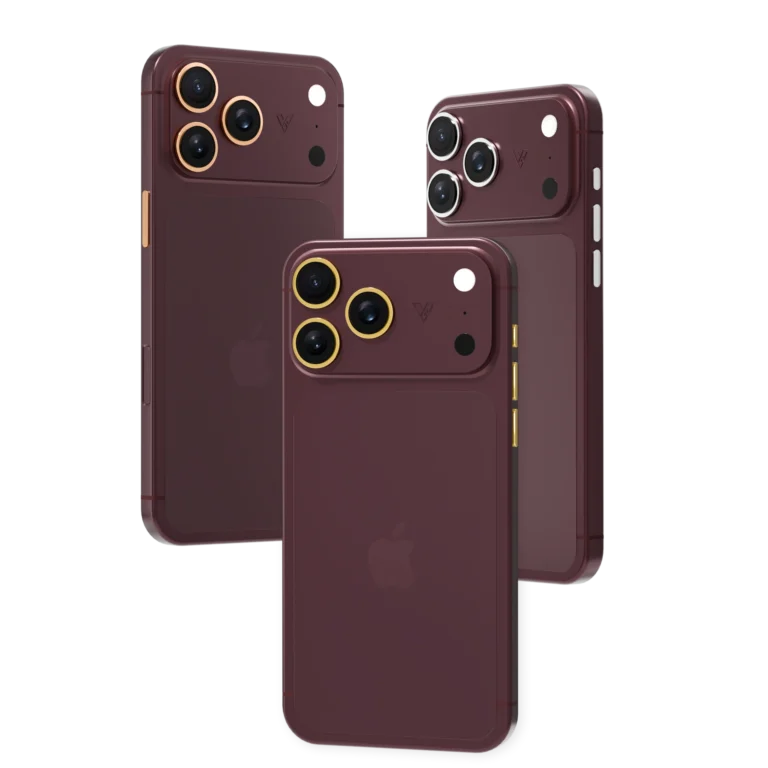
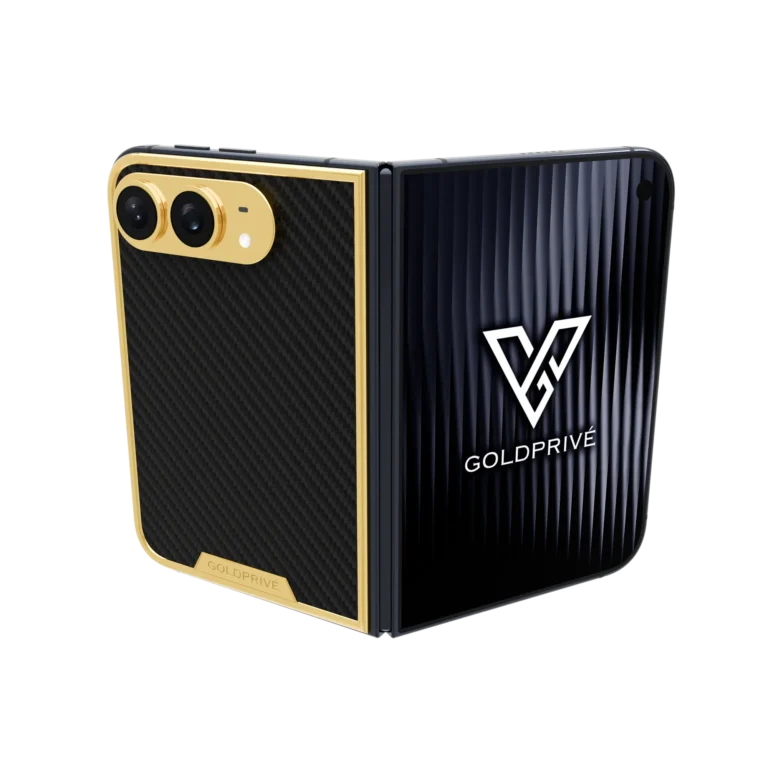
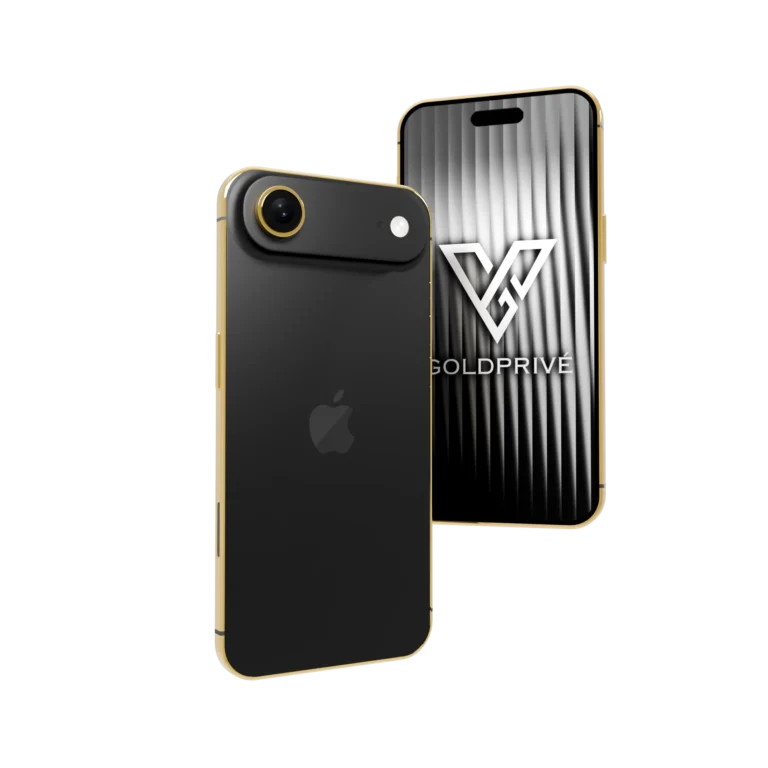
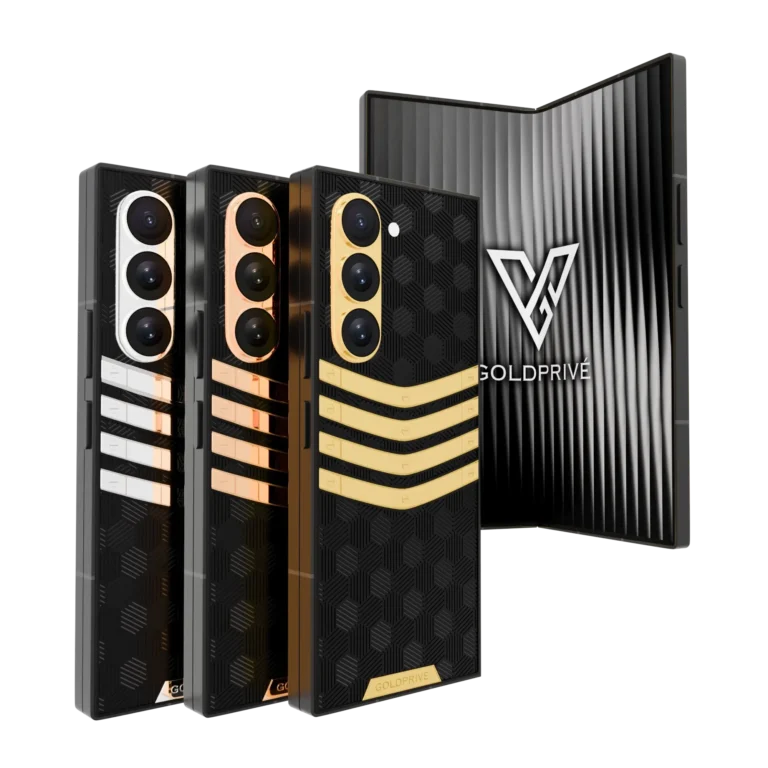
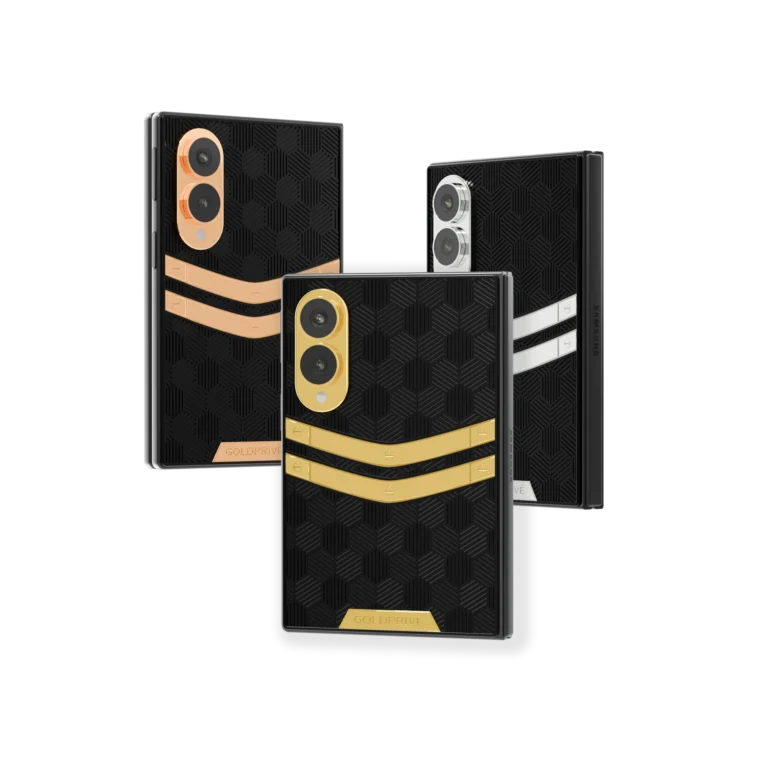
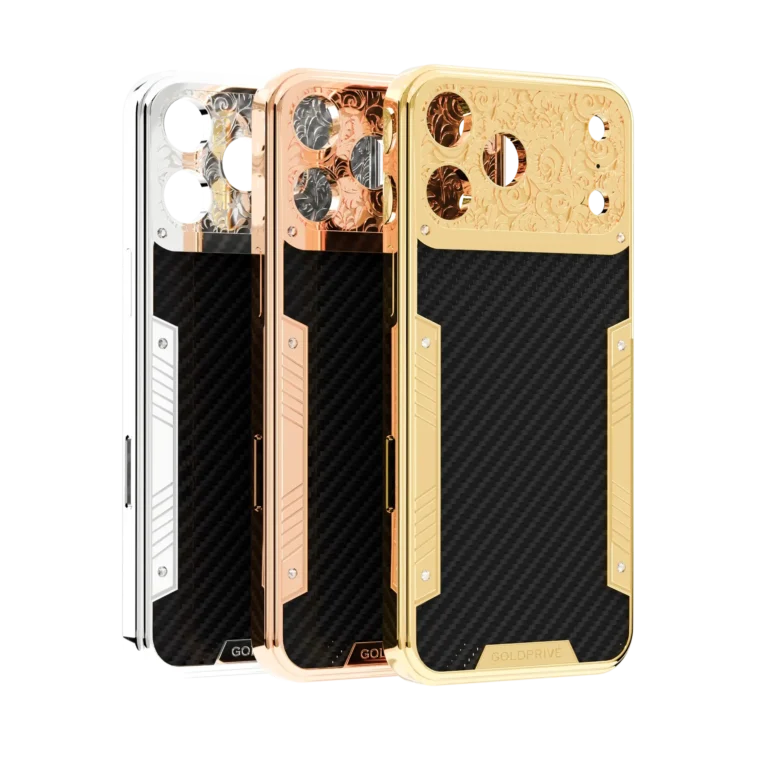
Carbon fiber is the simplest of the four materials to maintain, generally requiring only a dry microfiber cloth for routine dust and fingerprint removal, or a lightly dampened cloth for more visible grime. Its woven, sealed surface doesn’t absorb moisture or oils the way leather does, and it has no inlay seams for debris to collect in the way pearl does — the main care consideration is simply avoiding abrasive scrubbing pads that could dull its surface finish over time.
Care Comparison at a Glance
| Material | Cleaning Method | Frequency | Avoid |
|---|---|---|---|
| 24K gold trim | Soft cloth, mild soapy water | As needed | Abrasives, harsh chemicals |
| Mother-of-pearl | Diluted mild soap, dry immediately | Occasional, gentle | Bleach, vinegar, prolonged water |
| Genuine/exotic leather | Damp cloth + periodic conditioning | Condition every few months | Alcohol cleaners, direct sun |
| Carbon fiber | Dry or lightly damp microfiber | As needed | Abrasive scrubbing pads |
What to Avoid Across All Materials
A handful of products and habits are unsafe across every material in this guide, not just one or two. Ultrasonic and steam cleaners, marketed heavily for jewelry cleaning, are too harsh for gold plating, pearl inlay, and leather alike — none of these materials should go anywhere near one. Household abrasives (baking soda, vinegar, bleach) are similarly universal hazards rather than material-specific ones. And submerging any of these four materials in water for extended periods, rather than a quick clean-and-dry cycle, risks damage regardless of which material is involved.
Storage Between Uses
How a case is stored when not in use matters nearly as much as active cleaning, particularly for pearl and leather. Mother-of-pearl should be stored separately from other accessories in a soft pouch, since contact with harder materials during storage can cause the same scratching that careful handling during use avoids — our guide to scratch-safe cases covers the same principle applied to active use rather than storage. Leather benefits from storage away from direct heat sources and prolonged sunlight, both of which accelerate drying between conditioning cycles. Carbon fiber and gold trim are comparatively low-maintenance in storage, needing only a dry environment away from harsh chemical fumes that could affect the gold layer over long periods.
Climate and Environment Considerations
Buyers in hot, humid, or coastal climates should expect to condition leather more frequently than the general every-few-months guideline, since heat and humidity both accelerate the drying and cracking process that conditioning is meant to prevent. Salt air in particular is worth noting for anyone near the coast, since airborne salt can affect gold plating over time in ways that inland environments don’t. Pearl inlay is similarly sensitive to extreme humidity swings, which can affect how the material bonds to its backing over years of exposure. None of this means these materials are unsuitable for any particular climate — it simply means the care schedule outlined earlier should be treated as a baseline to adjust upward in more demanding environments, not a fixed rule.
How Often to Clean
Cleaning frequency should track actual use and exposure rather than a fixed calendar schedule. A case used daily in a dusty or humid environment needs more frequent attention than one used occasionally in a controlled indoor setting. As a general guide, a quick wipe-down every one to two weeks keeps most materials in good condition, with leather conditioning specifically on a longer, every-few-months cycle rather than following the same frequency as basic cleaning. Our guide to choosing a scratch-safe case also covers periodic debris checks that pair naturally with a regular cleaning routine.
When to Seek Professional Care
Routine cleaning at home covers the vast majority of maintenance a gold-detailed case needs, but a few situations call for professional attention rather than a DIY fix. Visible wear-through on gold plating, cracking or delamination on pearl inlay, or leather that has dried and cracked despite regular conditioning are all signs that home care has reached its limit. Attempting to re-plate gold trim or repair a cracked inlay without proper equipment typically causes more damage than it fixes, so these situations are worth bringing to a specialist rather than treating as an extension of routine cleaning.
GoldPrivé Case Care Resources
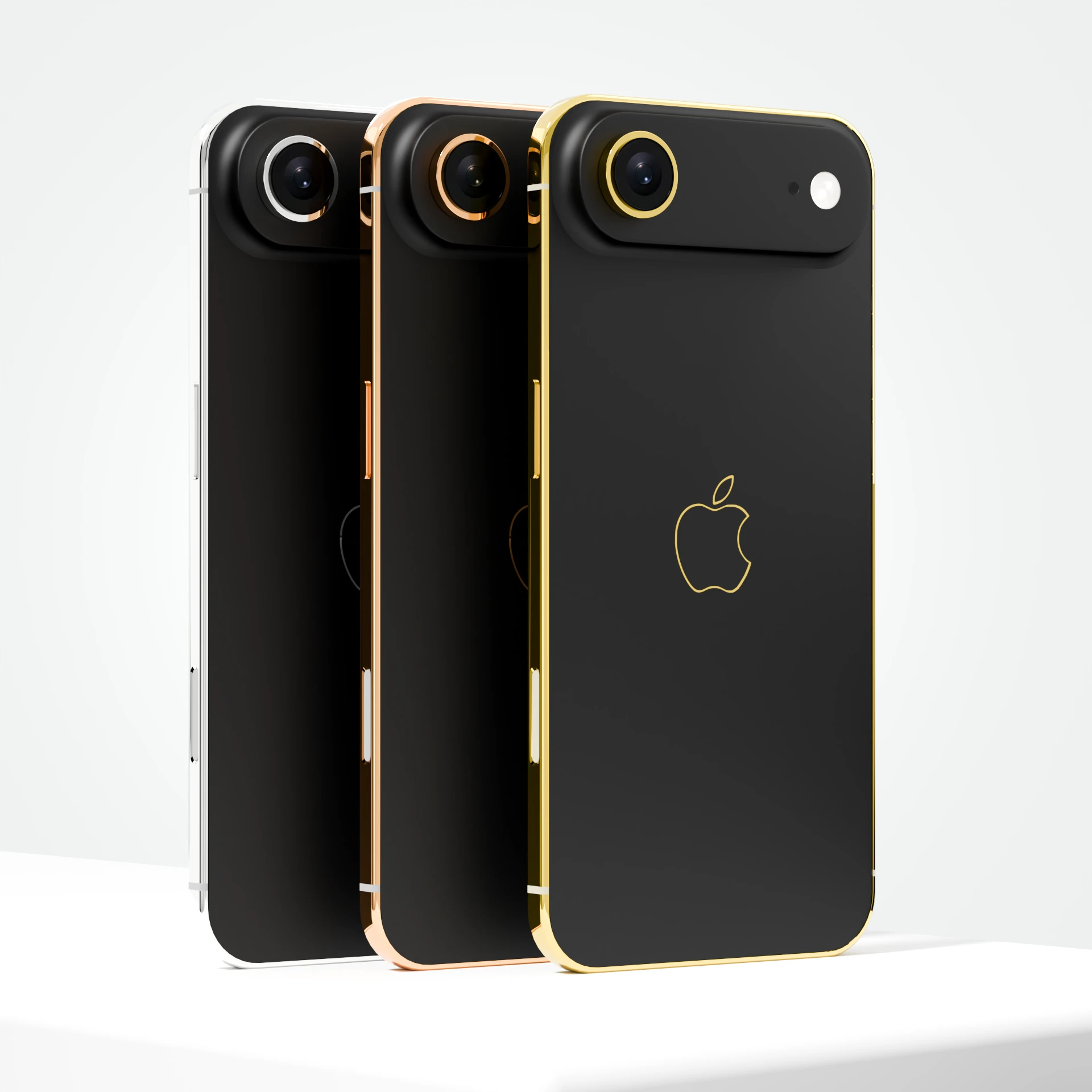
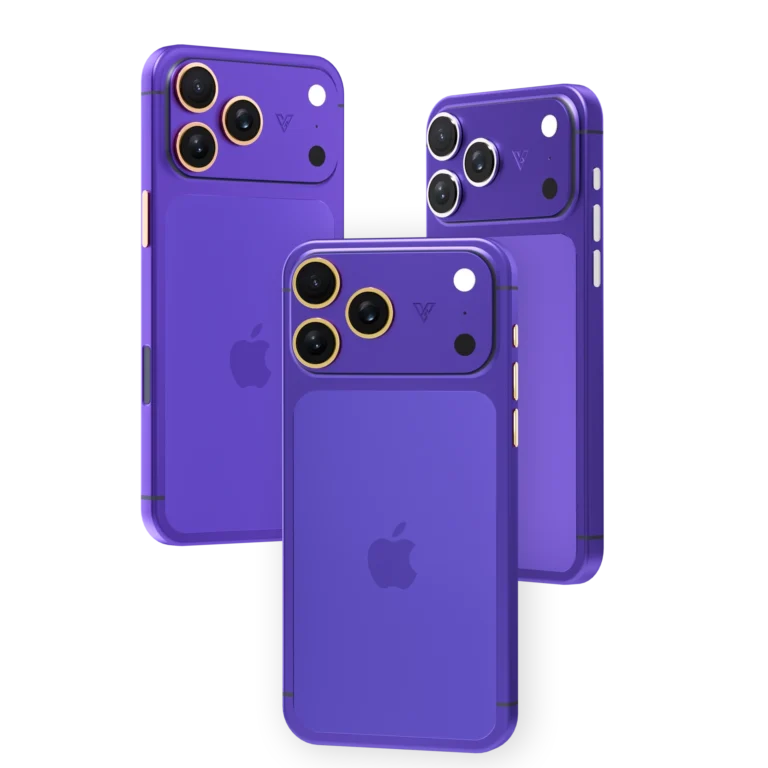
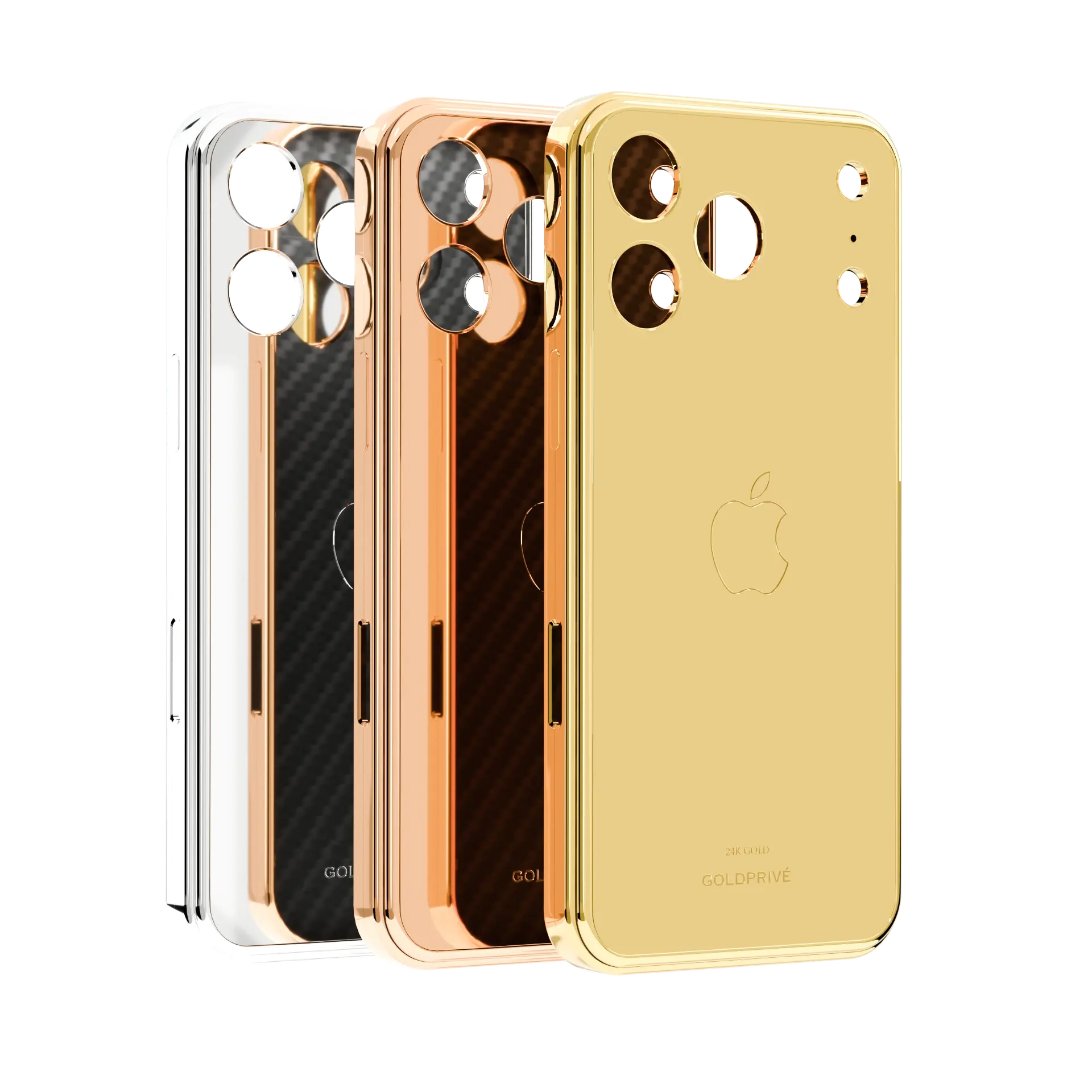
Every material discussed in this guide is part of GoldPrivé’s 24K Gold iPhone 18 Pro Max Case collection, and our material comparison guide covers the durability and maintenance trade-offs between them in more depth before you buy.
Choose the Material That Fits Your Care Routine
Explore GoldPrivé’s 24K Gold iPhone 18 Pro Max Case collection across carbon fiber, leather, and pearl.
Have questions about caring for your specific case? Speak with GoldPrivé’s Dubai atelier.
FAQs
Can I use jewelry cleaner on a gold-detailed case?
No — most commercial jewelry cleaners are too harsh for the combination of materials on a case. Stick to mild soapy water and a soft cloth for the gold trim specifically.
How do I clean mother-of-pearl without damaging it?
Use diluted mild soap, rinse briefly, and dry immediately. Avoid bleach, vinegar, baking soda, and any extended water exposure.
Does leather need conditioning even if it looks fine?
Yes — leather can dry out internally before visible cracking appears, so periodic conditioning on a multi-month schedule prevents damage before it becomes visible.
Is carbon fiber really that low-maintenance?
Yes. Its sealed, woven surface doesn’t absorb moisture or oils, so a simple dry or damp microfiber wipe is generally sufficient.
Can I use an ultrasonic cleaner on any part of my case?
No. Ultrasonic and steam cleaners are too harsh for gold plating, pearl inlay, and leather, and should be avoided entirely for these materials.
How often should I clean my gold iPhone case?
A quick wipe every one to two weeks suits most materials, with leather conditioning on a separate, longer every-few-months cycle.
What household products are safe to use?
Mild soap diluted in warm water is safe for gold trim and pearl. Avoid bleach, vinegar, baking soda, and alcohol-based cleaners across all materials.
Will cleaning affect my case’s MagSafe or charging function?
No, provided you dry the case fully before reattaching it to the phone — moisture left inside could interfere with charging contact, but the cleaning process itself doesn’t affect the internal magnet or coil components.