Blog
How to Care for a Gold iPhone Without Damaging the Finish

How to Care for a Gold iPhone Without Damaging the Finish
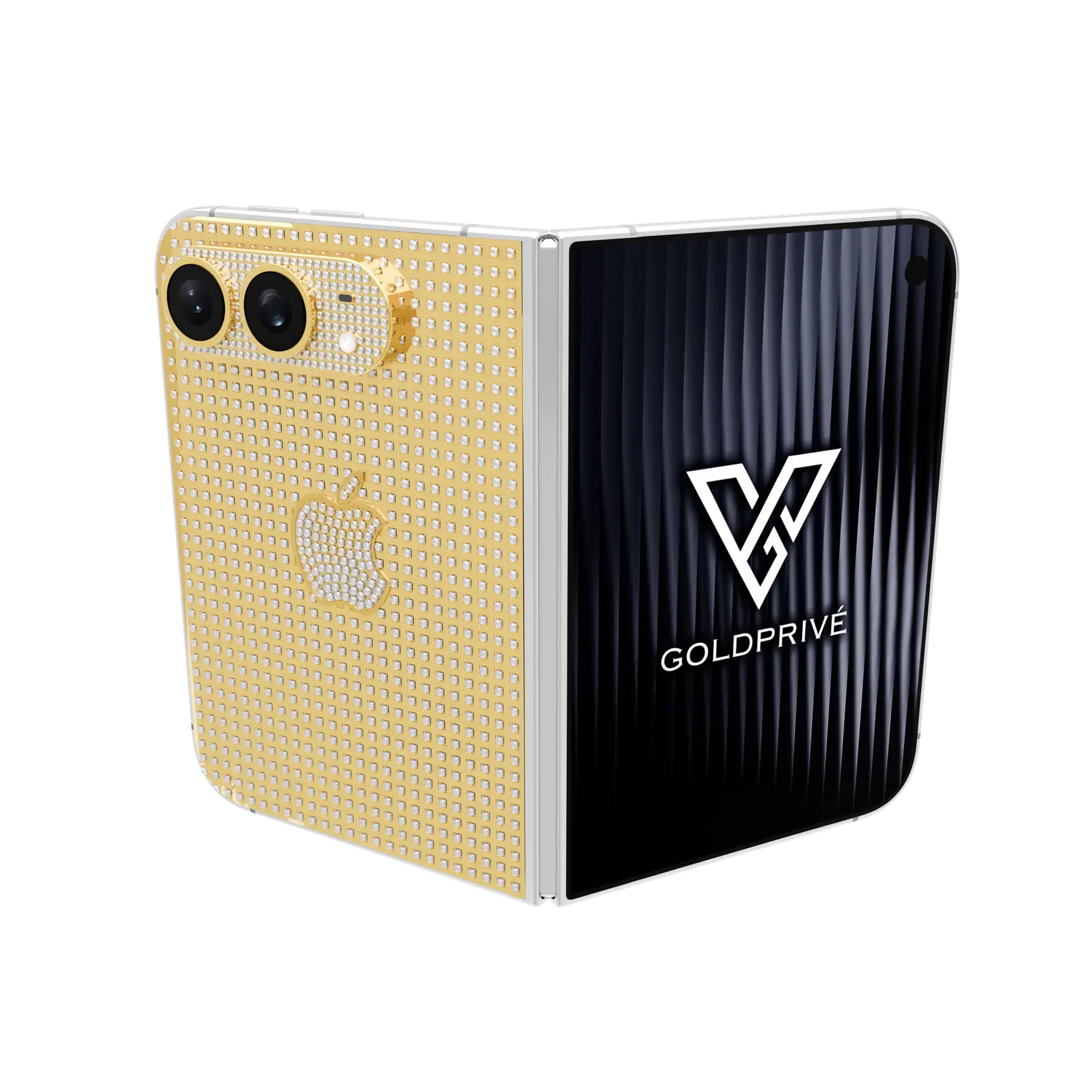
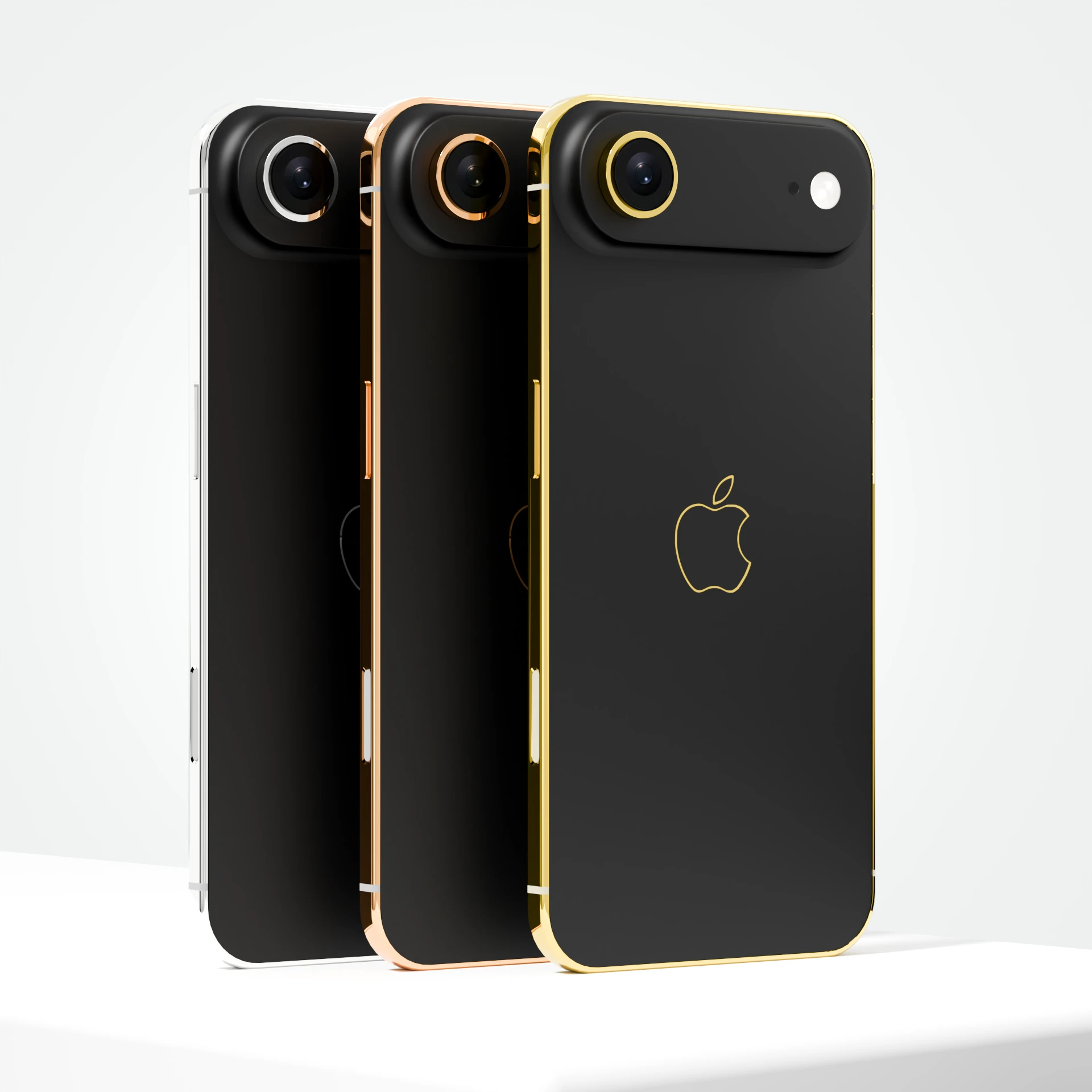
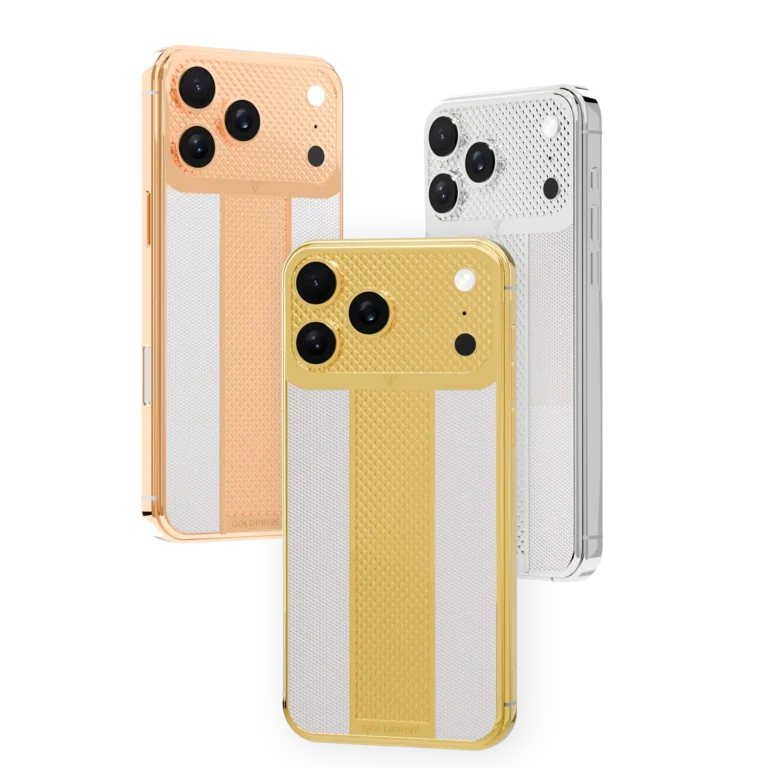
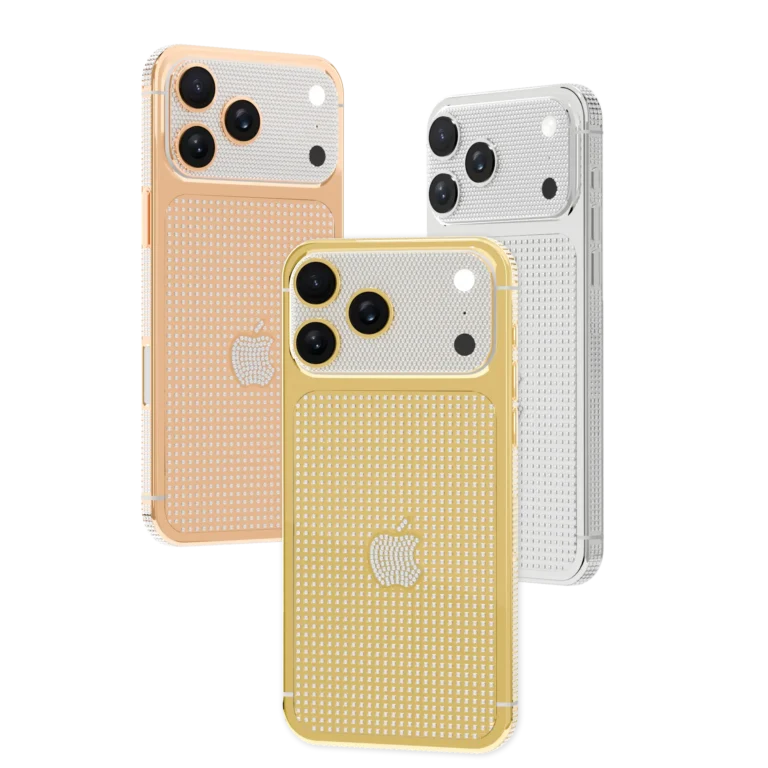
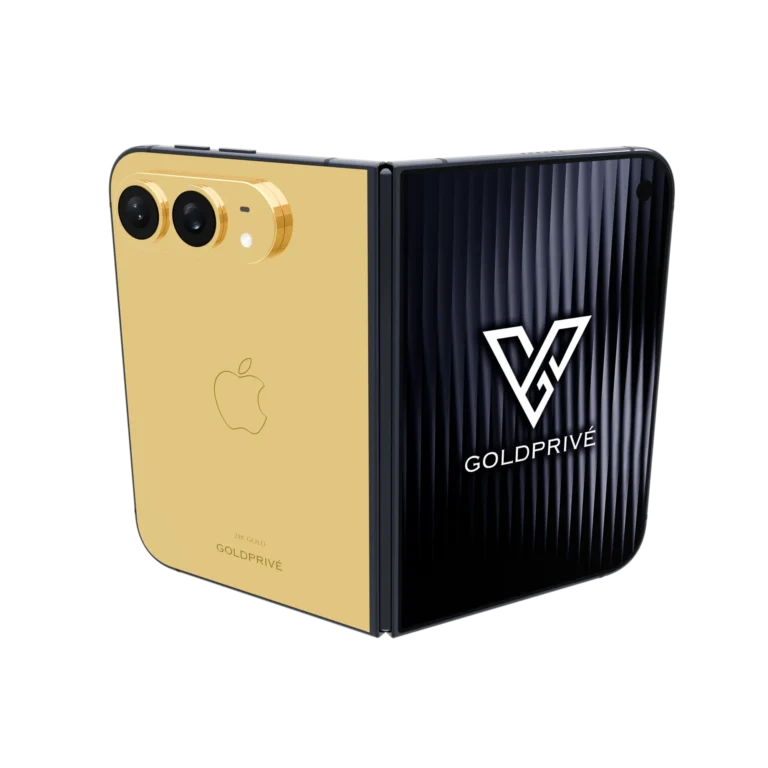
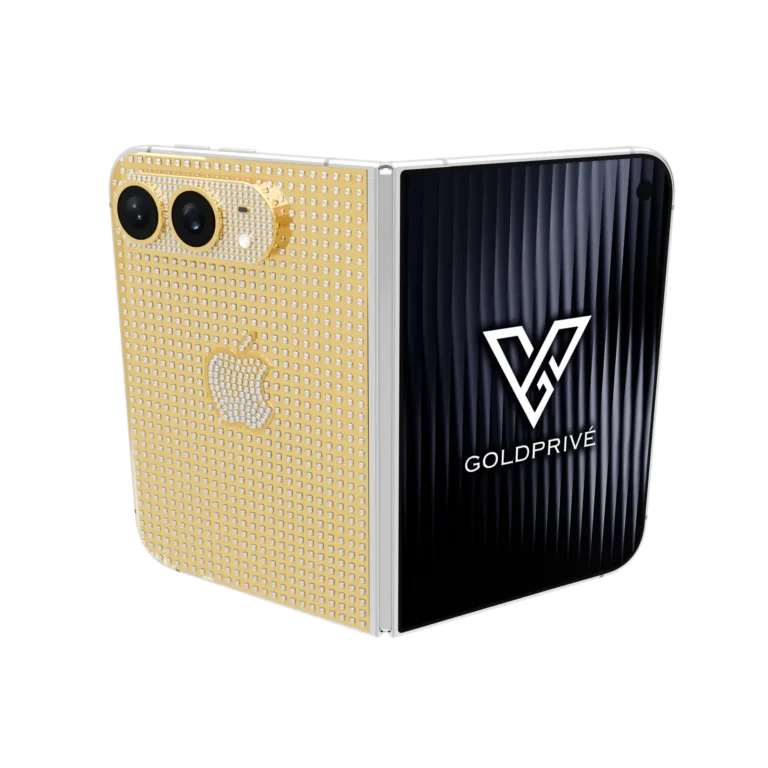
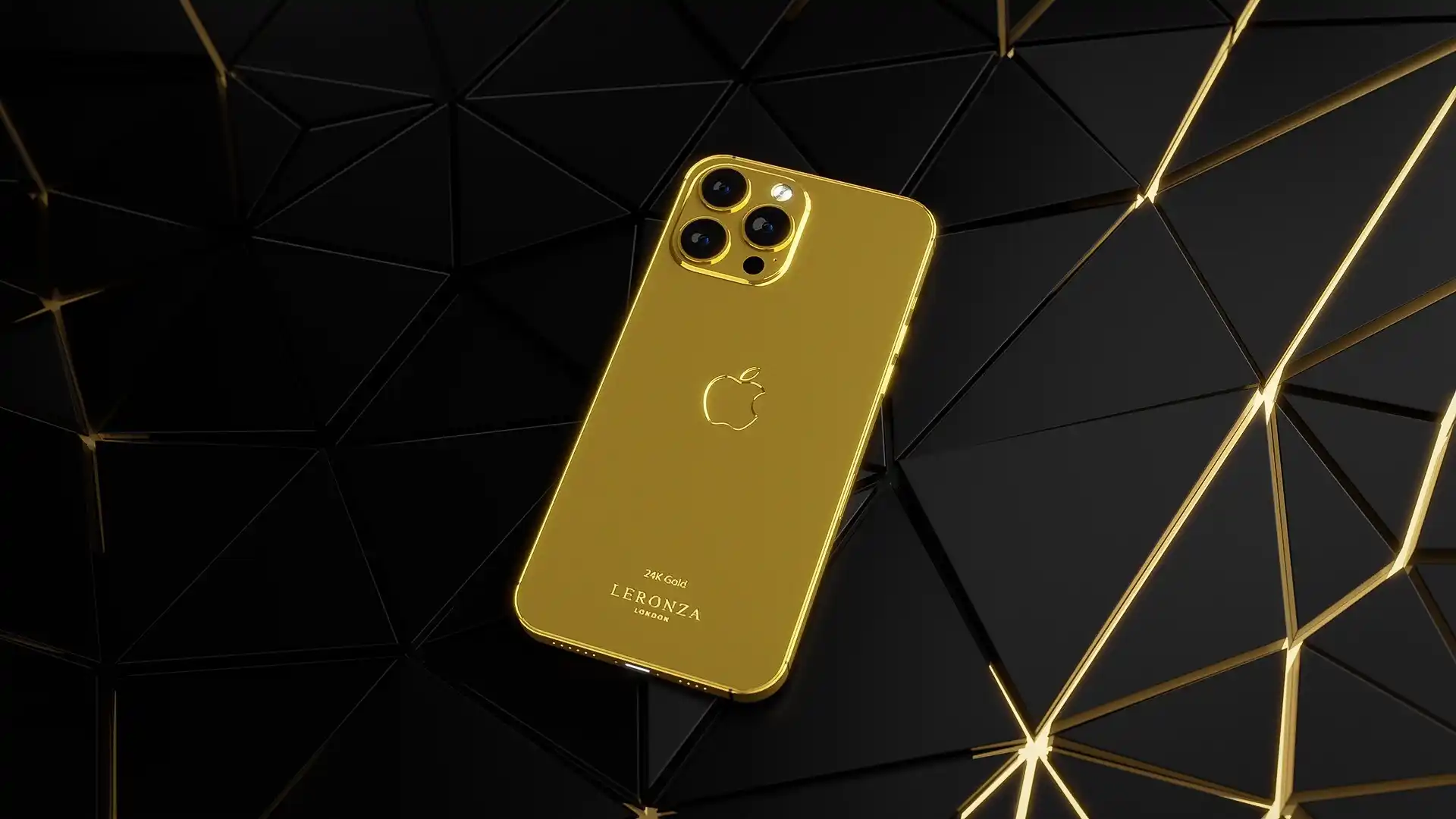
A gold-plated iPhone needs a different care routine than a standard aluminum or titanium one — the same cleaning habits that are perfectly safe on factory finishes can wear through gold plating over time. Because a gold iPhone sits at the intersection of consumer electronics and fine jewelry, the right care routine borrows from both worlds. This guide covers exactly what to do, what to avoid, and when to call in professional help.
Key Takeaways
- Harsh chemicals — chlorine, bleach, perfume, hairspray, and standard cleaning products — can break down gold plating and should never contact a gold-finished device.
- Apple’s own guidance for standard iPhones already warns against cleaning products and abrasive materials; that caution applies even more strongly to a gold finish.
- Apply perfume, lotion, and makeup before handling your gold iPhone, not after — residue transfer is one of the most common causes of premature plating wear.
- 18K solid gold construction and 24K plating both need gentle handling, but plating is more vulnerable to wearing through to the base material underneath.
- GoldPrivé’s warranty covers finishing quality, not damage from improper care — proper maintenance is what keeps a piece looking new and protects your warranty standing.
Table of Contents
- Why a Gold Finish Needs Different Care
- Daily Care: Dos and Don’ts
- How to Clean a Gold-Plated iPhone Safely
- Chemicals and Substances to Avoid
- Does Care Differ for 24K Plating vs. 18K Solid Gold?
- Cases, Grips, and Screen Protectors
- Storage and Travel
- Signs of Wear and What to Do
- When to Seek Professional Care
- FAQs
Why a Gold Finish Needs Different Care
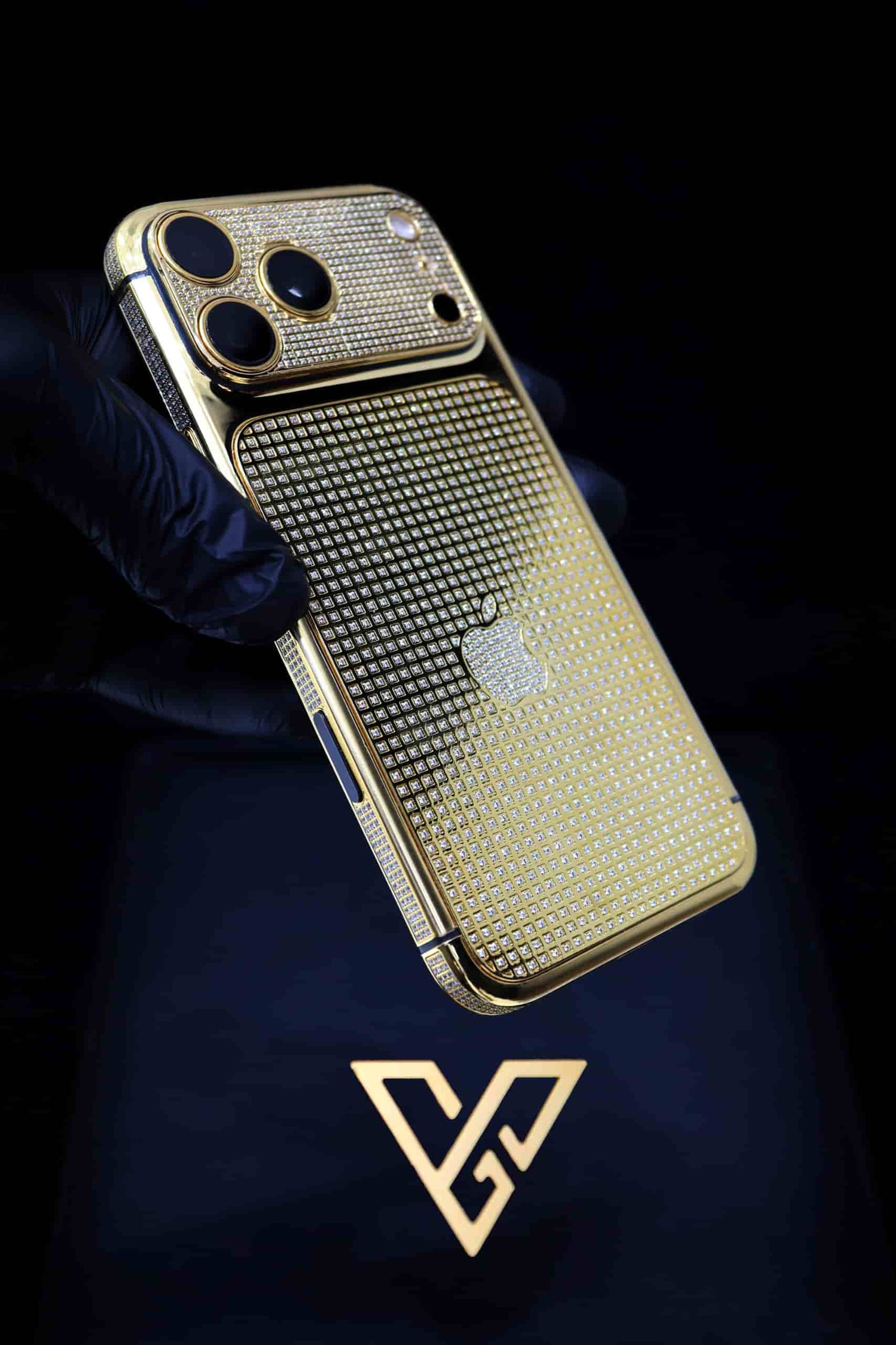
A gold-finished iPhone combines Apple’s factory materials with a precious-metal surface that behaves like fine jewelry, not like an aluminum or titanium phone body. Standard iPhones already carry an oleophobic coating that Apple warns wears over time with normal use and cleaning products; a gold layer is thinner and more chemically reactive than that factory coating, which means the margin for error is smaller.
Daily Care: Dos and Don’ts
| Do | Don’t |
|---|---|
| Apply perfume, lotion, and makeup before handling the device | Handle the device right after applying perfume, lotion, or hairspray |
| Wipe with a soft, dry microfiber cloth after use | Use paper towels or abrasive cloths |
| Remove the device before swimming or intense workouts | Expose the finish to chlorinated water or heavy sweat |
| Store in a soft pouch or case when not in use | Toss it loose in a bag with keys or coins |
| Clean immediately if it contacts dirt, ink, or acidic foods | Let stains or residue sit on the finish |
How to Clean a Gold-Plated iPhone Safely
Cleaning a gold-finished iPhone should be gentler than cleaning a standard one — not more aggressive. Follow this sequence:
- Power off the device and disconnect any cables first.
- Use a soft, slightly damp, lint-free cloth — the same type Apple recommends for standard iPhones — to wipe the surface.
- For light residue, a jewelry polishing cloth designed for gold can help restore shine without abrasion.
- Dry immediately with a separate soft cloth; never let moisture sit on the finish or work its way into ports or openings.
- Avoid compressed air and any cleaning product not specifically formulated for gold-plated surfaces.
This closely follows Apple’s own cleaning guidance for standard devices, with the key difference that gold plating tolerates even less chemical exposure than the factory coating Apple describes.
Chemicals and Substances to Avoid
Chlorine, bleach, ammonia-based cleaners, perfume, hairspray, and standard household cleaning products can all break down gold plating and expose the base metal underneath. Common DIY jewelry-cleaning methods — baking soda, vinegar, hydrogen peroxide, or hot water soaks — can also damage plating despite being popular tips for other jewelry types, according to Jewelers Mutual’s gold-plated jewelry cleaning guidance.
Acids and acidic foods, soap residue, and detergent are also on Apple’s own list of substances to clean off a standard iPhone immediately — all of these are more damaging, not less, to a gold-finished surface.
Does Care Differ for 24K Plating vs. 18K Solid Gold?
The core care principles are the same for both, but the stakes differ. As covered in our 24K plating vs. 18K solid gold guide, plating is a thin surface layer that can wear through to reveal the base material underneath if mistreated, while solid gold construction is the same material throughout — surface wear reveals more of the same alloy rather than a different metal. This doesn’t make 18K solid gold immune to scratching; gold is still a comparatively soft metal. But the failure mode for plating (wearing through entirely) simply doesn’t exist for solid construction in the same way.
Cases, Grips, and Screen Protectors
Whether to use a case on a gold-finished device is a genuine trade-off. A case protects against drops and everyday scuffs, but a poorly fitted or textured case can create constant low-level friction against the gold surface every time it’s inserted or removed. If you do use a case:
- Choose a soft-interior case designed not to grip or rub against the finished surface repeatedly.
- Avoid cases with rough textures, exposed metal clasps, or magnetic attachments that make frequent contact with finished edges.
- Remove the case periodically to check the finish underneath rather than assuming it’s fully protected.
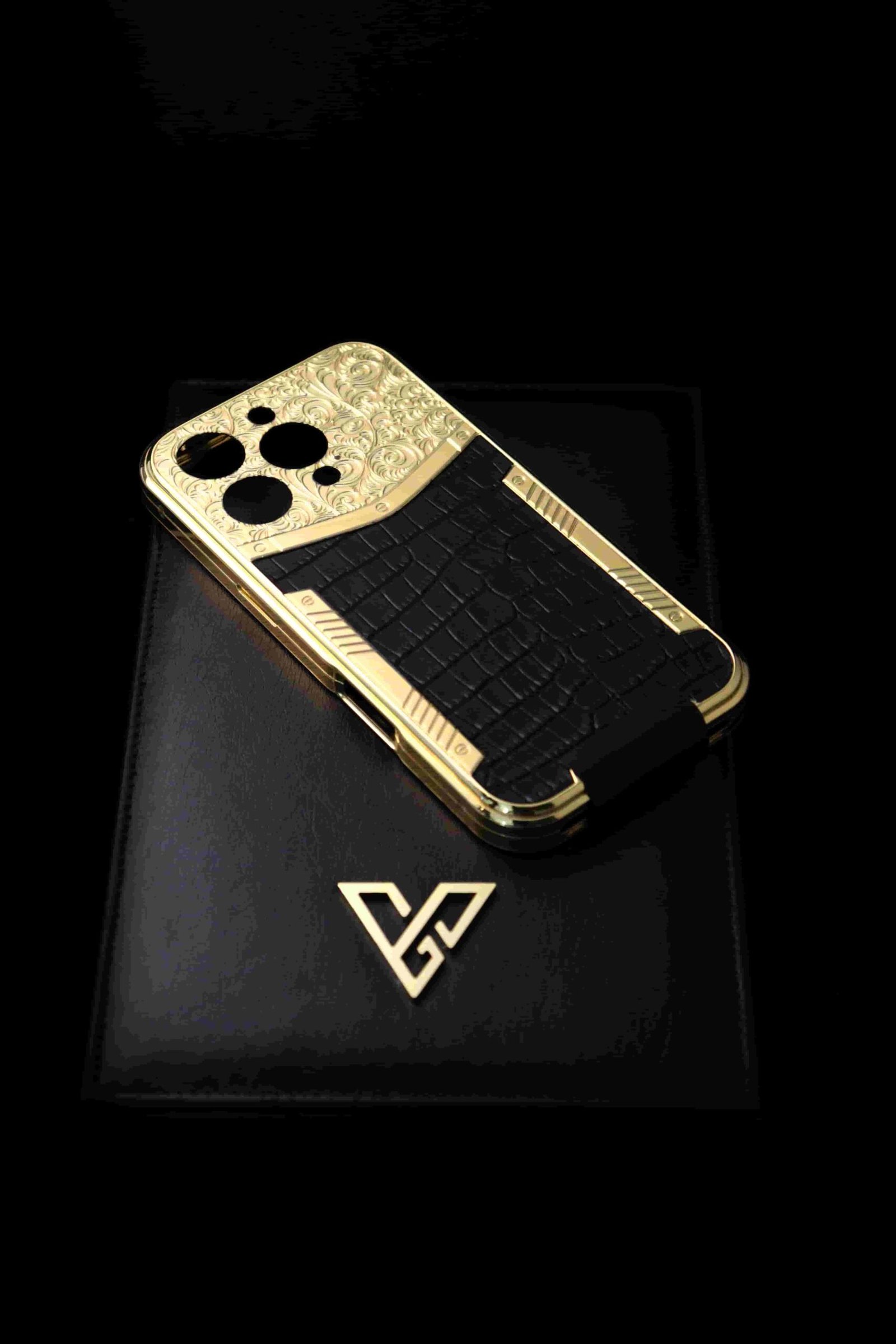
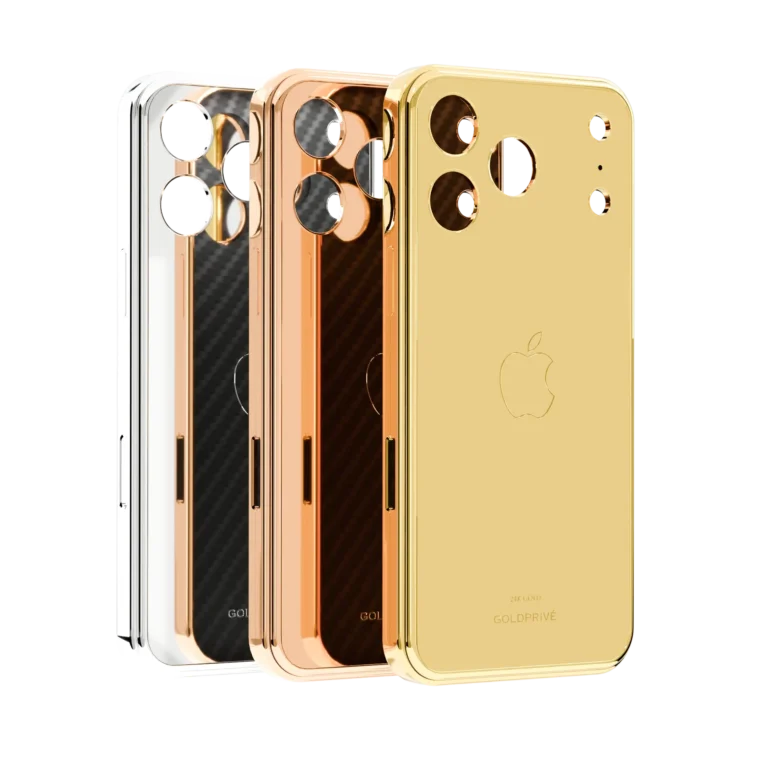
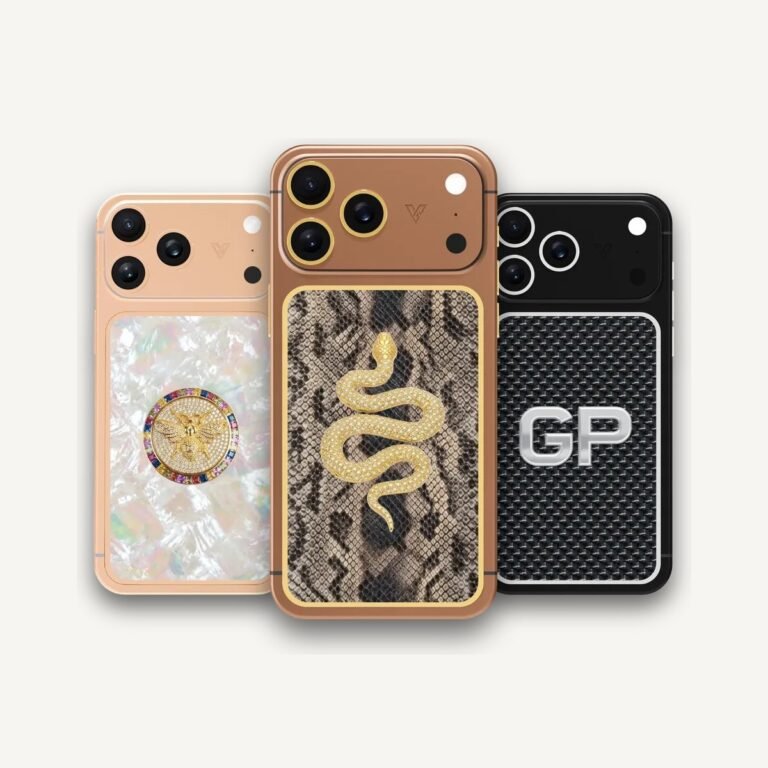
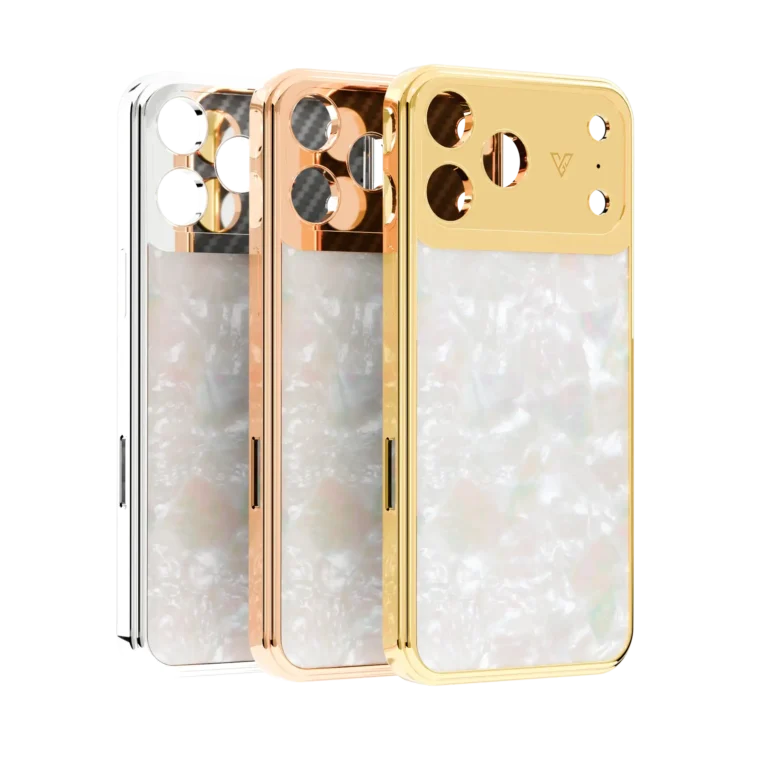
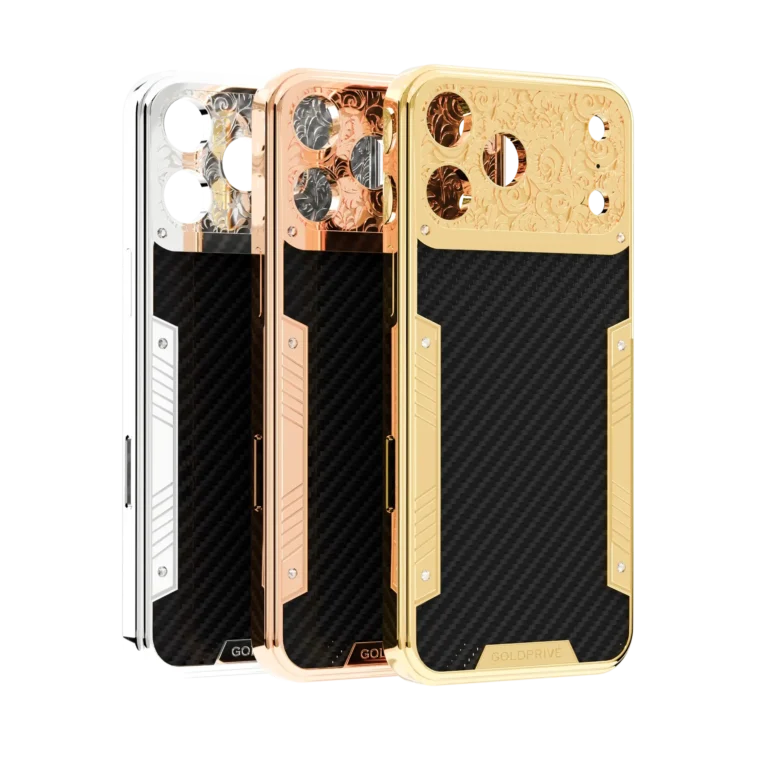
Buyers who specifically want the gold finish visible and protected without this trade-off often choose a gold-finished case designed to complement the device rather than a generic third-party case that wasn’t built with the finish in mind.
Storage and Travel
- At home: store in a soft pouch, dedicated case, or lined drawer — avoid contact with other metal objects that can scratch the finish.
- While traveling: pack separately from keys, coins, and other hard items; a padded travel pouch protects against the friction and impact that most commonly damage a finish in transit.
- In humid climates: silica gel packets in storage help reduce moisture exposure, particularly relevant for solid gold pieces stored for extended periods.
Signs of Wear and What to Do
Watch for dulling, discoloration, or any area where the gold tone looks thinner or patchy — these are early signs of plating wear, typically starting at high-contact points like corners and edges. Address it early: continuing to use a device with compromised plating accelerates wear at that spot. If you notice these signs, professional evaluation is the right next step rather than attempting a DIY fix, which can make the damage worse.
The most common wear points are the ones you’d expect from daily handling: the edges where fingers naturally grip the device, the corners most exposed to drops and desk contact, and any area that regularly contacts pocket fabric or a bag interior. Being aware of these zones lets you adjust handling habits — switching which hand you typically hold the device with, for example — before wear becomes visible.
When to Seek Professional Care
For anything beyond routine cleaning — visible wear, a need for re-plating, or general maintenance guidance specific to your piece — GoldPrivé Care is the right resource rather than a third-party jeweler unfamiliar with the original finishing work. Because gold finishing is warrantied separately from Apple’s hardware warranty, review the warranty policy to understand what’s covered if your piece needs attention, and consult GoldPrivé’s plating services directly for re-finishing rather than attempting it yourself.
Keep Your Gold iPhone Looking New
Proper care starts with the right finish for how you actually use your device. Browse the current gold iPhone collection, or speak with GoldPrivé’s team through the customization service about care guidance specific to your piece.
Noticing wear on an existing piece? Contact GoldPrivé Care for guidance before attempting any cleaning or repair yourself.
FAQs
Can I clean a gold iPhone the same way as a regular iPhone?
Not quite — use the same gentle, soft-cloth approach Apple recommends for standard iPhones, but be even more cautious with chemicals, since gold plating tolerates less exposure than Apple’s factory coating.
What household products should never touch a gold-plated iPhone?
Chlorine, bleach, ammonia-based cleaners, perfume, hairspray, and DIY jewelry-cleaning methods like vinegar or baking soda can all damage gold plating.
Does sweat damage gold plating?
Yes, over time. Remove a gold-finished device before intense workouts or exposure to chlorinated water, and wipe it down after regular use to clear oils and residue.
Is 18K solid gold more durable than 24K plating?
They fail differently. Solid gold doesn’t wear through to a different base metal, but the gold alloy itself is still relatively soft, so both need gentle handling despite plating being more vulnerable to wearing through entirely.
What should I do if I notice the finish wearing thin?
Stop regular use at that contact point if possible and contact GoldPrivé Care for professional evaluation rather than attempting a DIY fix, which can worsen the damage.
Is normal wear covered under warranty?
Gold finishing is warrantied separately from Apple’s hardware warranty and covers finishing quality, not damage from improper care — review the warranty policy for specifics.
How should I store a gold iPhone when traveling?
Pack it separately from keys, coins, and other hard items in a padded pouch or dedicated case to avoid the friction and impact that most commonly cause finish damage in transit.
Should I use a case on a gold-finished iPhone?
It’s a trade-off. A well-fitted, soft-interior case protects against drops, but a rough or poorly fitted one can create constant friction against the finish. A gold-finished case designed for the device avoids this issue.
Can I use a screen protector on a gold iPhone?
Yes — screen protectors address the display, not the gold-finished housing, so they don’t present the same friction risk as a case. Apply and remove them carefully to avoid contact with finished edges.