Blog
Gold Plating Cost Guide: What Determines the Price of a Custom Project?


Gold Plating Cost Guide: What Determines the Price of a Custom Project?
A gold finish is priced by the work it takes to do properly, not by the weight of gold alone. Here is what actually moves a quote up or down, and how to compare offers without being misled.
- The gold itself is often the smaller part of the cost on a thin plated finish; preparation, masking, labour and quality control usually matter more.
- Surface area, complexity, the base material and the thickness you specify are the biggest levers.
- The same design costs the same in 24K gold, rose gold or platinum at GoldPrivé, so the metal choice is aesthetic.
- Cheap quotes usually remove steps you cannot see: stripping, cleaning, a proper under-layer, inspection.
- Ask what is plated, what is deliberately left alone, how thick the layer is, and what warranty stands behind it.
The short answer
If you have searched for a gold plating cost, you have probably seen figures that vary wildly for what looks like the same job. That is rarely dishonesty. It is usually two different scopes sold under one phrase. A quick dip and a multi-stage atelier finish are not the same product, and pricing them as if they were is how buyers end up disappointed.
This guide explains the real cost structure so you can read a quote critically. For the process itself, start with our explainer on gold plating: process, thickness, durability and best uses, and for the technology choices see electroplating versus PVD versus gold-filled.
Why gold weight is not the whole story
It is natural to assume a gold finish is priced like jewellery: weight times the gold price. That logic works for solid gold, where the metal is the product. A plated finish is a thin skin, so the metal content is small.
As an illustration only, take a flat surface area of about 225 square centimetres, roughly the two broad faces of a large phone, and a 6 micron layer. Volume is area times thickness, which comes to about 0.135 cubic centimetres. Gold’s density is about 19.3 grams per cubic centimetre, so that is in the region of two to three grams of fine gold, before any process losses. It is a back-of-envelope figure, not a quote, but it shows why labour and process dominate.
The gold price still matters, and it moves. The benchmark most of the market references is the LBMA Gold Price, set twice daily in auctions administered by ICE Benchmark Administration. A reputable atelier accounts for it, but it sits beside, not above, the cost of doing the work well.
The seven cost drivers
| Driver | Why it changes the price |
|---|---|
| Surface area | More area means more gold, longer bath time and more handling. |
| Shape and complexity | Recesses, engraved logos, thin edges and mixed surfaces need careful masking and uniform coverage. |
| Base material | Stainless steel, brass, aluminium, glass and plastics each need a different preparation route and under-layer. |
| Thickness | A heavier layer takes longer to build and uses more metal; it also tends to hold up better to touch. |
| Preparation and masking | Cleaning, stripping an existing finish and protecting screens, lenses, sensors and ports is skilled hand work. |
| Quality control | Inspection, re-work of any flaw and final finishing take time that a cheap quote often omits. |
| Warranty and aftercare | A promise to stand behind the finish is a real cost that is priced in, or conspicuously missing. |
Surface area and complexity
A flat plate is the cheapest geometry. Add curves, engraved detail, a logo, fine edges or several separate parts and the work multiplies, because each feature needs its own protection and checking. This is why a single accessory and a fully finished multi-part device are quoted differently even when they are the same size.
Base material and preparation
The metal underneath decides how the surface is prepared and what must go on before the gold. Preparation is where much of the invisible effort sits, and it is the first thing a bargain quote trims. Our guide to what can be plated and what should not be explains which objects are good candidates.
Thickness
Thickness is the cost lever buyers understand least. A thin flash is quick and inexpensive and wears sooner; a heavier build costs more and lasts longer under handling. Neither is wrong, but they are not interchangeable, and a quote that does not state thickness cannot be compared with one that does. We cover the durability side in how long gold plating lasts.
Planning a bespoke project and want a clear scope before you decide?
Thickness and what the law calls plating
The FTC Jewelry Guides, 16 CFR 23.3, set out when a product may be marked gold plate or gold electroplate: a layer of gold or gold alloy of at least 10 karat fineness, of reasonable durability, with a minimum thickness equivalent to 0.175 microns of fine gold. The term heavy gold electroplate requires at least 2.5 microns. These are US marketing rules for jewellery and similar industry products, not a standard that every country applies, but they are a useful reference point.
The practical lesson is that the word plated tells you very little by itself. The legal floor is a fraction of what a durable luxury finish uses. GoldPrivé finishes are 5 to 7 microns, which is well above the minimum for the plain term, and we state the range openly so you can compare it against any other offer.
| Term | Minimum thickness (fine-gold equivalent) | What it implies |
|---|---|---|
| Gold plate / gold electroplate (FTC) | 0.175 microns | A very thin legal minimum |
| Heavy gold electroplate (FTC) | 2.5 microns | A substantially heavier build |
| GoldPrivé finish | 5 to 7 microns | Specified up front for each design |
Phones versus other objects
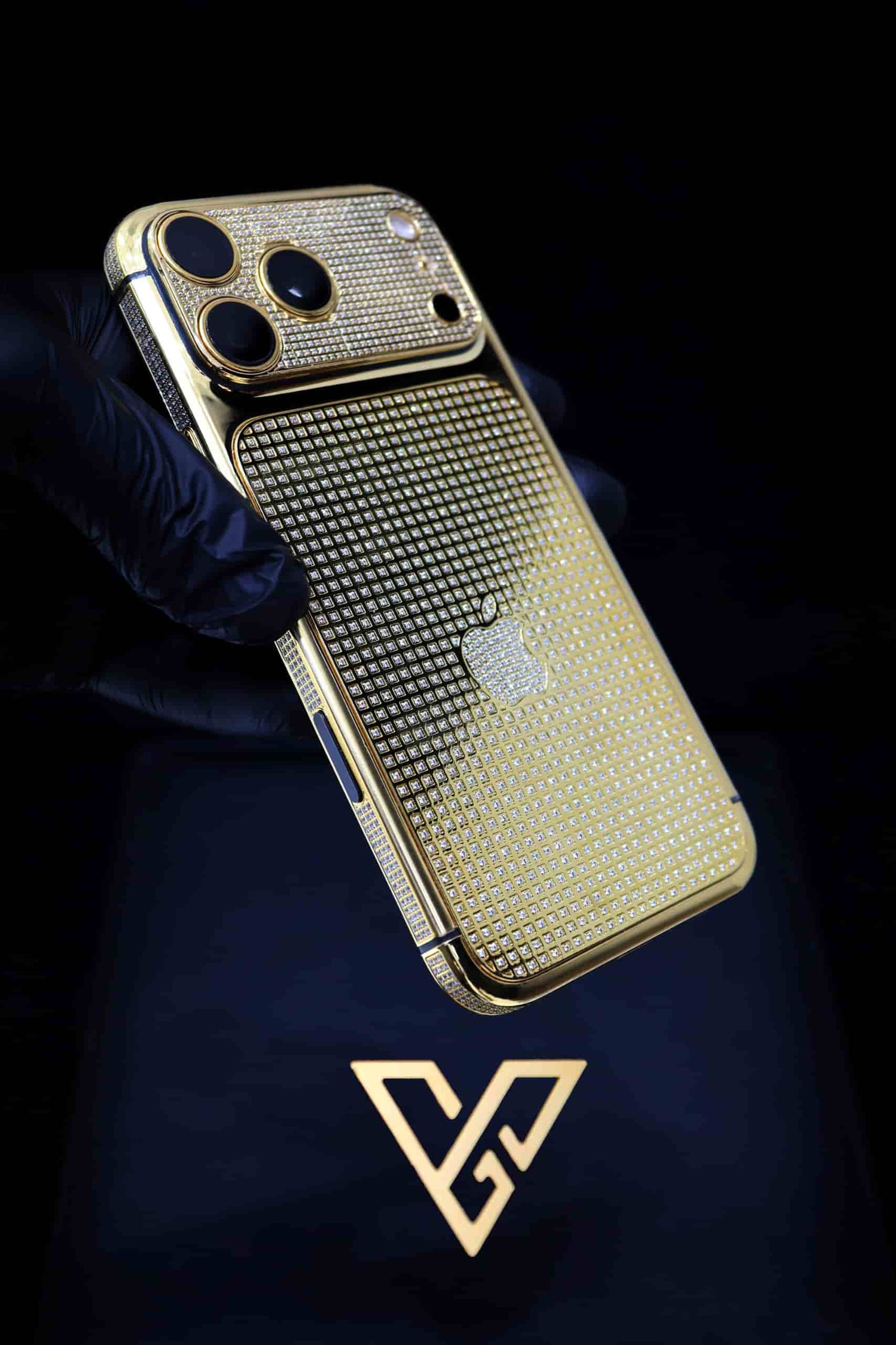
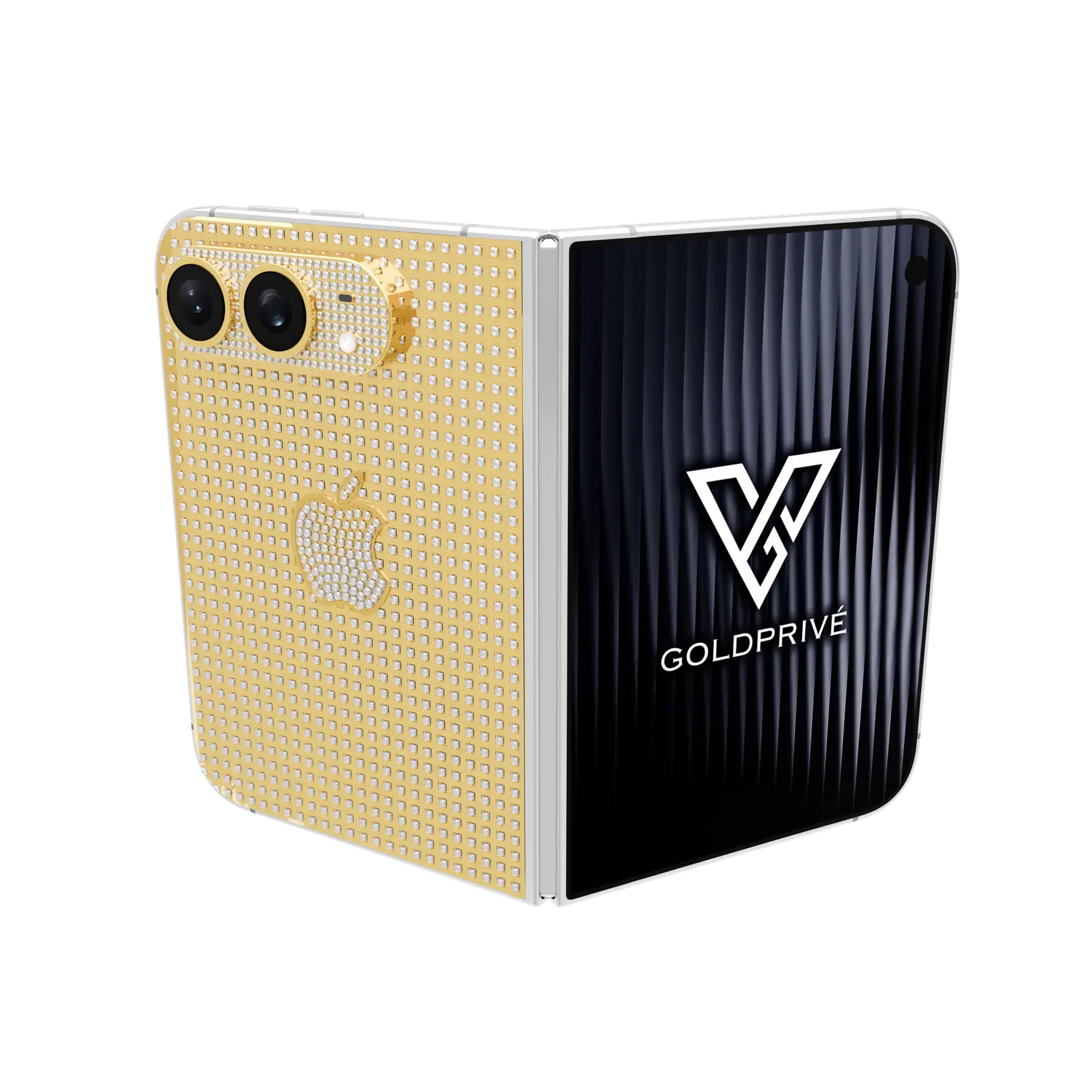
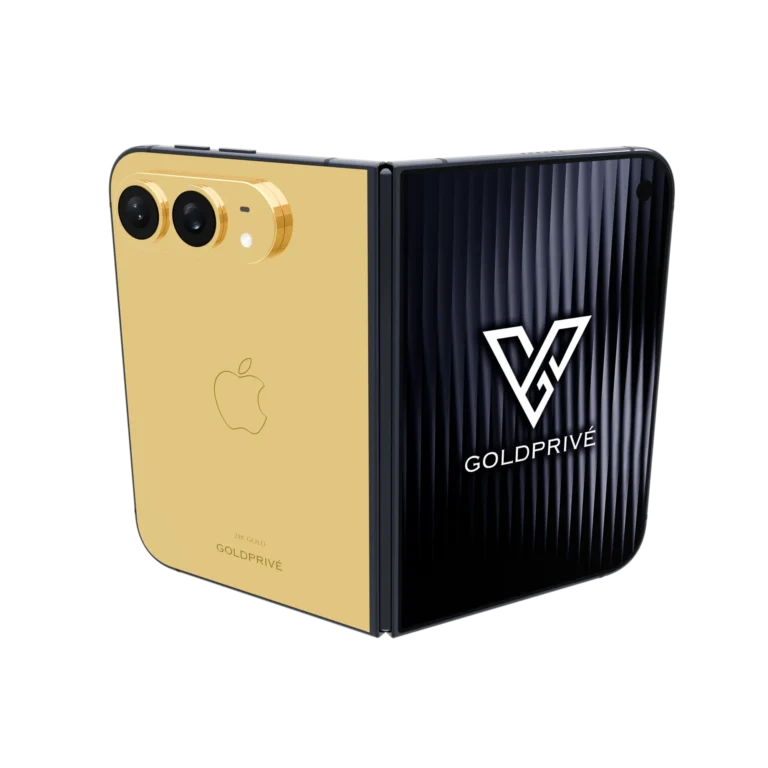
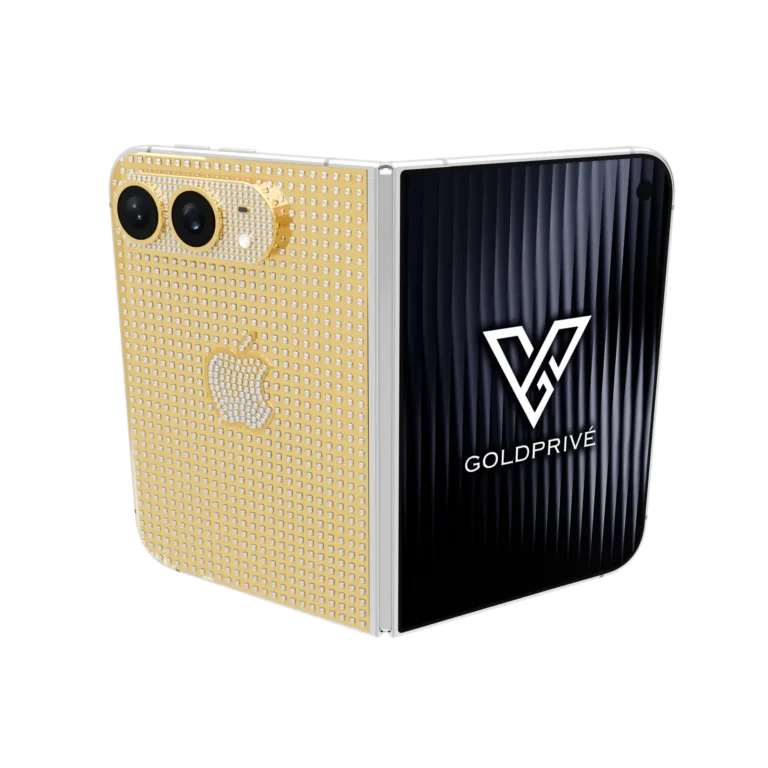
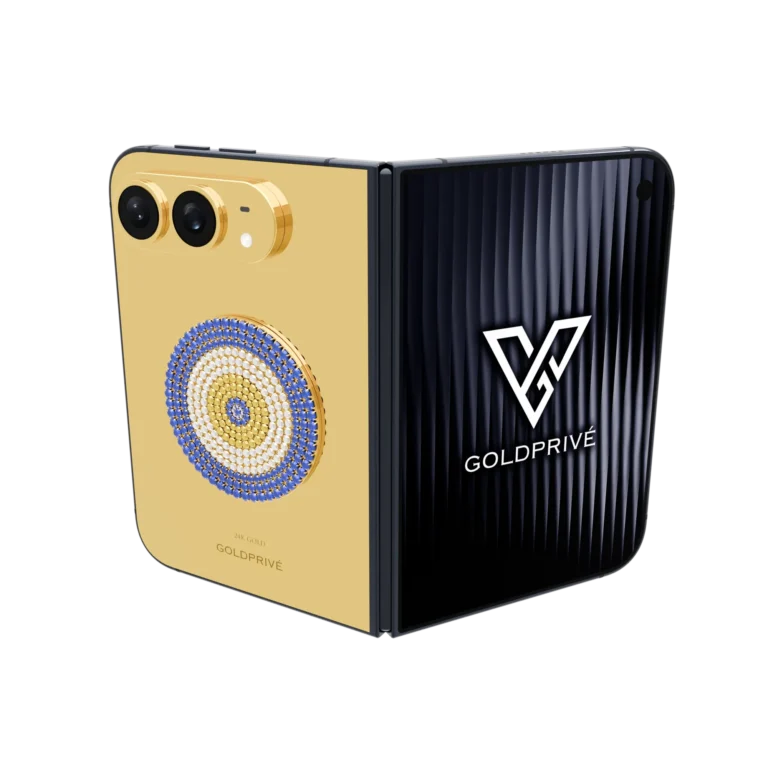
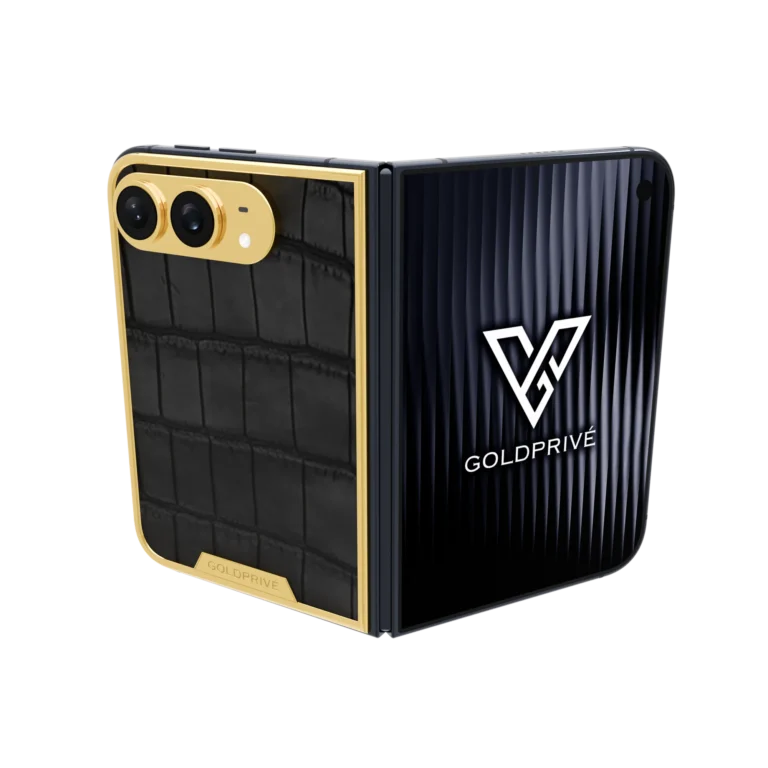
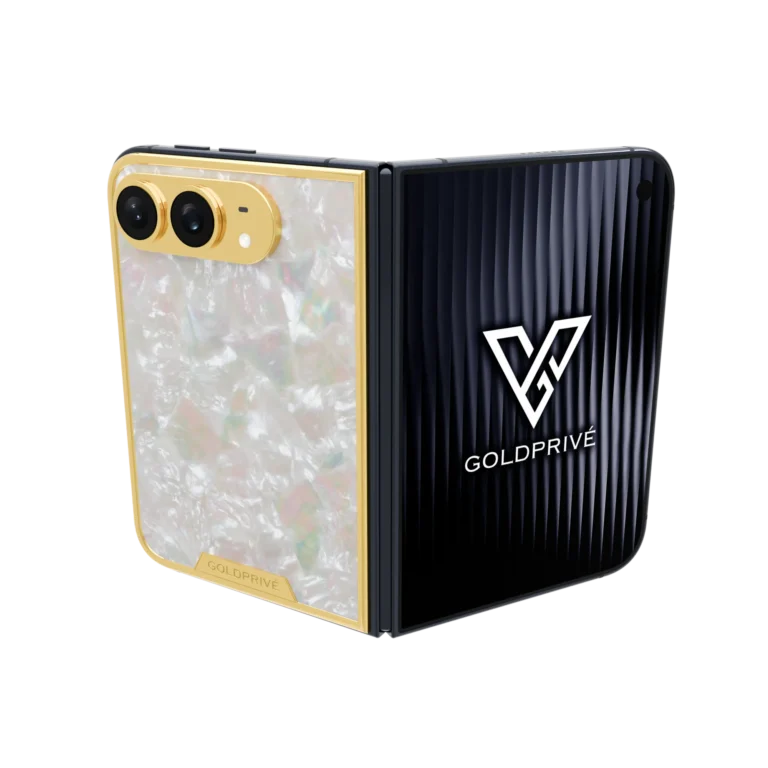
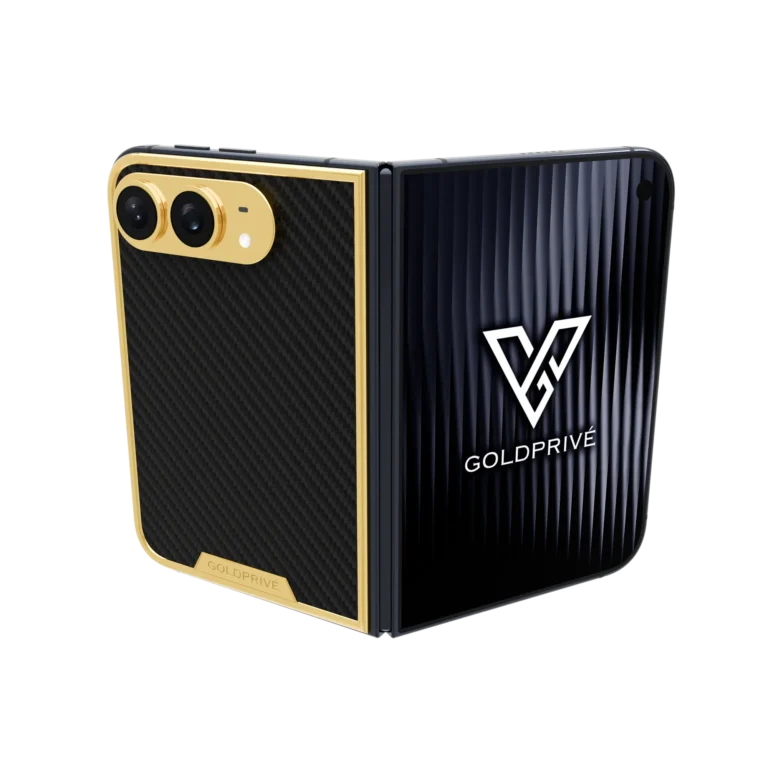
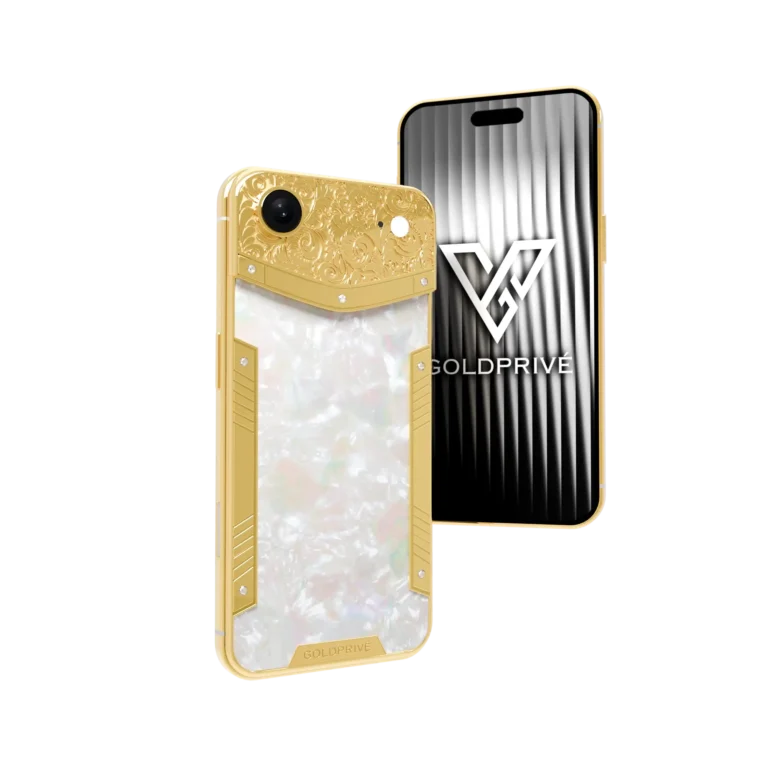
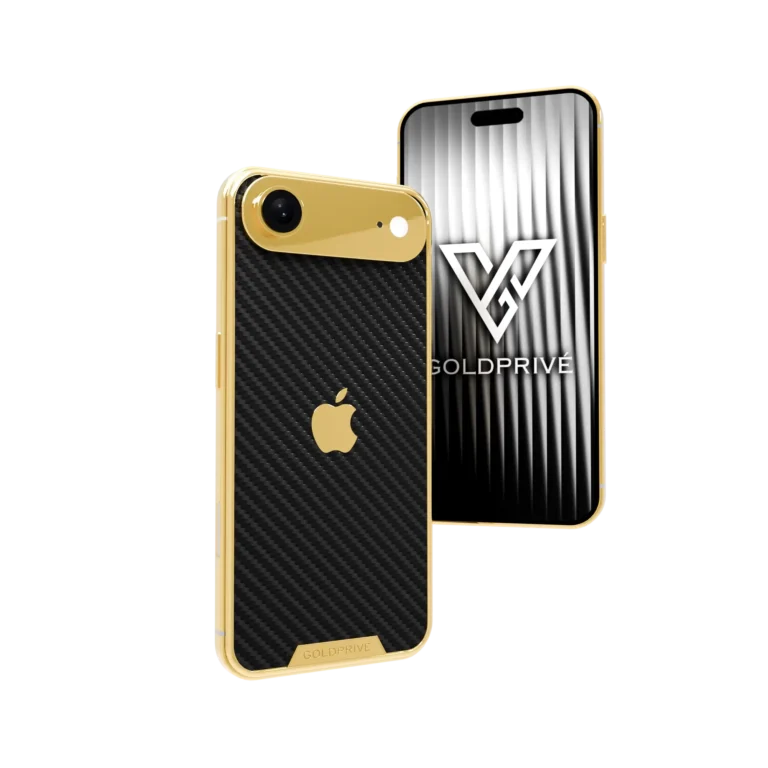
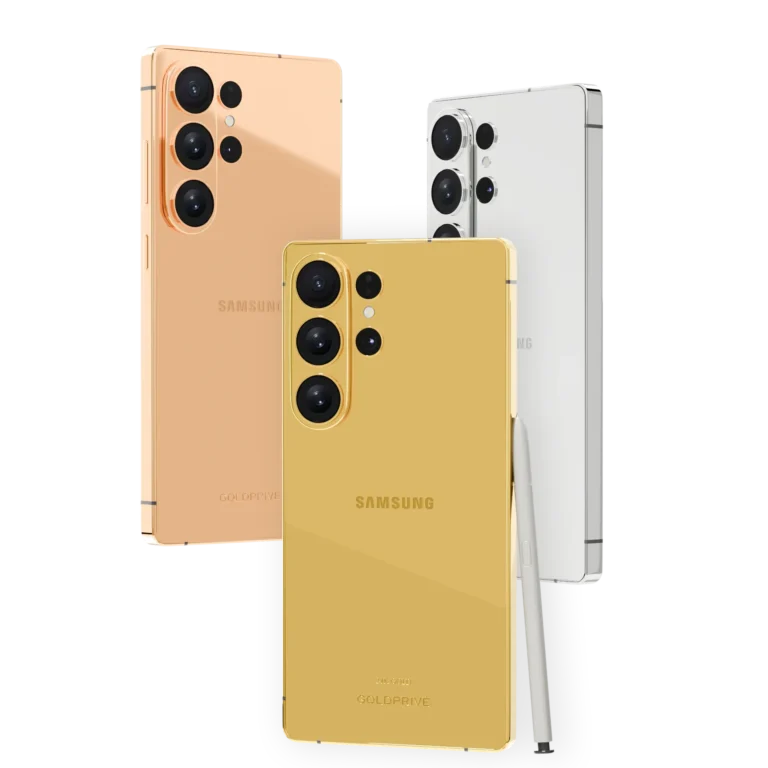
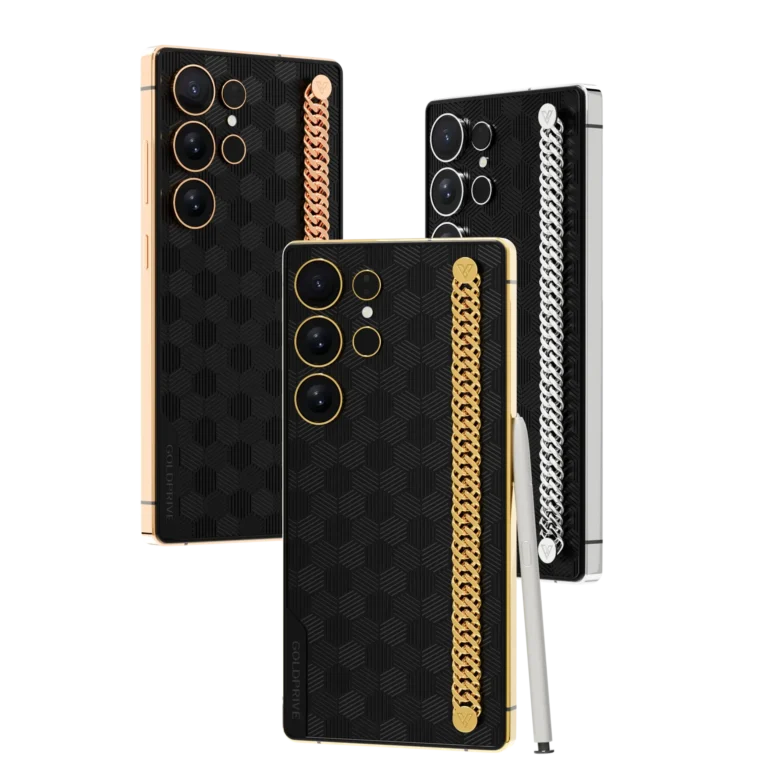
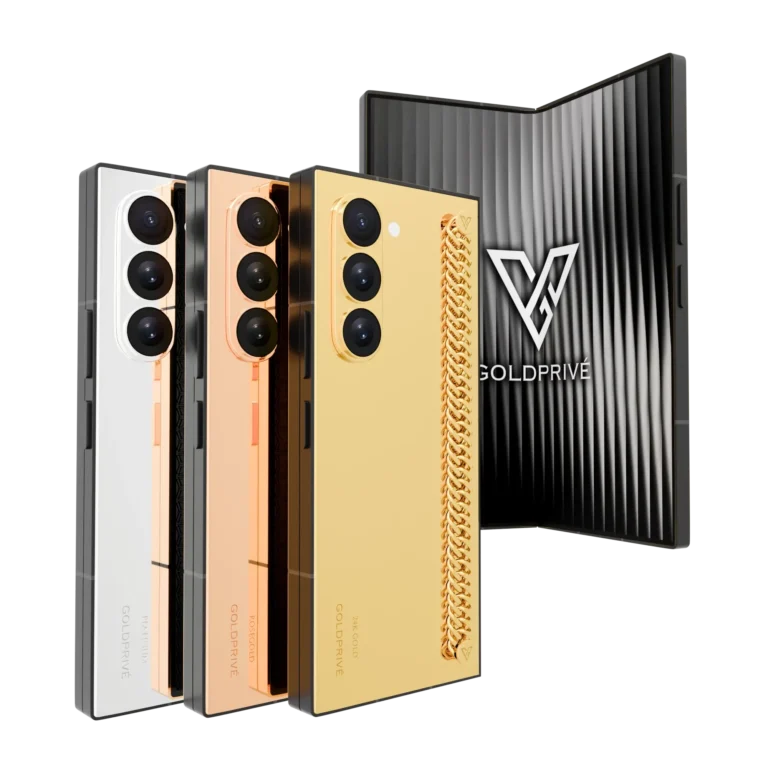
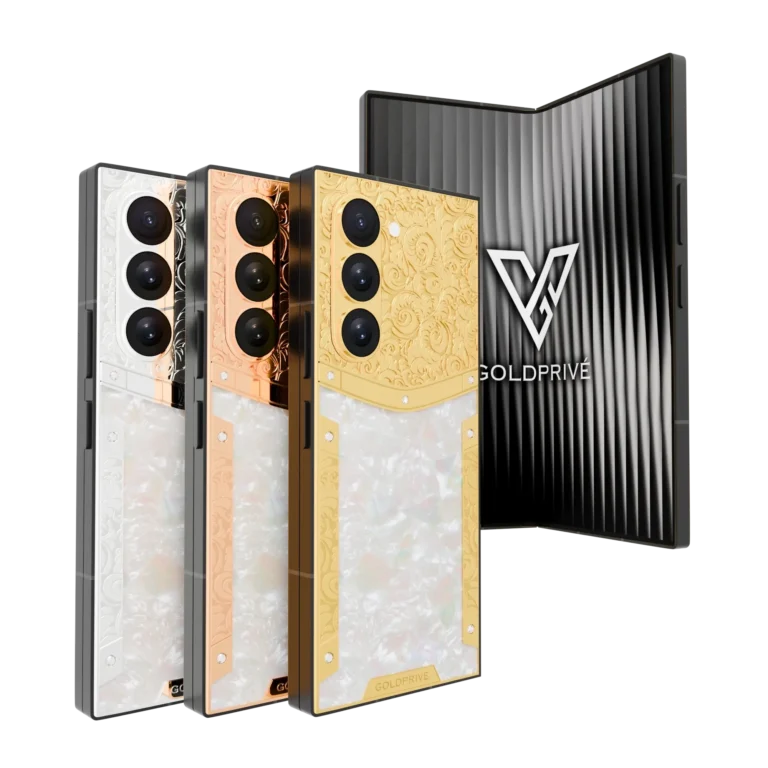
Devices are a special case because the finish has to coexist with function. The frame and hinge of a foldable are never plated, and a customized device is not water resistant, so a design is specified area by area rather than as a blanket coat. That precision is part of what you pay for. Wireless charging, tap-to-pay and magnetic accessories depend on the design, because a plated back can block them, so read the listing text for the exact product.
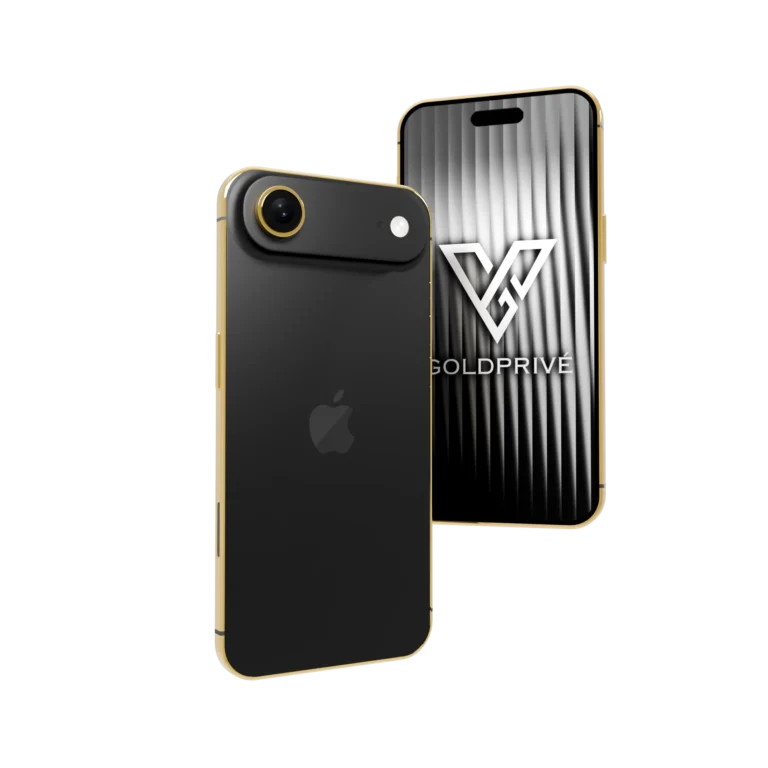
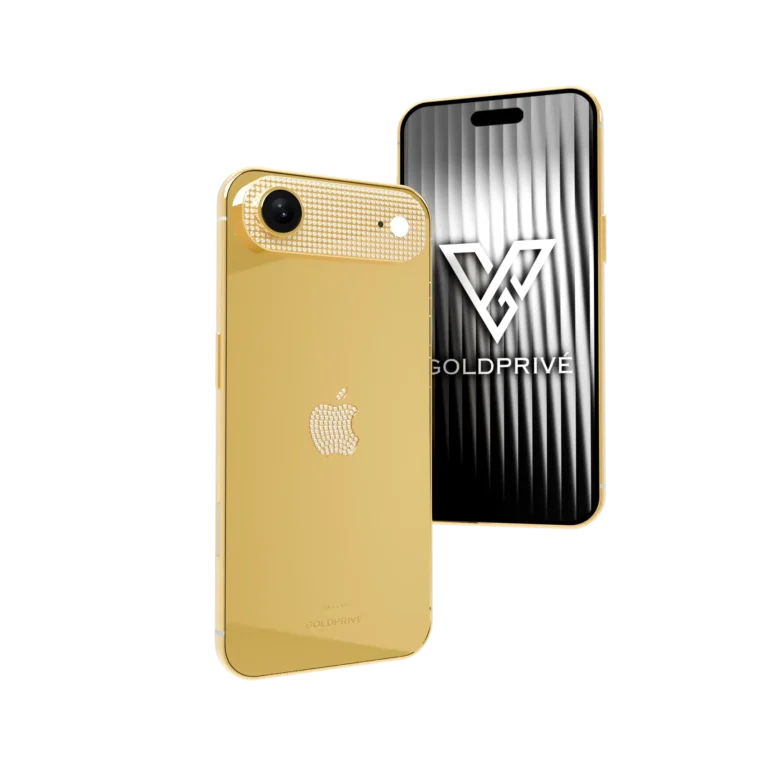
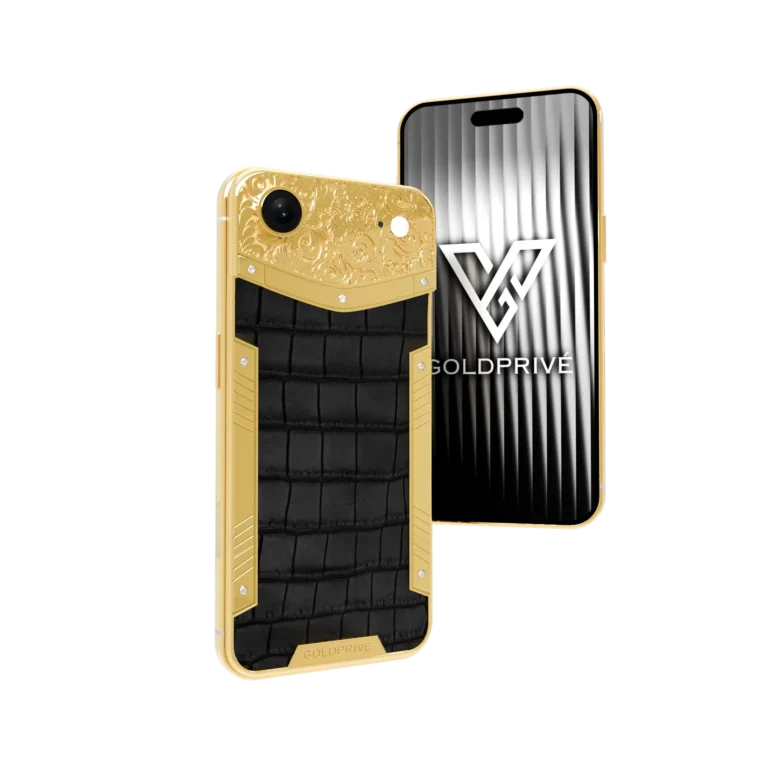
For a luxury device, the cost question is therefore not just price per square centimetre but what you receive: a genuine factory-new device, a defined finish, and a warranty. GoldPrivé offers a two-year customization warranty alongside the one-year device warranty, with liquid damage excluded; the full terms are on our warranty page.
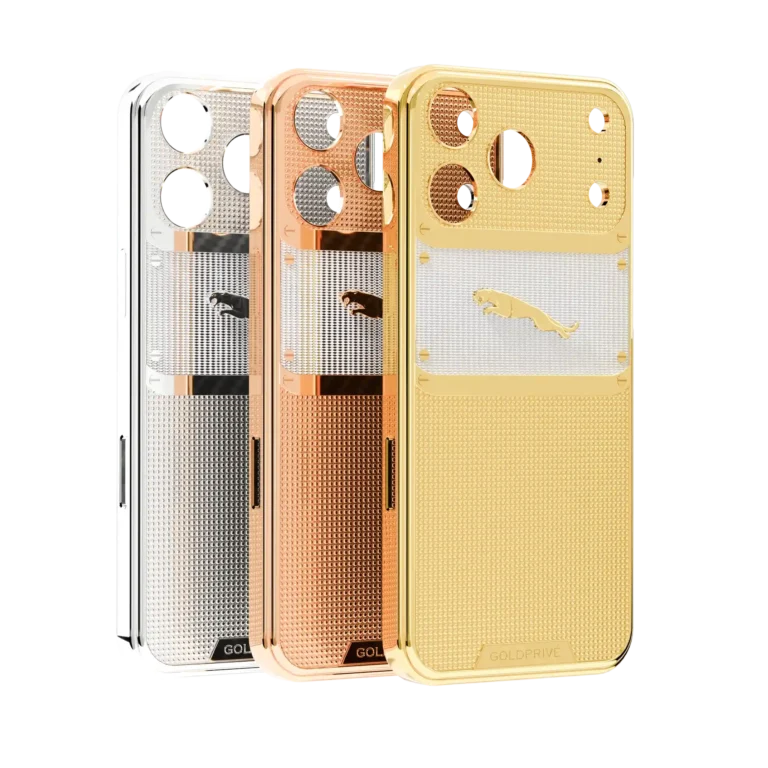
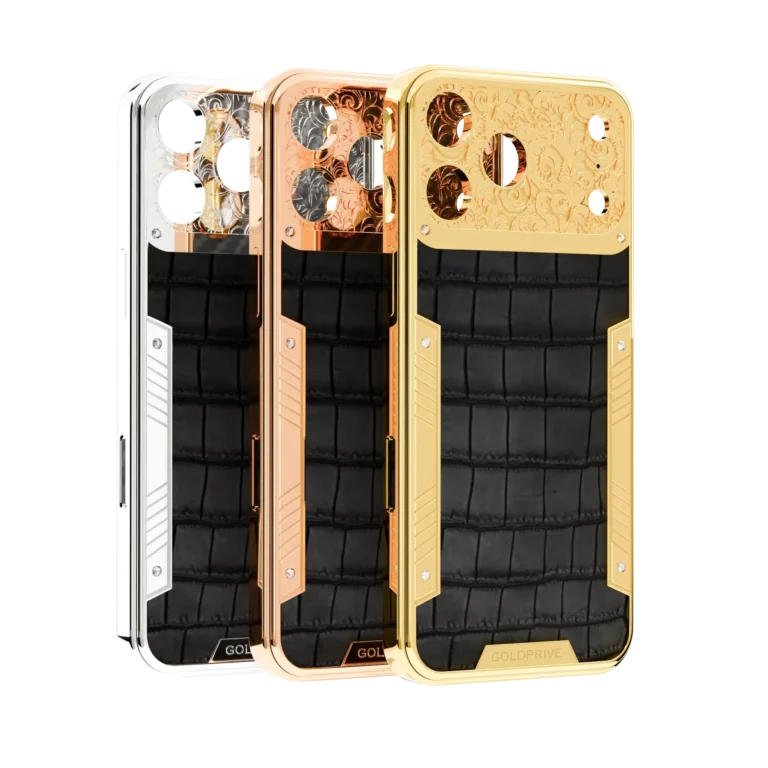
GoldPrivé finishes are 24K gold, rose gold or platinum, 5 to 7 microns, on genuine factory-new devices, and the three metals are priced the same within a design. The frame and hinge of foldables are never plated. A customized device is not water resistant and may be treated by the manufacturer as modified.
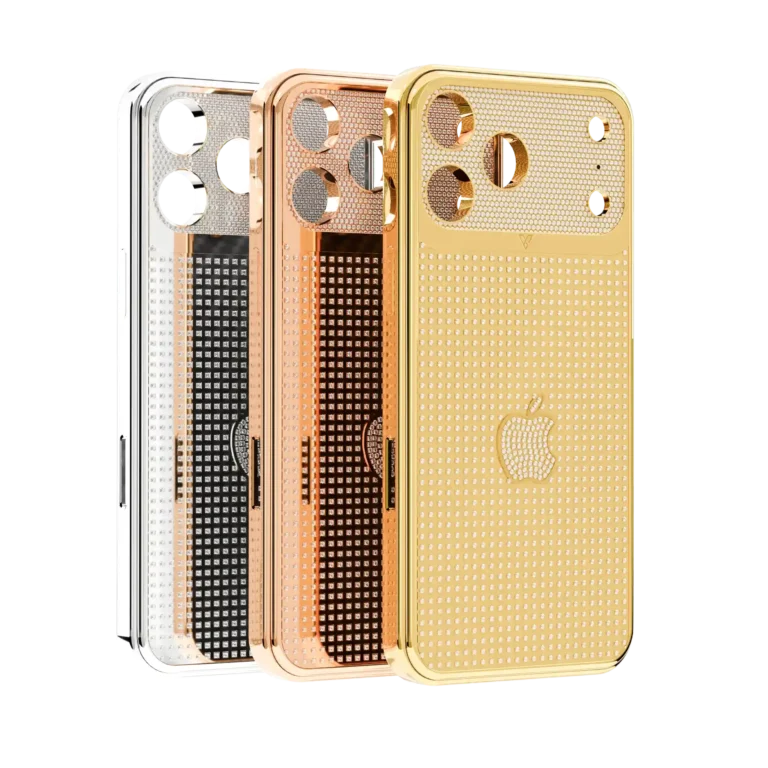
Those figures include the device itself, so they are not a plating fee in isolation. To see how the total breaks down for a specific model, read what drives the cost of a gold Galaxy Z Fold8 Ultra and how much a 24K gold iPhone costs.
How to compare quotes
Lay every quote against the same checklist. If a provider cannot answer one of these in writing, treat that as information.
- Scope: exactly which surfaces are plated and which are intentionally left alone.
- Thickness: stated in microns, not described as thick or premium.
- Metal and purity: the karat or metal, and whether the layer is gold or a gold-coloured coating.
- Process: electroplating, PVD or another method, and why it suits your object.
- Base device or object: new and genuine, or supplied by you.
- Warranty: duration, what voids it, and who handles claims.
- Aftercare: whether refresh or recustomization is offered.
On that last point, GoldPrivé Care covers resell refresh or recustomization with fresh plating for gifting. We do not promise a lifespan for any finish, because handling varies too much to do so honestly.
Red flags in a cheap offer
A low price is not automatically a bad sign, but certain patterns deserve caution. A quote with no stated thickness, no description of preparation, no inspection step and no warranty is not cheaper for the same work; it is a smaller job described in the same words.
- The finish is called gold without a karat or thickness.
- Screens, lenses or ports are plated or taped over carelessly.
- The frame or hinge of a foldable is offered for plating.
- There is no written warranty, or it claims to cover liquid damage on a modified device.
- Pressure to decide quickly because the gold price is about to change.
If you are weighing a do-it-yourself route, remember that home kits and professional work solve different problems. The bespoke gold plating service overview shows how a full atelier project is scoped.
GoldPrivé pricing in practice
GoldPrivé works in a straightforward way: you choose a design, you choose a metal, and the price is shown on the product page. Because 24K gold, rose gold and platinum cost the same within a design, you never pay a premium for a preferred colour. Optional engraving is available as an add-on from $100 where offered, and the product listing states what is included.
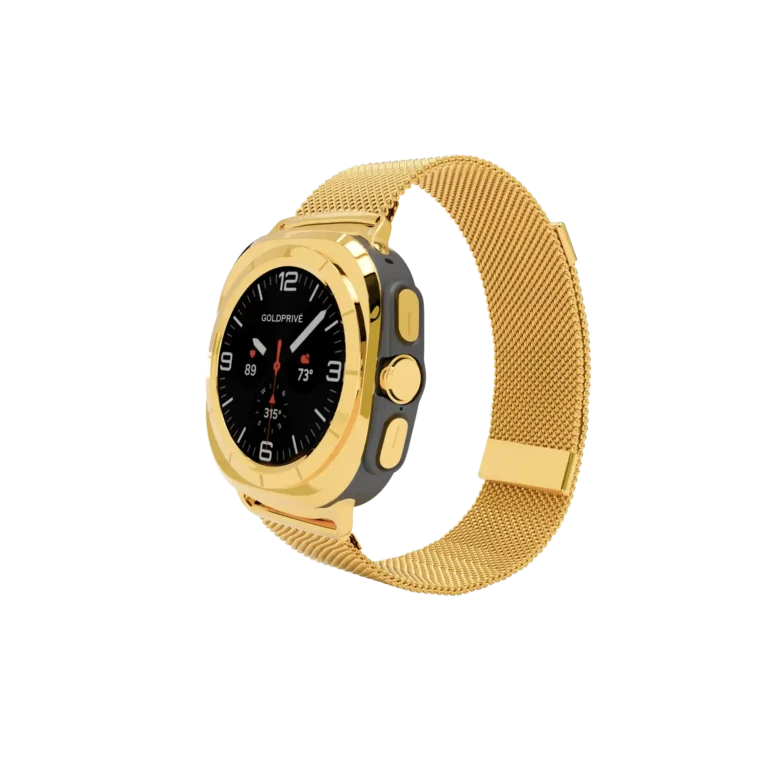
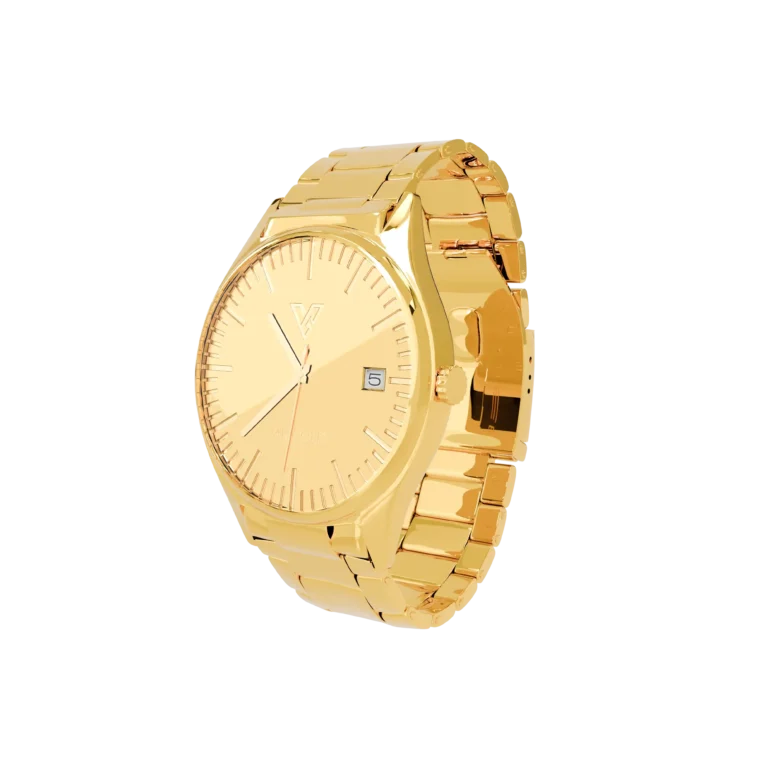
For objects beyond phones, such as watches, audio gear, gifts and commissions, scopes differ and are best discussed individually through the gold plating services page. If you have a specific question about a quote you have received elsewhere, our FAQ page is a good first stop.
See a finished design and its price before you commit.
FAQ
How much does gold plating cost?
It depends on surface area, complexity, base material, thickness and the preparation and warranty involved. There is no single honest price per item, which is why a stated scope matters more than a headline number.
Is the price based on the current gold price?
Partly. Gold is a component, and the market benchmark moves daily, but on a thin plated layer, labour and process usually account for more of the cost.
Does rose gold or platinum cost more than 24K gold?
Not at GoldPrivé. The three metals are priced the same within a design, so the choice is purely aesthetic.
Why do some quotes cost far less?
They often leave out preparation, masking, a proper thickness or inspection, or they use a thinner layer. Compare scope and thickness before price.
Is thicker plating always better?
Thicker generally holds up better to handling, but the right specification depends on the object and where the finish sits. Parts that flex, such as a foldable frame or hinge, are not plated at all.
What does gold plated legally mean?
In US FTC guidance, gold electroplate requires at least 0.175 microns of fine-gold equivalent and heavy gold electroplate at least 2.5 microns. Always ask for the actual thickness.
Is a plated phone still under warranty?
GoldPrivé provides a two-year customization warranty and a one-year device warranty, with liquid damage excluded. A customized device is not water resistant and the manufacturer may treat it as modified.
Will wireless charging still work?
It depends on the design, because a plated back can block it. Check the listing text of the exact product.