Blog
Gold Plating Solution and Chemistry: A Buyer-Friendly Overview

Gold Plating Solution and Chemistry: A Buyer-Friendly Overview
What is actually in the tank when a luxury object is gold plated, why the chemistry matters to the finish you receive, and which questions separate a considered workshop from a careless one.
Most buyers never see the plating bath. They see the result: a mirror-bright back panel, a watch case or a keepsake that looks like solid metal. Yet the solution the object was immersed in decides how pure the gold is, how hard it feels, how evenly it covers curves and how well it bonds to the metal beneath. You do not need a chemistry degree to commission gold plating wisely, but a little vocabulary makes you a far better judge of quality. This overview explains the main solution families in plain language, links each to what you can see and touch, and ends with questions worth asking any provider, including us.
Key Takeaways
- A gold plating solution is an electrolyte holding dissolved gold. Electric current moves that gold onto the object, atom by atom.
- Industry references recognise five broad chemistry classes: alkaline cyanide, neutral cyanide, acid, non-cyanide (usually sulphite or chloride based) and miscellaneous.
- Chemistry shapes purity, hardness and colour. It does not replace thickness, surface preparation or the base metal.
- Plating is not a home hobby for luxury results: some baths are genuinely hazardous and need trained handling and waste control.
How a Gold Plating Bath Works
A gold plating solution is a liquid electrolyte containing gold ions plus chemicals that control acidity, conductivity and deposit quality. When current passes through, gold ions gain electrons at the object’s surface and settle as a thin, metallic gold layer.
Electroplating, in the standard description, is a process that uses an electric current to reduce dissolved metal cations so they form a thin coherent metal coating on an electrode. The electrolyte is a solution of a salt whose cation is the metal being applied, and the positive electrode, the anode, is usually either a block of that metal or an inert conductor. The object to be coated is the negative electrode. An external power supply provides the current.
For gold, the bath is more than gold dissolved in water. Gold has to be held in a stable, soluble form, usually as a complex, so it does not simply drop out of solution. Other ingredients buffer the acidity, carry current efficiently and brighten or harden the deposit. Small changes in temperature, current density or bath age change the finish, which is why professional plating is controlled and logged rather than improvised.
The Main Gold Plating Solution Families
A widely cited industry summary groups gold plating chemistry into five recognised classes. The table below translates them into buyer language. The classes describe the bath, not the quality of any specific workshop, so treat the notes as general orientation.
| Chemistry class | Typical use | What it tends to offer | Main consideration |
|---|---|---|---|
| Alkaline gold cyanide | Gold and gold alloy plating | Long-established, controllable colour from alloying | Cyanide handling and waste treatment |
| Neutral gold cyanide | High-purity plating | Very pure deposits | Same cyanide controls; purity is softer |
| Acid gold | Bright hard gold and alloy plating | Bright, hard, wear-resistant finishes | Often contains small amounts of cobalt or nickel |
| Non-cyanide (sulphite or chloride based) | Gold and gold alloy plating | Avoids cyanide in the bath itself | Bath stability needs careful management |
| Miscellaneous | Specialist and proprietary systems | Tailored to a specific job | Less standardised; ask for specifics |
Cyanide-based baths
Cyanide baths are the traditional workhorses. Gold dissolves in them as a stable complex, which gives smooth, controllable deposits. They remain common in industry because the results are predictable. They are also the reason plating needs trained operators: cyanide salts are toxic, and mixing them with acid can release lethal hydrogen cyanide gas. That is a decisive reason this work belongs in a controlled workshop.
Non-cyanide baths
Non-cyanide systems, generally sulphite or chloride based, avoid cyanide in the solution. Many suppliers market them as a safer alternative, and they are used for gold and gold alloy plating. They are not hazard-free, and bath management is its own discipline, but they illustrate that a premium finish does not depend on a single chemistry.
Acid baths
Acid gold baths are associated with bright, hard deposits, favoured where a surface sees friction. The brightness and hardness come from small additions of other metals, which leads to the next topic.
Pure Gold vs Hard Gold
Pure 24K gold is soft and rich in colour. Hard gold is still very high in gold content, often quoted at 99.7 to 99.9 percent, but contains trace nickel or cobalt that make it markedly harder and more resistant to wear and repeated contact.
This trade-off appears in every conversation about gold finishes. Pure gold has the warmest, most recognisable colour and is the metal people mean by 24K. It is also a soft metal. Hard gold, developed for electrical contacts such as connectors and switches, trades a sliver of purity for toughness. One reference gives its Knoop hardness as roughly 120 to 300. Understanding the distinction explains why a provider may describe a deposit as 24K in colour and purity while a technical contact finish is described differently.
For decorative luxury work, the question for you is simple: what is the deposit purity, and is it described honestly? A trustworthy workshop will tell you whether a finish is pure gold or an alloyed hard gold rather than hiding behind a single word. See our companion guide on electroplating versus PVD and gold-filled for how plating compares with other methods.
Strike Layers, Preparation and Why They Matter
Chemistry alone never makes a good finish. Before the main gold bath, a very thin strike or flash layer is often applied to improve adhesion. A strike uses a high current density and a bath with a low ion concentration, typically producing a coating under 0.1 micrometre thick that serves as a foundation for the plating that follows.
Preparation is just as important: cleaning, degreasing, polishing and sometimes an intermediate metal layer. Many plating failures blamed on the gold are really preparation failures. Thickness then determines how long the finish lasts under use. Jewellery terminology for thickness is expressed in microns, with gold flashed or washed describing layers below 0.5 micron. Our guides on how gold plating works and how long it lasts cover thickness in depth.
Considering a bespoke gold finish on a genuine, factory-new device?
Safety, Waste and Responsibility
Confirmed information
- Cyanide-based gold baths are a recognised, widely used chemistry class, and cyanide compounds are toxic.
- Non-cyanide gold baths, generally sulphite or chloride based, are also a recognised class.
- Hard gold deposits often contain small amounts of nickel or cobalt.
- Thickness, preparation and base metal all influence how long a finish lasts.
Gold plating produces spent solutions and rinse water that contain metals and sometimes cyanide. Responsible workshops treat and dispose of these under local regulation and reclaim gold, which also makes economic sense. Reclaiming is one reason professional pricing is not simply the cost of the gold on the object. If a provider cannot explain where its waste goes, that tells you something about how the rest of the process is run.
The practical message for buyers is plain: do not attempt to mix gold plating chemicals at home, and do not buy a luxury result from anyone who treats the chemistry casually. We compare the do-it-yourself route with professional work in a separate guide on kits versus services.
What the Chemistry Means for a Luxury Buyer
Colour
Bath type and any alloying metals influence whether gold looks rich yellow, paler or warmer. Rose and other tones come from specific metal additions.
Wear
Harder deposits resist friction better. Pure gold looks richer but marks more readily without care.
Coverage
Even deposits over curves and edges depend on bath control and racking, not just the solution name.
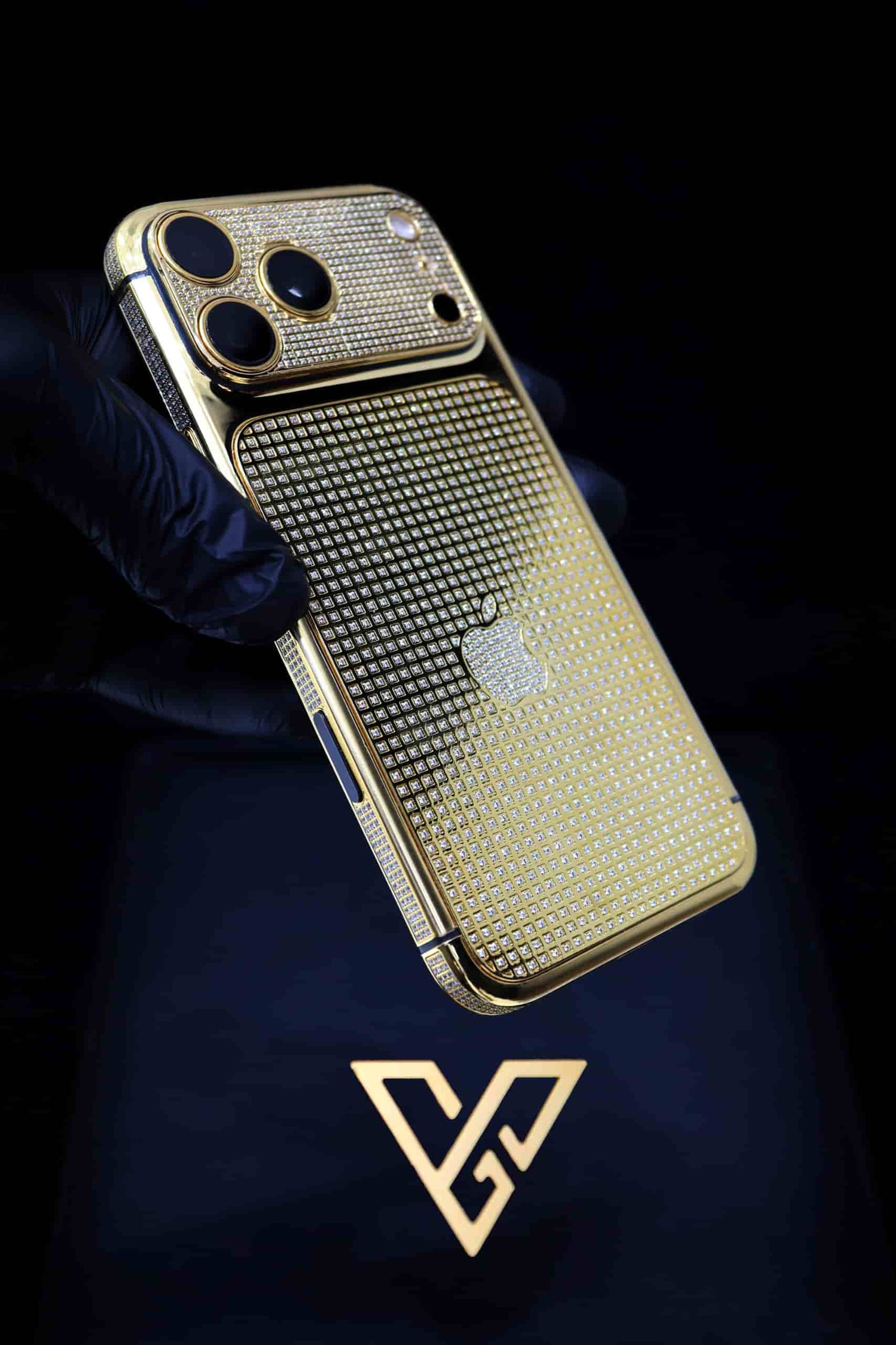
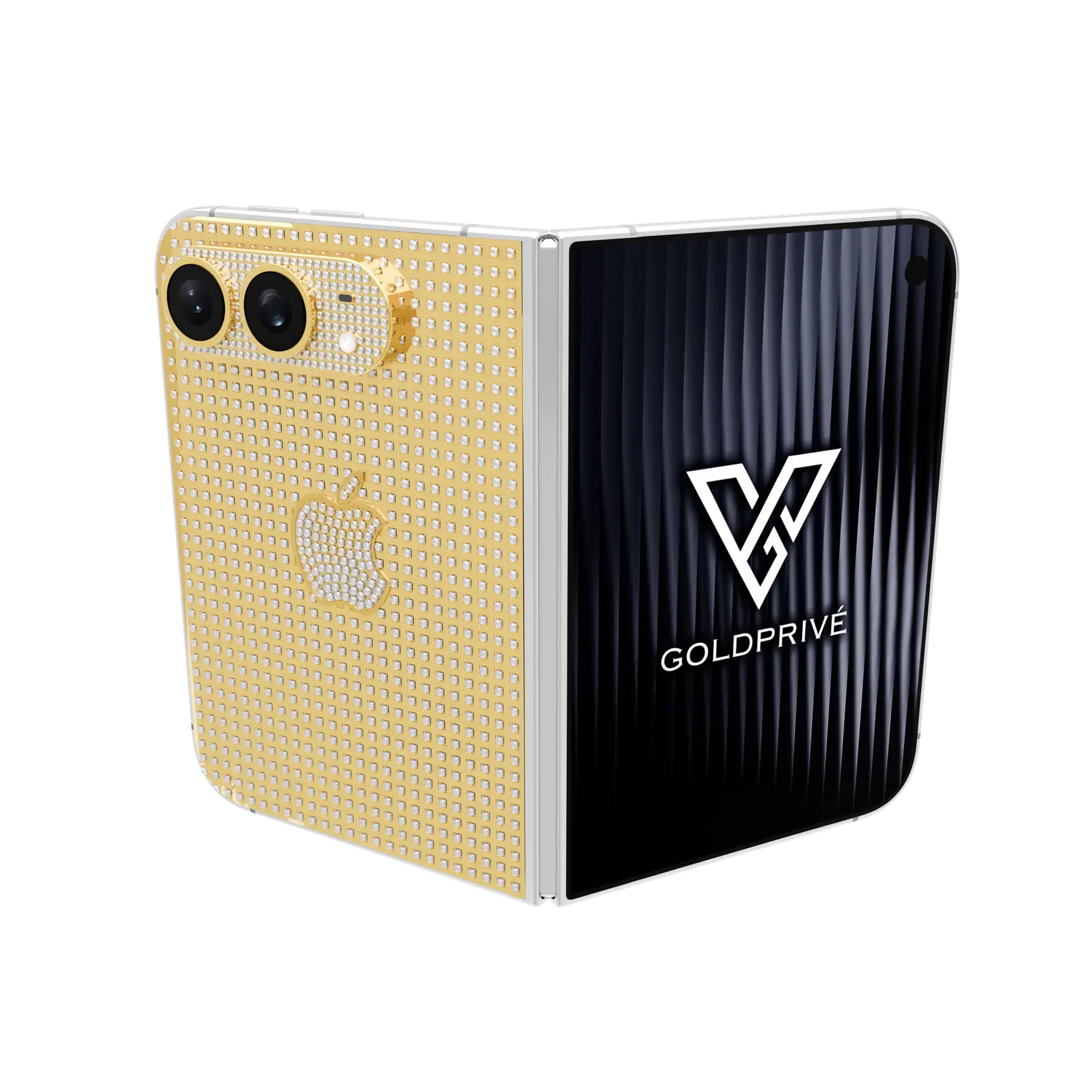
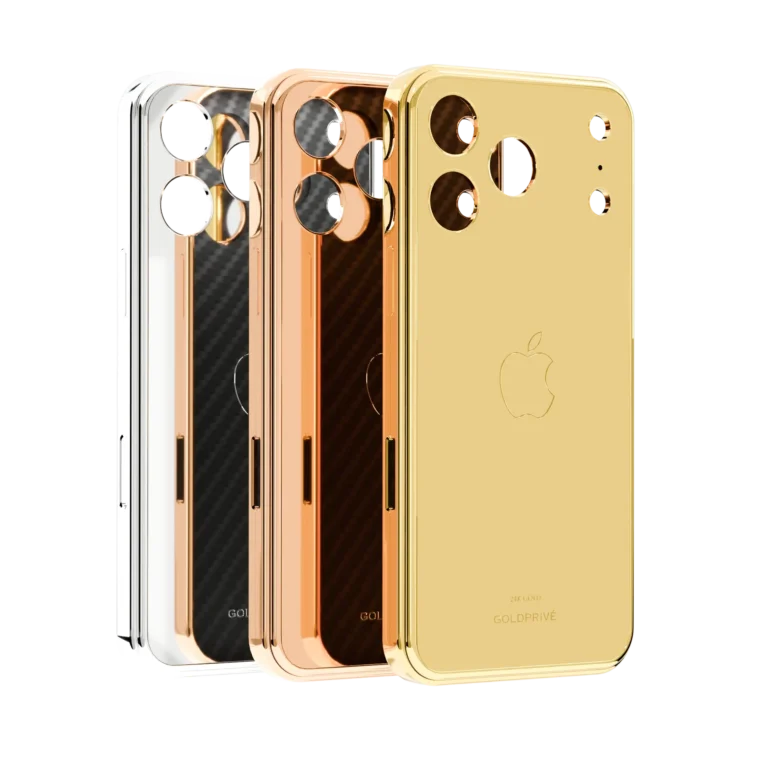
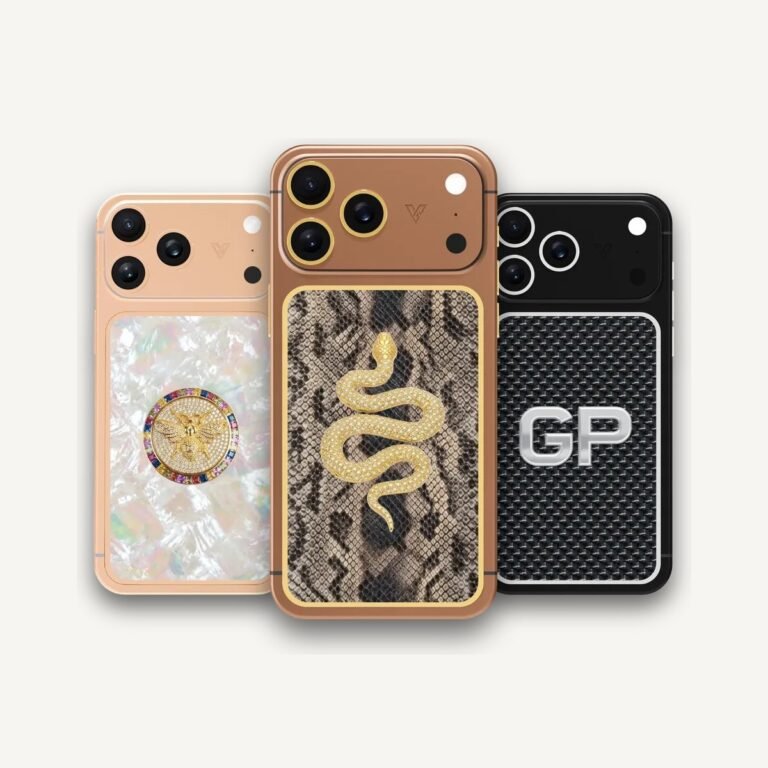
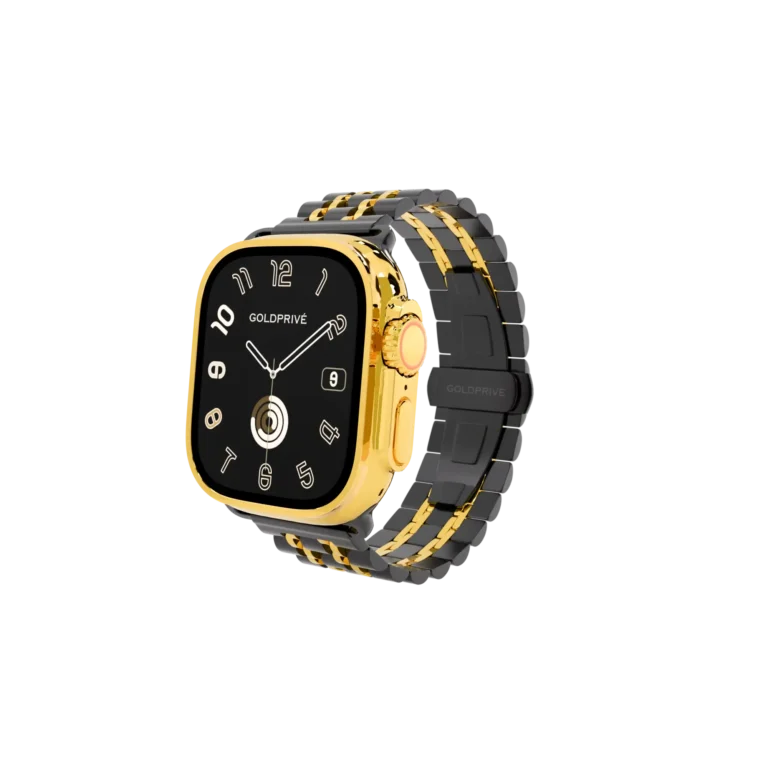
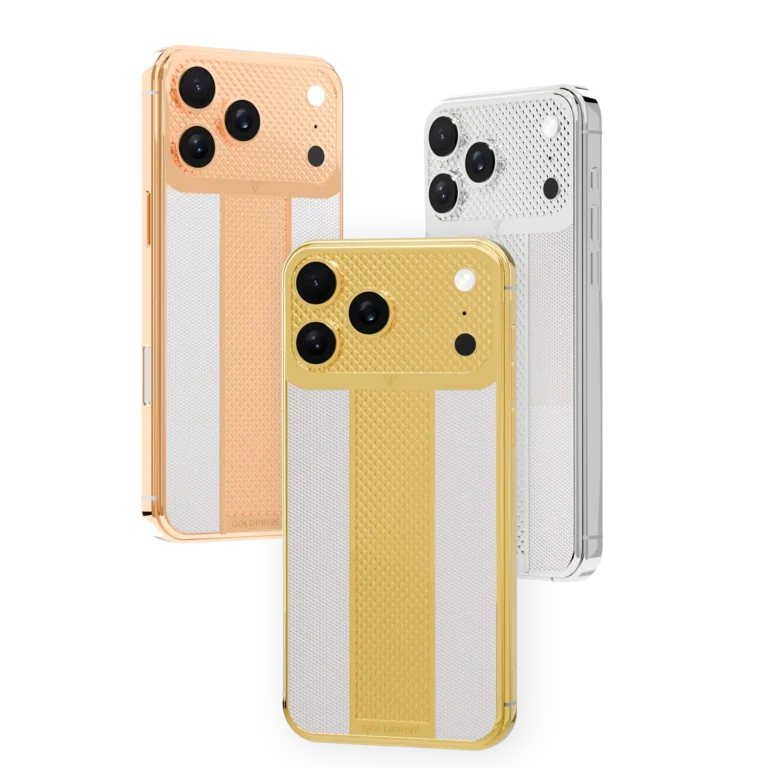
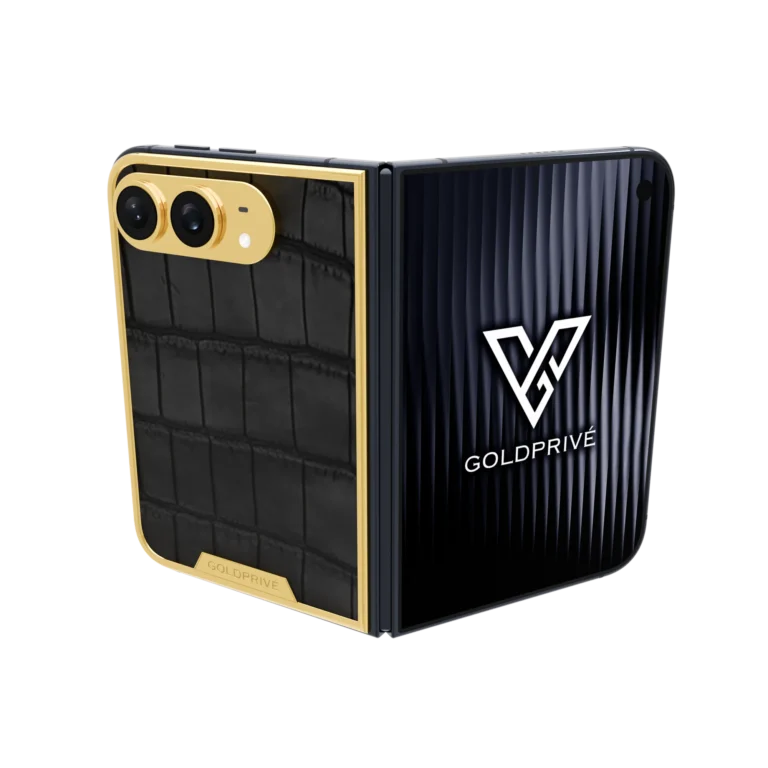
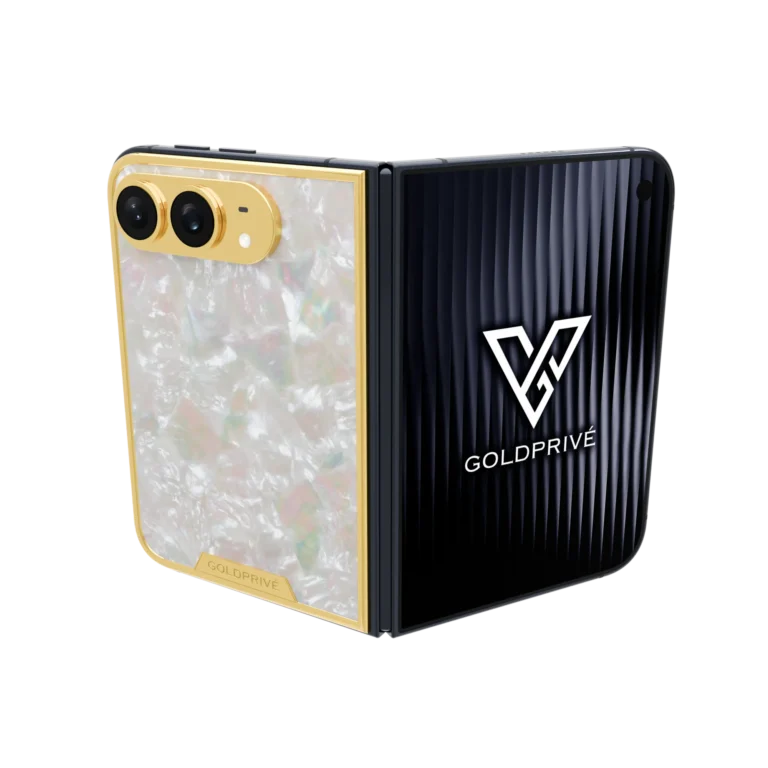
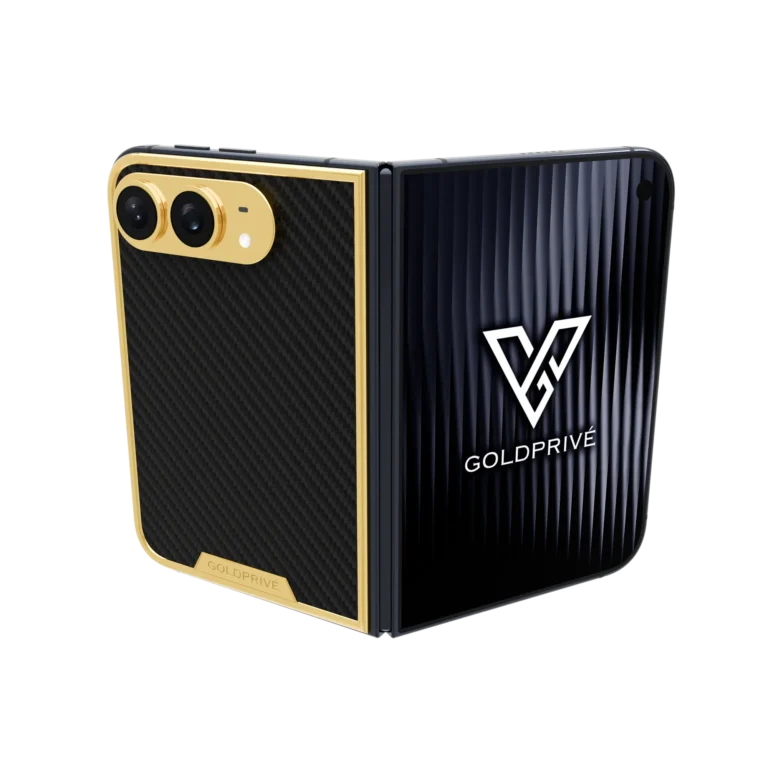
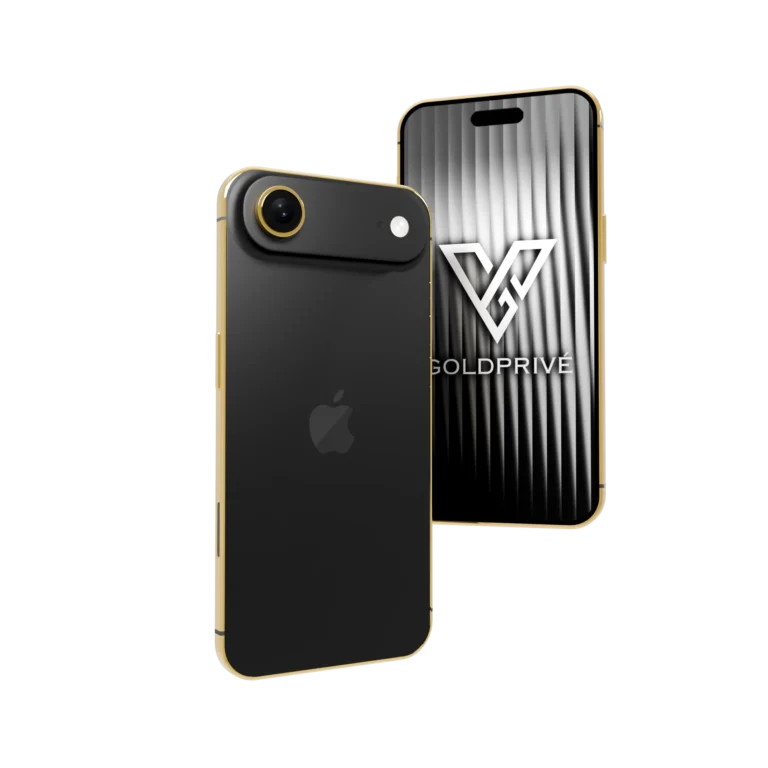
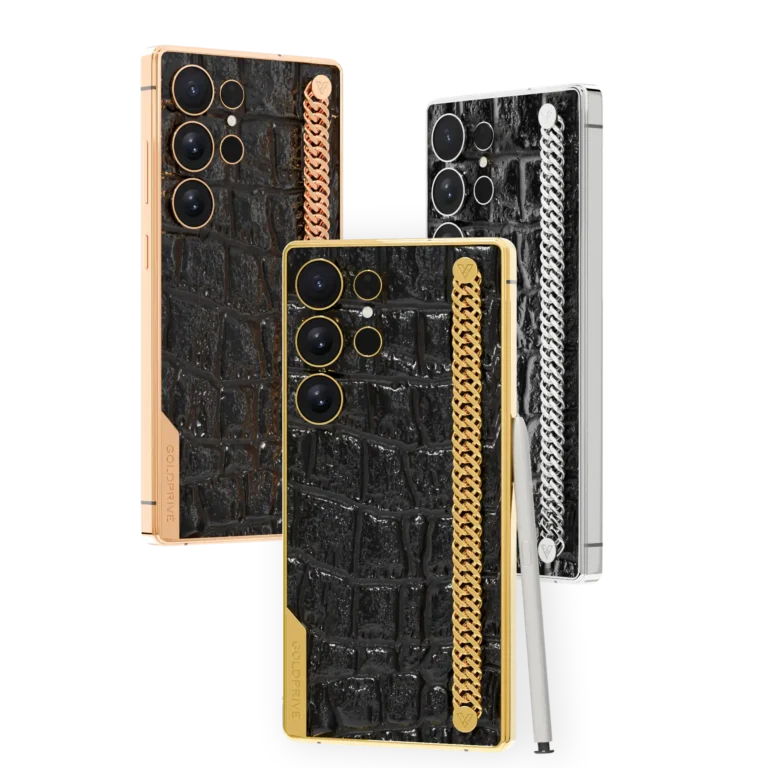
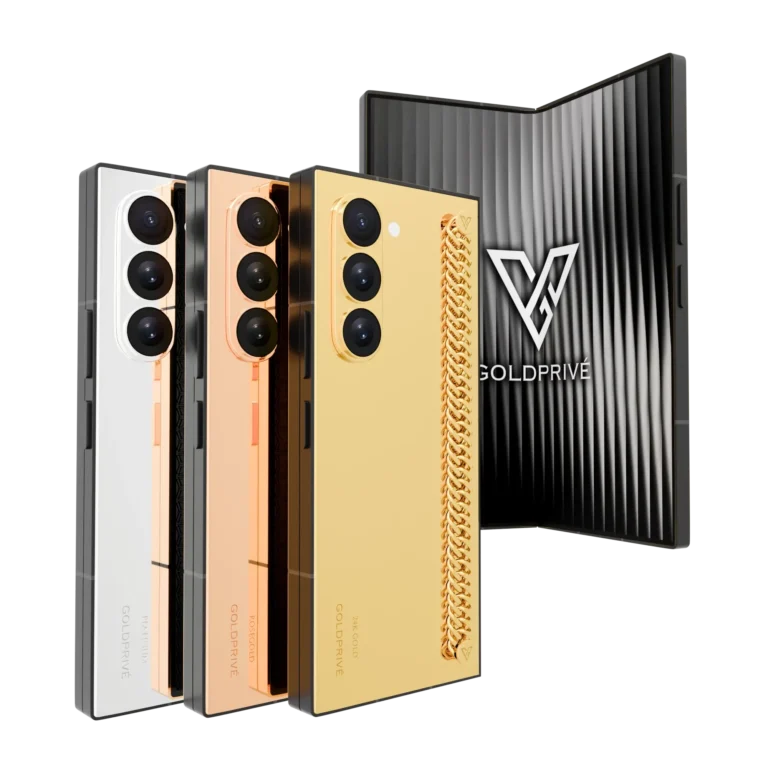
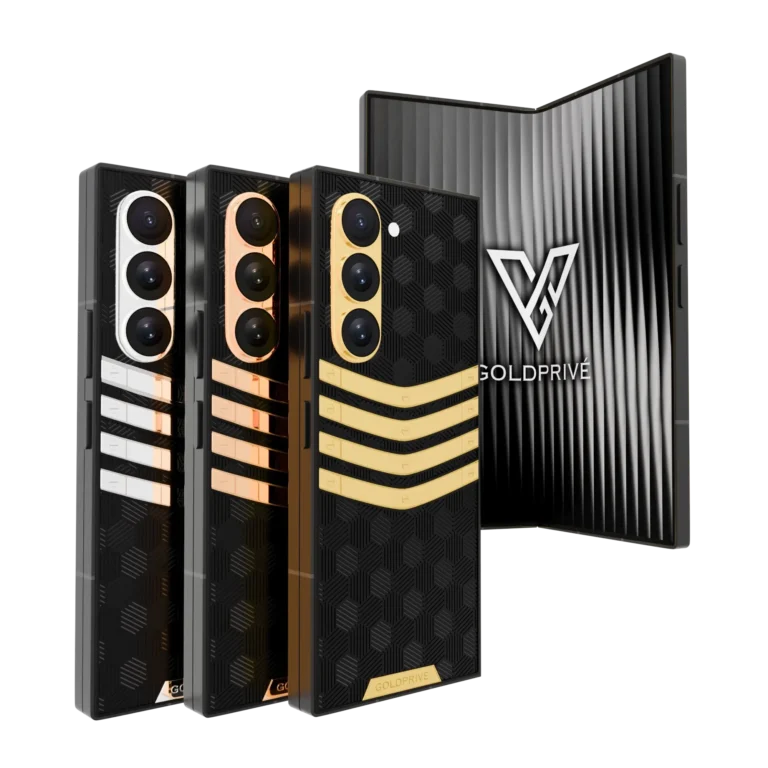
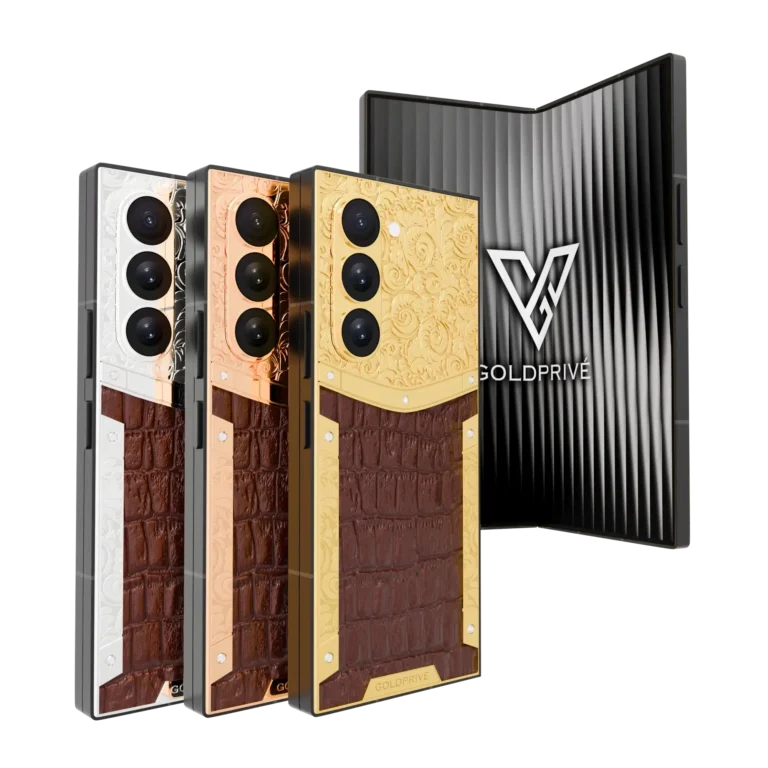
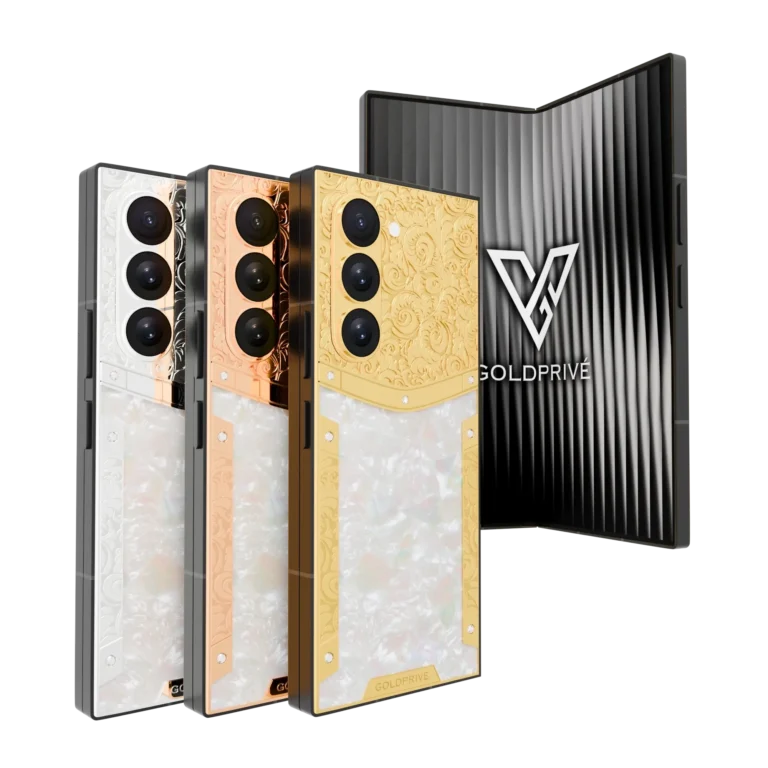
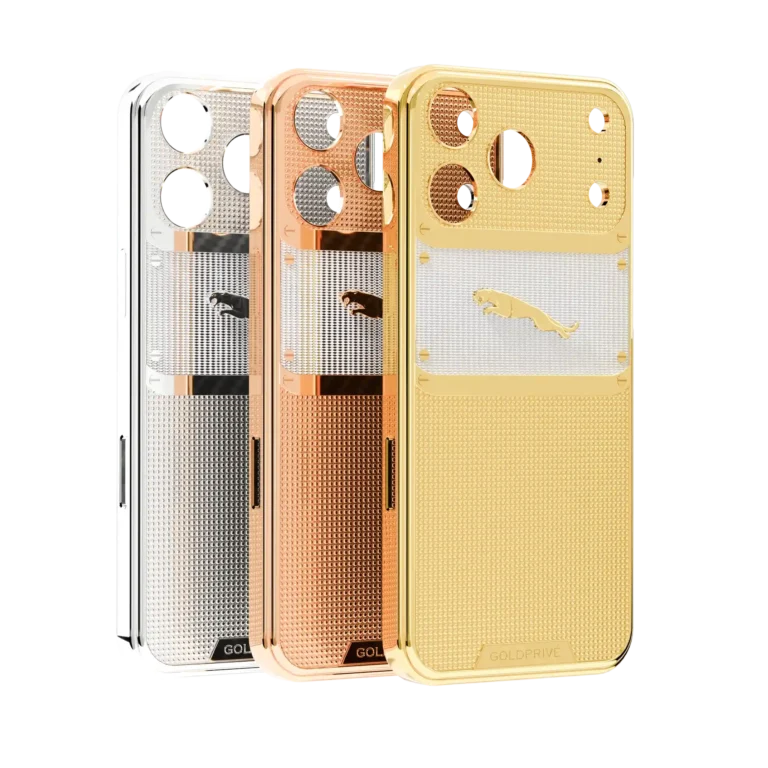
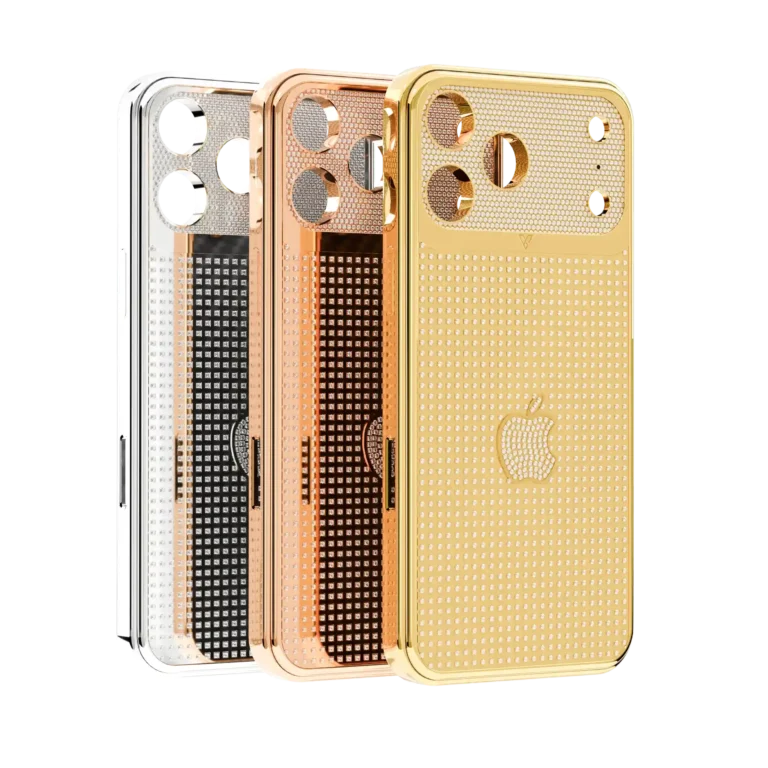
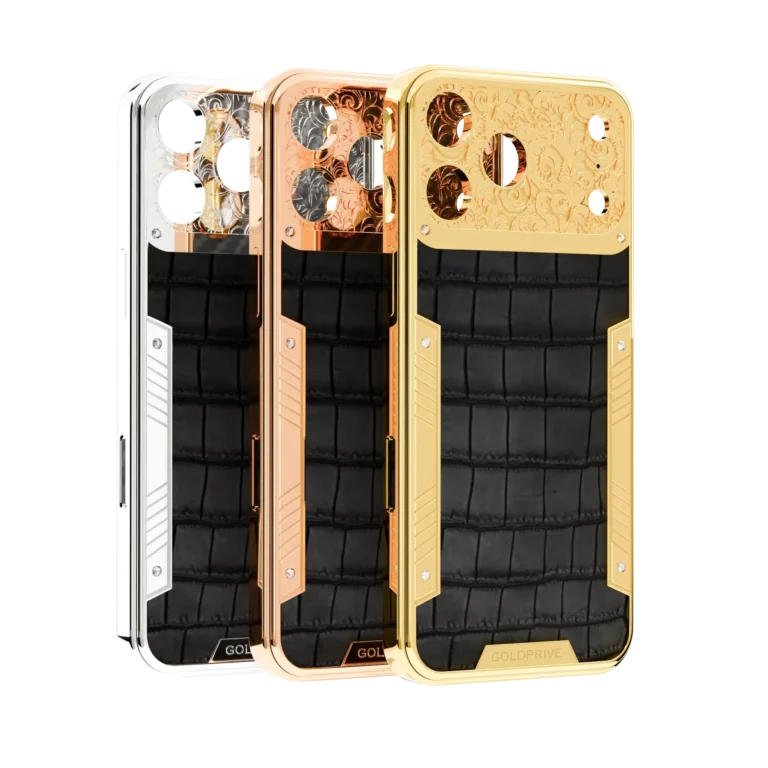
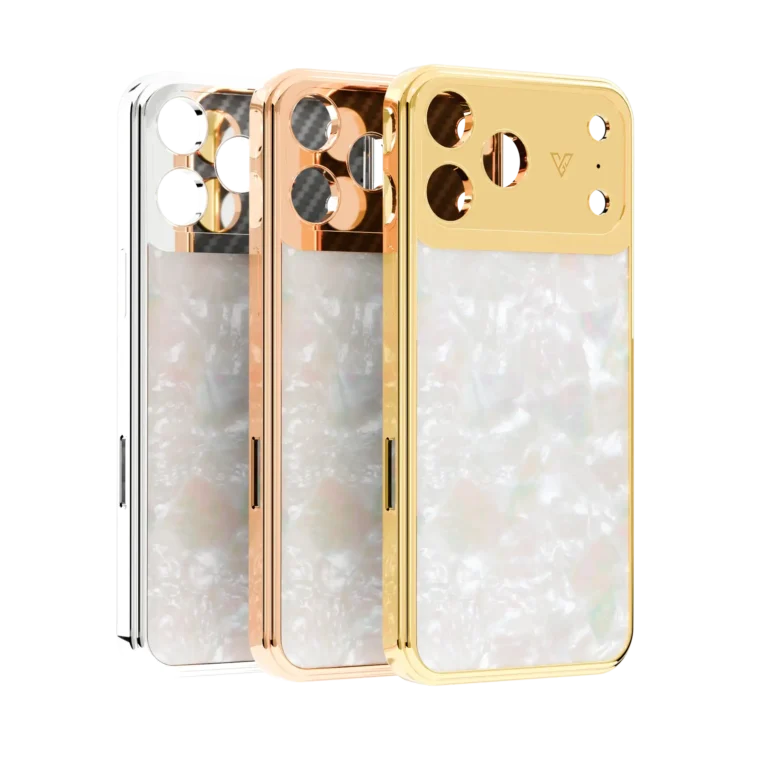
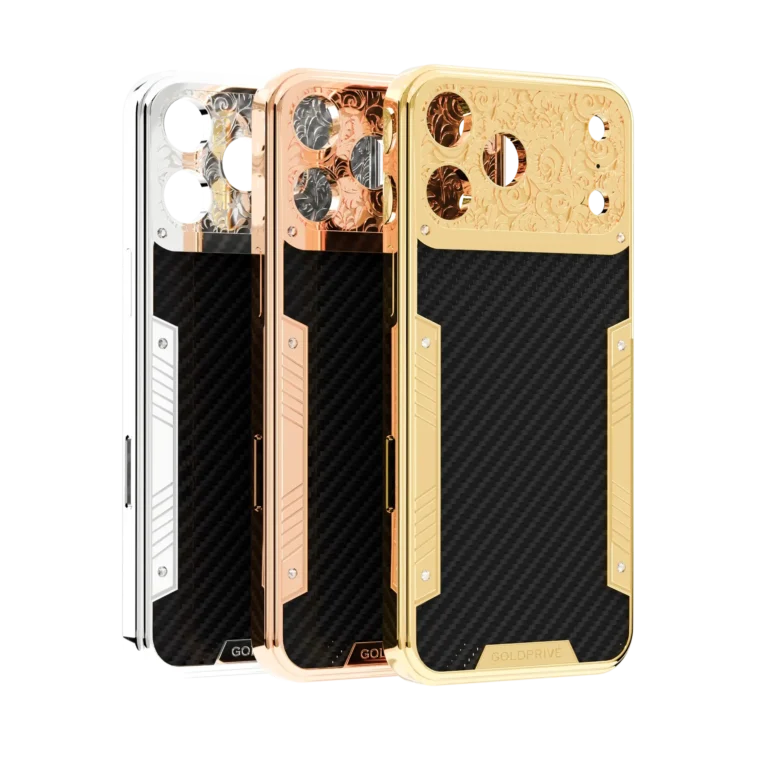
On a personal device such as a phone, practical limits matter more than the chemistry class. At GoldPrivé, finishes are 24K gold, rose gold or platinum at 5 to 7 microns on a genuine, factory-new device. The frame and hinge of a foldable are never plated, a customised device is not water resistant, and the manufacturer may treat it as modified. Features such as wireless charging, tap-to-pay or MagSafe depend on the design, because a plated back can block them, so always read the individual product listing. Our warranty page sets out the 2-year customisation warranty, and GoldPrivé Care covers refresh and recustomisation options. We do not promise a lifespan, because wear depends on how a device is used.
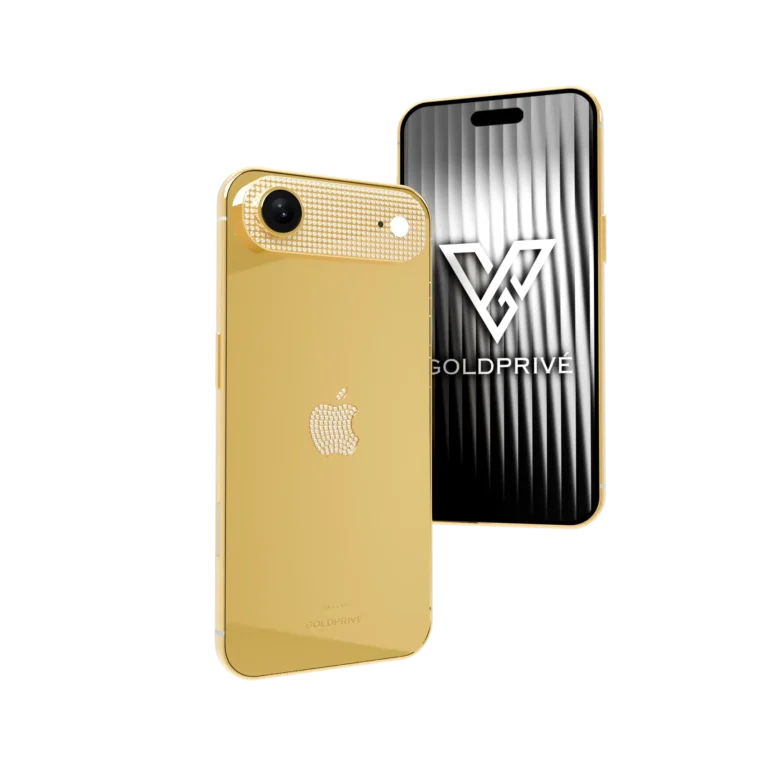
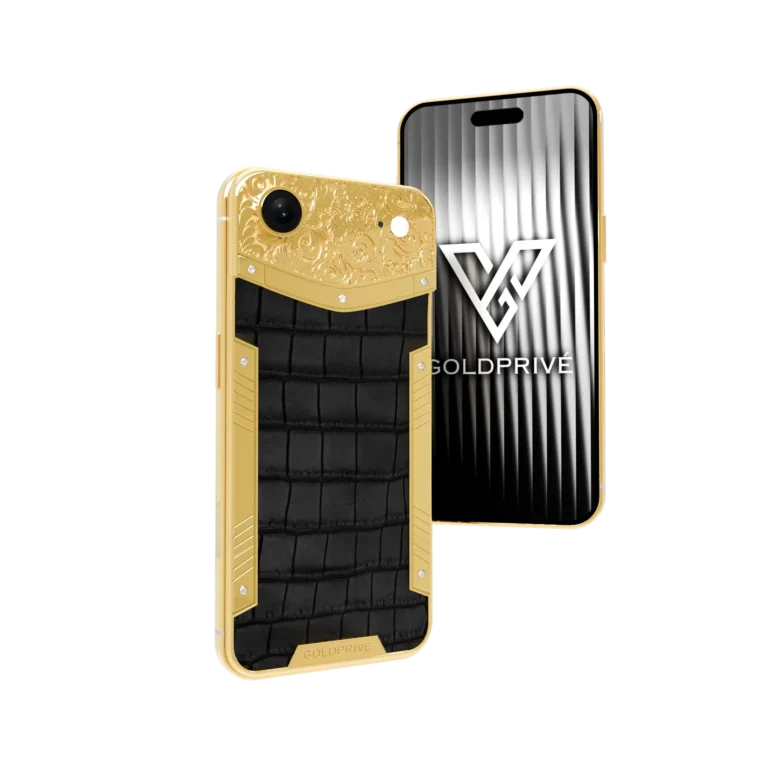
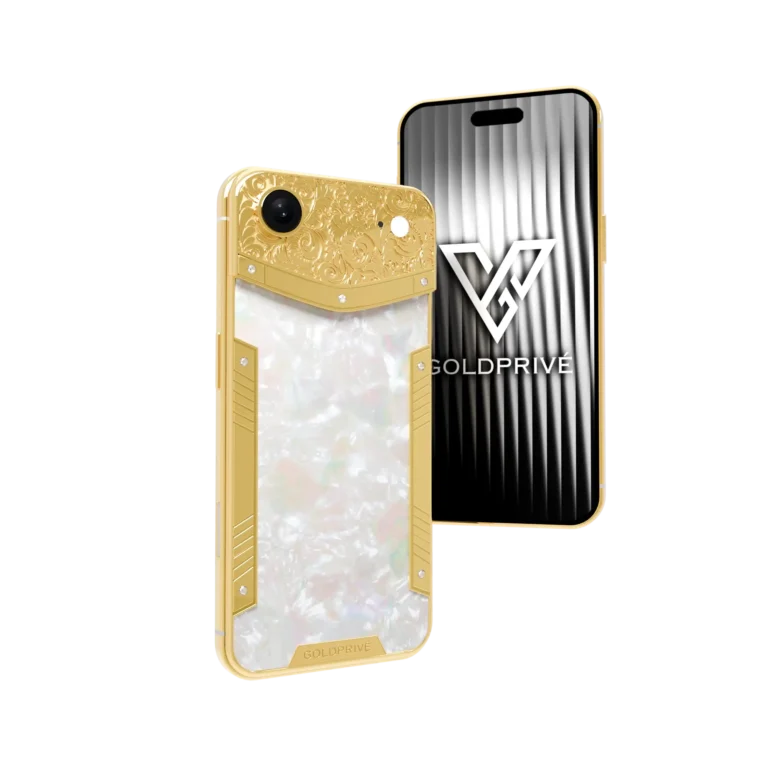
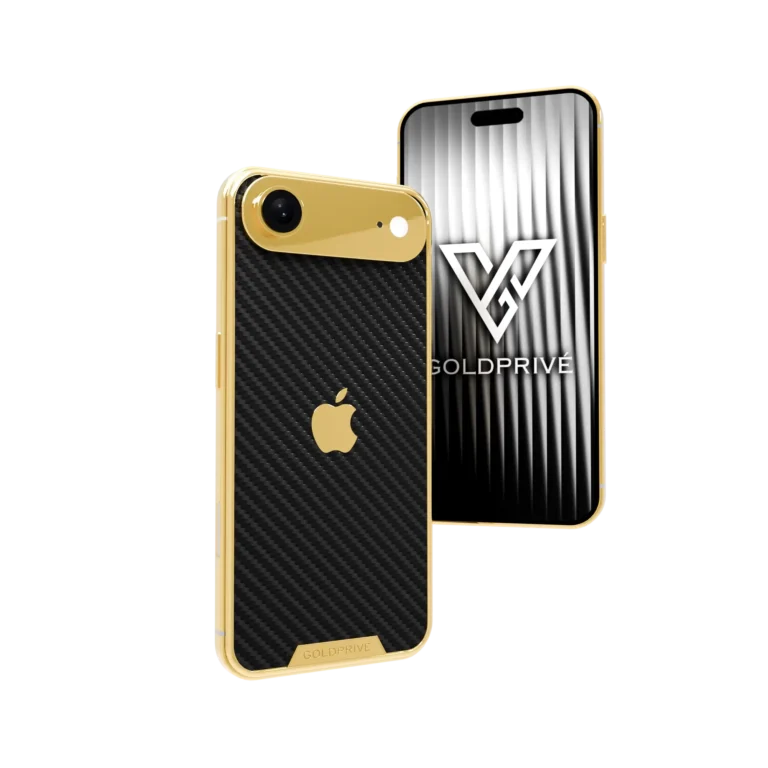
If you want to see what is available today, the Galaxy S26 Ultra collection starts from $ 3,010, and the Z Fold8 Ultra collection is built for those who prefer a foldable. The Gold iPhone Duo range carries the wording Pre-orders start now.
Questions to Ask Any Gold Plating Provider
- What is the deposit purity, and is it pure gold or an alloyed hard gold?
- What thickness will be applied, and how is it verified?
- How is the surface prepared, and is a strike or barrier layer used?
- Which parts are plated and which are deliberately left untouched?
- What happens to spent solutions and rinse water?
- What warranty covers the finish, and what voids it?
Specific, consistent answers are the sign of a real workshop. Vague answers, or a refusal to discuss what is excluded, are the sign to walk away. Our guides on what can and should not be plated and on what determines project cost help you frame the rest of the brief.
Questions about a finish, a device or a timeline? Our team answers them directly.
Frequently Asked Questions
What is in a gold plating solution?
An electrolyte containing dissolved gold in a stable form, plus chemicals that control acidity, conductivity and deposit quality such as brightness and hardness.
Is cyanide always used for gold plating?
No. Cyanide baths are common, but non-cyanide systems, generally sulphite or chloride based, are also a recognised class used for gold and gold alloy plating.
What is hard gold?
A very high-purity gold deposit that includes trace nickel or cobalt, making it harder and more wear resistant than pure gold. It was developed largely for electrical contacts.
Does the chemistry decide how long plating lasts?
It contributes, but thickness, surface preparation, the base metal and everyday use matter at least as much.
Can I mix a plating solution at home?
We strongly advise against it for luxury work. Some baths are hazardous, and a professional result also depends on preparation and control that a home setup rarely provides.
Is a gold-plated device water resistant?
No. A customised GoldPrivé device is not water resistant, and liquid damage voids the warranty.
Which metals does GoldPrivé offer?
24K gold, rose gold and platinum, applied at 5 to 7 microns, and priced the same within a given design.
What is a strike layer?
A very thin initial deposit, usually under 0.1 micrometre, that improves adhesion for the main plating that follows.
Sources and Further Reading
- Gold plating: chemistry classes, hard gold and jewellery thickness terms
- Electroplating: electrolytes, anodes and strike layers
- World Gold Council: gold market and industry background