Blog
Gold Plating Kit vs Professional Gold Plating Service

Gold Plating Kit vs Professional Gold Plating Service
A gold plating kit costs a fraction of a professional job, so the comparison looks easy. It is not. The two are different products with different goals, and the right choice depends on what you are plating and what happens if it goes wrong. This guide sets out the real trade-offs for buyers weighing a hobby kit against a specialist service, especially for luxury devices.
Key Takeaways
- A kit suits small, low-value, non-electronic items where an imperfect finish is acceptable.
- A professional service controls preparation, thickness, bath chemistry and finishing, the factors that decide how the result looks and lasts.
- Electronics and luxury devices are the worst candidates for home plating: a failed attempt can be impossible to undo.
- Gold thickness, not the word “24K”, largely determines wear. Ask for it in microns, in writing.
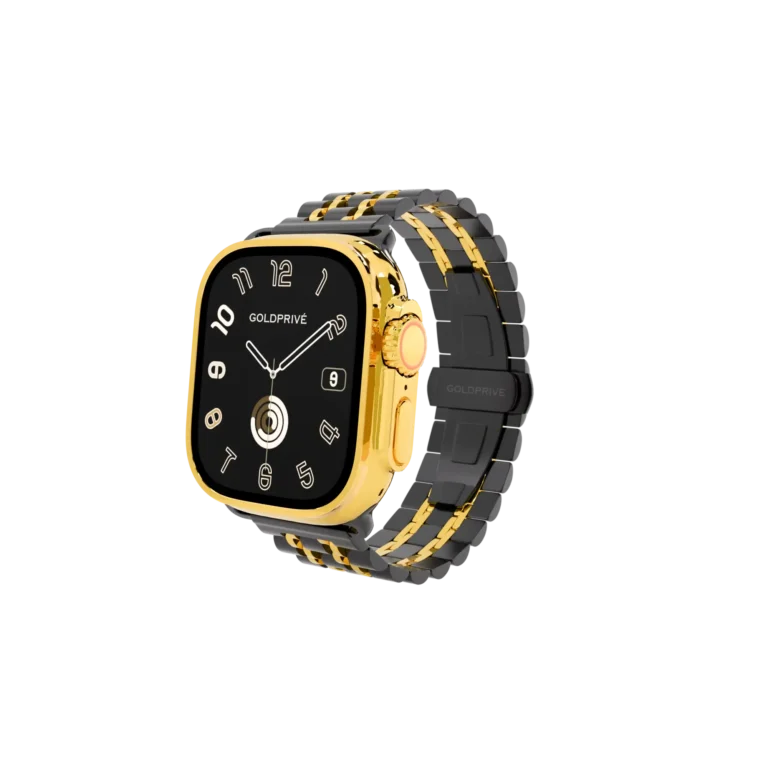
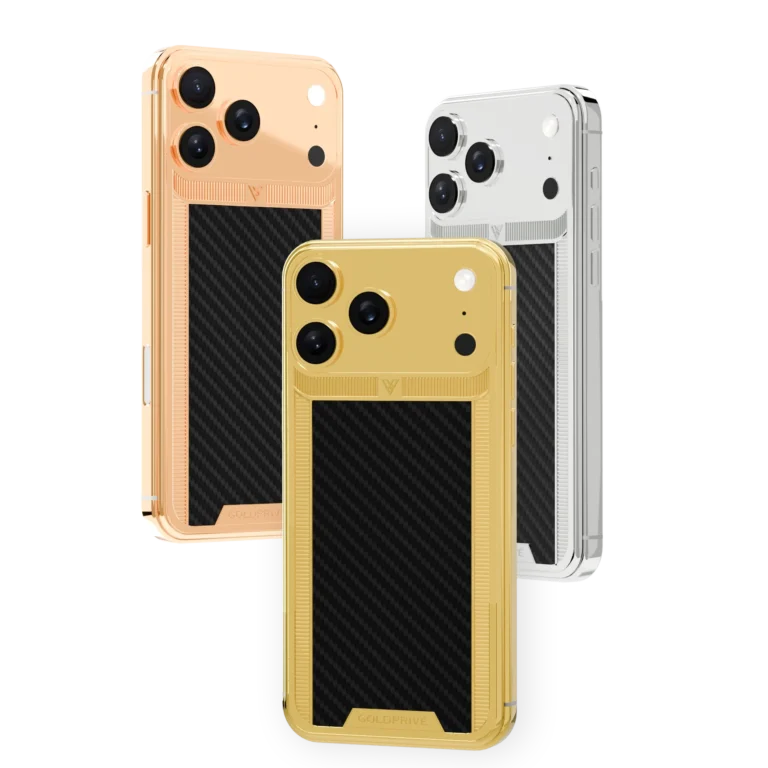
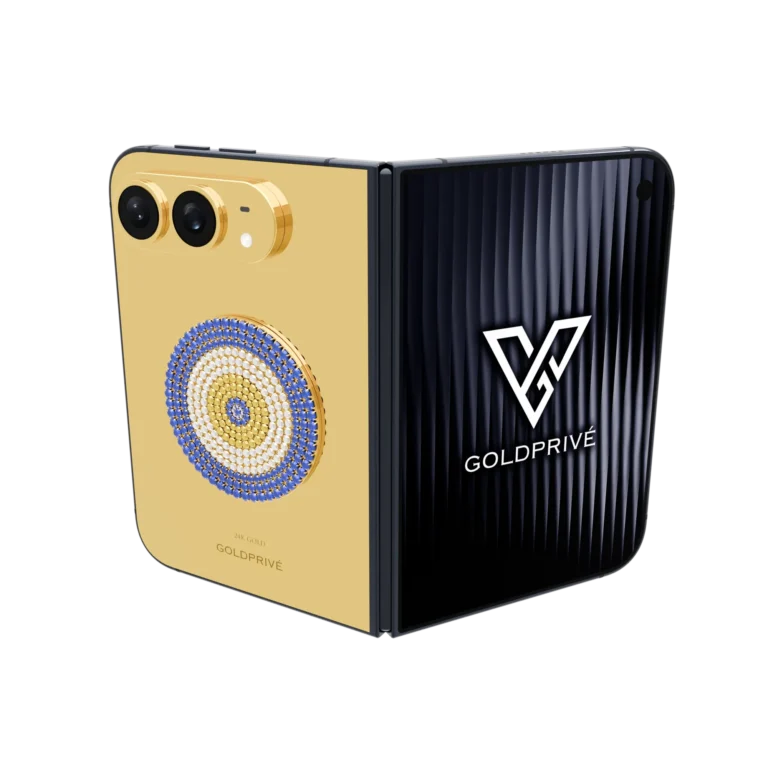
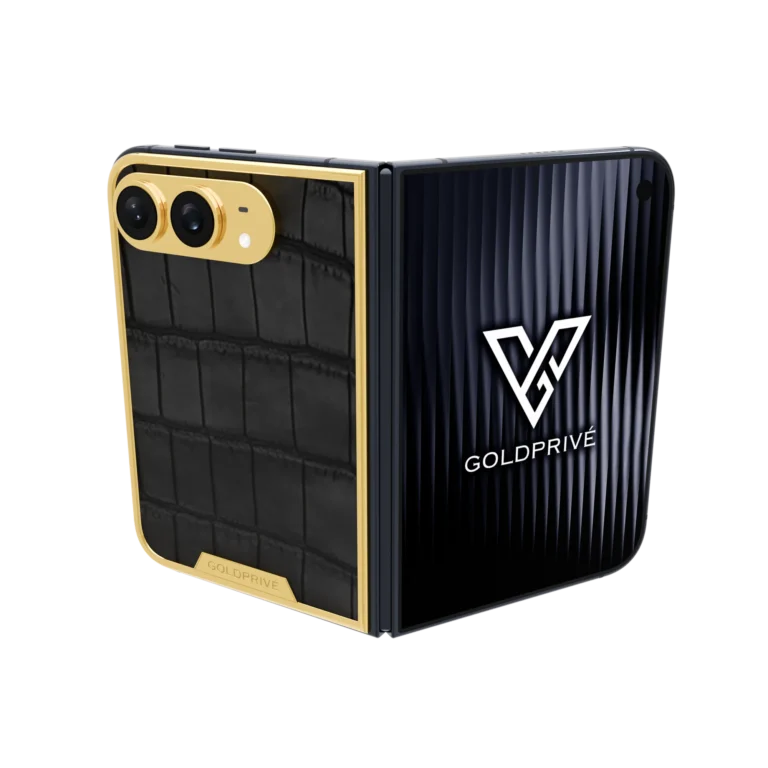
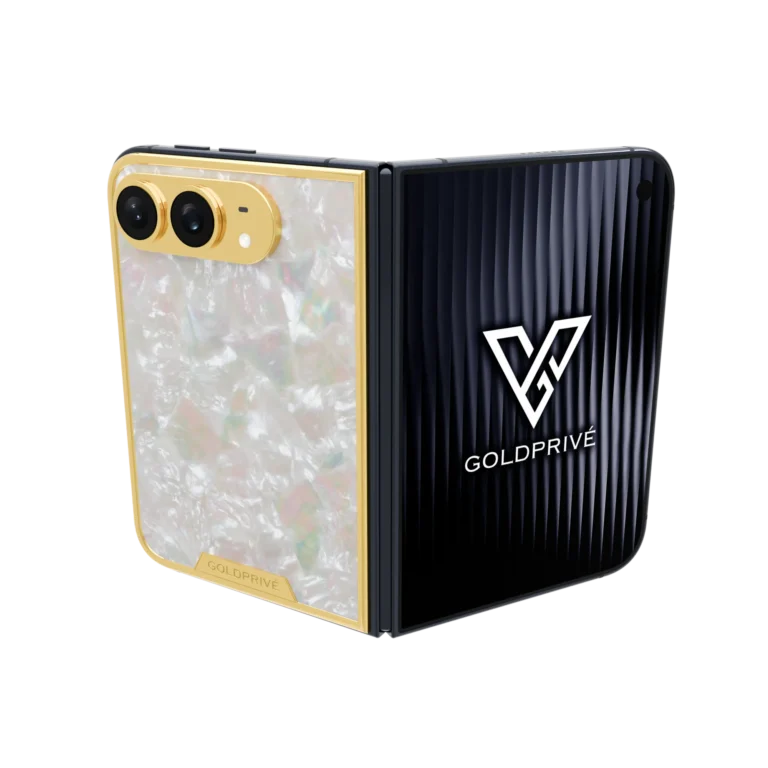
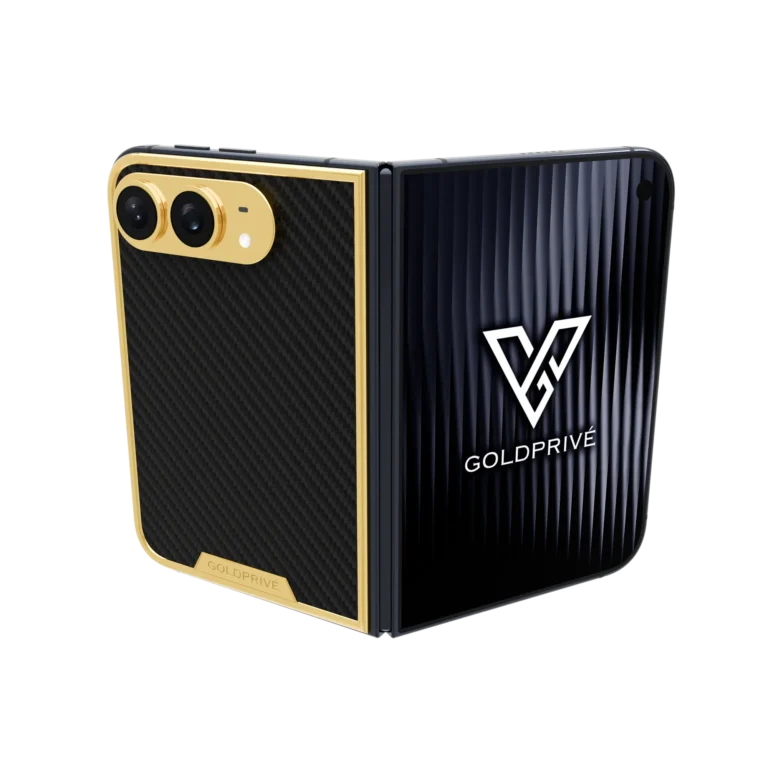
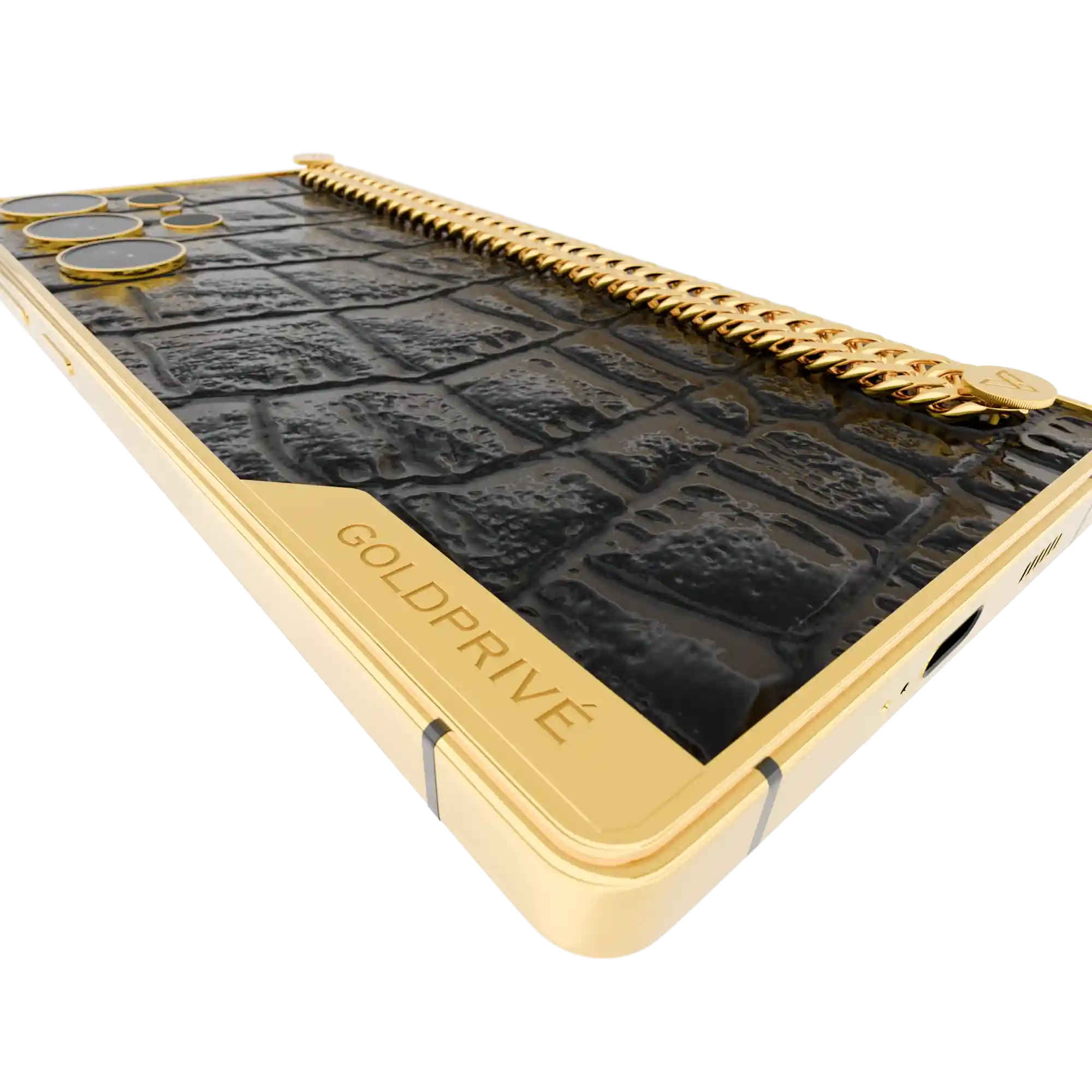
- GoldPrivé applies 24K gold, rose gold or platinum at 5 to 7 microns on a genuine factory-new device, backed by a written customization warranty.
What a gold plating kit actually does
Consumer kits typically use a small power source, a pen or brush applicator or a small tank, and a gold solution. The part is connected to the circuit and the gold is deposited from the solution onto the surface. This is the same underlying principle as industrial electroplating, scaled down.
The principle is simple. The results depend on everything around it: how clean the surface is, what metal lies underneath, how long the current runs, and how evenly the gold is applied. A kit hands all of those variables to you.
Where kits work reasonably well
- Small craft and hobby pieces where a patchy or thin finish is acceptable
- Learning how plating behaves before commissioning professional work
- Touching up a small, inexpensive, non-critical item
Where kits tend to disappoint
- Large surfaces, where an even colour and thickness are difficult to achieve by hand
- Non-metal or mixed-material objects that need a conductive layer first
- Anything expected to survive daily handling for years
What a professional service adds
A specialist is not simply selling a bigger version of the kit. The value sits in the steps that are invisible in the finished piece.
Preparation
Cleaning, polishing and activating the surface so the deposit bonds properly. Most plating failures trace back to poor preparation.
Controlled deposit
Managed current, bath conditions and time, so thickness is deliberate and consistent rather than approximate.
Finishing and checks
Inspection, correction of defects and a finished surface that matches the agreed specification.
For background on process, thickness and durability, see our guides to gold plating explained and how long gold plating lasts.
Side-by-side comparison
| Factor | Plating kit | Professional service |
|---|---|---|
| Upfront cost | Low | Higher |
| Surface preparation | Limited by your tools and experience | Specialist process |
| Thickness control | Approximate | Specified and managed |
| Evenness on large areas | Difficult | Designed for it |
| Learning curve and rework | Yours to absorb | Handled by the maker |
| Chemical handling | Your responsibility | Trained staff and proper facilities |
| Warranty or recourse | Rarely any | Written terms, where offered |
| Best suited to | Small, low-value pieces | Valuable, sentimental or technical items |
Thickness: the number that matters
“24K” describes purity, not how much gold is on the surface. Durability follows thickness. In the United States, the FTC’s jewelry guidance ties the term “gold electroplate” to a minimum of 0.175 microns of at least 10-karat gold, and the 2018 revision stopped allowing “gold flashed” or “gold washed” for coatings below that level. You can read the Federal Register notice and the current 16 CFR Part 23 text.
Many kits do not state a deposited thickness at all, and thin decorative layers can wear through quickly on anything handled daily. A specification in writing is a reasonable test of a serious provider.
Safety and chemistry at home
Electroplating involves chemicals and electrical current. Commercial plating baths vary widely, and some gold chemistries have historically been cyanide-based; safety data sheets for gold plating solutions commonly carry hazard warnings for skin, eye and environmental harm. Even where a kit is formulated to be milder, you remain responsible for ventilation, protective equipment, storage and lawful disposal of spent solution.
Professional workshops handle these as routine, with extraction, controlled waste routes and trained operators. If you are not set up to do the same, that is a real cost of the kit route. Our buyer-friendly chemistry overview explains the main solution types.
Why devices are different
Plating a bracelet and plating a smartphone are not the same problem. A phone contains a battery, a display, adhesives, seals, antennas and sensors. Immersion, heat or stray current in the wrong place can cause damage that no polish will reverse.
There is also the question of what the manufacturer will accept. A customized device is not water resistant and may be treated by the manufacturer as modified, so any customization affects its warranty position. Doing it yourself with a kit gives you no customization warranty at all, and a failed attempt on a genuine device is an expensive lesson.
The same logic applies to resale. A device with an uneven or amateur finish is harder to sell and harder to restore, while a professionally finished piece with documented specifications is easier to value and to hand on. For buyers who see their device as a long-term object rather than a project, that predictability is a large part of what they are paying for.
Plating kits and professional services use the same underlying electroplating principle. The FTC guidance sets 0.175 microns as the minimum for “gold electroplate” in the United States. GoldPrivé finishes devices in 24K gold, rose gold or platinum at 5 to 7 microns on genuine factory-new devices. See GoldPrivé warranty terms for what is covered. Wireless charging, tap-to-pay and MagSafe depend on the design, so check the listing before you buy.
Cost: the full picture
A kit is cheaper on day one. Professional work costs more because it includes labour, controlled chemistry, finishing and recourse. The honest comparison also counts the second attempt, the replacement of anything damaged, and the value of your time. We break down what drives professional pricing in our gold plating cost guide.
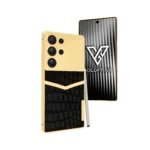
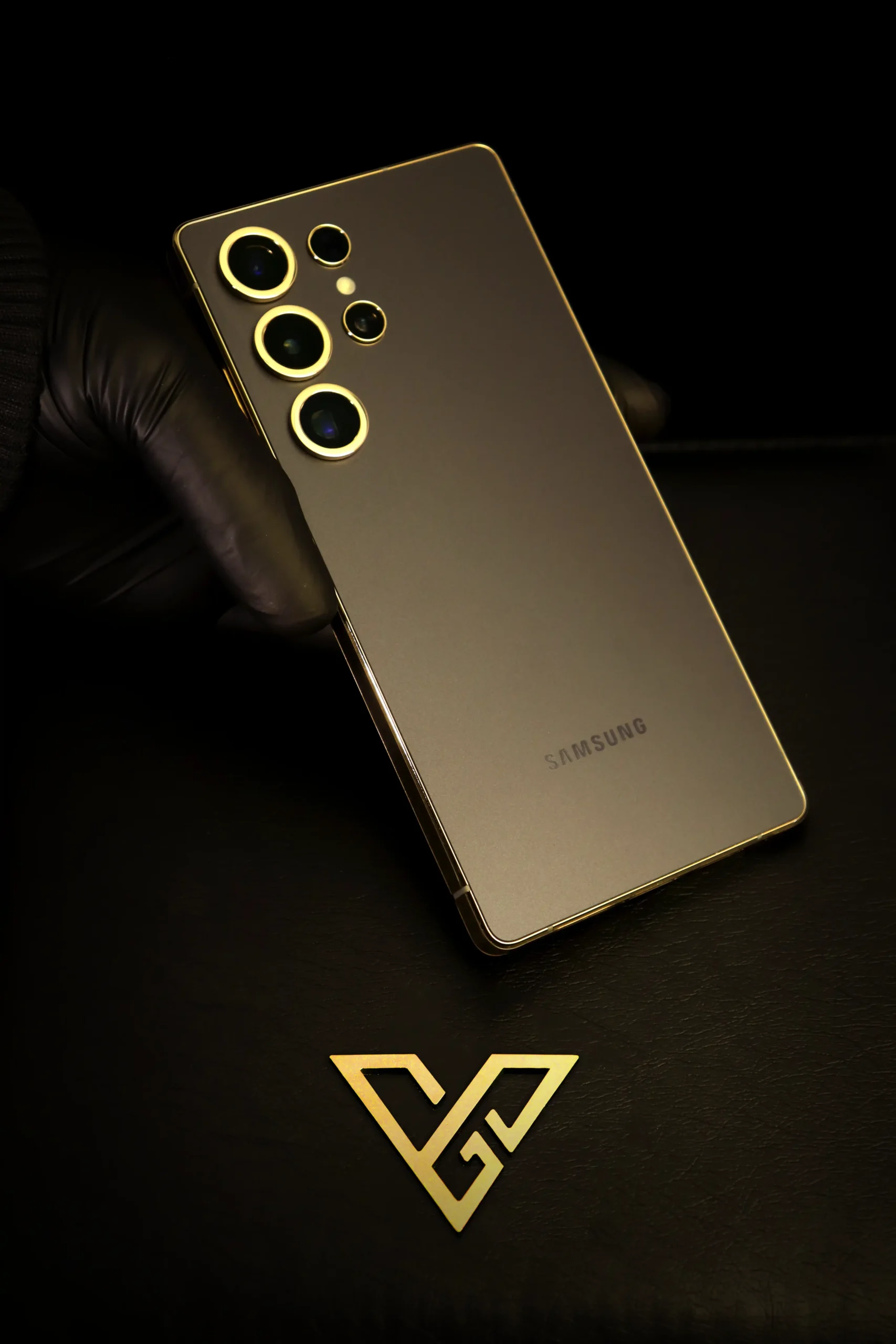
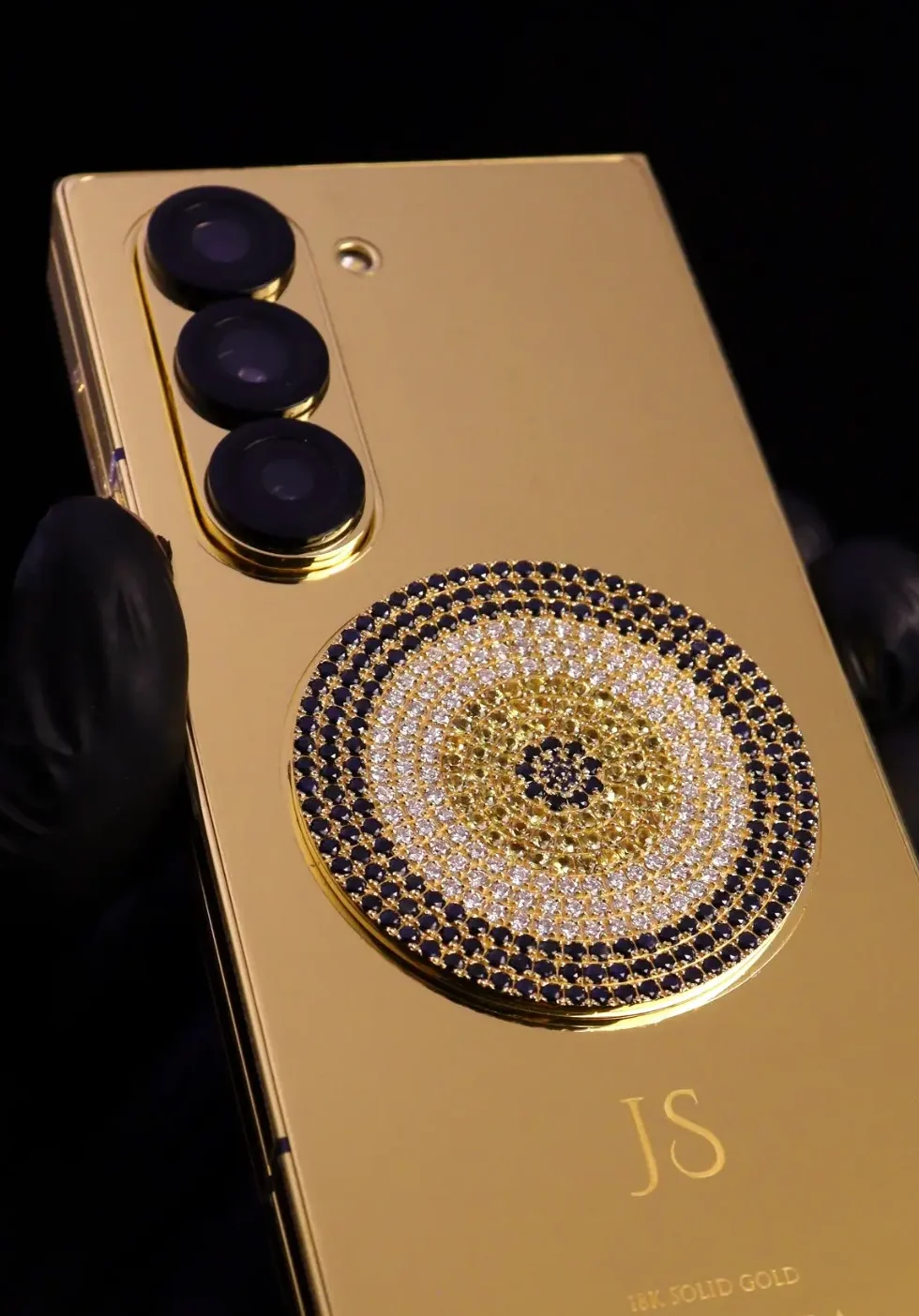
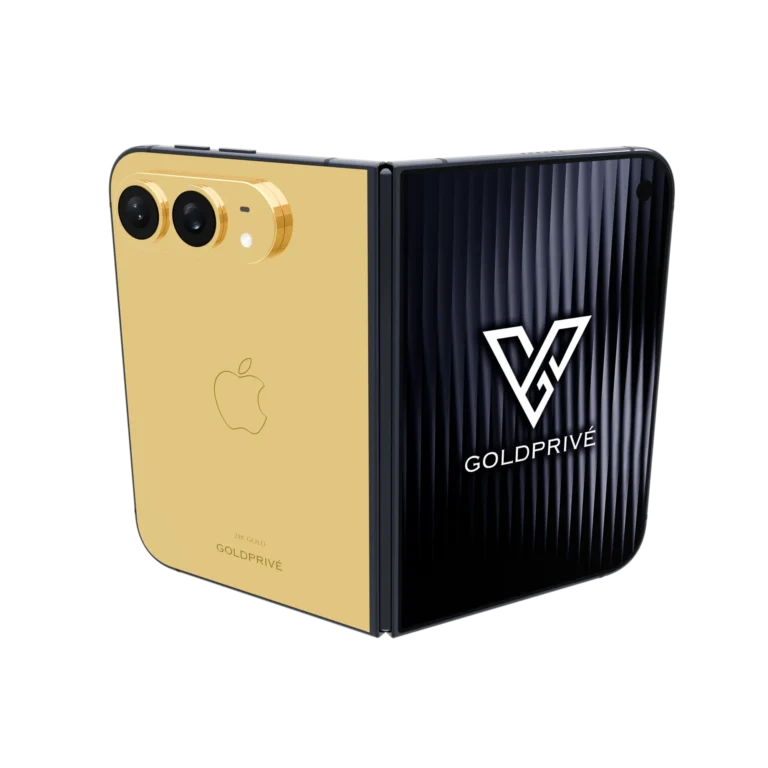
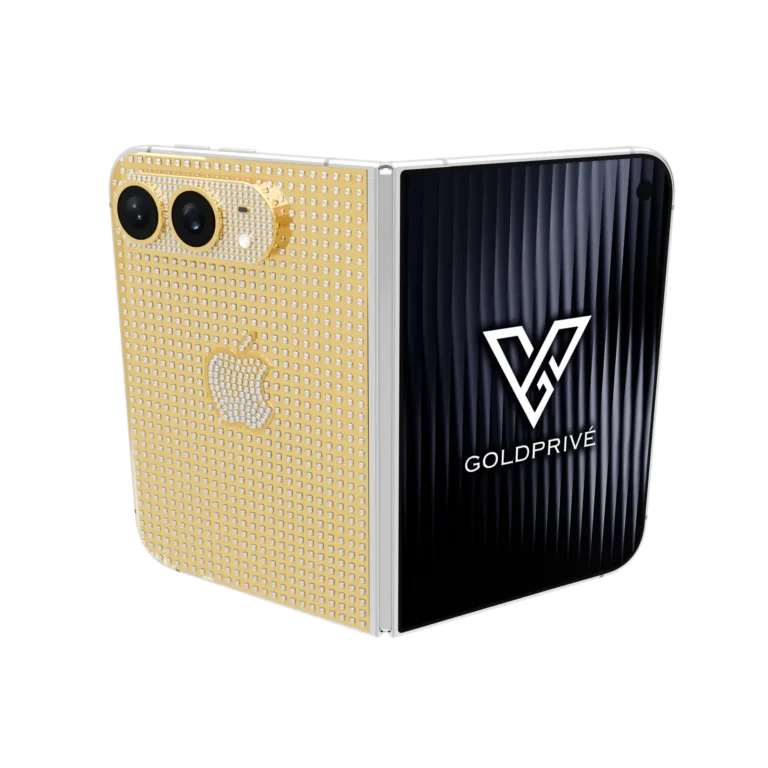
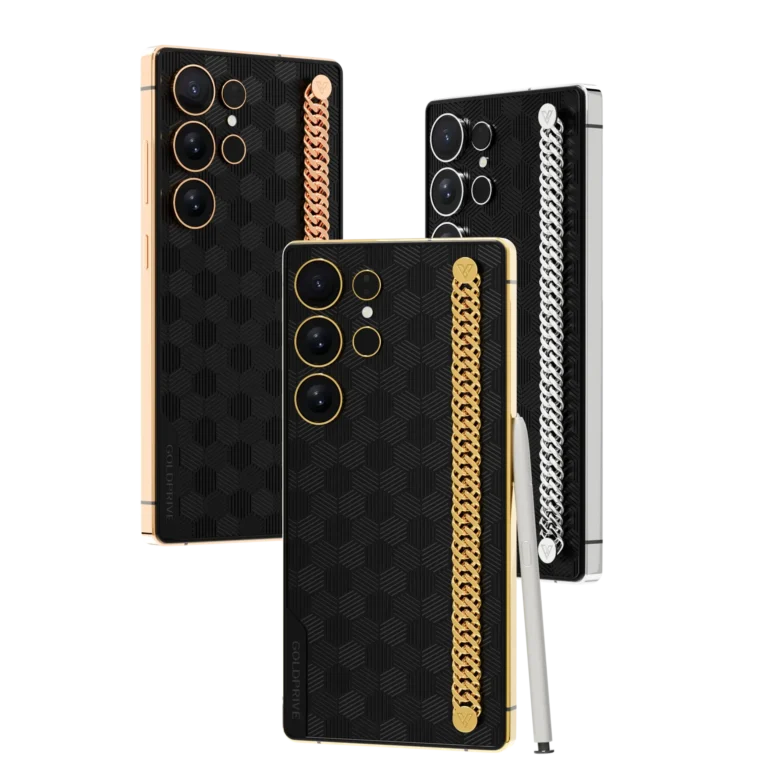
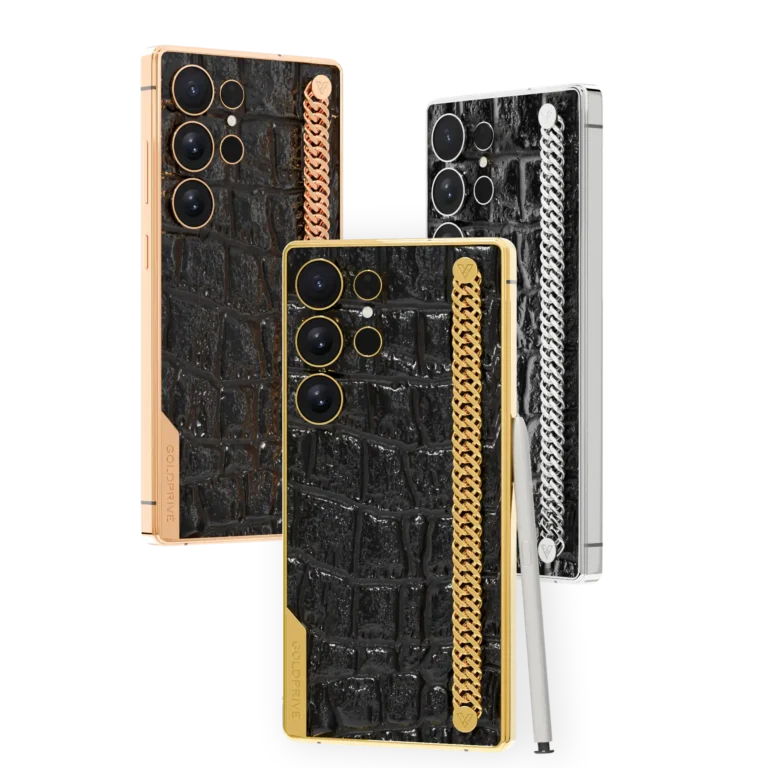
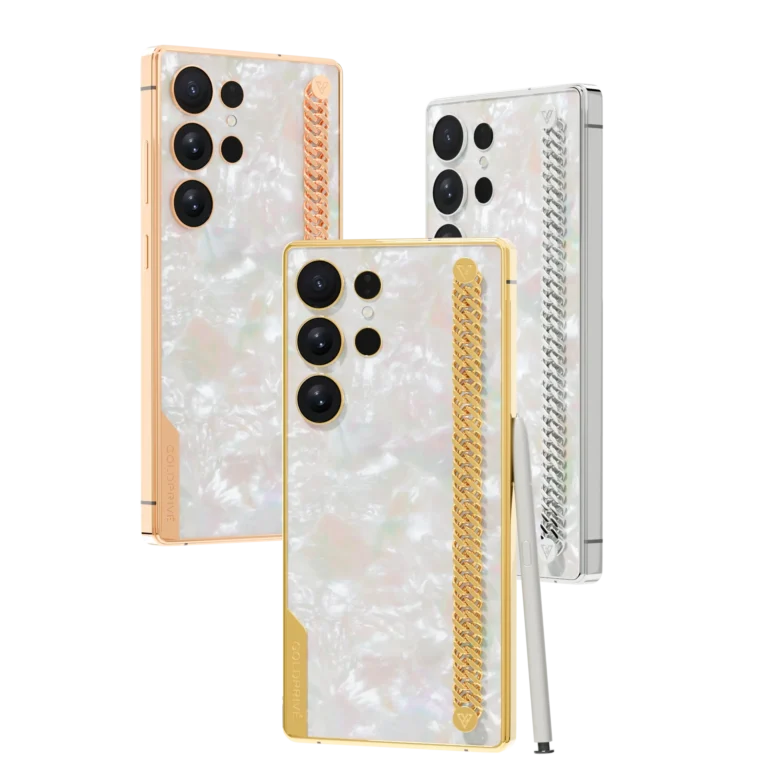
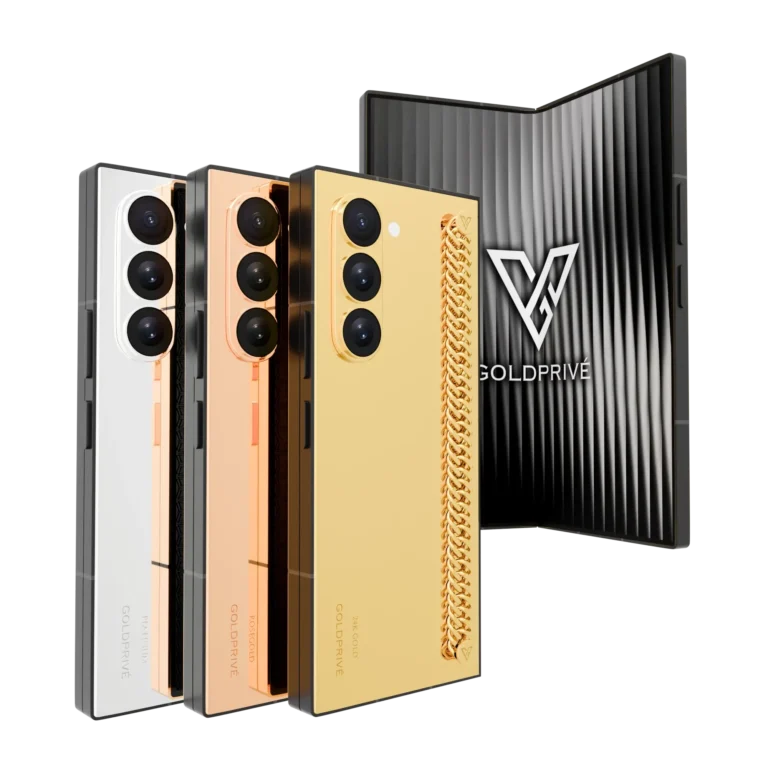
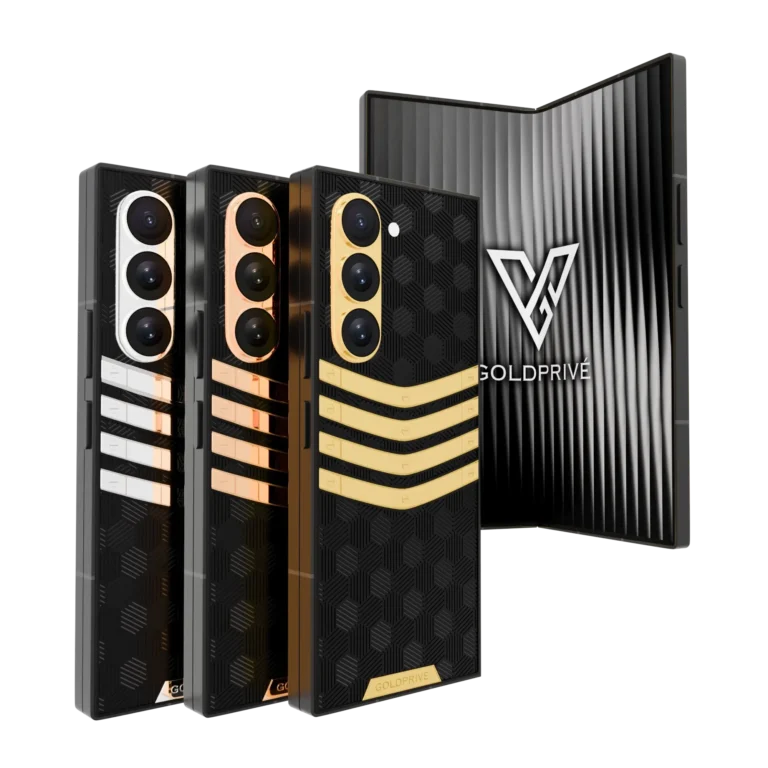
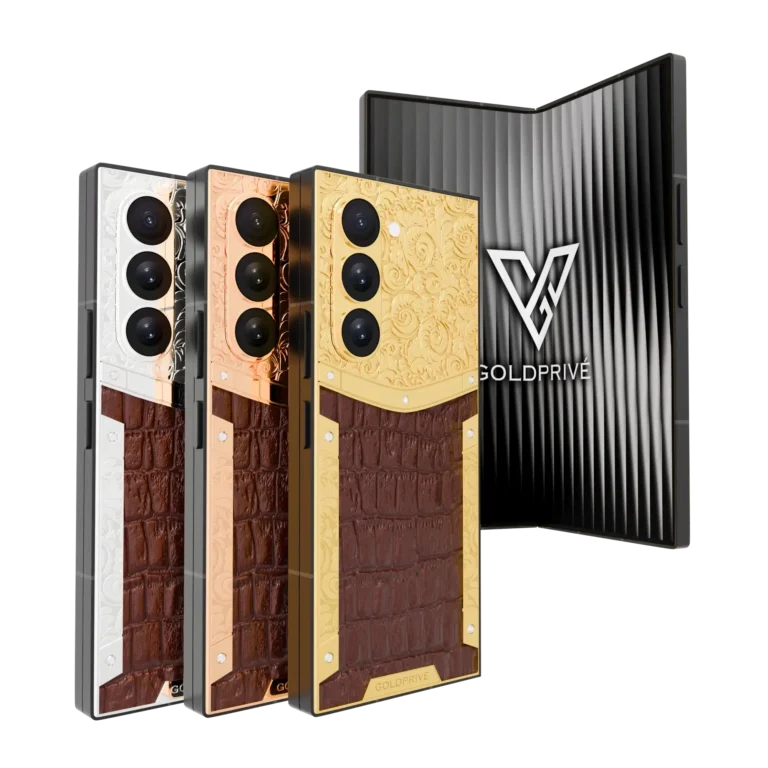
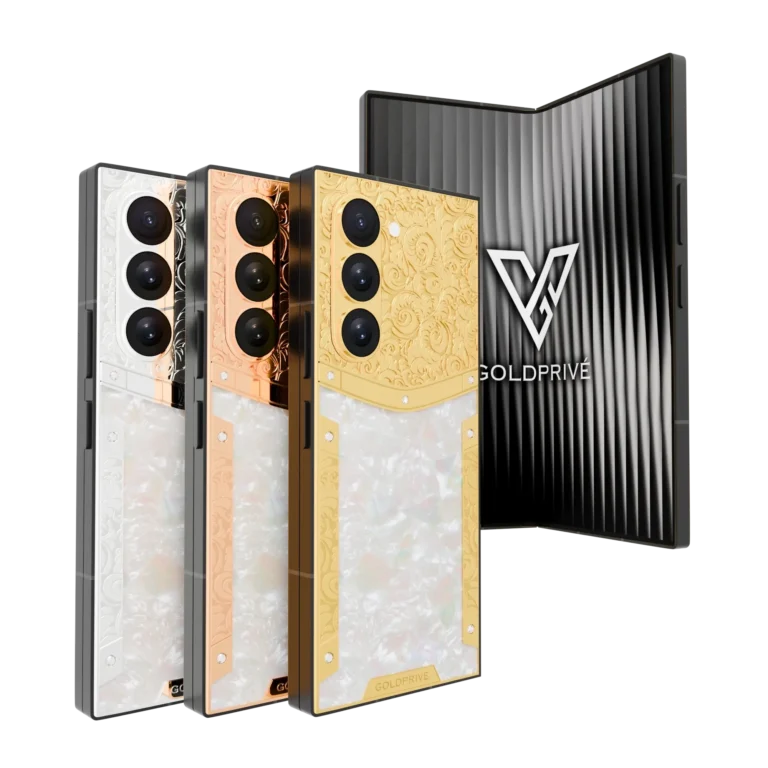
For reference, GoldPrivé Samsung Galaxy S26 Ultra designs currently start from $ 3,010, and Galaxy Z Fold8 Ultra designs from $ 5,880. These are finished, warrantied devices, not kit alternatives, but they show what the professional route buys. Frame and hinge are never plated on foldables.
How to choose
| If your item is… | Lean towards |
|---|---|
| Low-value, decorative, easy to replace | Kit |
| A learning project | Kit, on spare pieces |
| Sentimental, heirloom or gift | Professional service |
| A phone, laptop or other electronics | Professional service, ideally a specialist in that device |
| Expected to be worn or handled daily | Professional service with stated thickness |
Before commissioning anyone, ask: what thickness, in microns? What base preparation? What do you do about defects? What is the written warranty, and what does it exclude? Which parts of the item will not be plated? Clear answers are a good sign.
The GoldPrivé approach
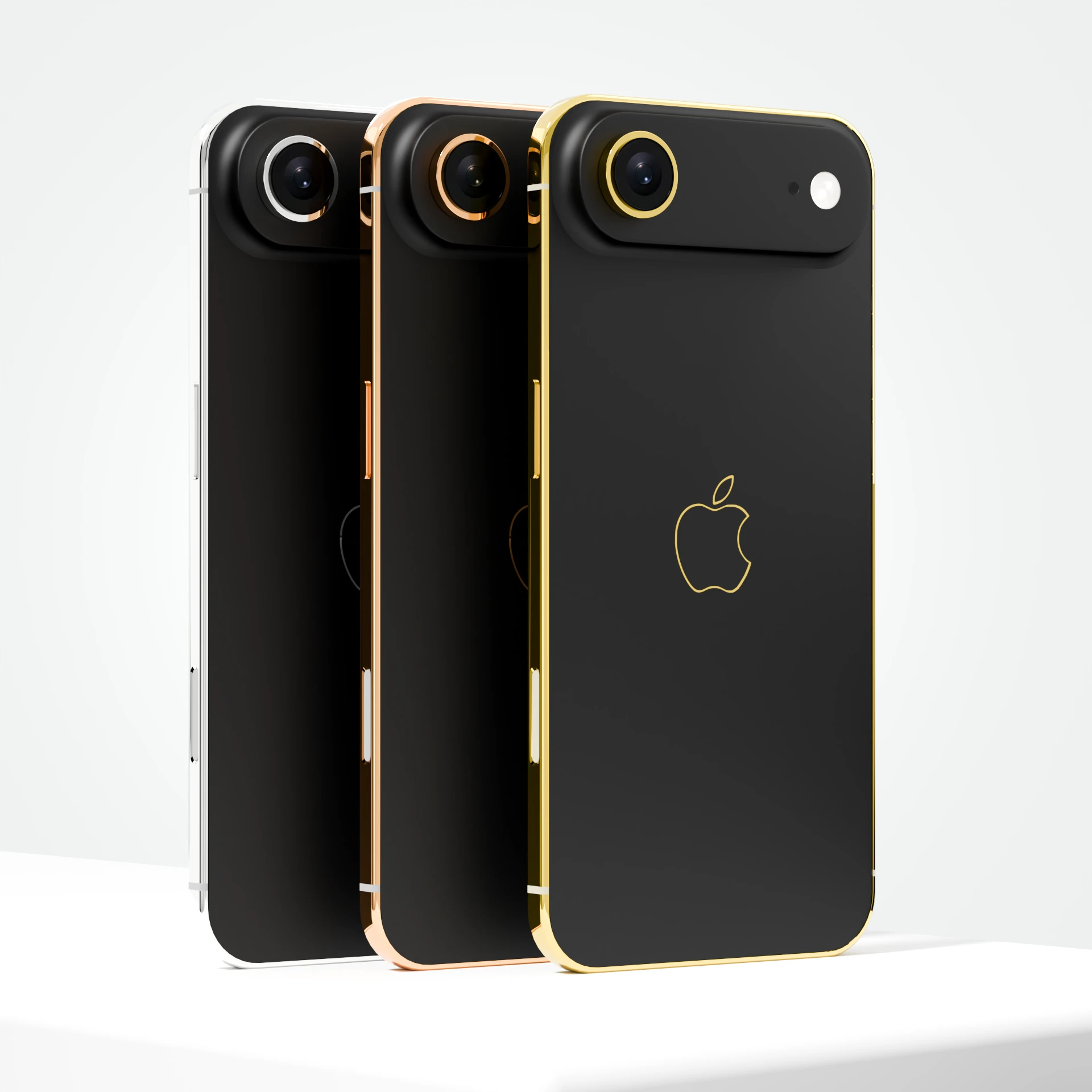
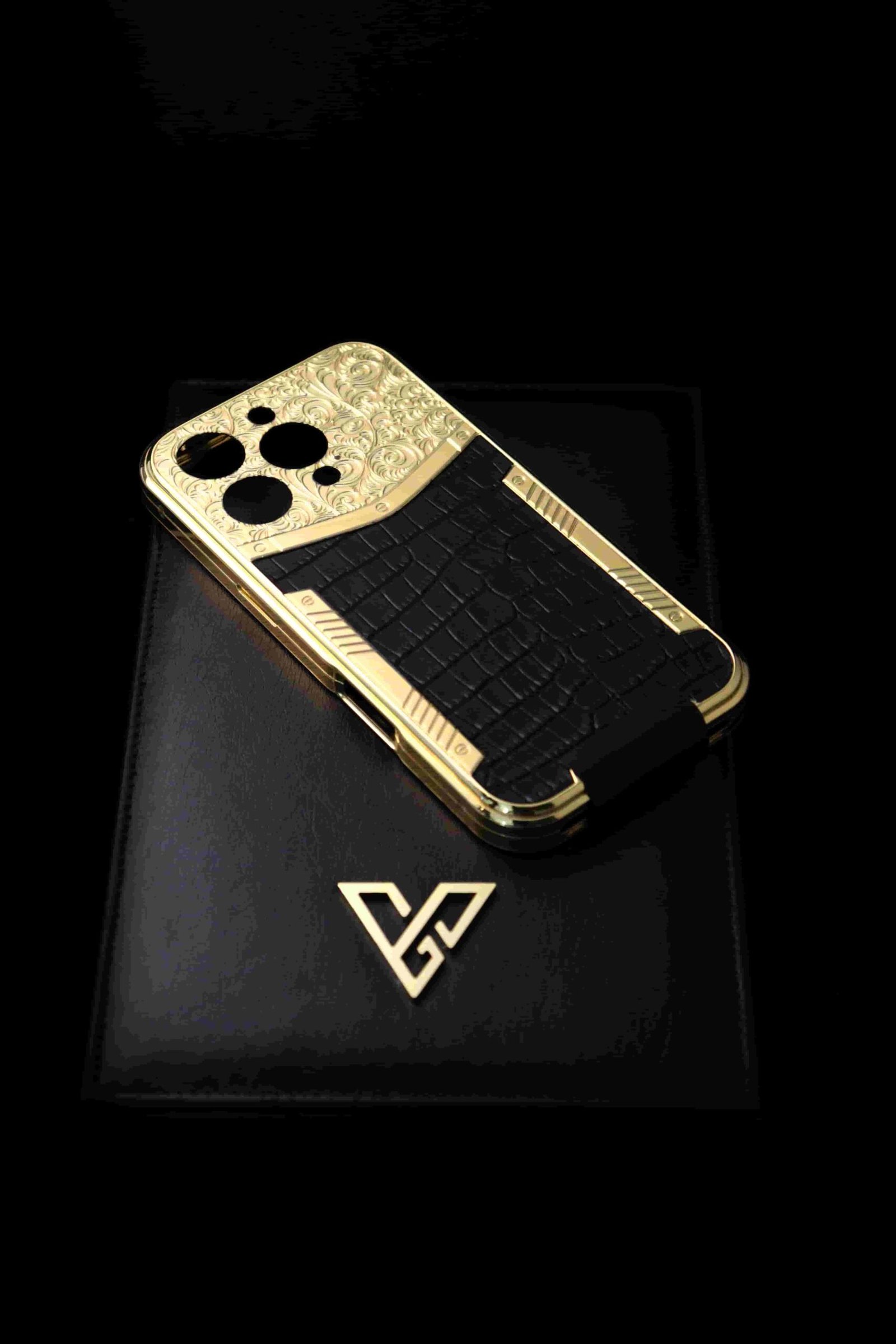
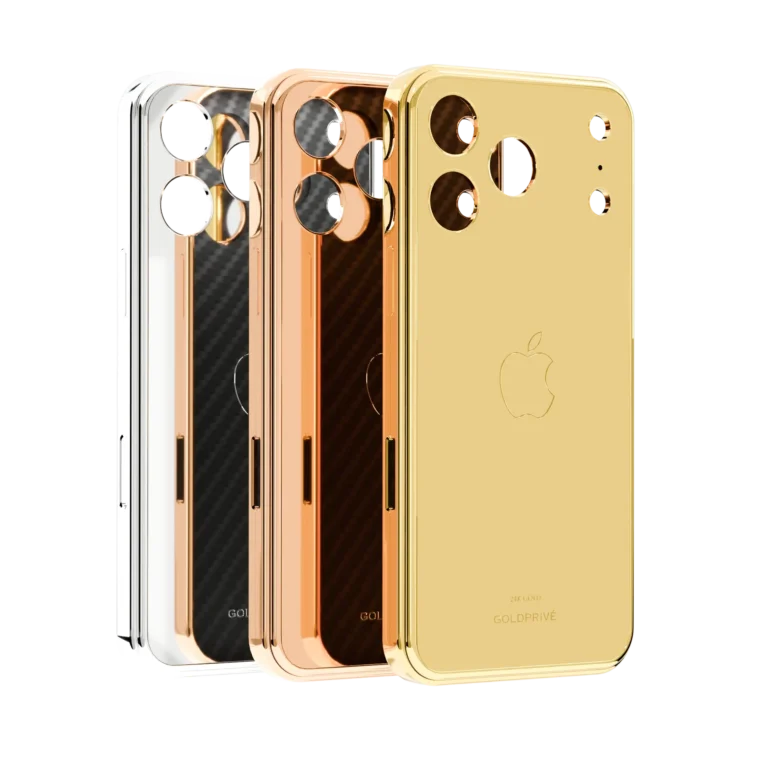
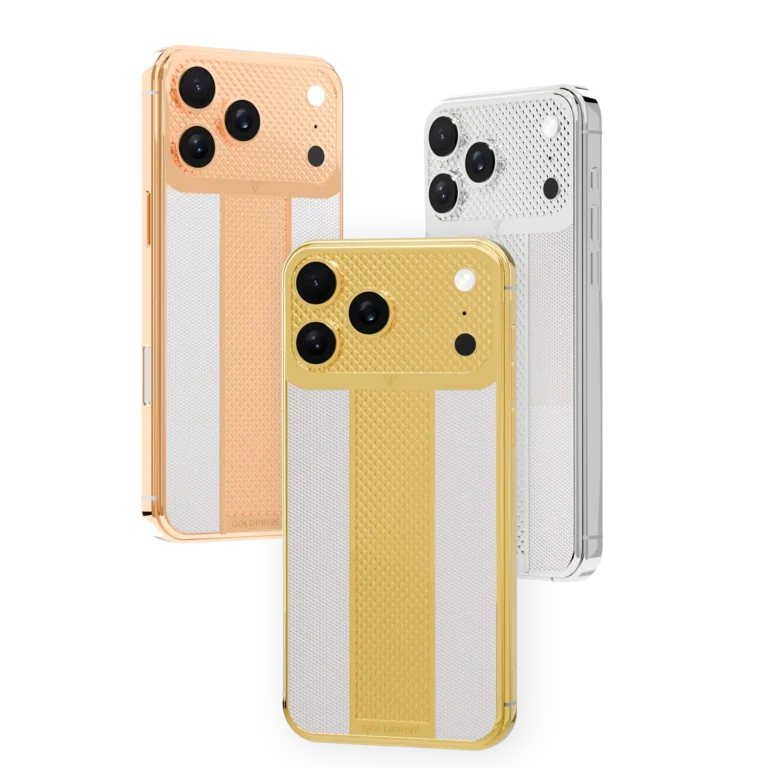
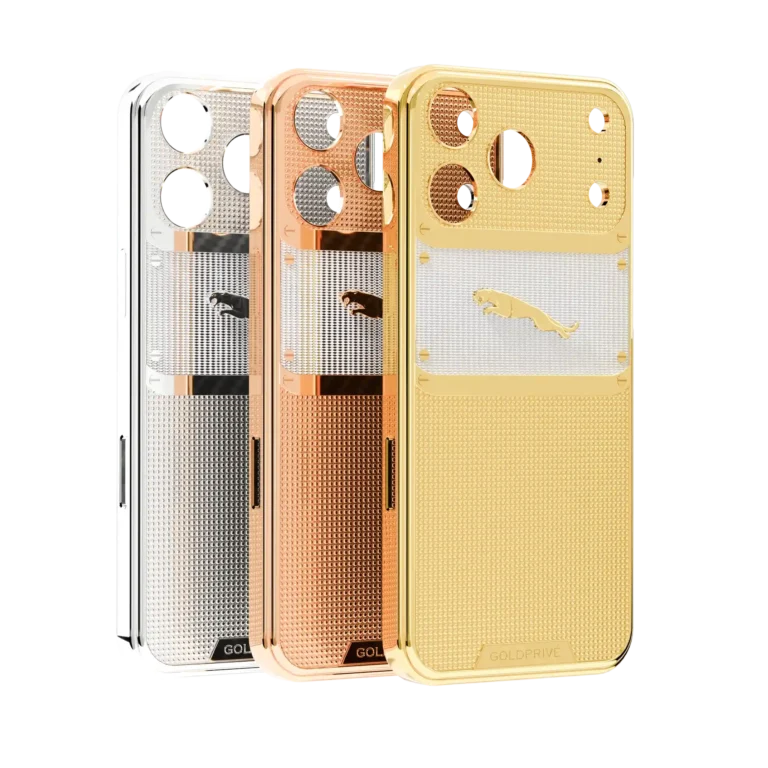
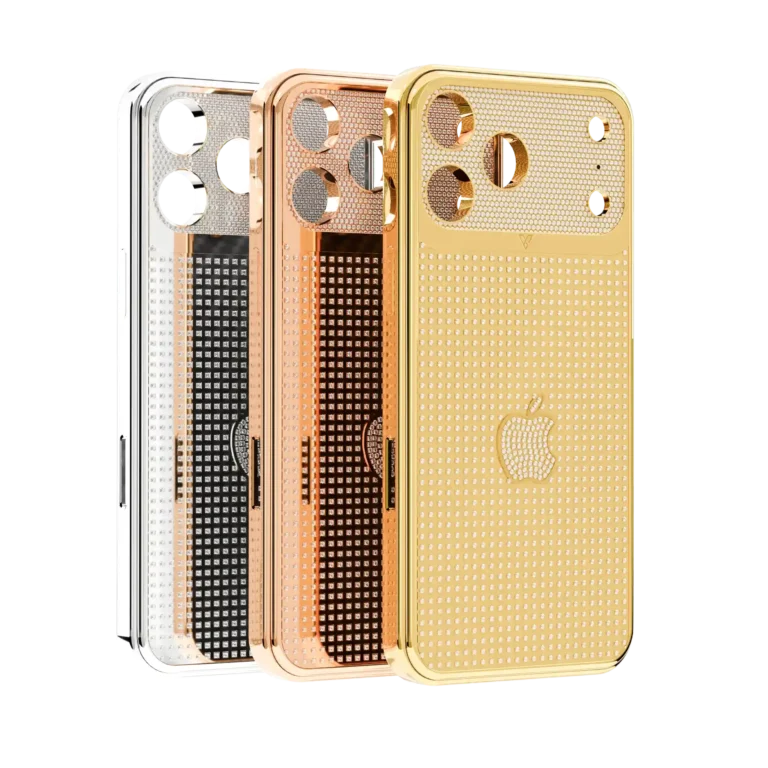
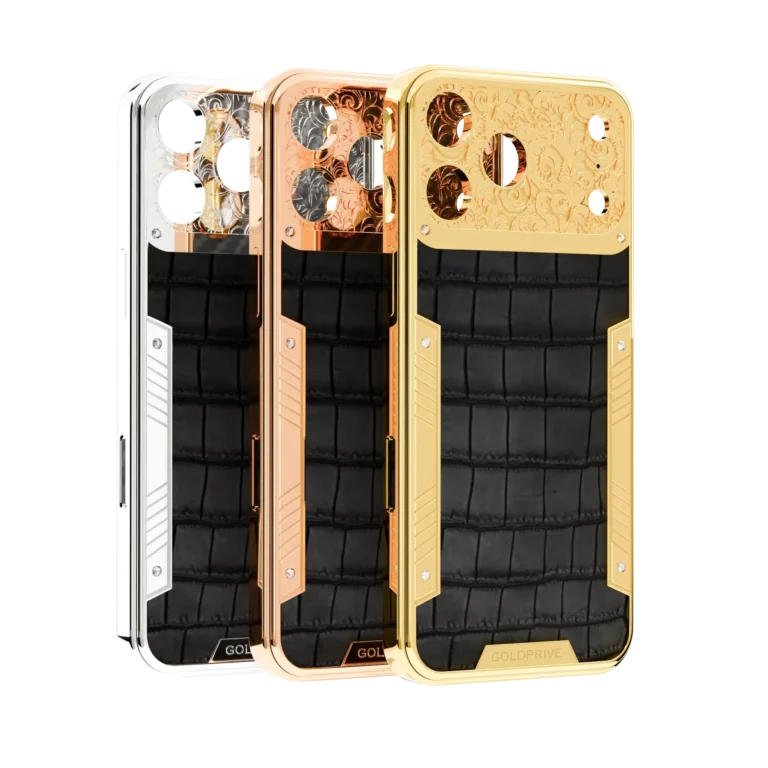
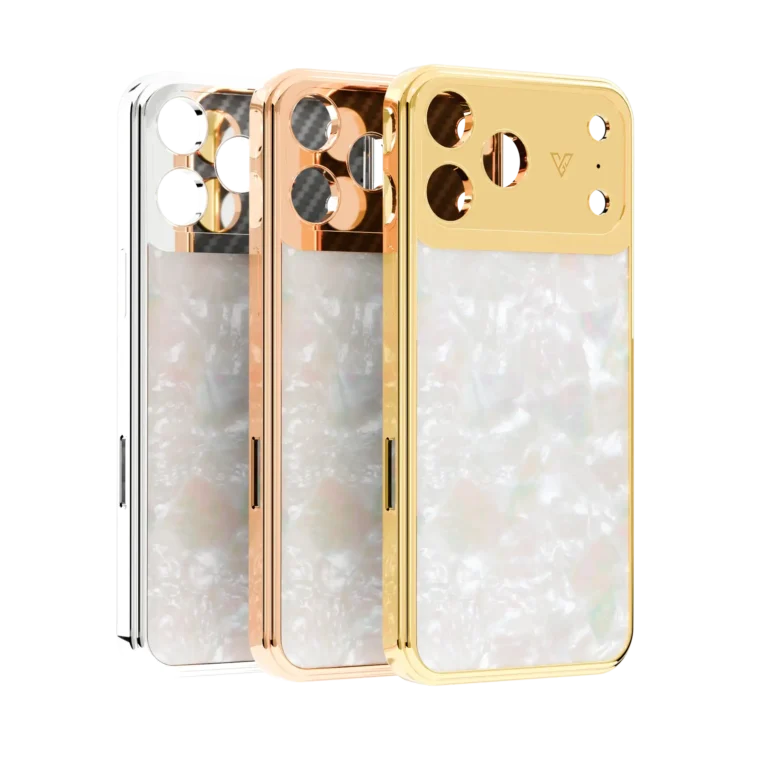
GoldPrivé customizes genuine, factory-new devices in 24K gold, rose gold or platinum, 5 to 7 microns thick. All three metals are priced the same within a design. Our bespoke gold plating service covers the process, and our warranty gives a 2-year customization warranty and a 1-year device warranty; liquid damage voids it. GoldPrivé Care offers a resell refresh, or recustomization with fresh plating for gifting. We do not promise a lifespan, because use and care decide it.
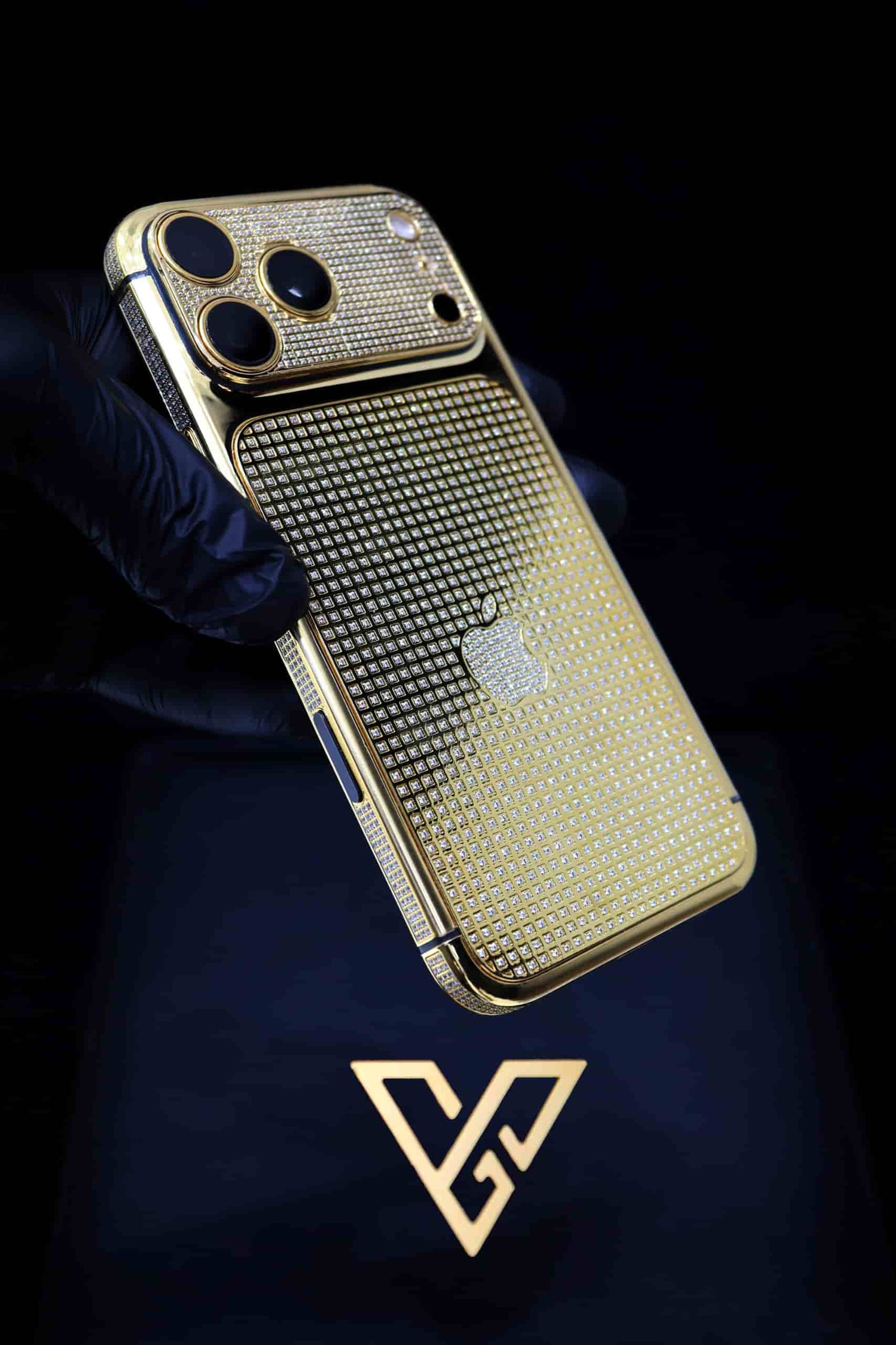
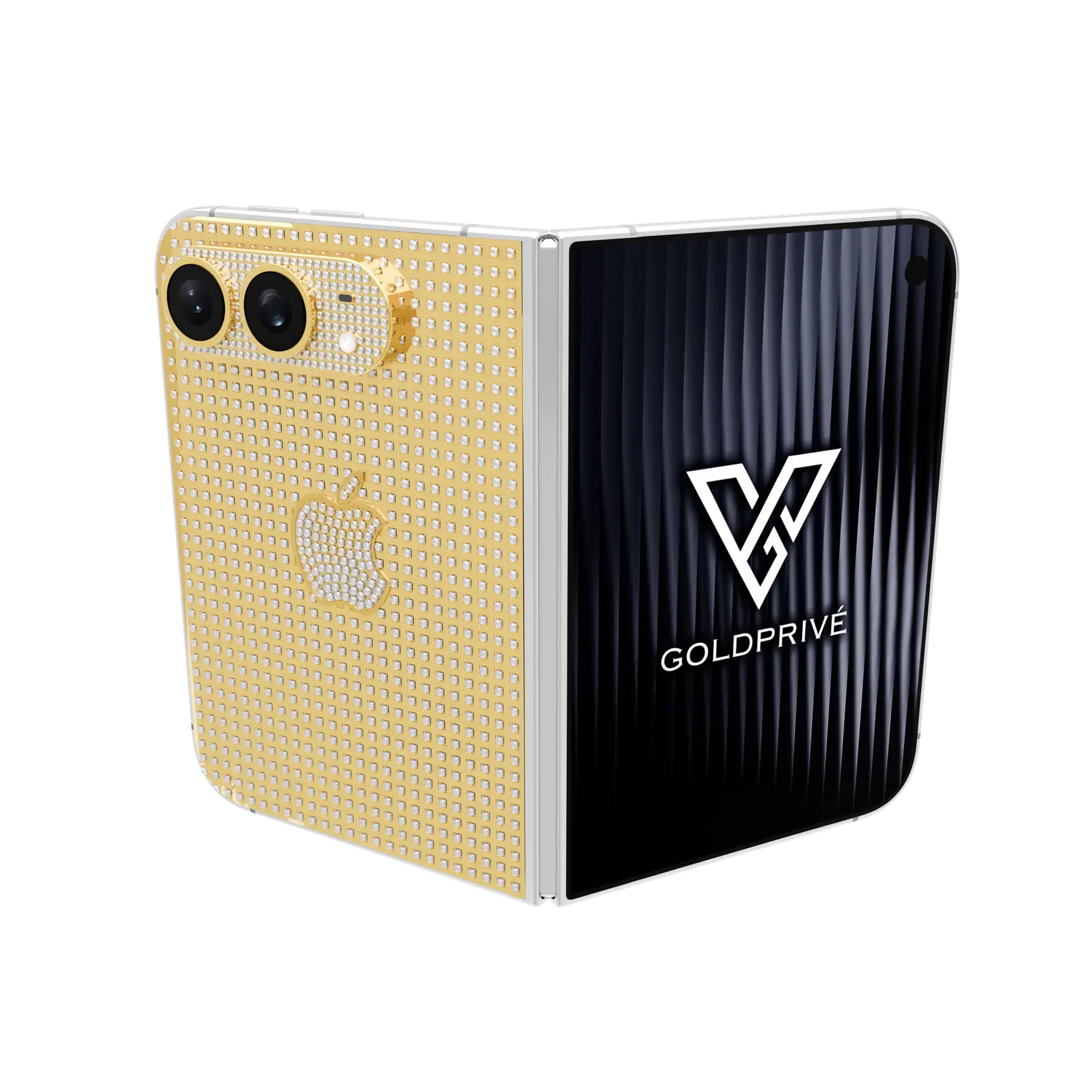
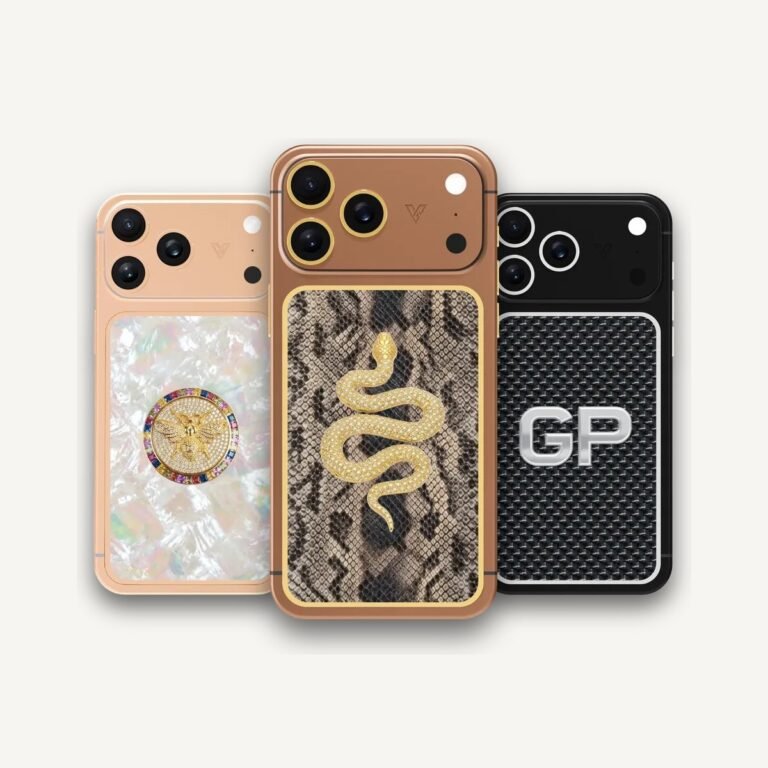
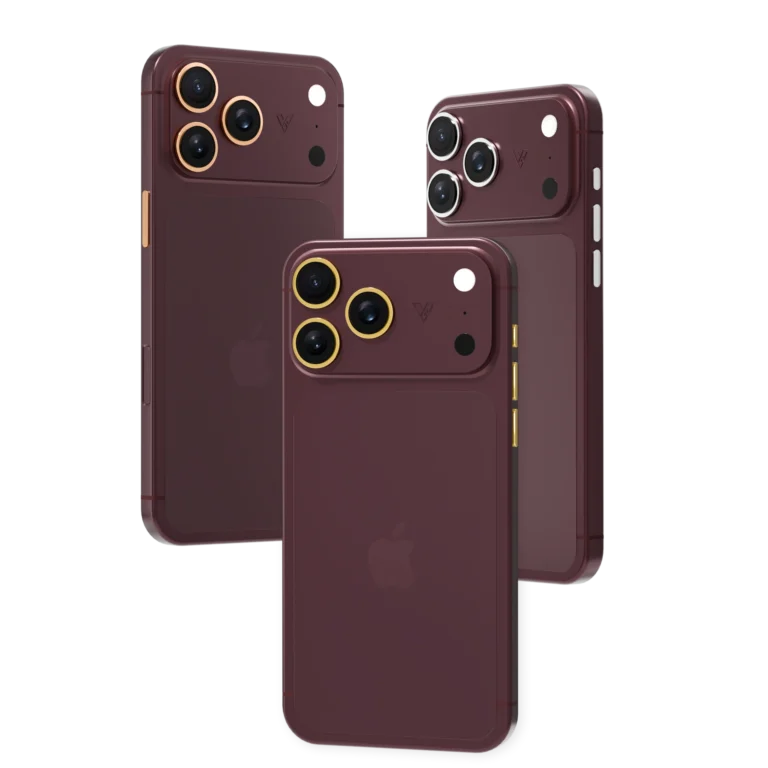
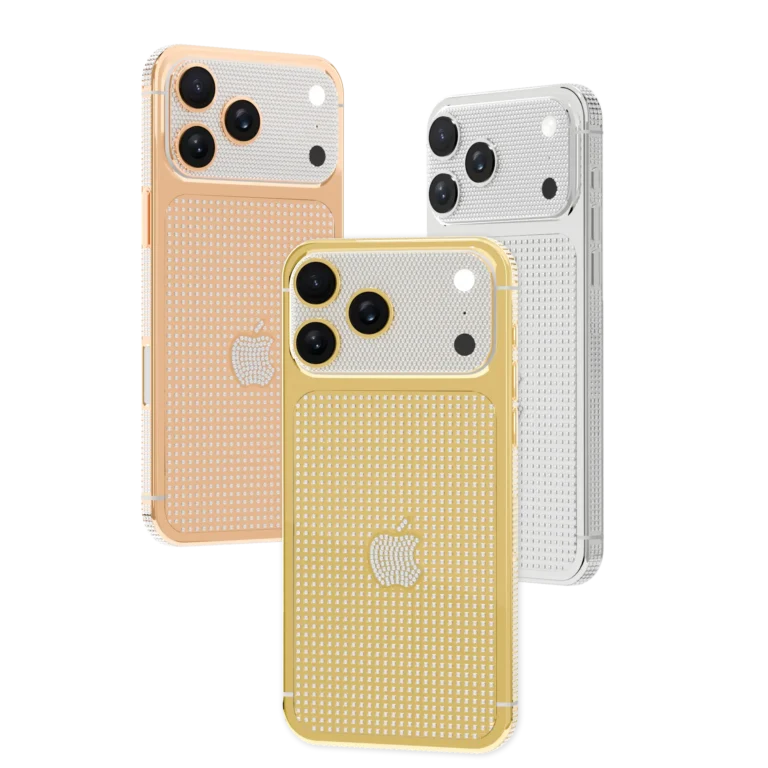
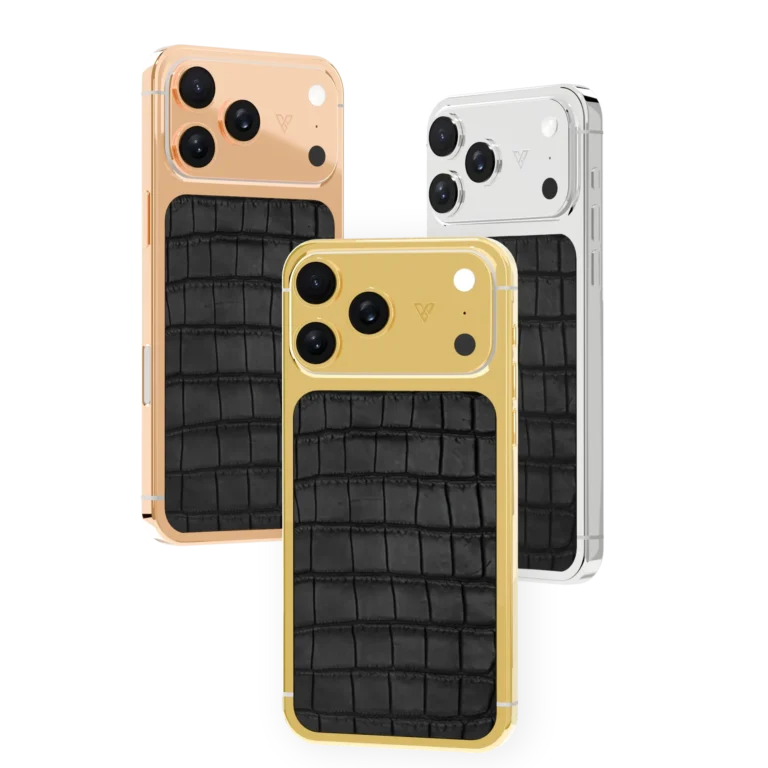
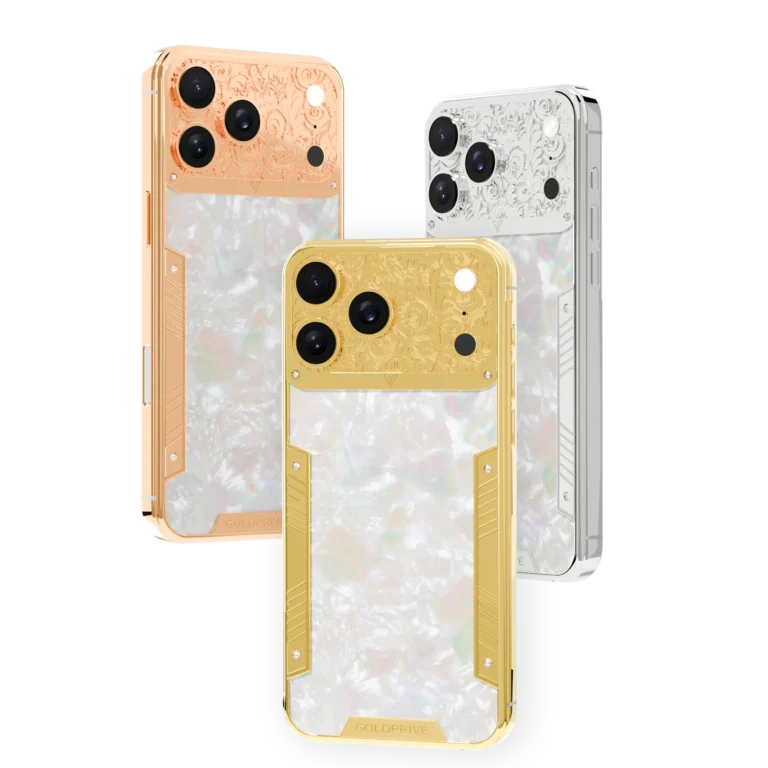
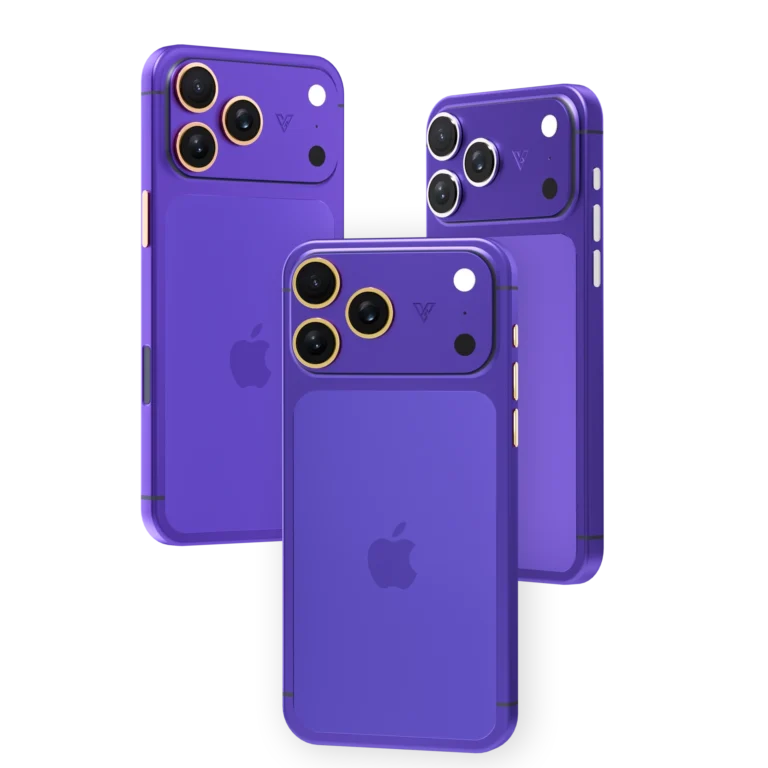
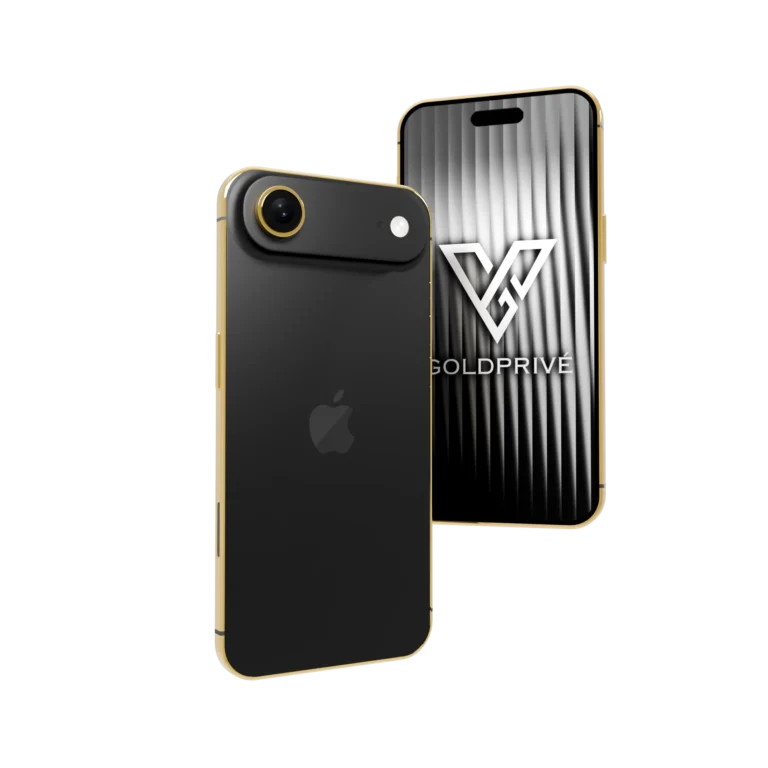
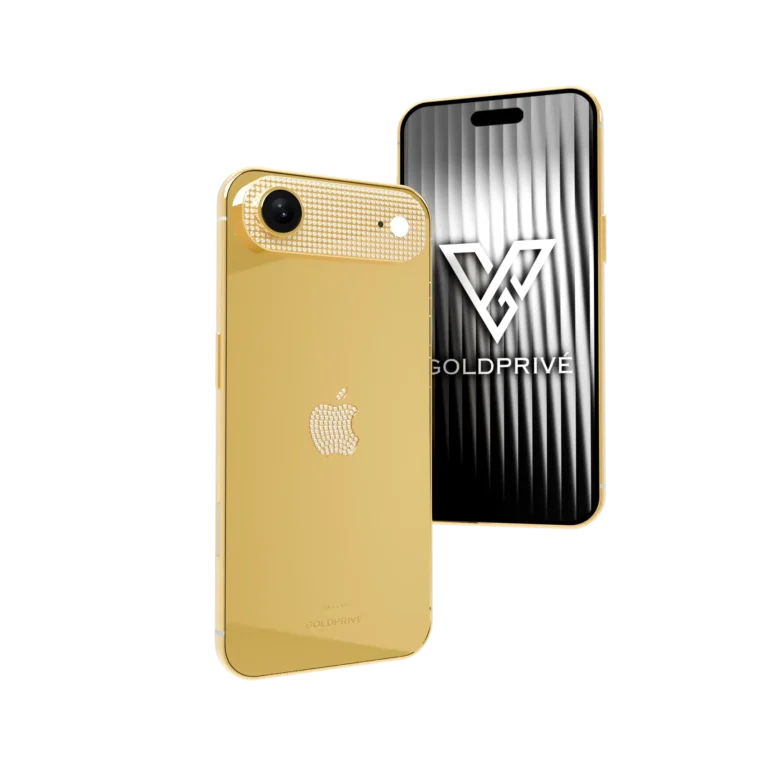
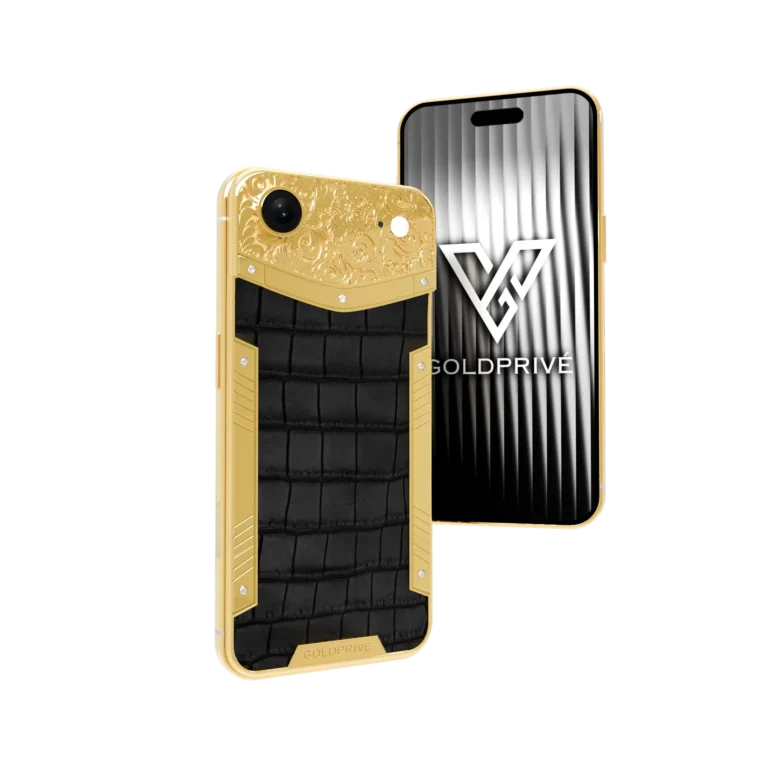
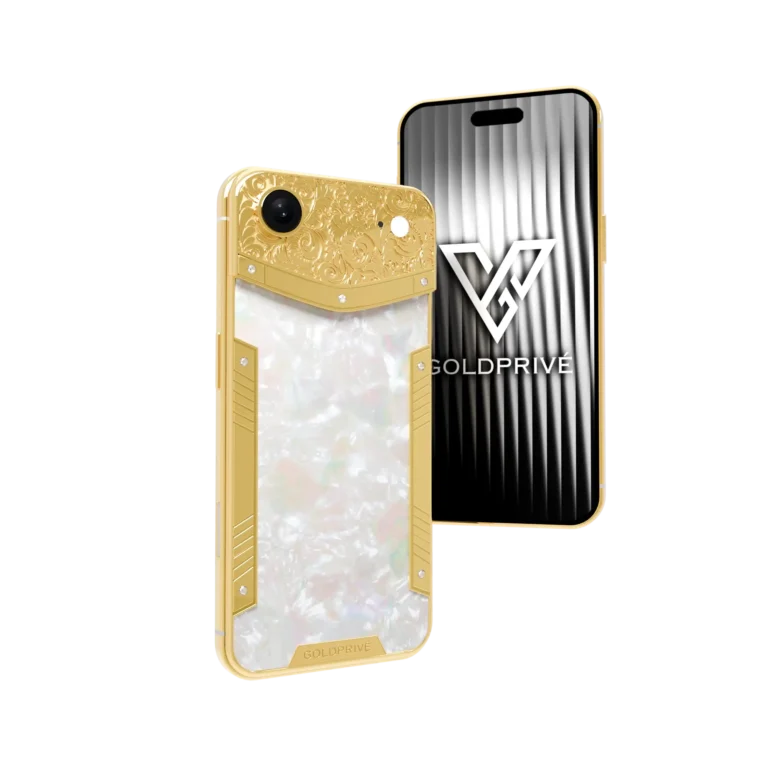
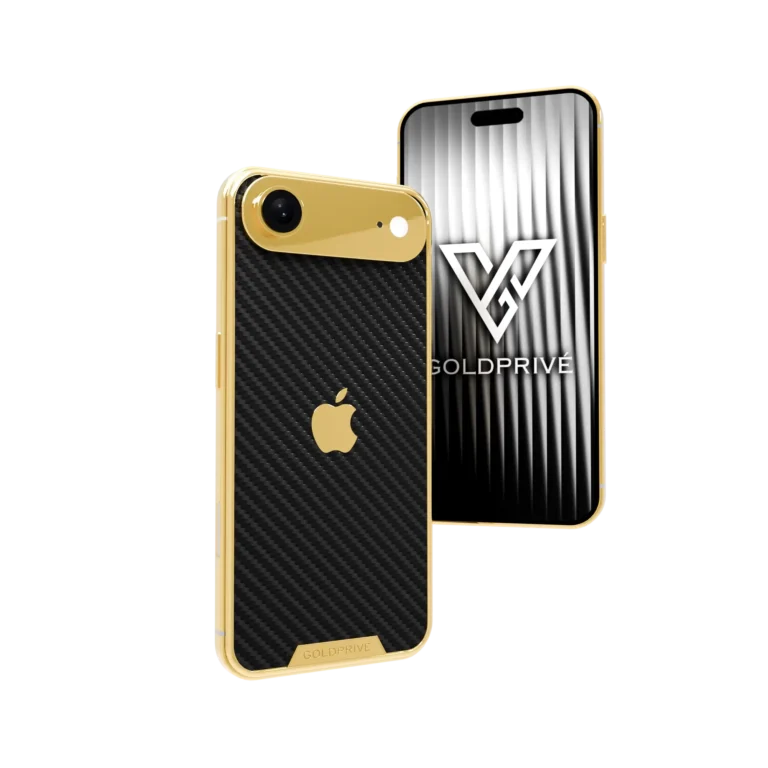
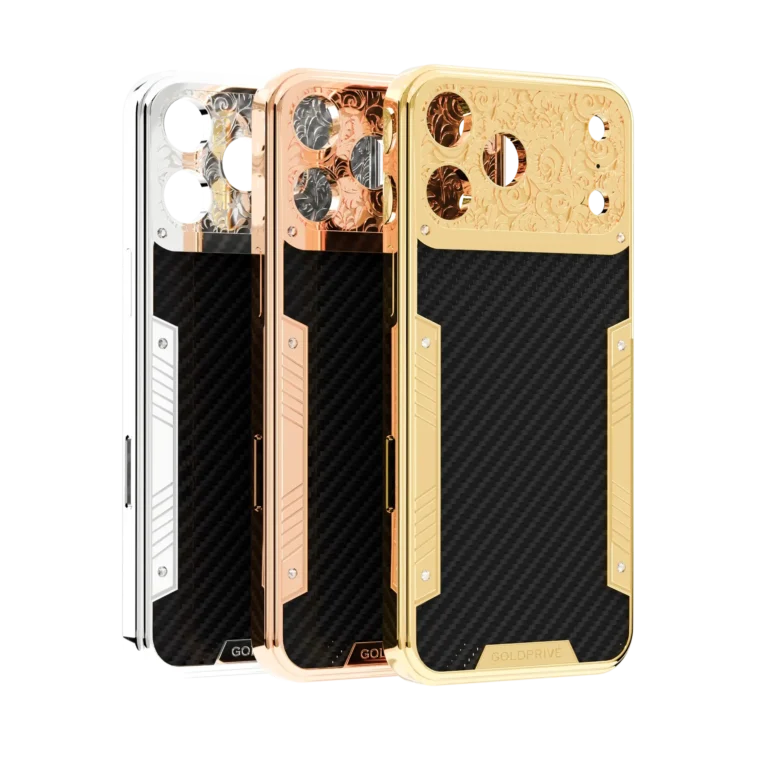
Browse the current collections: Galaxy S26 Ultra, Galaxy Z Fold8 Ultra and Gold iPhone Duo. For Duo, pre-orders start now.
Considering a gold-finished device rather than a do-it-yourself project?
Frequently asked questions
Can I get a professional result from a gold plating kit?
On a small, simple, well-prepared item you can get a pleasing result. Matching a specialist’s consistency, thickness and durability on larger or complex pieces is much harder.
Are plating kits safe?
It depends on the product. Check the safety data sheet, work with ventilation and protective equipment, and dispose of solution lawfully. Gold plating chemicals can be hazardous.
Can I plate my phone with a kit?
We would not recommend it. Phones contain batteries, seals and sensitive electronics, and home plating offers no warranty protection.
What thickness should I ask for?
Ask for microns in writing. The FTC minimum for “gold electroplate” is 0.175 microns; GoldPrivé device finishes are 5 to 7 microns.
Is 24K plating better than 18K?
24K is higher purity, which gives the classic deep gold colour. Purity is not the same as durability, which depends mainly on thickness and base preparation.
Does a customized device keep its manufacturer warranty?
A customized device may be treated by the manufacturer as modified. GoldPrivé provides its own 2-year customization warranty and a 1-year device warranty.
Can I re-plate something that was done badly?
Sometimes, but stripping and redoing costs more than doing it correctly once, and not every item tolerates it. Devices are especially unforgiving.
Will a plated phone charge wirelessly?
It depends on the design. A plated back can block wireless charging, tap-to-pay and MagSafe, so check the product listing text.
Sources and further reading
- Federal Register: Guides for the Jewelry, Precious Metals and Pewter Industries (2018)
- eCFR: 16 CFR Part 23, Jewelry Guides
- Wikipedia: Electroplating
- Wikipedia: Gold plating